

Image of 1941 Hudson Commodore Series 12, Note: These illustrations use artistic license and may differ from actual historical models.
Performance Metrics
Fundamental Metrics
Emotional Appeal
MMP Rating
| Engine Specifications | |
|---|---|
| Engine Options: | Inline 6 |
| Displacement Range: | 212 cubic inches |
| Horsepower Range: | Estimated 102 hp |
| Torque: | 180 lb-ft |
| Compression Ratio: | Estimated 6.5:1 |
| Ignition System: | Distributor and coil |
| Cooling System: | Liquid-cooled |
| Performance Specifications | |
| 0-60 Time: | Information not available |
| 1/4 Mile Time: | Information not available |
| Top Speed: | Estimated 80 mph |
| Transmission and Drive | |
| Drive Type: | Rear-wheel drive |
| Transmission Type: | 3-speed manual |
| Fuel and Efficiency | |
| Fuel System Type: | Carburetor |
| MPG: | Estimated 15-20 mpg |
| Dimensions and Brakes | |
| Brakes: | Drum brakes |
| Wheelbase: | 121 inches |
| Weight: | Estimated 3,200 lbs |
Note: Specifications for classic cars are given to the best of our ability, considering the limited and variant data available.
1941 Hudson Commodore Series 12: An Eight-Cylinder Classic
The 1941 Hudson Commodore Series 12 paired a refined, full-size body with one of the smoothest engines in Hudson’s lineup: a 254-cubic-inch straight-eight. Built by the Hudson Motor Car Company of Detroit, Michigan, it represented the company’s prewar idea of a premium American car: substantial, stylish, comfortable, and engineered with a little more thought than the ordinary family sedan.
“Series 12” identifies the Commodore Eight, distinguishing it from the six-cylinder Commodore models. The timing gives the car added historical appeal. It arrived just before the United States redirected automobile factories toward wartime production. In 1942, Hudson’s civilian car production gave way to military work, making the 1941 model part of the final generation of prewar Hudsons.
One detail worth knowing: the 1941 Commodore is not a “step-down” Hudson. That famous low-floor design arrived for 1948. The Series 12 is from an earlier chapter in Hudson history, but it already shows the company’s interest in distinctive styling, smooth power, and practical engineering.
Distinctive Hudson Styling and Cabin
The Commodore’s exterior has the long, confident proportions expected of a premium American automobile of the early 1940s. Its broad hood leads into a bright, upright grille, while integrated front fenders and rounded body contours give the car a more unified appearance than older, boxier designs. Chrome trim adds sparkle without overwhelming the body, and the substantial rear fenders reinforce its formal, substantial stance.
Inside, the Commodore was designed for comfortable travel rather than a stripped-down, utilitarian feel. Depending on body style and equipment, buyers could expect broad upholstered seats, a well-finished dashboard, bright metal trim, and generous interior space. Cloth was common in closed models, while more upscale or open-car configurations could use richer upholstery. As with any surviving example, original materials and colors vary, and many cars have been retrimmed over the decades.
Period paint choices varied by model and market, but buyers could choose from conservative shades such as black, dark blue, maroon, gray, and green, along with lighter colors. Dark, formal colors suit the Commodore’s upscale character especially well, though brighter original finishes can make a restored car stand out at a show.
Series 12 body offerings included closed sedans and coupe-style models, with availability depending on the specific catalog listing and configuration. The four-door sedan is the most familiar and practical choice, while open Commodore models are especially eye-catching and tend to be more collectible. Buyers could also select equipment and trim options that changed the car’s comfort and appearance.
Engineering Before the Step-Down Era
Hudson had a reputation for building sturdy, well-engineered cars, and the 1941 Commodore reflected that approach. The Series 12’s straight-eight engine delivered its power smoothly, an advantage for a large car intended to carry passengers in comfort. A three-speed manual transmission was typical. Hudson also offered its unusual Electric Hand shifting system on some cars, a semi-automatic gear-selection arrangement that used a small control lever and electrically operated mechanism. It reduced the need to move a conventional floor shift, though it still required the driver to manage clutch operation.
The 1941 design should not be confused with Hudson’s later unibody-style “step-down” construction. The Commodore Series 12 belongs to the traditional body-on-frame period. Its significance is instead in how Hudson balanced a substantial chassis, smooth eight-cylinder power, and modern-looking bodywork at the end of the prewar era.
That combination helped establish the character Hudson would build on after the war. The company later became famous for its low-slung 1948 models and, in the 1950s, for the racing success of the Hudson Hornet. The 1941 Commodore is not the Hornet, but it is part of the engineering and styling story that came before those later milestones.
Series 12 Performance and Road Manners
The Commodore Eight used a 254-cubic-inch (about 4.2-liter) inline-eight, rated at approximately 128 horsepower in period specifications. Exact figures can vary with the rating method and engine condition. That was useful power for a full-size luxury car, delivered with the relaxed, even character for which straight-eights were prized.
A sound, properly tuned example may reach roughly 85 to 90 mph under favorable conditions. Zero to 60 mph is generally estimated in the neighborhood of 16 to 19 seconds. These are approximate period-car figures, not guarantees for an individual car. Tire type, gearing, mechanical condition, altitude, and passenger load all make a difference. The Commodore is best understood as a comfortable highway cruiser, not a modern performance sedan.
On a smooth road, the long wheelbase and substantial body help the car feel composed. It absorbs ordinary bumps with the softer, more compliant ride expected of a large prewar automobile. On winding roads, its size and period suspension call for measured steering and braking rather than quick inputs. Strong crosswinds can also make a tall, broad-bodied car feel more affected than a modern vehicle.
From behind the wheel, the straight-eight is part of the experience. It produces a low, smooth mechanical note rather than the sharper exhaust sound of a small, high-revving engine. The steering, brakes, and manual controls feel unmistakably prewar, so the driver needs to plan ahead and leave more stopping distance than in a contemporary car. The reward is an unhurried, substantial ride that makes even an ordinary drive feel like an occasion.
Living With a 1941 Hudson
Today, most Commodore Series 12s are collector cars, show vehicles, or occasional-use tour cars. A well-sorted example can handle local trips and club events, but its age makes it less suitable as a dependable daily driver in modern traffic. It lacks modern crash protection, lighting, braking, and climate control, and its large size can be challenging in tight parking spaces.
Routine service is familiar to mechanics experienced with older American cars. The straight-eight is mechanically straightforward, and many basic tasks can be handled by a capable owner with the right shop manual and tools. The greater challenge is often finding correct parts, trim, glass, or body components. Some mechanical pieces can be repaired or adapted, but rare cosmetic parts may require patience, specialist help, or custom fabrication.
Reliability depends heavily on condition. A car with a neglected cooling system, old wiring, worn brakes, or stale fuel can turn a short outing into a roadside repair. Before regular use, owners should inspect the fuel and brake systems, tires, wiring, cooling system, and lubrication points. For a car that may have been stored for years, careful recommissioning is safer than simply installing a battery and driving off.
Hudson Trivia and Common Misconceptions
The Series 12 name is a useful clue: this is the eight-cylinder Commodore, not a later Hudson Hornet and not one of the postwar step-down cars. That distinction matters because Hudson’s best-known postwar engineering features are sometimes mistakenly attributed to every earlier Hudson.
The model’s most notable historical connection is its place at the edge of the U.S. wartime production changeover. Hudson stopped building civilian automobiles during the war and turned its manufacturing capacity to military products. The Commodore itself is not known for a major speed or endurance record, and its appeal rests more on its engineering, comfort, and prewar styling than on a single headline-grabbing achievement.
Its chief criticisms are familiar for a large car of its age: fuel consumption is high by modern standards, parts availability can be uneven, and the driving experience demands more attention than a newer car. Some collectors also find that Hudsons receive less mainstream recognition than comparable Cadillacs or Packards. For enthusiasts, that relative obscurity can be a plus: the Commodore feels distinctive without relying on a familiar badge.
1941 Hudson Commodore Values and Rarity
Exact production totals for individual body styles and Series 12 configurations can be difficult to verify in commonly available references. A reasonable working estimate is roughly 8,000 to 12,000 Commodore Eights built for the 1941 model year, but that should be treated as an estimate rather than a definitive factory tally. Surviving examples are far fewer, and complete, original cars are increasingly hard to find.
As a broad North American market guide, a project or incomplete car might sell for around $8,000 to $18,000. A usable driver in sound condition could fall in the $20,000 to $35,000 range, while a well-restored sedan may bring approximately $40,000 to $65,000. Particularly desirable open models, exceptional restorations, or cars with strong provenance can exceed those figures. These are general estimates, not appraisals: condition, originality, documentation, body style, and local demand have a major effect on price.
Values tend to be strongest for cars that are complete, correctly restored, and easy to enjoy. The Commodore occupies a specialized corner of the collector market, so prices may not move as quickly as those of better-known marques. Over the long term, excellent examples may appreciate modestly, but restoration costs can outpace resale value. Buying the best-condition car that fits the budget is often wiser than taking on a project for the promise of a quick profit.
Why the Commodore Series 12 Still Matters
The 1941 Hudson Commodore Series 12 combines a smooth straight-eight, handsome prewar proportions, and the solid character of a full-size American car built just before wartime production transformed the industry. It is not a step-down Hudson or a racing legend, but it is an important link between Hudson’s early engineering identity and the more famous postwar cars that followed.
For collectors who value substance as much as status, the Commodore offers a memorable alternative to the usual luxury-car choices. Its long hood, quiet eight-cylinder power, and unmistakably vintage road manners make it more than a survivor from another era. It is a snapshot of American automotive ambition just before the road, and the country, changed.
1941 Hudson Commodore Series 12 Catalog of Parts
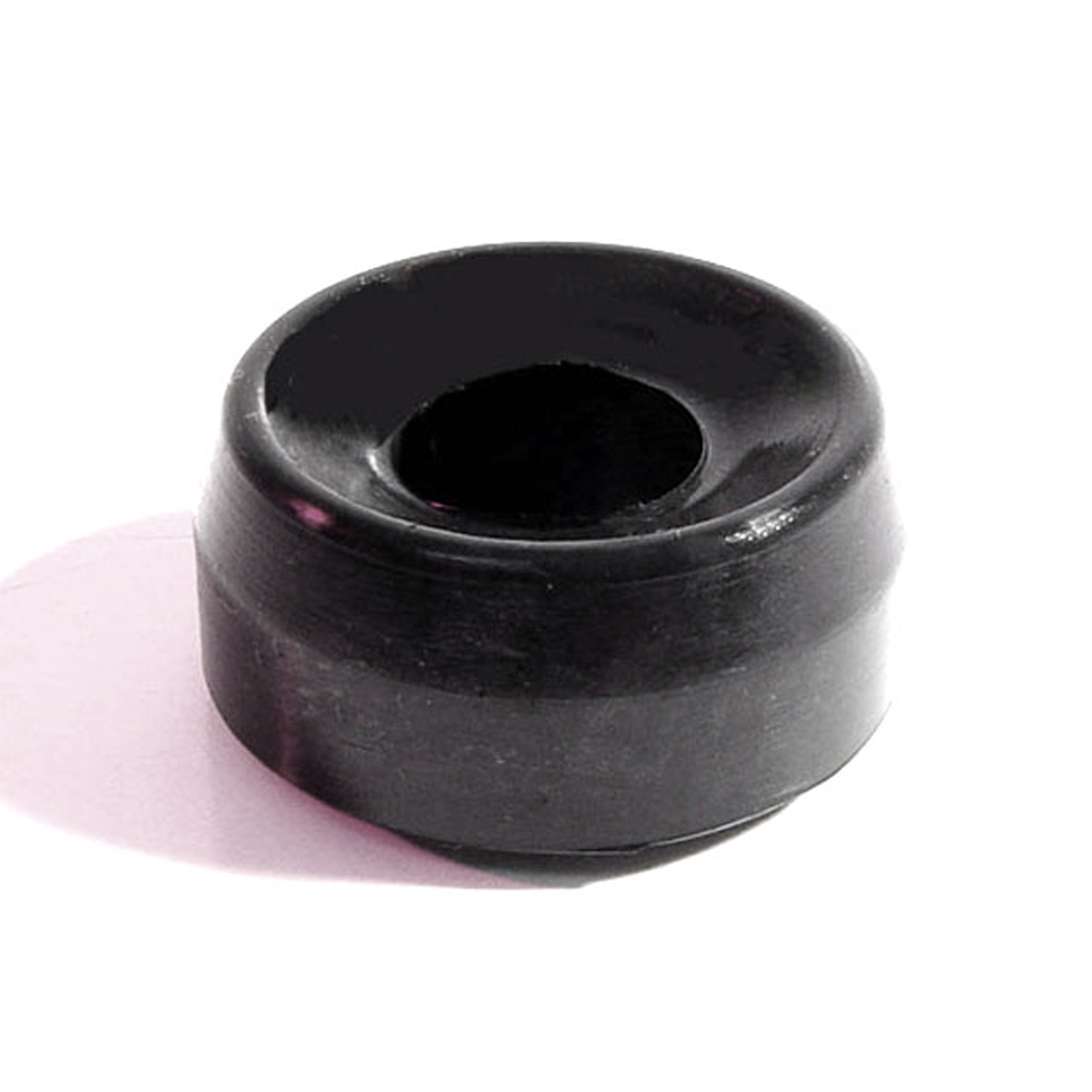 1941 Hudson Commodore Series 12 Rear Stabilizer Bushing. Each-BN 4-HRear Stabilizer Bushing. Each
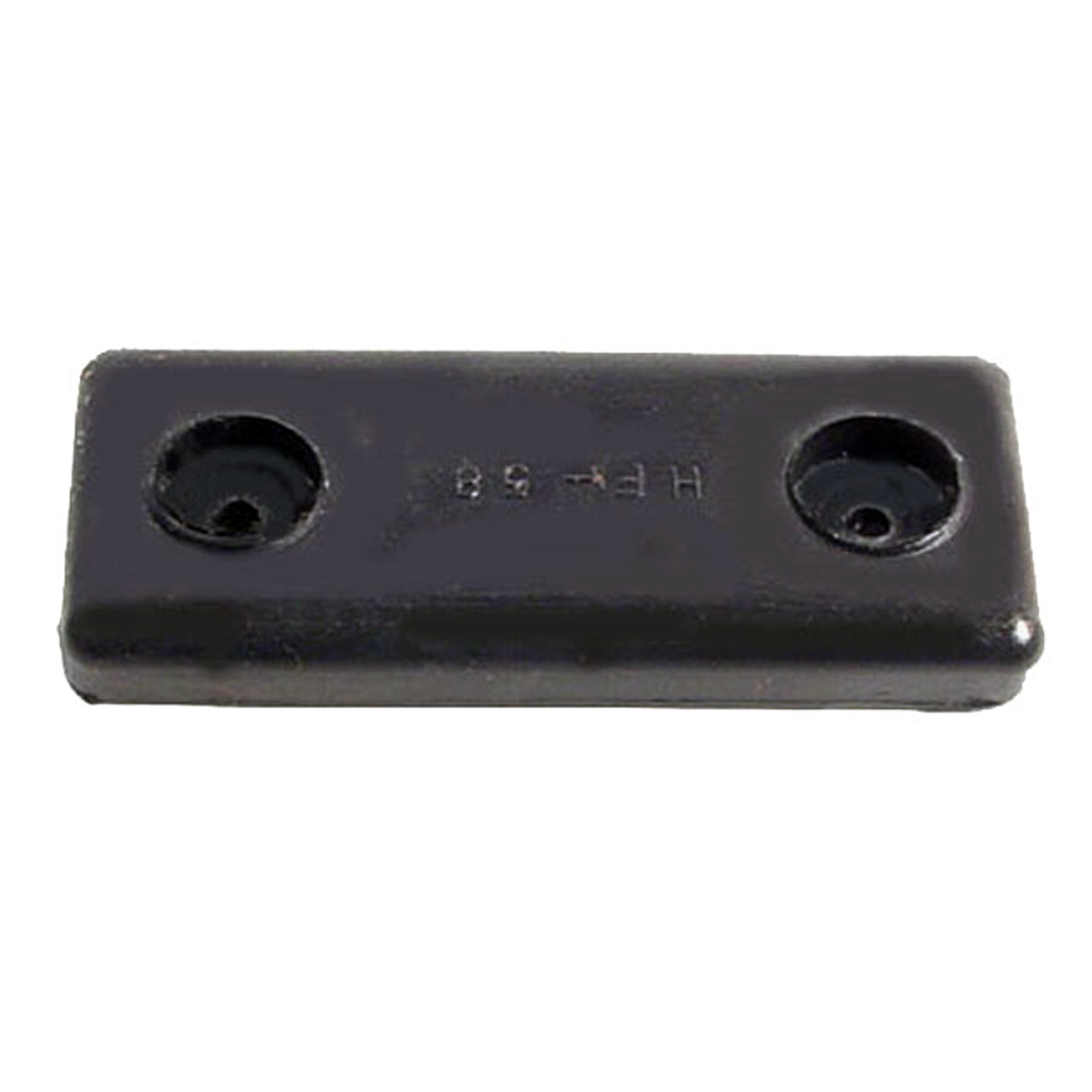 1941 Hudson Commodore Series 12 Rear hood bumper. Fits on cowl. Made with washers-HF 58Rear hood bumper. Fits on cowl. Made with washers. Two used per car. Each.
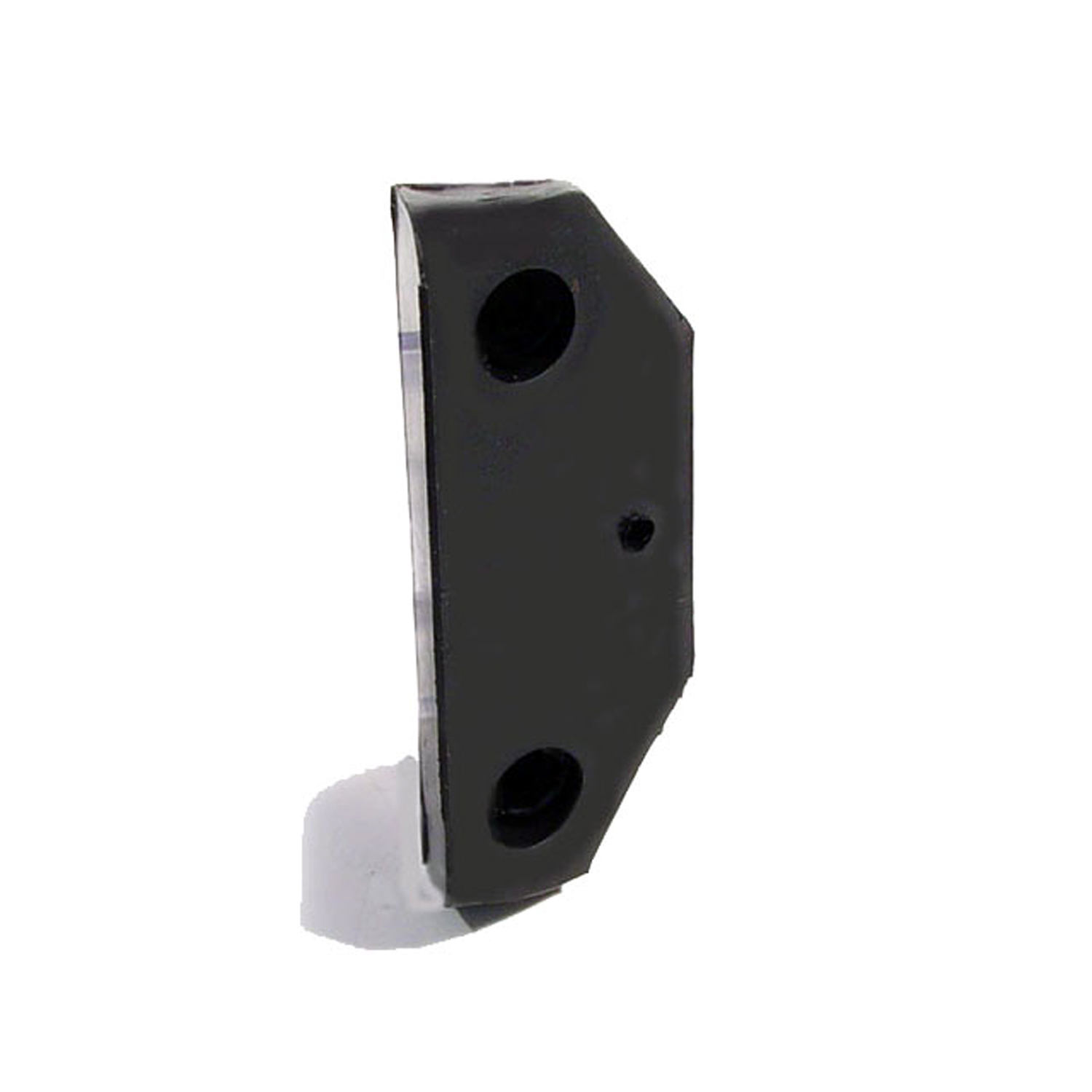 1941 Hudson Commodore Series 12 Front Hood Bumper. Two used per car. Each-HF 58-AFront Hood Bumper. Two used per car. Each
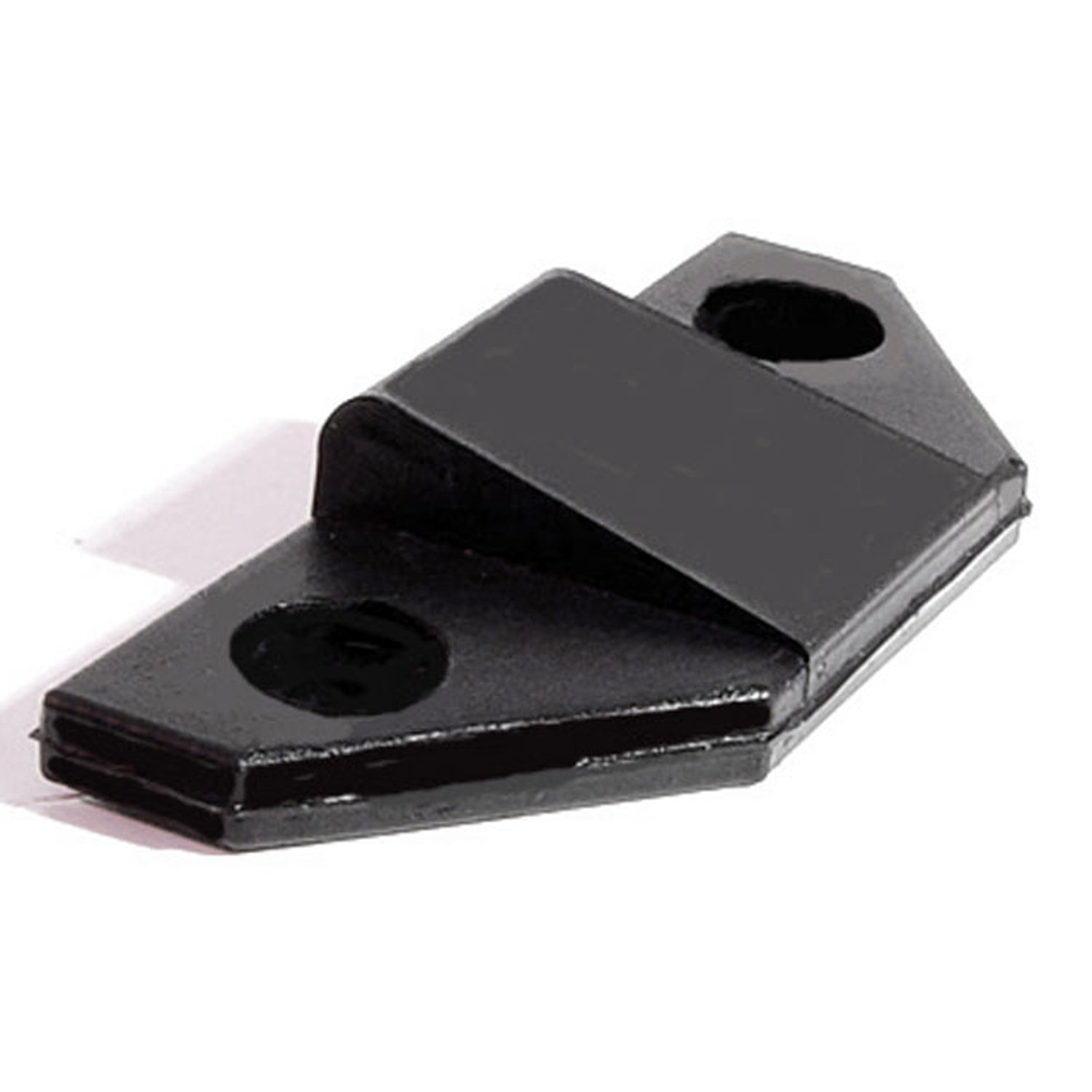 1941 Hudson Commodore Series 12 Middle hood bumpers. Two used per car. Nice reproduction-HF 58-BMiddle hood bumpers. Two used per car. Nice reproduction. Each.
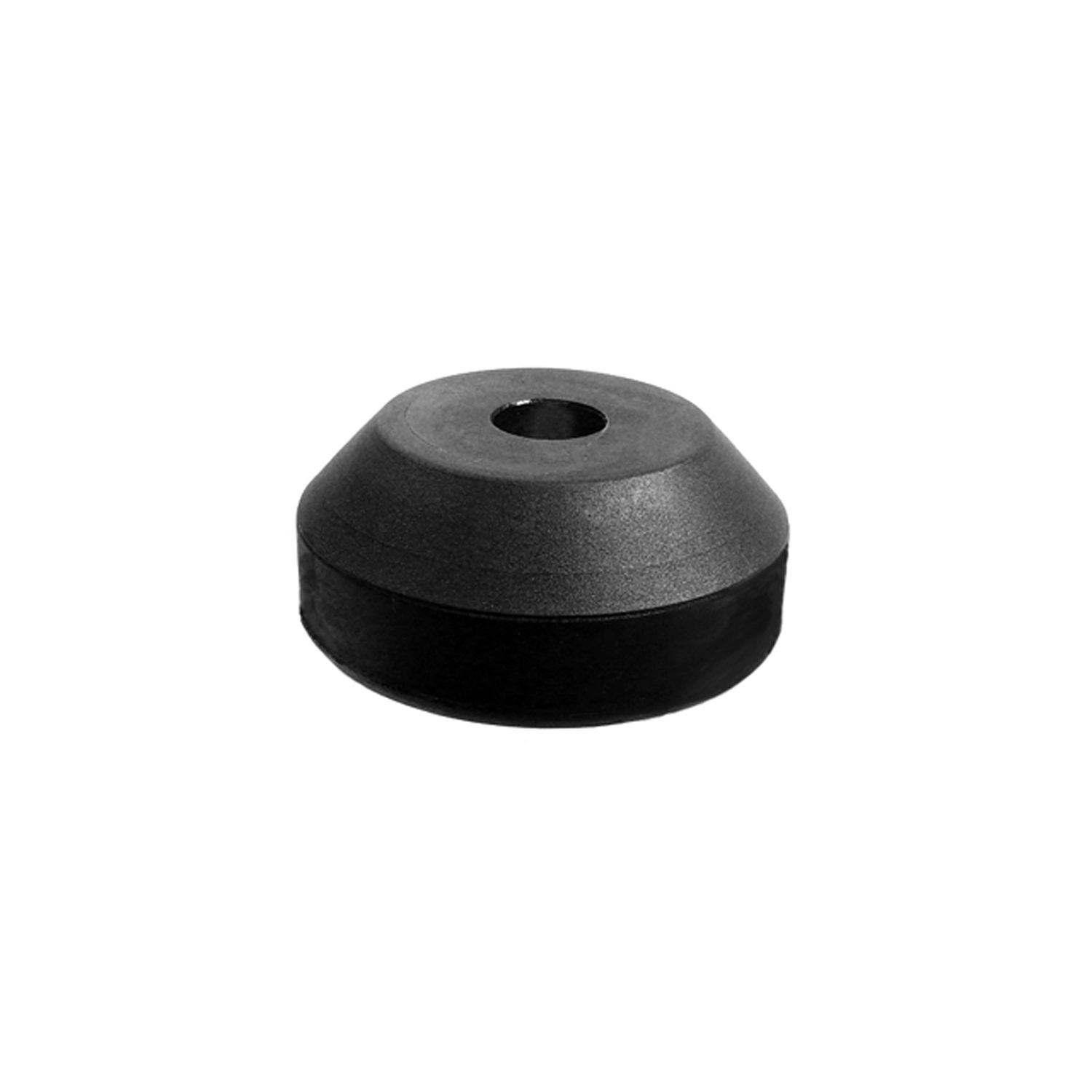 1941 Hudson Commodore Series 12 Upper Motor Mount. 5/8" I.D., 2-5/8" O.D. Each-MM 7-BUpper Motor Mount. 5/8" I.D., 2-5/8" O.D. Each
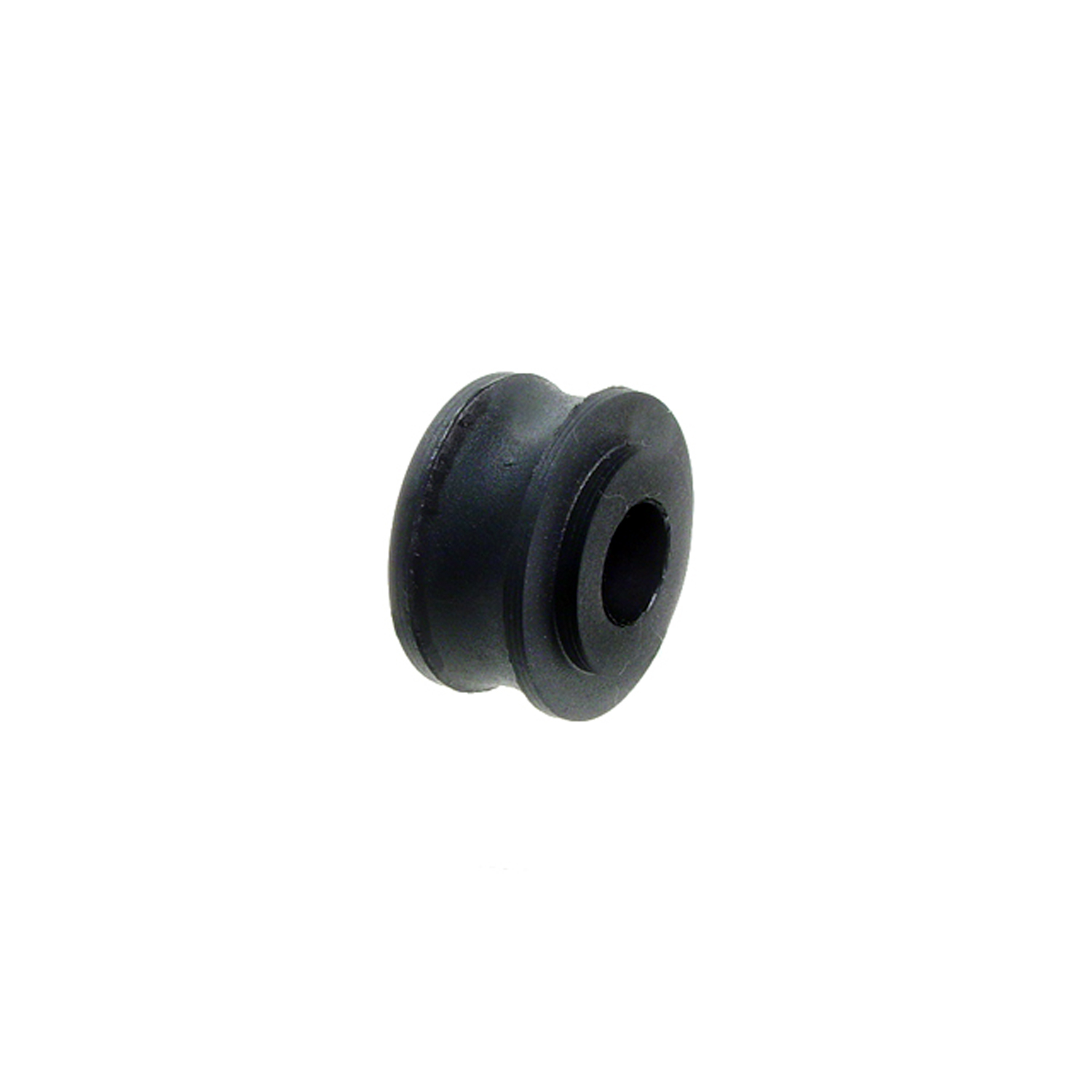 1941 Hudson Commodore Series 12 Lower Motor Mount. 5/8" I.D., 1-5/8" O.D. Each-MM 7-CLower Motor Mount. 5/8" I.D., 1-5/8" O.D. Each
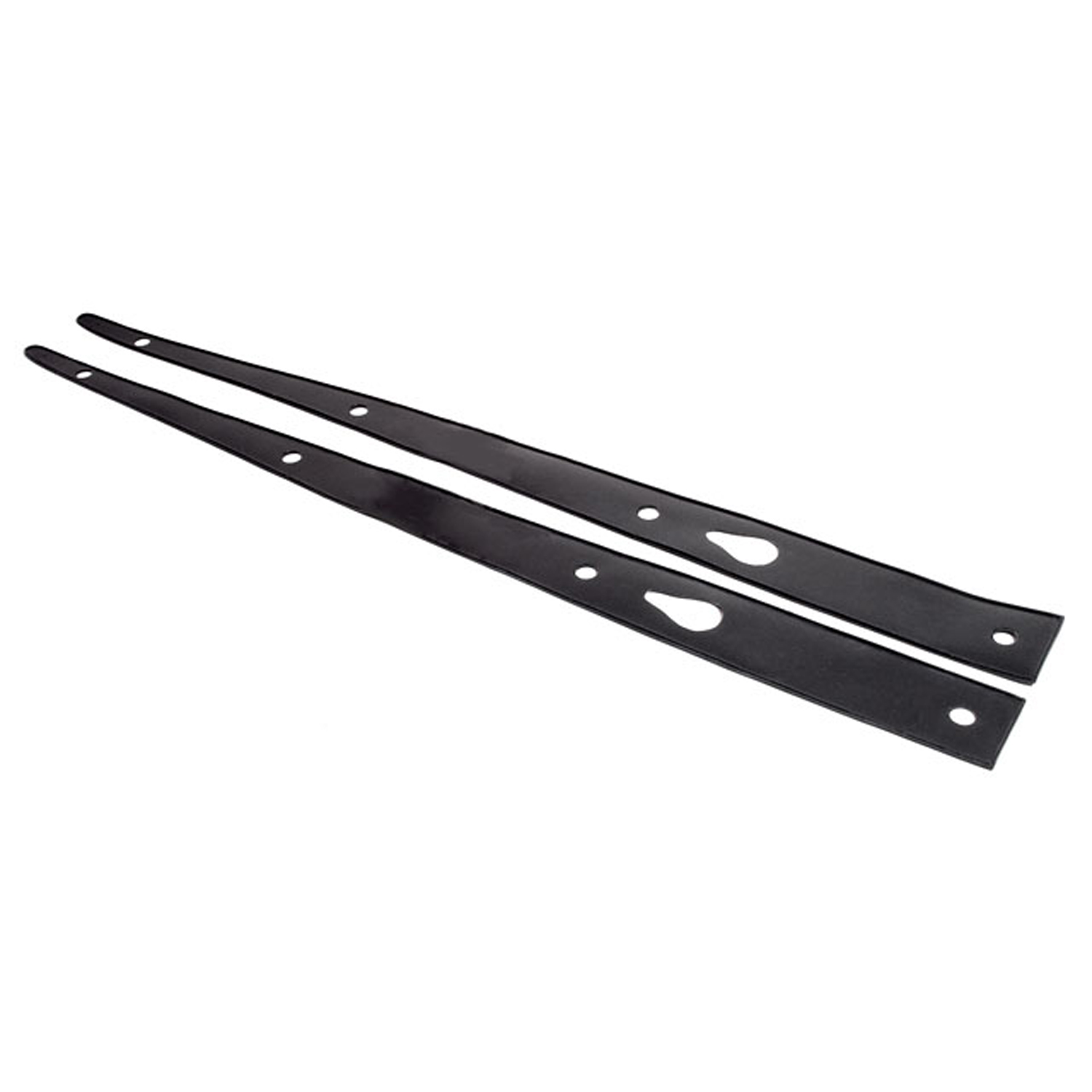 1941 Hudson Commodore Series 12 Parklight Pads. 2-1/8" X 27-5/8" long. Pair-MP 798-RParklight Pads. 2-1/8" X 27-5/8" long. Pair
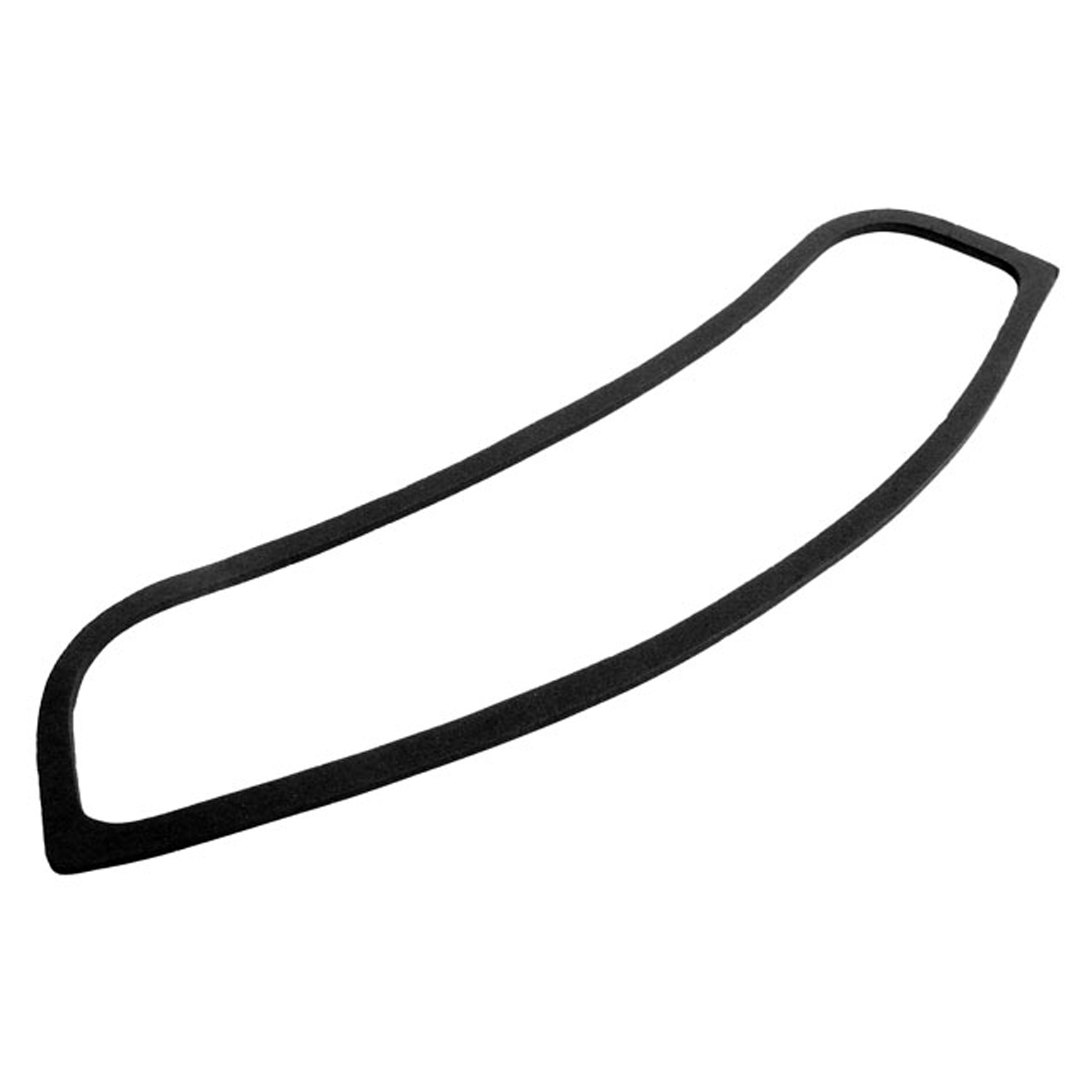 1941 Hudson Commodore Series 12 Cowl Vent Seal. 4-1/2" wide X 18-1/2" long. Each-RP 100-YCowl Vent Seal. 4-1/2" wide X 18-1/2" long. Each
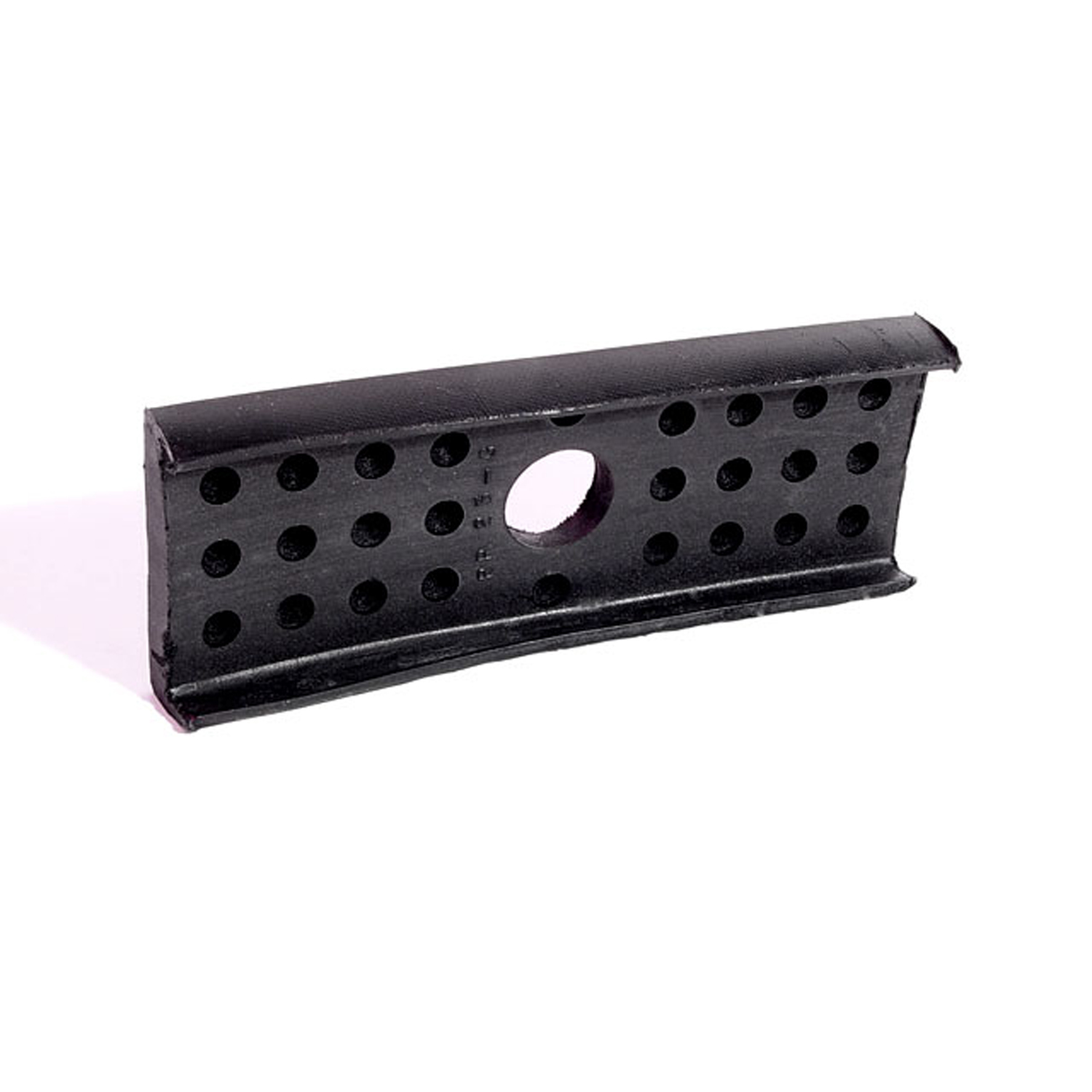 1941 Hudson Commodore Series 12 Rear Leaf Spring Center Mounting Insulator-RP 23-GRear Leaf Spring Center Mounting Insulator. For all 1-3/4" wide leaf springs. Each
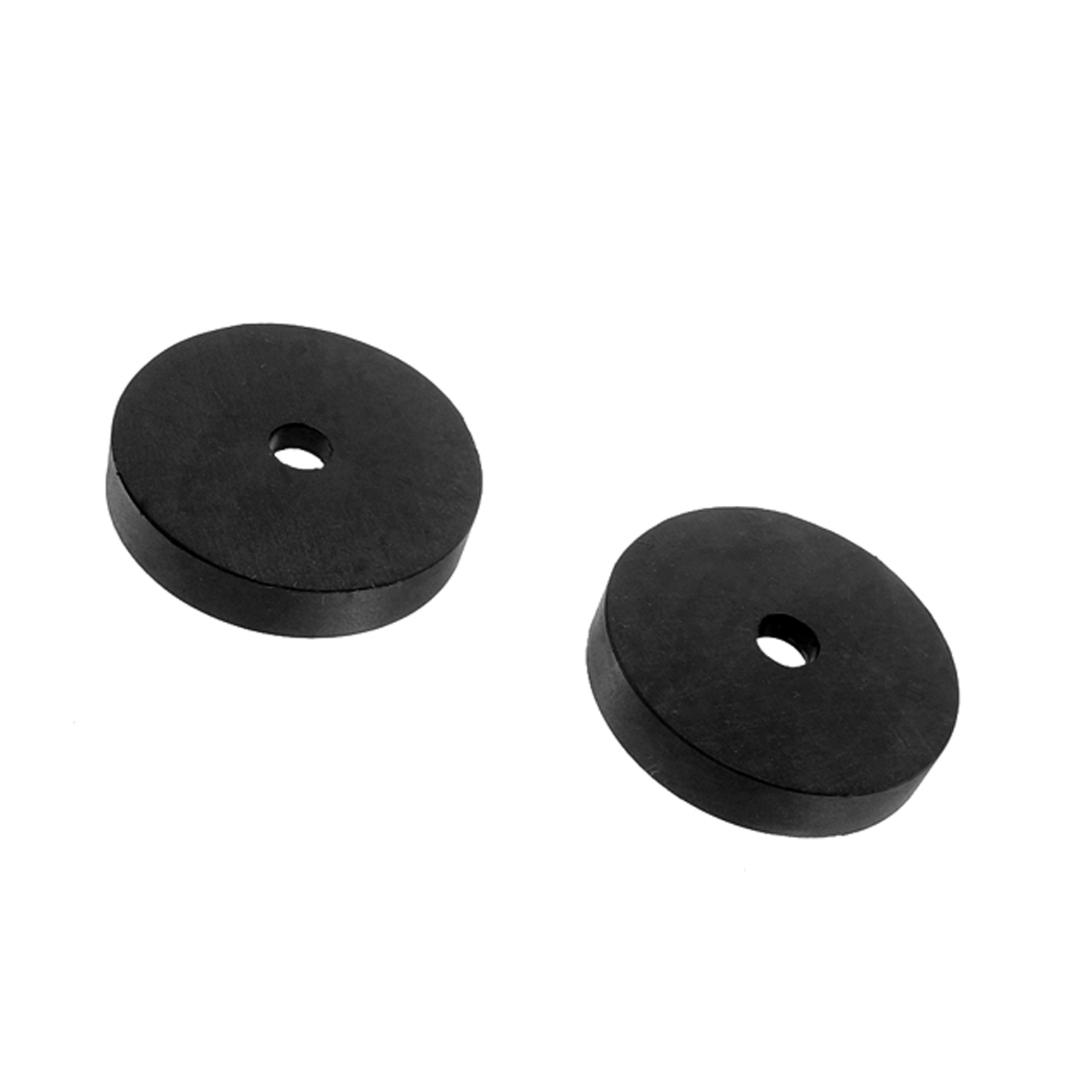 1941 Hudson Commodore Series 12 Clutch and Brake Seals. Seals fit on a round shaft-RP 31-NClutch and Brake Seals. Seals fit on a round shaft. Made of soft rubber. 2-7/16" O.D., 7/16" I.D. Pair
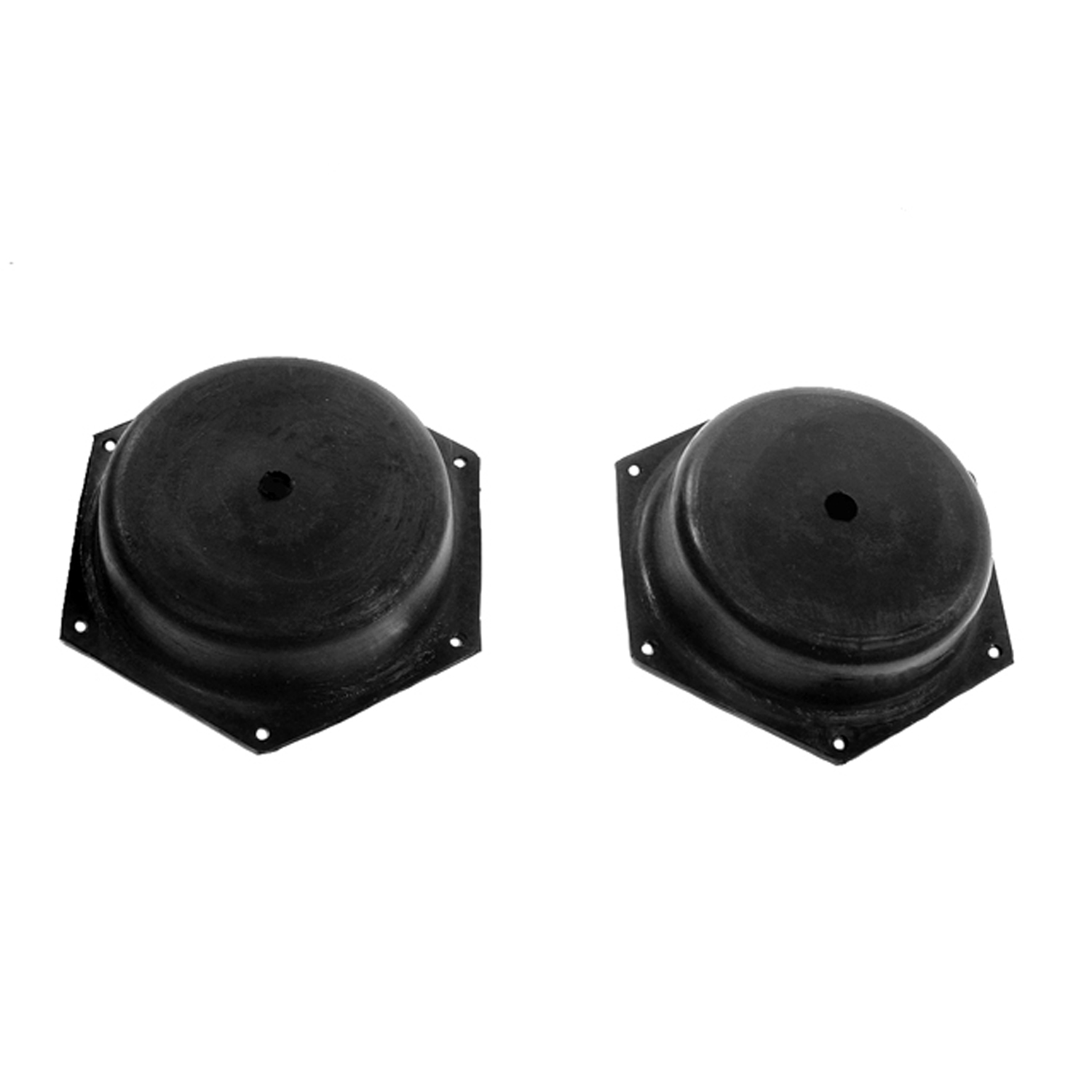 1941 Hudson Commodore Series 12 Drive Master Electric Shift Vacuum Diaphragm-RP 32-ADrive Master Electric Shift Vacuum Diaphragm. For all models with drive master system for standard transmission. Pair
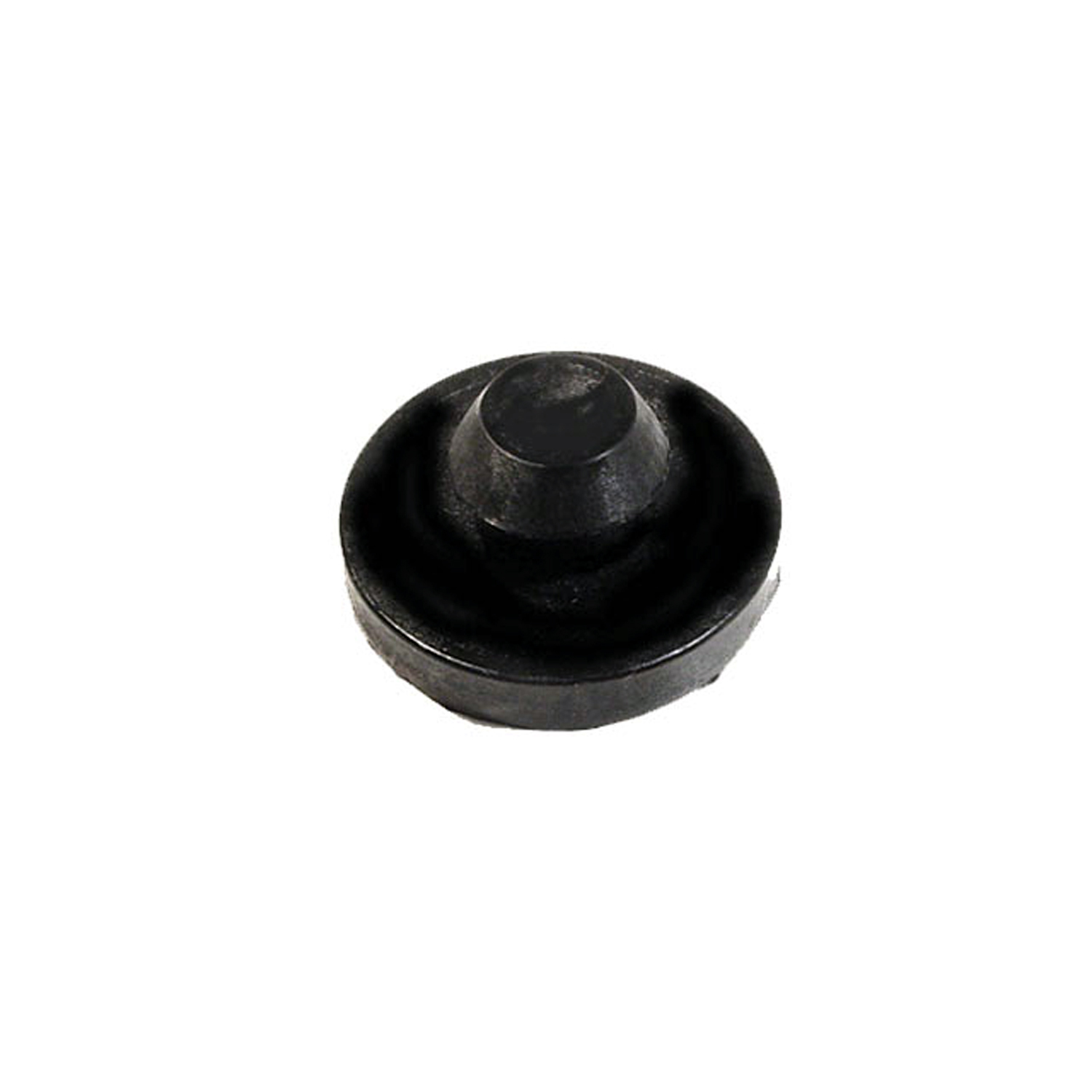 1941 Hudson Commodore Series 12 Clutch Linkage Cushion. 1/4" top thickness, 1-1/2" O.D-SB 33-AClutch Linkage Cushion. 1/4" top thickness, 1-1/2" O.D. Each
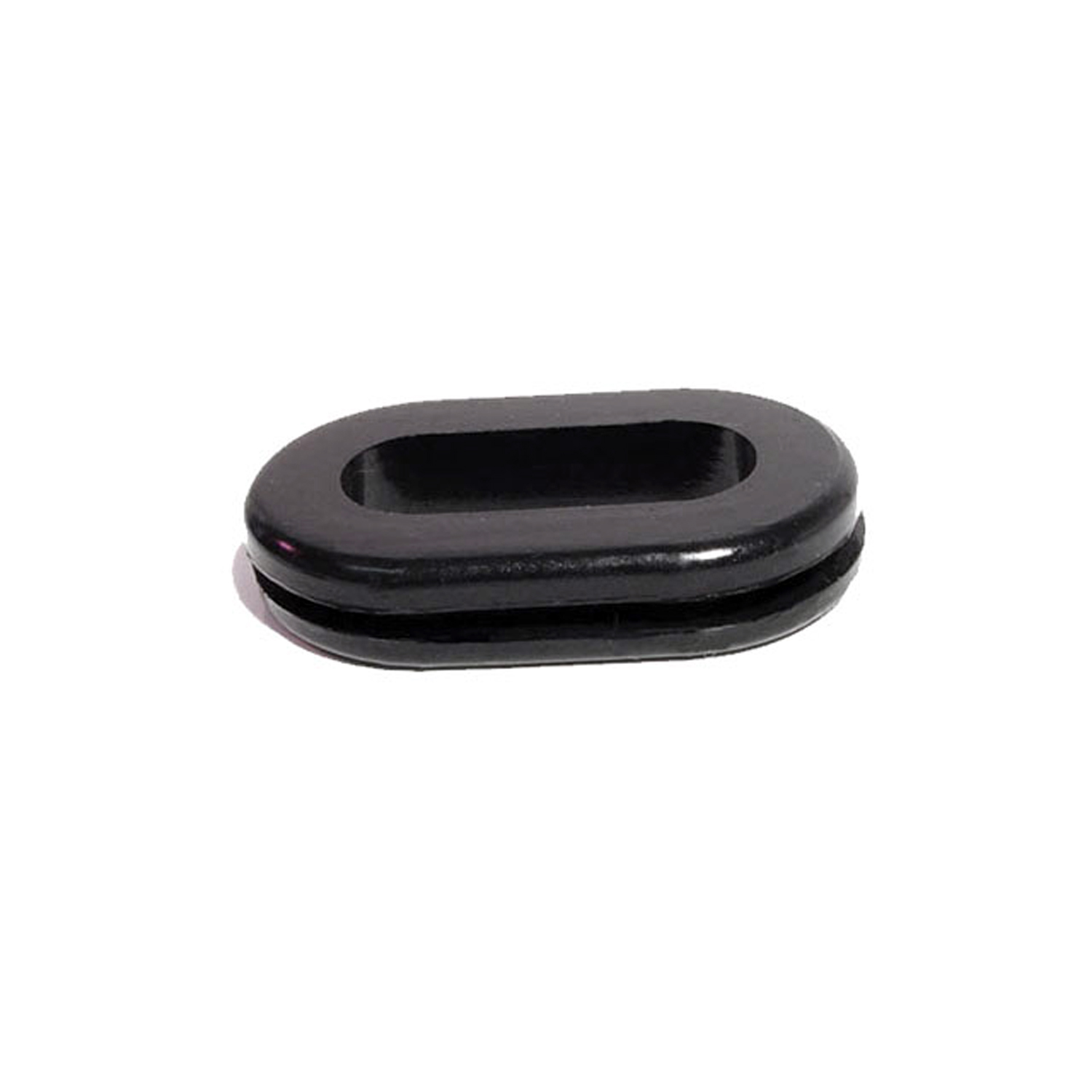 1941 Hudson Commodore Series 12 Headlight Wire through Fender Grommet. Two used per car-SM 100-AHeadlight Wire through Fender Grommet. Two used per car. 1-1/4" inner slot, 1-7/8" long overall. Each
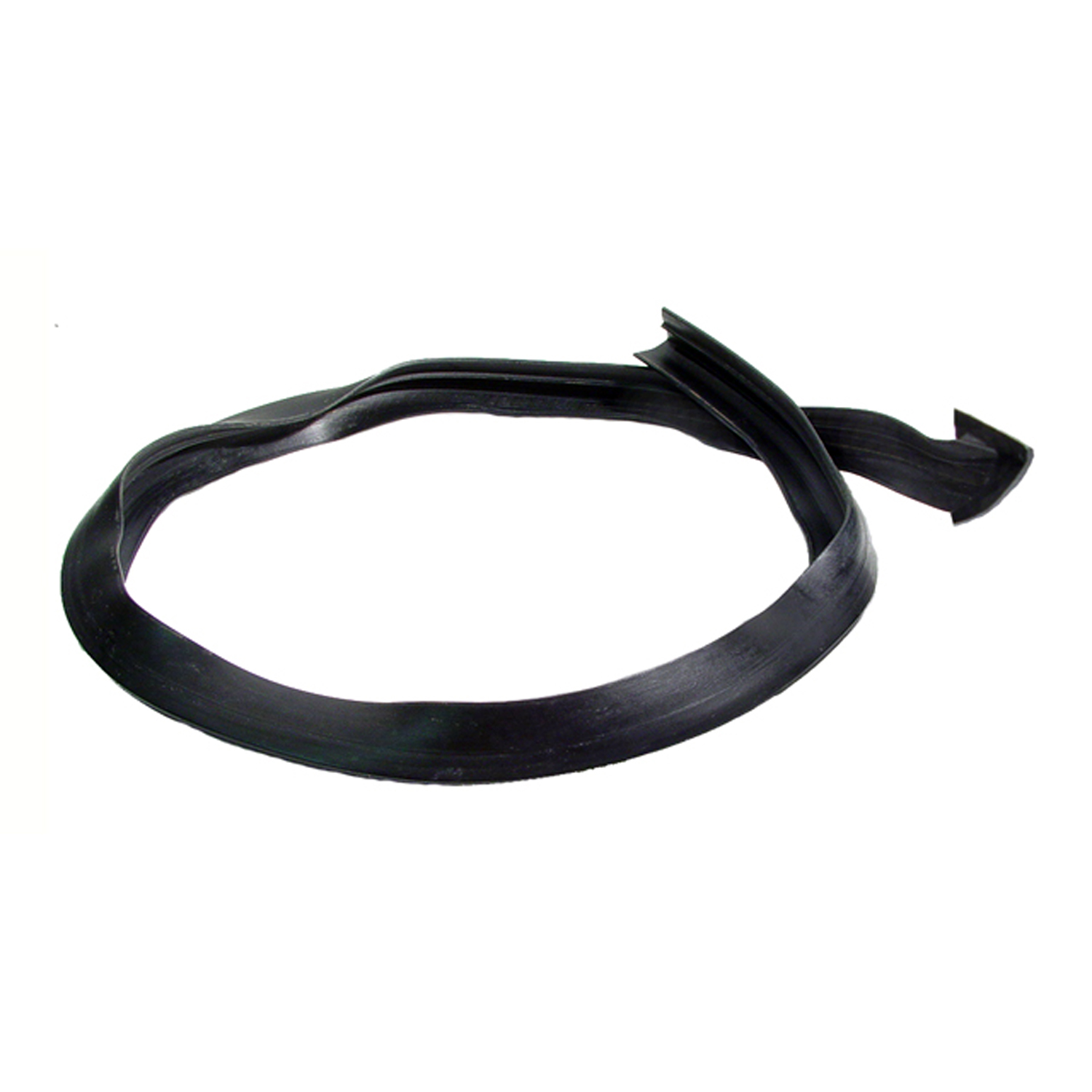 1941 Hudson Commodore Series 12 Vertical Division Seal-VS 6-AVertical Division Seal. 26" Piece, enough for two front vents. Each
 1941 Hudson Commodore Series 12 Vertical seal for vent window. Dense rubber. Universal part-VS 6-A/FTVertical seal for vent window. Dense rubber. Universal part. Per foot.
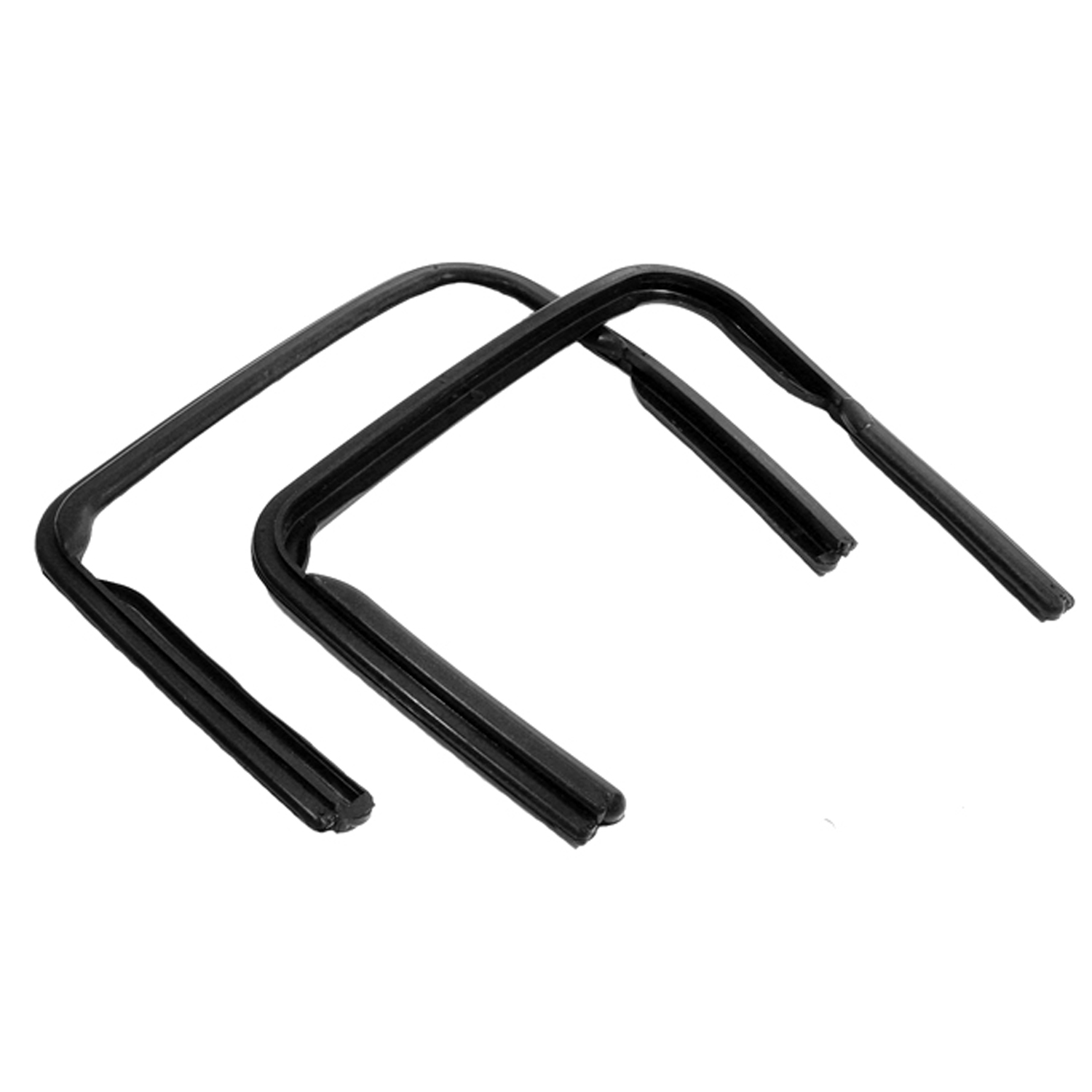 1941 Hudson Commodore Series 12 Front Vent Window Seals, for Convertibles-WR 9Front Vent Window Seals, for Convertibles. 25-1/4" long each. Pair R&L
Why Choose Metro?
For over 100 years, Metro Moulded Parts has been the pinnacle of quality in classic car restoration parts. Our commitment to precision and authenticity in every component ensures a perfect fit and an OEM-level appearance.
- Expert Craftsmanship & Quality: Each part is a testament to our dedication to reliability and perfection, crafted from original designs and thoroughly tested.
- Advanced Technology: We use cutting-edge techniques to create flawless, long-lasting parts that surpass others in performance.
- SuperSoft Sponge – The Ultimate Door Seal: Not only are our door seals 30% softer than competitors', but they're also guaranteed to never leak. They effectively reduce wind and road noise, enhancing your classic car's comfort and driving experience.
- Proudly American: Our parts are a product of American craftsmanship, made in the USA with a spirit of excellence and heritage.
- Unrivaled Warranty: We back our products with a 30-year industry-leading warranty, a testament to our confidence in their quality.
Join us in preserving the legacy of classic cars with parts that are crafted for perfection, not just made.