

Image of 1941 Hudson Super Series 11, Note: These illustrations use artistic license and may differ from actual historical models.
Performance Metrics
Fundamental Metrics
Emotional Appeal
MMP Rating
| Engine Specifications | |
|---|---|
| Engine: | 175 cu in (2.9 L) I6 |
| Displacement: | 175 cu in (2.9 L) |
| Horsepower: | 102 hp |
| Torque: | Estimated 150 lb-ft |
| Compression Ratio: | 6.5:1 |
| Ignition System: | Battery and coil |
| Cooling System: | Liquid-cooled |
| Performance Specifications | |
| 0-60 Time: | Information not available |
| 1/4 Mile Time: | Information not available |
| Top Speed: | 80 mph |
| Transmission and Drive | |
| Drive Type: | Rear-wheel drive |
| Transmission Type: | 3-speed manual |
| Fuel and Efficiency | |
| Fuel System Type: | Carburetor |
| MPG: | Information not available |
| Dimensions and Brakes | |
| Brakes: | Hydraulic drum brakes |
| Wheelbase: | 117.5 in |
| Weight: | 3,200 lbs |
Note: Specifications for classic cars are given to the best of our ability, considering the limited and variant data available.
1941 Hudson Super Series 11: A Prewar American Classic
The 1941 Hudson Super Series 11 brought together roomy American-car comfort, solid engineering, and a distinctive low, broad stance just as the country was approaching a dramatic change in direction. Built by the Hudson Motor Car Company of Detroit, Michigan, the Series 11 was the Super Six in Hudson’s 1941 lineup. Its 212-cubic-inch inline-six was designed for dependable, relaxed motoring rather than outright speed, while its clean, carefully shaped body gave it a more streamlined look than many cars of the period.
The timing gives the car a special place in history. The 1941 model year was among the last before the United States shifted its industrial capacity to wartime production. Civilian automobile manufacturing stopped during 1942, and Hudson turned its expertise to military and other defense work. A Super Series 11 is therefore a snapshot of American motoring at the end of the prewar era.
Streamlined Hudson Styling and Cabin Comfort
The Super Six wore a long hood, rounded fenders, a wide grille, and flowing body lines that softened the boxier appearance still common among many late-1930s cars. Its front fenders blended visually into the body, while the broad hood and carefully shaped rear quarters gave the car a planted, substantial look. It was unmistakably a full-size American automobile, but its styling aimed for motion and smoothness rather than upright formality.
Inside, the emphasis was on space and comfort. A wide bench seat, generous legroom, and large windows made the cabin well suited to family trips. Upholstery and trim varied with body style and specification, with cloth commonly used in closed cars and richer trim available on better-equipped versions. The dashboard combined practical, clearly arranged instruments with bright trim and period-appropriate detailing. Buyers could also specify convenience items such as a heater, radio, or clock, depending on equipment and dealer availability.
Hudson offered its 1941 cars in a selection of solid colors, with shades in the blue, green, red or maroon, gray, tan, and black families appearing across the range. Exact paint names and availability depended on the body and production details. Dark colors suited the Super Six’s formal proportions, while lighter shades showed off its rounded fenders and long bodywork.
Series 11 body choices centered on practical closed cars, including sedan and coupe variations. Hudson’s wider 1941 range also included more specialized body styles, though availability depended on the particular series and configuration. For many buyers, the four-door sedan was the natural choice: it made full use of the Hudson’s room and was well suited to family transport. Coupes, with their more compact cabin and sportier roofline, offered a more personal alternative.
Engineering Before the Step-Down Era
The 1941 Super Six should not be confused with Hudson’s famous Step-Down cars, which arrived after the war in 1948. The Series 11 used conventional body-on-frame construction, a familiar and serviceable layout for its time. Its importance lies partly in the way Hudson continued to refine full-size-car comfort and road manners before making a much more radical change to body and chassis design in the postwar years.
Under the hood was Hudson’s 212-cubic-inch L-head inline-six, rated at about 102 horsepower. It paired with a three-speed manual transmission, with overdrive available on some cars. Hydraulic brakes and a conventional front-engine, rear-wheel-drive layout made the Hudson familiar to mechanics and drivers of the period. The Super Six did not introduce a single revolutionary feature that transformed the industry, but it delivered a thoughtful combination of usable power, passenger space, and solid construction.
What distinguished Hudson from many rivals was its engineering-minded approach and its reputation for building substantial cars. The company would later become especially famous for the 1948 Step-Down design and for the powerful Hudson Hornets that dominated early-1950s stock-car racing. The 1941 Super Six belongs to the earlier chapter of that story: a capable prewar car from a manufacturer already known for ambitious engineering.
Super Six Performance and Road Manners
With roughly 102 horsepower moving a large, heavy car, the Super Six favored smooth progress over fast acceleration. Period-correct performance estimates put a typical car’s 0-to-60-mph time in the neighborhood of 20 to 25 seconds, depending on body style, gearing, condition, and load. A sound example might reach approximately 80 to 85 mph, but cruising at a more moderate speed is kinder to the engine and more in keeping with the car’s character. These are estimates, not guaranteed factory test figures.
On the road, the Hudson feels substantial and composed. Its suspension takes the edge off ordinary bumps, and the long wheelbase helps it settle into a steady highway rhythm. On a winding road, the car asks for deliberate steering and patient cornering rather than quick, modern responses. Bias-ply tires, period steering geometry, and the car’s size all contribute to a slower, more measured driving style. Strong crosswinds can also make a large-bodied vintage car feel less settled than a modern vehicle.
The inline-six delivers its power with a low, steady note rather than a sharp performance-car bark. The three-speed manual asks the driver to work through the gears, especially when accelerating or climbing a hill. The reward is an involving, mechanical driving experience: the driver feels the clutch engage, hears the engine load, and senses the car’s weight shift over the road. A well-maintained Super Six is best enjoyed at an unhurried pace, with time to appreciate its smooth engine and generous cabin.
Living With a 1941 Hudson
Today, most Series 11s are used as show cars, touring cars, or occasional weekend drivers rather than daily transportation. A carefully restored example can handle local drives and vintage-car events, but its age makes regular modern traffic a different proposition. It lacks contemporary safety equipment, and braking, lighting, visibility, and crash protection are not comparable to those of a current car.
The Hudson’s straightforward mechanical layout is a benefit for owners who enjoy hands-on maintenance. Routine work on the engine, ignition, brakes, and chassis is familiar to experienced classic-car mechanics. The biggest challenges are often not basic servicing but locating correct trim, body panels, glass, and model-specific parts. Hudson clubs, marque specialists, and online enthusiast communities can be valuable sources for parts leads and technical advice.
Reliability depends heavily on condition. A properly rebuilt engine and transmission can provide dependable touring, but decades-old wiring, cooling systems, fuel components, and brake hydraulics deserve careful inspection. Before buying, check for rust in the body and frame, signs of poor repairs, and evidence that the car has been maintained with appropriate parts. A running car is not automatically a roadworthy car, especially when its braking and electrical systems may be many decades old.
Hudson Super Six Facts and Common Misconceptions
The 1941 Super Series 11 is notable as a prewar Hudson produced immediately before civilian automobile manufacturing gave way to wartime priorities. Hudson’s factory went on to contribute to defense production, including aircraft and naval-related work. The Super Six itself is not especially associated with a speed record or a major racing title. Hudson’s best-known motorsport fame came later, particularly with the Hornet in the early 1950s.
Another useful point for collectors: the Series 11 is a Super Six, not a Super Eight and not a postwar Step-Down Hudson. The family resemblance across Hudson’s models can lead to confusion in listings, so buyers should verify the series, engine, and body details using the car’s identification information and period documentation.
There is no widely recognized celebrity connection that defines the 1941 Super Six, and no single production figure is consistently cited for every Series 11 body configuration. As a broad estimate, total Series 11 production may have been in the tens of thousands, perhaps around 30,000 to 40,000 cars across the series. That is a reasoned estimate rather than a confirmed model-by-model factory total. Surviving cars are much scarcer than that original output suggests, particularly in complete, well-restored condition.
A common criticism is that the Super Six is large, slow by modern standards, and less nimble than its styling might suggest. Parts availability can also test an owner’s patience. Those drawbacks are balanced by its roominess, period character, and connection to a major American manufacturer whose most radical designs were still to come.
Collector Values and Availability
Values vary substantially with body style, originality, restoration quality, and mechanical condition. As a broad current-market estimate, a project or incomplete car might fall around $5,000 to $12,000. A presentable driver could bring roughly $12,000 to $25,000, while a high-quality restoration may reach about $25,000 to $45,000 or more. Unusually rare body styles, exceptional provenance, or concours-level work can command higher prices. These ranges are estimates, not appraisals, and local market conditions can make a significant difference.
Well-preserved examples are not easy to find, and buyers may wait for the right car rather than choose from a large supply. Like many prewar American classics, the Super Six has experienced uneven price movement: top-quality, documented cars tend to hold interest, while ordinary drivers and cars needing extensive restoration face a more limited buyer pool. It is best viewed as a car to buy for its history and enjoyment, not as a guaranteed investment.
Why the 1941 Hudson Super Series 11 Still Matters
The 1941 Hudson Super Series 11 combines a durable inline-six, generous passenger space, streamlined prewar styling, and the straightforward engineering that makes many vintage cars appealing to own. It was not a record-breaking performance machine, but it captured Hudson’s strengths at a turning point in American history. For collectors, it offers a distinctive way to experience the final days of prewar motoring and the early chapters of a company that would later reshape the American car. A Super Six does not need to be fast to make an impression: its presence, sound, and history do that work beautifully.
1941 Hudson Super Series 11 Catalog of Parts
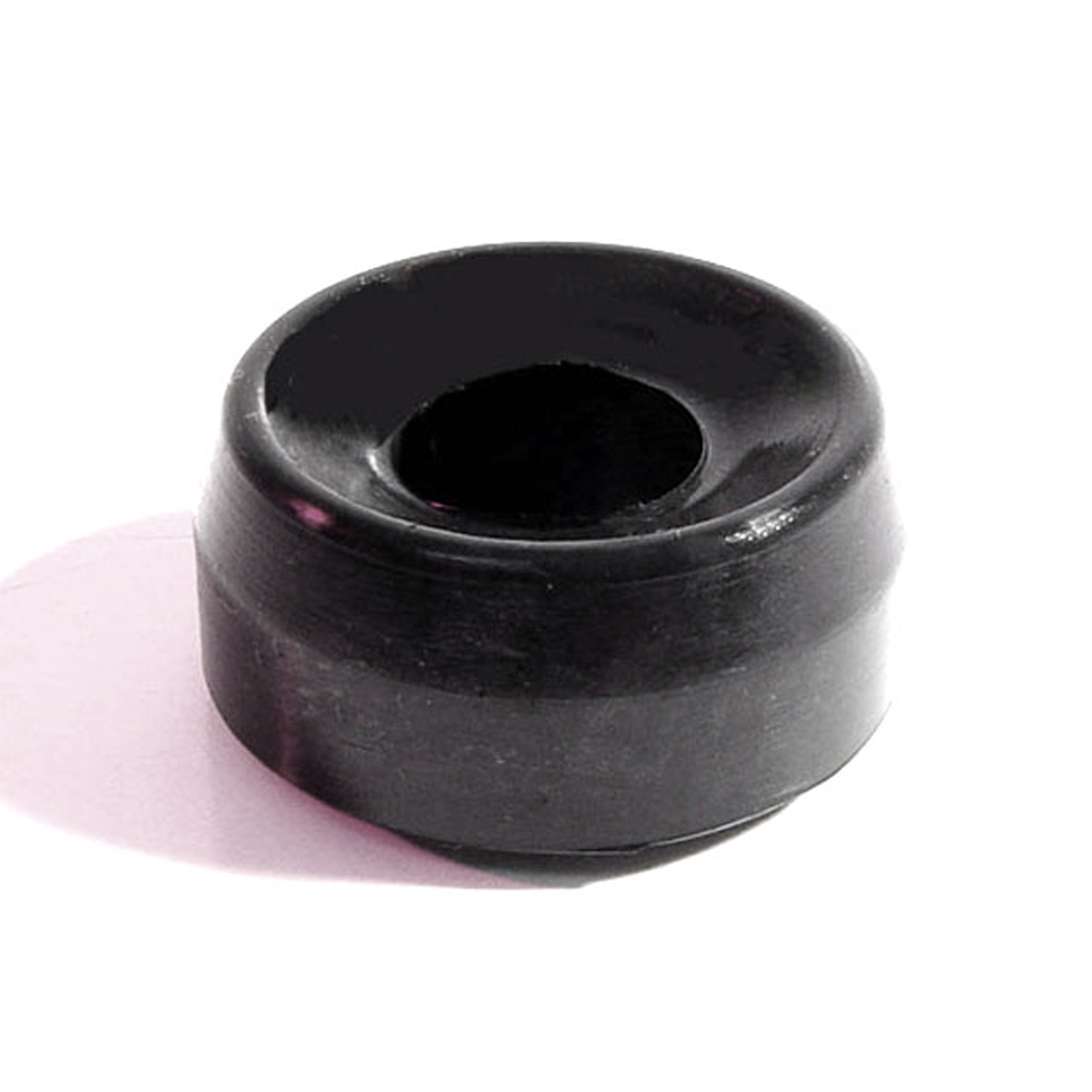 1941 Hudson Super Series 11 Rear Stabilizer Bushing. Each-BN 4-HRear Stabilizer Bushing. Each
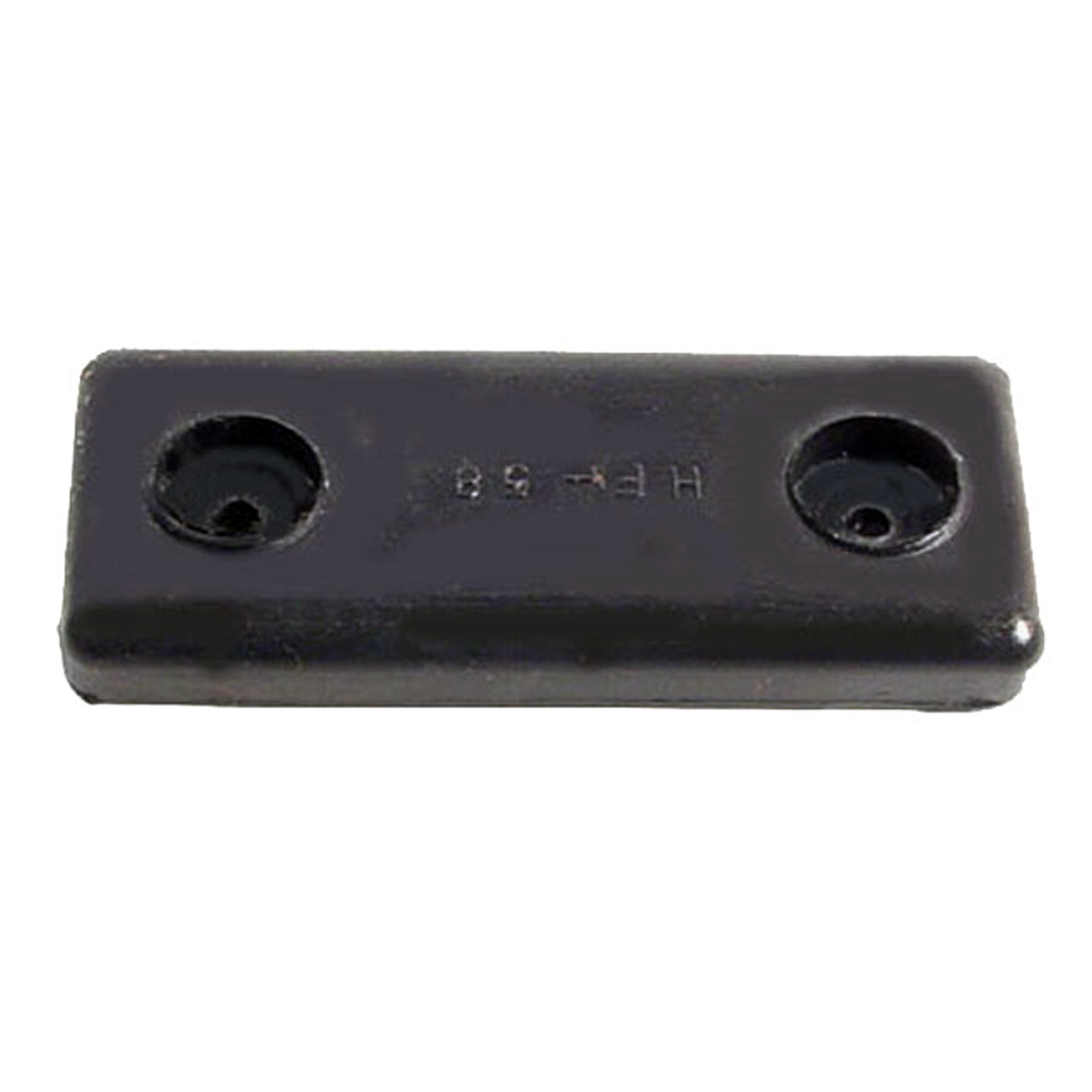 1941 Hudson Super Series 11 Rear hood bumper. Fits on cowl. Made with washers-HF 58Rear hood bumper. Fits on cowl. Made with washers. Two used per car. Each.
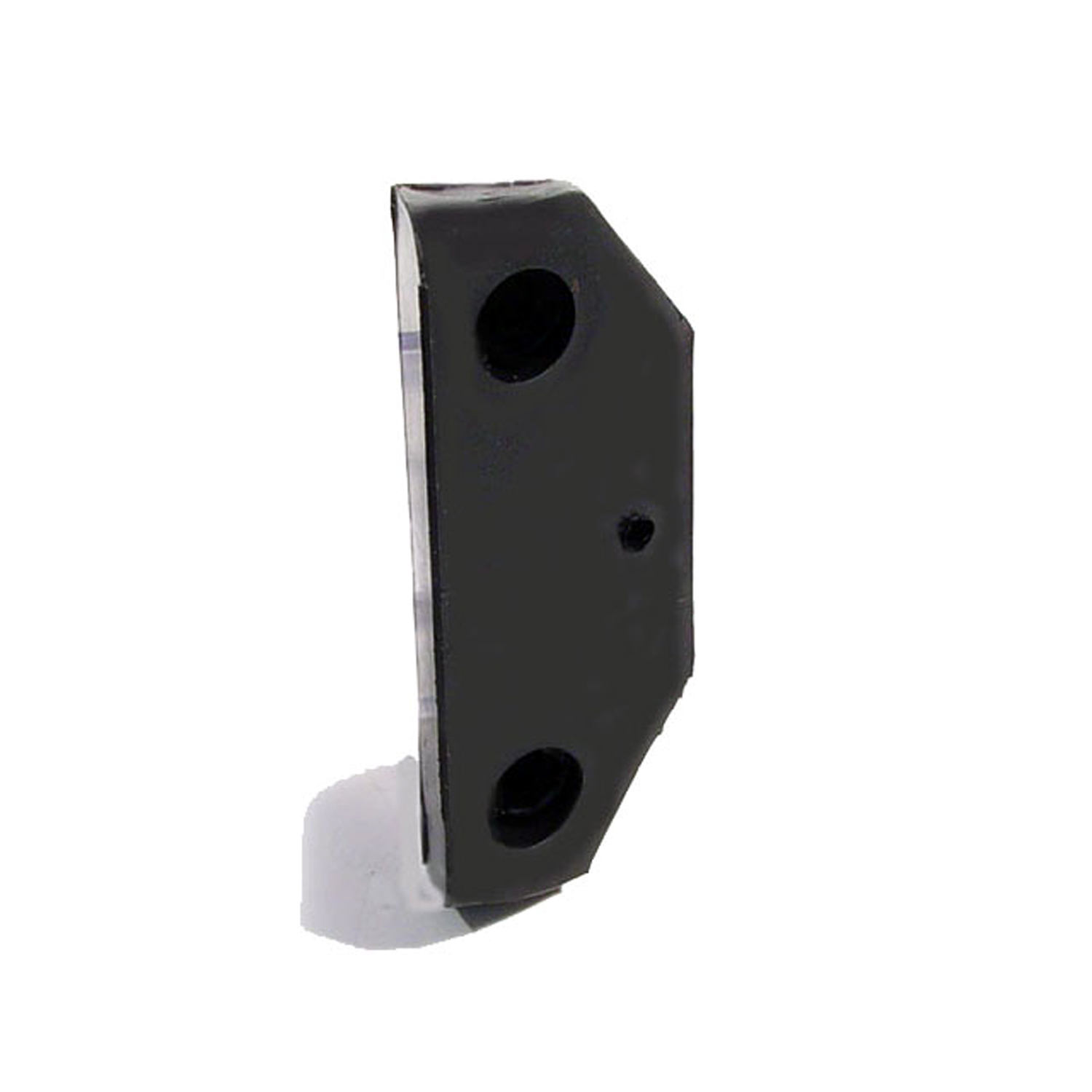 1941 Hudson Super Series 11 Front Hood Bumper. Two used per car. Each-HF 58-AFront Hood Bumper. Two used per car. Each
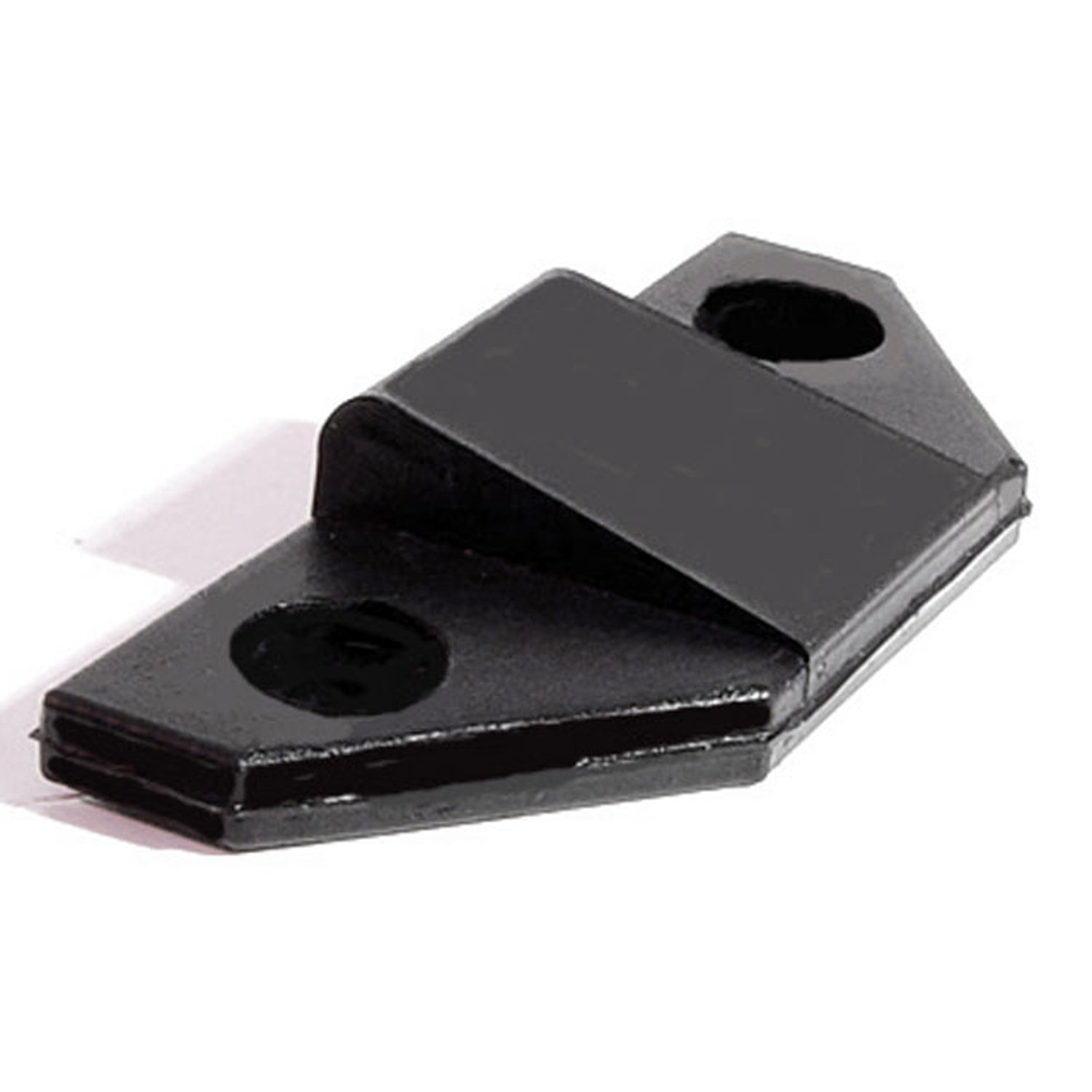 1941 Hudson Super Series 11 Middle hood bumpers. Two used per car. Nice reproduction-HF 58-BMiddle hood bumpers. Two used per car. Nice reproduction. Each.
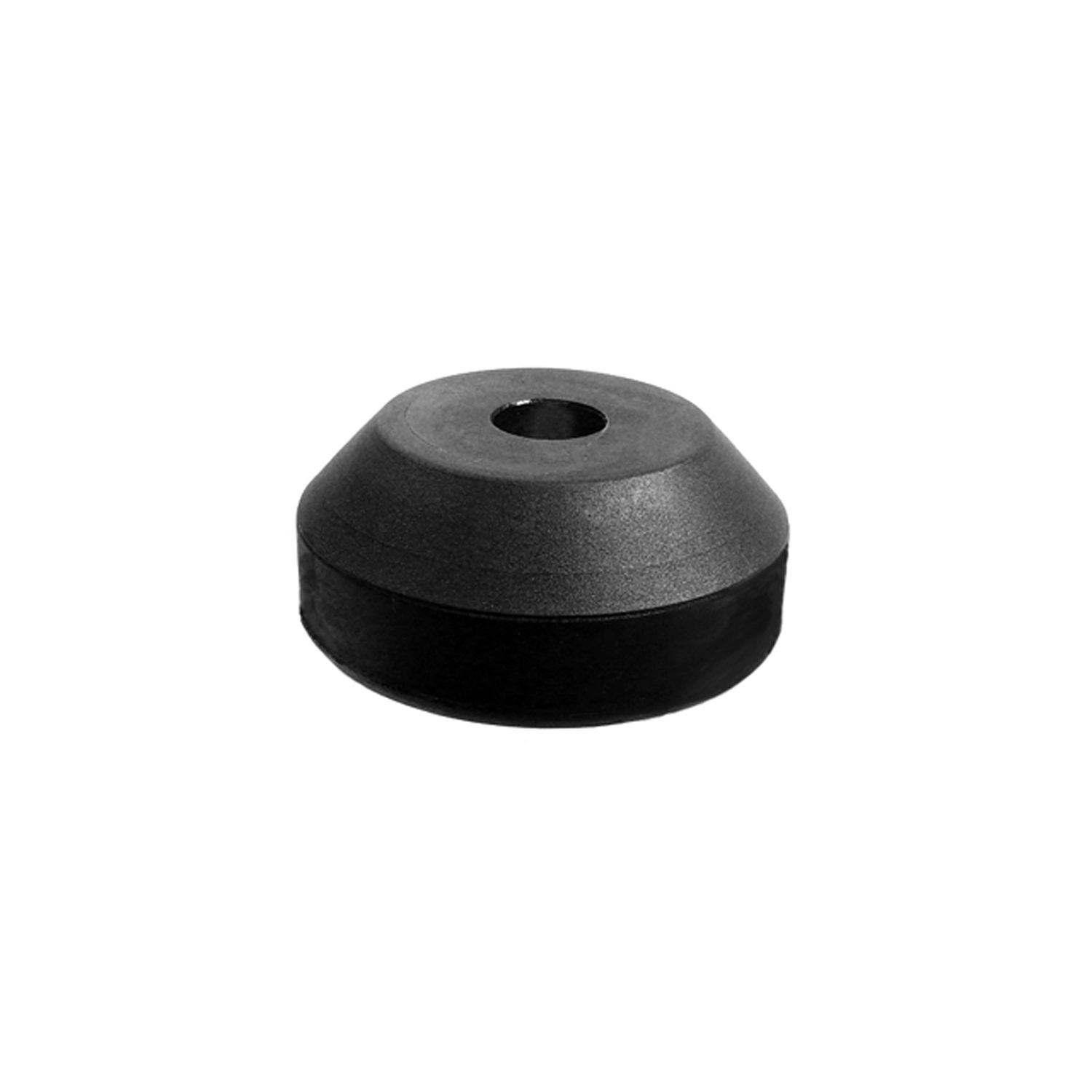 1941 Hudson Super Series 11 Upper Motor Mount. 5/8" I.D., 2-5/8" O.D. Each-MM 7-BUpper Motor Mount. 5/8" I.D., 2-5/8" O.D. Each
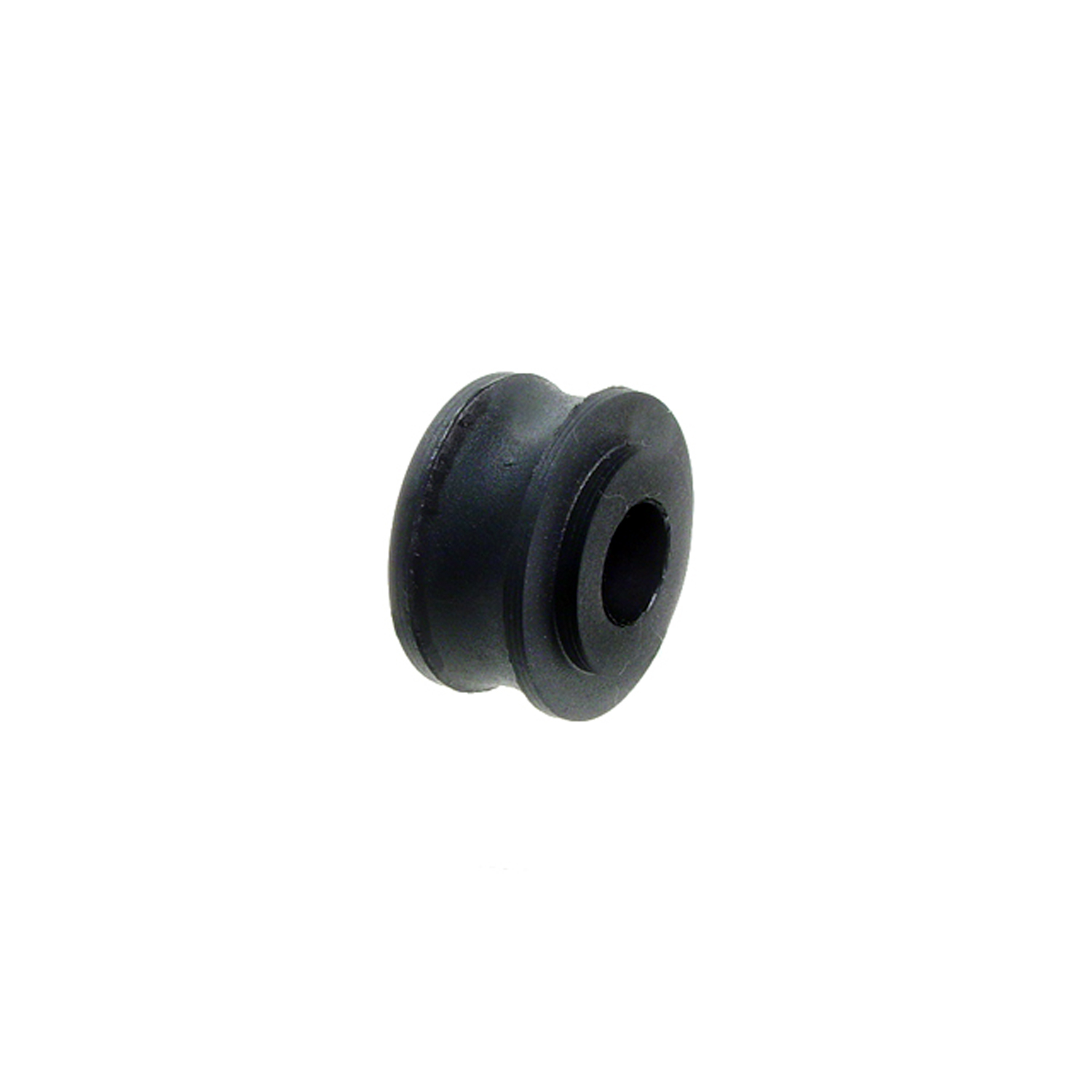 1941 Hudson Super Series 11 Lower Motor Mount. 5/8" I.D., 1-5/8" O.D. Each-MM 7-CLower Motor Mount. 5/8" I.D., 1-5/8" O.D. Each
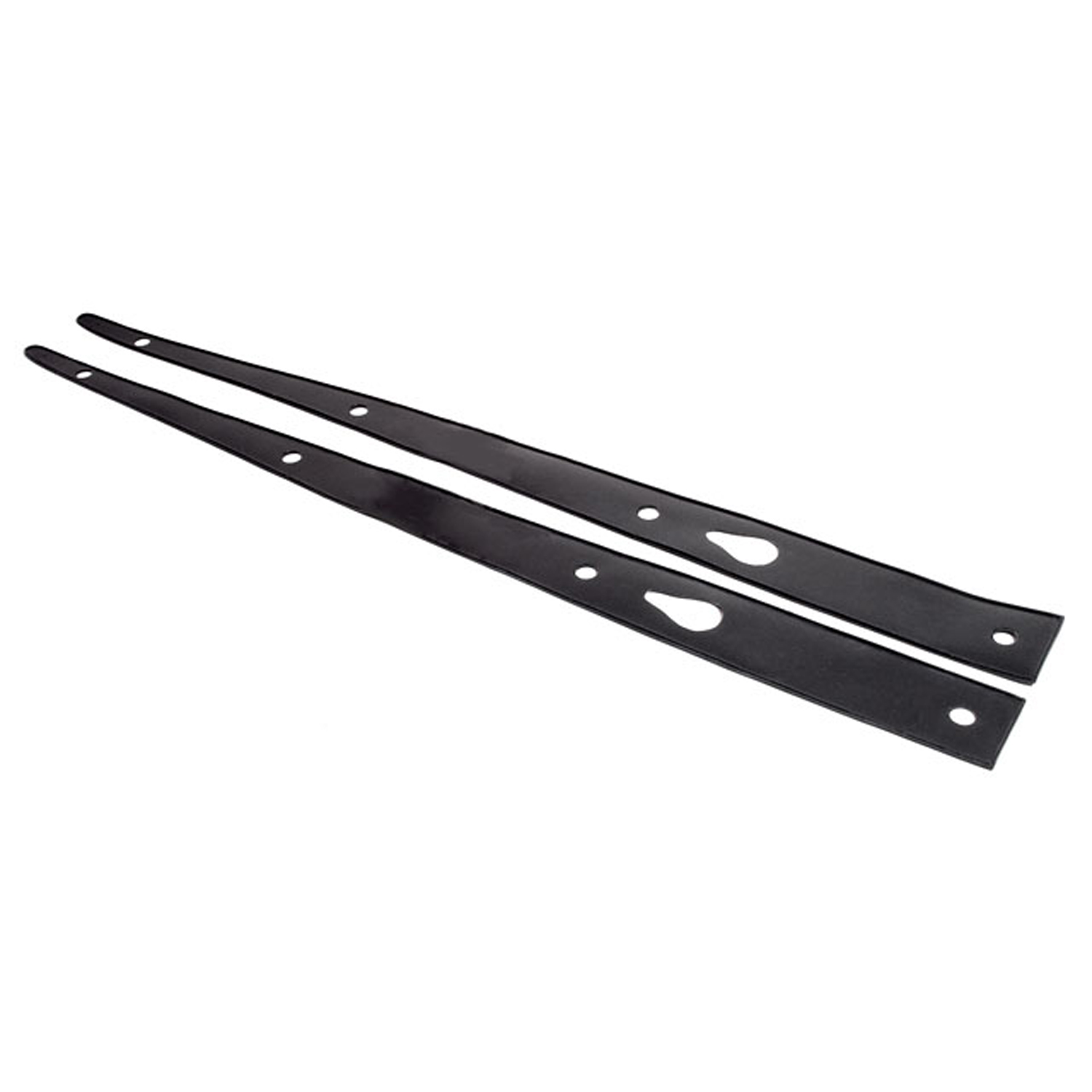 1941 Hudson Super Series 11 Parklight Pads. 2-1/8" X 27-5/8" long. Pair-MP 798-RParklight Pads. 2-1/8" X 27-5/8" long. Pair
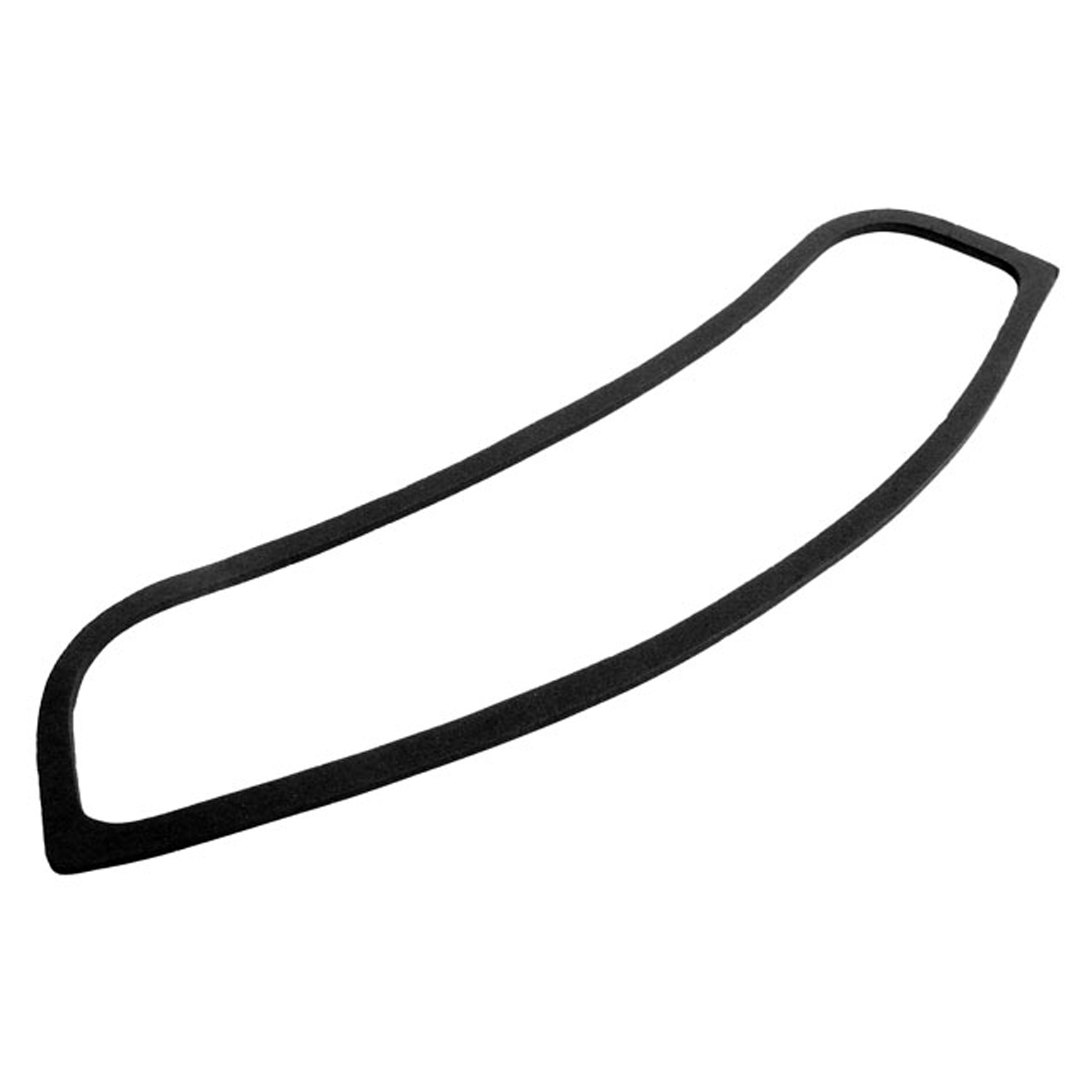 1941 Hudson Super Series 11 Cowl Vent Seal. 4-1/2" wide X 18-1/2" long. Each-RP 100-YCowl Vent Seal. 4-1/2" wide X 18-1/2" long. Each
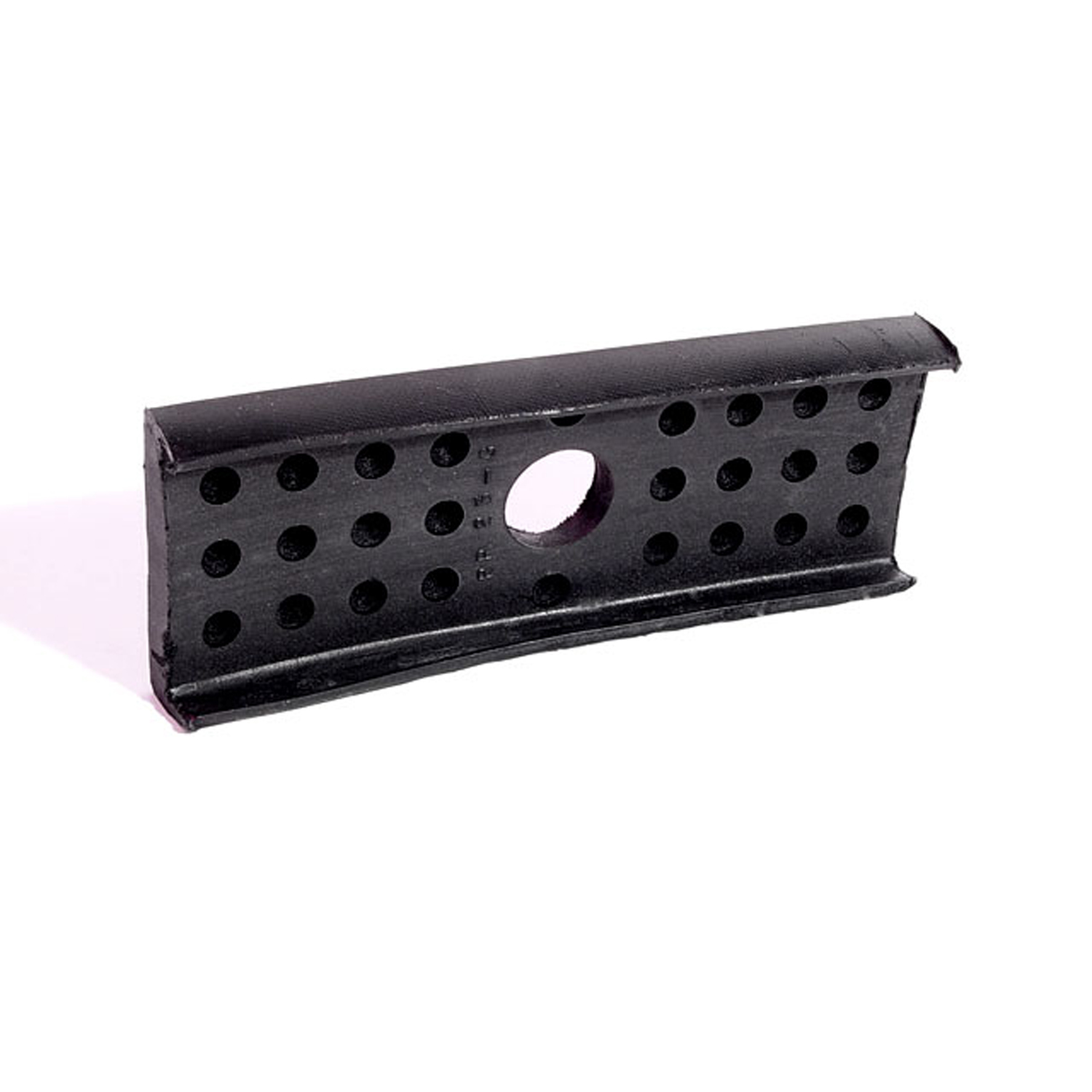 1941 Hudson Super Series 11 Rear Leaf Spring Center Mounting Insulator-RP 23-GRear Leaf Spring Center Mounting Insulator. For all 1-3/4" wide leaf springs. Each
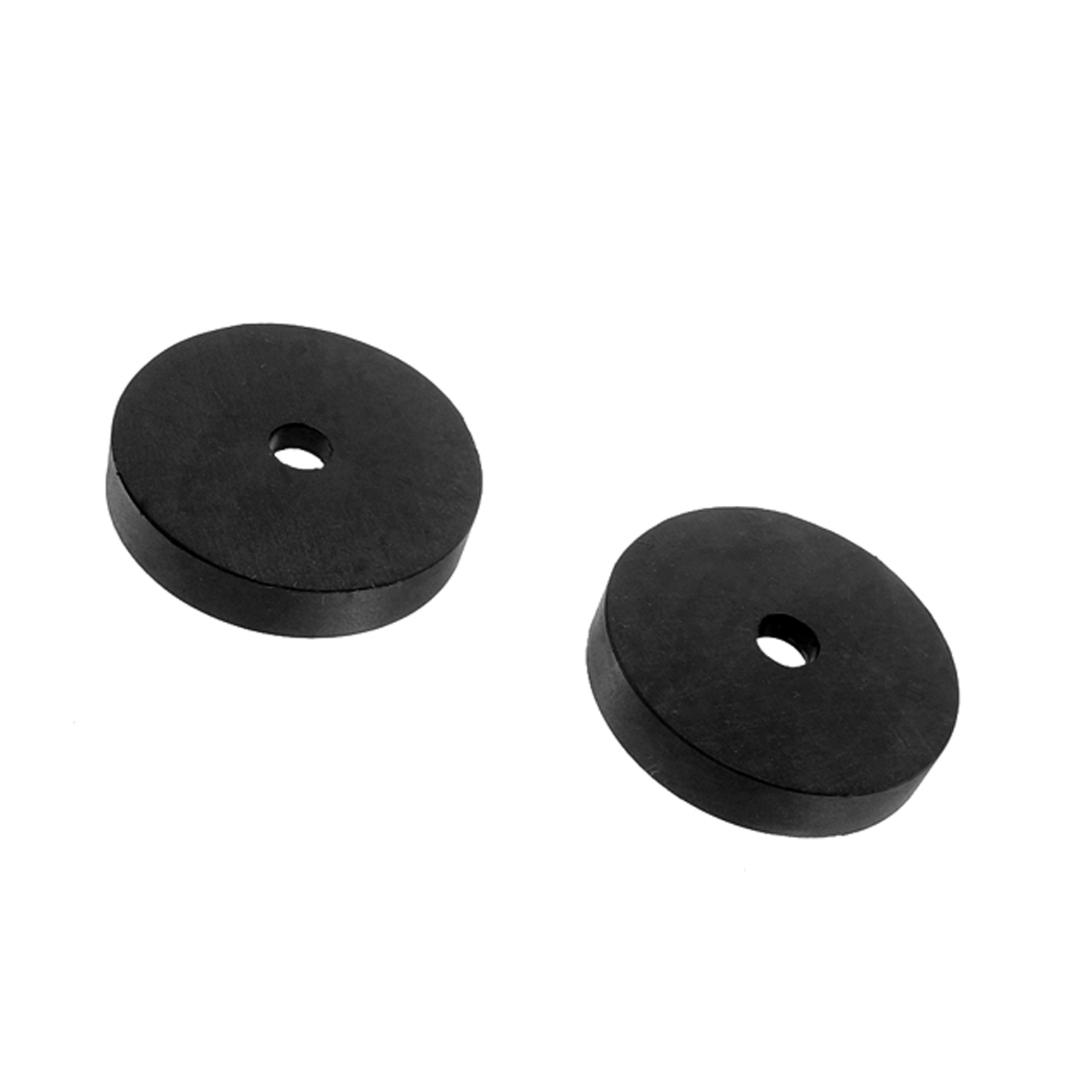 1941 Hudson Super Series 11 Clutch and Brake Seals. Seals fit on a round shaft-RP 31-NClutch and Brake Seals. Seals fit on a round shaft. Made of soft rubber. 2-7/16" O.D., 7/16" I.D. Pair
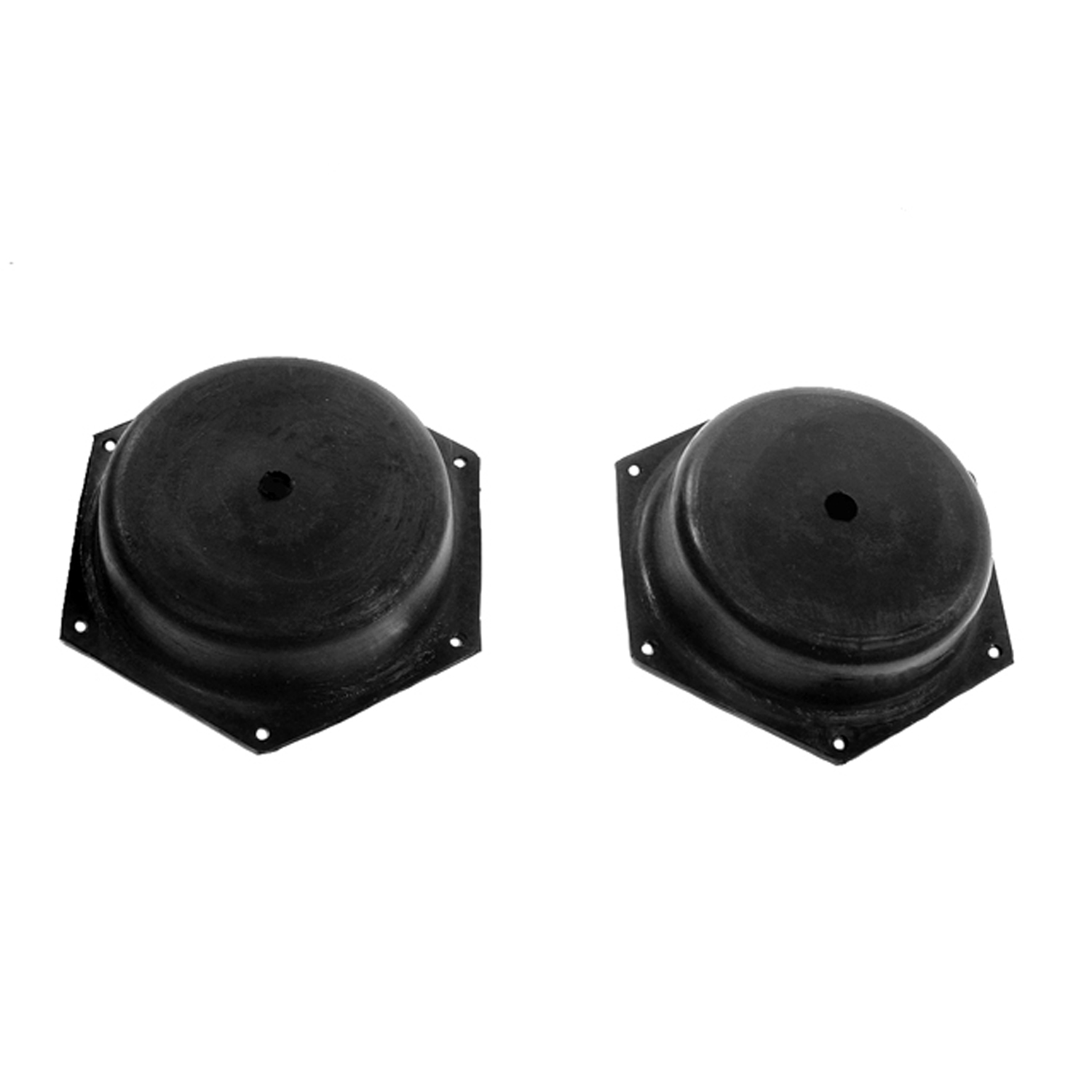 1941 Hudson Super Series 11 Drive Master Electric Shift Vacuum Diaphragm-RP 32-ADrive Master Electric Shift Vacuum Diaphragm. For all models with drive master system for standard transmission. Pair
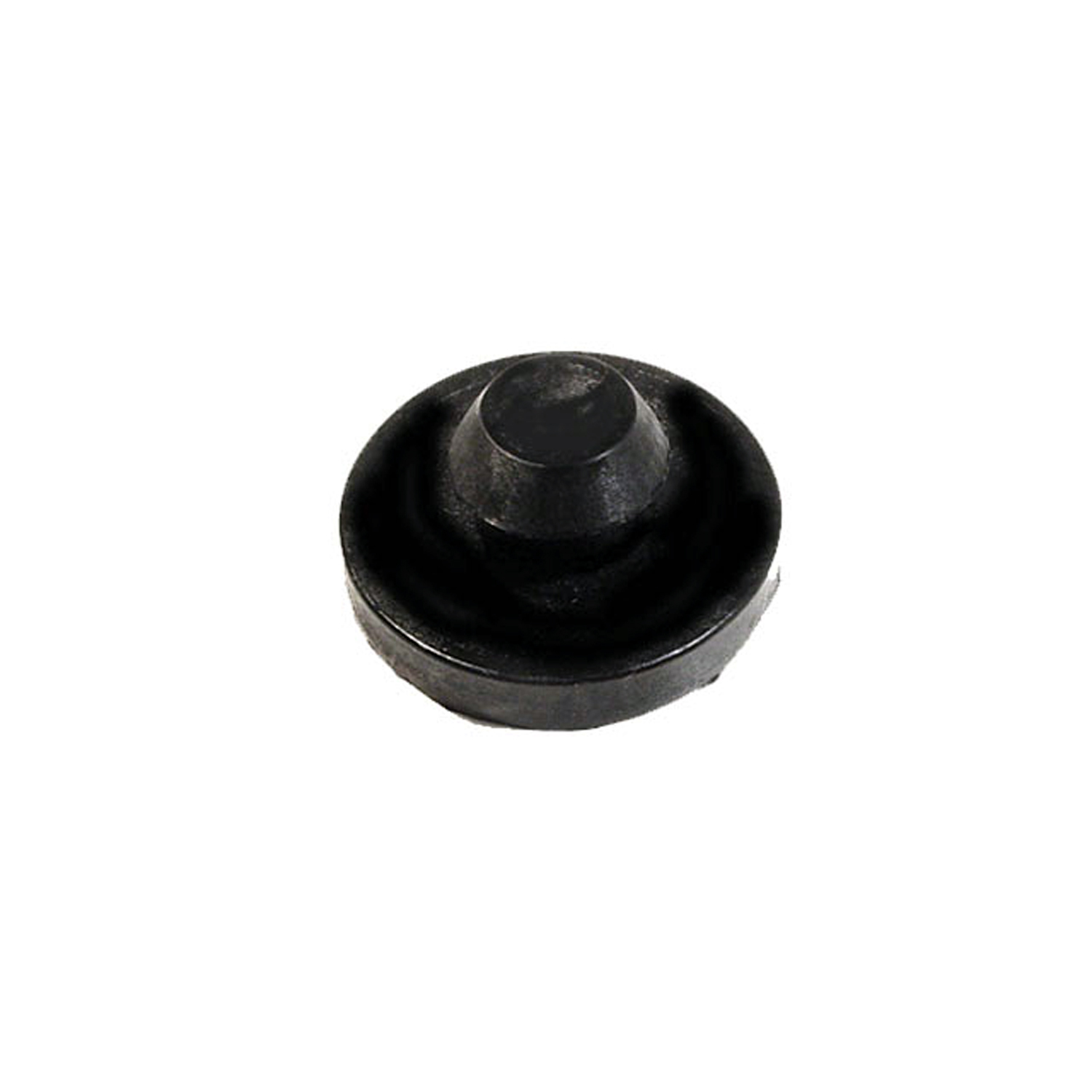 1941 Hudson Super Series 11 Clutch Linkage Cushion. 1/4" top thickness, 1-1/2" O.D-SB 33-AClutch Linkage Cushion. 1/4" top thickness, 1-1/2" O.D. Each
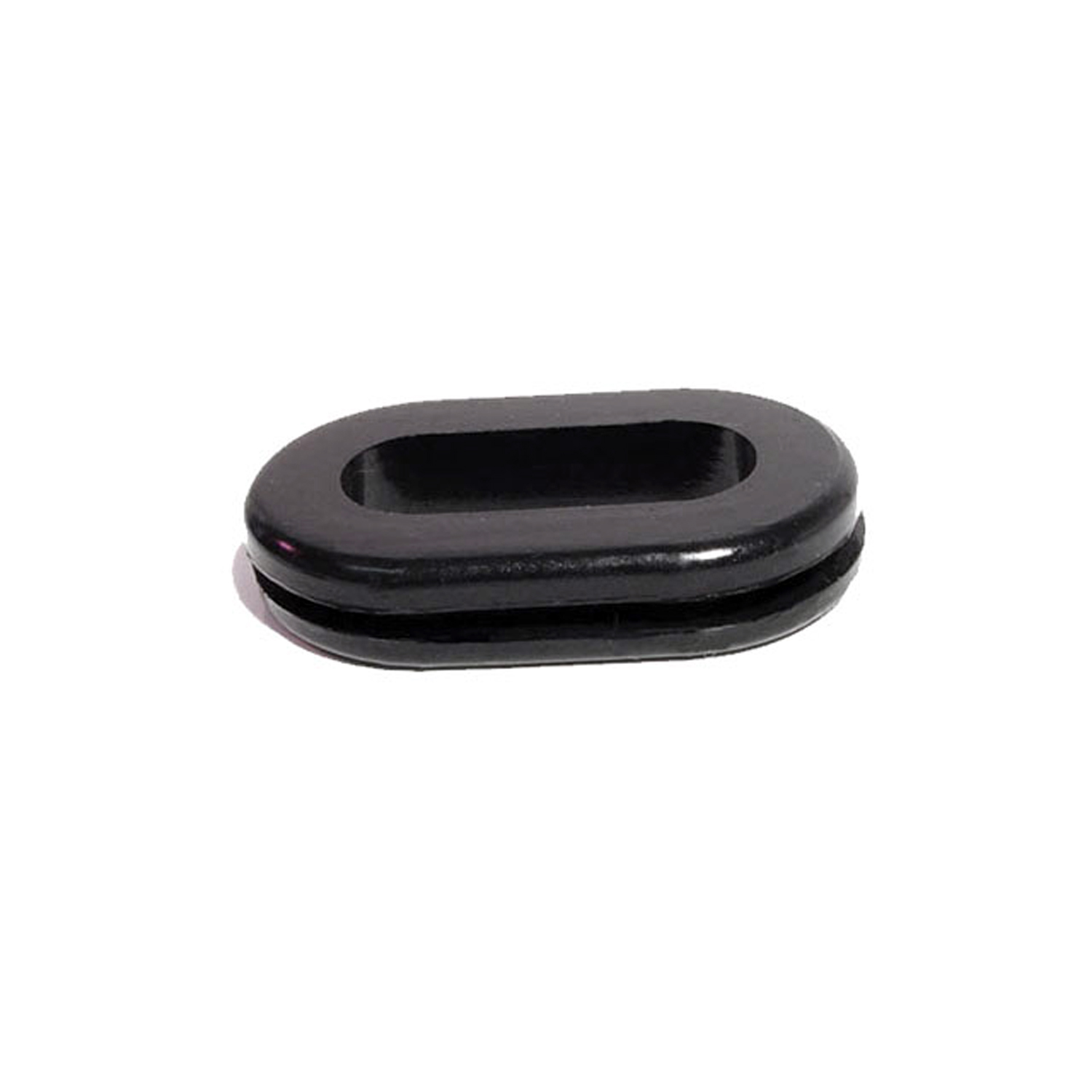 1941 Hudson Super Series 11 Headlight Wire through Fender Grommet. Two used per car-SM 100-AHeadlight Wire through Fender Grommet. Two used per car. 1-1/4" inner slot, 1-7/8" long overall. Each
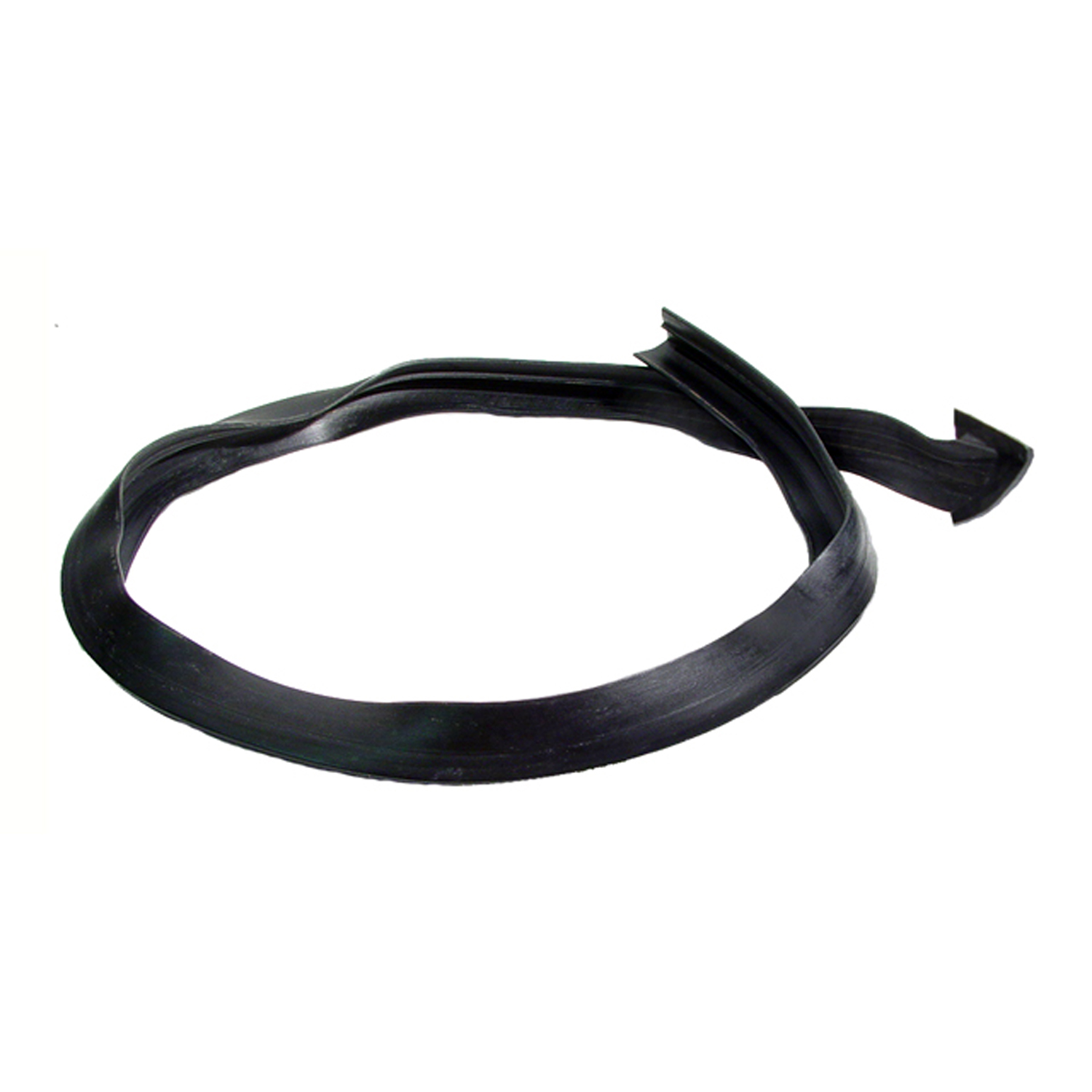 1941 Hudson Super Series 11 Vertical Division Seal-VS 6-AVertical Division Seal. 26" Piece, enough for two front vents. Each
 1941 Hudson Super Series 11 Vertical seal for vent window. Dense rubber. Universal part-VS 6-A/FTVertical seal for vent window. Dense rubber. Universal part. Per foot.
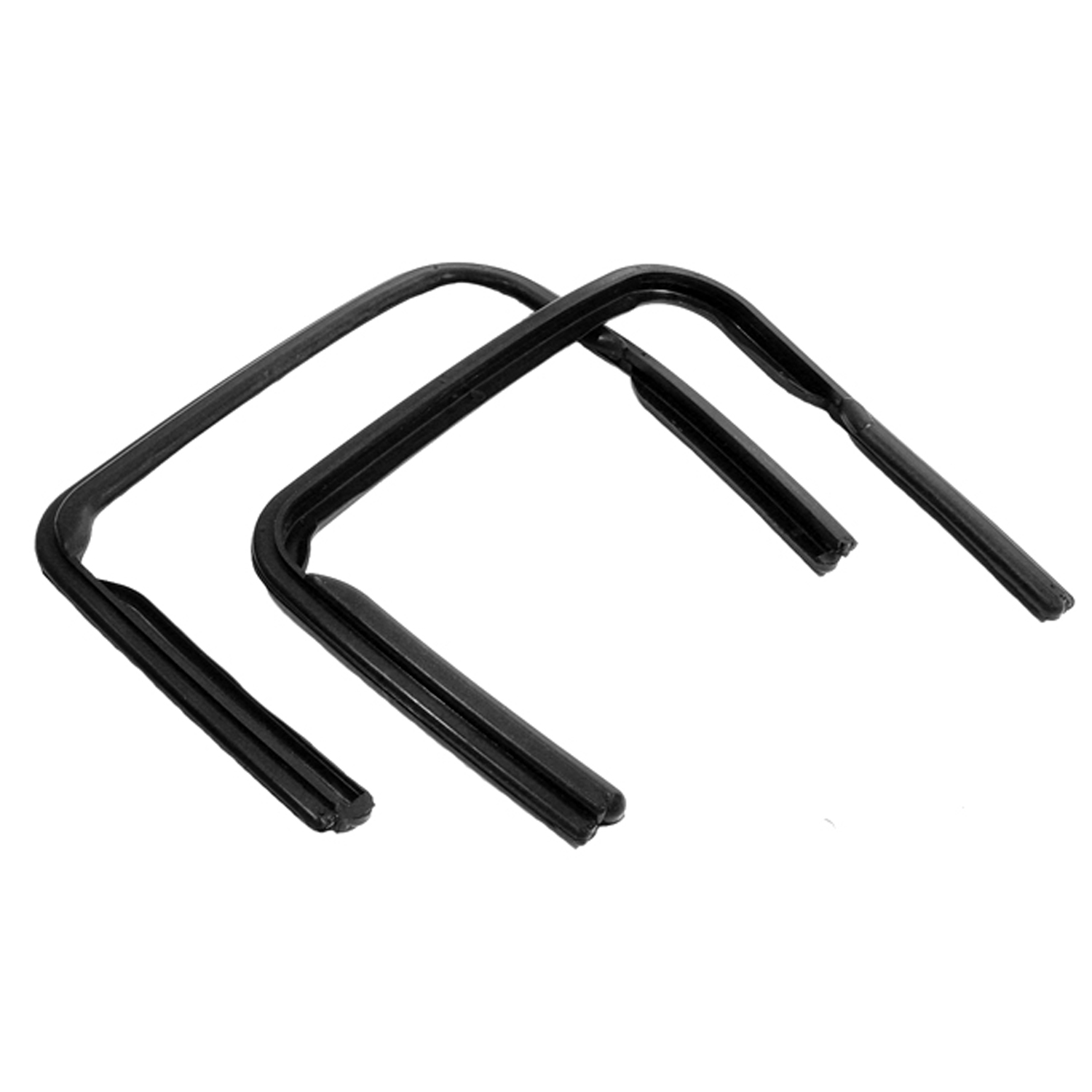 1941 Hudson Super Series 11 Front Vent Window Seals, for Convertibles-WR 9Front Vent Window Seals, for Convertibles. 25-1/4" long each. Pair R&L
Why Choose Metro?
For over 100 years, Metro Moulded Parts has been the pinnacle of quality in classic car restoration parts. Our commitment to precision and authenticity in every component ensures a perfect fit and an OEM-level appearance.
- Expert Craftsmanship & Quality: Each part is a testament to our dedication to reliability and perfection, crafted from original designs and thoroughly tested.
- Advanced Technology: We use cutting-edge techniques to create flawless, long-lasting parts that surpass others in performance.
- SuperSoft Sponge – The Ultimate Door Seal: Not only are our door seals 30% softer than competitors', but they're also guaranteed to never leak. They effectively reduce wind and road noise, enhancing your classic car's comfort and driving experience.
- Proudly American: Our parts are a product of American craftsmanship, made in the USA with a spirit of excellence and heritage.
- Unrivaled Warranty: We back our products with a 30-year industry-leading warranty, a testament to our confidence in their quality.
Join us in preserving the legacy of classic cars with parts that are crafted for perfection, not just made.