

Image of 1941 Hudson Traveler Series 10 T, Note: These illustrations use artistic license and may differ from actual historical models.
Performance Metrics
Fundamental Metrics
Emotional Appeal
MMP Rating
| Engine Specifications | |
|---|---|
| Engine: | Inline 6 |
| Displacement: | 212 cubic inches |
| Horsepower: | Estimated 102 hp |
| Torque: | 180 lb-ft |
| Compression Ratio: | Estimated 6.5:1 |
| Ignition System: | Distributor and coil |
| Cooling System: | Liquid-cooled |
| Performance Specifications | |
| 0-60 Time: | Information not available |
| 1/4 Mile Time: | Information not available |
| Top Speed: | Estimated 80 mph |
| Transmission and Drive | |
| Drive Type: | Rear-wheel drive |
| Transmission Type: | 3-speed manual |
| Fuel and Efficiency | |
| Fuel System Type: | Carburetor |
| MPG: | Information not available |
| Dimensions and Brakes | |
| Brakes: | Drum brakes |
| Wheelbase: | 117 inches |
| Weight: | Estimated 3,200 lbs |
Note: Specifications for classic cars are given to the best of our ability, considering the limited and variant data available.
1941 Hudson Traveler Series 10T: An American Six for a Changing Era
The 1941 Hudson Traveler Series 10T brought comfortable, well-engineered motoring to American families just as the country stood on the edge of a world-changing era. Built by Hudson Motor Car Company in Detroit, Michigan, the Traveler sat among Hudson’s more affordable offerings, pairing a six-cylinder engine with practical passenger-car styling. It was not a stripped-down economy special: Hudson gave it the solid construction and thoughtful engineering that helped the company earn a reputation for building cars with substance.
The 1941 model year was one of the last full years of civilian automobile production before the United States redirected much of its industrial capacity to wartime manufacturing. Hudson would soon turn its factories toward defense work. That timing gives the Traveler a special place in the story of American motoring: it represents the comfortable, prewar family car at the moment that era was about to pause.
One detail often overlooked is that the Traveler belongs to Hudson’s pre-Step-Down generation. Hudson’s famous low-floor, unit-body design arrived after the war, for 1948. The 1941 car is therefore an interesting contrast: a substantial, traditional body-on-frame Hudson from just before the company introduced one of its most influential postwar designs.
Traditional Hudson Style and Cabin Comfort
The Traveler wore the smooth, rounded lines typical of late-1930s and early-1940s American cars. Its hood stretched forward over a tall front grille, while flowing front fenders blended into the body rather than appearing as separate, bulbous attachments. Rounded headlamps, bright exterior trim, and carefully shaped body panels gave it a dignified presence without the flashier ornamentation associated with some higher-priced cars.
Hudson’s styling was substantial rather than delicate. The car had a long, confident profile, generous glass, and a broad stance. Chrome details brightened the grille and trim, though the amount of brightwork depended on the particular body and equipment. The result was handsome and purposeful, a car that looked at home outside a city hotel or parked in front of a family home.
Inside, the Traveler favored durability and comfort. Depending on body style and original equipment, buyers could find cloth or broadcloth upholstery, a wide bench seat, a straightforward dashboard, and practical storage. Materials were appropriate to a middle-priced car of the day: more welcoming than bare-bones, but not as richly appointed as a top-trim Hudson. Woodgrain-style instrument-panel detailing and bright accents added a touch of polish, while the large steering wheel and clear, conventional controls made the cabin easy to understand.
Factory paint choices varied by market and production specification. Period Hudsons were offered in a range of solid colors, including dark and medium shades such as black, blue, green, gray, and maroon tones. Exact names and availability depended on the body and ordering information. Today, deep blue, dark green, and maroon finishes suit the Traveler especially well, while black remains a traditional choice for a formal-looking restoration.
Body Styles and Series 10T Details
The Traveler range was offered in practical closed-body configurations, with sedan and coupe forms represented in the broader series lineup. A four-door sedan is the most instantly recognizable family-car version, while two-door sedans and coupe-style bodies offer a more compact, personal look. Hudson’s model and body designations can be confusing because the company used series and body codes together, so a car’s original identification should be checked against period parts books, factory documentation, and its data plate.
The four-door sedan is arguably the most iconic Traveler: it makes the car’s purpose clear, with room for a family and luggage while retaining the clean proportions of the era. As with many 1941 cars, equipment could vary. Buyers might choose accessories such as a heater, radio, or upgraded trim, but availability depended on the specific order and dealer.
Engineering Before the Step-Down Revolution
Hudson’s lasting reputation was built on more than styling. The company had a history of pursuing engineering solutions that improved stability, comfort, and safety. The 1941 Traveler used a conventional body-on-frame layout, but Hudson paid close attention to chassis behavior and ride quality. Independent front suspension, hydraulic shock absorbers, and hydraulic brakes helped the car feel composed for its time. A three-speed manual transmission was typical, with the controls arranged in the familiar period style.
That engineering context matters. The Traveler did not introduce the revolutionary low-floor construction that would later define the 1948 Hudson, nor should it be confused with the high-performance Hudson Hornets that became famous in stock-car racing during the 1950s. Instead, the 1941 model shows the company’s steady development of comfortable, well-built road cars before its postwar design leap.
Against rivals from Ford, Chevrolet, and other mid-priced makes, the Hudson stood out for its robust feel and considered chassis design. Its influence is less about one feature copied by the entire industry and more about the company’s broader willingness to challenge conventional packaging. That spirit reached its high point in the postwar Step-Down cars, but the Traveler is part of the engineering story that came before them.
Six-Cylinder Performance and Road Manners
The Series 10 Traveler is generally associated with Hudson’s 175-cubic-inch inline six, rated at about 90 horsepower. It was designed for smooth, dependable everyday travel rather than fast acceleration. Period test results vary, and surviving cars differ in tune and condition, but a healthy example is commonly estimated to reach roughly 75 to 80 mph. A 0-to-60-mph run would likely take around 20 to 25 seconds, making it relaxed by modern standards and respectable for a family car of its era.
On the road, the engine delivers an even, workmanlike note rather than a sharp performance growl. The clutch and three-speed gearbox ask for deliberate inputs, and the large steering wheel gives the driver leverage at low speeds. Once underway, the Traveler is best enjoyed at a steady cruise. Its suspension absorbs ordinary road imperfections well for a car of its age, though broken pavement and sharp bumps still make their presence known through the frame and period tires.
On winding roads, expect measured steering response and noticeable body movement compared with a modern sedan. The Hudson rewards smooth driving, not abrupt cornering. Crosswinds, narrow tires, and the car’s size all call for attention, particularly at highway speeds. A well-maintained example feels reassuring and substantial, but braking distances and handling limits should be treated with respect.
Living with a 1941 Hudson
Today, the Traveler is most often used as a show car, a weekend cruiser, or a participant in vintage tours. Some owners do drive their cars regularly, but modern traffic can be demanding for a vehicle without contemporary safety equipment, lighting, or braking performance. A careful inspection and sensible driving habits are essential if it is used beyond occasional outings.
Routine maintenance is manageable for an owner comfortable with older American cars. The flathead six is mechanically straightforward, and many service tasks can be handled with ordinary tools and a period repair manual. The bigger challenge is often parts sourcing. Mechanical components may be obtainable through Hudson clubs and specialist suppliers, while correct trim, glass, upholstery details, and model-specific pieces can take patience to locate.
Reliability depends heavily on restoration quality and upkeep. Cooling-system condition, ignition components, fuel delivery, brake hydraulics, and electrical connections deserve close attention. A car that has been sitting for years should not be treated as road-ready simply because its engine starts. Owners also need to check tire age and inspect the frame and body for corrosion before regular driving.
Hudson Trivia and Common Misconceptions
The 1941 Traveler is sometimes mistakenly credited with the innovations of later Hudsons. It predates the Step-Down body and the Twin-H Power setup associated with later performance models. It is also not one of the Hudson Hornets that dominated NASCAR competition in the early 1950s. Those distinctions do not diminish the Traveler; they place it accurately within the company’s evolution.
There is no widely recognized speed, sales, or endurance record specific to the Series 10T. Nor is there a single famous celebrity association that defines the model. Its historical interest comes instead from its timing: it was part of the final prewar wave of American passenger cars before civilian production was interrupted. A common criticism today is that the car is slow by modern standards and can be difficult to restore due to parts availability. Both are fair observations, but neither was a serious drawback for its original mission as a comfortable family automobile.
Collector Value, Rarity, and Market Outlook
Exact production figures for the individual Series 10T body designation are not readily established in commonly available records. Hudson produced many cars across its 1941 range, but the Traveler’s model-level totals are less clear. As a best estimate rather than a verified factory count, production of a specific 10T body style may have numbered in the several thousands. Surviving, well-documented examples are far less common than more familiar mass-market cars of the period, but the Traveler is not generally considered a one-off or ultra-rare model.
Collector values depend strongly on condition, originality, body style, and the quality of any restoration. As a broad 2026 estimate, a project car may sell for about $5,000 to $10,000, a usable driver might bring roughly $12,000 to $22,000, and a finely restored example could reach approximately $25,000 to $40,000 or more. Exceptional cars and unusually attractive original examples can fall outside those ranges. These are general market estimates, not guaranteed sale prices.
Values have tended to be steady rather than explosive. Hudson’s devoted following supports demand, but the Traveler is less widely recognized than the later Hornet and Step-Down models. That can make it a comparatively accessible way to own a significant prewar American car, while also limiting the number of buyers competing for top examples. A documented, correctly restored car is usually the safer long-term proposition than an ambitious project with missing trim or uncertain history.
Why the 1941 Hudson Traveler Still Matters
The 1941 Hudson Traveler Series 10T combines a smooth six-cylinder engine, practical family-car design, and the sturdy character that made Hudson distinctive. It offers a clear snapshot of American motoring just before wartime production reshaped the industry, while hinting at the engineering confidence that would later produce Hudson’s groundbreaking Step-Down cars.
It may not be the quickest Hudson or the most famous, but the Traveler has a quieter appeal: honest craftsmanship, dignified styling, and a direct connection to a pivotal moment in automotive history. For collectors who value substance as much as recognition, it is a roadworthy reminder that even the everyday cars can carry an extraordinary story.
1941 Hudson Traveler Series 10 T Catalog of Parts
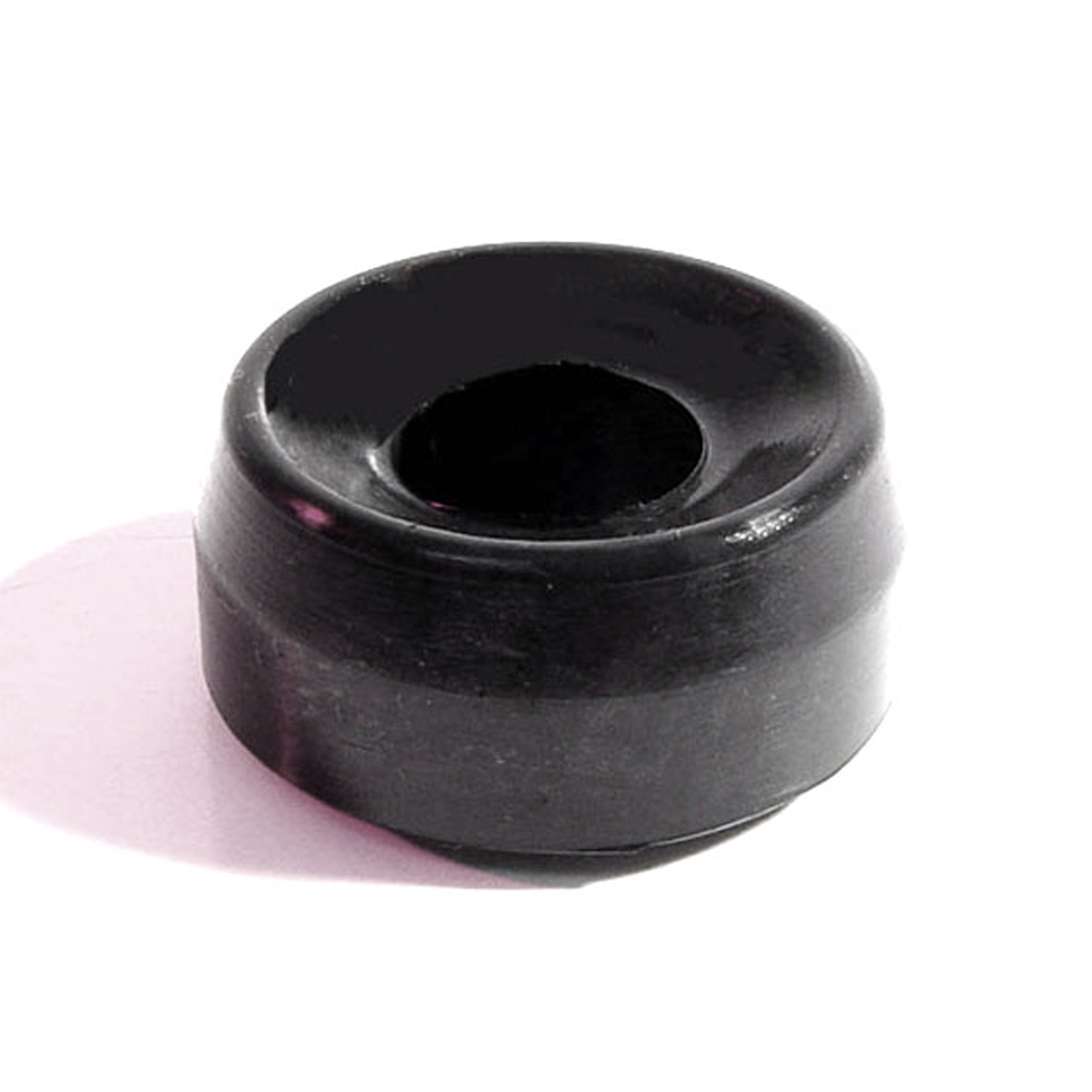 1941 Hudson Traveler Series 10 T Rear Stabilizer Bushing. Each-BN 4-HRear Stabilizer Bushing. Each
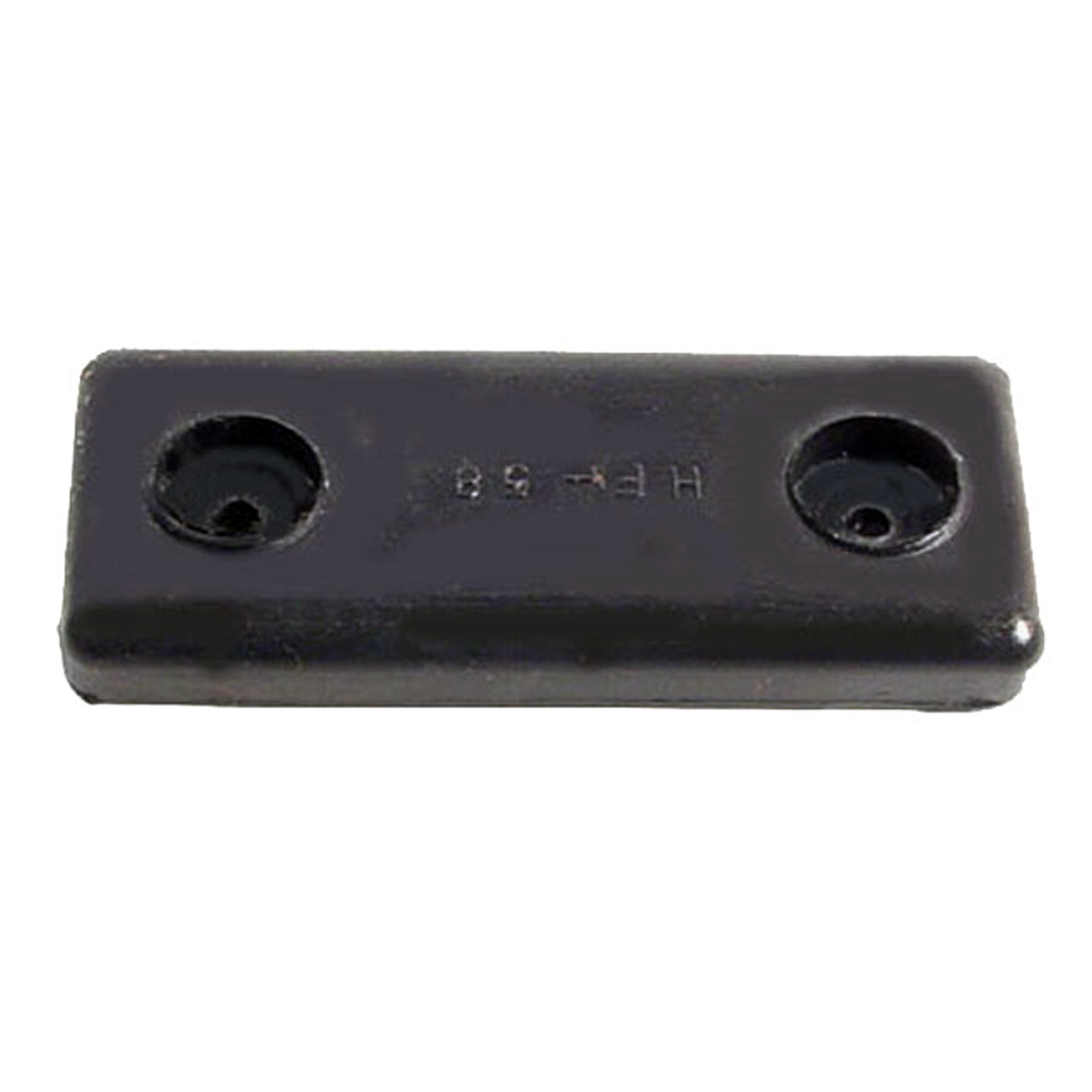 1941 Hudson Traveler Series 10 T Rear hood bumper. Fits on cowl. Made with washers-HF 58Rear hood bumper. Fits on cowl. Made with washers. Two used per car. Each.
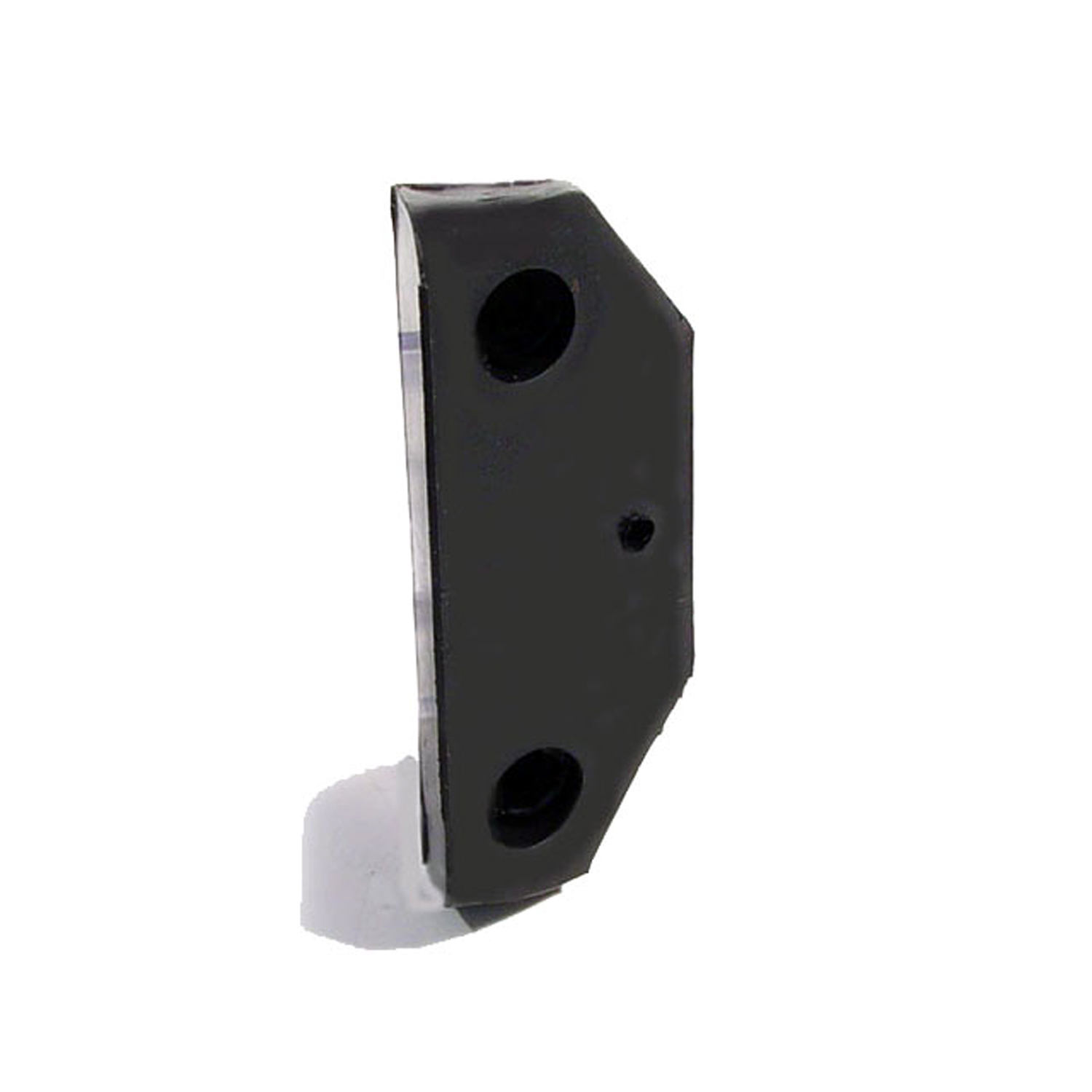 1941 Hudson Traveler Series 10 T Front Hood Bumper. Two used per car. Each-HF 58-AFront Hood Bumper. Two used per car. Each
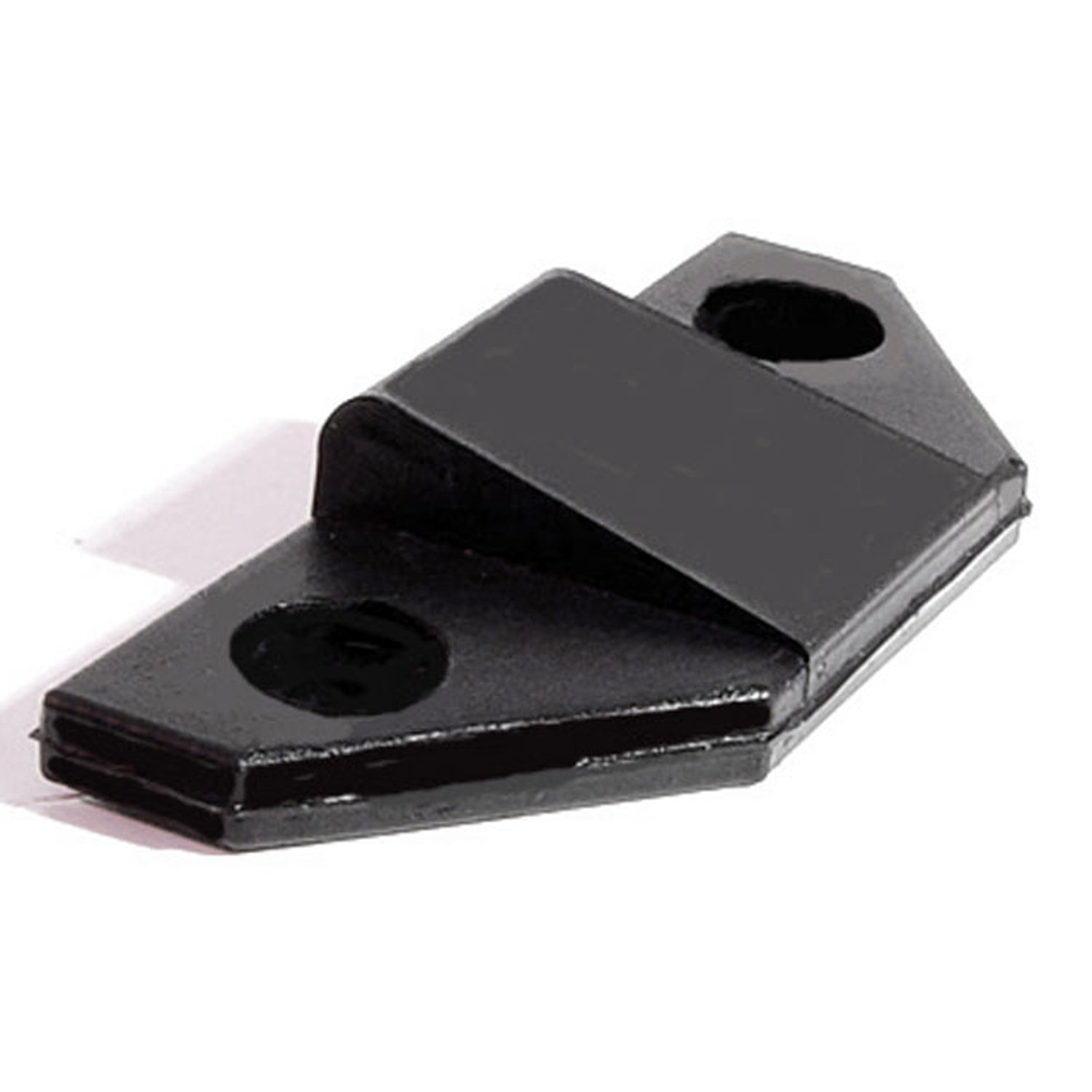 1941 Hudson Traveler Series 10 T Middle hood bumpers. Two used per car. Nice reproduction-HF 58-BMiddle hood bumpers. Two used per car. Nice reproduction. Each.
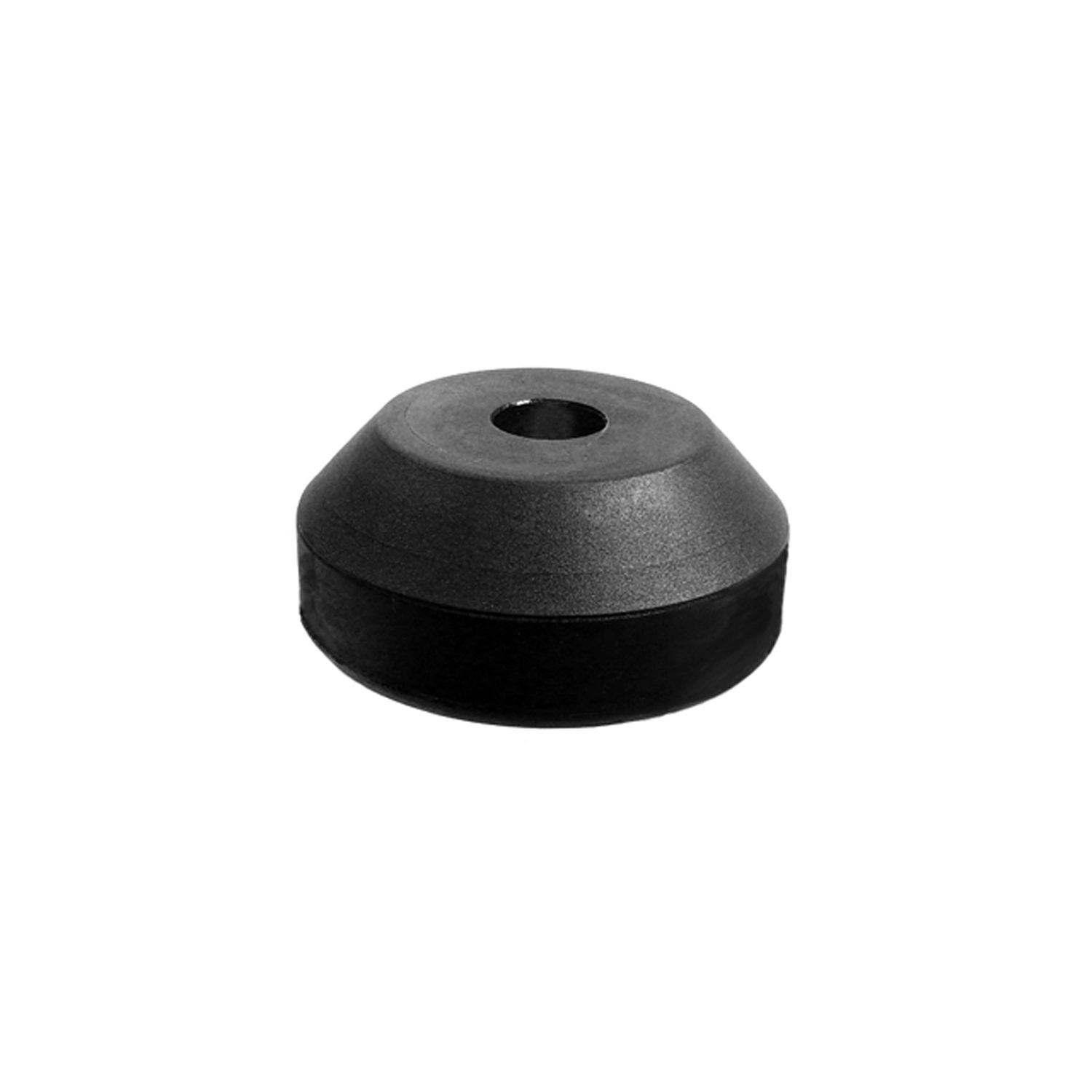 1941 Hudson Traveler Series 10 T Upper Motor Mount. 5/8" I.D., 2-5/8" O.D. Each-MM 7-BUpper Motor Mount. 5/8" I.D., 2-5/8" O.D. Each
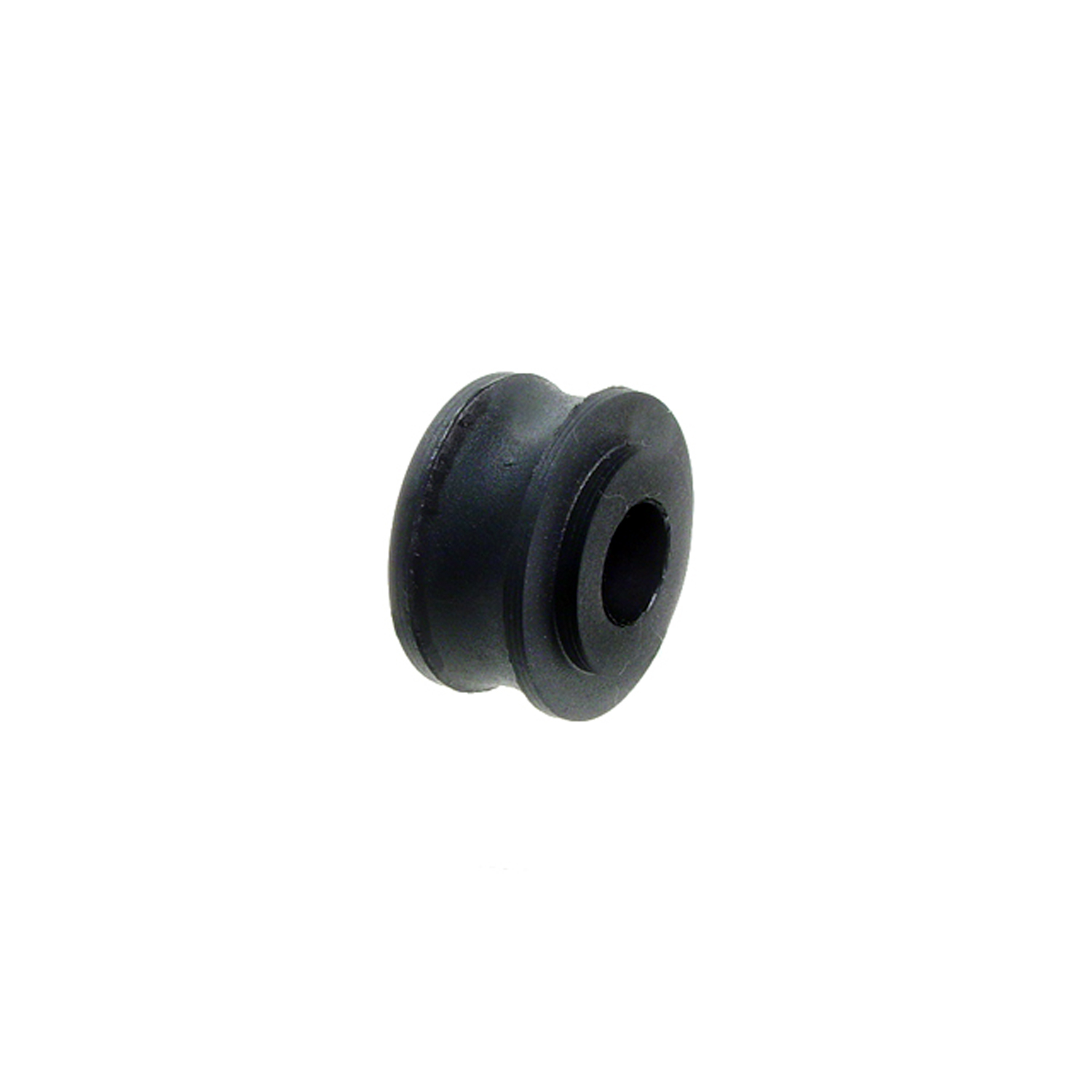 1941 Hudson Traveler Series 10 T Lower Motor Mount. 5/8" I.D., 1-5/8" O.D. Each-MM 7-CLower Motor Mount. 5/8" I.D., 1-5/8" O.D. Each
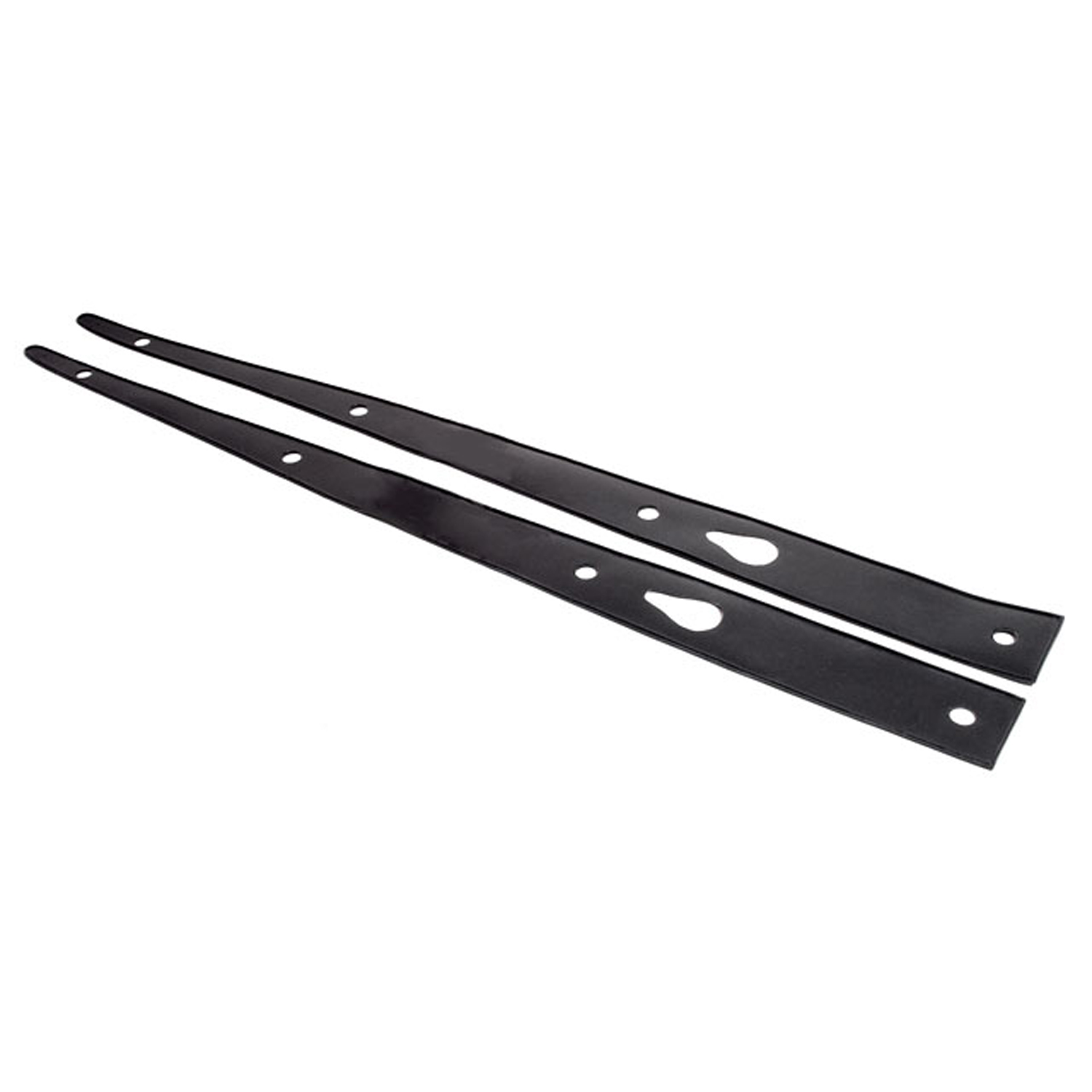 1941 Hudson Traveler Series 10 T Parklight Pads. 2-1/8" X 27-5/8" long. Pair-MP 798-RParklight Pads. 2-1/8" X 27-5/8" long. Pair
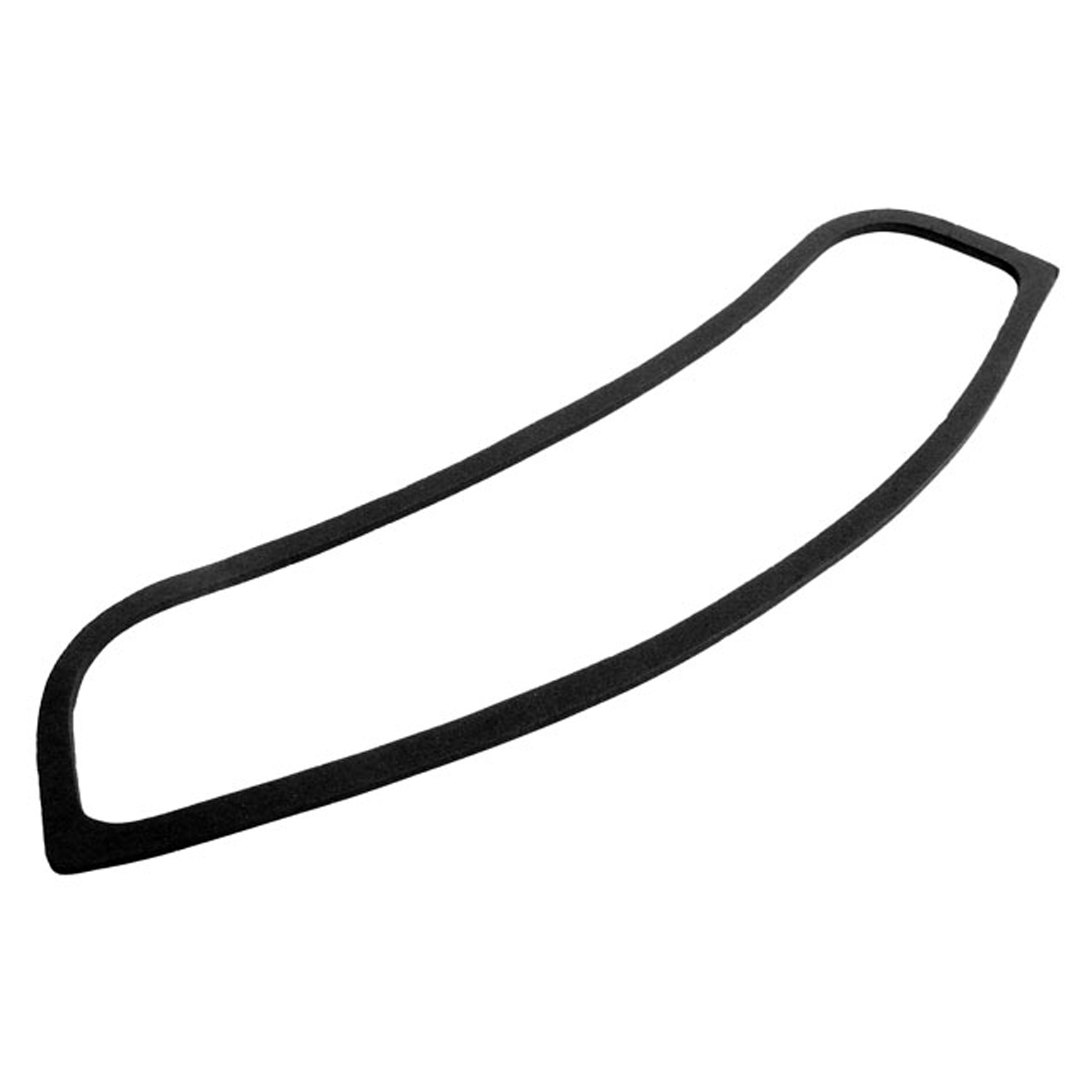 1941 Hudson Traveler Series 10 T Cowl Vent Seal. 4-1/2" wide X 18-1/2" long. Each-RP 100-YCowl Vent Seal. 4-1/2" wide X 18-1/2" long. Each
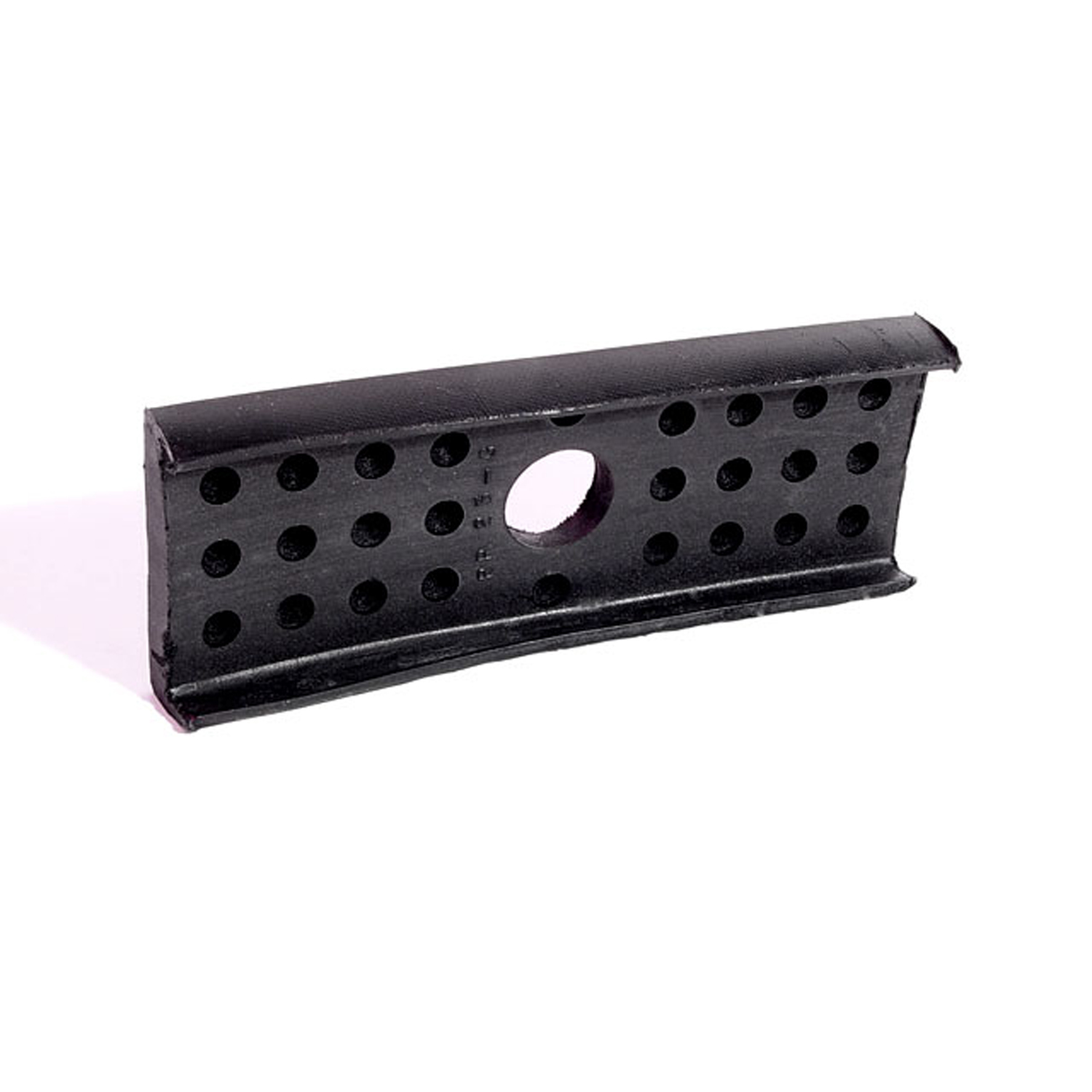 1941 Hudson Traveler Series 10 T Rear Leaf Spring Center Mounting Insulator-RP 23-GRear Leaf Spring Center Mounting Insulator. For all 1-3/4" wide leaf springs. Each
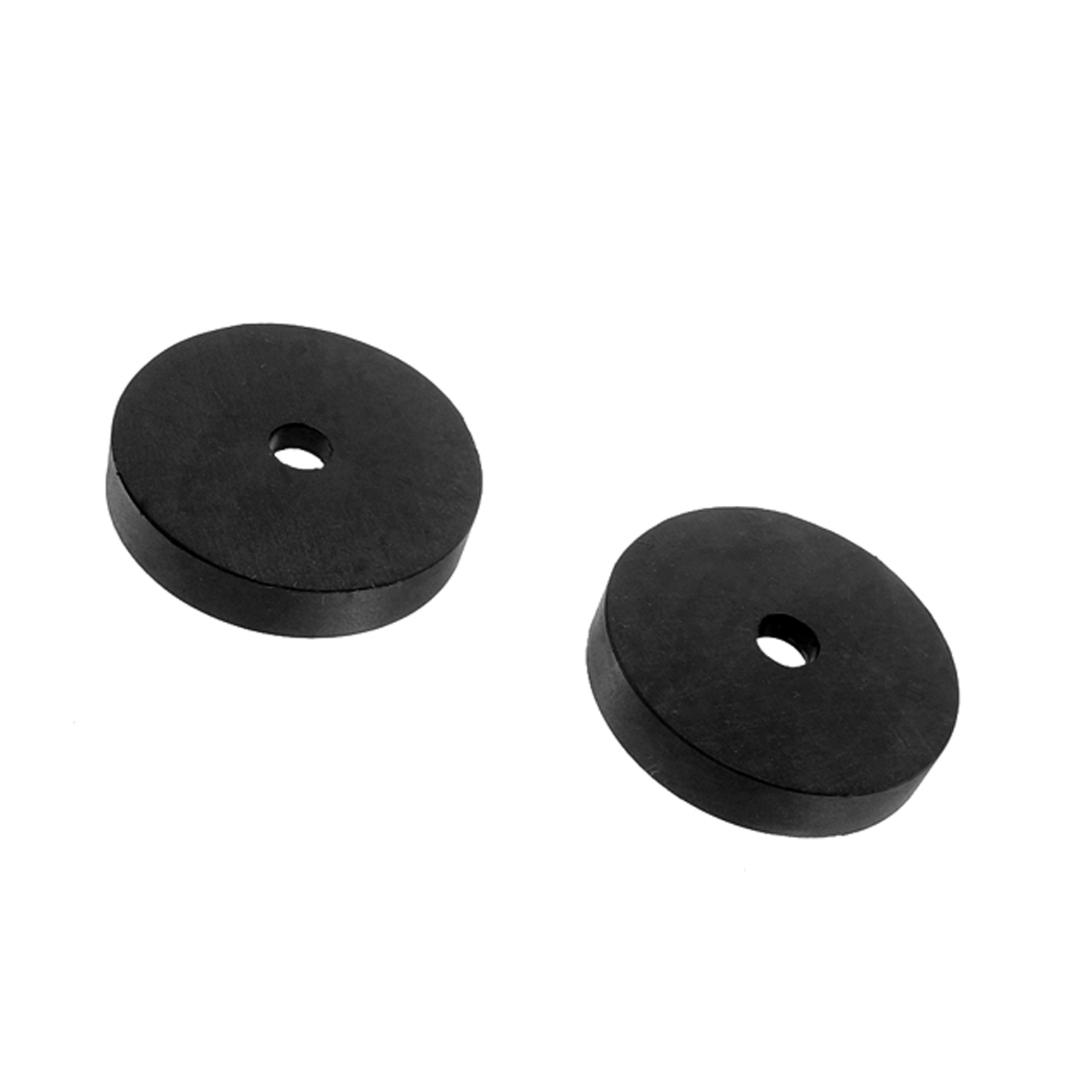 1941 Hudson Traveler Series 10 T Clutch and Brake Seals. Seals fit on a round shaft-RP 31-NClutch and Brake Seals. Seals fit on a round shaft. Made of soft rubber. 2-7/16" O.D., 7/16" I.D. Pair
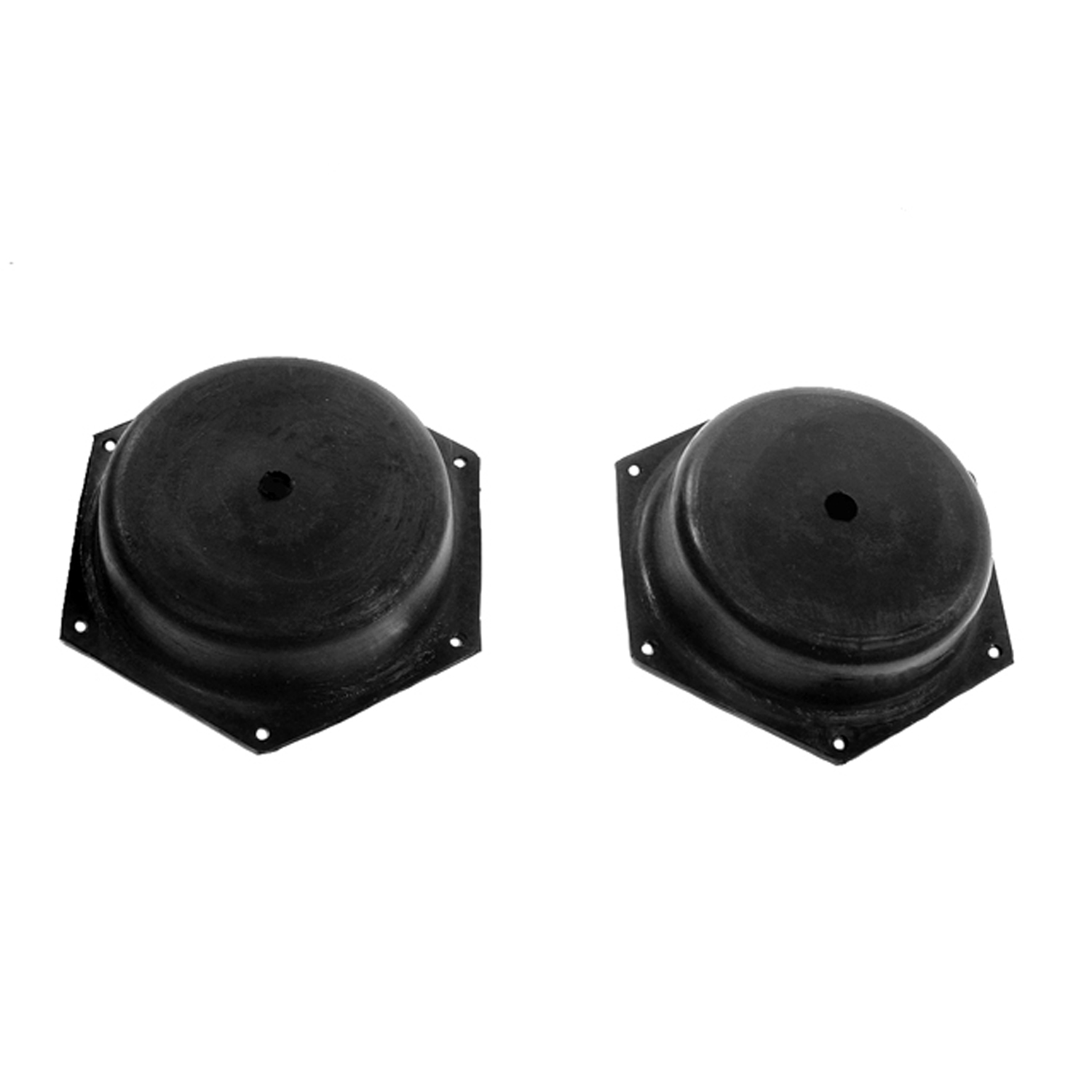 1941 Hudson Traveler Series 10 T Drive Master Electric Shift Vacuum Diaphragm-RP 32-ADrive Master Electric Shift Vacuum Diaphragm. For all models with drive master system for standard transmission. Pair
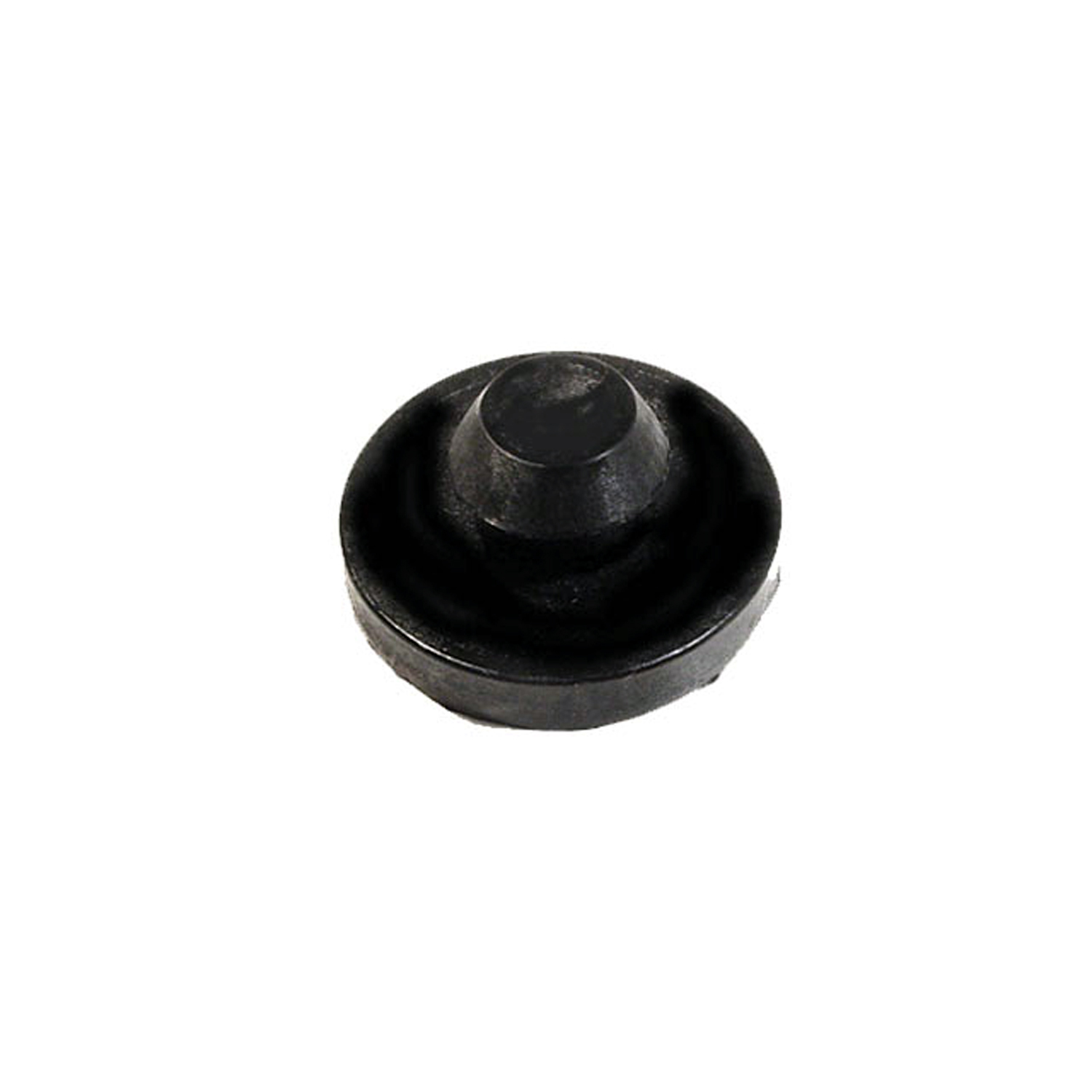 1941 Hudson Traveler Series 10 T Clutch Linkage Cushion. 1/4" top thickness, 1-1/2" O.D-SB 33-AClutch Linkage Cushion. 1/4" top thickness, 1-1/2" O.D. Each
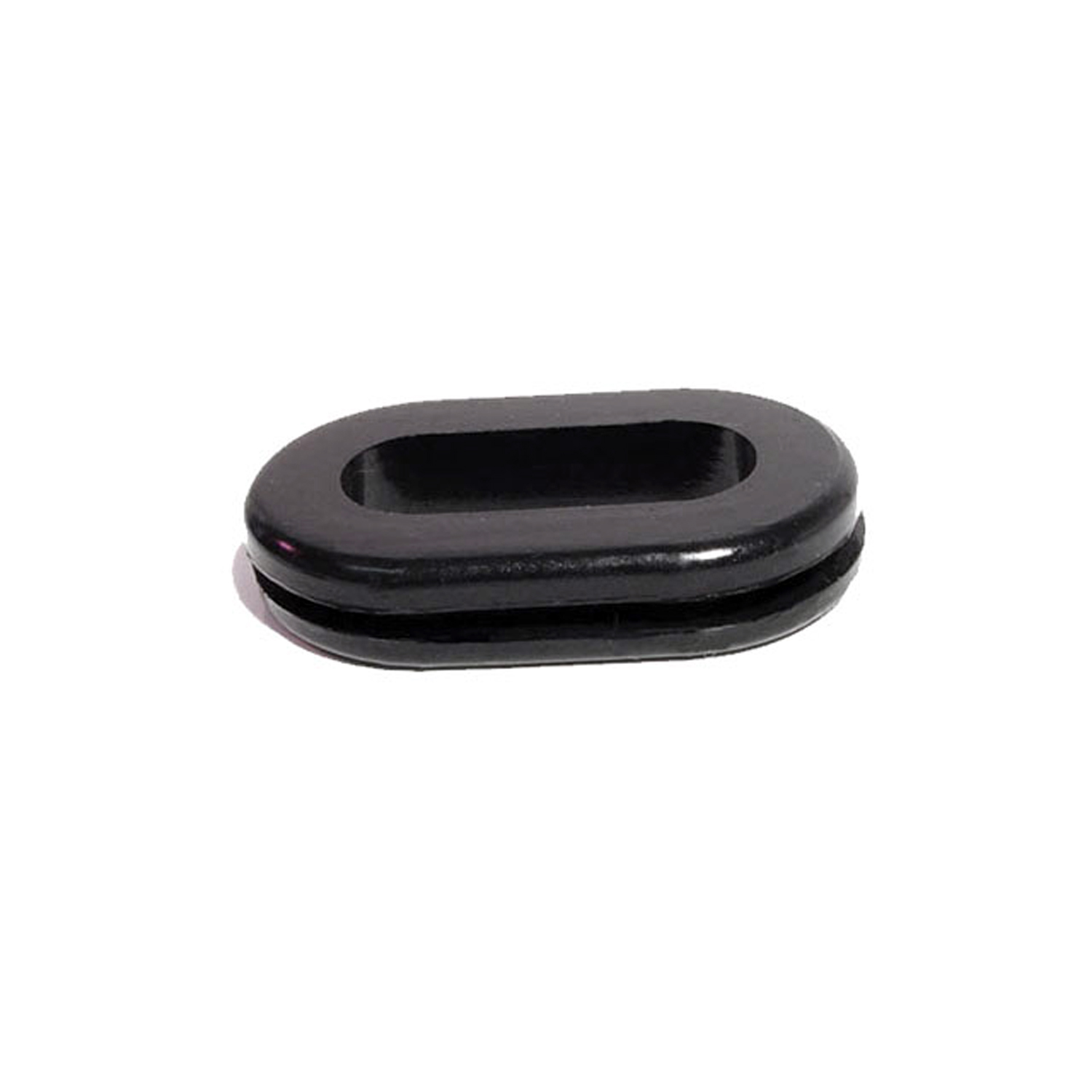 1941 Hudson Traveler Series 10 T Headlight Wire through Fender Grommet. Two used per car-SM 100-AHeadlight Wire through Fender Grommet. Two used per car. 1-1/4" inner slot, 1-7/8" long overall. Each
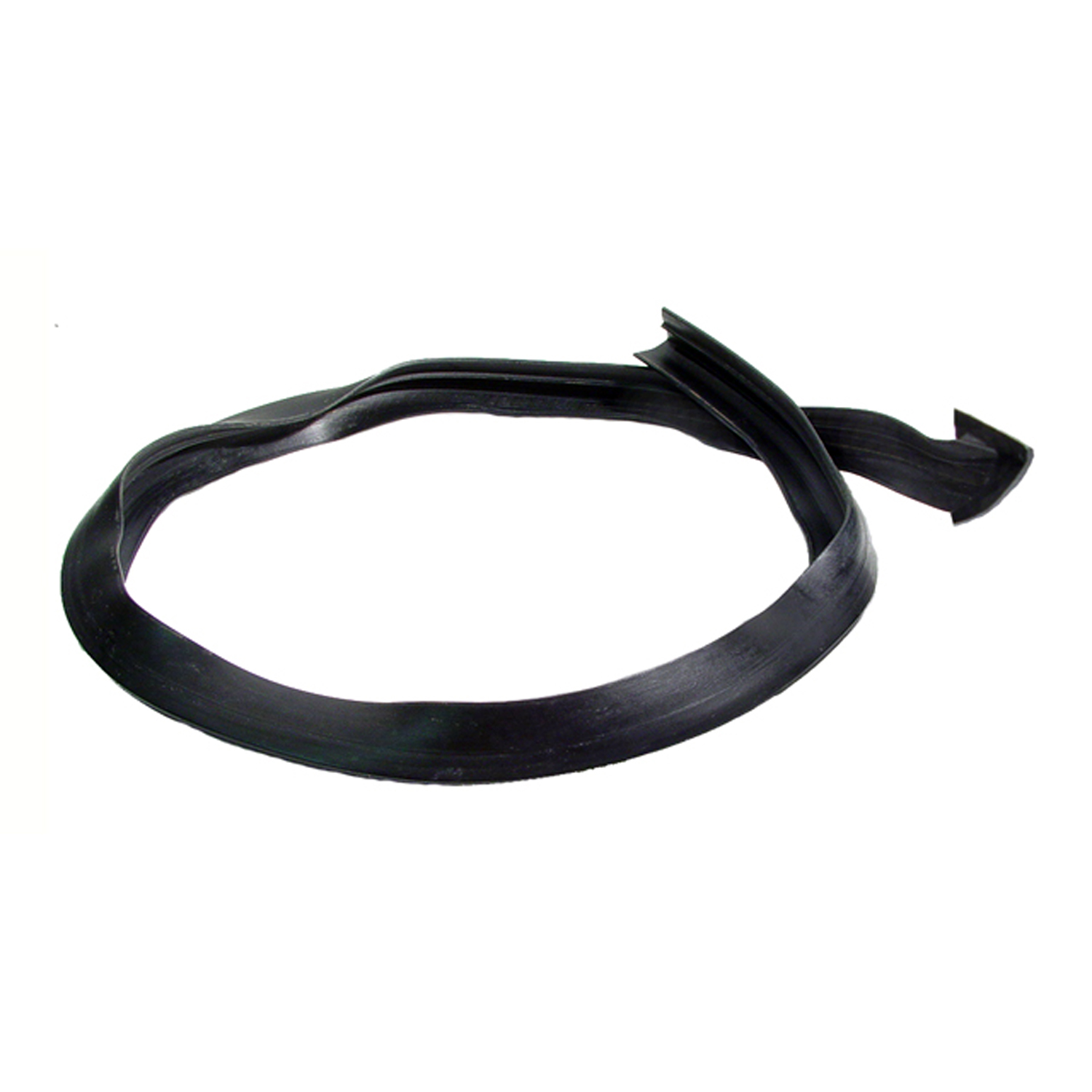 1941 Hudson Traveler Series 10 T Vertical Division Seal-VS 6-AVertical Division Seal. 26" Piece, enough for two front vents. Each
 1941 Hudson Traveler Series 10 T Vertical seal for vent window. Dense rubber. Universal part-VS 6-A/FTVertical seal for vent window. Dense rubber. Universal part. Per foot.
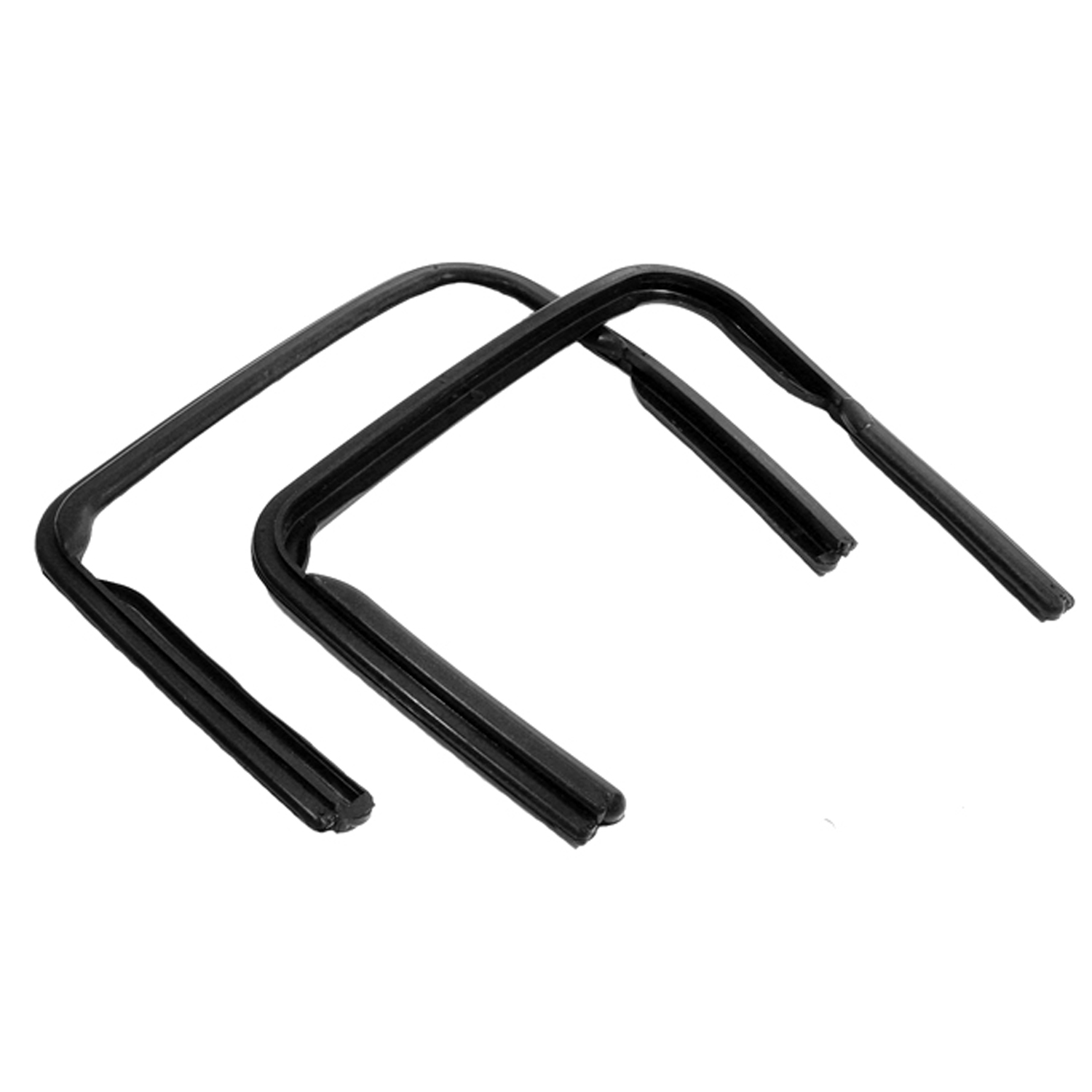 1941 Hudson Traveler Series 10 T Front Vent Window Seals, for Convertibles-WR 9Front Vent Window Seals, for Convertibles. 25-1/4" long each. Pair R&L
Why Choose Metro?
For over 100 years, Metro Moulded Parts has been the pinnacle of quality in classic car restoration parts. Our commitment to precision and authenticity in every component ensures a perfect fit and an OEM-level appearance.
- Expert Craftsmanship & Quality: Each part is a testament to our dedication to reliability and perfection, crafted from original designs and thoroughly tested.
- Advanced Technology: We use cutting-edge techniques to create flawless, long-lasting parts that surpass others in performance.
- SuperSoft Sponge – The Ultimate Door Seal: Not only are our door seals 30% softer than competitors', but they're also guaranteed to never leak. They effectively reduce wind and road noise, enhancing your classic car's comfort and driving experience.
- Proudly American: Our parts are a product of American craftsmanship, made in the USA with a spirit of excellence and heritage.
- Unrivaled Warranty: We back our products with a 30-year industry-leading warranty, a testament to our confidence in their quality.
Join us in preserving the legacy of classic cars with parts that are crafted for perfection, not just made.