

Image of 1942 Hudson Commodore Series 27, Note: These illustrations use artistic license and may differ from actual historical models.
Performance Metrics
Fundamental Metrics
Emotional Appeal
MMP Rating
| Engine Specifications | |
|---|---|
| Engine: | Inline 6 |
| Displacement: | 212 cubic inches |
| Horsepower: | Estimated 102 hp |
| Torque: | Not available |
| Compression Ratio: | 6.5:1 |
| Ignition System: | Distributor and coil |
| Cooling System: | Liquid-cooled |
| Performance Specifications | |
| 0-60 Time: | Not available |
| 1/4 Mile Time: | Not available |
| Top Speed: | Estimated 80 mph |
| Transmission and Drive | |
| Drive Type: | Rear-wheel drive |
| Transmission Type: | 3-speed manual |
| Fuel and Efficiency | |
| Fuel System Type: | Carburetor |
| MPG: | Not available |
| Dimensions and Brakes | |
| Brakes: | Hydraulic drum brakes |
| Wheelbase: | 121 inches |
| Weight: | Estimated 3,200 lbs |
Note: Specifications for classic cars are given to the best of our ability, considering the limited and variant data available.
1942 Hudson Commodore Series 27: A Rare Prewar Eight
The 1942 Hudson Commodore Series 27 arrived just as the American automobile industry was about to go dark for the duration of World War II. Built by the Hudson Motor Car Company of Detroit, this full-size Commodore paired elegant prewar styling with Hudson’s smooth, substantial straight-eight engine. Its production life was brief: in February 1942, Hudson and other U.S. automakers stopped building civilian cars and turned their factories toward the war effort.
Series 27 identifies the eight-cylinder Commodore, the more powerful and prestigious companion to the six-cylinder Series 26. The distinction matters to collectors: a Series 27 is not simply a well-equipped Hudson, but a specific eight-cylinder model from a pivotal, short-lived model year. One of its most intriguing details is that it represents the final chapter of Hudson’s prewar Commodore design before wartime production interrupted the normal rhythm of annual model changes.
Art Deco Style, Hudson Character
The Commodore wore the confident, rounded look associated with late-1930s and early-1940s American cars. Its long hood, flowing fenders, broad grille, and generous chrome trim gave it a substantial presence without the squared-off appearance that would dominate later designs. The front end was especially expressive, with a prominent grille and brightwork that made the car recognizable from across a street or showroom.
Inside, the Commodore was designed for comfort as well as status. A wide cabin, broad bench seats, and substantial door panels made it feel roomy by the standards of the day. Materials and trim depended on the body style and equipment, but owners could expect durable upholstery, a neatly finished dashboard, and the polished hardware typical of a high-grade American automobile. Today, original upholstery and trim can vary considerably because many cars have been restored or re-trimmed over the decades.
Hudson offered the Commodore in several closed and open body styles, including sedans and coupe variations, with convertible models available in the range. The four-door sedan was the practical, family-friendly choice; the coupe offered a sportier profile, while a convertible had the strongest show-car appeal. Exact body-style availability and trim details should be checked against the car’s serial number and original sales literature, since model offerings could differ by series and production timing.
Factory paint choices varied with the model and production run. Period Hudsons appeared in sober shades such as black, gray, and dark blue, as well as richer colors including maroon and green. Dark, formal colors suit the Commodore’s upscale character, though surviving cars in brighter or less common shades can be especially eye-catching at a show.
Comfort and Convenience Before Electronics
The Series 27’s defining mechanical feature was its straight-eight engine, displacing about 254 cubic inches and producing approximately 128 horsepower. It was paired with a three-speed manual transmission, with an overdrive option available. Hudson also offered driver-assistance features such as its Electric Hand gear selector on some models and equipment combinations. These period systems used mechanical or vacuum-operated components, not modern electronic controls, so operation and availability should be verified on an individual car.
By contemporary standards, the Commodore’s technology was conventional rather than futuristic. It used a separate frame, front coil springs with independent front suspension, a live rear axle with leaf springs, and hydraulic brakes. The result was a traditional American layout, but one developed to deliver a comfortable ride and dependable service on the roads of its era.
A Snapshot of America’s Wartime Shift
The Commodore’s historical importance comes partly from its timing. After the United States entered World War II, civilian automobile production was suspended so manufacturers could contribute to military production. Hudson shifted its industrial capacity to wartime work, including components and equipment for the armed forces. As a result, the 1942 model year was cut short, and a 1942 Hudson is a tangible reminder of the abrupt change from peacetime motoring to a wartime economy.
The Commodore was not a radical engineering break from its predecessors, and it should not be confused with Hudson’s later “step-down” cars, introduced after the war. Instead, it represents the culmination of Hudson’s prewar approach: a substantial chassis, a smooth engine, generous interior space, and distinctive styling. The later step-down design would make Hudson famous for its low floor and advanced body layout, but the 1942 Commodore belongs to a different, more traditional generation.
Against its contemporaries, the Series 27 made its case through refinement and power rather than novelty. Its straight-eight offered a smoother character than many six-cylinder rivals, while the Commodore’s trim and body proportions gave it an upscale personality. Hudson’s reputation for sturdy construction also helped the car appeal to drivers who wanted comfort without giving up a sense of mechanical substance.
How the 254 Straight-Eight Drives
With roughly 128 horsepower moving a large sedan, the Commodore was no modern traffic-light sprinter. A period-correct car in good condition might reach a top speed around 85 to 90 mph, while 0-to-60 mph acceleration is best treated as a period-style estimate, likely in the high teens or around 20 seconds depending on body style, gearing, condition, and equipment. These are not guaranteed factory figures for every Series 27 configuration.
The engine’s appeal is its smoothness. Rather than a sharp, high-revving bark, the straight-eight delivers a mellow, even rumble that grows more assertive as the throttle opens. The manual gearbox asks for deliberate shifts, and the steering and controls require more effort than those of a modern car. A well-maintained example should feel composed at touring speeds, with its long wheelbase and soft suspension taking the edge off rough pavement.
On winding roads, the Commodore rewards a measured pace. Its size, weight, period tires, and body-on-frame construction are a reminder that it was built for cruising, not rapid direction changes. In crosswinds, the broad body can require attention, and braking distances are much longer than drivers expect from a contemporary vehicle. A properly serviced suspension, steering system, and hydraulic brakes make a major difference to confidence and safety.
Living With a 1942 Commodore
Most surviving Commodores are now used as show cars, weekend tourers, or additions to collections rather than daily transportation. They are well suited to relaxed vintage drives, local events, and rallies where the goal is to enjoy the car rather than keep pace with modern traffic. Their roomy cabins and smooth engines make them appealing touring cars when they are mechanically sound.
Routine work is familiar to a mechanic experienced with prewar American cars. The straight-eight is a conventional design, and many service tasks can be handled with standard tools and period-car knowledge. The harder challenges are often finding correct trim, body parts, glass, and model-specific components. Electrical connections, fuel delivery, cooling systems, brakes, and old rubber parts deserve careful inspection, especially if a car has spent years in storage.
Reliability depends more on condition and maintenance than on the Hudson name alone. A sound engine can provide dependable vintage motoring, but neglected cooling or lubrication systems, worn steering components, and deteriorated brake hydraulics should not be ignored. Before buying, check for rust in the body and frame, evidence of previous repairs, and signs that the car has been converted or modified.
Wartime Rarity and Collector Appeal
Exact production figures for the 1942 Series 27 are not consistently reported in readily available model-by-model records. Hudson’s civilian production ended early that year, making the model less common than cars built through a full season. A reasonable working estimate is that Series 27 production amounted to several thousand cars, but that should be treated as an informed estimate, not a confirmed factory total. Surviving examples are rarer still, particularly in original condition or in unusual body styles.
There is no widely recognized land-speed or endurance record associated specifically with the 1942 Commodore Series 27. Its notable “record” is historical rather than competitive: it belongs to one of the last brief waves of American civilian production before wartime restrictions took hold. Claims of famous celebrity ownership should also be checked carefully, since many such stories are repeated without reliable documentation.
Values vary sharply with body style, restoration quality, originality, and mechanical condition. As a broad U.S. market estimate, a project car might sell for roughly $5,000 to $15,000, a usable driver for about $15,000 to $30,000, and a high-quality restored example for approximately $30,000 to $50,000 or more. A particularly desirable or exceptional convertible could exceed that range. These are guide figures, not appraisals, and local demand can make a substantial difference.
Like many prewar classics, the Commodore’s market is relatively specialized. Prices for the best restored cars tend to be more resilient than those for incomplete projects, but restoration costs can rise quickly and may exceed the finished car’s value. The strongest buys are usually complete cars with documented work, sound structure, and hard-to-find trim already in place. Over the long term, exceptional examples may appreciate, though the market is unlikely to behave like that for a high-profile muscle car or sports car.
Why the Series 27 Still Matters
The 1942 Hudson Commodore Series 27 combines a smooth 254-cubic-inch straight-eight, comfortable prewar proportions, and an unusually short production window shaped by world events. It was not the most radical Hudson ever built, but it captures the company’s polished prewar identity just before the factory’s attention shifted to wartime work.
For collectors, its appeal lies in that balance of elegance, engineering, and history. A Series 27 is more than an old sedan with a long hood: it is a rare survivor from the final days of an era, carrying the quiet confidence of a Hudson built to travel well before the world changed.
1942 Hudson Commodore Series 27 Catalog of Parts
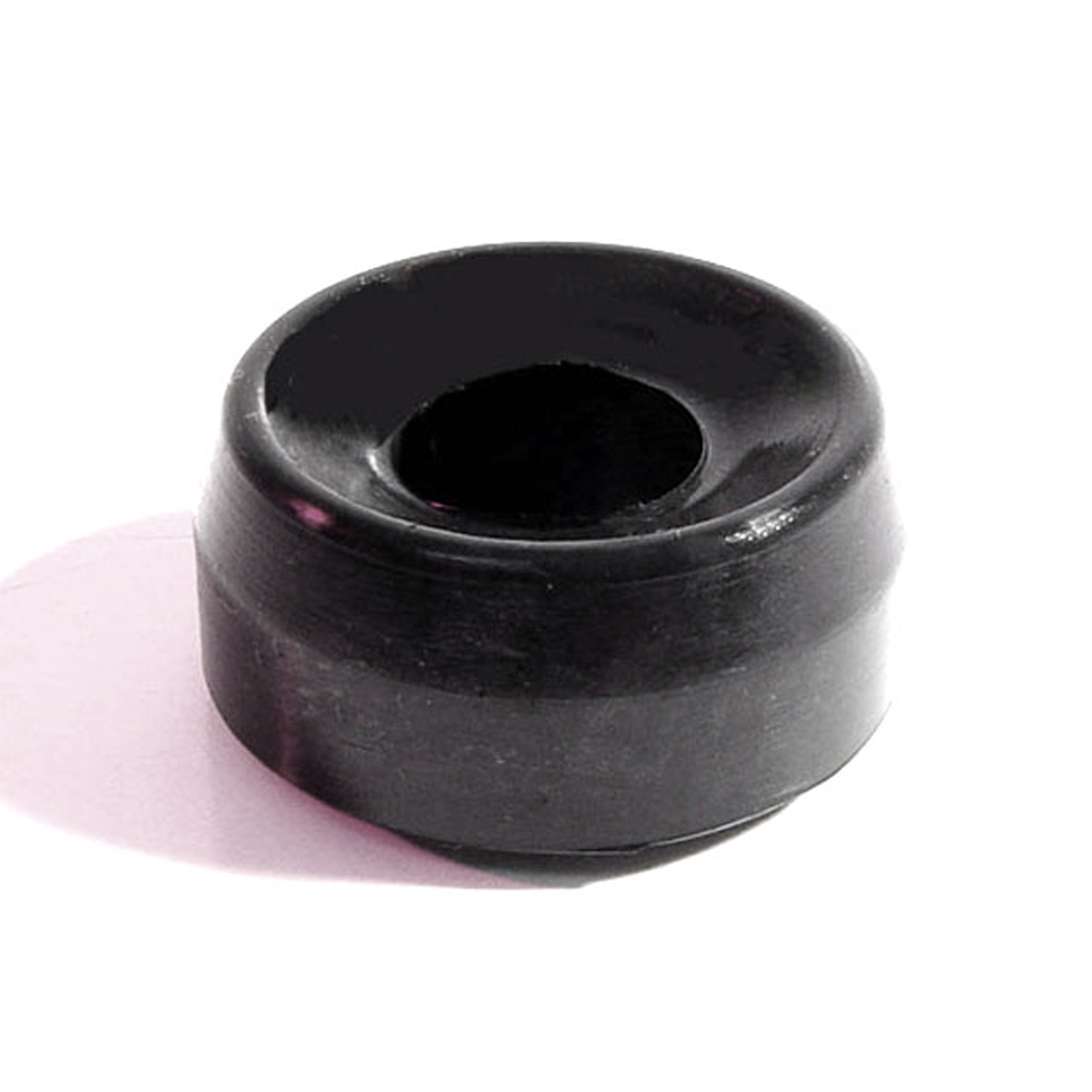 1942 Hudson Commodore Series 27 Rear Stabilizer Bushing. Each-BN 4-HRear Stabilizer Bushing. Each
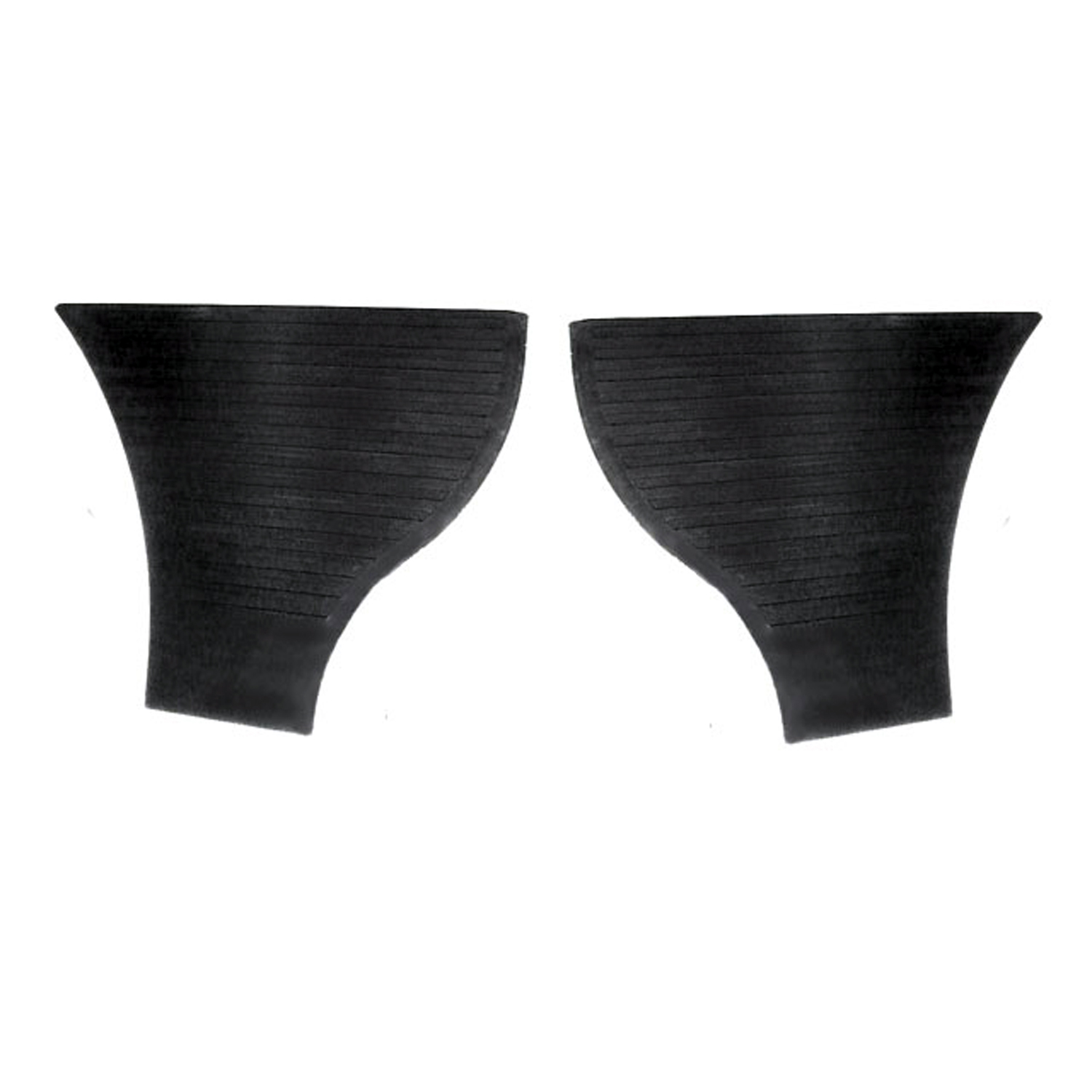 1942 Hudson Commodore Series 27 Gravel Shields. Molded flat, but will conform to curves-FS 36Gravel Shields. Molded flat, but will conform to curves. 10-1/2" long X 12-1/4" wide at top and 4-1/2" wide at bottom. Pair
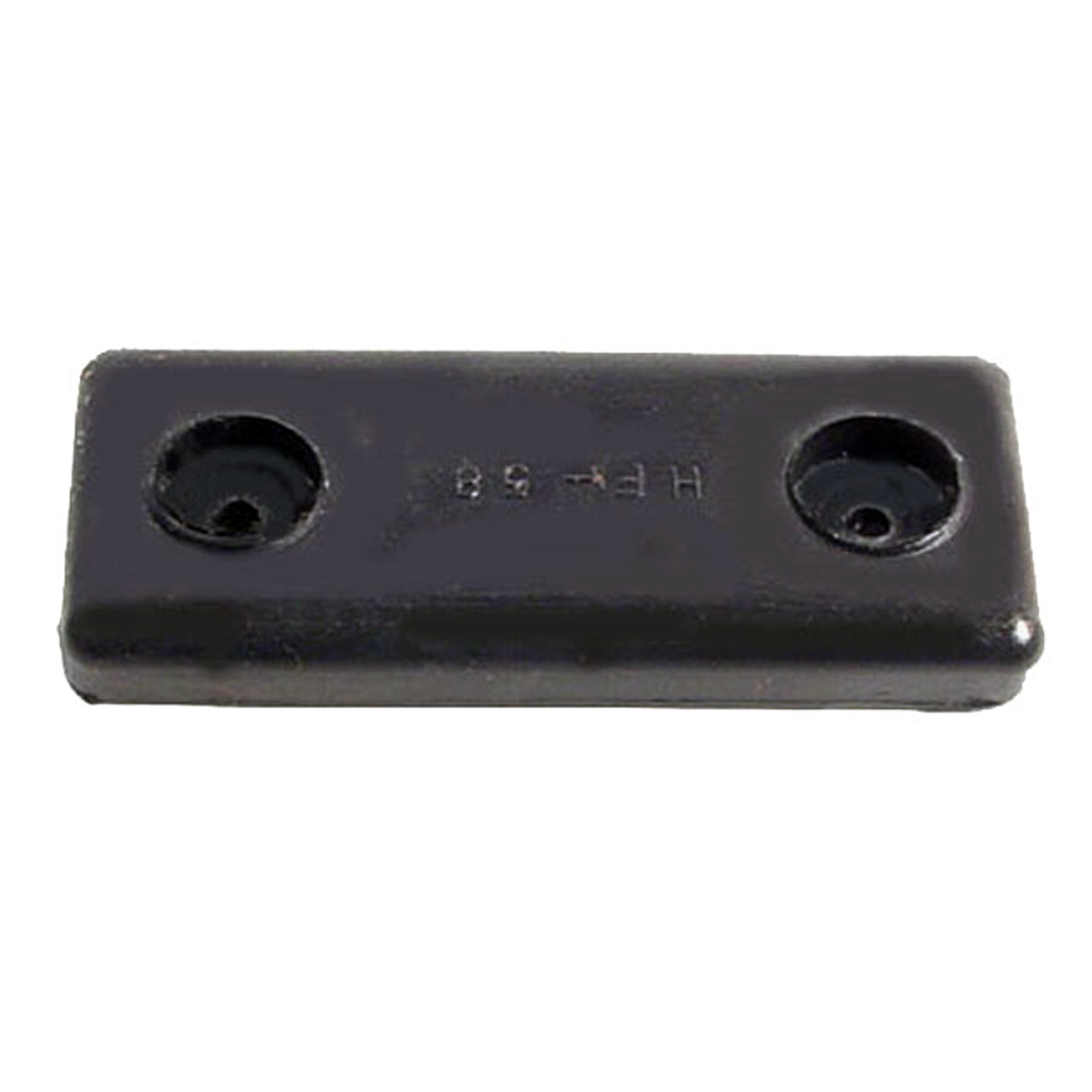 1942 Hudson Commodore Series 27 Rear hood bumper. Fits on cowl. Made with washers-HF 58Rear hood bumper. Fits on cowl. Made with washers. Two used per car. Each.
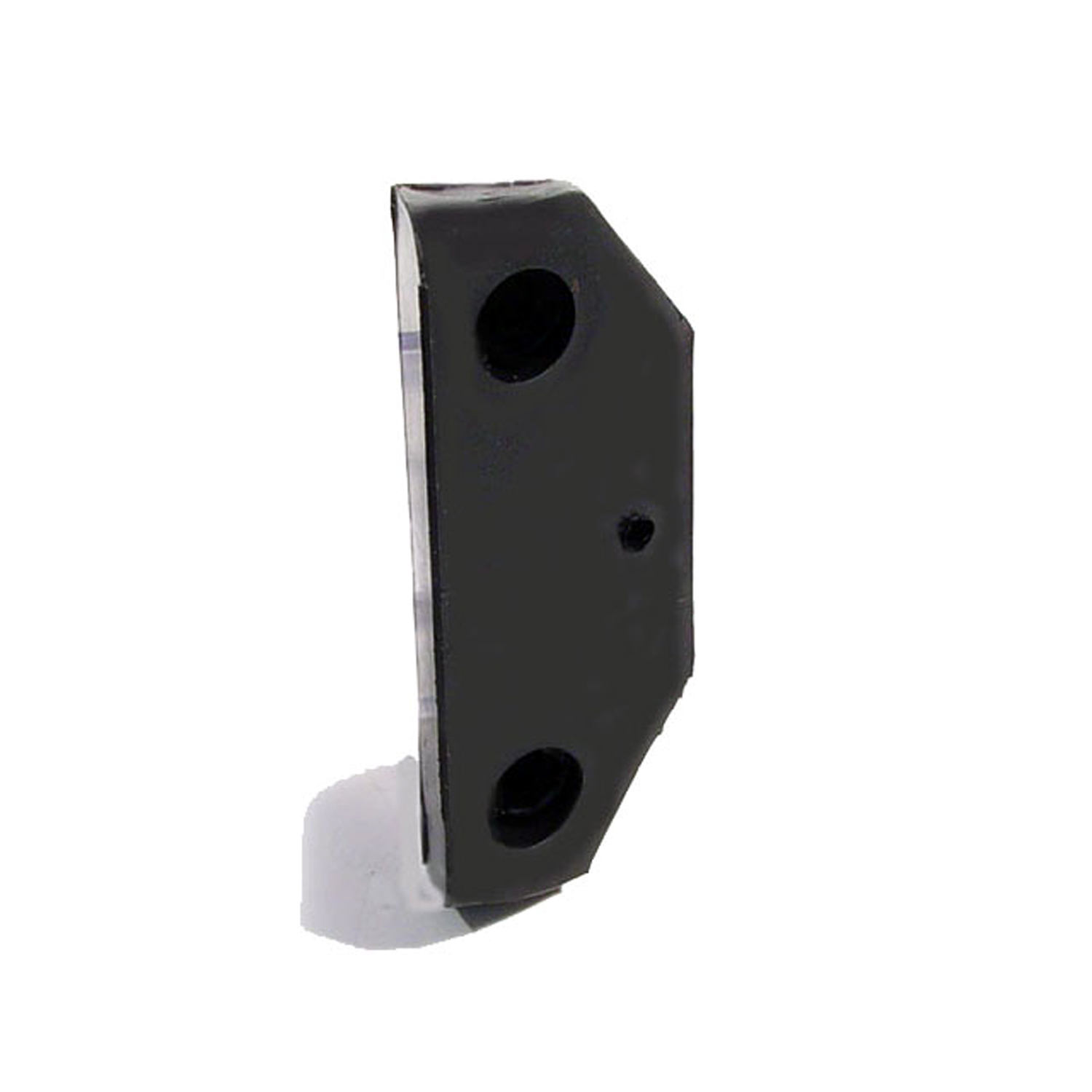 1942 Hudson Commodore Series 27 Front Hood Bumper. Two used per car. Each-HF 58-AFront Hood Bumper. Two used per car. Each
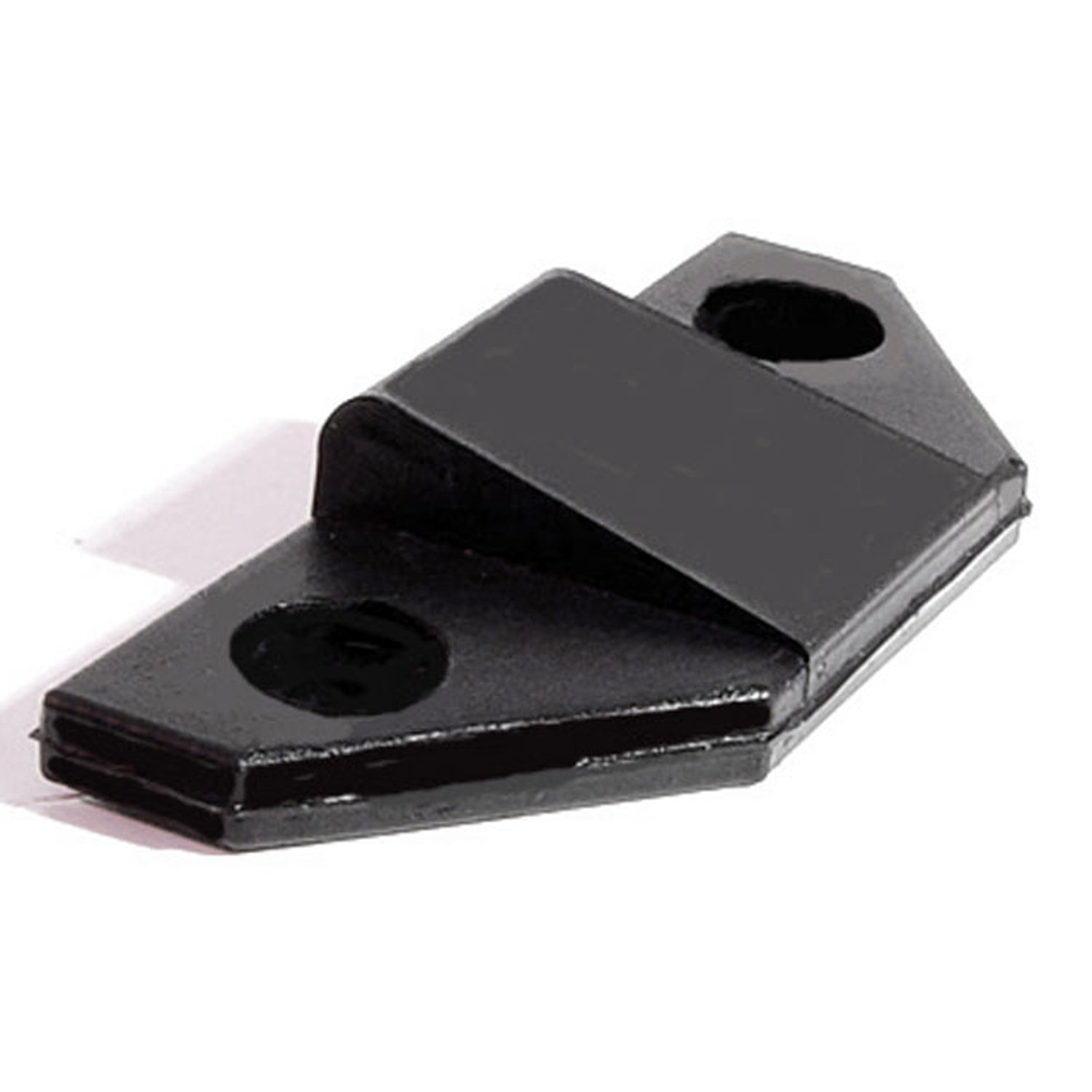 1942 Hudson Commodore Series 27 Middle hood bumpers. Two used per car. Nice reproduction-HF 58-BMiddle hood bumpers. Two used per car. Nice reproduction. Each.
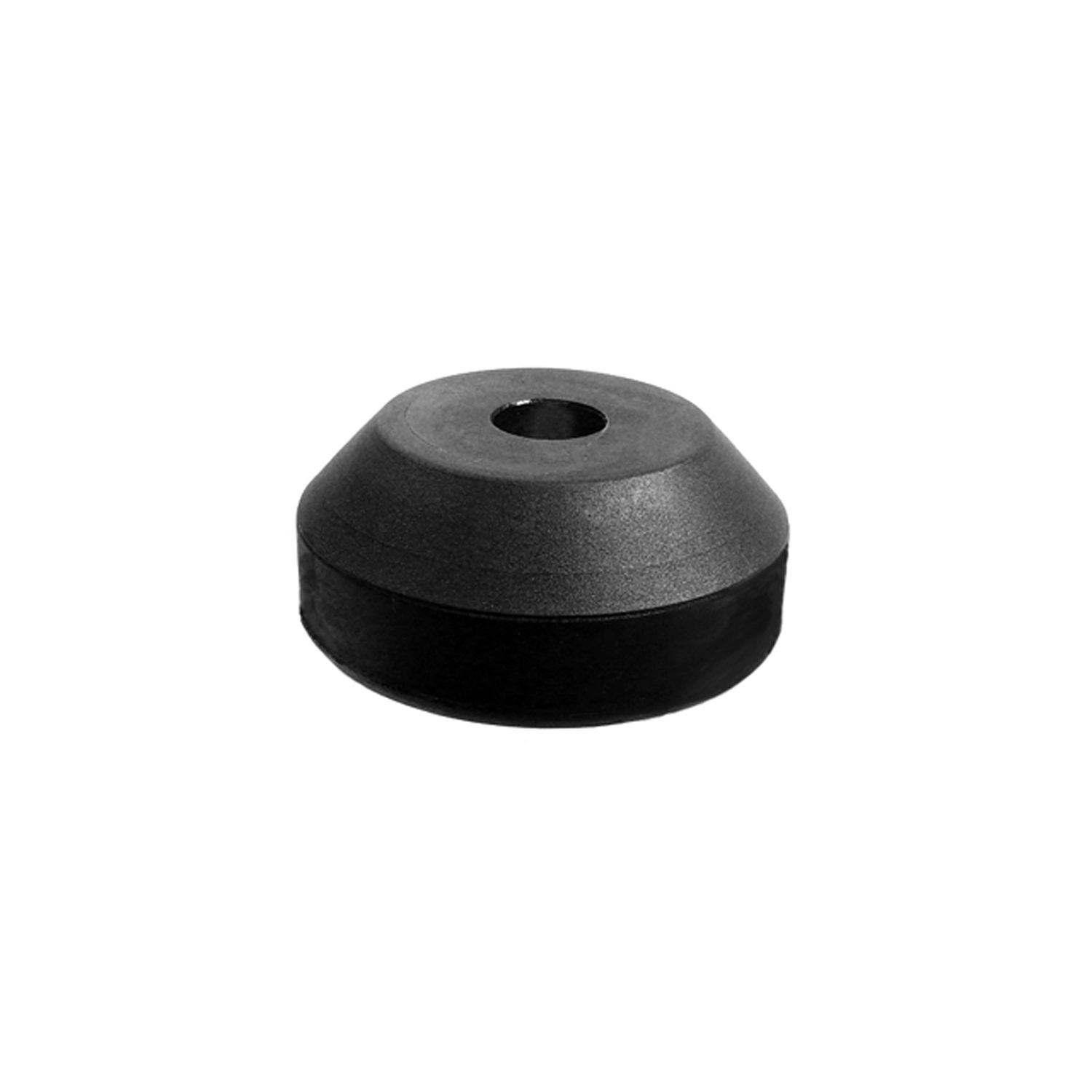 1942 Hudson Commodore Series 27 Upper Motor Mount. 5/8" I.D., 2-5/8" O.D. Each-MM 7-BUpper Motor Mount. 5/8" I.D., 2-5/8" O.D. Each
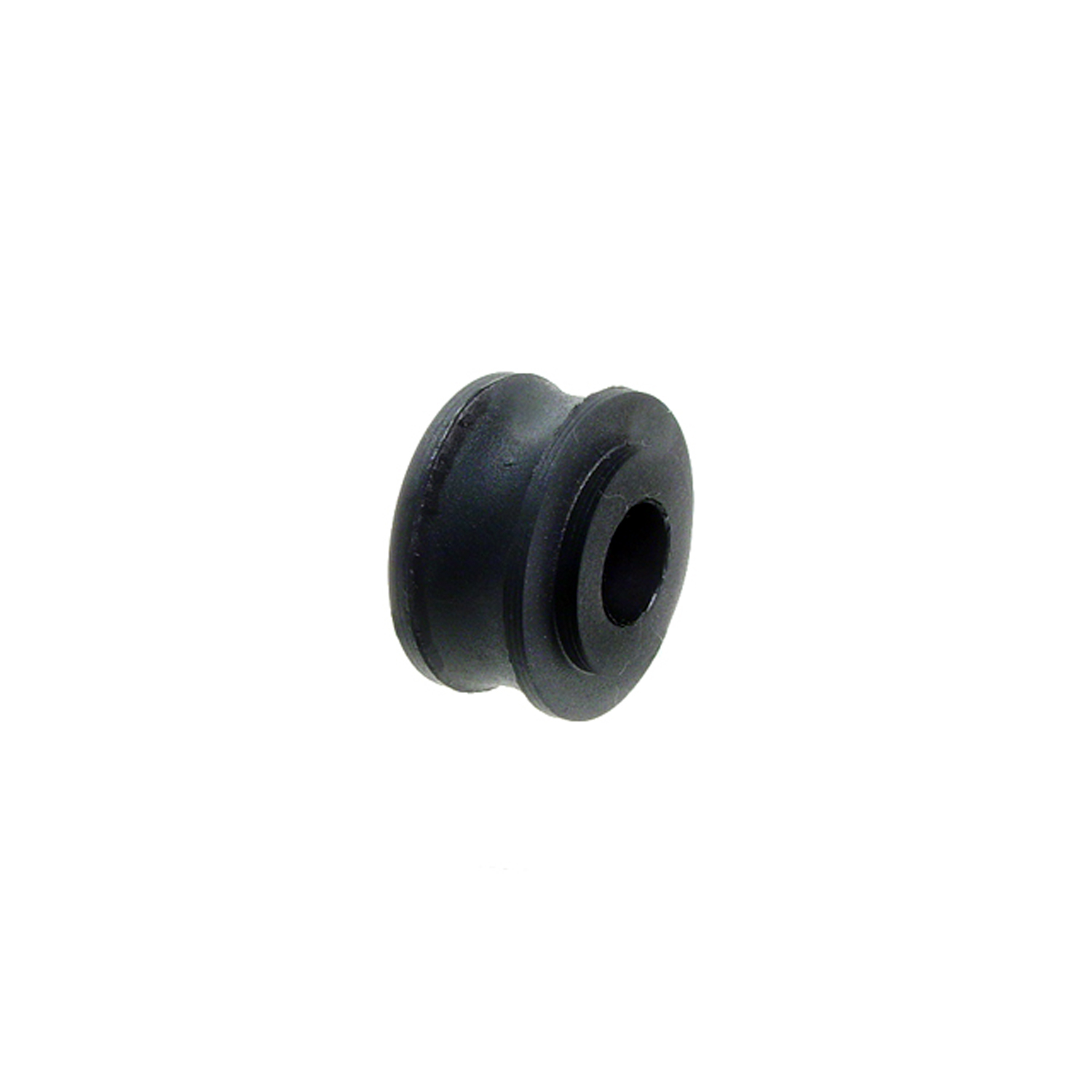 1942 Hudson Commodore Series 27 Lower Motor Mount. 5/8" I.D., 1-5/8" O.D. Each-MM 7-CLower Motor Mount. 5/8" I.D., 1-5/8" O.D. Each
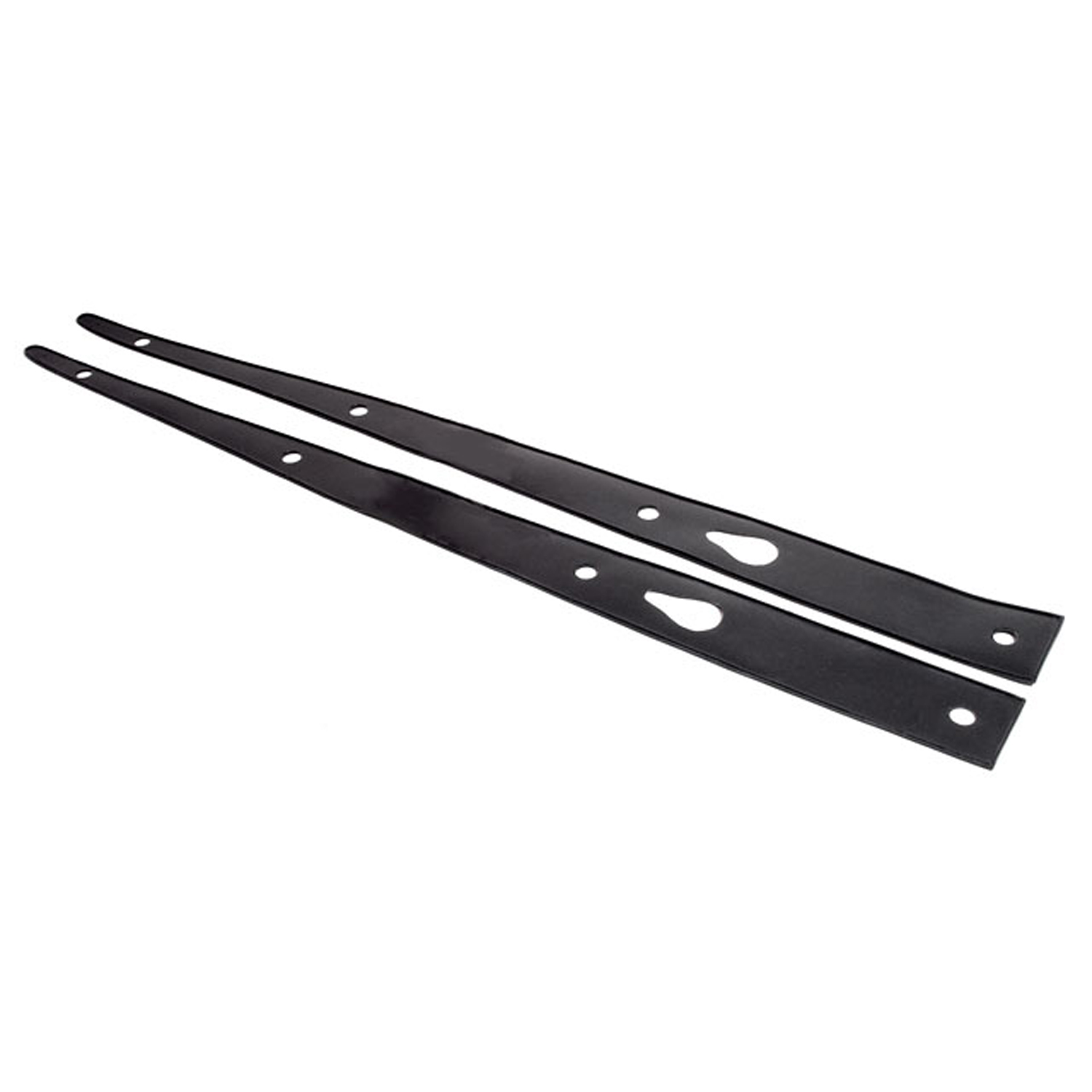 1942 Hudson Commodore Series 27 Parklight Pads. 2-1/8" X 27-5/8" long. Pair-MP 798-RParklight Pads. 2-1/8" X 27-5/8" long. Pair
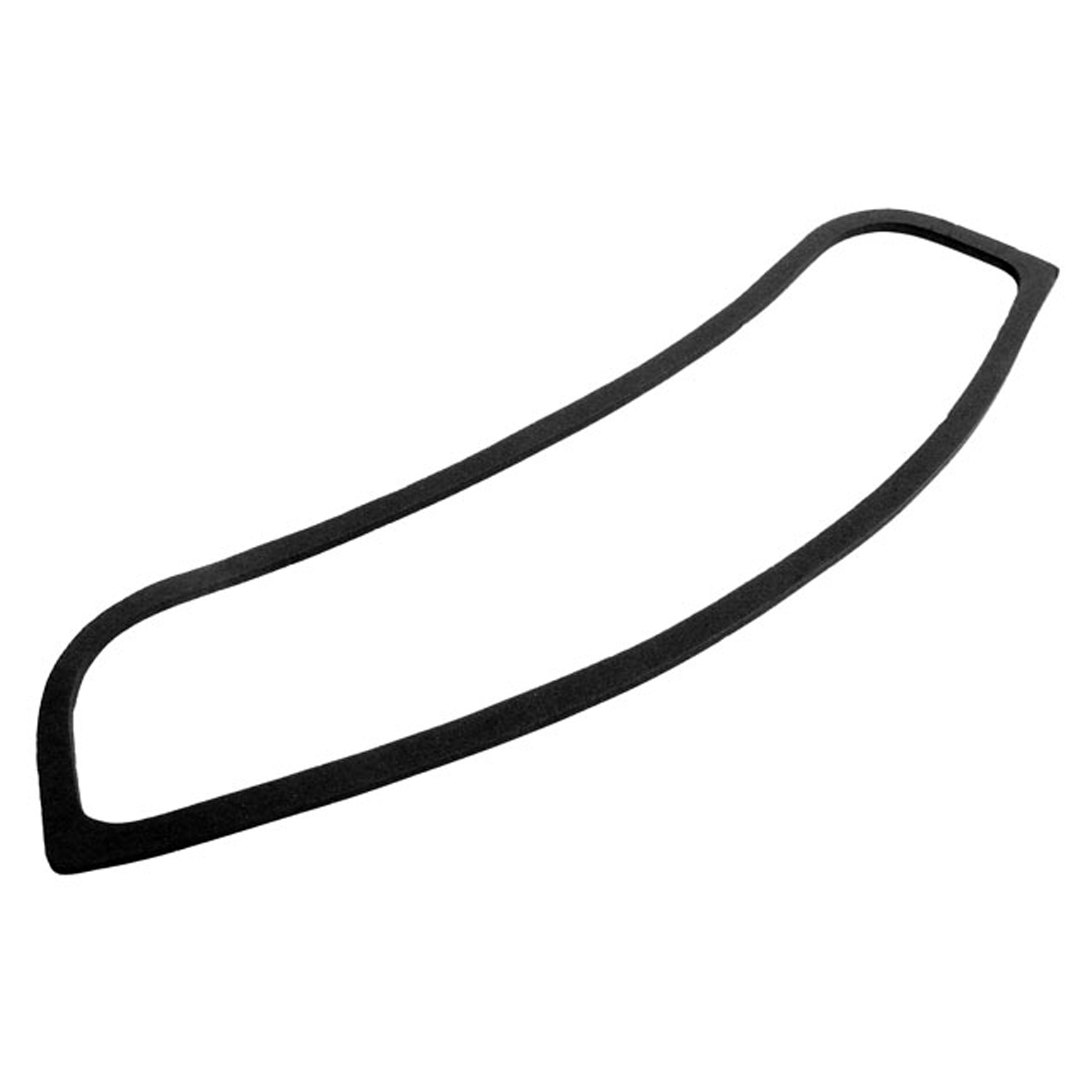 1942 Hudson Commodore Series 27 Cowl Vent Seal. 4-1/2" wide X 18-1/2" long. Each-RP 100-YCowl Vent Seal. 4-1/2" wide X 18-1/2" long. Each
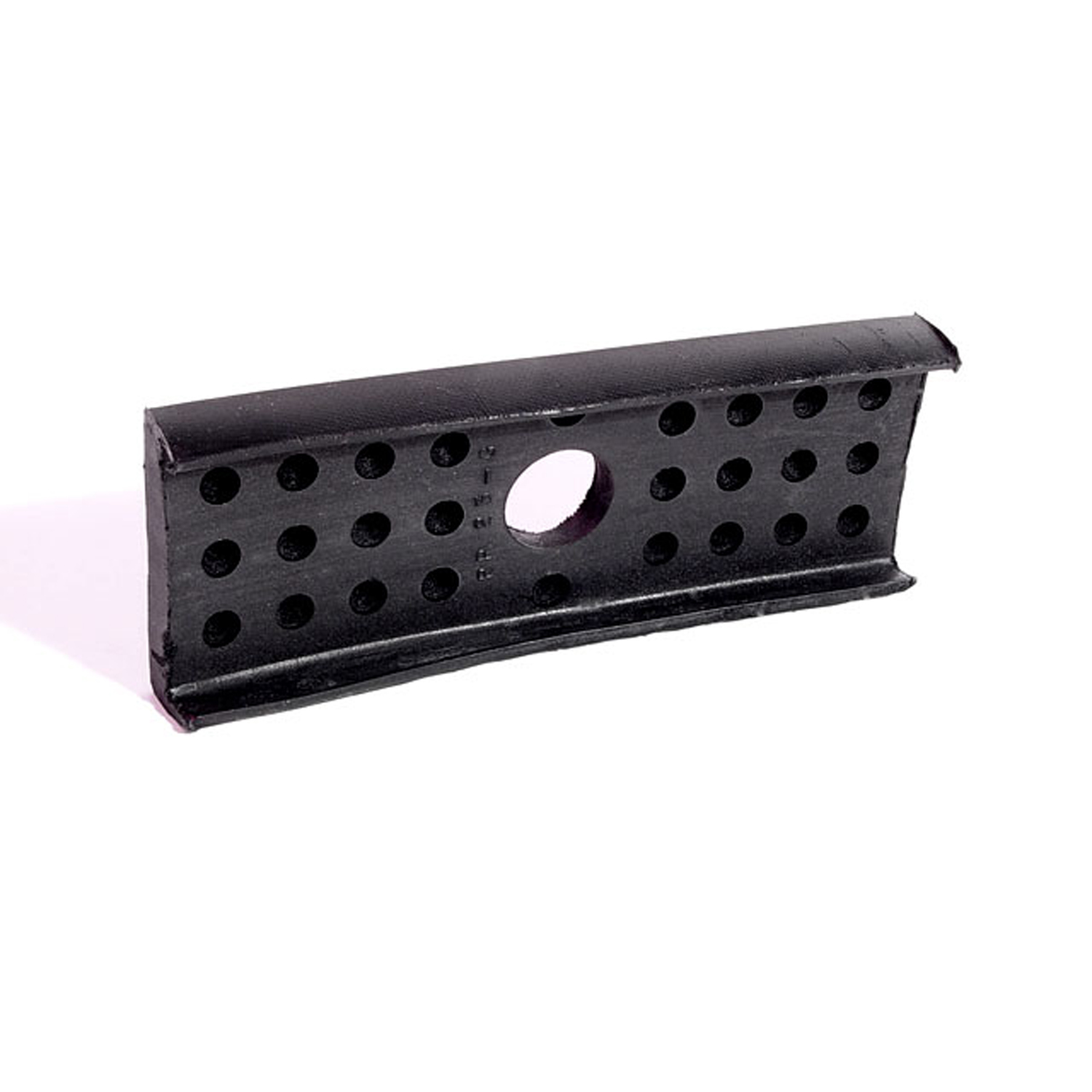 1942 Hudson Commodore Series 27 Rear Leaf Spring Center Mounting Insulator-RP 23-GRear Leaf Spring Center Mounting Insulator. For all 1-3/4" wide leaf springs. Each
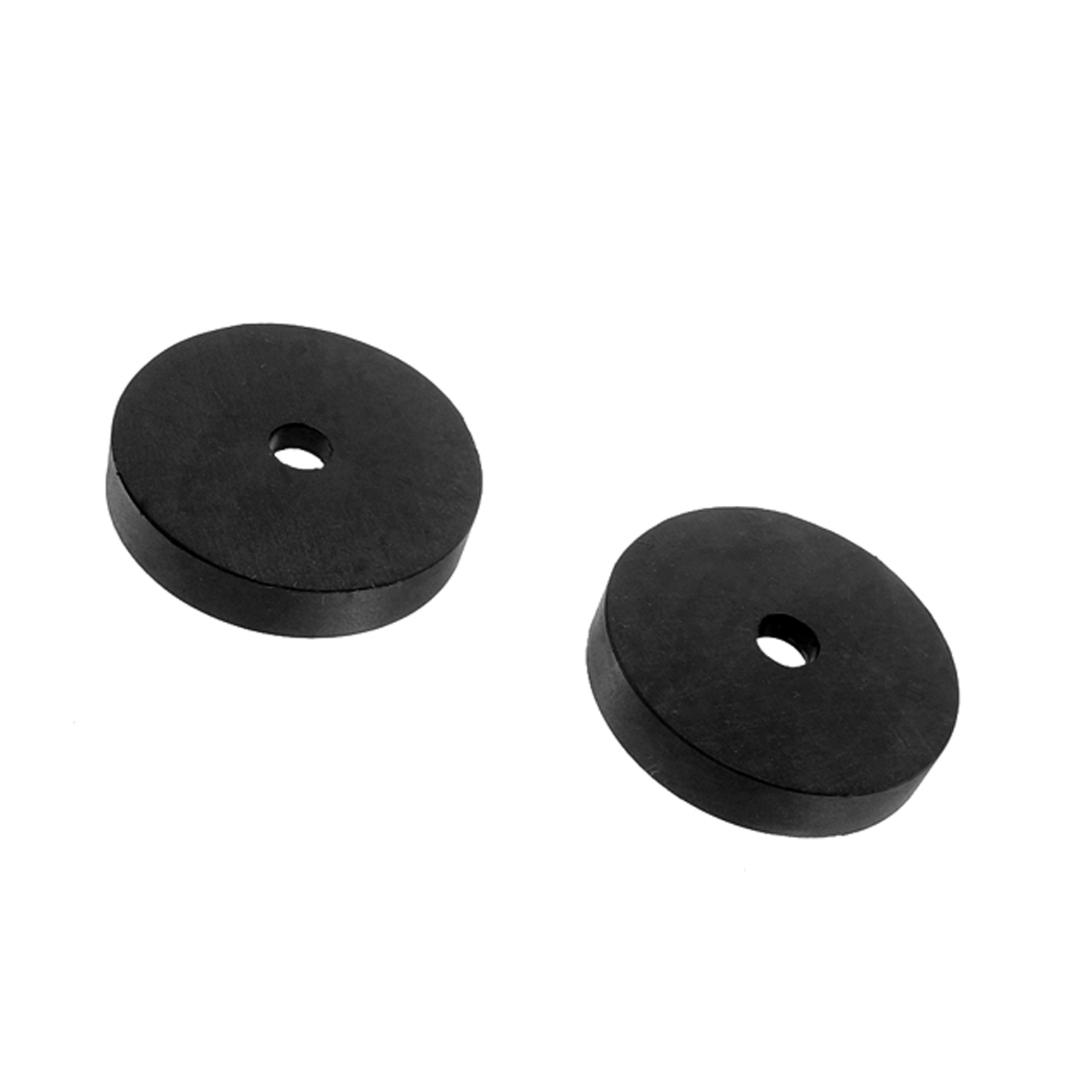 1942 Hudson Commodore Series 27 Clutch and Brake Seals. Seals fit on a round shaft-RP 31-NClutch and Brake Seals. Seals fit on a round shaft. Made of soft rubber. 2-7/16" O.D., 7/16" I.D. Pair
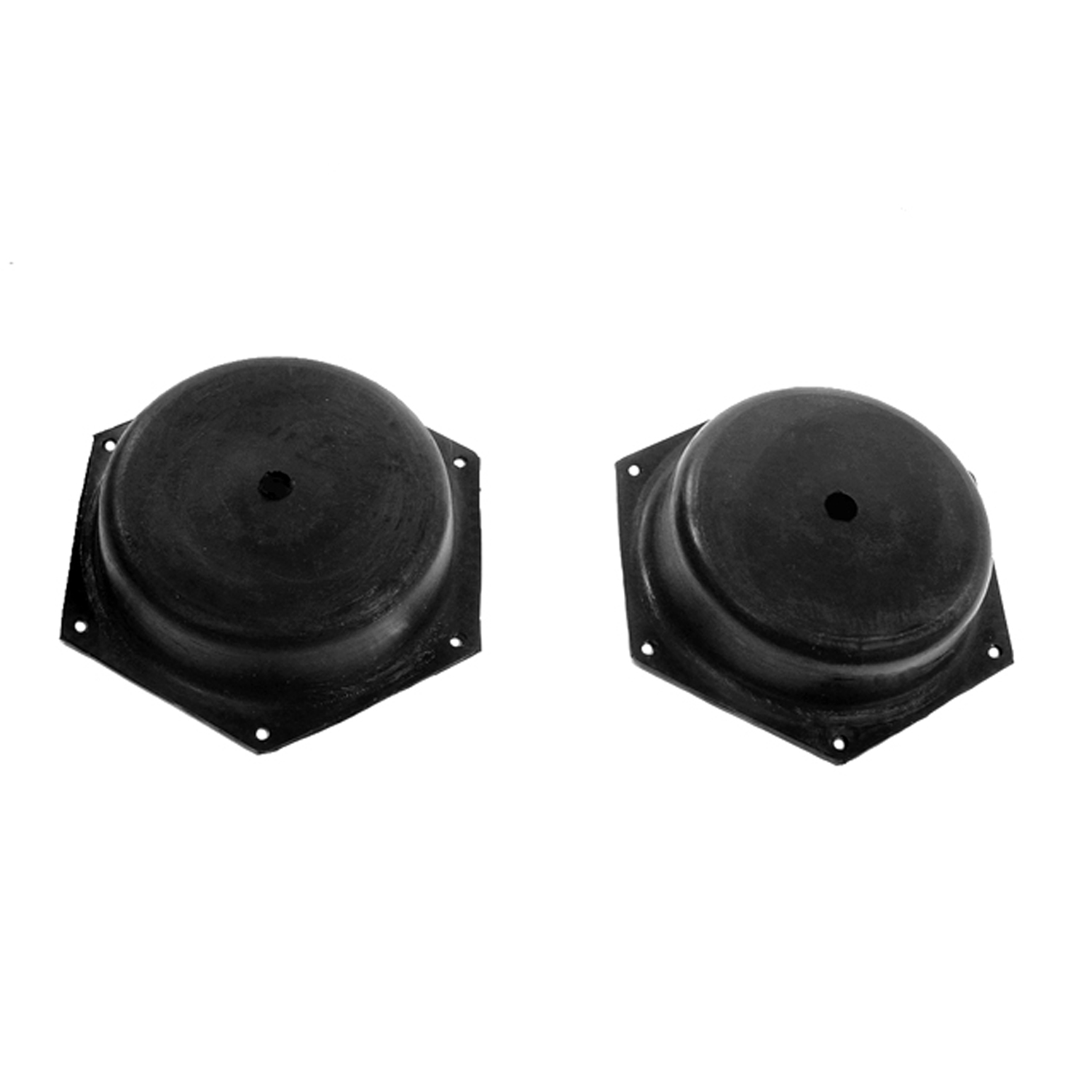 1942 Hudson Commodore Series 27 Drive Master Electric Shift Vacuum Diaphragm-RP 32-ADrive Master Electric Shift Vacuum Diaphragm. For all models with drive master system for standard transmission. Pair
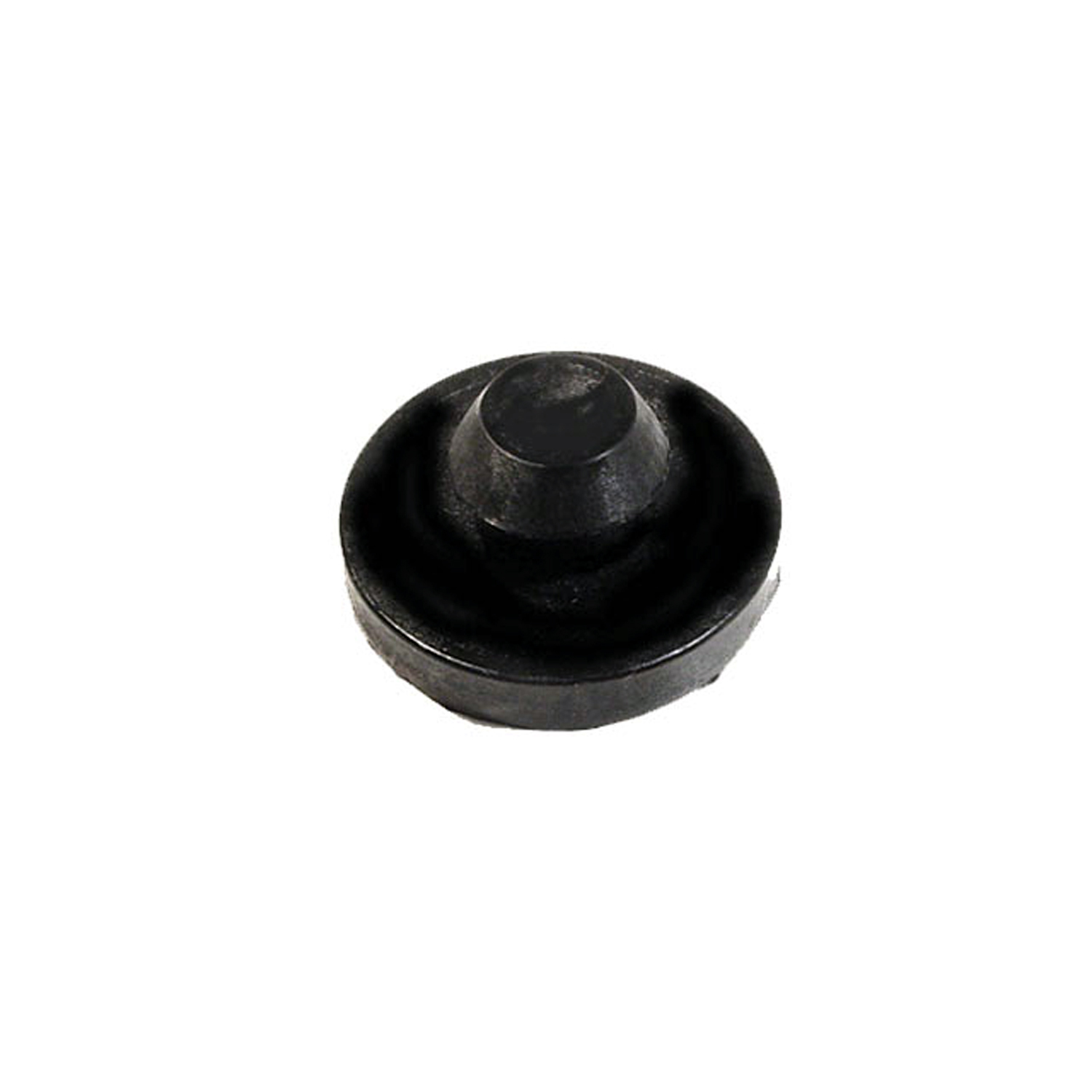 1942 Hudson Commodore Series 27 Clutch Linkage Cushion. 1/4" top thickness, 1-1/2" O.D-SB 33-AClutch Linkage Cushion. 1/4" top thickness, 1-1/2" O.D. Each
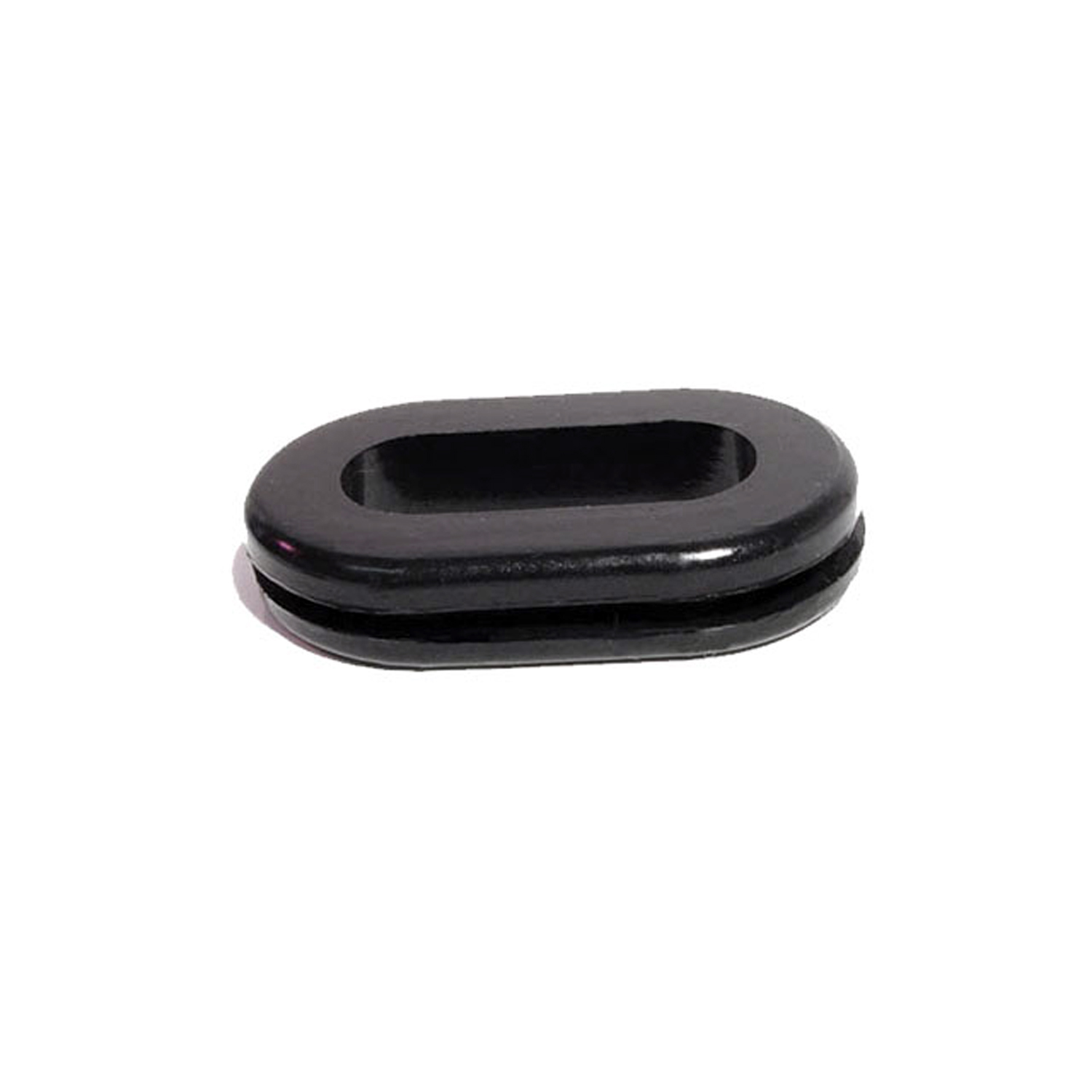 1942 Hudson Commodore Series 27 Headlight Wire through Fender Grommet. Two used per car-SM 100-AHeadlight Wire through Fender Grommet. Two used per car. 1-1/4" inner slot, 1-7/8" long overall. Each
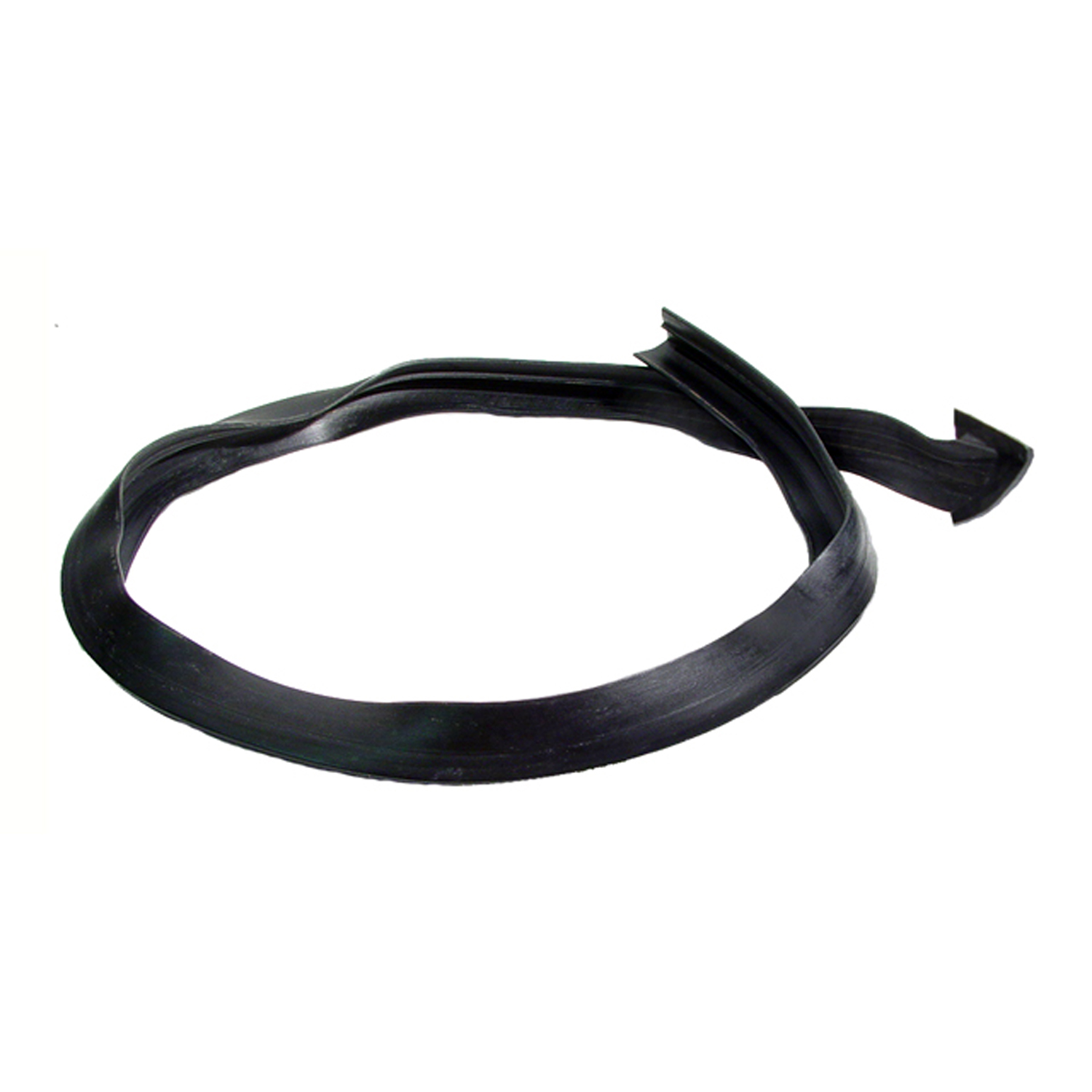 1942 Hudson Commodore Series 27 Vertical Division Seal-VS 6-AVertical Division Seal. 26" Piece, enough for two front vents. Each
 1942 Hudson Commodore Series 27 Vertical seal for vent window. Dense rubber. Universal part-VS 6-A/FTVertical seal for vent window. Dense rubber. Universal part. Per foot.
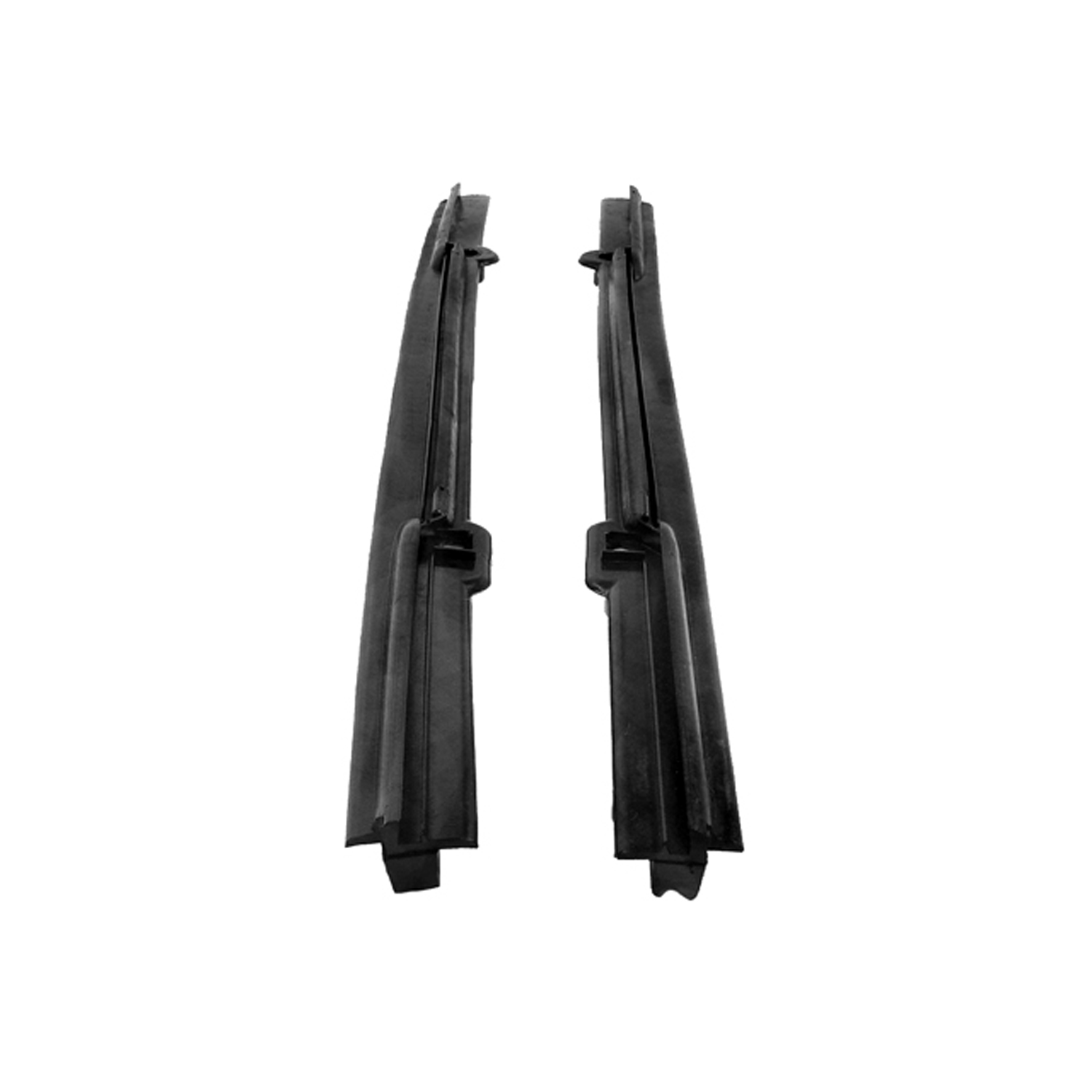 1942 Hudson Commodore Series 27 Front Vent Window Seals-WR 4500Front Vent Window Seals. For all closed models, not convertibles. Pair R&L
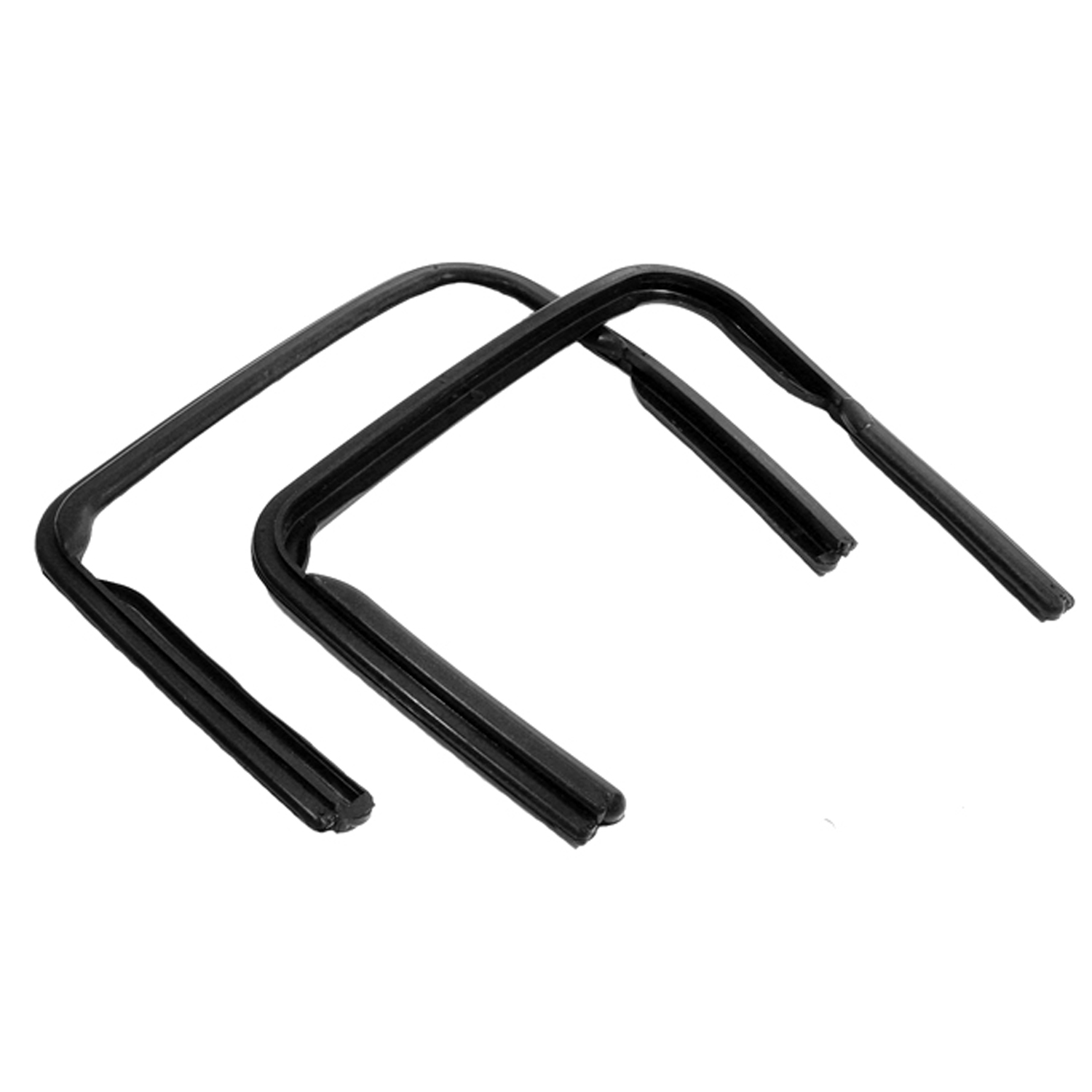 1942 Hudson Commodore Series 27 Front Vent Window Seals, for Convertibles-WR 9Front Vent Window Seals, for Convertibles. 25-1/4" long each. Pair R&L
Why Choose Metro?
For over 100 years, Metro Moulded Parts has been the pinnacle of quality in classic car restoration parts. Our commitment to precision and authenticity in every component ensures a perfect fit and an OEM-level appearance.
- Expert Craftsmanship & Quality: Each part is a testament to our dedication to reliability and perfection, crafted from original designs and thoroughly tested.
- Advanced Technology: We use cutting-edge techniques to create flawless, long-lasting parts that surpass others in performance.
- SuperSoft Sponge – The Ultimate Door Seal: Not only are our door seals 30% softer than competitors', but they're also guaranteed to never leak. They effectively reduce wind and road noise, enhancing your classic car's comfort and driving experience.
- Proudly American: Our parts are a product of American craftsmanship, made in the USA with a spirit of excellence and heritage.
- Unrivaled Warranty: We back our products with a 30-year industry-leading warranty, a testament to our confidence in their quality.
Join us in preserving the legacy of classic cars with parts that are crafted for perfection, not just made.