

Image of 1942 Hudson Traveler Series 20 T, Note: These illustrations use artistic license and may differ from actual historical models.
Performance Metrics
Fundamental Metrics
Emotional Appeal
MMP Rating
| Engine Specifications | |
|---|---|
| Engine: | Inline 6 |
| Displacement: | 212 cubic inches |
| Horsepower: | Estimated 102 hp |
| Torque: | 180 lb-ft |
| Compression Ratio: | Estimated 6.5:1 |
| Ignition System: | Distributor and coil |
| Cooling System: | Liquid-cooled |
| Performance Specifications | |
| 0-60 Time: | Information not available |
| 1/4 Mile Time: | Information not available |
| Top Speed: | Estimated 80 mph |
| Transmission and Drive | |
| Drive Type: | Rear-wheel drive |
| Transmission Type: | 3-speed manual |
| Fuel and Efficiency | |
| Fuel System Type: | Carburetor |
| MPG: | Information not available |
| Dimensions and Brakes | |
| Brakes: | Drum brakes |
| Wheelbase: | 119 inches |
| Weight: | Estimated 3,200 lbs |
Note: Specifications for classic cars are given to the best of our ability, considering the limited and variant data available.
1942 Hudson Traveler Series 20T: A Wartime American Sedan
The 1942 Hudson Traveler Series 20T was a practical six-cylinder sedan built just as America’s automobile industry was about to trade showroom production for wartime manufacturing. Made by the Hudson Motor Car Company of Detroit, the Traveler offered Hudson engineering and room for everyday family travel in a more accessible package than the marque’s upscale models.
Its production life was unusually short. The United States halted civilian automobile production in early 1942 as factories shifted to wartime work, making the Traveler one of the final prewar Hudsons. A memorable bit of related history: the Lockheed Hudson bomber was named in honor of the Hudson Motor Car Company, although Lockheed, not Hudson, built the aircraft.
Streamlined Hudson Styling
The Traveler wore the rounded, substantial look typical of American cars at the start of the 1940s. Its long hood, flowing fenders, upright greenhouse, and broad front end gave it a purposeful presence without the elaborate ornamentation found on some luxury cars. Hudson’s horizontal grille and restrained brightwork supplied the visual polish, while the enclosed bodywork and full-length fenders kept the overall shape smooth and cohesive.
Inside, the Traveler was designed for comfortable everyday use. A wide bench seat, generous headroom, and a straightforward instrument panel made it feel spacious by contemporary standards. Materials and trim depended on the exact car and equipment, but buyers could expect durable cloth upholstery, painted or finished metal surfaces, and practical, easy-to-read controls rather than the richer appointments associated with Hudson’s Commodore models.
Hudson offered period-appropriate paint and interior combinations, with subdued solid colors and darker upholstery common choices. Exact paint names and availability varied by production date and equipment, and today a car’s original paint code is the best guide to its factory finish. For collectors, an authentic color combination can add appeal, but sound bodywork and correct trim generally matter more than a particular shade.
The Series 20T was a value-focused line centered on sedan transportation. Two-door and four-door sedan configurations are associated with Hudson’s Traveler offerings, though exact body and equipment availability should be verified against the car’s serial number and period documentation. It was not a sports model or a lavish custom-bodied car. Its appeal was a useful combination of room, comfort, and straightforward mechanical design.
Engineering Before the War
Hudson had a reputation for taking construction seriously. Its Monobilt approach, introduced before the war, used a strongly integrated body-and-frame structure rather than treating the body as a lightly mounted shell. The 1942 Traveler was not the famous postwar “step-down” Hudson, but it belonged to a company already exploring ways to make a car’s structure more rigid and efficient.
That distinction matters. Hudson’s dramatic step-down design arrived for 1948, placing passengers within the perimeter of the frame and creating a low floor and unusually low center of gravity. The Traveler came earlier, but it helped carry forward Hudson’s interest in robust construction and distinctive engineering. In a market where many family sedans shared broadly similar layouts, Hudson’s structural thinking gave the brand a stronger technical identity.
Equipment varied by specification. The Traveler used conventional controls and a manual transmission, with features such as a heater or radio depending on the original order. Period electrical systems and mechanical components are simple compared with modern cars, but they still require correct maintenance, particularly after decades of storage or modification.
Six-Cylinder Power and Road Manners
The Series 20T was powered by Hudson’s 212-cubic-inch L-head inline-six, generally rated at about 102 horsepower in this period. A three-speed manual gearbox sent power to the rear wheels. These figures made the Traveler a capable family car, not a high-performance machine. Period gearing, vehicle weight, tire condition, and engine health all influence how an individual example performs today.
There is no single dependable modern test figure for every surviving 1942 Traveler. A healthy, correctly tuned car might reach roughly 80 to 90 mph under favorable conditions, while 0-to-60-mph acceleration would likely take around 20 seconds or more. Treat those as broad estimates, not factory-certified figures. Today’s road conditions, old tires, and the mechanical condition of the car are more important than its theoretical top speed.
On the road, the Hudson’s long wheelbase and substantial body give it the relaxed, steady feel expected of a prewar American sedan. It can absorb ordinary road imperfections pleasantly when its suspension is in good order, but worn springs, tired shocks, old bushings, or incorrect tires can make the ride floaty or unsettled. On a winding road, expect measured steering response and noticeable body lean rather than modern-car precision. Braking distances are also longer than drivers are accustomed to, so a safe following distance is essential.
The straight-six produces a low, even mechanical note rather than a sharp, sporting exhaust sound. The driver works a conventional gear lever and coordinates the clutch, steering, and period controls without electronic assistance. That direct involvement is part of the charm: the Traveler rewards smooth inputs and a patient pace.
Living With a 1942 Traveler
Most examples are best suited to weekend touring, club events, local shows, and occasional fair-weather drives. A well-sorted Traveler can be used regularly, but it is not a sensible modern commuter without careful preparation. Traffic speed, parts availability, braking performance, and the lack of contemporary safety equipment all deserve consideration.
The basic six-cylinder layout is approachable for an experienced home mechanic. Routine service includes ignition adjustment, lubrication, cooling-system care, brake inspection, and attention to the carburetor and fuel system. The greater challenge is often finding correct trim, glass, body panels, or model-specific pieces. Hudson clubs and marque specialists can be valuable sources of parts knowledge and technical advice.
Before buying, inspect the structure and underbody carefully for corrosion, particularly around floors, lower body panels, and areas where moisture can collect. Check that the engine has oil pressure, the cooling system stays under control, and the brakes operate evenly. A car that has been stored for years may need a thorough recommissioning even if it looks complete. Originality is desirable, but safe tires, sound brakes, and reliable cooling should come first.
Wartime Trivia and Common Criticisms
The Traveler’s brief run is its most notable distinction. Hudson’s civilian production ended as wartime manufacturing took priority, and the company contributed to the war effort through industrial production. The similarly named Lockheed Hudson bomber offers a memorable connection, but the aircraft was not a Hudson-built car-company product.
There is no widely recognized speed, sales, or endurance record associated specifically with the 1942 Series 20T. Nor is the model chiefly known for celebrity ownership. Its historical interest comes instead from its timing: it is a snapshot of American motoring immediately before civilian production gave way to wartime industry.
Common criticisms are typical of prewar cars. The Traveler is slow by modern standards, its steering and braking require more effort, and age can make even a sound example feel loose or noisy. Its understated styling may also seem less glamorous than a contemporary luxury convertible. In return, owners get a roomy, distinctive sedan with a strong link to Hudson’s engineering story.
Collector Value and Availability
Exact production figures for the 1942 Traveler Series 20T are not consistently reported in commonly available model summaries. Hudson built cars for only part of the 1942 model year, but total Hudson production for the year cannot be treated as a Traveler count. A reasonable working estimate is that production of the Series 20T was in the several-thousand range, perhaps roughly 5,000 to 8,000 cars. That is an informed estimate, not a verified factory total.
Survivors are uncommon, and well-preserved examples can be difficult to find. As a broad U.S. market guide, a project car might sell for about $3,000 to $8,000, a usable driver for roughly $8,000 to $18,000, and a high-quality restoration for approximately $20,000 to $35,000 or more. Condition, completeness, documentation, originality, and local demand can move a particular car outside those ranges.
Values tend to be steady rather than explosive. The Traveler has a dedicated audience among Hudson enthusiasts, but it is less widely recognized than Hudson’s postwar step-down models. Over time, good original cars and properly restored examples may appreciate modestly, especially as surviving prewar sedans become harder to find. Restoration costs can exceed market value, so buyers should choose a car for its history and driving enjoyment as much as for investment potential.
Why the 1942 Hudson Traveler Matters
The 1942 Hudson Traveler Series 20T combines practical six-cylinder performance, solid prewar construction, and an unusually important place in the timeline of American manufacturing. It was built at the end of an era, just before civilian car production stopped for the war, and it reflects a company already thinking seriously about body structure and engineering.
It may not be the fastest or flashiest Hudson, but the Traveler offers something rarer: an honest, usable connection to the last days of prewar motoring. Every drive is a reminder that this ordinary-looking sedan arrived at an extraordinary turning point in automotive history.
1942 Hudson Traveler Series 20 T Catalog of Parts
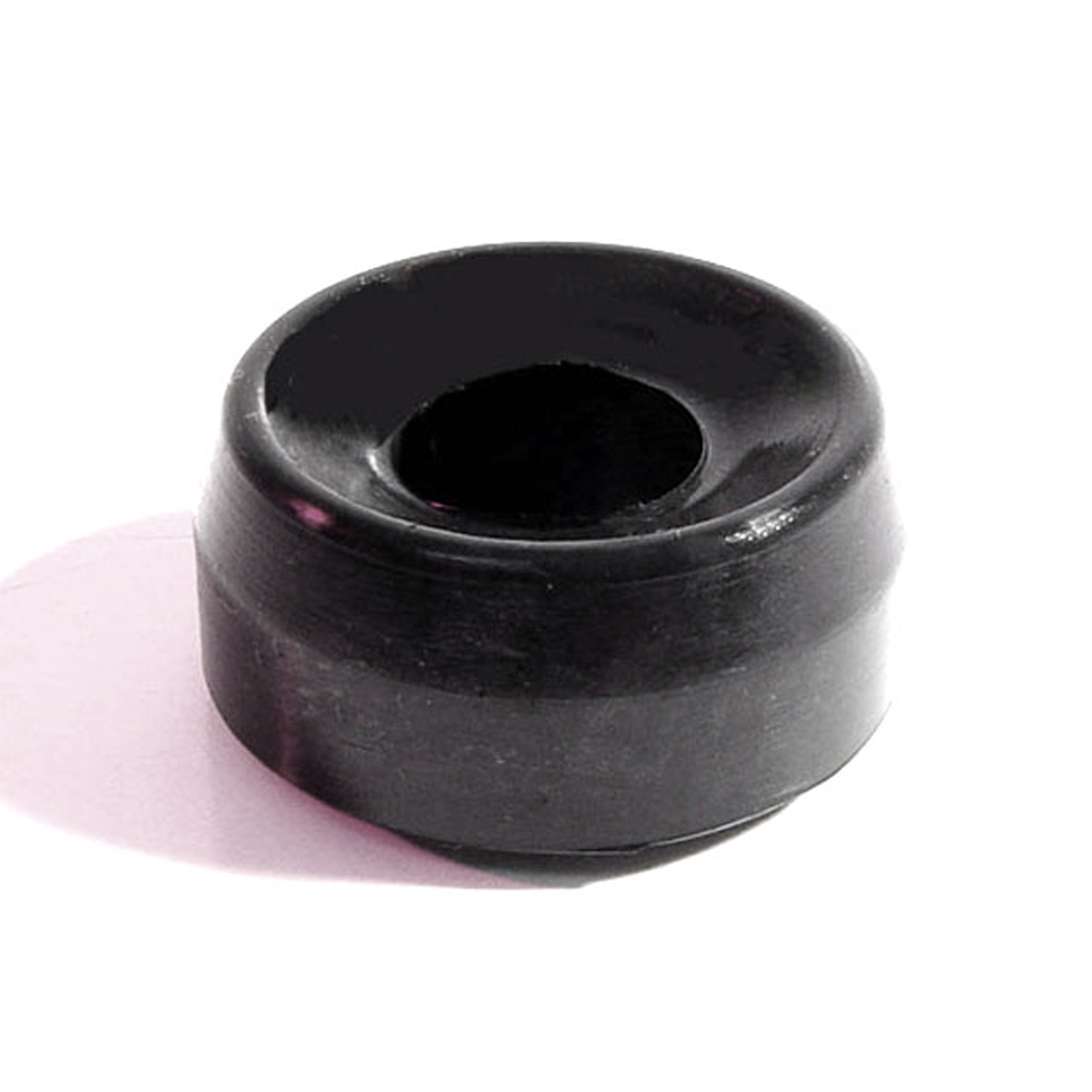 1942 Hudson Traveler Series 20 T Rear Stabilizer Bushing. Each-BN 4-HRear Stabilizer Bushing. Each
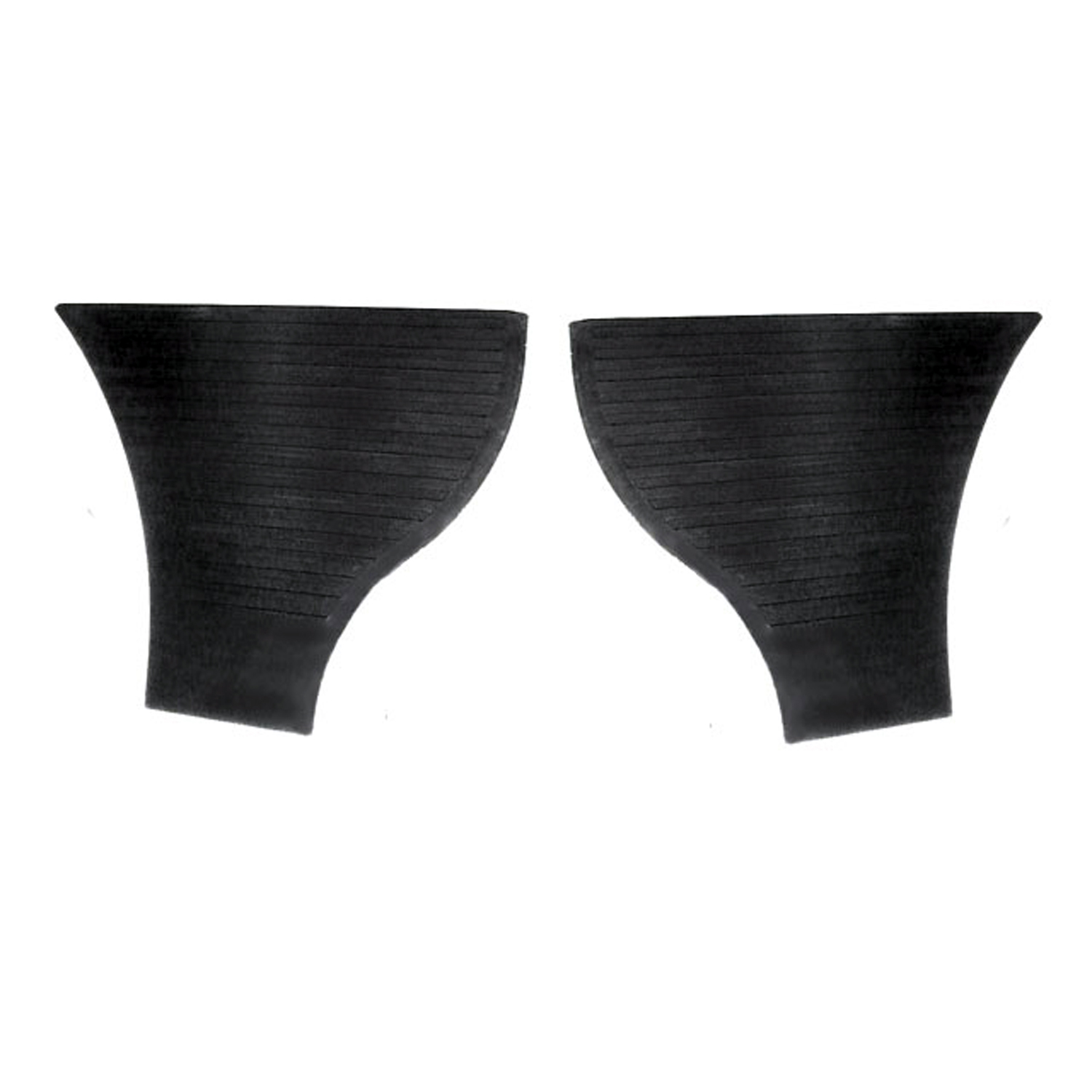 1942 Hudson Traveler Series 20 T Gravel Shields. Molded flat, but will conform to curves-FS 36Gravel Shields. Molded flat, but will conform to curves. 10-1/2" long X 12-1/4" wide at top and 4-1/2" wide at bottom. Pair
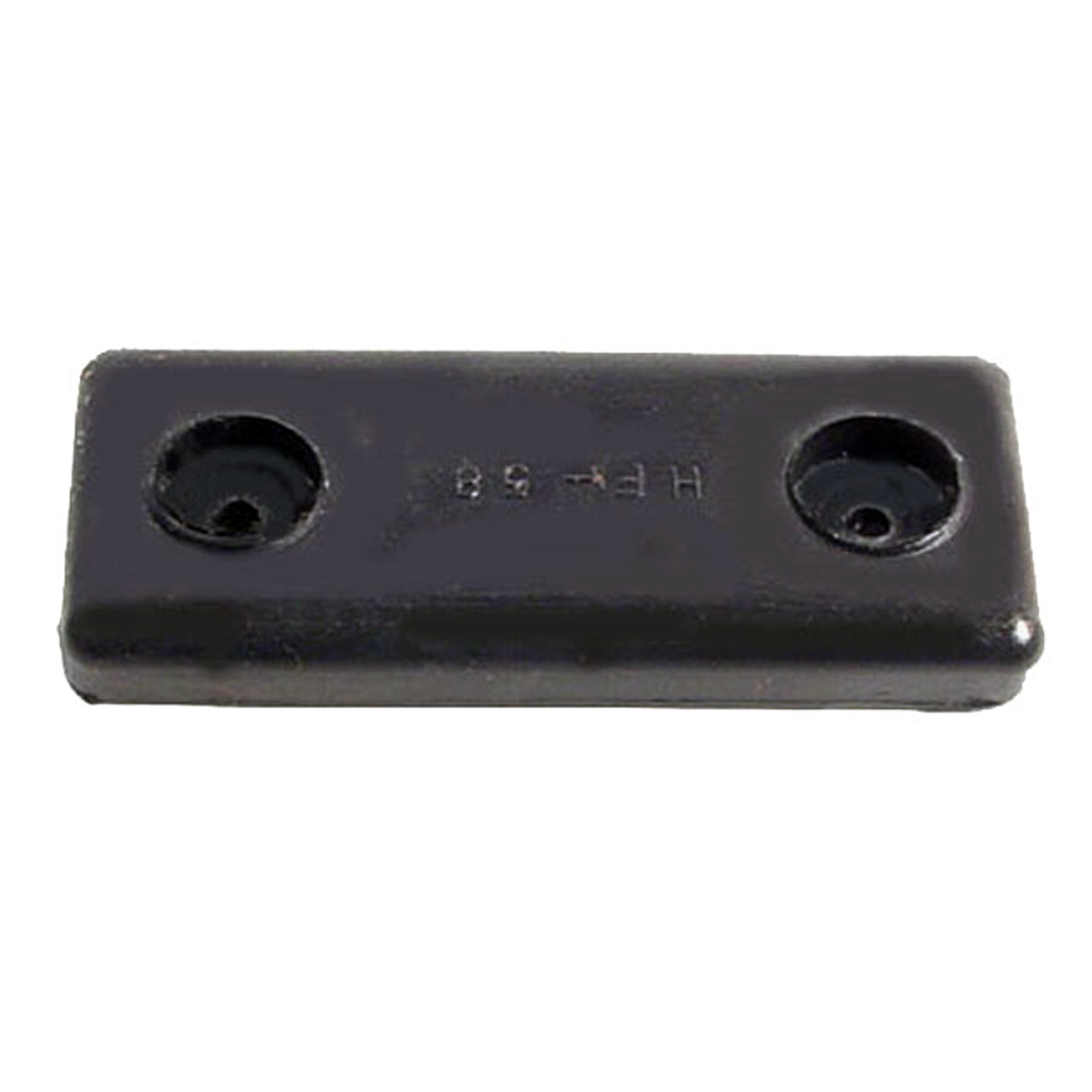 1942 Hudson Traveler Series 20 T Rear hood bumper. Fits on cowl. Made with washers-HF 58Rear hood bumper. Fits on cowl. Made with washers. Two used per car. Each.
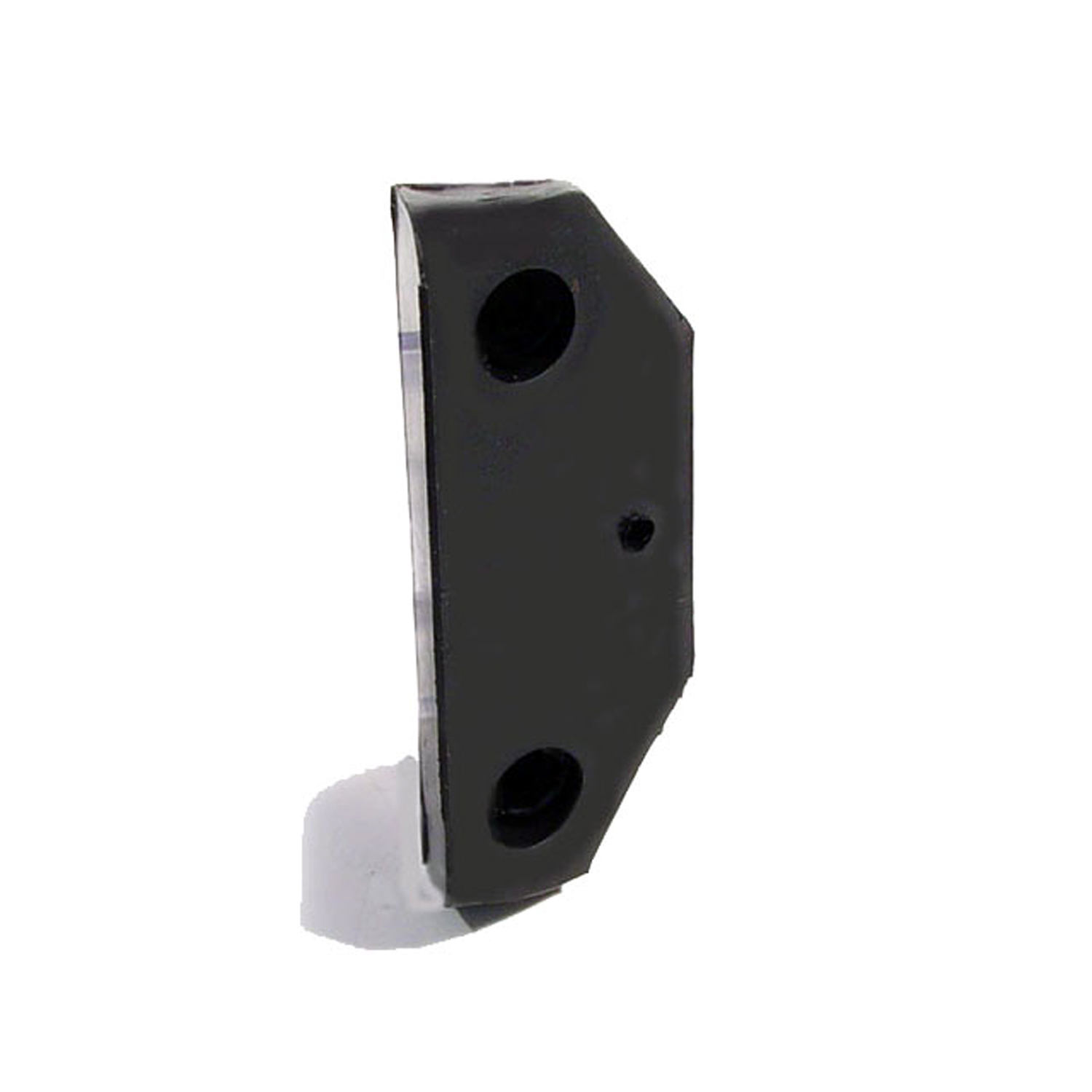 1942 Hudson Traveler Series 20 T Front Hood Bumper. Two used per car. Each-HF 58-AFront Hood Bumper. Two used per car. Each
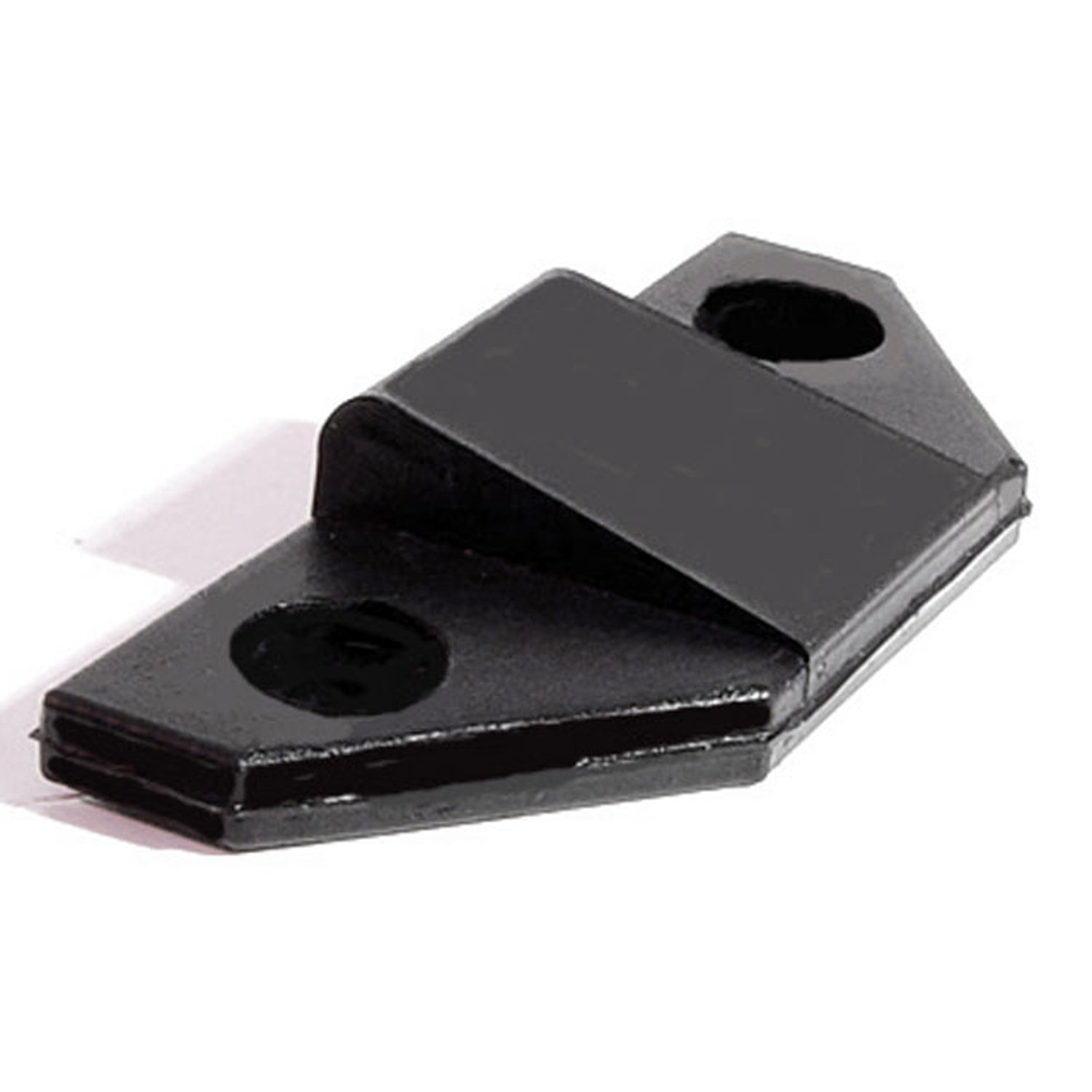 1942 Hudson Traveler Series 20 T Middle hood bumpers. Two used per car. Nice reproduction-HF 58-BMiddle hood bumpers. Two used per car. Nice reproduction. Each.
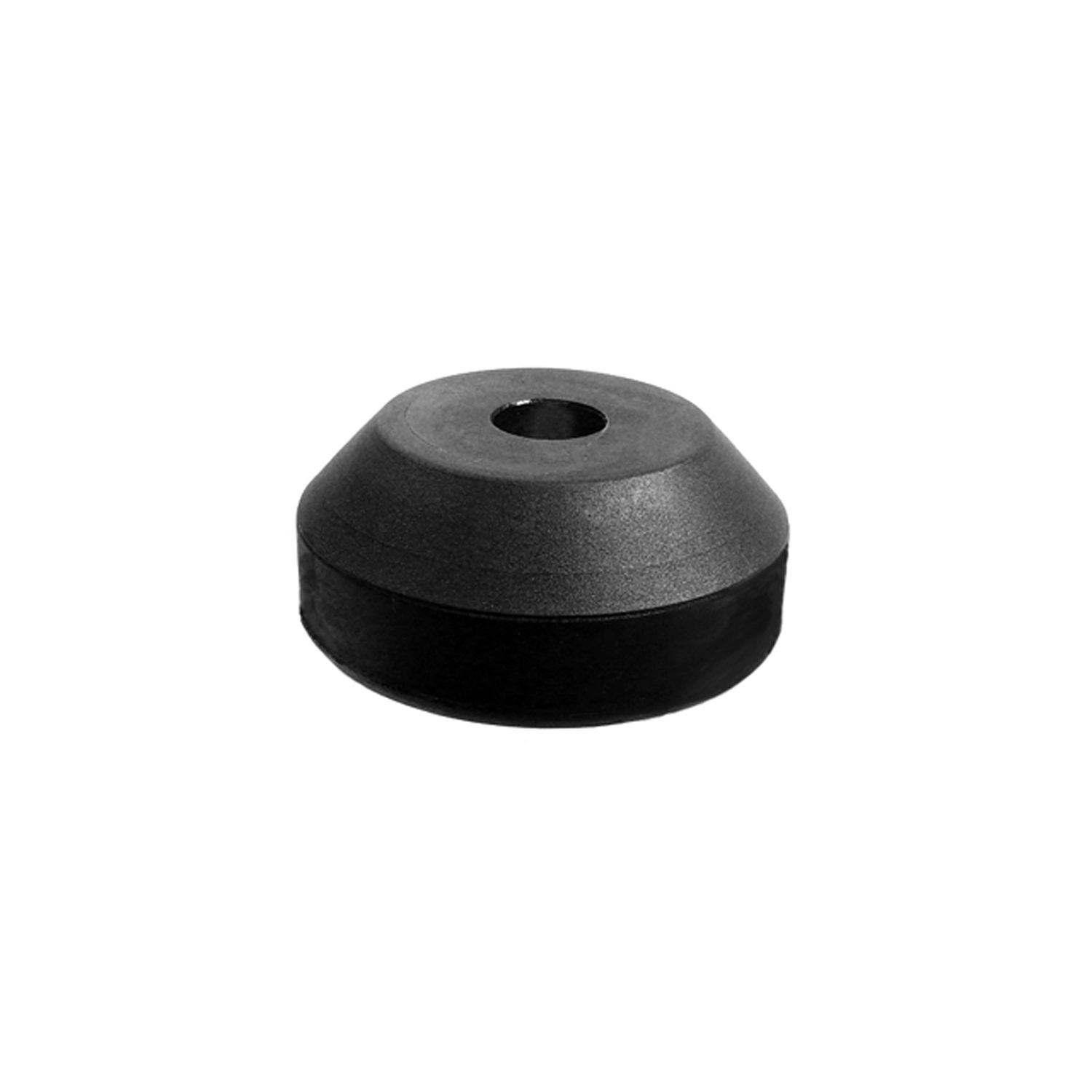 1942 Hudson Traveler Series 20 T Upper Motor Mount. 5/8" I.D., 2-5/8" O.D. Each-MM 7-BUpper Motor Mount. 5/8" I.D., 2-5/8" O.D. Each
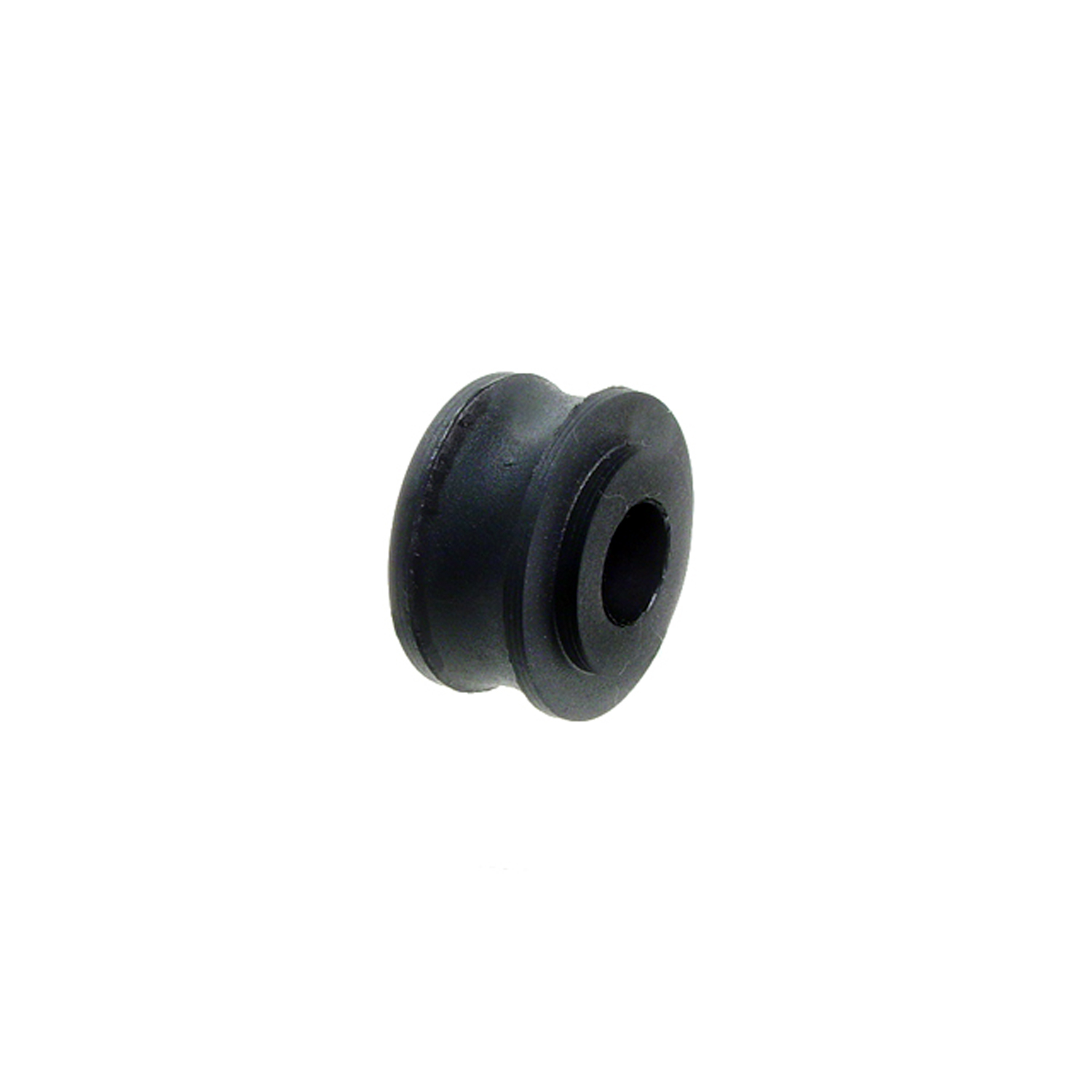 1942 Hudson Traveler Series 20 T Lower Motor Mount. 5/8" I.D., 1-5/8" O.D. Each-MM 7-CLower Motor Mount. 5/8" I.D., 1-5/8" O.D. Each
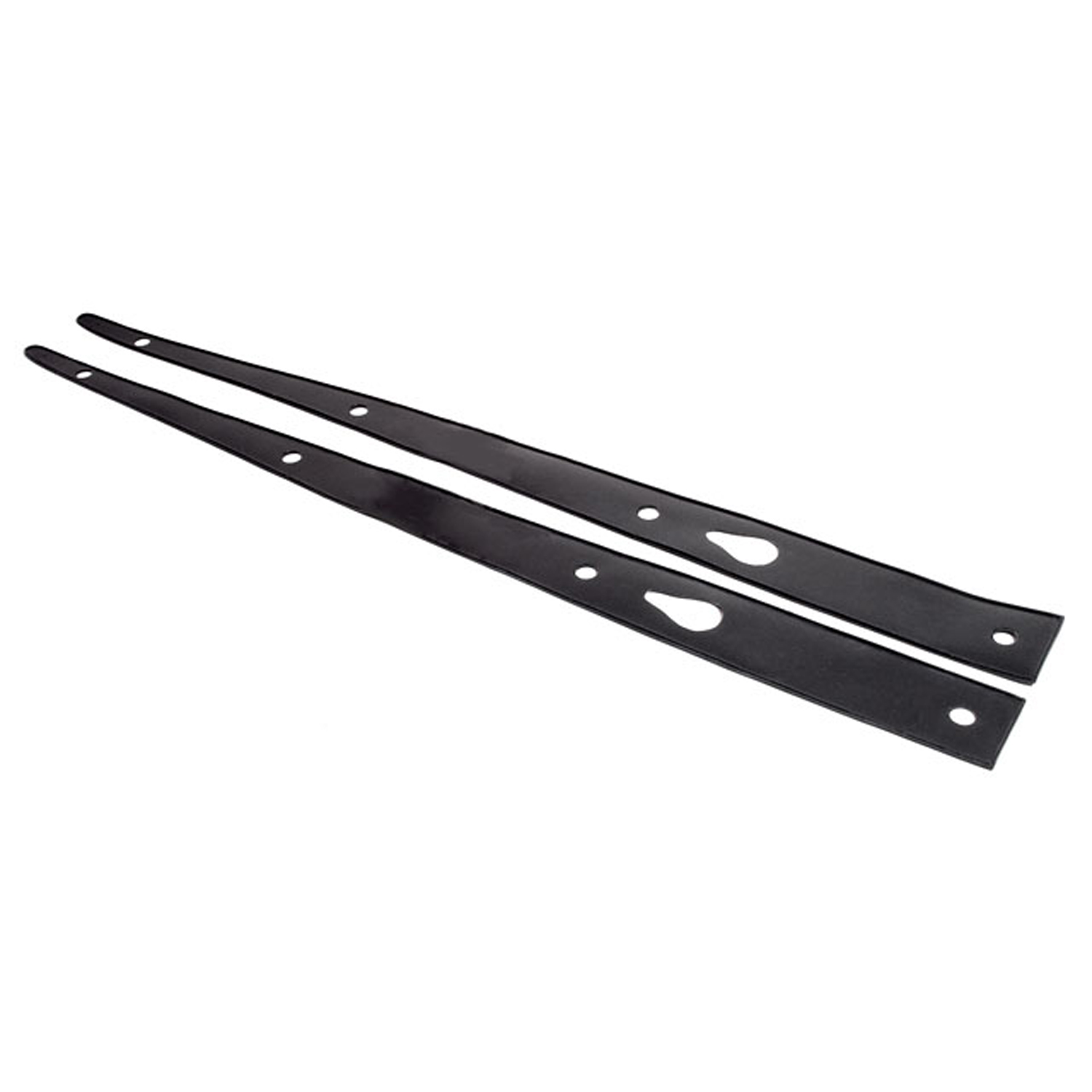 1942 Hudson Traveler Series 20 T Parklight Pads. 2-1/8" X 27-5/8" long. Pair-MP 798-RParklight Pads. 2-1/8" X 27-5/8" long. Pair
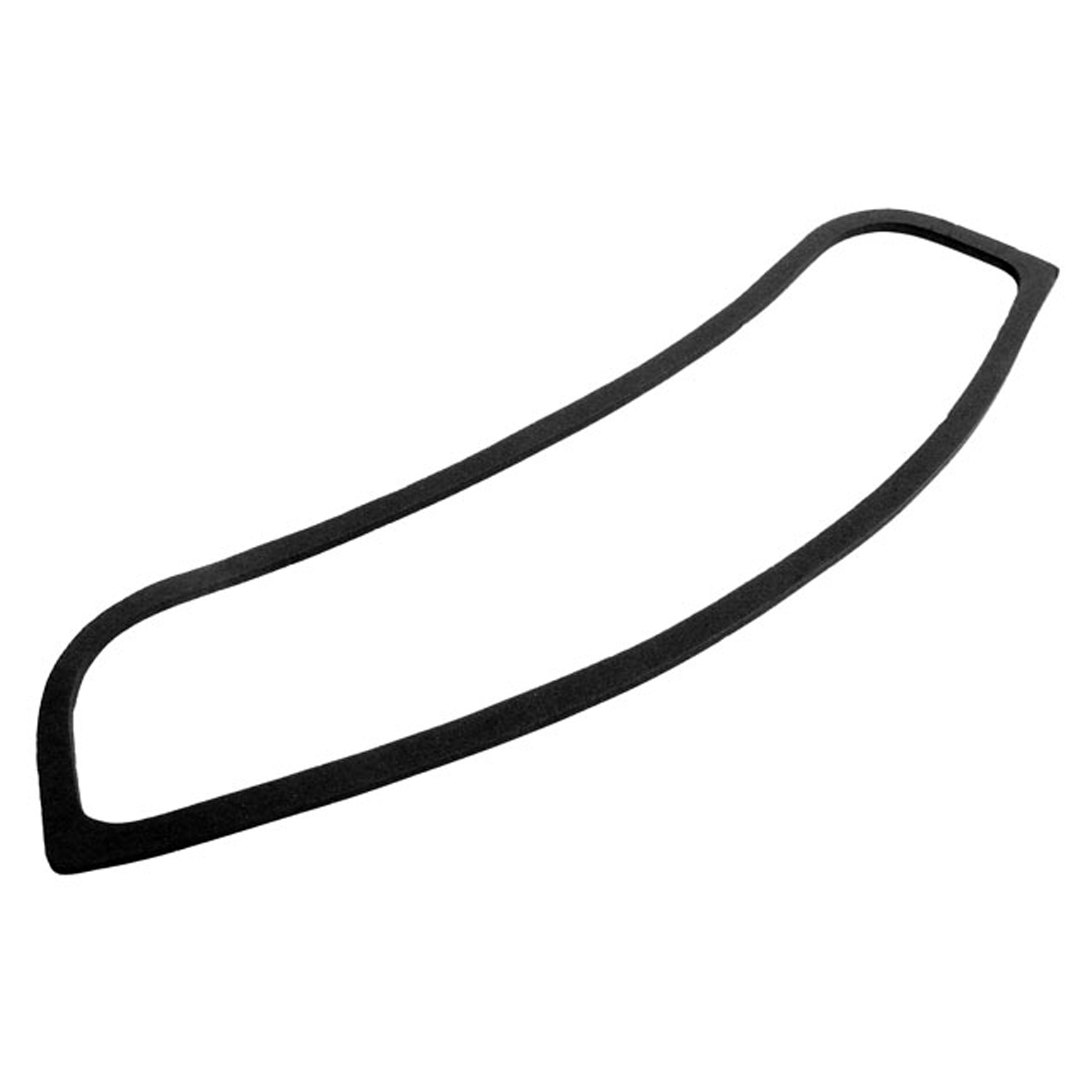 1942 Hudson Traveler Series 20 T Cowl Vent Seal. 4-1/2" wide X 18-1/2" long. Each-RP 100-YCowl Vent Seal. 4-1/2" wide X 18-1/2" long. Each
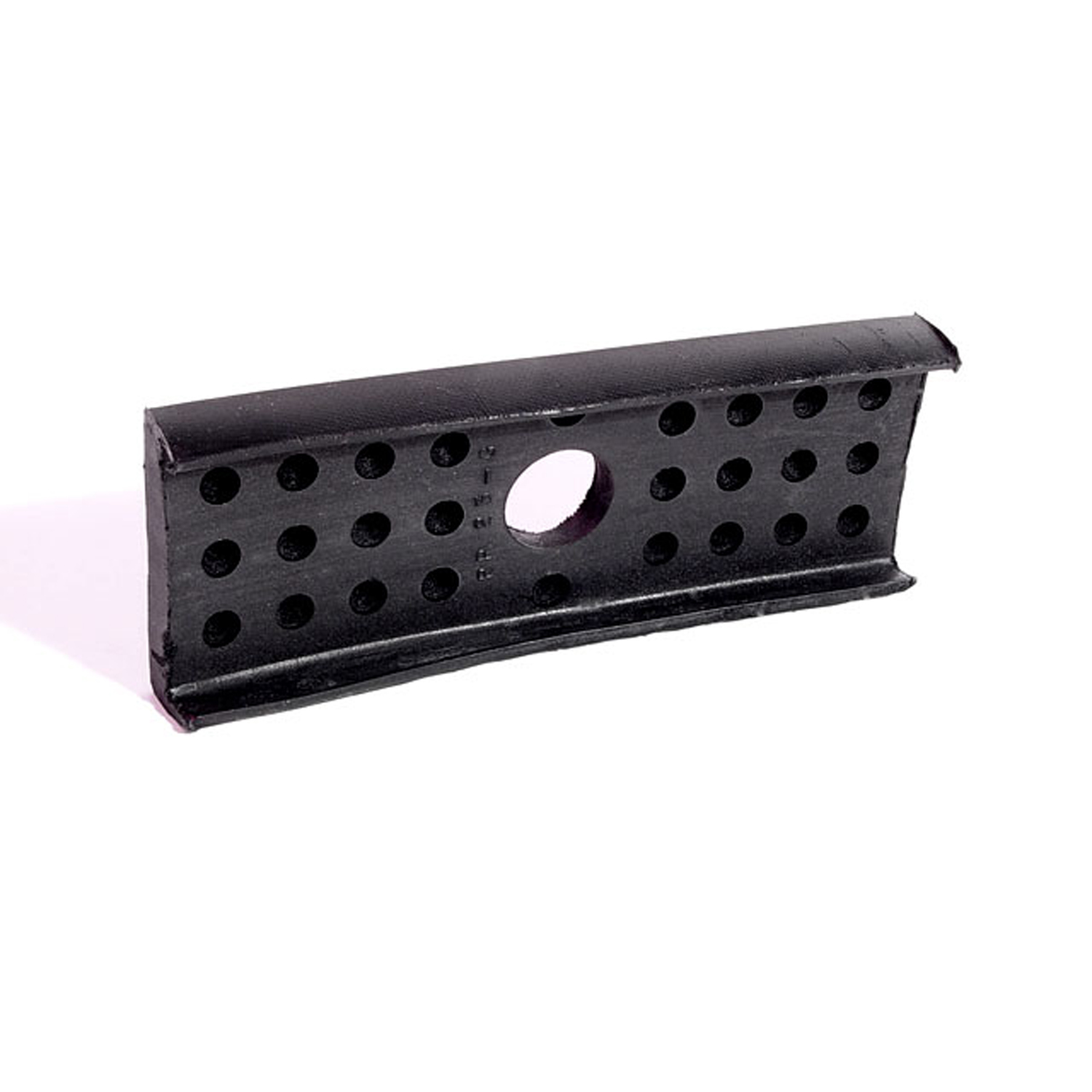 1942 Hudson Traveler Series 20 T Rear Leaf Spring Center Mounting Insulator-RP 23-GRear Leaf Spring Center Mounting Insulator. For all 1-3/4" wide leaf springs. Each
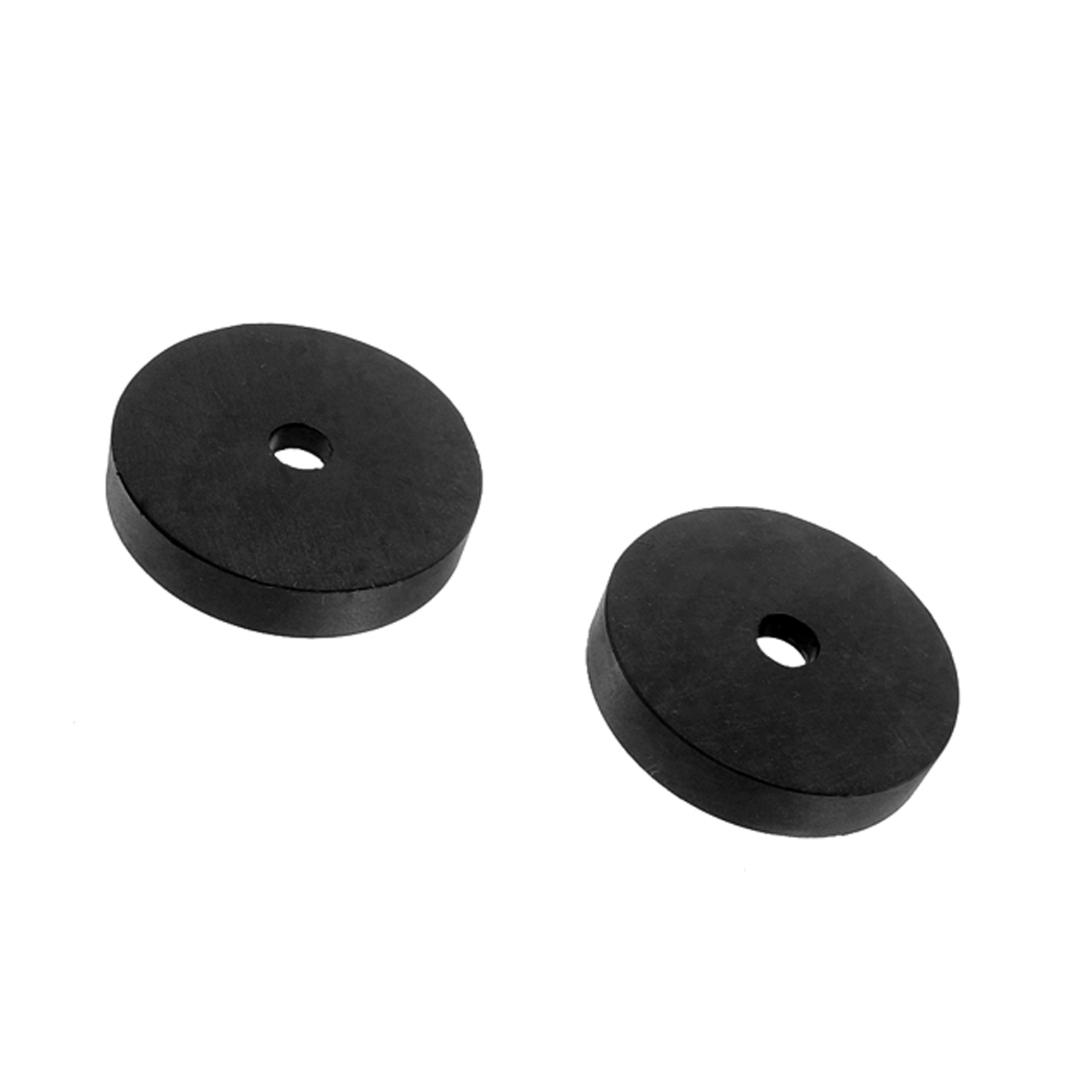 1942 Hudson Traveler Series 20 T Clutch and Brake Seals. Seals fit on a round shaft-RP 31-NClutch and Brake Seals. Seals fit on a round shaft. Made of soft rubber. 2-7/16" O.D., 7/16" I.D. Pair
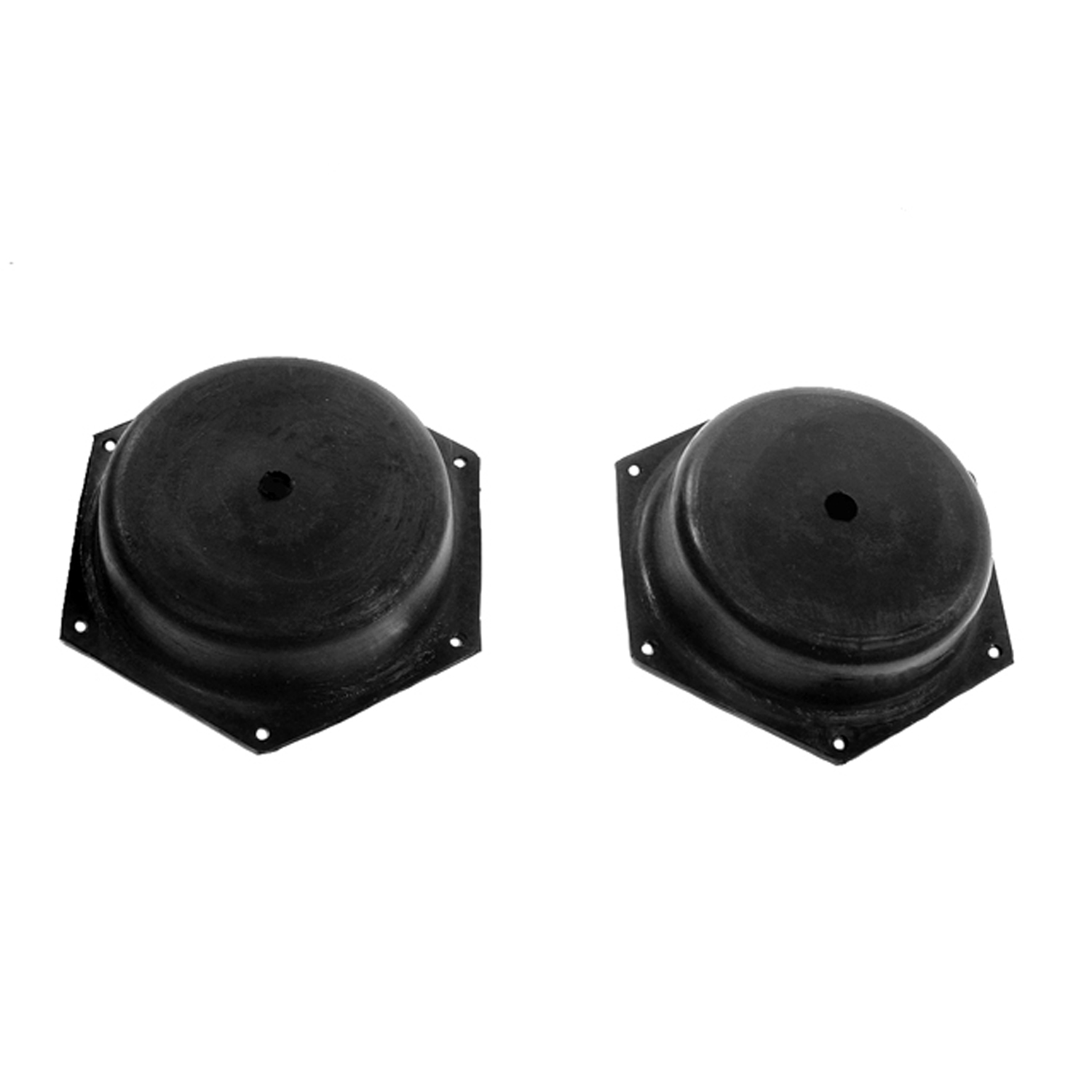 1942 Hudson Traveler Series 20 T Drive Master Electric Shift Vacuum Diaphragm-RP 32-ADrive Master Electric Shift Vacuum Diaphragm. For all models with drive master system for standard transmission. Pair
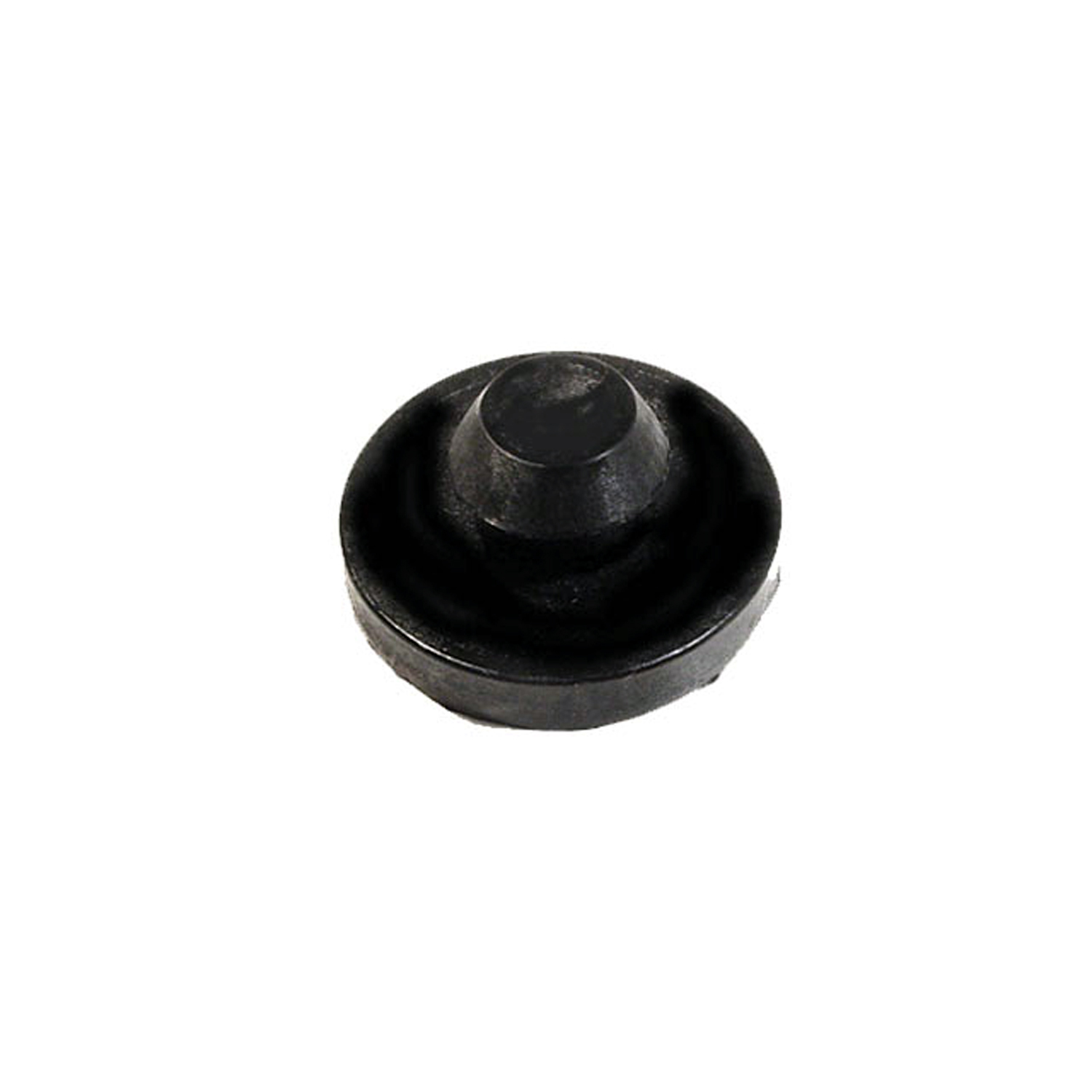 1942 Hudson Traveler Series 20 T Clutch Linkage Cushion. 1/4" top thickness, 1-1/2" O.D-SB 33-AClutch Linkage Cushion. 1/4" top thickness, 1-1/2" O.D. Each
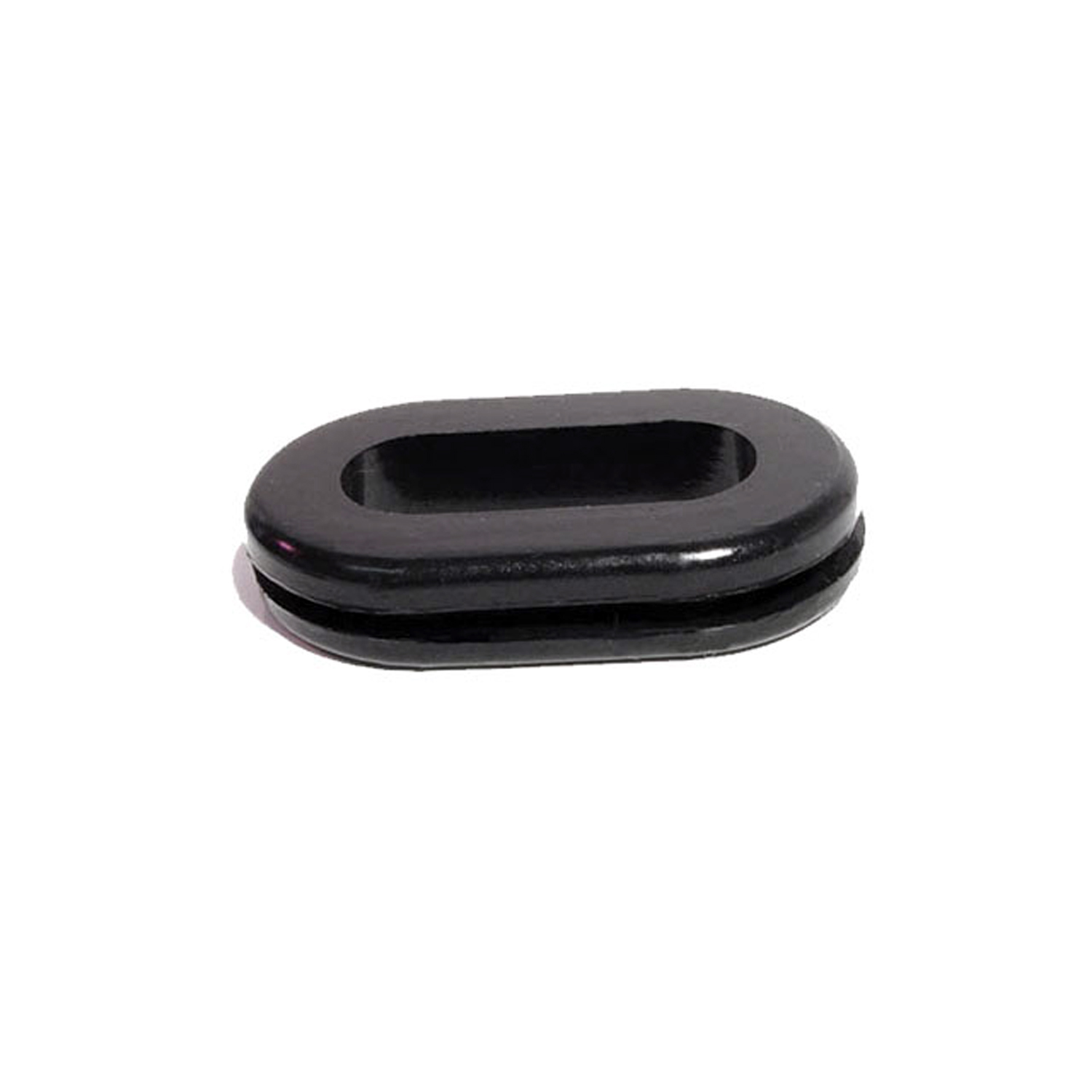 1942 Hudson Traveler Series 20 T Headlight Wire through Fender Grommet. Two used per car-SM 100-AHeadlight Wire through Fender Grommet. Two used per car. 1-1/4" inner slot, 1-7/8" long overall. Each
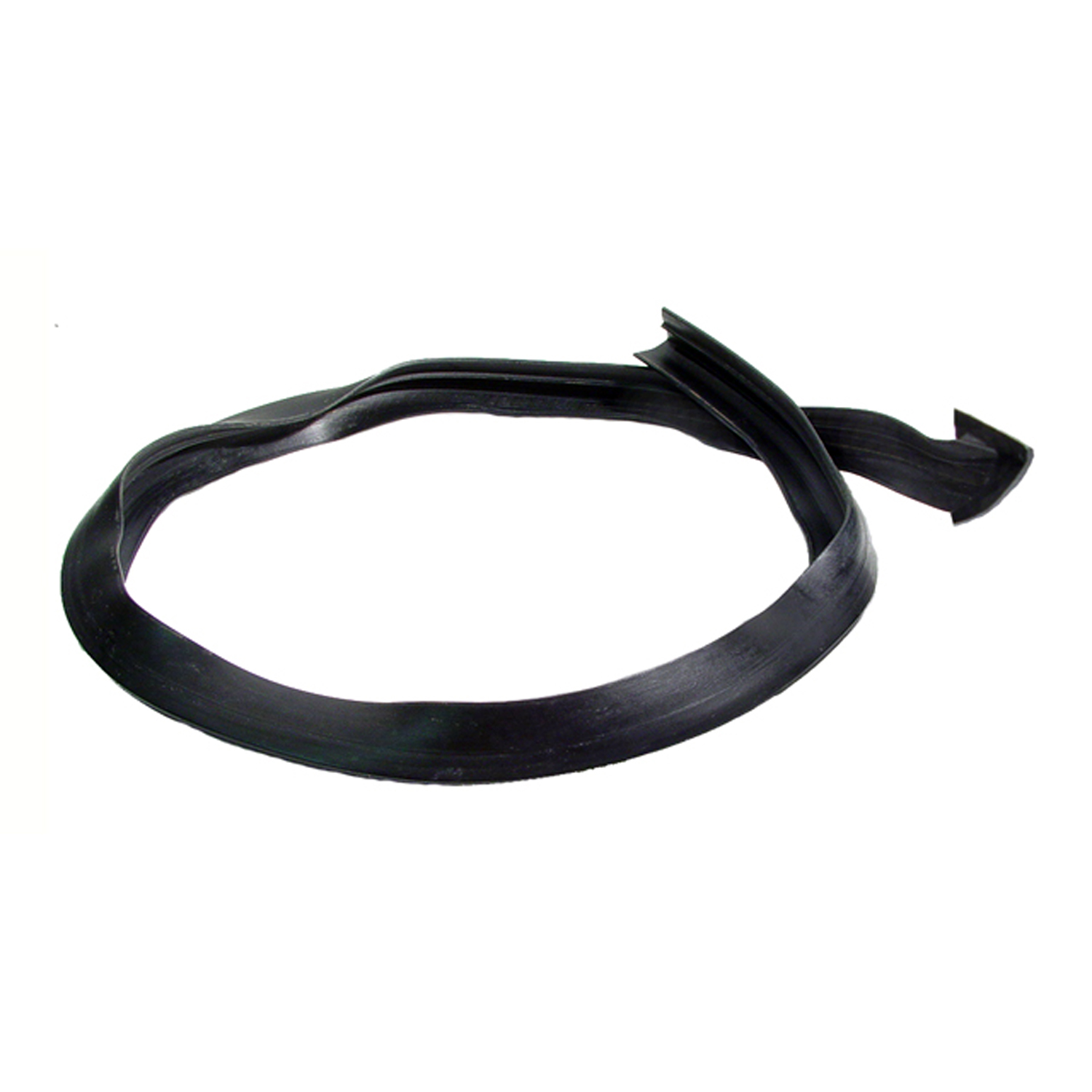 1942 Hudson Traveler Series 20 T Vertical Division Seal-VS 6-AVertical Division Seal. 26" Piece, enough for two front vents. Each
 1942 Hudson Traveler Series 20 T Vertical seal for vent window. Dense rubber. Universal part-VS 6-A/FTVertical seal for vent window. Dense rubber. Universal part. Per foot.
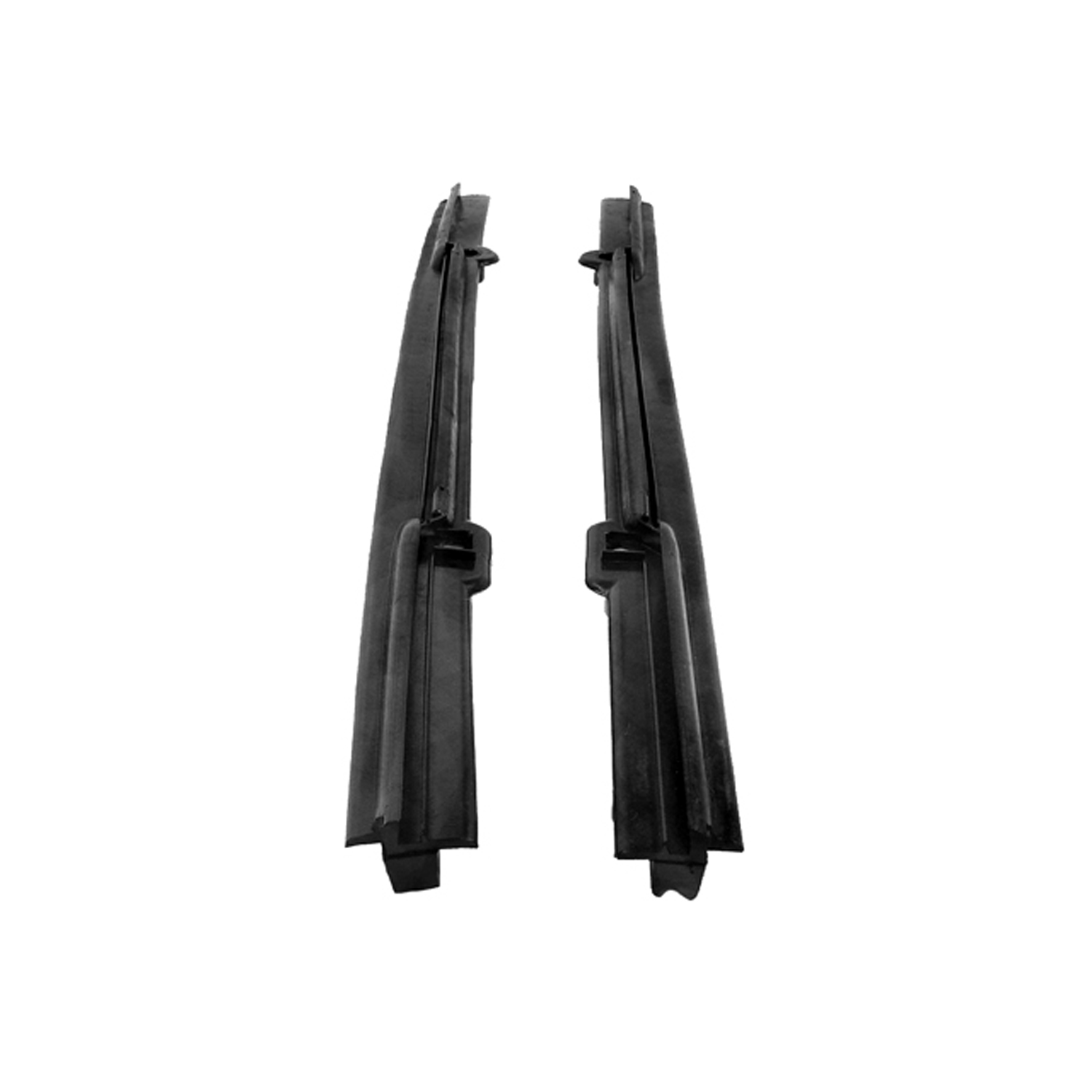 1942 Hudson Traveler Series 20 T Front Vent Window Seals-WR 4500Front Vent Window Seals. For all closed models, not convertibles. Pair R&L
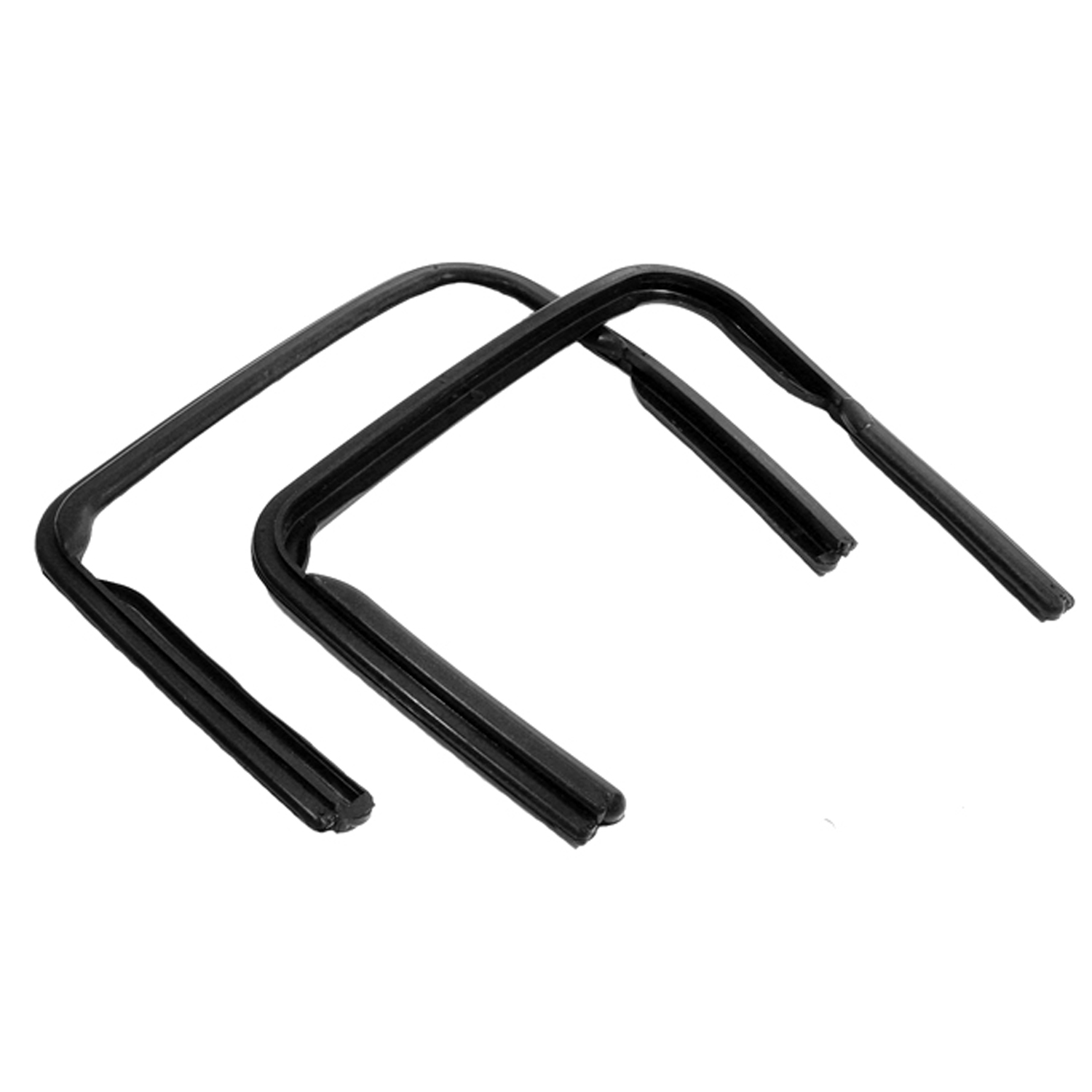 1942 Hudson Traveler Series 20 T Front Vent Window Seals, for Convertibles-WR 9Front Vent Window Seals, for Convertibles. 25-1/4" long each. Pair R&L
Why Choose Metro?
For over 100 years, Metro Moulded Parts has been the pinnacle of quality in classic car restoration parts. Our commitment to precision and authenticity in every component ensures a perfect fit and an OEM-level appearance.
- Expert Craftsmanship & Quality: Each part is a testament to our dedication to reliability and perfection, crafted from original designs and thoroughly tested.
- Advanced Technology: We use cutting-edge techniques to create flawless, long-lasting parts that surpass others in performance.
- SuperSoft Sponge – The Ultimate Door Seal: Not only are our door seals 30% softer than competitors', but they're also guaranteed to never leak. They effectively reduce wind and road noise, enhancing your classic car's comfort and driving experience.
- Proudly American: Our parts are a product of American craftsmanship, made in the USA with a spirit of excellence and heritage.
- Unrivaled Warranty: We back our products with a 30-year industry-leading warranty, a testament to our confidence in their quality.
Join us in preserving the legacy of classic cars with parts that are crafted for perfection, not just made.