

Image of 1946 Hudson Commodore Series, Note: These illustrations use artistic license and may differ from actual historical models.
Performance Metrics
Fundamental Metrics
Emotional Appeal
MMP Rating
| Engine Specifications | |
|---|---|
| Engine Options: | 254 cu in (4.2 L) I6, 308 cu in (5.0 L) I6 |
| Displacement Range: | 4.2L - 5.0L |
| Horsepower Range: | 102-128 hp |
| Torque: | Estimated 200-220 lb-ft |
| Compression Ratio: | 6.5:1 |
| Ignition System: | Distributor and coil |
| Cooling System: | Liquid-cooled |
| Performance Specifications | |
| 0-60 Time: | Estimated 15-20 seconds |
| 1/4 Mile Time: | Not available |
| Top Speed: | 80-85 mph |
| Transmission and Drive | |
| Drive Type: | Rear-wheel drive |
| Transmission Type: | 3-speed manual |
| Fuel and Efficiency | |
| Fuel System Type: | Carburetor |
| MPG: | Estimated 15-20 mpg |
| Dimensions and Brakes | |
| Brakes: | Drum brakes |
| Wheelbase: | 124 inches |
| Weight: | 3,400-3,600 lbs |
Note: Specifications for classic cars are given to the best of our ability, considering the limited and variant data available.
1946 Hudson Commodore: A Postwar American Classic
The 1946 Hudson Commodore brought prewar elegance back to American roads just as the country emerged from wartime production. Built by Hudson Motor Car Company in Detroit, Michigan, it was the marque’s upscale offering, combining a roomy cabin and substantial road presence with the smooth power of a six- or eight-cylinder engine. Its timing is part of its appeal: the Commodore was both a return to civilian motoring and a reminder of the refined cars Americans had been waiting to buy.
Hudson had stopped building passenger cars during World War II, turning its factories to military production. When civilian car manufacturing resumed, the company initially returned to familiar prewar designs rather than introducing a completely new postwar car. That makes the 1946 Commodore an interesting bridge between eras. It also offers a useful point of comparison with the more radical Hudson “step-down” models that would arrive in 1948: the 1946 car was a handsome traditional design, not a step-down Hudson.
A notable piece of Hudson history is that the company had already developed advanced engineering ideas before the war, including its unusual Drive-Master transmission system. Some 1946 cars could be ordered with this semi-automatic setup, giving buyers a taste of easier shifting well before fully automatic transmissions became common. It was a clever option, though the standard manual gearbox remained the simpler choice for many owners.
Exterior Styling and Cabin Comfort
The Commodore wears the proportions of a substantial American car: a long hood, broad body, rounded front fenders, and a generously curved rear profile. Its face is framed by a bright chrome grille and substantial bumpers, while polished trim adds a touch of formality without making the car look overly ornate. The roofline and fenders reflect the streamlined styling of the late 1930s and early 1940s, giving the car a smoother, more integrated appearance than earlier upright sedans.
Inside, the Commodore was designed to feel like a premium family car. The cabin offered wide seating, generous legroom, and a large, easy-to-read instrument panel. Depending on body style and equipment, upholstery could include cloth or higher-grade trim, with woodgrain-style detailing and bright metal accents helping dress up the dashboard. Materials and finishes vary among surviving cars, and many have been reupholstered, so a restored interior may not match every factory detail.
Factory paint choices changed with availability and model year, but period Hudsons could be found in restrained shades such as black, gray, green, blue, and maroon. Dark, formal colors suit the Commodore particularly well, while lighter or brighter finishes make its rounded fenders and chrome details stand out at shows. Two-tone effects and contrasting trim can appear on restored examples, but buyers should check whether a particular combination is factory-correct.
Commodore Body Styles and Options
The 1946 Commodore range included both six-cylinder and eight-cylinder versions, with body styles that could vary by series and equipment. Common configurations included a four-door sedan, a two-door club coupe or brougham-style model, and a convertible brougham. The sedan was the practical, family-friendly choice, while the club coupe offered a sportier profile. The convertible is the most eye-catching and generally the most collectible body style today.
Hudson offered a three-speed manual transmission as the conventional choice, with Drive-Master available on some cars. Drive-Master used a combination of automatic clutch operation and vacuum-assisted shifting functions, allowing the driver to reduce the amount of manual gear-changing under certain conditions. Equipment and exact specifications can differ by engine and body, so the car’s serial number, original sales literature, and surviving parts are useful when researching an individual example.
Engineering Before the Step-Down
The 1946 Commodore’s significance lies partly in how it represents Hudson’s engineering identity at a turning point. It was a conventional body-on-frame design, but it came from a company willing to experiment with drivetrain and chassis ideas. The optional Drive-Master system was one example. Hudson also had a reputation for sturdy construction and thoughtful engineering, qualities that helped the brand stand apart from some larger competitors.
The biggest design distinction came two years later. In 1948, Hudson introduced its “step-down” construction, which placed the floor lower within the body structure and helped create a lower center of gravity and a distinctive low-slung profile. The 1946 Commodore does not have that construction, but it belongs to the story leading up to it. For collectors, that makes the car appealing in its own right: it shows Hudson at the end of its traditional design era, immediately before a major change in American car architecture.
It is also important not to confuse the Commodore’s legacy with Hudson’s later racing fame. The Hornet became a celebrated stock-car competitor in the early 1950s, but the 1946 Commodore was primarily a comfortable, well-equipped road car rather than a factory racing model.
Engine, Speed, and Road Manners
The Commodore Six used a 212-cubic-inch L-head inline-six, commonly rated at about 102 horsepower. The Commodore Eight used a 254-cubic-inch L-head inline-eight, rated at roughly 128 horsepower. Both engines were designed for smooth, steady power rather than high-revving performance. Most cars paired their engine with a three-speed manual transmission, while Drive-Master was an option on some examples.
Performance figures depend on body style, mechanical condition, gearing, and test method. As a broad period-style estimate, a six-cylinder Commodore may take around 18 to 22 seconds to reach 60 mph, while an eight-cylinder car may manage it in roughly 16 to 19 seconds. Top speed is generally estimated in the neighborhood of 85 to 95 mph, though cruising at a more relaxed speed is kinder to an original car. These are estimates, not guaranteed figures for every surviving vehicle.
On the road, the Commodore’s long, substantial body and soft suspension deliver the cushioned ride expected of a full-size American car. It absorbs ordinary bumps and broken pavement comfortably, though it will not feel as controlled as a modern sedan over sharp undulations or on a fast, winding road. Steering requires more effort at low speeds, and the car’s size and period tires call for measured cornering. A well-maintained example feels composed on open roads, where its smooth engine and relaxed pace suit touring.
From behind the wheel, the flathead engine makes a subdued, even burble rather than a sporty bark. The manual gearbox and traditional controls ask the driver to participate more than a modern car does, while the broad seat and upright driving position create a distinctly 1940s experience. The Commodore is at its best when driven smoothly, with room to build speed and time to enjoy the view over its long hood.
Living With a 1946 Commodore
Today, most Commodores are used for weekend drives, classic-car tours, club events, and shows. A sedan can make a comfortable vintage touring car, while a convertible tends to be treated as a special-occasion vehicle. Some owners drive their cars regularly, but using one as a daily driver requires accepting period braking, steering, lighting, and safety equipment.
The basic mechanical layout is approachable for a capable home mechanic. The flathead engines are relatively straightforward, and many routine jobs do not require specialized diagnostic equipment. However, age matters more than design simplicity: wiring, cooling systems, brakes, fuel systems, rubber components, and electrical connections all deserve careful inspection. The original electrical system is six-volt, and conversions or poorly executed repairs can create their own problems.
Hudson-specific parts may take more searching than parts for higher-volume makes. Mechanical items can sometimes be sourced through specialist suppliers and Hudson clubs, while trim, body panels, and correct interior details can be harder to find. Before buying, inspect the frame and body for rust, check that the engine has good oil pressure and stable temperature, and confirm that the transmission and brakes operate properly. A complete car is often a better starting point than an inexpensive project missing rare trim.
Hudson Commodore Facts and Myths
The 1946 Commodore is part of Hudson’s postwar restart after the company’s wartime manufacturing pause. Like many manufacturers in the first years after the war, Hudson had to work with constrained supplies and strong demand, so model changes were evolutionary rather than completely new. That gives early postwar cars a mixture of prewar styling and refreshed details.
There is no widely cited, definitive production figure for every 1946 Commodore body and engine combination. As a best-guess estimate, total Commodore-series production may have been in the tens of thousands, perhaps around 25,000 to 35,000 cars. That estimate should be treated cautiously: surviving records and published counts may group models differently, and production totals for a specific body style are less certain. The convertible is substantially less common than the sedan.
The car is not known for a headline speed or endurance record. Its appeal is instead rooted in its place in Hudson’s development and in the rarity of surviving examples. A common criticism is that the 1946 design looks less daring than Hudson’s later step-down cars. It is also a large, heavy automobile with modest acceleration by modern standards. For enthusiasts who value period style, smooth cruising, and Hudson history, those qualities are part of its character rather than deal-breakers.
Collector Values and Availability
Values vary widely with body style, originality, rust, mechanical condition, and restoration quality. As a broad current-market guide, a project or incomplete car might fall around $5,000 to $12,000. A usable driver or older restoration could land around $12,000 to $25,000, while a very good sedan may bring roughly $25,000 to $40,000. Convertibles and exceptional, well-documented restorations can reach approximately $40,000 to $75,000 or more, depending on condition and buyer interest.
These are general estimates rather than guaranteed sale prices. A desirable convertible with correct details can attract a very different audience from a sedan needing extensive bodywork. Hudsons are less common on the market than mainstream Ford and Chevrolet models of the same era, so buyers may need patience. The Commodore’s values have generally followed the broader classic-car market: strong examples remain desirable, but restoration costs can exceed the eventual sale price, especially for cars with scarce trim or serious rust.
For collectors, the best purchase is usually the most complete, structurally sound car that fits the budget. An honest driver with a documented history can be a more rewarding choice than a shiny restoration with uncertain workmanship. Hudson club membership and marque-specific inspection advice are particularly useful when evaluating one.
Why the 1946 Hudson Commodore Matters
The 1946 Hudson Commodore combines handsome prewar-inspired styling, smooth six- or eight-cylinder power, and the comfort of a premium American car. It captures the optimism of the postwar return to civilian motoring while preserving Hudson’s interest in practical engineering. Its available body styles range from sensible sedan to glamorous convertible, and its optional Drive-Master system hints at the company’s willingness to rethink how a car could be driven.
It may not have the radical construction of the later step-down Hudsons or the racing reputation of the Hornet, but the Commodore has a history all its own. As a refined survivor from the first wave of postwar American cars, it offers a memorable way to experience Hudson’s distinctive blend of comfort, craftsmanship, and innovation.
1946 Hudson Commodore Series Catalog of Parts
 1946 Hudson Commodore Series Accessory Floor Mat - 12"X17"-AC 35Accessory Floor Mat - made of high quality black rubber with molded original emblem. Also designed to be sewn into new carpets. 12"X17", Each
 1946 Hudson Commodore Series Accelerator Pedal Pad, 2-5/8" X 9", Each-AP 23Accelerator Pedal Pad, 2-5/8" X 9", Each
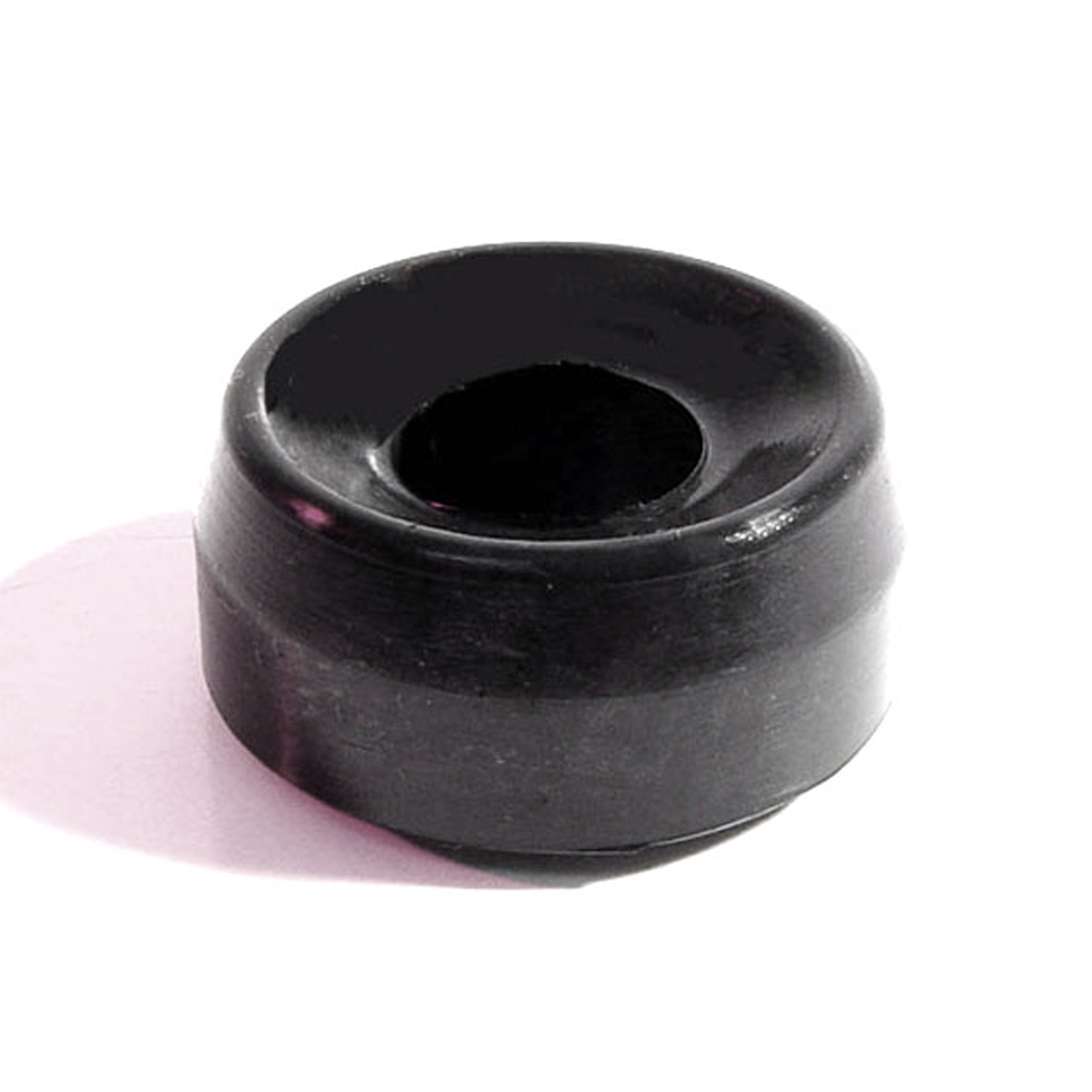 1946 Hudson Commodore Series Rear Stabilizer Bushing. Each-BN 4-HRear Stabilizer Bushing. Each
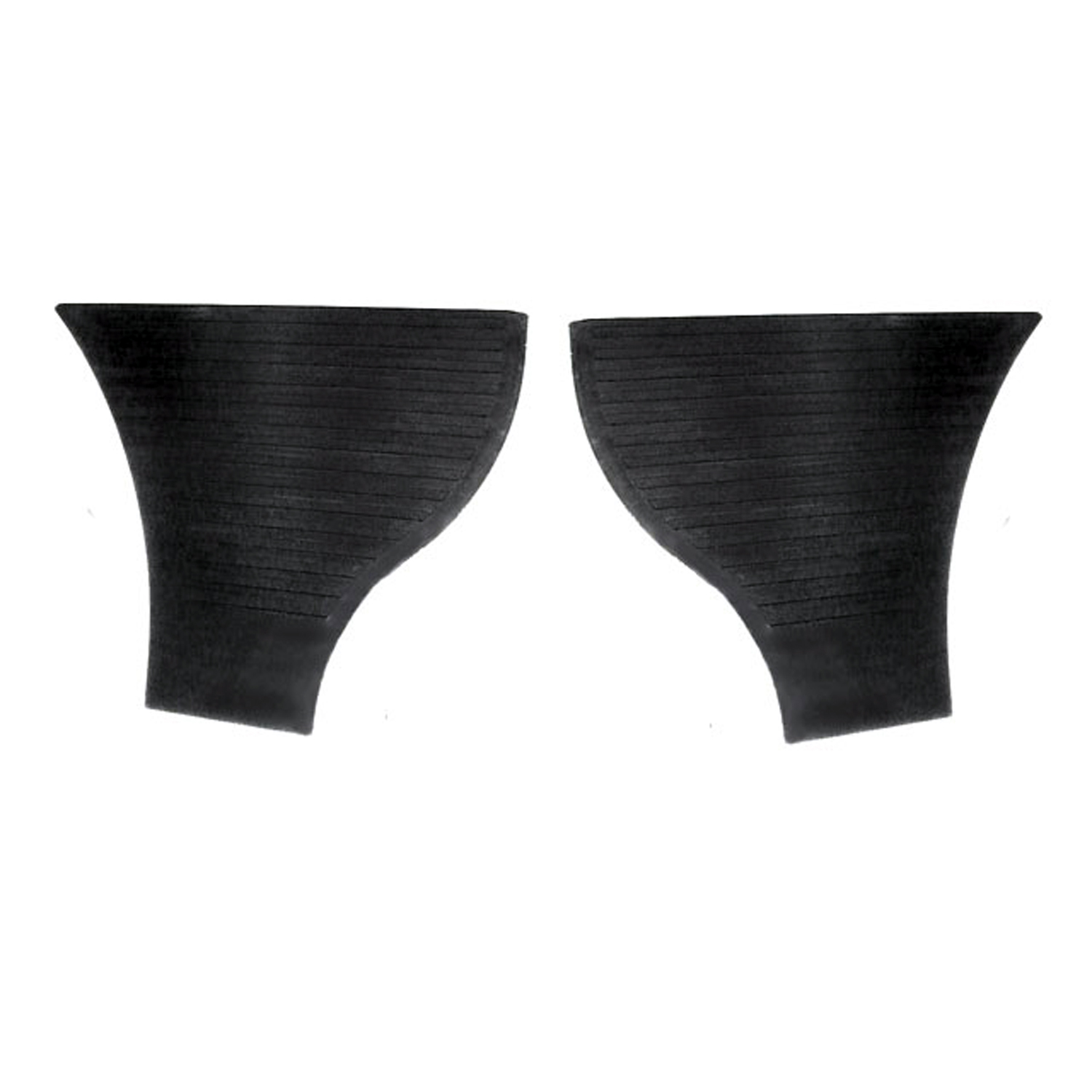 1946 Hudson Commodore Series Gravel Shields. Molded flat, but will conform to curves-FS 36Gravel Shields. Molded flat, but will conform to curves. 10-1/2" long X 12-1/4" wide at top and 4-1/2" wide at bottom. Pair
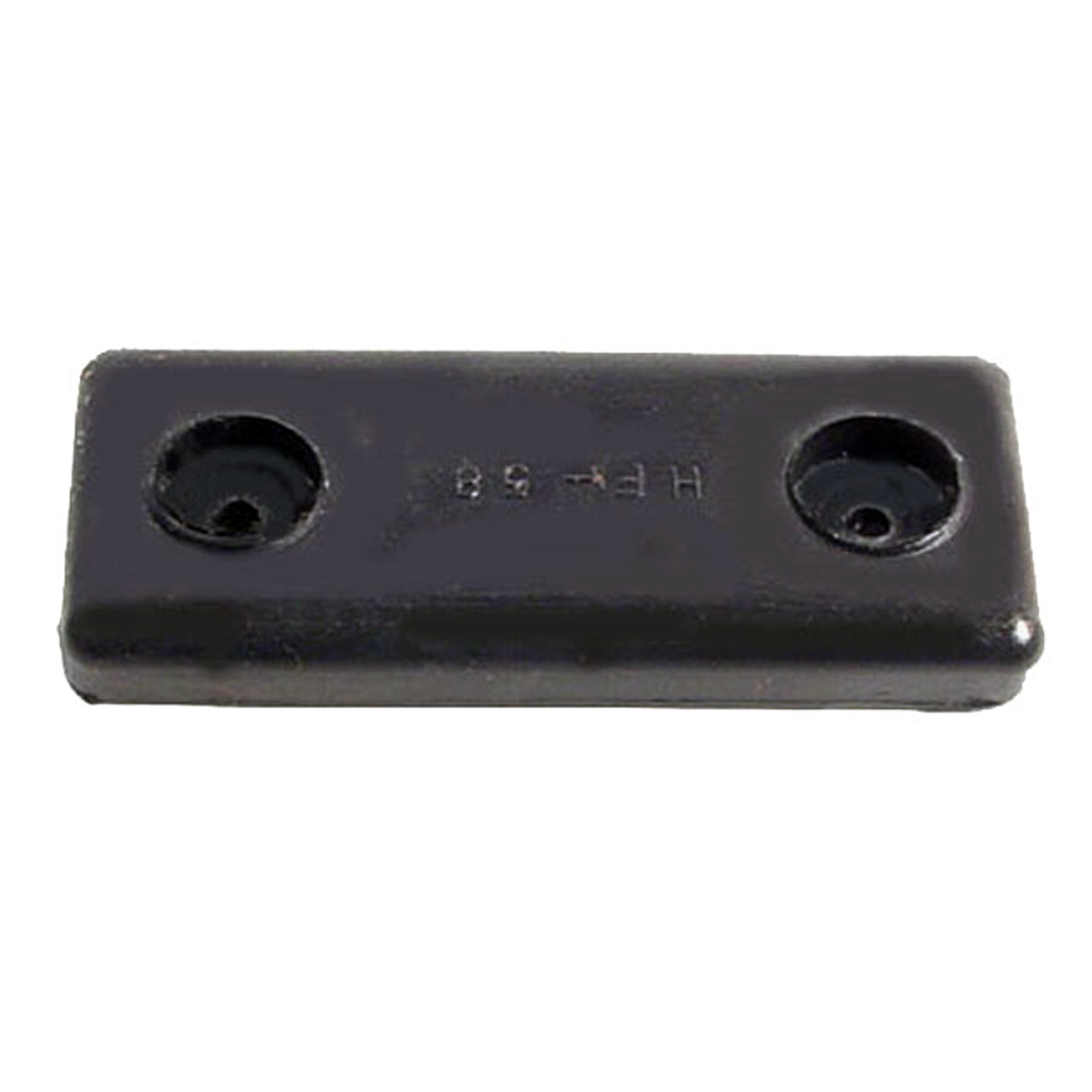 1946 Hudson Commodore Series Rear hood bumper. Fits on cowl. Made with washers-HF 58Rear hood bumper. Fits on cowl. Made with washers. Two used per car. Each.
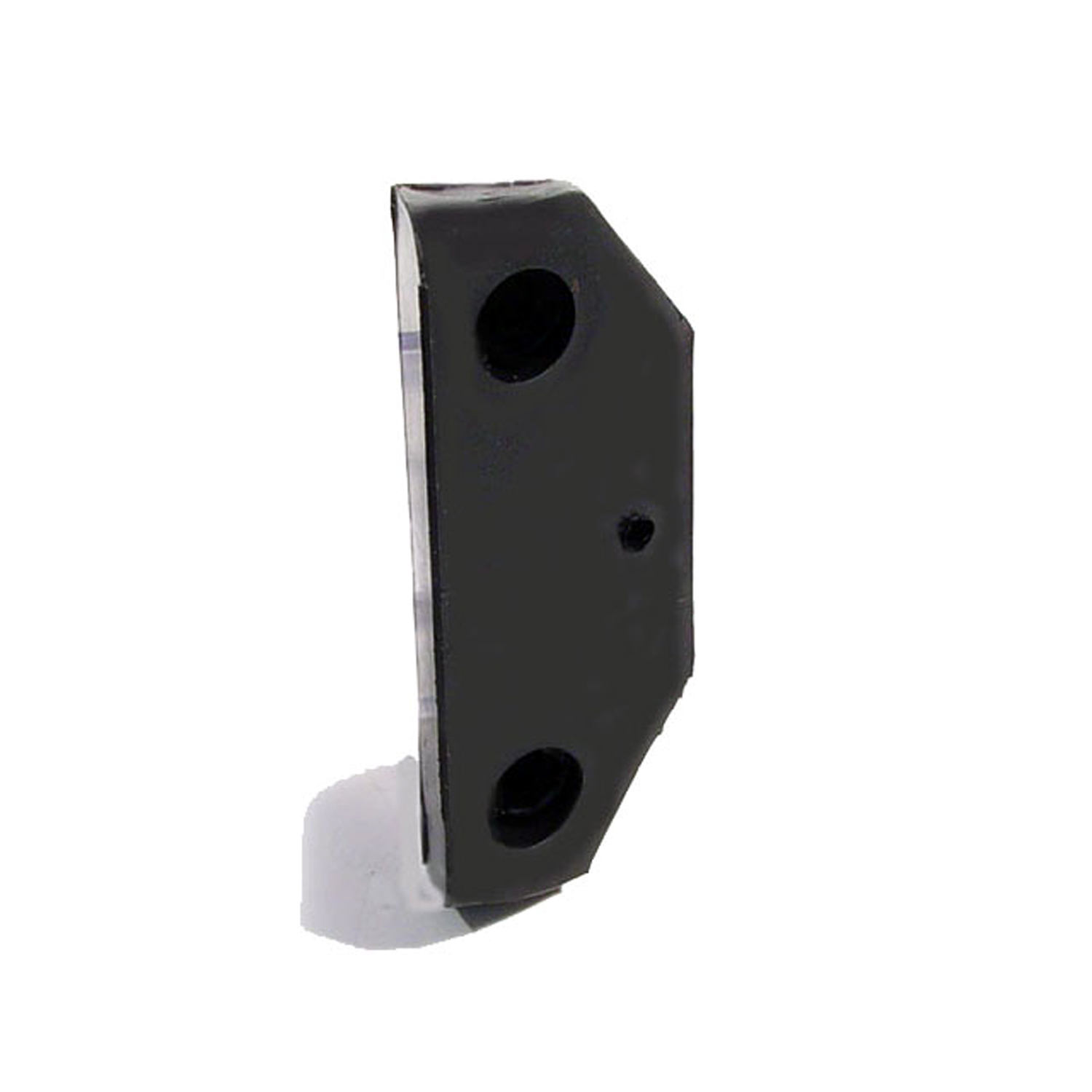 1946 Hudson Commodore Series Front Hood Bumper. Two used per car. Each-HF 58-AFront Hood Bumper. Two used per car. Each
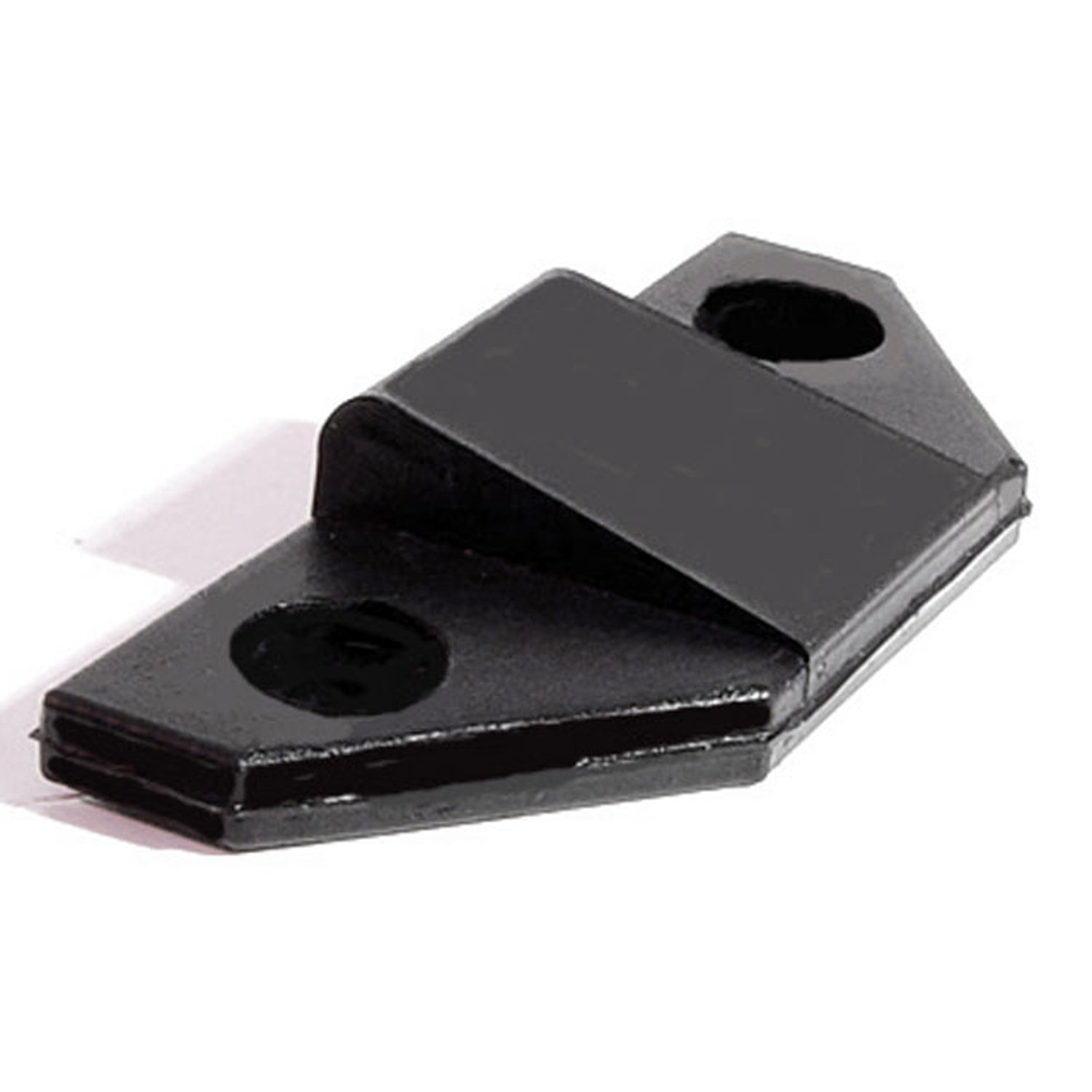 1946 Hudson Commodore Series Middle hood bumpers. Two used per car. Nice reproduction-HF 58-BMiddle hood bumpers. Two used per car. Nice reproduction. Each.
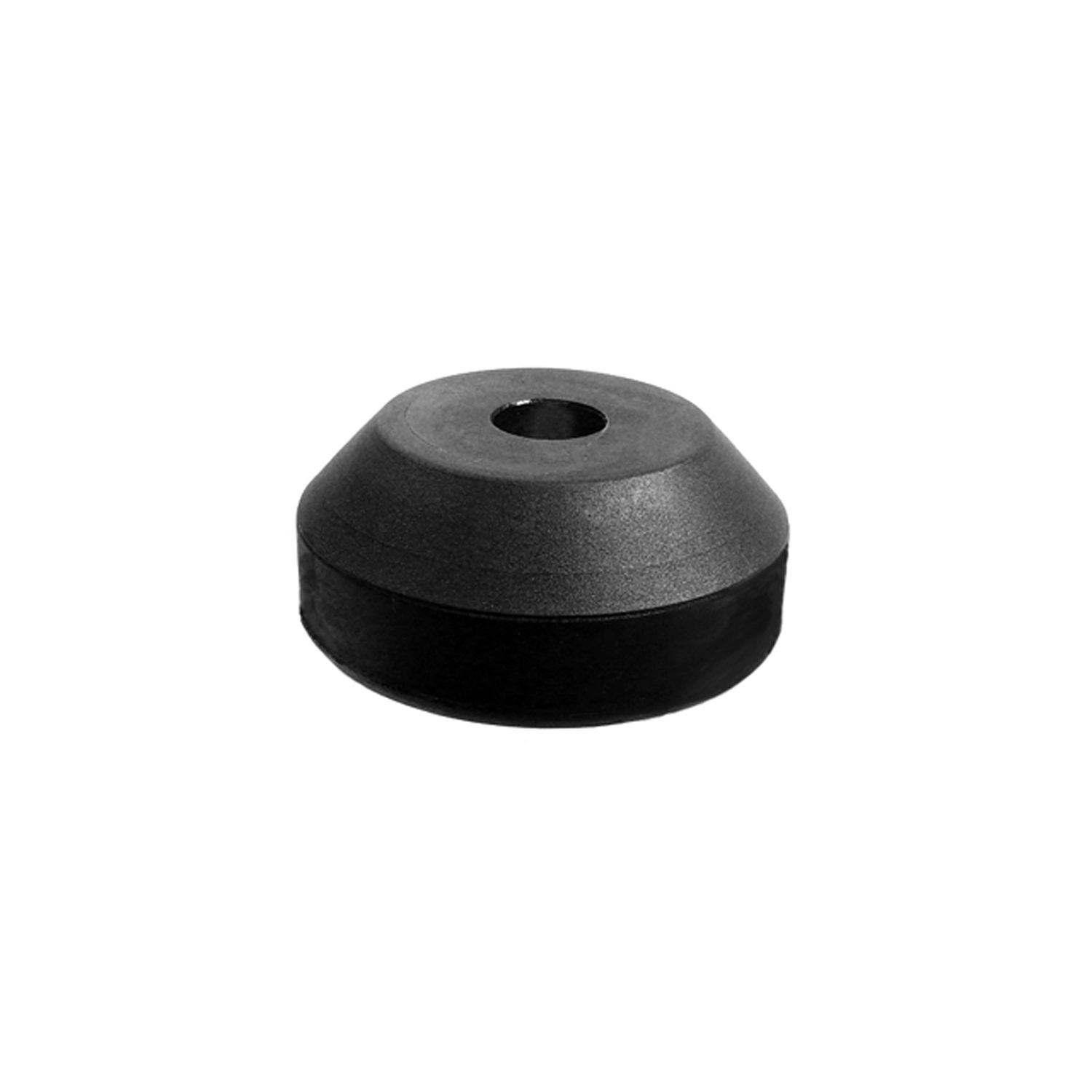 1946 Hudson Commodore Series Upper Motor Mount. 5/8" I.D., 2-5/8" O.D. Each-MM 7-BUpper Motor Mount. 5/8" I.D., 2-5/8" O.D. Each
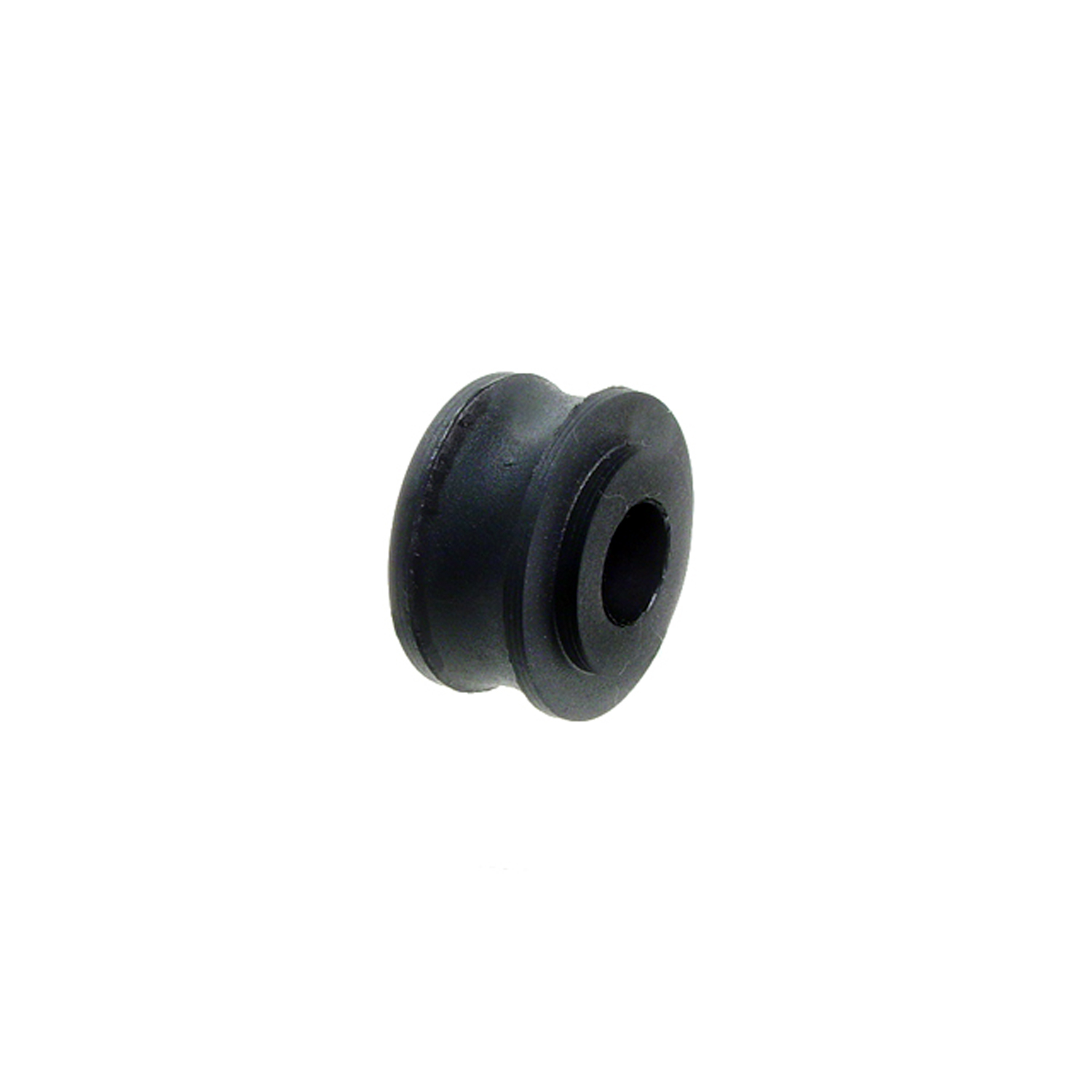 1946 Hudson Commodore Series Lower Motor Mount. 5/8" I.D., 1-5/8" O.D. Each-MM 7-CLower Motor Mount. 5/8" I.D., 1-5/8" O.D. Each
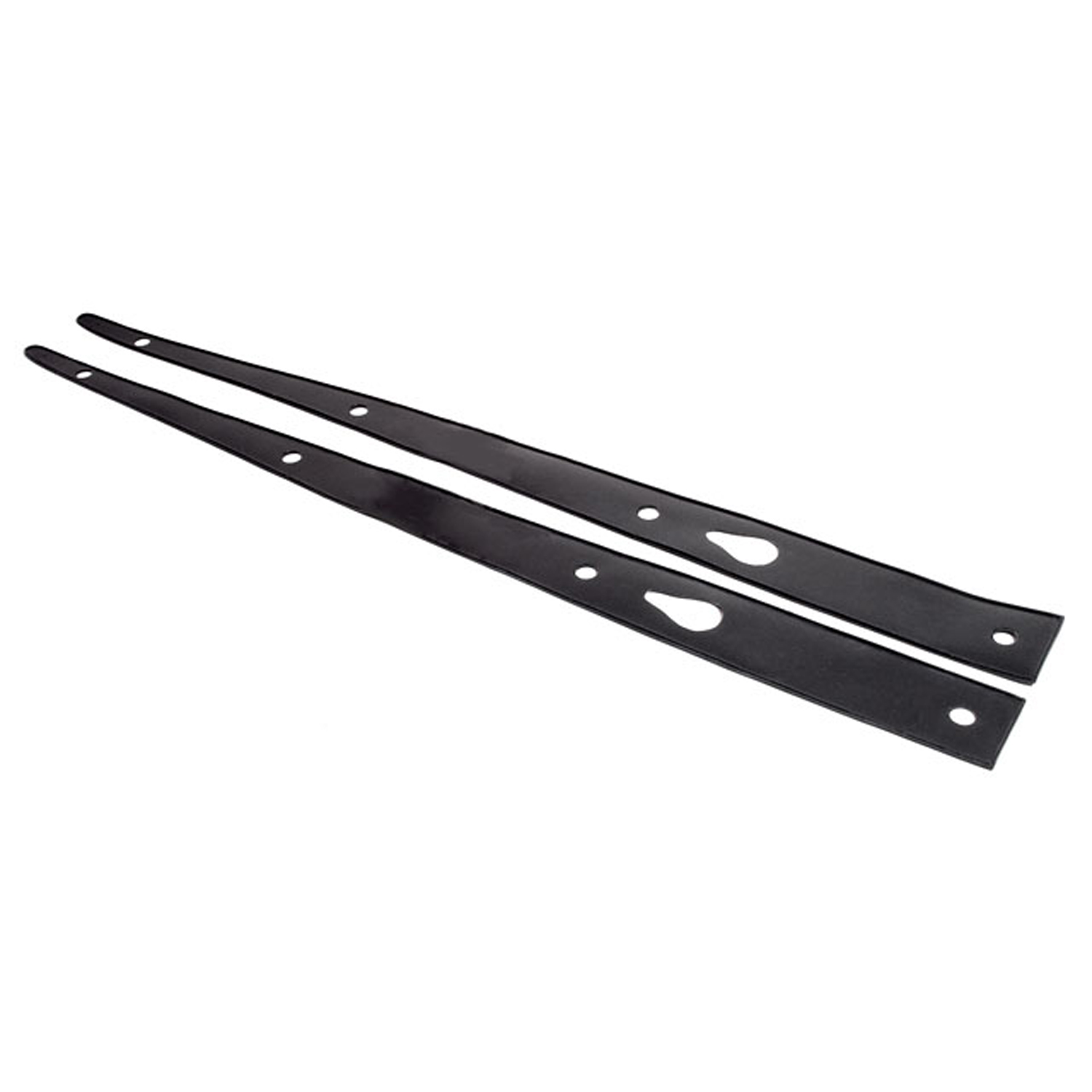 1946 Hudson Commodore Series Parklight Pads. 2-1/8" X 27-5/8" long. Pair-MP 798-RParklight Pads. 2-1/8" X 27-5/8" long. Pair
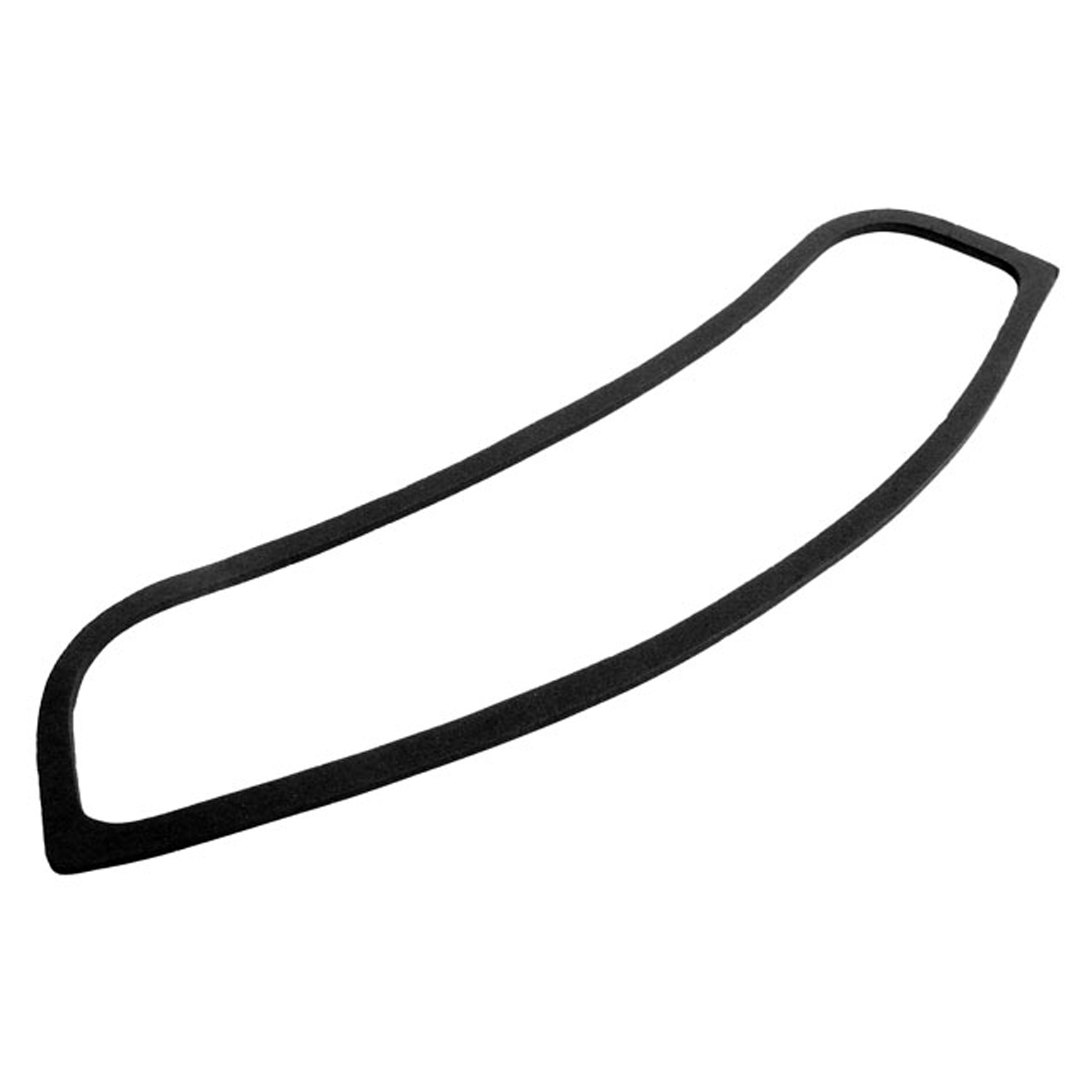 1946 Hudson Commodore Series Cowl Vent Seal. 4-1/2" wide X 18-1/2" long. Each-RP 100-YCowl Vent Seal. 4-1/2" wide X 18-1/2" long. Each
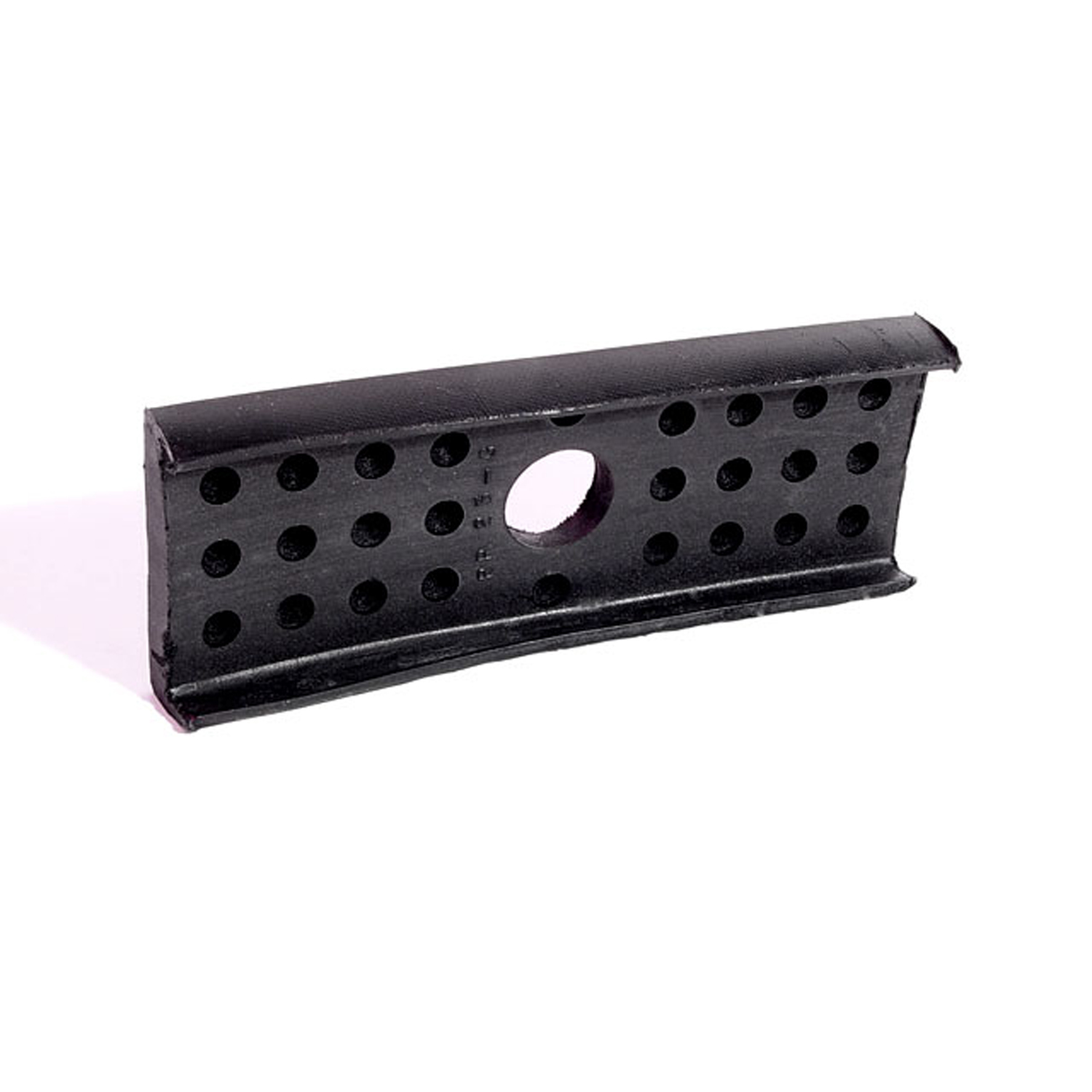 1946 Hudson Commodore Series Rear Leaf Spring Center Mounting Insulator-RP 23-GRear Leaf Spring Center Mounting Insulator. For all 1-3/4" wide leaf springs. Each
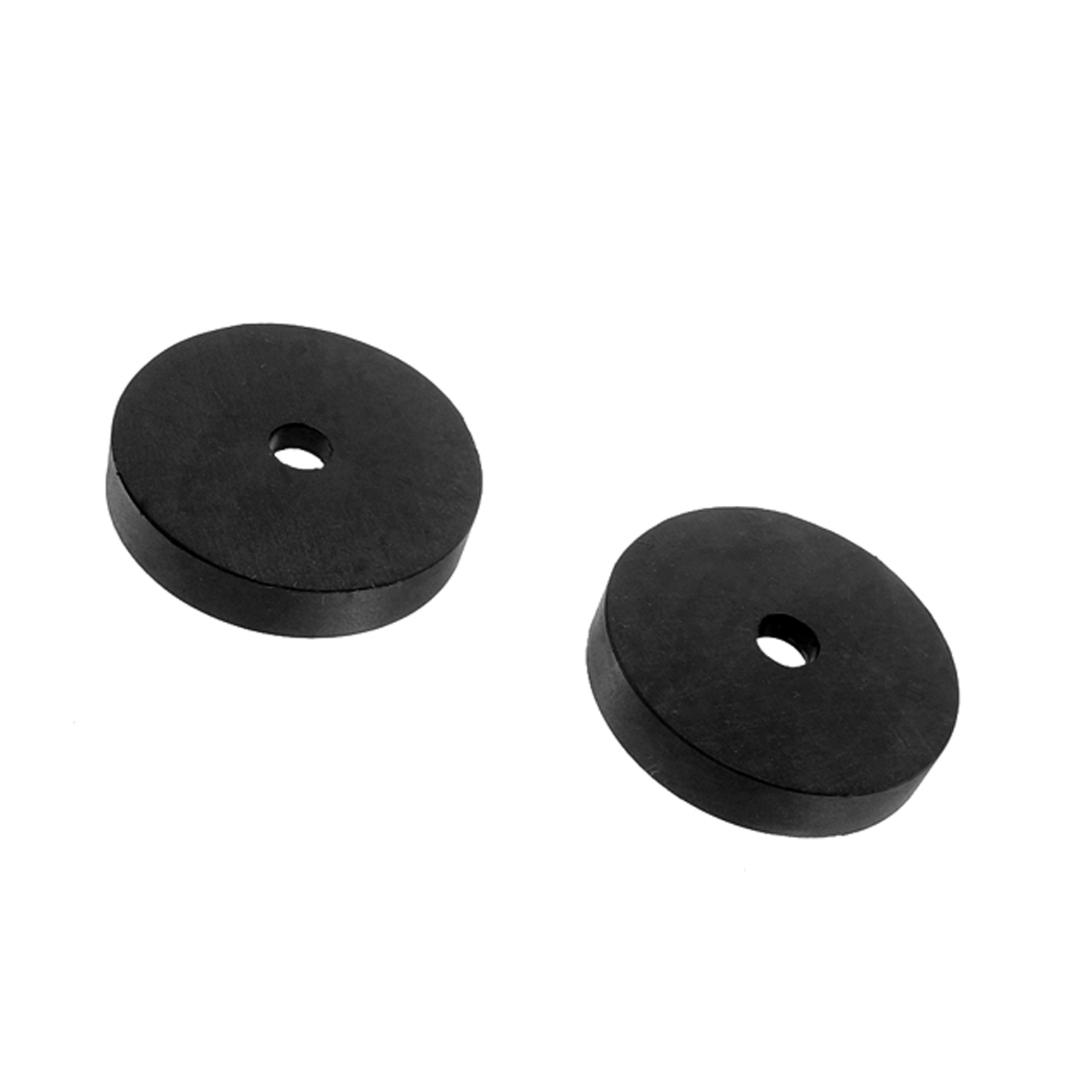 1946 Hudson Commodore Series Clutch and Brake Seals. Seals fit on a round shaft-RP 31-NClutch and Brake Seals. Seals fit on a round shaft. Made of soft rubber. 2-7/16" O.D., 7/16" I.D. Pair
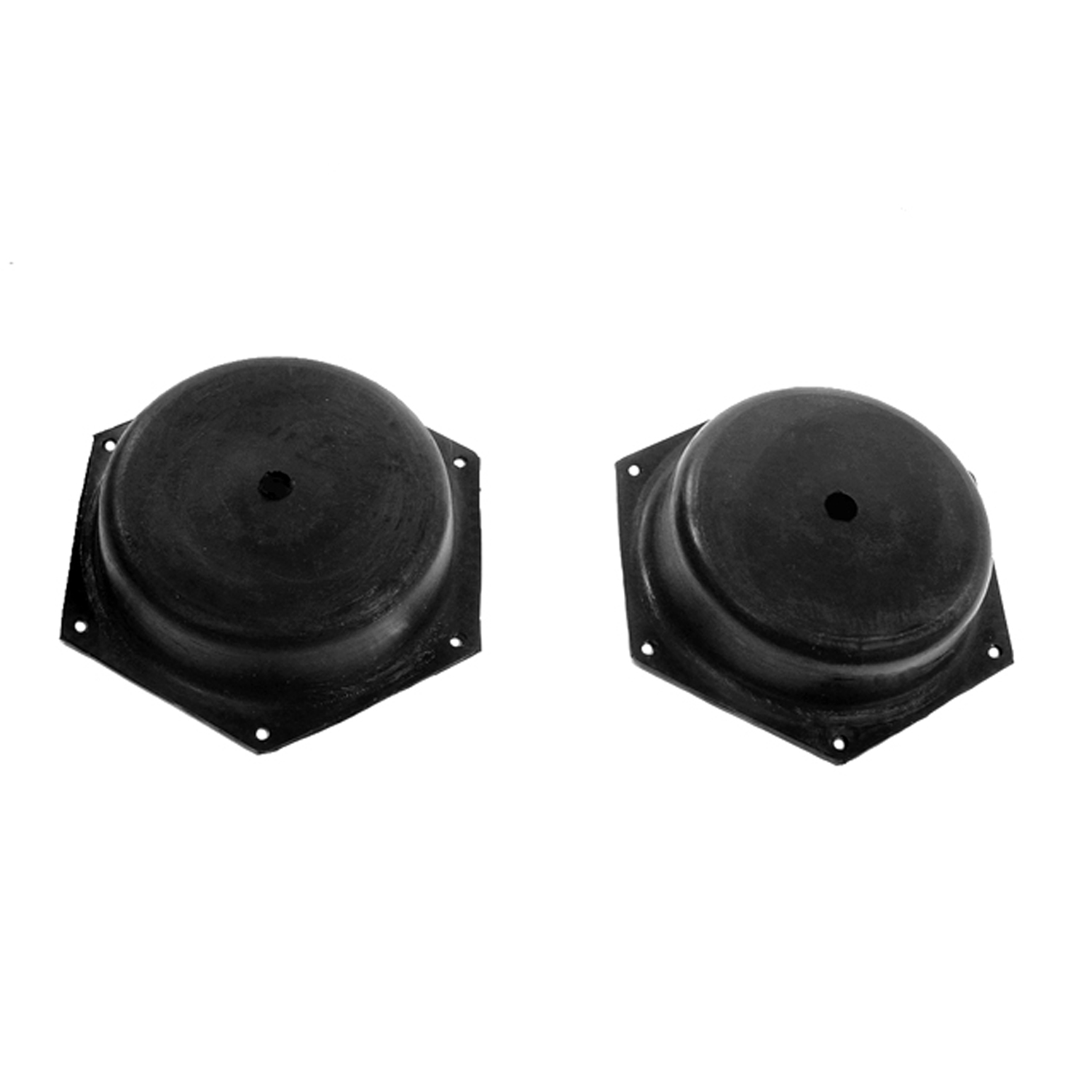 1946 Hudson Commodore Series Drive Master Electric Shift Vacuum Diaphragm-RP 32-ADrive Master Electric Shift Vacuum Diaphragm. For all models with drive master system for standard transmission. Pair
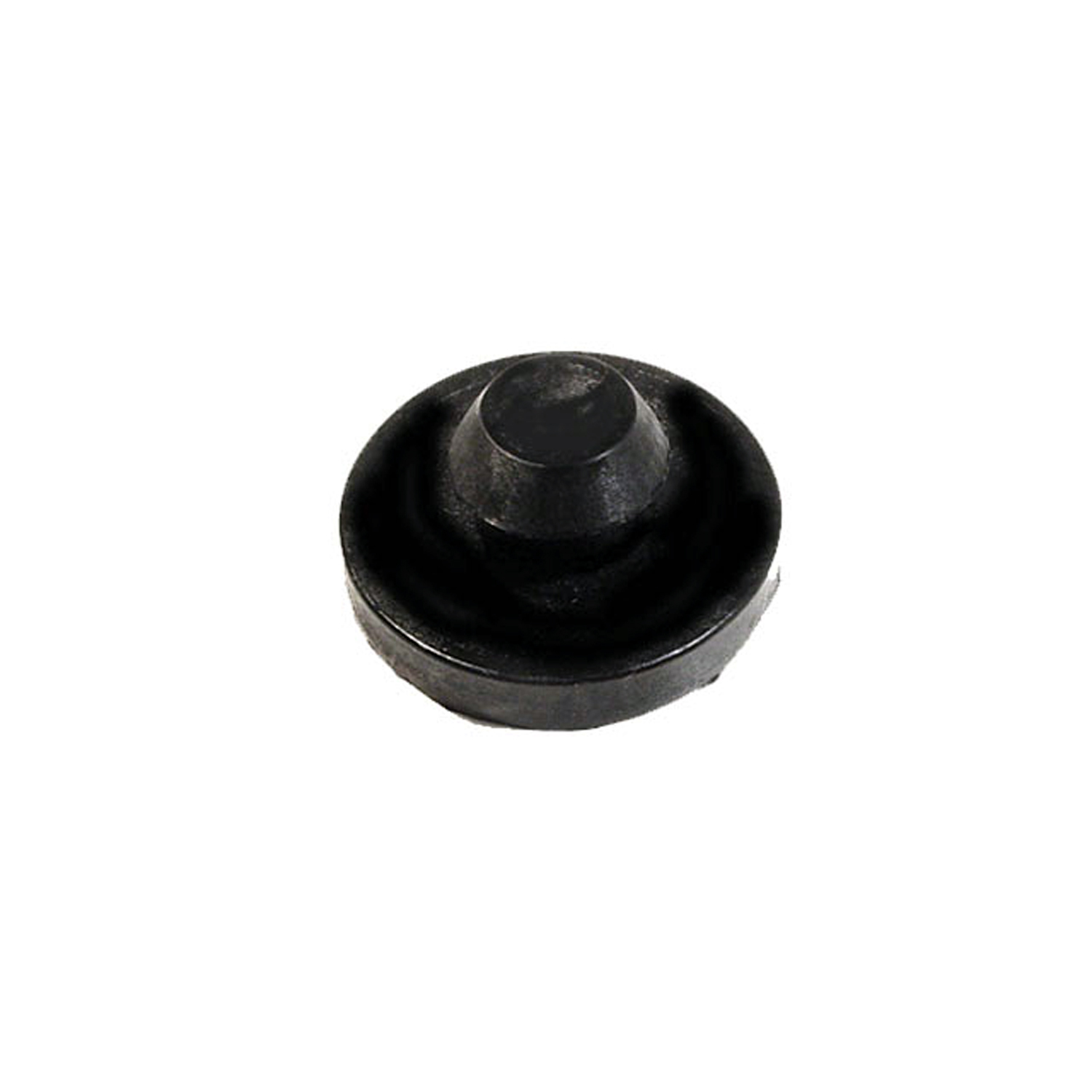 1946 Hudson Commodore Series Clutch Linkage Cushion. 1/4" top thickness, 1-1/2" O.D-SB 33-AClutch Linkage Cushion. 1/4" top thickness, 1-1/2" O.D. Each
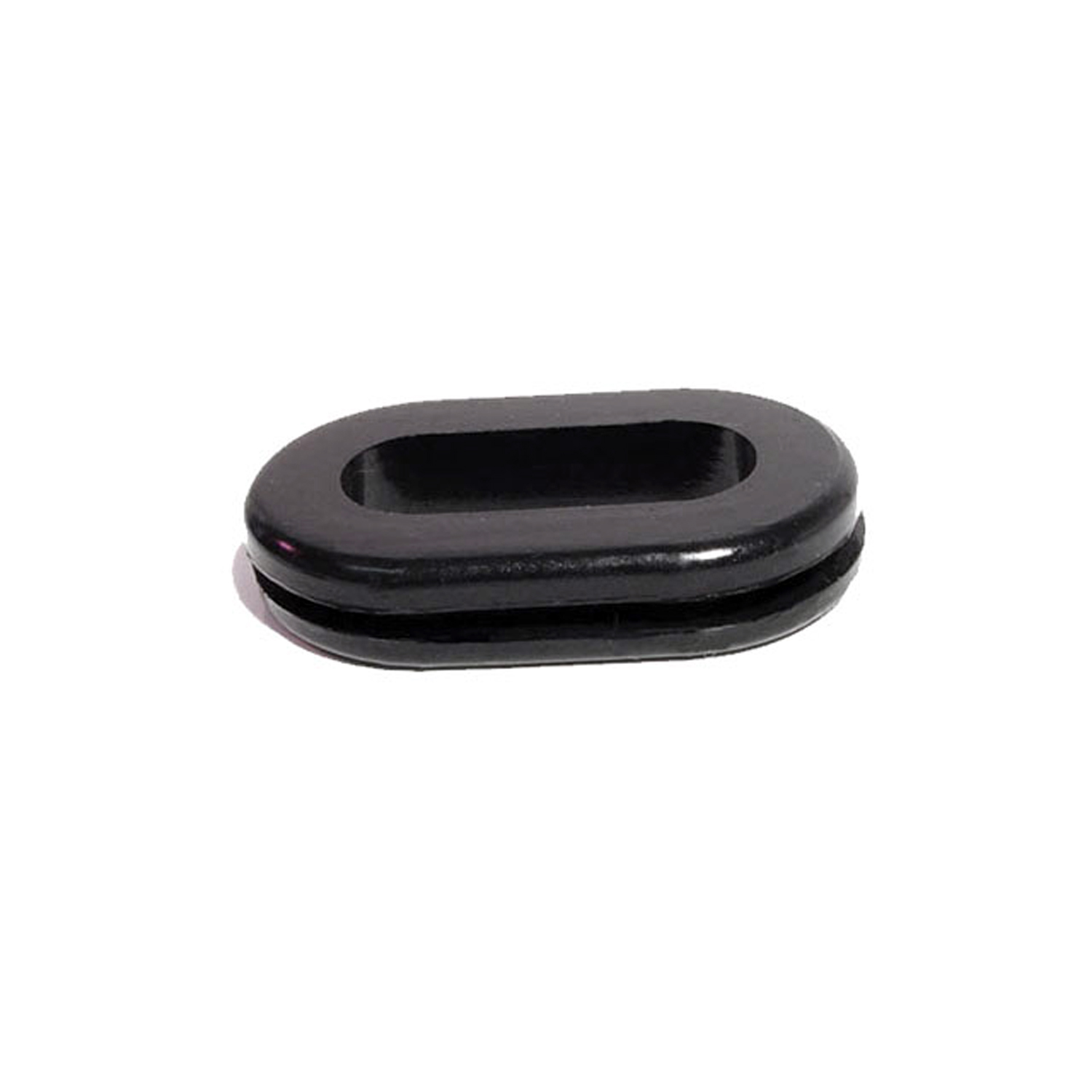 1946 Hudson Commodore Series Headlight Wire through Fender Grommet. Two used per car-SM 100-AHeadlight Wire through Fender Grommet. Two used per car. 1-1/4" inner slot, 1-7/8" long overall. Each
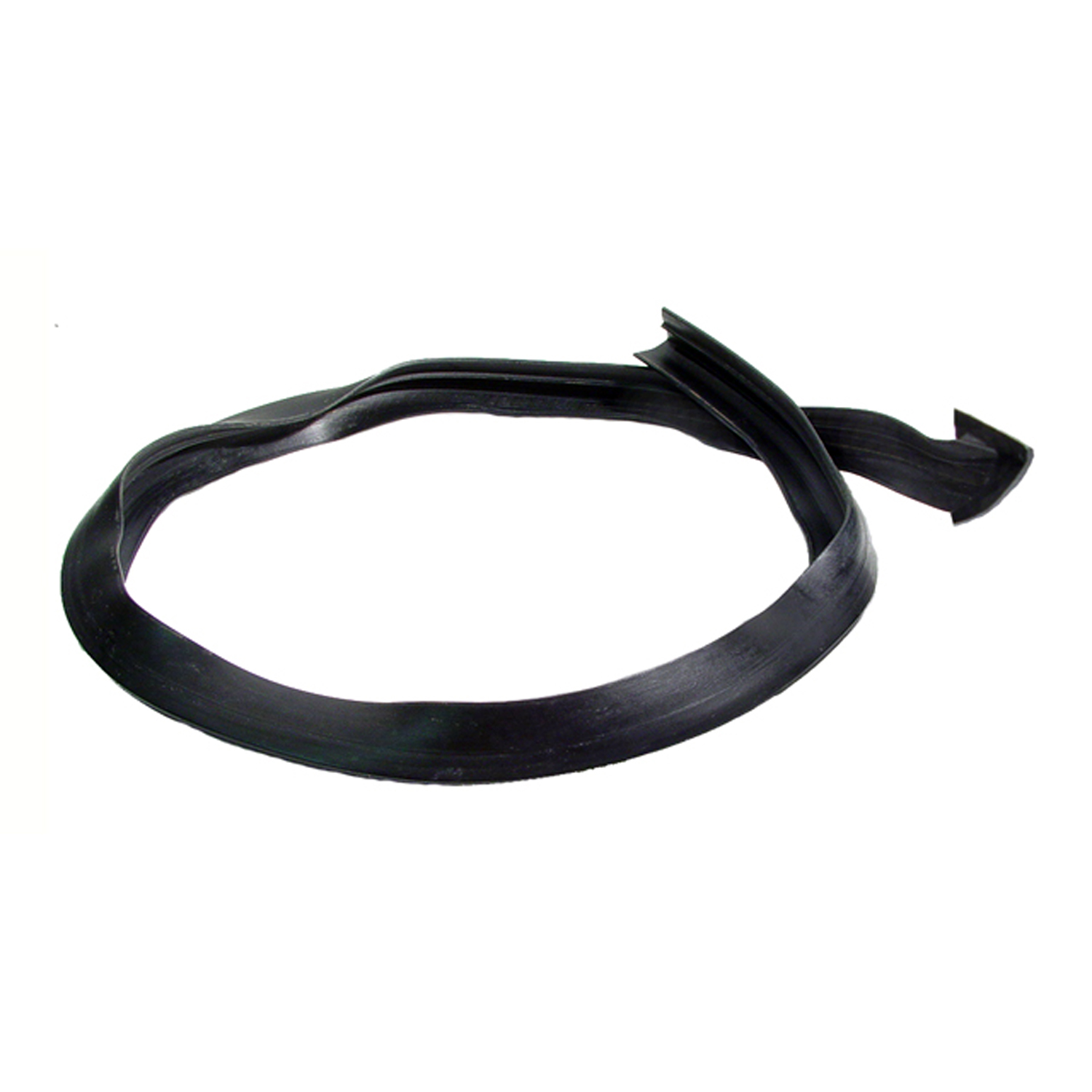 1946 Hudson Commodore Series Vertical Division Seal-VS 6-AVertical Division Seal. 26" Piece, enough for two front vents. Each
 1946 Hudson Commodore Series Vertical seal for vent window. Dense rubber. Universal part-VS 6-A/FTVertical seal for vent window. Dense rubber. Universal part. Per foot.
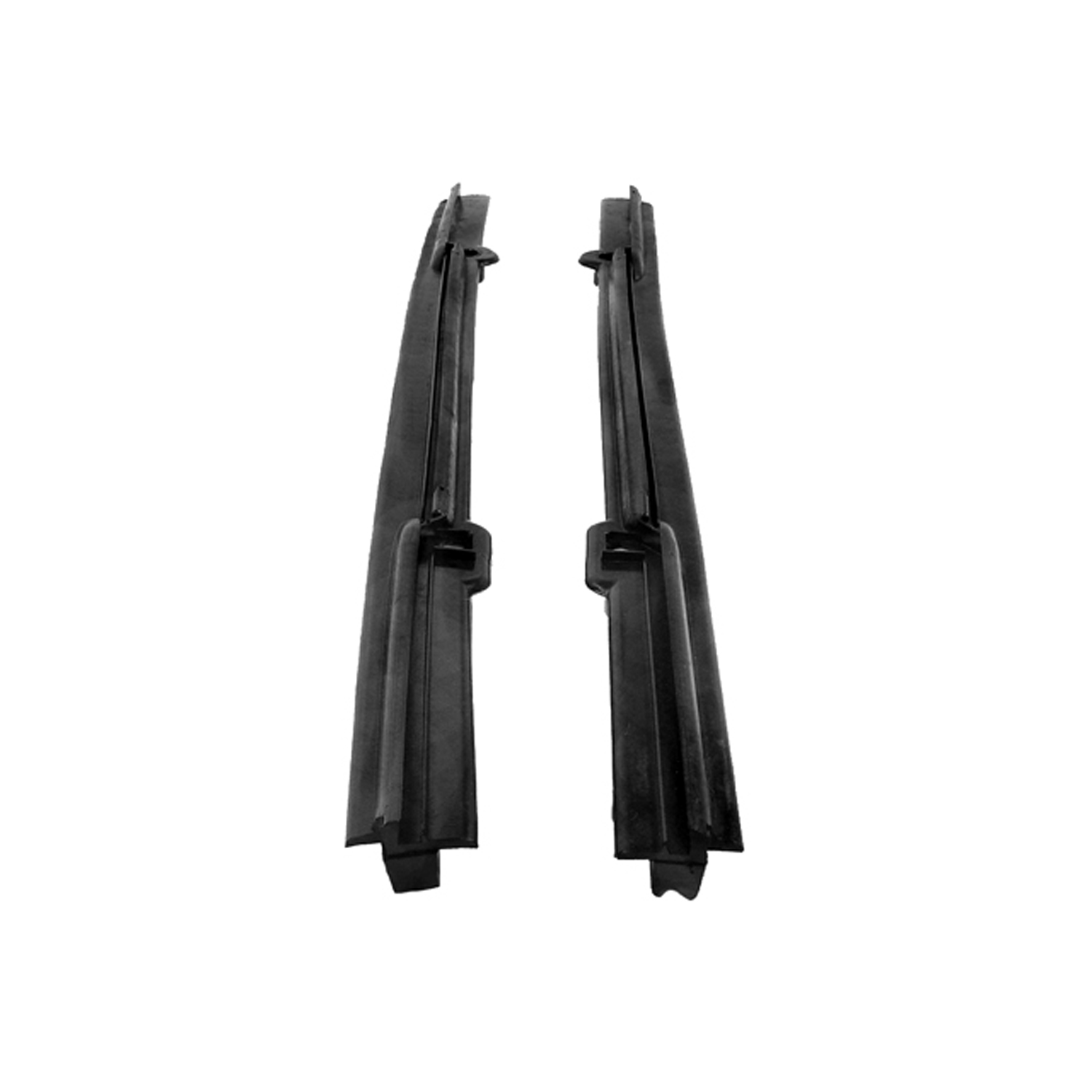 1946 Hudson Commodore Series Front Vent Window Seals-WR 4500Front Vent Window Seals. For all closed models, not convertibles. Pair R&L
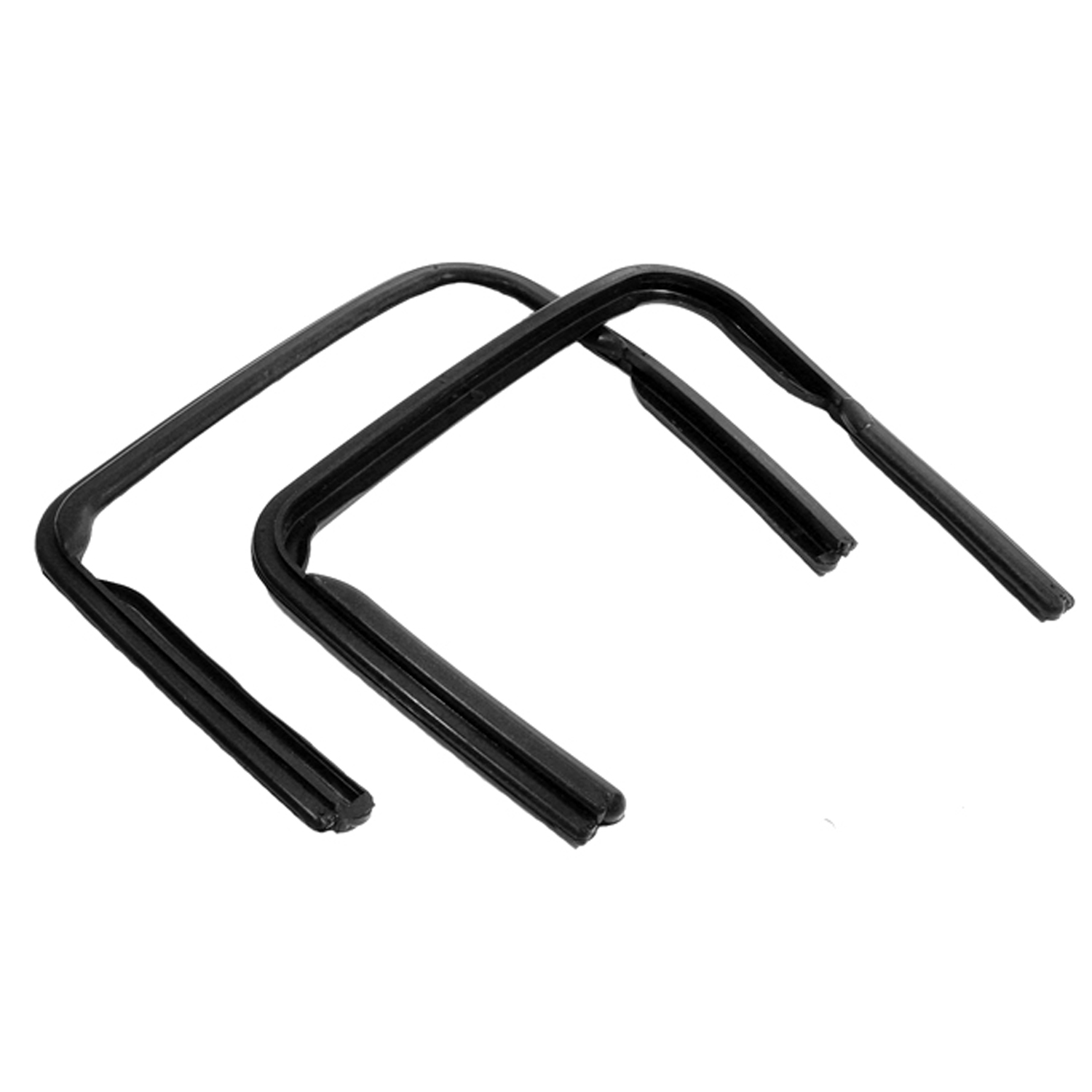 1946 Hudson Commodore Series Front Vent Window Seals, for Convertibles-WR 9Front Vent Window Seals, for Convertibles. 25-1/4" long each. Pair R&L
Why Choose Metro?
For over 100 years, Metro Moulded Parts has been the pinnacle of quality in classic car restoration parts. Our commitment to precision and authenticity in every component ensures a perfect fit and an OEM-level appearance.
- Expert Craftsmanship & Quality: Each part is a testament to our dedication to reliability and perfection, crafted from original designs and thoroughly tested.
- Advanced Technology: We use cutting-edge techniques to create flawless, long-lasting parts that surpass others in performance.
- SuperSoft Sponge – The Ultimate Door Seal: Not only are our door seals 30% softer than competitors', but they're also guaranteed to never leak. They effectively reduce wind and road noise, enhancing your classic car's comfort and driving experience.
- Proudly American: Our parts are a product of American craftsmanship, made in the USA with a spirit of excellence and heritage.
- Unrivaled Warranty: We back our products with a 30-year industry-leading warranty, a testament to our confidence in their quality.
Join us in preserving the legacy of classic cars with parts that are crafted for perfection, not just made.