

Image of 1946 Hudson Pickup, Note: These illustrations use artistic license and may differ from actual historical models.
Performance Metrics
Fundamental Metrics
Emotional Appeal
MMP Rating
| Engine Specifications | |
|---|---|
| Engine: | Hudson Super Six |
| Displacement: | 212 cubic inches |
| Horsepower: | Estimated 102 horsepower |
| Torque: | Not available |
| Compression Ratio: | 6.5:1 |
| Ignition System: | Battery and coil |
| Cooling System: | Water-cooled |
| Performance Specifications | |
| 0-60 Time: | Not available |
| 1/4 Mile Time: | Not available |
| Top Speed: | Estimated 75 mph |
| Transmission and Drive | |
| Drive Type: | Rear-wheel drive |
| Transmission Type: | 3-speed manual |
| Fuel and Efficiency | |
| Fuel System Type: | Carburetor |
| MPG: | Not available |
| Dimensions and Brakes | |
| Brakes: | Hydraulic drum brakes |
| Wheelbase: | 128 inches |
| Weight: | Estimated 3,200 lbs |
Note: Specifications for classic cars are given to the best of our ability, considering the limited and variant data available.
1946 Hudson Pickup: A Rare Truck with a Complicated Story
The 1946 Hudson pickup is a head-turner, but there is an important detail behind the name: Hudson did not sell a factory-built pickup for the 1946 model year. A truck advertised as a “1946 Hudson Pickup” is generally a custom conversion, a coachbuilt vehicle, or a truck assembled from Hudson parts. That distinction makes each example a little different, and it makes its history and paperwork especially important.
Hudson Motor Car Company, based in Detroit, Michigan, was known for well-engineered passenger cars, including its Super Six and Commodore lines. After civilian vehicle production paused during World War II, Hudson returned to the car market for 1946 with models that were largely updated versions of its prewar designs. The company’s postwar cars were substantial, well-equipped machines, but a Hudson-branded pickup was not part of the standard lineup.
That makes the truck’s most intriguing feature its origin story. One example might be a period conversion made from a Hudson coupe or sedan, while another could be a much later custom build. Without factory production records for a 1946 pickup, the builder’s records, title history, and construction details are central to understanding what a particular truck really is.
Hudson Styling and Custom Pickup Design
A 1946 Hudson donor car brings unmistakable prewar proportions to a pickup conversion. Expect a long hood, rounded fenders, a tall grille, and a broad, upright front end. Hudson’s styling favored substantial curves over the increasingly flat, modern forms that would become common later in the decade. On a custom truck, those flowing front fenders can contrast sharply with a squared-off cargo bed, making the vehicle look both vintage and unusual.
There was no factory 1946 Hudson pickup cab, bed, trim package, or official color chart for a truck. Builders may have retained much of a Hudson passenger-car body, fabricated a new bed, or combined Hudson sheet metal with components from another vehicle. Paint can range from period-inspired solid colors to modern custom finishes. Deep blue, maroon, black, and muted green suit the era, but any claim that a particular shade is factory-correct should be supported by evidence from the truck’s original build.
Inside, a converted Hudson may keep its original bench seat, dashboard, gauges, and steering wheel. Hudson passenger cars of the period generally offered a roomy cabin with painted metal surfaces and practical cloth or broadcloth upholstery. The materials and finish in a pickup depend on the conversion: a careful period build may look close to stock, while a modern custom might have new upholstery, updated instruments, or a modified electrical system.
For its time, a donor Hudson’s notable features were its sturdy construction and comfortable passenger-car equipment, not pickup-specific technology. A 1946 example predates Hudson’s famous “step-down” design, introduced for the 1948 model year. It also predates modern conveniences such as power steering and widespread automatic transmissions. Equipment varied by model and build, so inspect the actual truck rather than assuming it has any particular feature.
Why the 1946 Model Year Matters
Hudson’s 1946 return to civilian production came during a period of intense demand for new vehicles. Automakers were restarting assembly lines after wartime manufacturing, and many early postwar cars carried over prewar engineering and styling. Hudson’s 1946 passenger cars are part of that transition: familiar in their basic layout, but important as the company re-established its place in the market.
Hudson’s most significant postwar design breakthrough came later. The 1948 “step-down” Hudson placed passengers lower within the body structure, creating a distinctive low center of gravity and a road-hugging feel. That innovation helped Hudson earn a reputation for strong handling, especially in stock-car racing. It should not be attributed to a 1946 Hudson pickup, but it is part of the broader story that makes Hudson vehicles interesting to collectors.
What sets a 1946 Hudson pickup apart from contemporaries is not a factory truck design or a record-setting specification. It is the uncommon blend of Hudson passenger-car styling and pickup utility. Because each conversion can be different, the vehicle is best understood as an individual custom with Hudson roots, rather than as a standardized model with a single set of specifications.
Engine, Speed, and Road Manners
Performance depends on the donor car and the conversion. A commonly encountered 1946 Hudson Super Six used a 212-cubic-inch L-head inline-six, rated at about 102 horsepower when new. Other Hudson passenger-car models and engine configurations were available, and a custom truck may have received a replacement engine or drivetrain over the decades. Check the engine number, identification plates, and build records before treating any specification as definitive.
There is no reliable factory top-speed or 0-to-60-mph figure for a 1946 Hudson pickup, because Hudson did not publish specifications for a truck model that it did not produce. As a rough reference only, a stock, six-cylinder Hudson passenger car of the period might reach approximately 75 to 85 mph and take around 20 to 25 seconds to accelerate from 0 to 60 mph. A pickup conversion could be slower or less stable, depending on its weight, gearing, engine condition, tires, and workmanship. Those estimates are not test results for a documented factory truck.
On the road, a well-maintained Hudson-based conversion should feel like a large, old-fashioned vehicle: deliberate steering, a broad view over the hood, and a ride shaped by its original suspension and the added weight or altered balance of the conversion. Bumps can produce body movement, while winding roads call for measured inputs rather than modern-car cornering expectations. Wind sensitivity and braking performance will also depend on the truck’s tires, suspension, brakes, and bodywork.
The driving experience is part of the appeal. A healthy flathead six produces a low, even mechanical hum rather than a modern engine’s sharp note. The driver works with a traditional steering wheel, period-style controls, and a manual transmission in many examples, though modifications are possible. On a good restoration, the truck can be relaxed and characterful on local roads. It is not a vehicle to drive as if it had modern braking, crash protection, or highway performance.
Living with a Hudson Pickup
Most owners are likely to use a 1946 Hudson pickup as a show vehicle, weekend cruiser, or occasional parade truck rather than as a daily workhorse. A well-built example can still be driven, but its custom nature makes a pre-purchase inspection essential. Look closely at the frame, body mounts, bed attachment, steering, brakes, wiring, cooling system, and the quality of any welding or fabrication.
Hudson mechanical parts can require more searching than parts for high-volume makes such as Ford or Chevrolet. Some service items and engine components may be available through specialist suppliers or Hudson clubs, while unique trim, sheet metal, and conversion-specific pieces can be difficult to replace. A capable home mechanic can handle basic maintenance, but undocumented modifications may complicate even routine repairs.
Reliability depends more on the quality of the restoration and conversion than on the Hudson name alone. A truck with sound wiring, a properly rebuilt engine, and carefully engineered brakes can be enjoyable to own. A rough build with mixed parts and incomplete records can become an ongoing project. Keep photographs, receipts, and notes on every modification; that information is valuable for both future maintenance and resale.
Unusual Facts and Buyer Cautions
The headline fact is also the biggest buying caution: there was no regular-production 1946 Hudson pickup, so there is no factory edition count, official pickup option list, or standard truck specification to consult. A seller’s description may use “1946 Hudson pickup” as shorthand for the vehicle’s title year or donor components. Ask exactly what the year refers to and how the truck was constructed.
There is no widely recognized speed, sales, or endurance record associated with a factory 1946 Hudson pickup. Nor should a custom truck be assumed to have appeared in a particular historical event or belonged to a celebrity without verifiable documentation. Its strongest claim to uniqueness is its individual build and the rarity of Hudson-based conversions.
Common criticisms include limited parts availability, a small specialist market, and the difficulty of judging a custom vehicle against factory standards. Some buyers also prefer the later 1948-and-newer Hudson styling. On the other hand, those same quirks make a properly documented truck memorable at shows and gatherings. Its unusual shape tends to start conversations precisely because it does not fit neatly into a familiar production category.
Rarity, Values, and Collector Demand
Factory production of 1946 Hudson pickups was zero. The number of custom conversions made or surviving is not documented, so any count is necessarily a guess. A reasonable estimate is that surviving examples number from a handful to perhaps a few dozen worldwide, but there is no registry that can confirm that figure. A specific truck’s build date, originality, and provenance matter far more than an assumed production total.
As a broad market estimate, a running but rough or unfinished conversion might sell for roughly $10,000 to $20,000. A sound, presentable driver could fall around $20,000 to $35,000, while a high-quality, well-documented build may reach approximately $35,000 to $50,000 or more. These are indicative ranges, not guaranteed appraisals. Condition, workmanship, location, title status, and buyer interest can move the price substantially, and a poorly documented custom may be worth less than its construction cost.
Values are likely to be uneven rather than steadily rising. Interest in classic trucks supports demand, but a Hudson conversion has a smaller audience than a factory pickup from a major truck maker. Excellent builds may appreciate as distinctive show vehicles, while average examples can remain relatively flat or take time to sell. For collectors, the best investment is a truck with transparent documentation, safe engineering, and quality work, not simply a rare-sounding name.
Is a 1946 Hudson Pickup Worth Seeking Out?
A 1946 Hudson pickup is not a standard factory model, but it can be a compelling custom vehicle built around the style and engineering of Hudson’s postwar passenger cars. Its appeal lies in its unusual appearance, its connection to a significant period in American automotive history, and the individuality of each conversion. Just as importantly, buyers should verify the truck’s construction and avoid relying on factory specifications that do not exist.
For the right enthusiast, this is more than a vintage truck. It is a rolling piece of Hudson history, shaped by an owner or builder into something the company itself never cataloged.
1946 Hudson Pickup Catalog of Parts
 1946 Hudson Pickup Accessory Floor Mat - 12"X17"-AC 35Accessory Floor Mat - made of high quality black rubber with molded original emblem. Also designed to be sewn into new carpets. 12"X17", Each
 1946 Hudson Pickup Accelerator Pedal Pad, 2-5/8" X 9", Each-AP 23Accelerator Pedal Pad, 2-5/8" X 9", Each
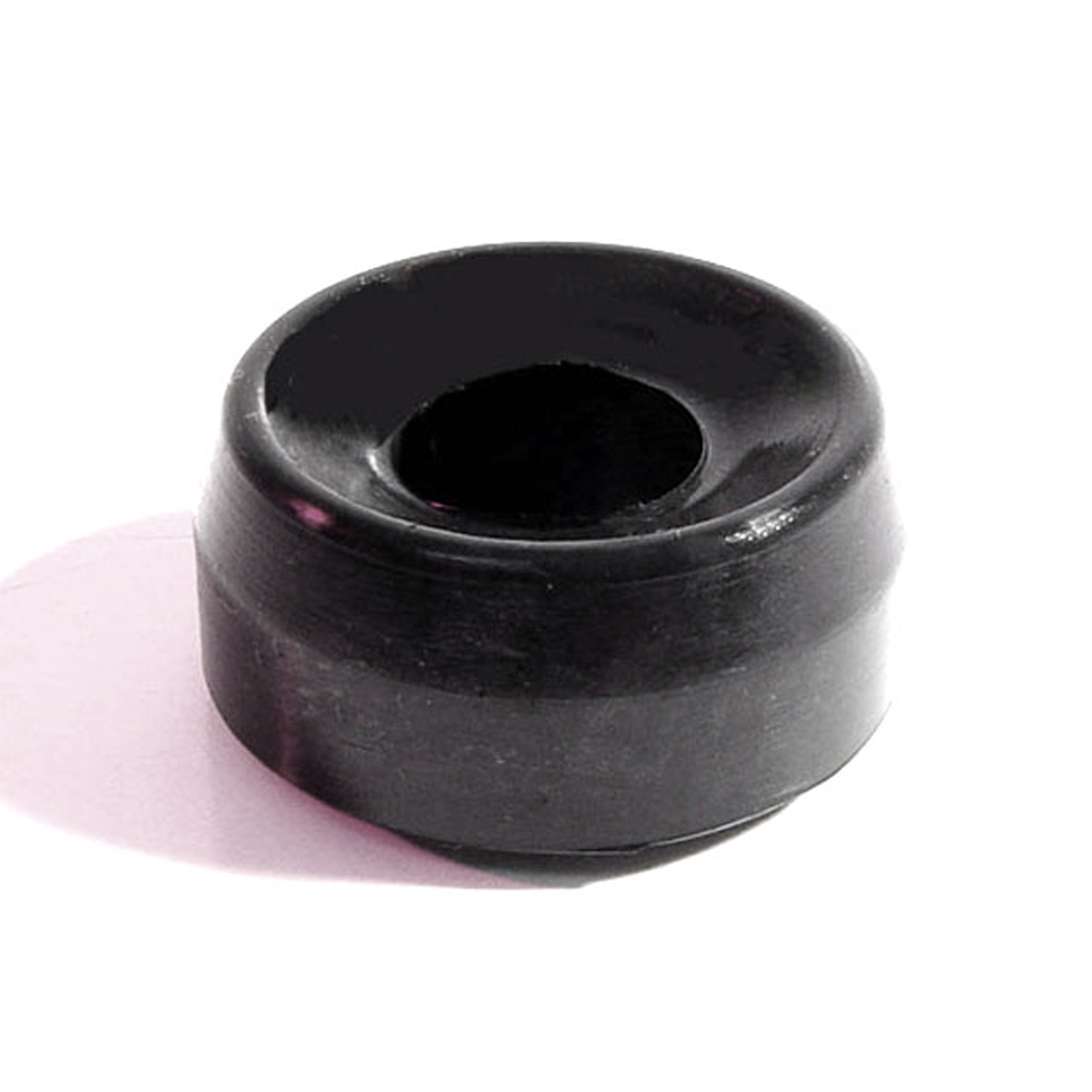 1946 Hudson Pickup Rear Stabilizer Bushing. Each-BN 4-HRear Stabilizer Bushing. Each
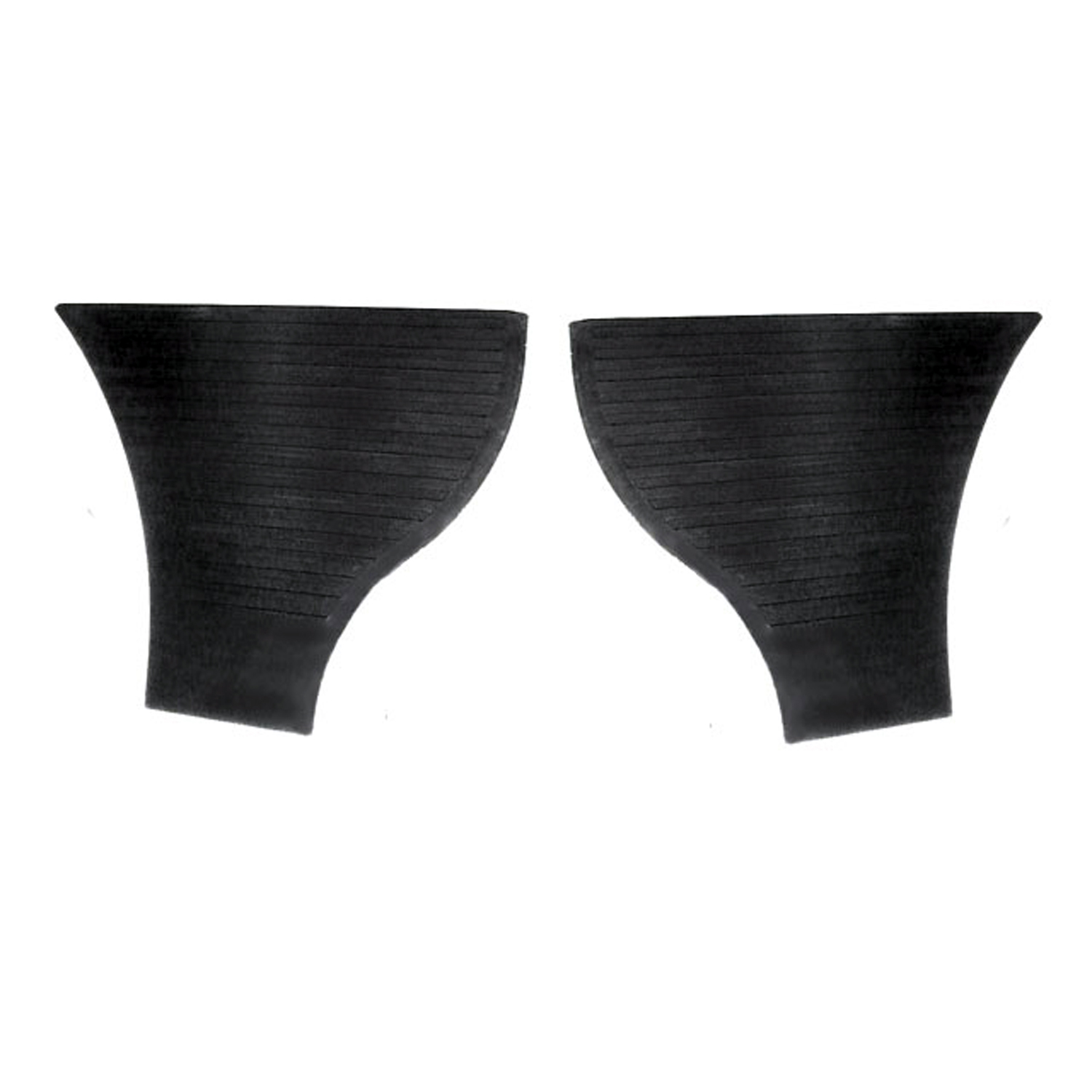 1946 Hudson Pickup Gravel Shields. Molded flat, but will conform to curves-FS 36Gravel Shields. Molded flat, but will conform to curves. 10-1/2" long X 12-1/4" wide at top and 4-1/2" wide at bottom. Pair
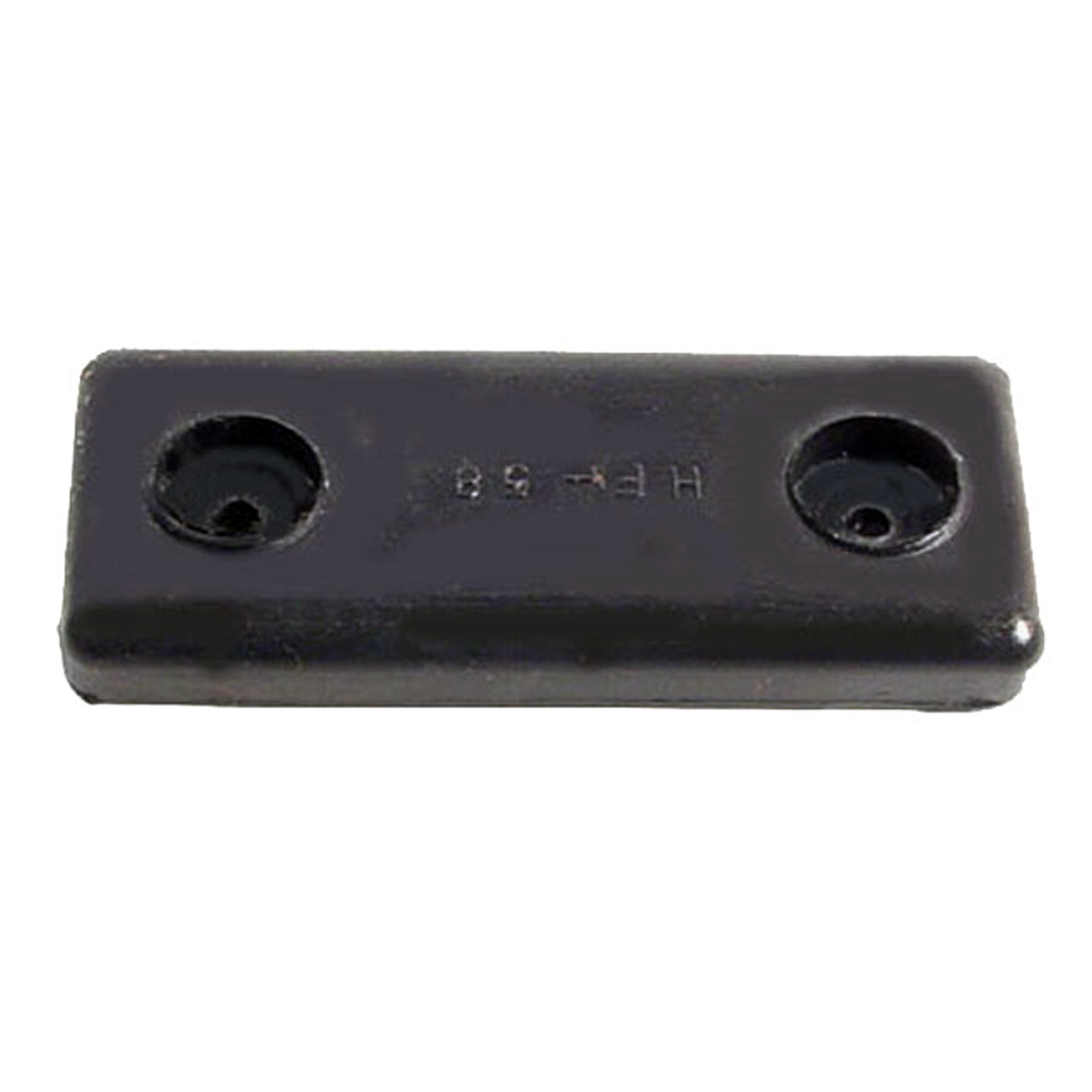 1946 Hudson Pickup Rear hood bumper. Fits on cowl. Made with washers-HF 58Rear hood bumper. Fits on cowl. Made with washers. Two used per car. Each.
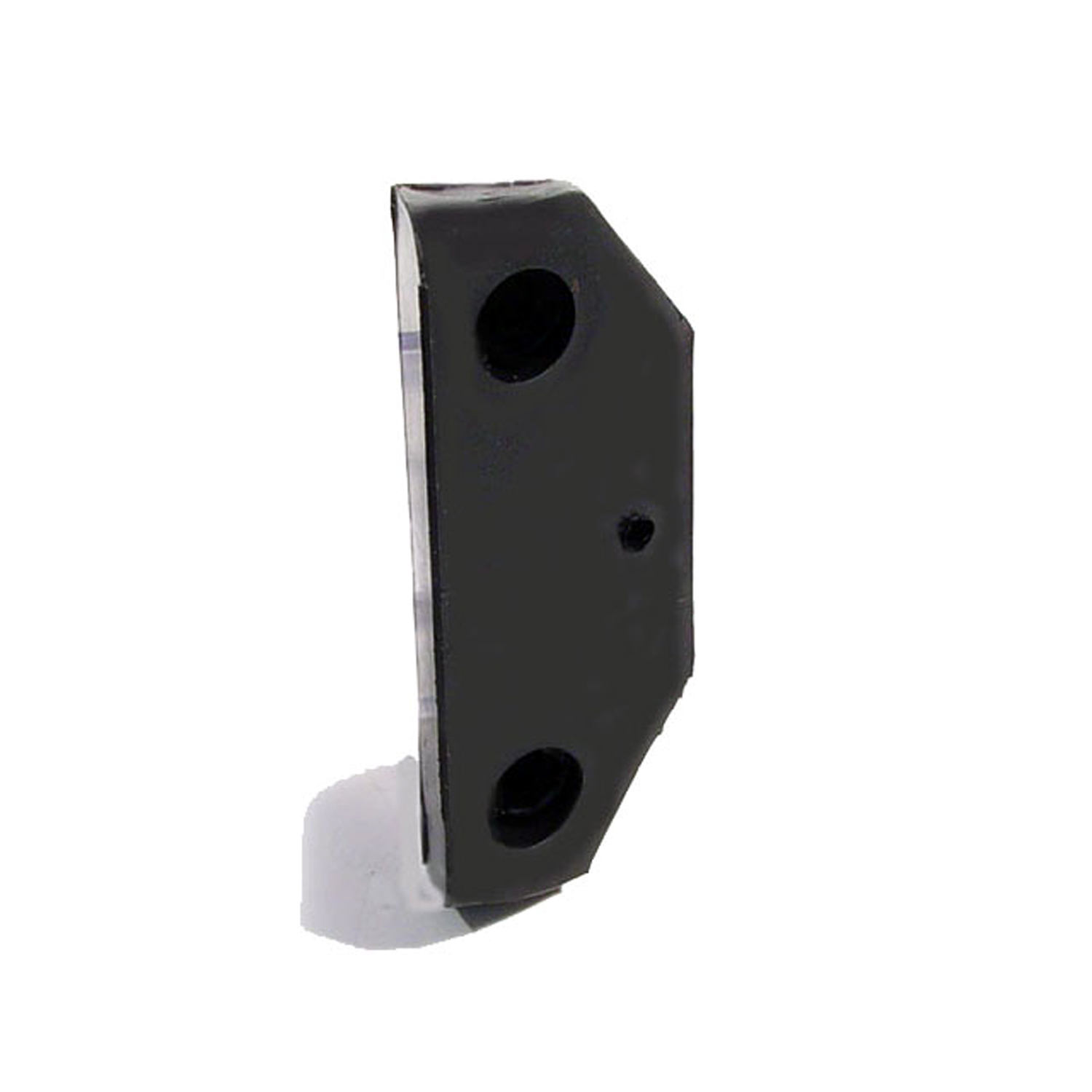 1946 Hudson Pickup Front Hood Bumper. Two used per car. Each-HF 58-AFront Hood Bumper. Two used per car. Each
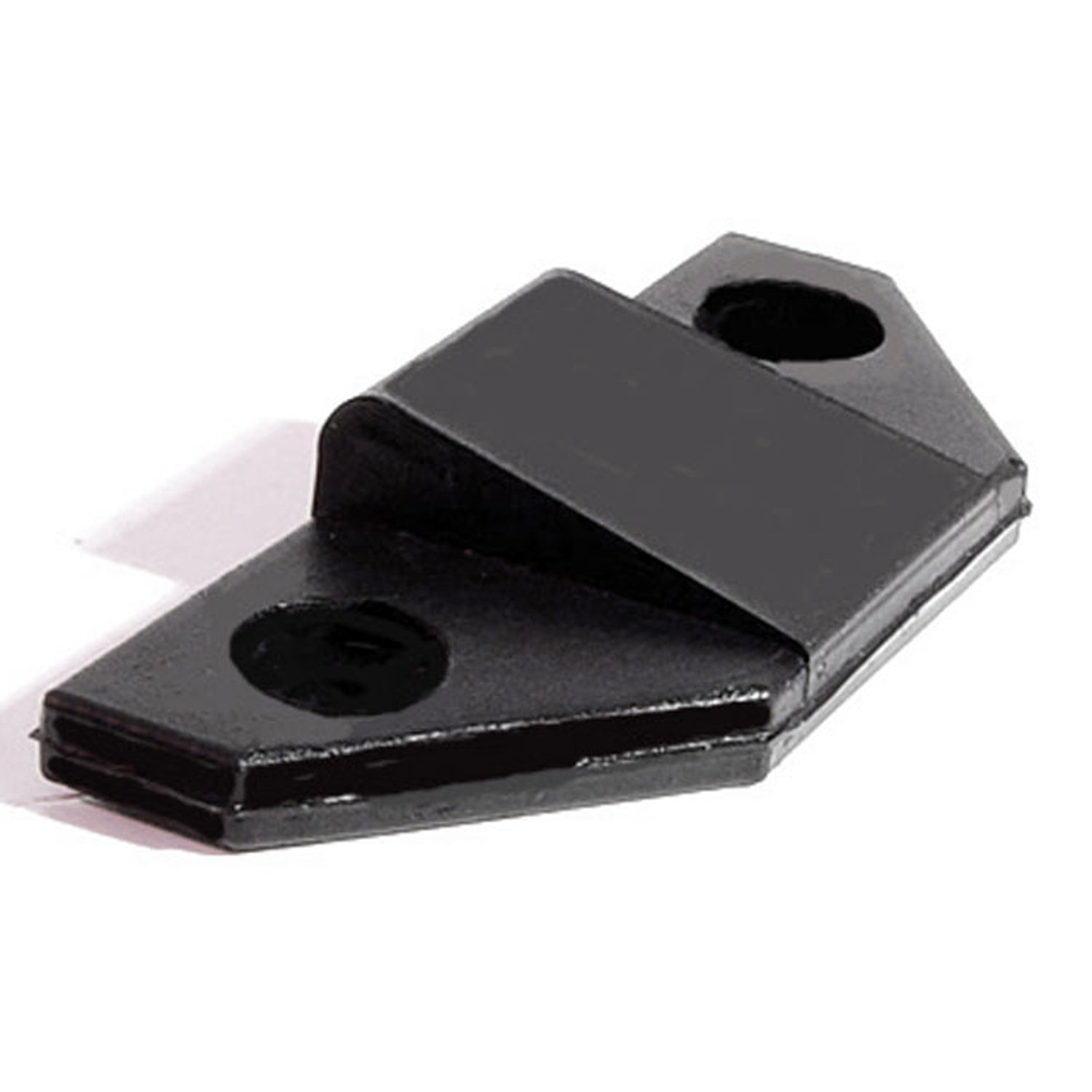 1946 Hudson Pickup Middle hood bumpers. Two used per car. Nice reproduction-HF 58-BMiddle hood bumpers. Two used per car. Nice reproduction. Each.
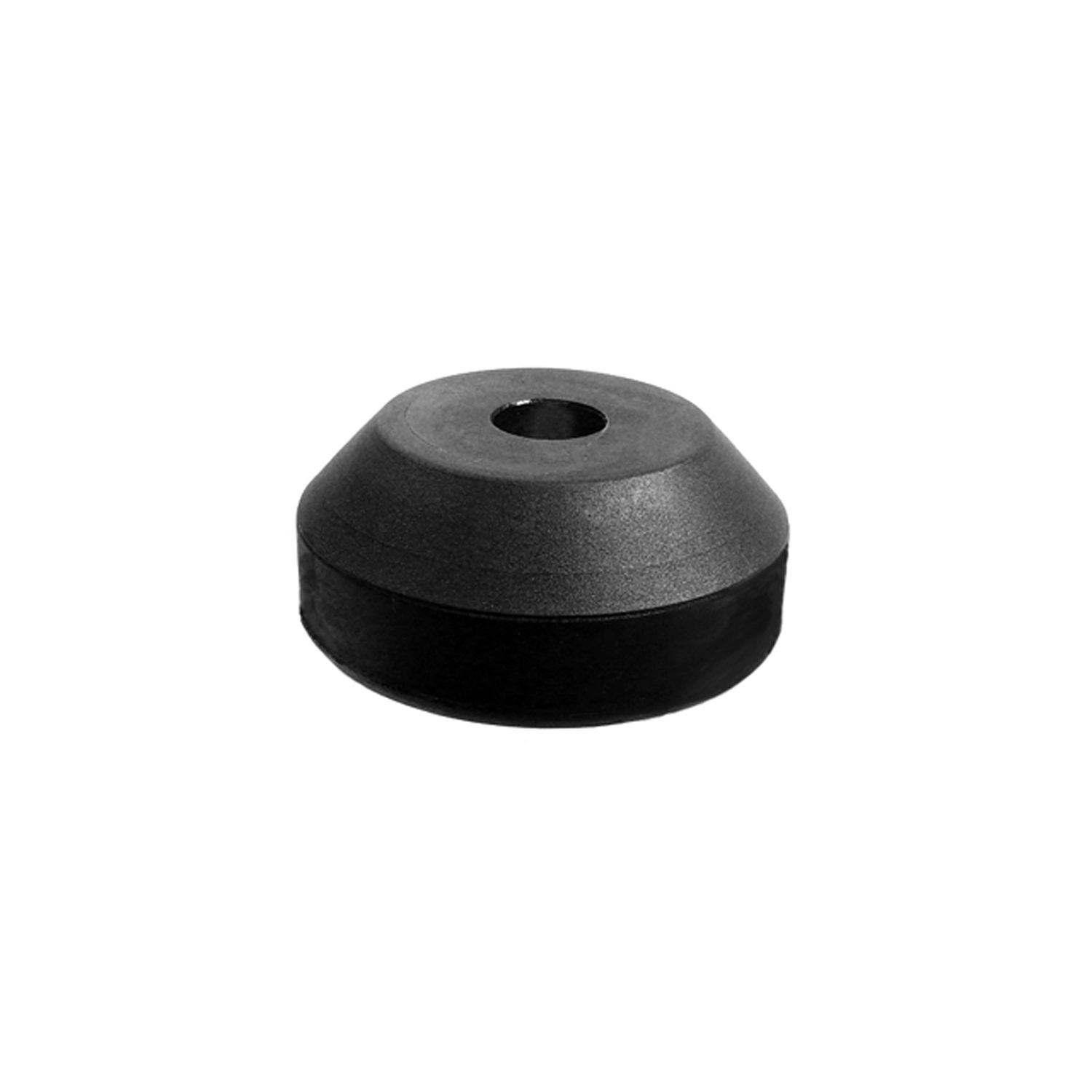 1946 Hudson Pickup Upper Motor Mount. 5/8" I.D., 2-5/8" O.D. Each-MM 7-BUpper Motor Mount. 5/8" I.D., 2-5/8" O.D. Each
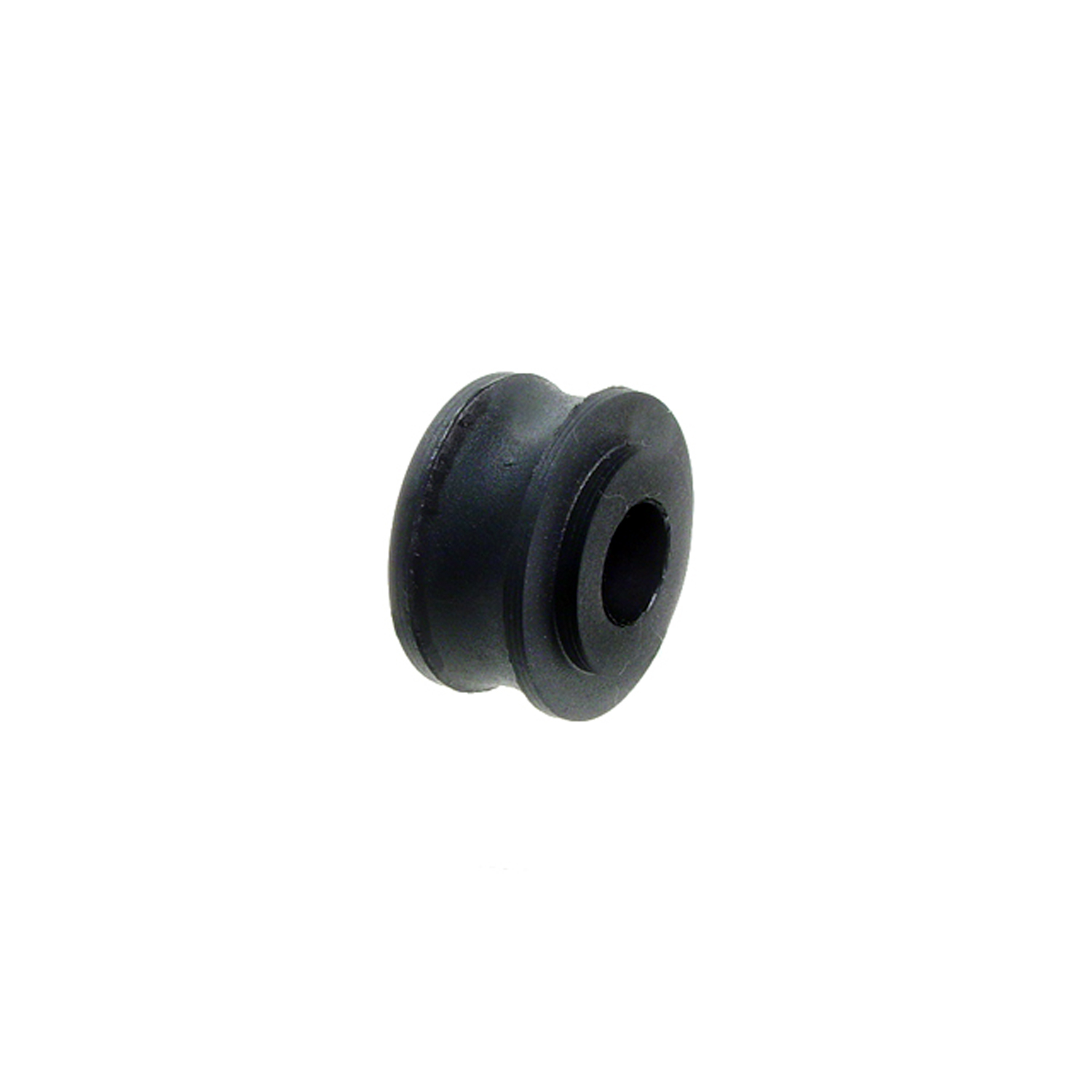 1946 Hudson Pickup Lower Motor Mount. 5/8" I.D., 1-5/8" O.D. Each-MM 7-CLower Motor Mount. 5/8" I.D., 1-5/8" O.D. Each
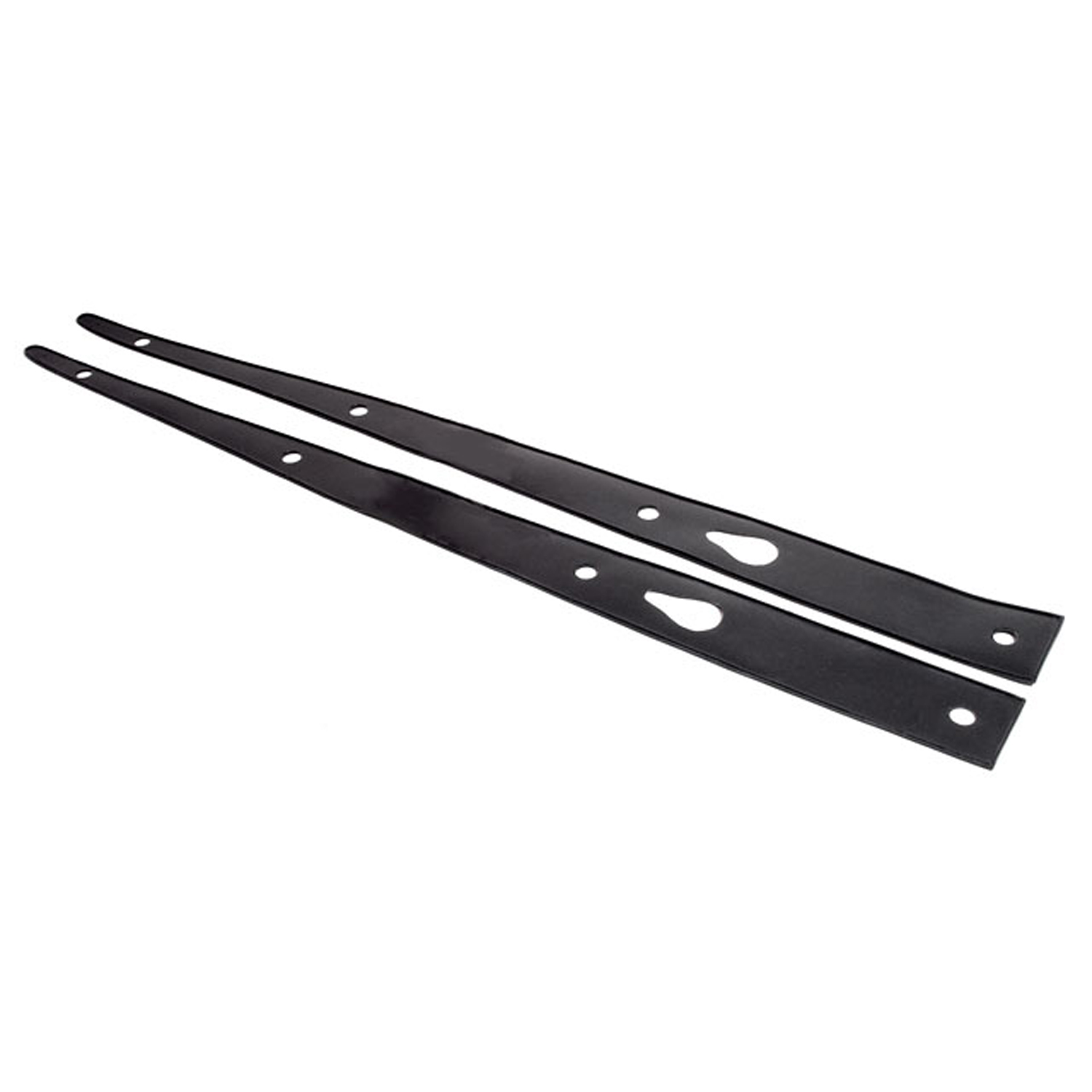 1946 Hudson Pickup Parklight Pads. 2-1/8" X 27-5/8" long. Pair-MP 798-RParklight Pads. 2-1/8" X 27-5/8" long. Pair
 1946 Hudson Pickup Running Board Covers -RB 4551Running Board Covers. Each is made in one piece with proper hollow back to accommodate raised ribs on steel running boards. Pair R&L
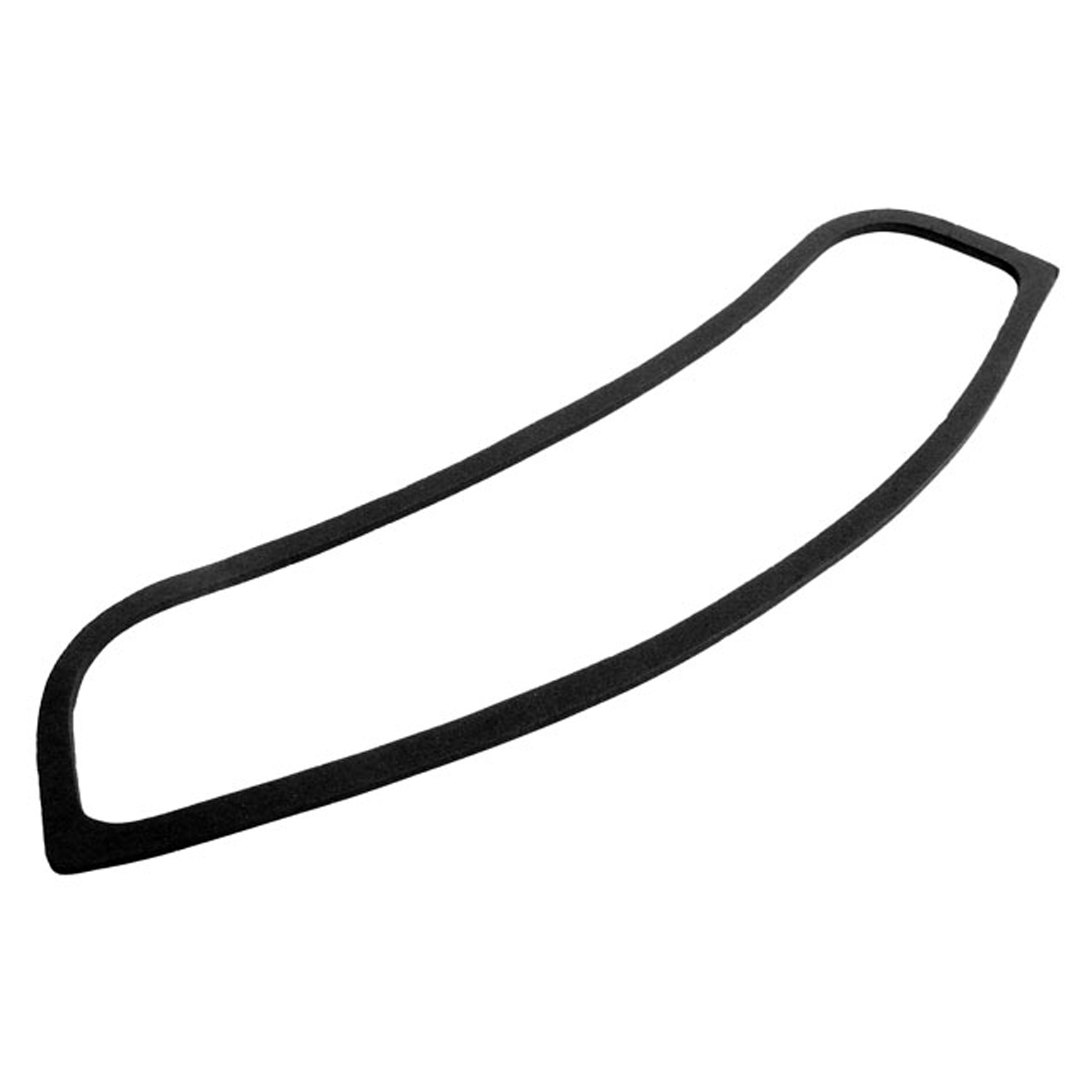 1946 Hudson Pickup Cowl Vent Seal. 4-1/2" wide X 18-1/2" long. Each-RP 100-YCowl Vent Seal. 4-1/2" wide X 18-1/2" long. Each
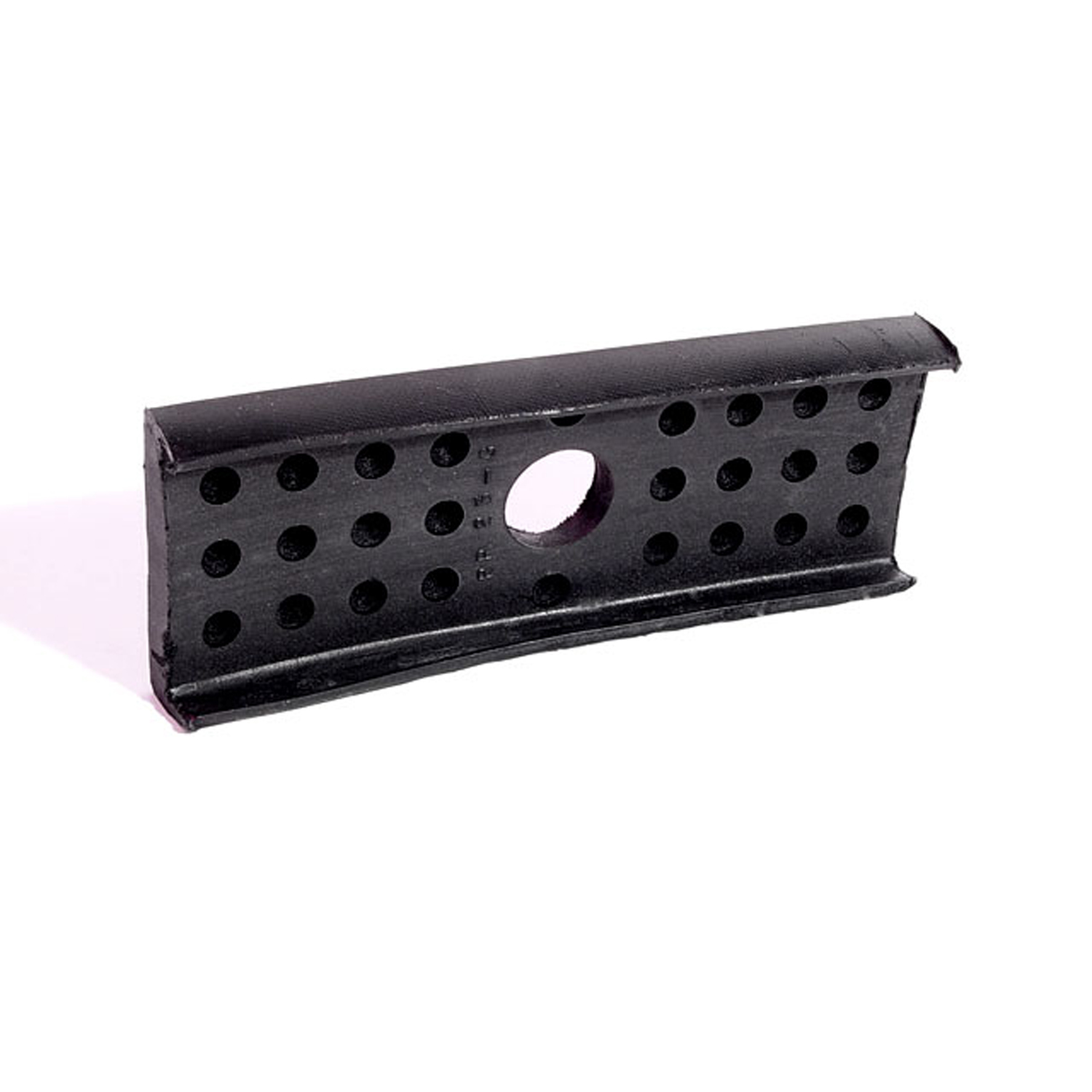 1946 Hudson Pickup Rear Leaf Spring Center Mounting Insulator-RP 23-GRear Leaf Spring Center Mounting Insulator. For all 1-3/4" wide leaf springs. Each
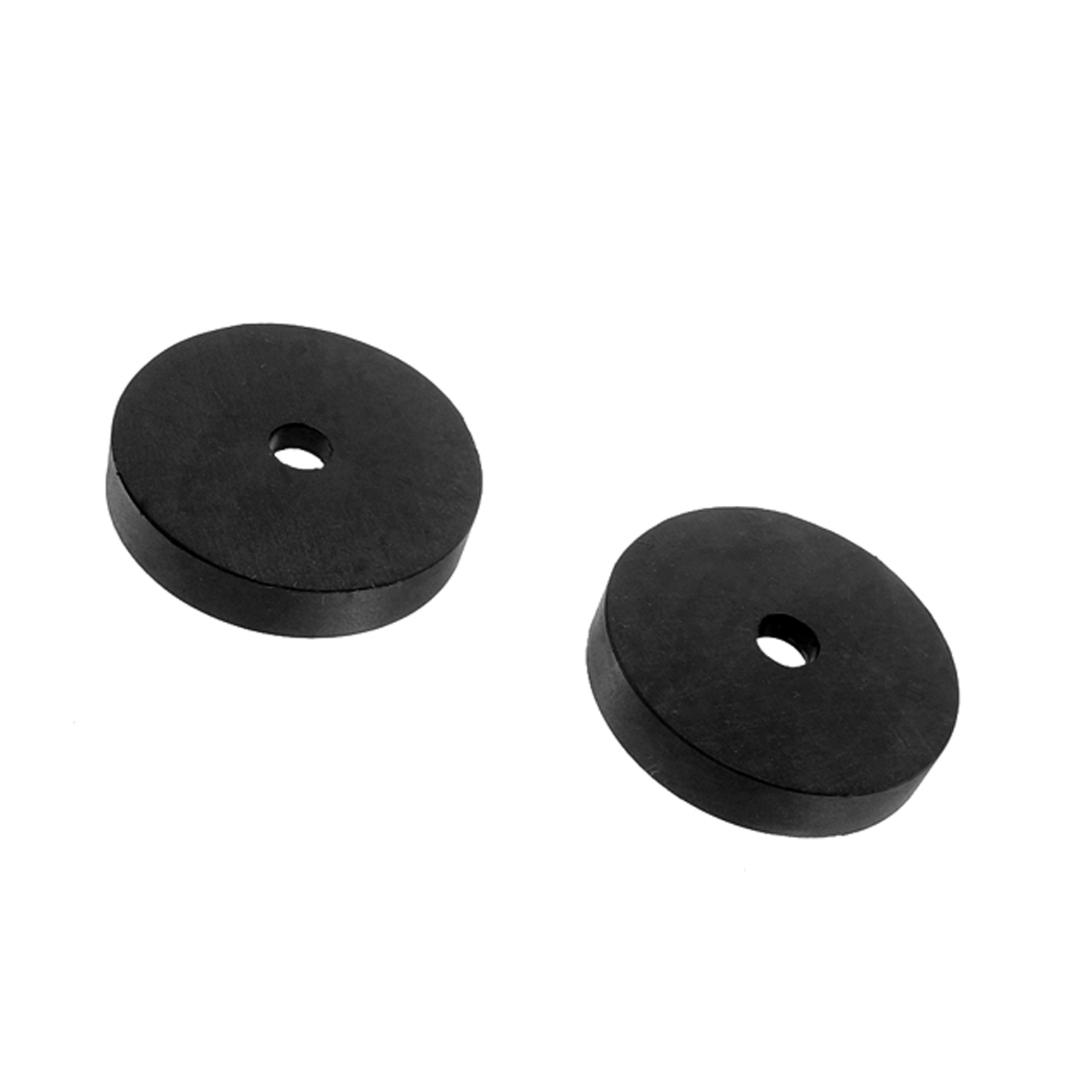 1946 Hudson Pickup Clutch and Brake Seals. Seals fit on a round shaft-RP 31-NClutch and Brake Seals. Seals fit on a round shaft. Made of soft rubber. 2-7/16" O.D., 7/16" I.D. Pair
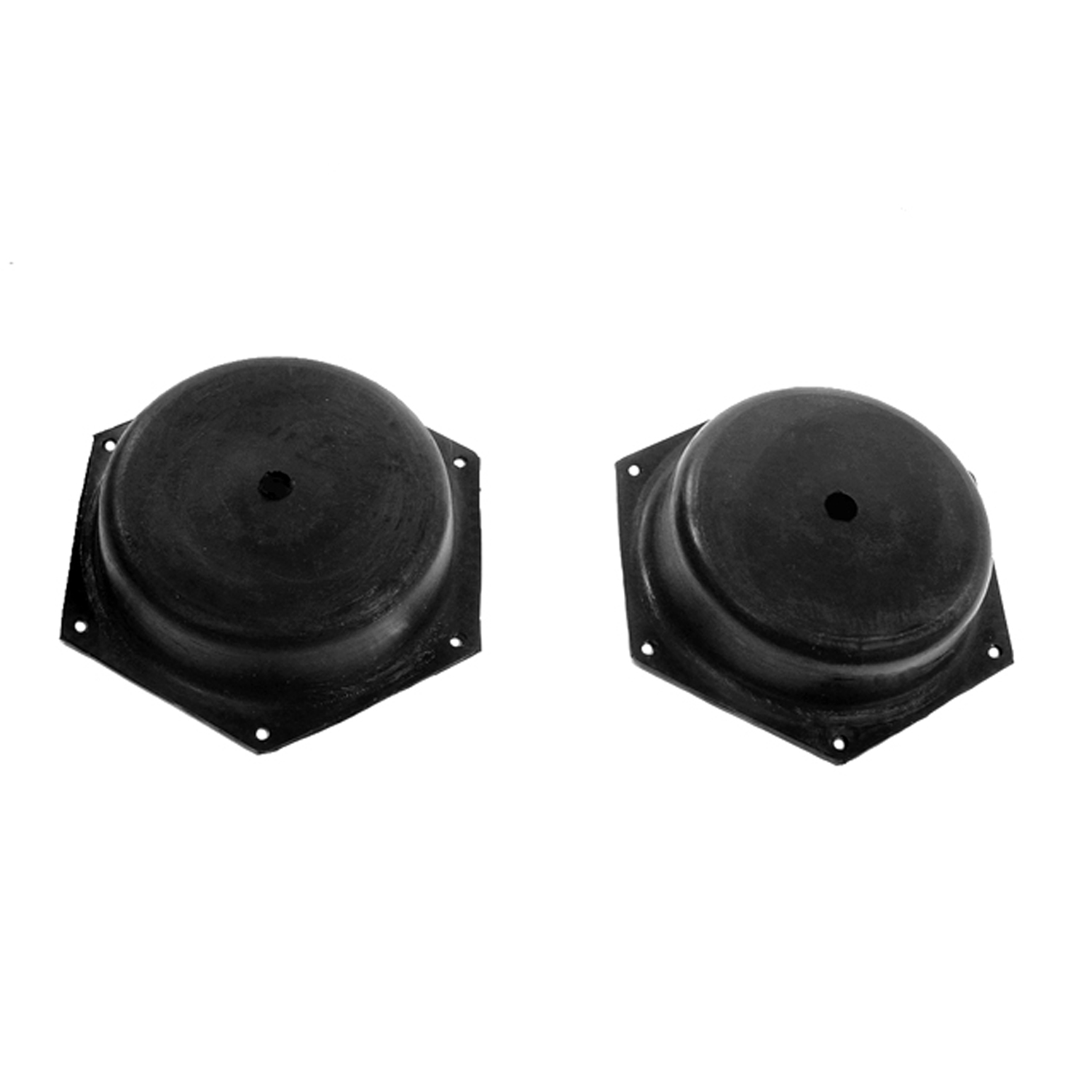 1946 Hudson Pickup Drive Master Electric Shift Vacuum Diaphragm-RP 32-ADrive Master Electric Shift Vacuum Diaphragm. For all models with drive master system for standard transmission. Pair
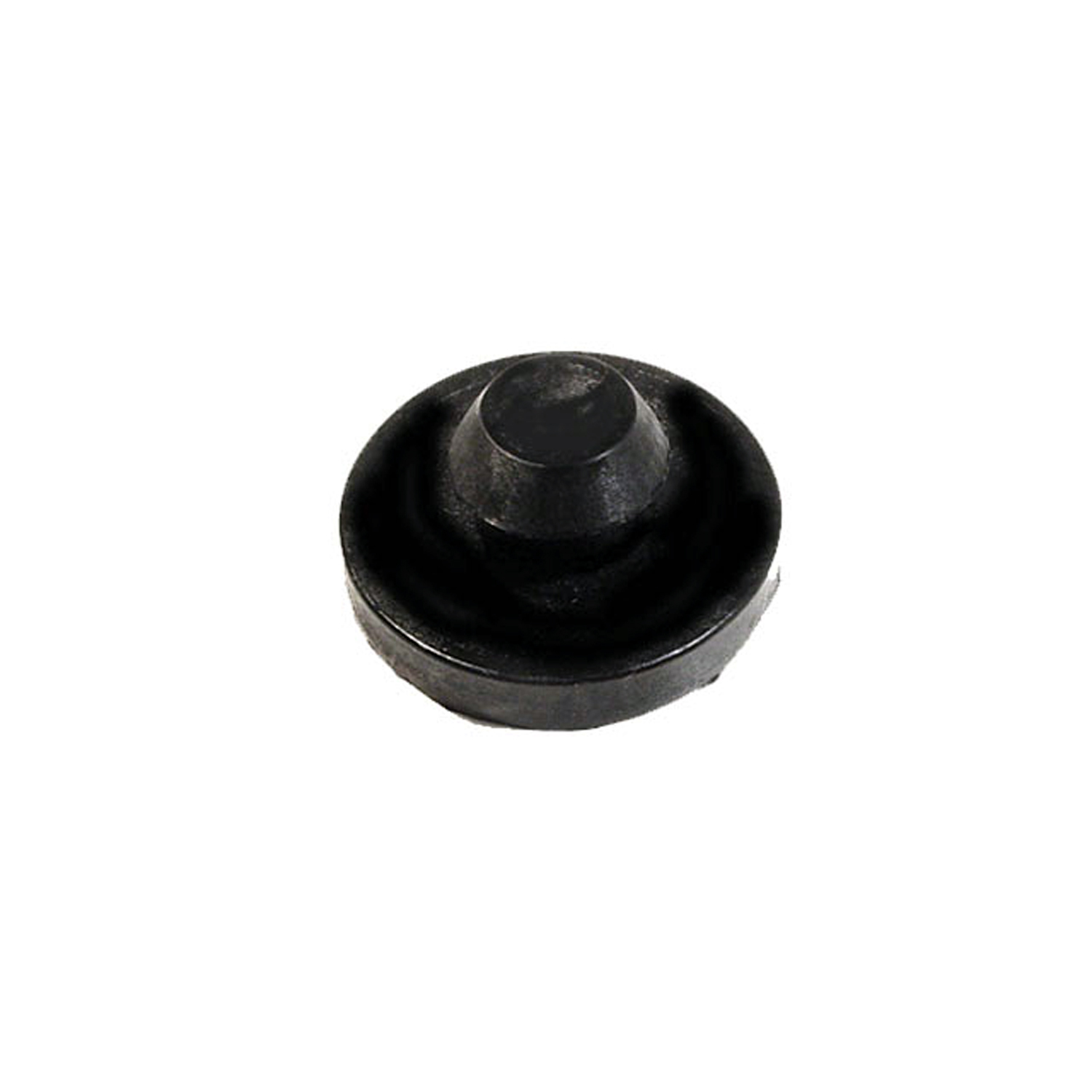 1946 Hudson Pickup Clutch Linkage Cushion. 1/4" top thickness, 1-1/2" O.D-SB 33-AClutch Linkage Cushion. 1/4" top thickness, 1-1/2" O.D. Each
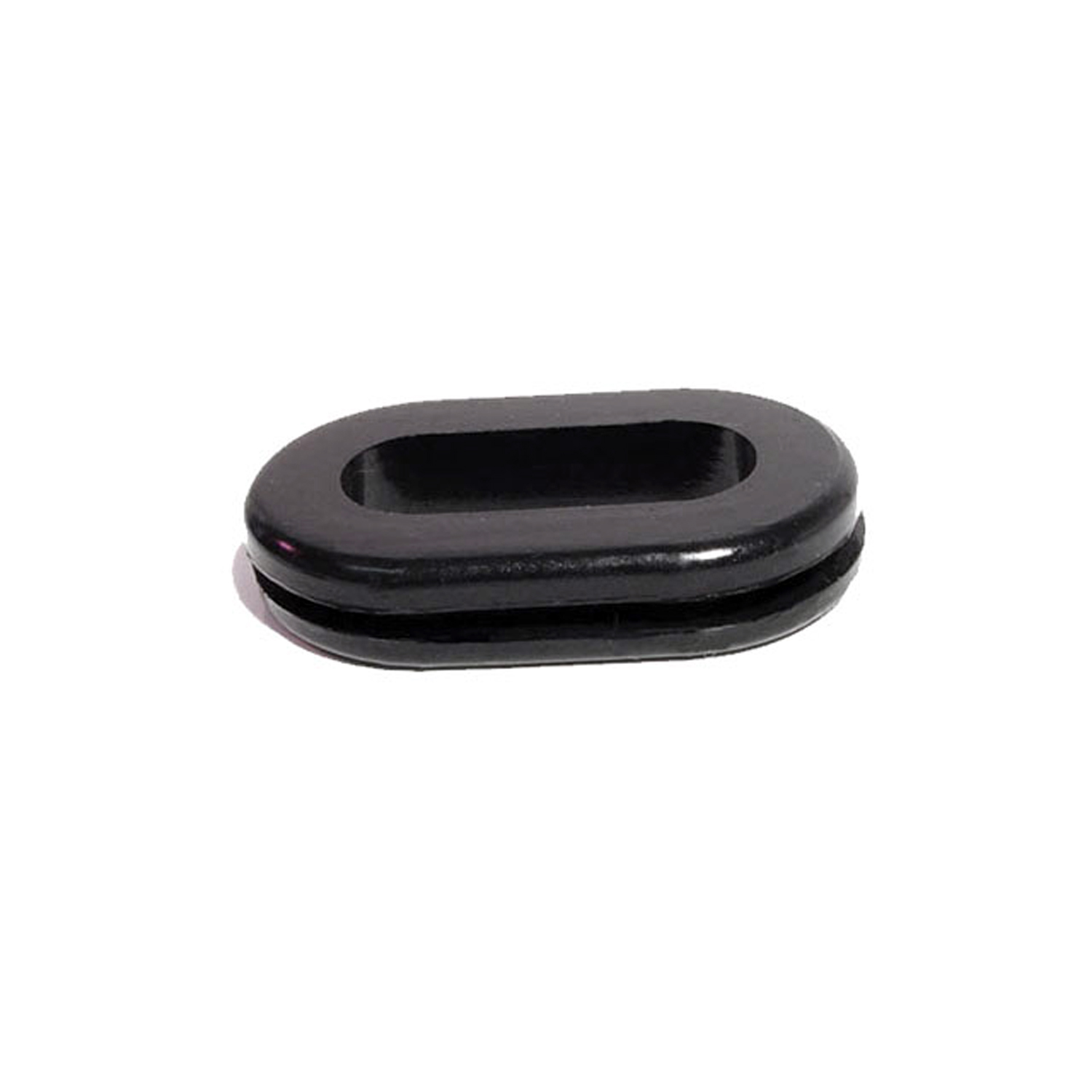 1946 Hudson Pickup Headlight Wire through Fender Grommet. Two used per car-SM 100-AHeadlight Wire through Fender Grommet. Two used per car. 1-1/4" inner slot, 1-7/8" long overall. Each
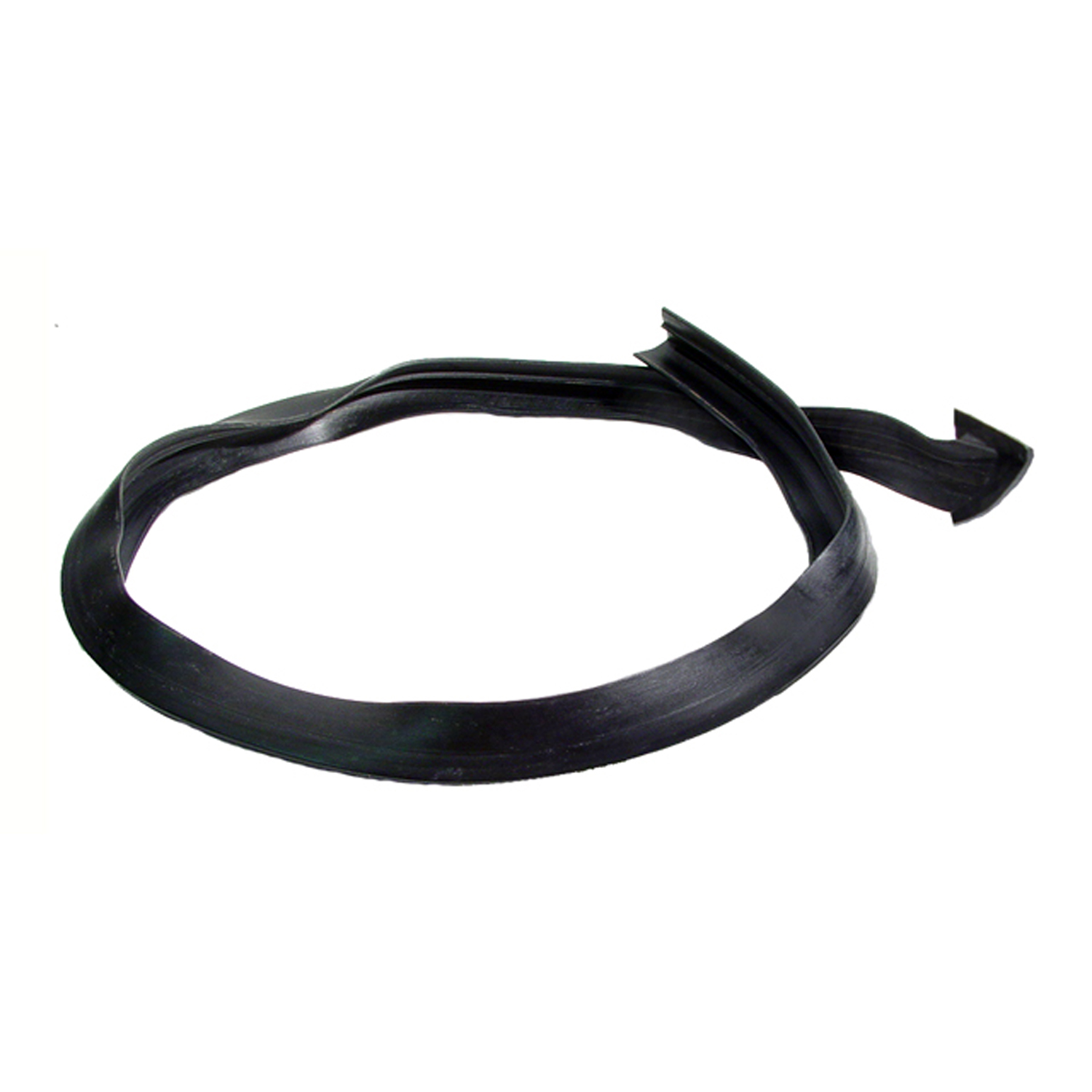 1946 Hudson Pickup Vertical Division Seal-VS 6-AVertical Division Seal. 26" Piece, enough for two front vents. Each
 1946 Hudson Pickup Vertical seal for vent window. Dense rubber. Universal part-VS 6-A/FTVertical seal for vent window. Dense rubber. Universal part. Per foot.
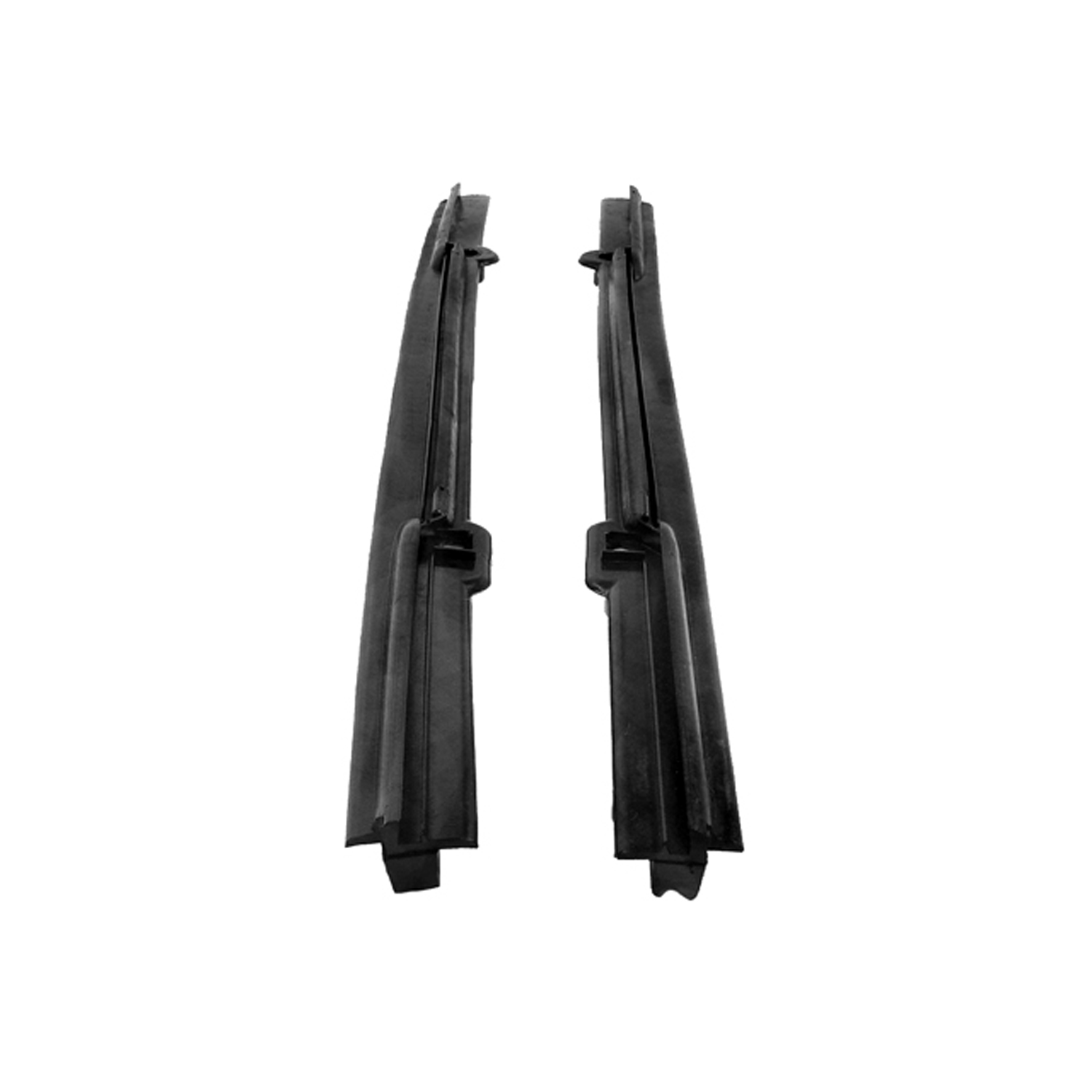 1946 Hudson Pickup Front Vent Window Seals-WR 4500Front Vent Window Seals. For all closed models, not convertibles. Pair R&L
Why Choose Metro?
For over 100 years, Metro Moulded Parts has been the pinnacle of quality in classic car restoration parts. Our commitment to precision and authenticity in every component ensures a perfect fit and an OEM-level appearance.
- Expert Craftsmanship & Quality: Each part is a testament to our dedication to reliability and perfection, crafted from original designs and thoroughly tested.
- Advanced Technology: We use cutting-edge techniques to create flawless, long-lasting parts that surpass others in performance.
- SuperSoft Sponge – The Ultimate Door Seal: Not only are our door seals 30% softer than competitors', but they're also guaranteed to never leak. They effectively reduce wind and road noise, enhancing your classic car's comfort and driving experience.
- Proudly American: Our parts are a product of American craftsmanship, made in the USA with a spirit of excellence and heritage.
- Unrivaled Warranty: We back our products with a 30-year industry-leading warranty, a testament to our confidence in their quality.
Join us in preserving the legacy of classic cars with parts that are crafted for perfection, not just made.