

Image of 1947 Hudson Super 6, Note: These illustrations use artistic license and may differ from actual historical models.
Performance Metrics
Fundamental Metrics
Emotional Appeal
MMP Rating
| Engine Specifications | |
|---|---|
| Engine: | Inline 6 |
| Displacement: | 212 cubic inches |
| Horsepower: | Estimated 102 hp |
| Torque: | 180 lb-ft |
| Compression Ratio: | Estimated 6.5:1 |
| Ignition System: | Distributor and coil |
| Cooling System: | Liquid-cooled |
| Performance Specifications | |
| 0-60 Time: | Information not available |
| 1/4 Mile Time: | Information not available |
| Top Speed: | 80 mph |
| Transmission and Drive | |
| Drive Type: | Rear-wheel drive |
| Transmission Type: | 3-speed manual |
| Fuel and Efficiency | |
| Fuel System Type: | Carburetor |
| MPG: | Information not available |
| Dimensions and Brakes | |
| Brakes: | Drum brakes |
| Wheelbase: | 124 inches |
| Weight: | Estimated 3,200 lbs |
Note: Specifications for classic cars are given to the best of our ability, considering the limited and variant data available.
1947 Hudson Super Six: A Postwar Classic with a Hudson Roar
The 1947 Hudson Super Six arrived when American motorists were eager to trade wartime restraint for fresh chrome, roomy cabins, and confident road manners. Built by the Hudson Motor Car Company in Detroit, it was a substantial, well-equipped six-cylinder car from one of the independent automakers that challenged the industry’s biggest names. Its most intriguing connection is to what came next: the Super Six belonged to Hudson’s prewar-rooted generation, just one year before the radically engineered “step-down” Hudsons made their debut.
Hudson was founded in 1909 with backing from Detroit businessman Joseph L. Hudson, and the company earned a reputation for engineering ambition. The Super Six name had a celebrated history of its own, dating back to an earlier Hudson model known for speed and endurance. The 1947 car was not that record-setting machine, but it carried the name into a different era, when the immediate job was to build comfortable, dependable transportation for a country returning to civilian life.
1947 Hudson Super Six Styling and Interior
The Super Six had the substantial, streamlined look common to late-1940s American cars. Its long hood flowed into rounded front fenders, while the body sides carried a smooth, uninterrupted sweep toward the rear. A broad, bright grille and generous chrome trim gave the nose a formal presence without making it look overly ornate. Hudson’s styling felt lower and more integrated than that of many upright prewar designs, though the car still had separate-chassis construction and should not be confused with the lower, structurally integrated “step-down” models introduced for 1948.
Inside, the Super Six was designed for comfortable family travel. Depending on body style and trim, buyers could find cloth or broadcloth upholstery, patterned door panels, a wide bench seat, and a straightforward dashboard with clear, period-style instruments. Higher-grade trim and optional equipment could add a richer finish. The cabin emphasized space and comfort rather than sporty details, and its broad seating made the Hudson well suited to long trips.
Exterior paint choices varied by series, production details, and market. Period Hudsons could be ordered in colors such as black, dark blue, green, gray, and maroon, with availability differing from car to car. Dark, formal shades were especially fitting for the Super Six’s substantial appearance. Buyers could also choose different interior and exterior combinations, so surviving cars do not all share one standard color scheme.
Hudson offered the Super Six in practical sedan and coupe forms, with exact model and trim availability varying across the lineup. Four-door sedans appealed to families, while two-door coupes offered a sleeker profile and a more personal-car feel. The sedan is the familiar, usable choice today; the coupe tends to draw attention for its more distinctive silhouette. Hudson’s broader 1947 range also included the better-appointed Commodore models, so not every Hudson with similar styling is a Super Six.
Engineering Before the Step-Down Revolution
The Super Six’s defining mechanical feature was its 212-cubic-inch L-head inline-six. Period specifications generally list output at about 102 horsepower, delivered through a three-speed manual transmission. That was respectable power for a large family car of its time, though the Hudson was built to cruise comfortably rather than sprint like a sports car.
Buyers could equip some Hudsons with conveniences such as overdrive or Drive-Master. Drive-Master used a vacuum-operated clutch system to reduce the work involved in changing gears, but it was not a modern fully automatic transmission. These options made the car easier to use on longer journeys, especially for drivers who wanted a break from constant clutch operation.
The 1947 Super Six is historically interesting partly because of what it was not. It was not yet a step-down Hudson. For 1948, Hudson introduced a new body structure that placed passengers lower within the frame, helping create a notably low center of gravity and a strong, distinctive road feel. The Super Six came from the generation immediately before that landmark design, making it a useful snapshot of Hudson’s pre-revolutionary engineering and styling.
Road Performance and Driving Feel
Exact performance figures vary with body style, condition, gearing, and test methods, but a sound 1947 Super Six could reach roughly 85 to 90 mph. A 0-to-60-mph time in the neighborhood of 18 to 22 seconds is a reasonable period-car estimate. Today, those numbers are best understood as context, not a promise for every surviving example. A worn engine, modern traffic, or tall gearing can change the experience considerably.
On the road, the Hudson’s six-cylinder engine delivers a steady, low-pitched hum rather than a sharp, high-revving note. Acceleration is measured and relaxed. The three-speed manual asks the driver to plan gear changes, while the large steering wheel and broad hood give the car a distinctly prewar-style driving position. Braking and steering feel are also very different from those of a modern car, so a careful owner leaves generous room and avoids treating the Hudson like contemporary traffic equipment.
The suspension is tuned for comfort, and the car’s mass helps it settle over ordinary road imperfections. It can feel composed on a straight highway, but its size and age become more apparent on narrow, winding roads. Expect body lean in quick corners and a slower response than a modern sedan. A properly maintained Super Six is most enjoyable at a calm touring pace, where its quiet cabin, soft ride, and relaxed engine character can shine.
Owning and Maintaining a 1947 Hudson
Most Super Sixes today are used as show cars, parade vehicles, weekend tourers, or members of a collection. Some are driven regularly, but a 1947 car needs more attention than a modern daily driver. Age-related concerns can include deteriorated wiring, cooling-system wear, brake problems, fuel-system issues, and corrosion in the body, frame, or floor structure. Before buying, inspect the underside carefully and confirm that the engine, transmission, brakes, and electrical system have been maintained.
The basic inline-six is mechanically understandable to a skilled home mechanic, and many routine service jobs rely on familiar principles: ignition tuning, carburetor adjustment, fluid changes, and mechanical brake work. That does not mean every repair is simple. Hudson-specific trim, body parts, and some mechanical components can take time to locate, and specialist knowledge is valuable for a high-quality restoration. Parts-club networks and marque specialists can make ownership far easier than searching alone.
Hudson Super Six Facts and Common Mix-Ups
A frequent point of confusion is the relationship between the 1947 Super Six and later Hudson performance cars. The Super Six name had a long heritage, but the famous Hudson Hornet racers of the early 1950s were later cars with different engineering and competition histories. The 1947 model should be appreciated on its own terms as a comfortable postwar Hudson, not credited with records set by another generation.
Another common mix-up is calling every rounded, low-looking Hudson a step-down. The 1947 Super Six predates that celebrated 1948 redesign. Its significance lies in being part of the transition: a polished, conventional-chassis Hudson produced just before the company made one of the era’s most memorable changes to passenger-car construction.
There is no single widely recognized celebrity ownership story or major speed record that defines the 1947 Super Six. Its appeal is more grounded: it represents a small but ambitious American manufacturer rebuilding for a booming postwar market. It also offers collectors a chance to own a distinctive Hudson without buying one of the considerably more famous later Hornets.
1947 Hudson Super Six Collector Values
Exact production totals for individual Hudson series and body styles can be difficult to pin down from commonly available summaries. As a working estimate rather than a factory-certified figure, roughly 30,000 to 40,000 Super Sixes may have been built for the 1947 model year. The number surviving in usable condition is much smaller, and specific body styles, original parts, and documentation can make a particular car harder to find.
As a broad 2026 U.S. market estimate, a project car may sell for about $5,000 to $10,000, while a running driver or decent older restoration may fall around $10,000 to $25,000. A very clean, carefully restored example could reach roughly $25,000 to $40,000 or more, depending on body style, originality, workmanship, and market conditions. These are general ranges, not an appraisal: a poorly documented car with hidden rust can be worth far less than its appearance suggests.
Values for postwar Hudsons have generally been more moderate than for the best-known American classics, with condition and restoration quality carrying much of the weight. The Super Six is not a guaranteed investment, and asking prices can differ substantially from completed sale prices. Buyers should compare recent sales of similar body styles and prioritize sound structure, mechanical condition, and authentic details over an expensive restoration that may not be fully reflected in resale value.
Why the 1947 Hudson Super Six Still Matters
The 1947 Hudson Super Six combines handsome late-1940s styling, a durable 212-cubic-inch inline-six, and the comfort expected of a full-size American car. It captures the optimism of the postwar period while sitting at an important crossroads in Hudson history, just before the company’s landmark step-down design changed the conversation about how a passenger car could be built.
For collectors, it offers more than chrome and nostalgia. It is a reminder that innovation often arrives in stages, and that a capable, characterful car can be historically important even without a racing trophy or a record-breaking headline. Take a Super Six onto a quiet road, let its straight-six settle into its steady rhythm, and Hudson’s independent spirit becomes wonderfully easy to understand.
1947 Hudson Super 6 Catalog of Parts
 1947 Hudson SUPER 6 Accessory Floor Mat - 12"X17"-AC 35Accessory Floor Mat - made of high quality black rubber with molded original emblem. Also designed to be sewn into new carpets. 12"X17", Each
 1947 Hudson SUPER 6 Accelerator Pedal Pad, 2-5/8" X 9", Each-AP 23Accelerator Pedal Pad, 2-5/8" X 9", Each
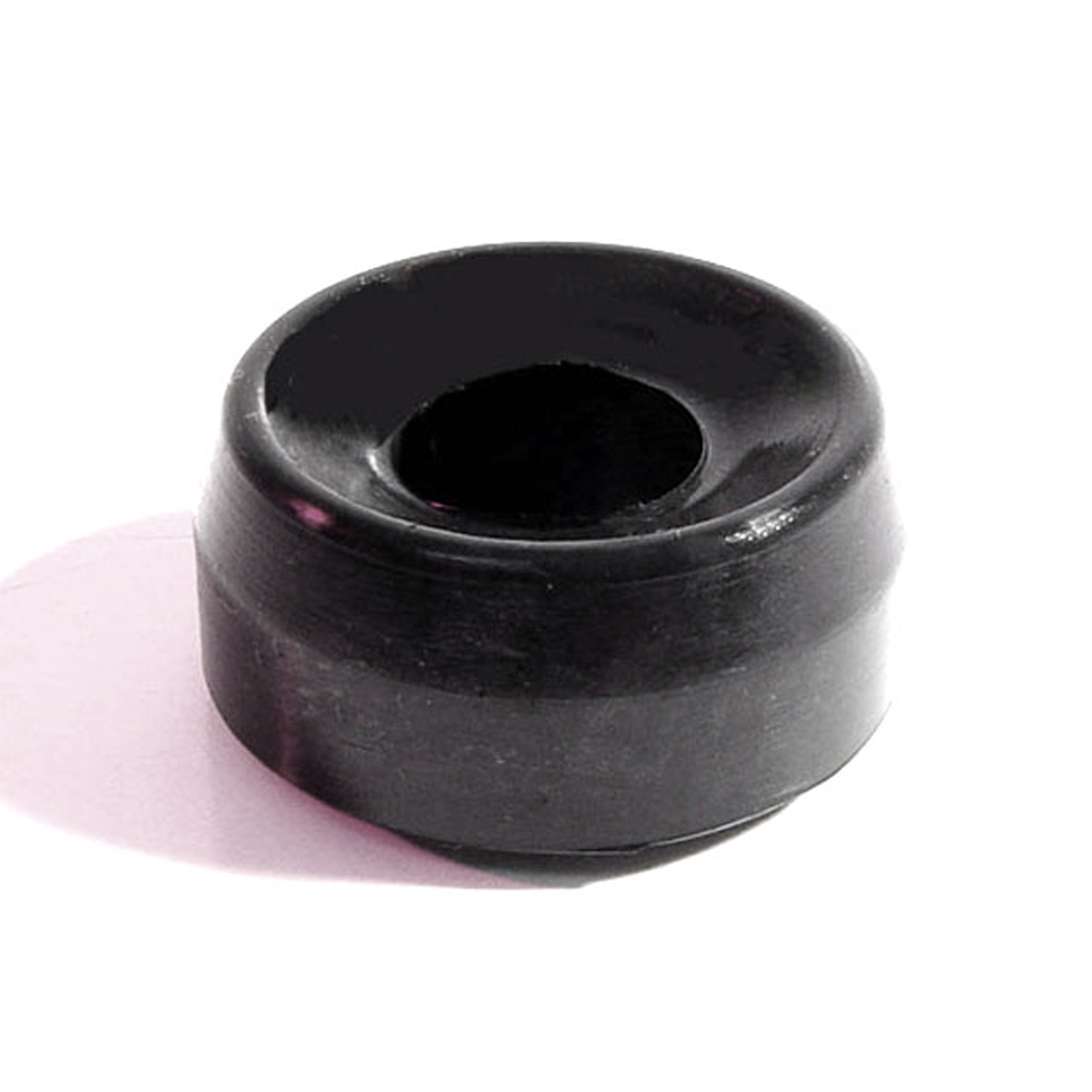 1947 Hudson SUPER 6 Rear Stabilizer Bushing. Each-BN 4-HRear Stabilizer Bushing. Each
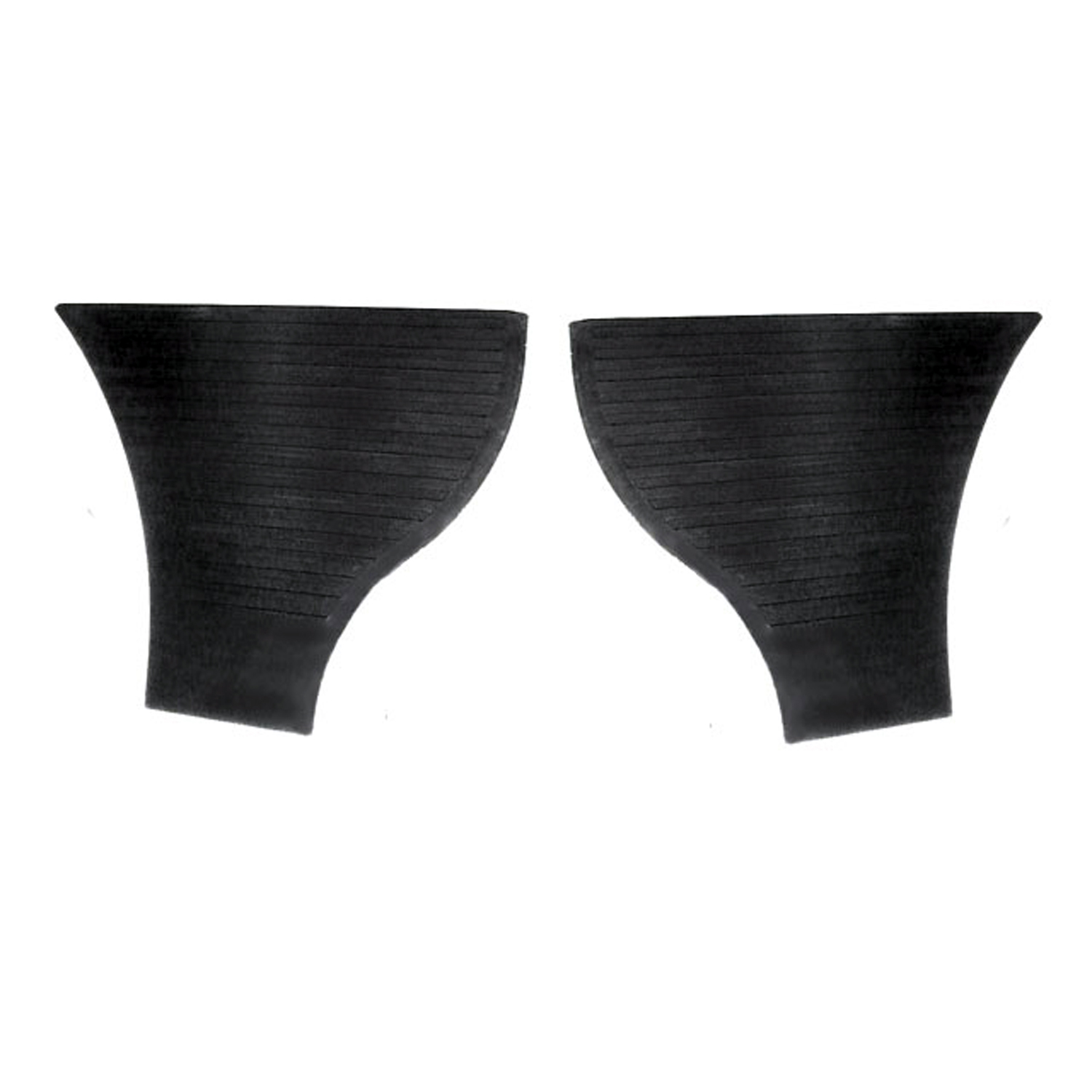 1947 Hudson SUPER 6 Gravel Shields. Molded flat, but will conform to curves-FS 36Gravel Shields. Molded flat, but will conform to curves. 10-1/2" long X 12-1/4" wide at top and 4-1/2" wide at bottom. Pair
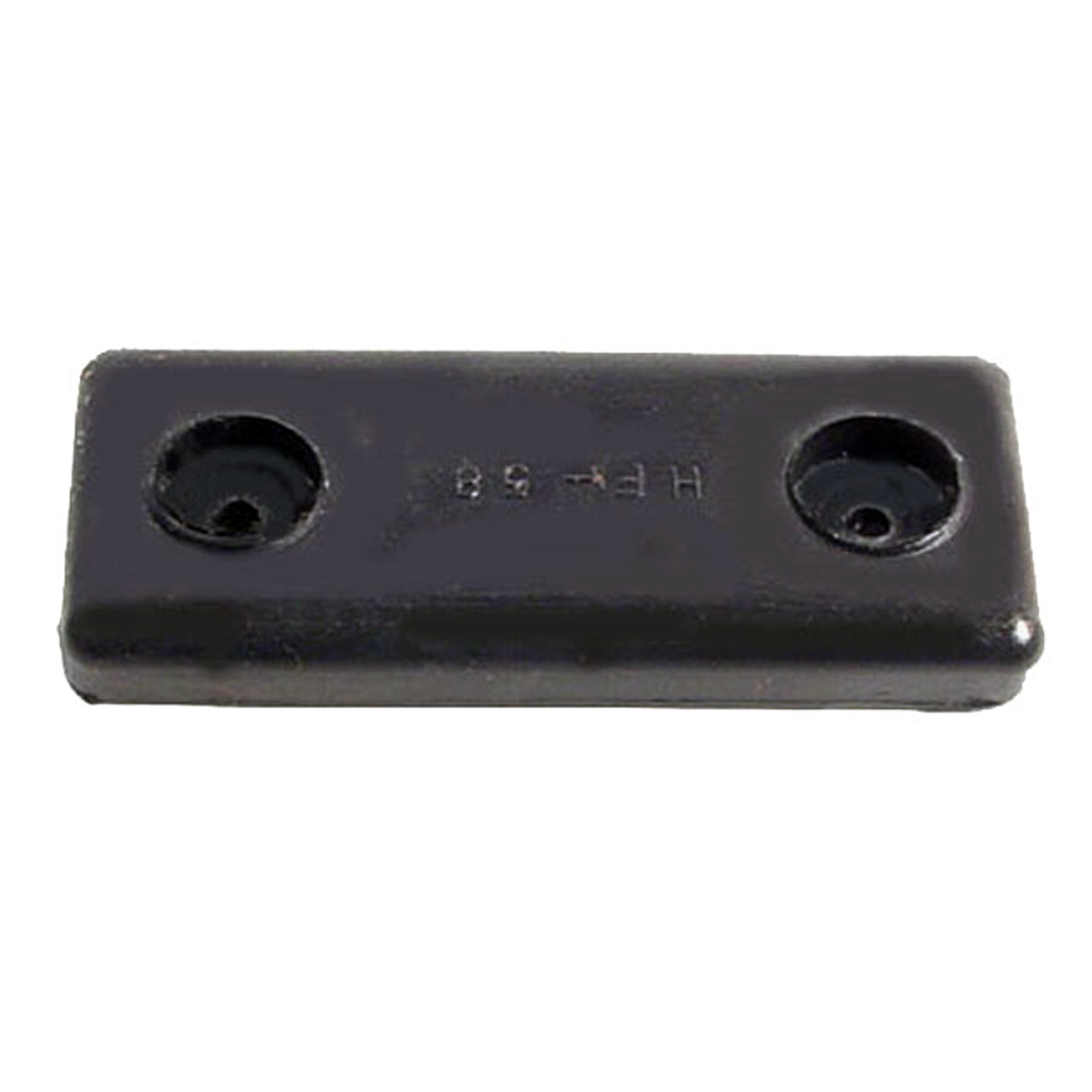 1947 Hudson SUPER 6 Rear hood bumper. Fits on cowl. Made with washers-HF 58Rear hood bumper. Fits on cowl. Made with washers. Two used per car. Each.
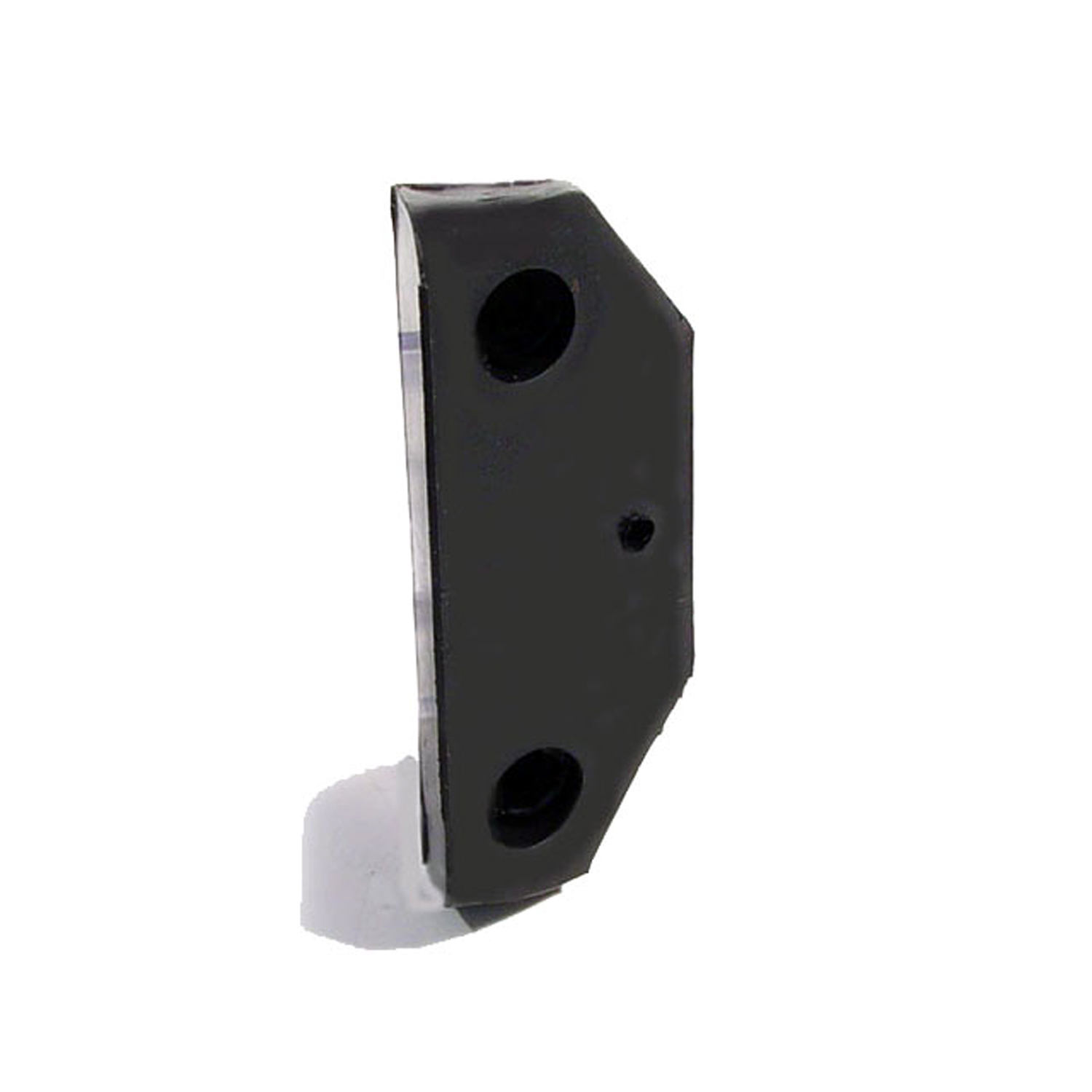 1947 Hudson SUPER 6 Front Hood Bumper. Two used per car. Each-HF 58-AFront Hood Bumper. Two used per car. Each
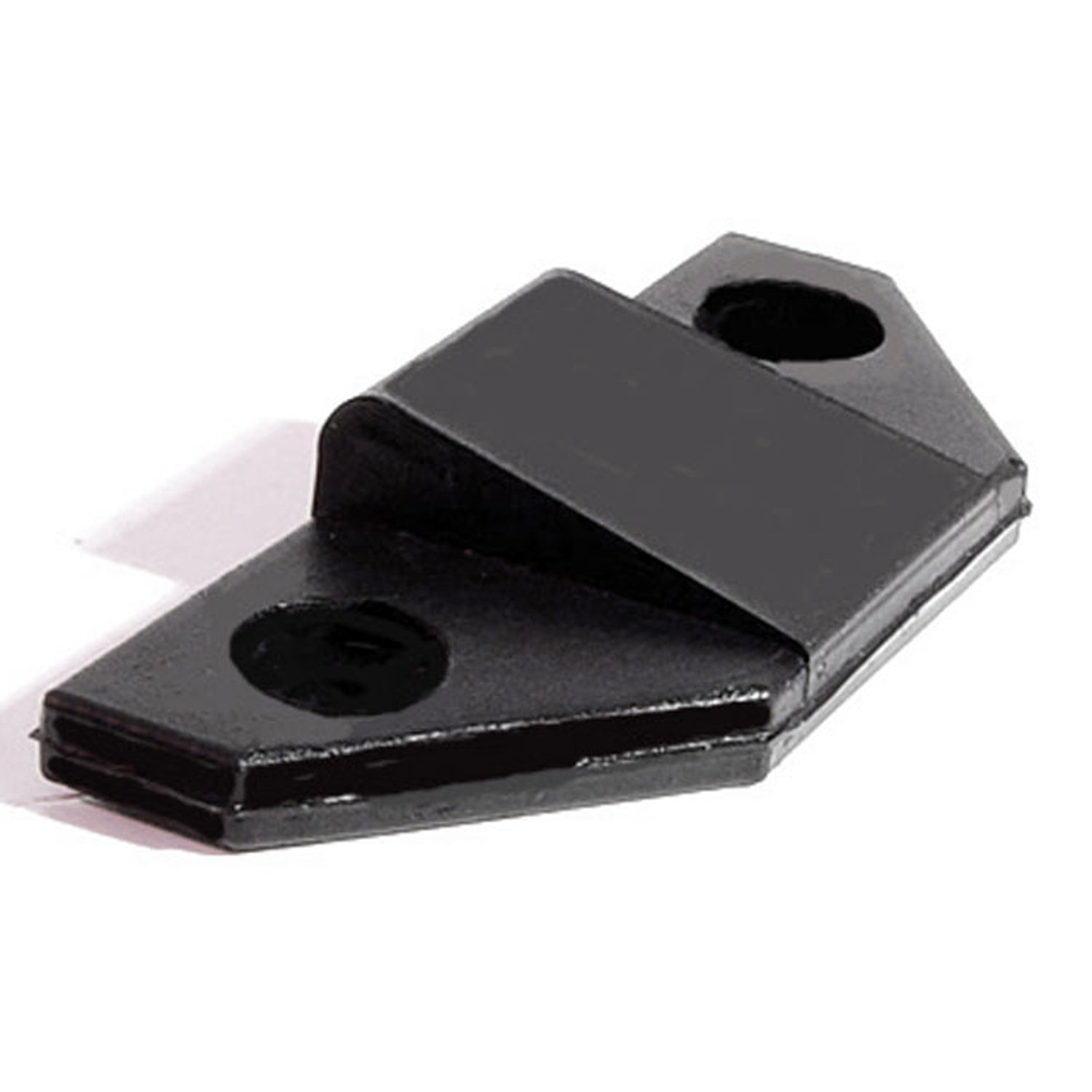 1947 Hudson SUPER 6 Middle hood bumpers. Two used per car. Nice reproduction-HF 58-BMiddle hood bumpers. Two used per car. Nice reproduction. Each.
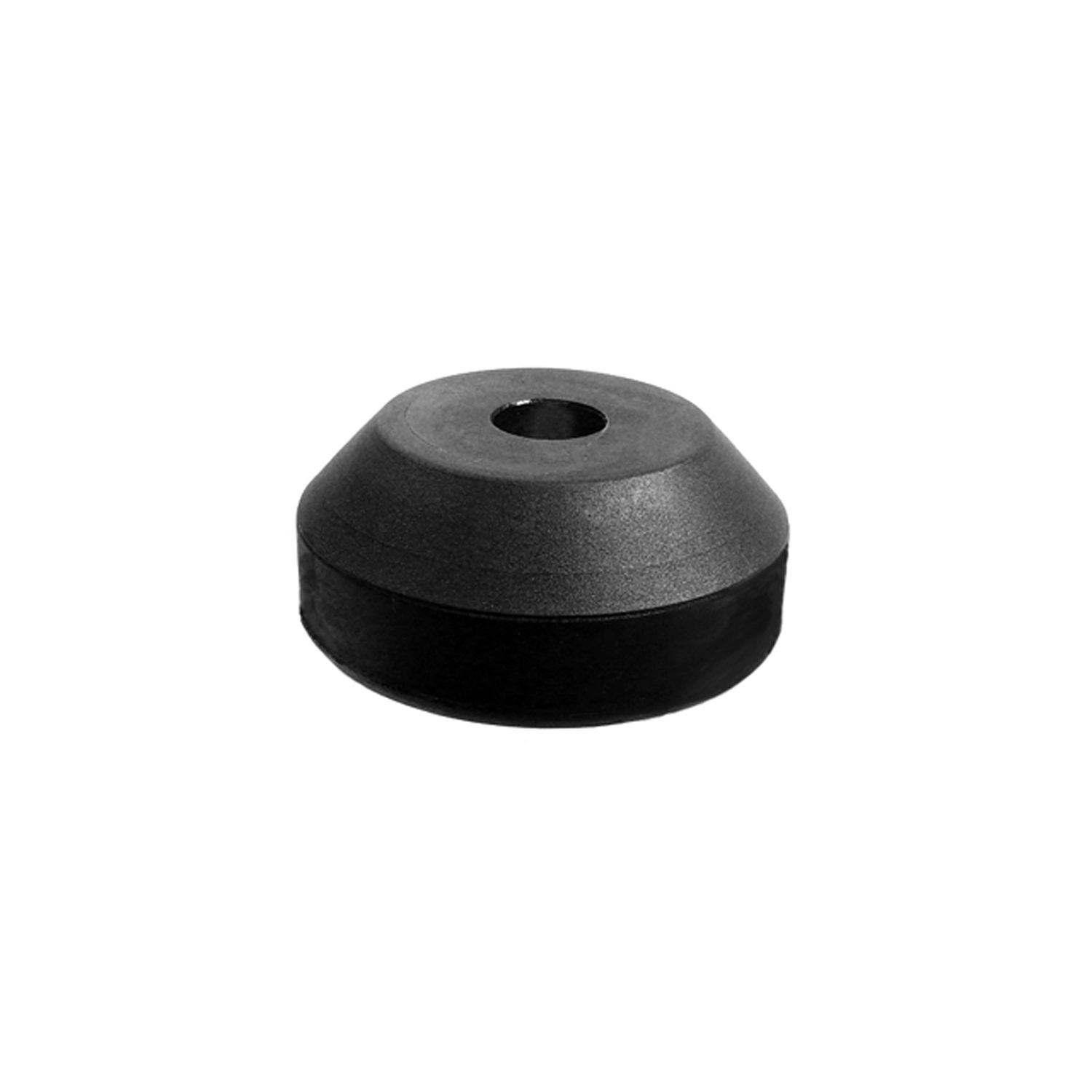 1947 Hudson SUPER 6 Upper Motor Mount. 5/8" I.D., 2-5/8" O.D. Each-MM 7-BUpper Motor Mount. 5/8" I.D., 2-5/8" O.D. Each
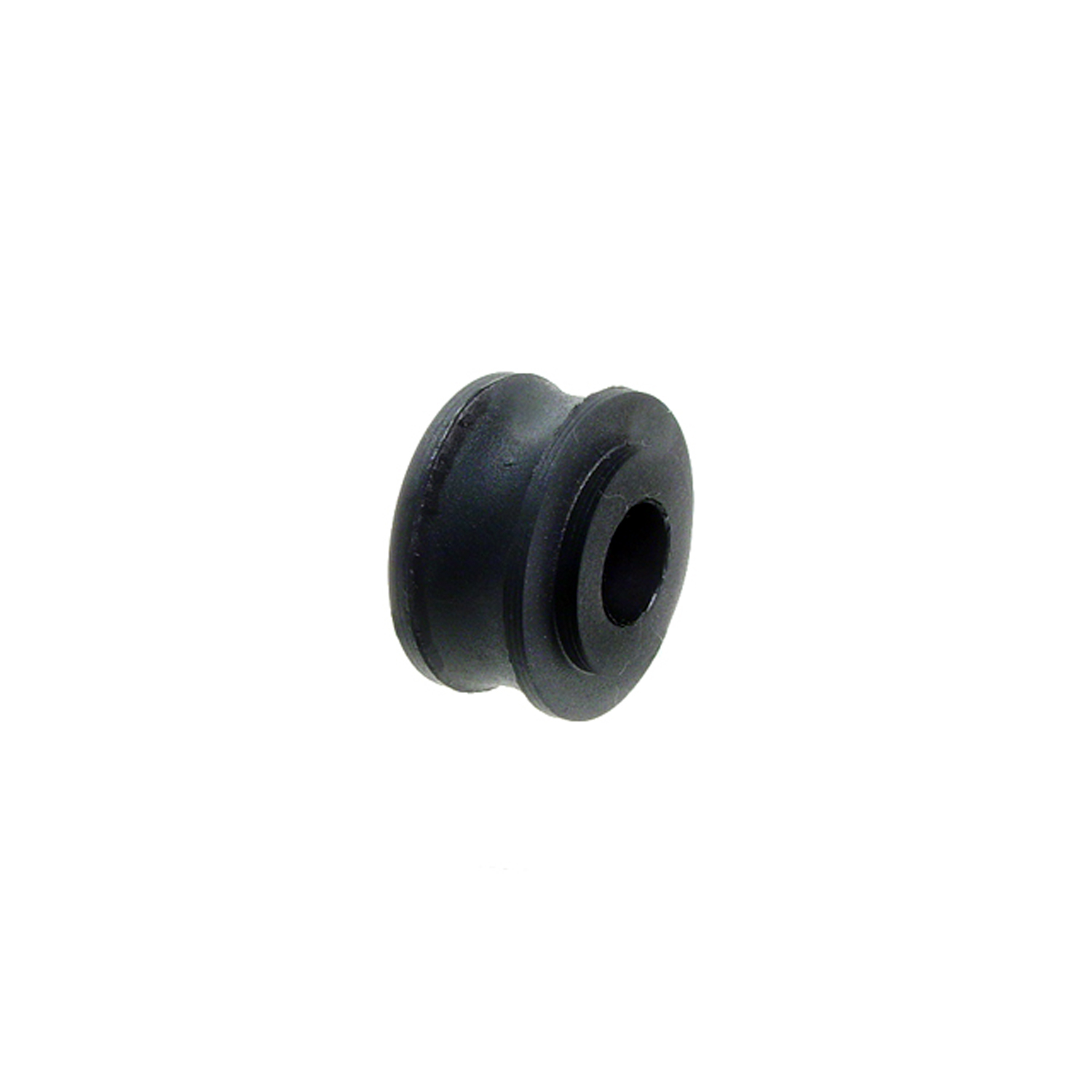 1947 Hudson SUPER 6 Lower Motor Mount. 5/8" I.D., 1-5/8" O.D. Each-MM 7-CLower Motor Mount. 5/8" I.D., 1-5/8" O.D. Each
 1947 Hudson SUPER 6 Tail-light Pads. 4-7/8" long X 4-7/8" wide. Pair R&L-MP 798-ITail-light Pads. 4-7/8" long X 4-7/8" wide. Pair R&L
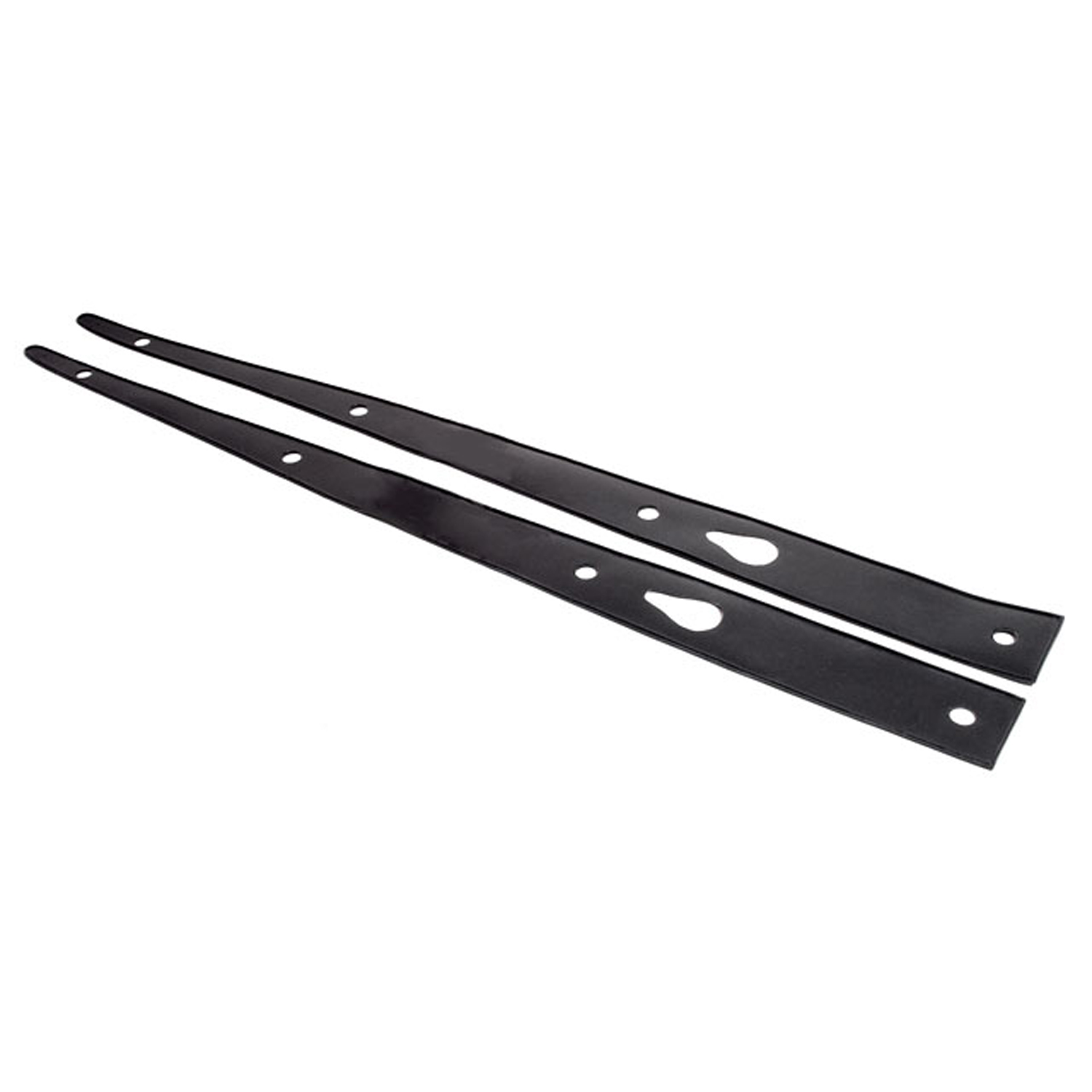 1947 Hudson SUPER 6 Parklight Pads. 2-1/8" X 27-5/8" long. Pair-MP 798-RParklight Pads. 2-1/8" X 27-5/8" long. Pair
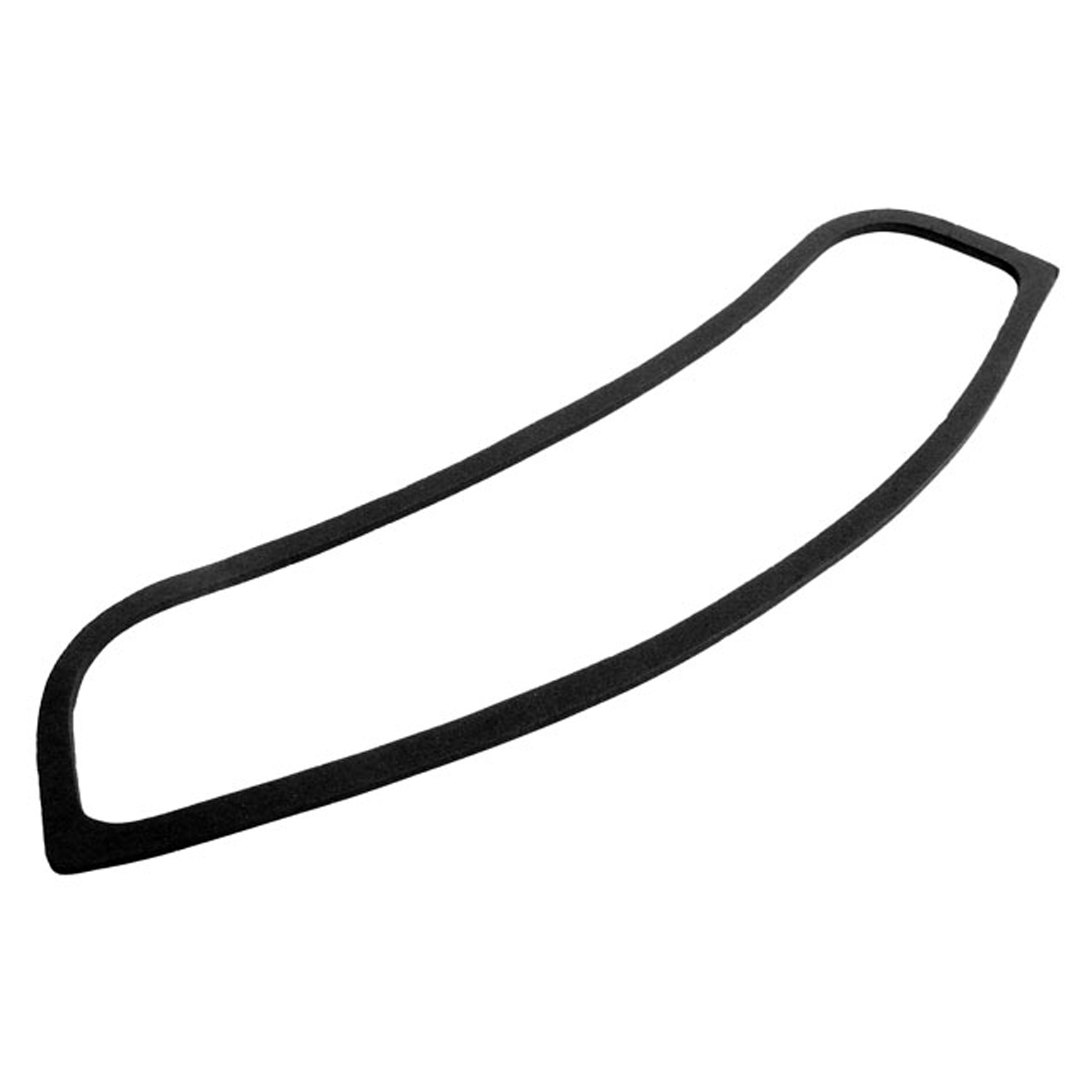 1947 Hudson SUPER 6 Cowl Vent Seal. 4-1/2" wide X 18-1/2" long. Each-RP 100-YCowl Vent Seal. 4-1/2" wide X 18-1/2" long. Each
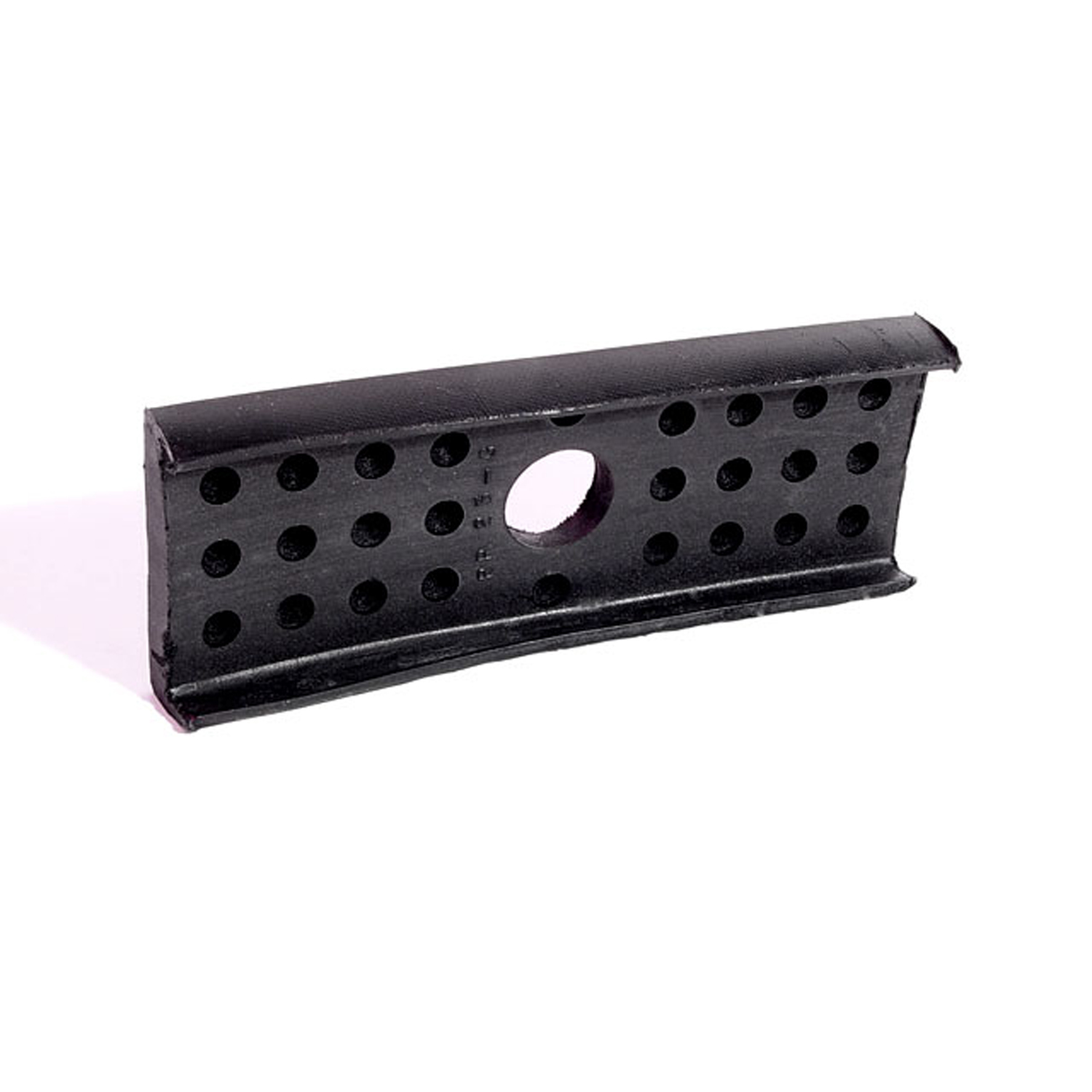 1947 Hudson SUPER 6 Rear Leaf Spring Center Mounting Insulator-RP 23-GRear Leaf Spring Center Mounting Insulator. For all 1-3/4" wide leaf springs. Each
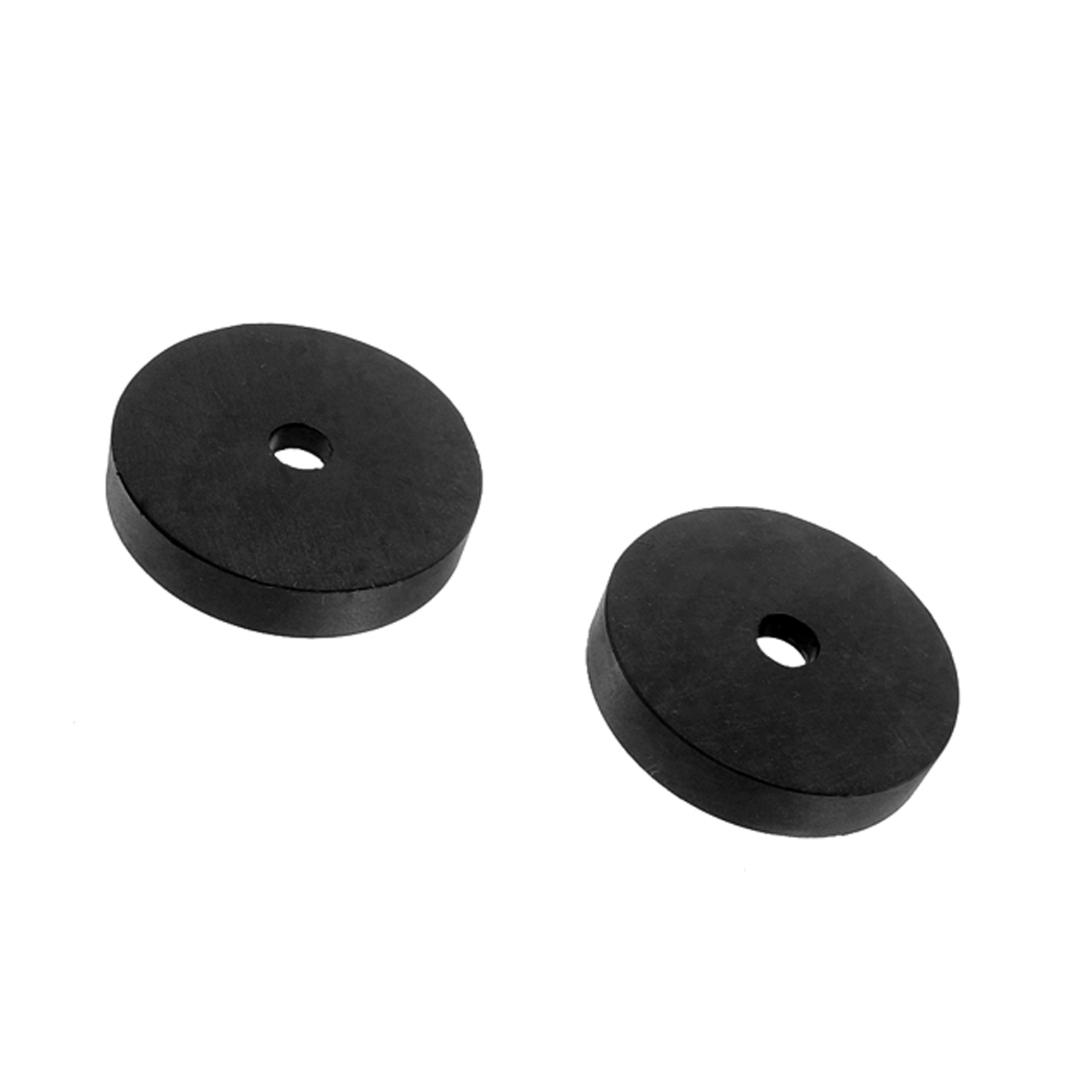 1947 Hudson SUPER 6 Clutch and Brake Seals. Seals fit on a round shaft-RP 31-NClutch and Brake Seals. Seals fit on a round shaft. Made of soft rubber. 2-7/16" O.D., 7/16" I.D. Pair
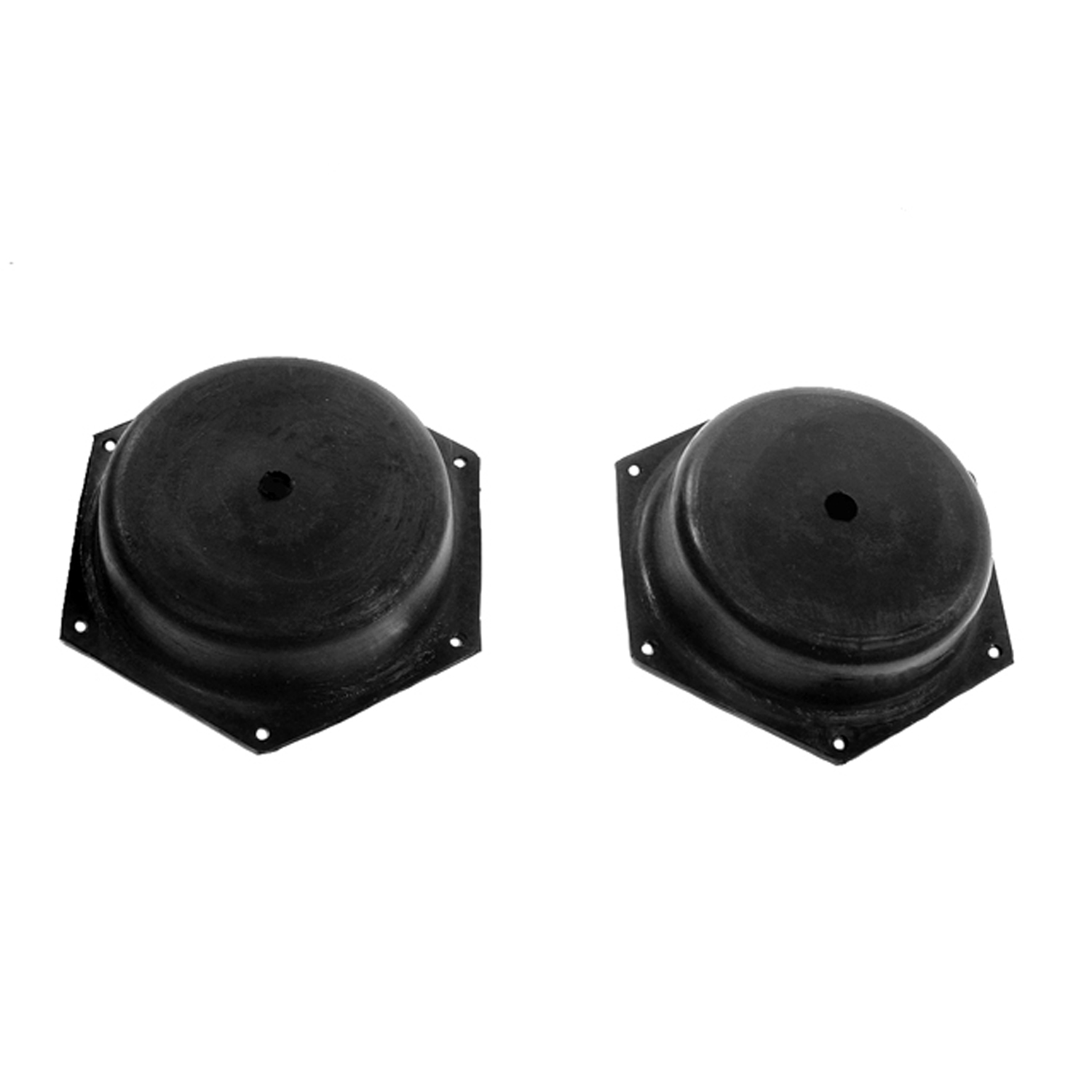 1947 Hudson SUPER 6 Drive Master Electric Shift Vacuum Diaphragm-RP 32-ADrive Master Electric Shift Vacuum Diaphragm. For all models with drive master system for standard transmission. Pair
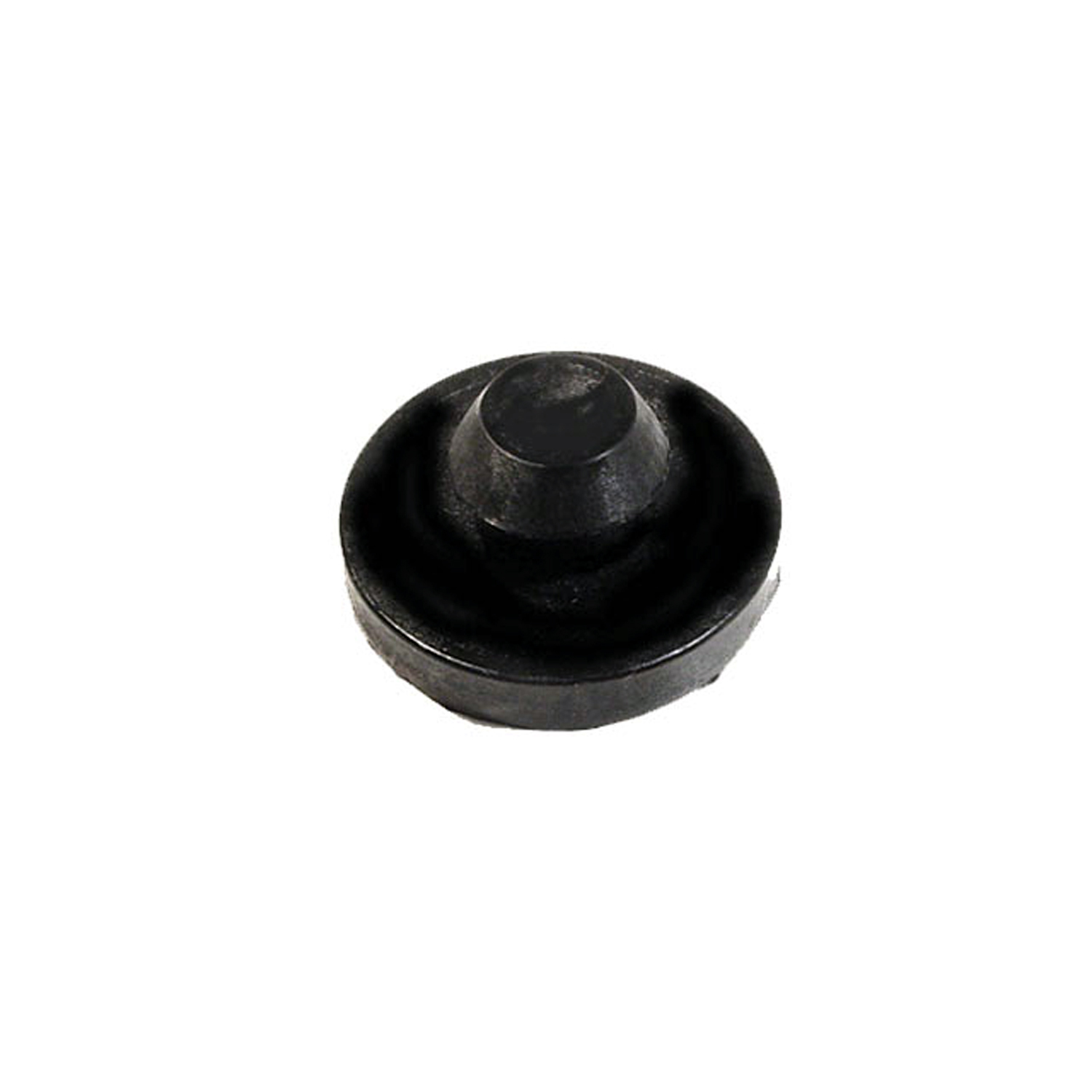 1947 Hudson SUPER 6 Clutch Linkage Cushion. 1/4" top thickness, 1-1/2" O.D-SB 33-AClutch Linkage Cushion. 1/4" top thickness, 1-1/2" O.D. Each
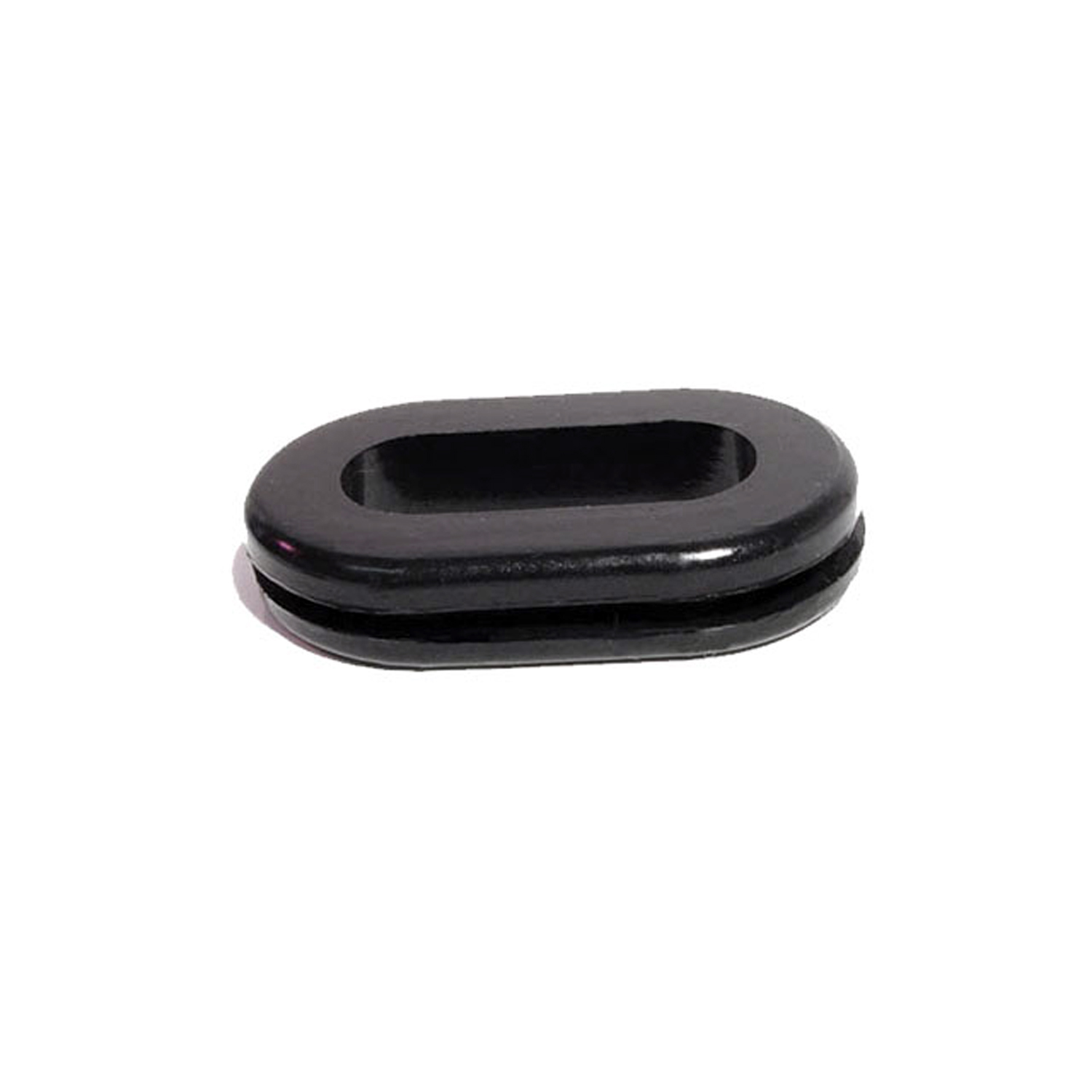 1947 Hudson SUPER 6 Headlight Wire through Fender Grommet. Two used per car-SM 100-AHeadlight Wire through Fender Grommet. Two used per car. 1-1/4" inner slot, 1-7/8" long overall. Each
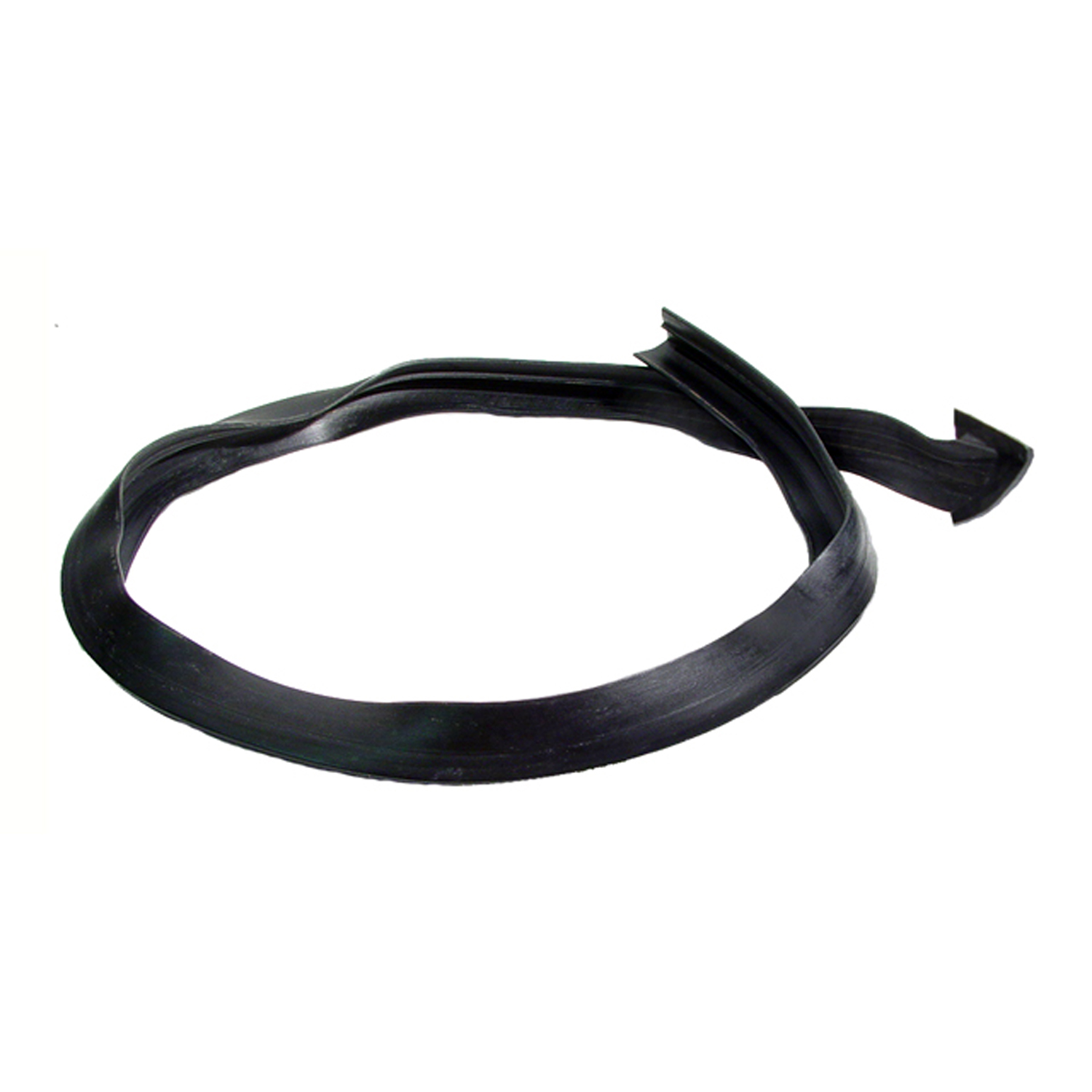 1947 Hudson SUPER 6 Vertical Division Seal-VS 6-AVertical Division Seal. 26" Piece, enough for two front vents. Each
 1947 Hudson SUPER 6 Vertical seal for vent window. Dense rubber. Universal part-VS 6-A/FTVertical seal for vent window. Dense rubber. Universal part. Per foot.
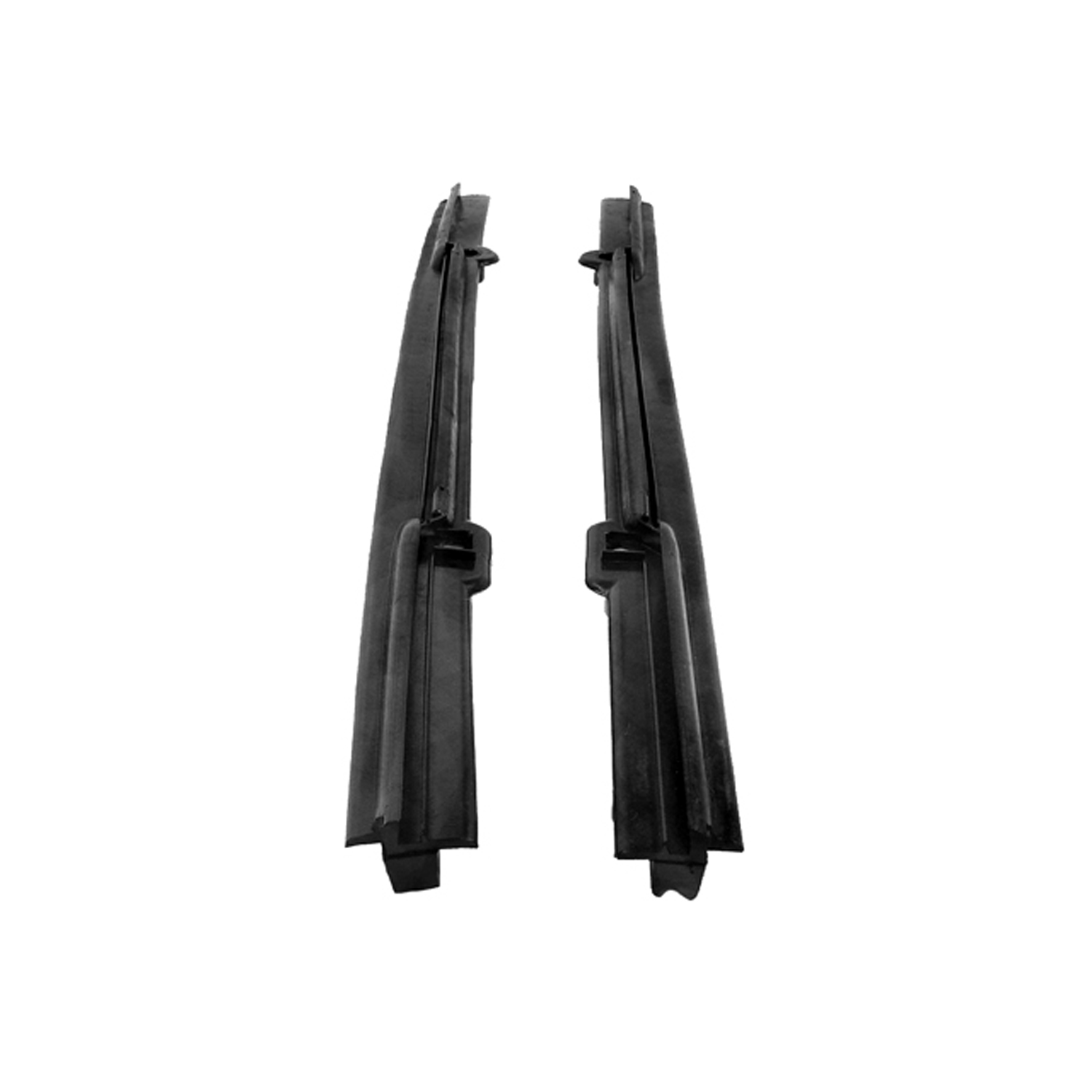 1947 Hudson SUPER 6 Front Vent Window Seals-WR 4500Front Vent Window Seals. For all closed models, not convertibles. Pair R&L
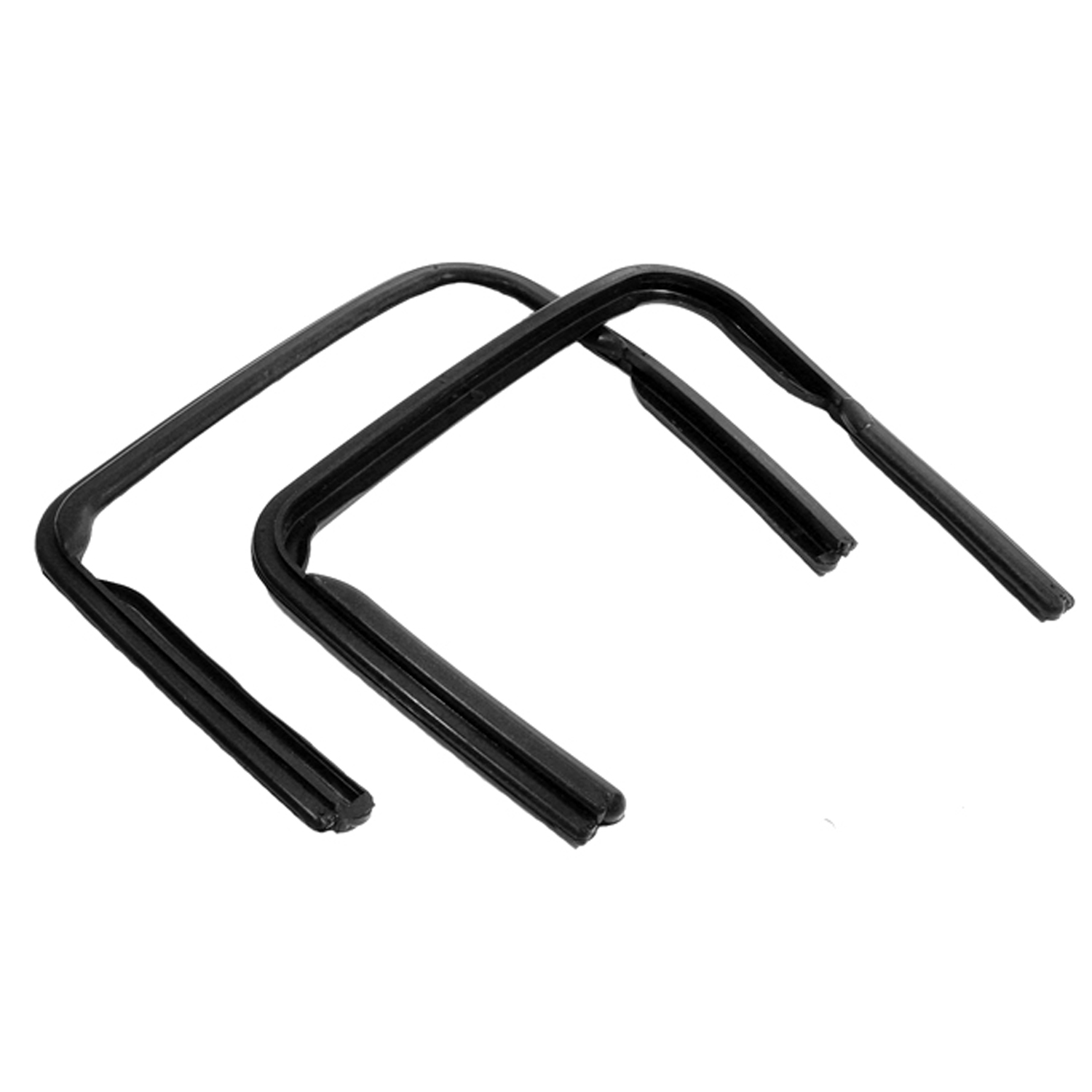 1947 Hudson SUPER 6 Front Vent Window Seals, for Convertibles-WR 9Front Vent Window Seals, for Convertibles. 25-1/4" long each. Pair R&L
Why Choose Metro?
For over 100 years, Metro Moulded Parts has been the pinnacle of quality in classic car restoration parts. Our commitment to precision and authenticity in every component ensures a perfect fit and an OEM-level appearance.
- Expert Craftsmanship & Quality: Each part is a testament to our dedication to reliability and perfection, crafted from original designs and thoroughly tested.
- Advanced Technology: We use cutting-edge techniques to create flawless, long-lasting parts that surpass others in performance.
- SuperSoft Sponge – The Ultimate Door Seal: Not only are our door seals 30% softer than competitors', but they're also guaranteed to never leak. They effectively reduce wind and road noise, enhancing your classic car's comfort and driving experience.
- Proudly American: Our parts are a product of American craftsmanship, made in the USA with a spirit of excellence and heritage.
- Unrivaled Warranty: We back our products with a 30-year industry-leading warranty, a testament to our confidence in their quality.
Join us in preserving the legacy of classic cars with parts that are crafted for perfection, not just made.