

Image of 1947 Hudson Super 8, Note: These illustrations use artistic license and may differ from actual historical models.
Performance Metrics
Fundamental Metrics
Emotional Appeal
MMP Rating
| Engine Specifications | |
|---|---|
| Engine: | Inline 8 |
| Displacement: | 254 cu in (4.2 L) |
| Horsepower: | Estimated 128 hp |
| Torque: | Not available |
| Compression Ratio: | 6.5:1 |
| Ignition System: | Battery Ignition |
| Cooling System: | Liquid-cooled |
| Performance Specifications | |
| 0-60 Time: | Not available |
| 1/4 Mile Time: | Not available |
| Top Speed: | Estimated 90 mph |
| Transmission and Drive | |
| Drive Type: | Rear-wheel drive |
| Transmission Type: | 3-speed manual |
| Fuel and Efficiency | |
| Fuel System Type: | Carburetor |
| MPG: | Not available |
| Dimensions and Brakes | |
| Brakes: | Drum brakes |
| Wheelbase: | 124 inches |
| Weight: | Estimated 3,400 lbs |
Note: Specifications for classic cars are given to the best of our ability, considering the limited and variant data available.
1947 Hudson Super Eight: The Last of a Classic Line
The 1947 Hudson Super Eight paired a smooth, long-stroke inline-eight engine with handsome prewar-influenced styling, just as the American auto industry was finding its footing after World War II. Built by the Hudson Motor Car Company of Detroit, Michigan, it was a substantial, comfortable car aimed at buyers who wanted more refinement and power than a typical family sedan.
The Super Eight belonged to Hudson’s postwar lineup alongside the Super Six and the more upscale Commodore models. Its timing gives it a special place in Hudson history: it was part of the final generation of the company’s conventional-looking cars before the dramatically lower Step-Down Hudson arrived for 1948. That next model became famous for its advanced body design, but the 1947 Super Eight represents the end of an earlier, distinctly upright Hudson era.
A useful point of distinction for enthusiasts is that the 1947 Super Eight is not a Step-Down Hudson. It has a traditional body and chassis layout, with the cabin sitting higher above the road. Its appeal lies instead in its roomy proportions, eight-cylinder smoothness, and the confident, formal character of a large American car built just after the war.
Hudson Styling and Cabin Design
The Super Eight wears the tall, stately proportions associated with late-1930s and early-1940s American cars. Its long hood leads into a rounded front end, with a broad chrome grille, prominent headlamps, and substantial bumpers. Hudson’s trim details give the front a distinctive face without making it look overly fussy. From the side, the gently curved fenders and generous bodywork emphasize length and presence rather than speed or sporting intent.
Inside, the cabin is designed for comfort on long journeys. A broad bench seat, spacious rear compartment, and upright seating position make the Super Eight feel welcoming and practical. Depending on body style and trim, upholstery could be finished in cloth or other period materials, with coordinated door panels and carpets. The dashboard combines painted or wood-effect surfaces with chrome accents and clear, traditional gauges. It is an inviting, substantial interior, though it does not have the low, enveloping feel of later postwar cars.
Hudson offered the Super Eight in period paint colors that included dark and light solid finishes. Exact choices varied with the body and production details, but black, blue, green, gray, and maroon shades are commonly associated with cars of this era. Dark colors suit the Hudson’s formal lines particularly well, while lighter finishes make its rounded fenders and chrome trim stand out. A car’s original paint code and trim combination are worth checking during a restoration, since color availability could vary.
Available body styles centered on practical passenger-car forms, including four-door sedans and two-door coupe or Brougham-style models, with specific offerings depending on the model listing and market. The four-door sedan is the most familiar and useful version today, thanks to its easy access and generous passenger space. Two-door examples have a more distinctive profile and can be harder to find.
Engineering Before the Step-Down
The Super Eight’s biggest mechanical feature is its 254.4-cubic-inch, side-valve inline-eight. Hudson rated the engine at about 128 horsepower, giving it a noticeable advantage in smoothness over many six-cylinder family cars. Its long, even firing rhythm was well suited to steady highway cruising, and its broad delivery made the car feel relaxed rather than highly strung.
Unlike the unitized Step-Down Hudson introduced for 1948, the 1947 Super Eight uses a more conventional body-and-chassis arrangement. It combines independent front suspension with a solid rear axle and leaf springs, a familiar and serviceable layout for the period. The result is a car built around traditional American priorities: room, durability, and comfortable travel.
Transmission equipment could include a conventional three-speed manual, with options such as overdrive or Hudson’s Drive-Master system available depending on specification. Drive-Master was not a modern fully automatic transmission. It used controls to reduce some of the work involved in clutching and shifting, while retaining a different operating feel from a later automatic. Buyers should confirm which equipment a particular car actually has, since surviving examples may have been modified over the decades.
Road Manners and Performance
Performance figures for surviving cars vary with condition, gearing, tune, and test method. As a reasonable period-car estimate, a healthy 1947 Super Eight may reach roughly 85 to 90 mph and take around 18 to 22 seconds to accelerate from 0 to 60 mph. Those numbers are best treated as approximate, not as guaranteed factory-test results. This is a heavy, comfort-focused sedan, not a quick modern classic.
On the road, the inline-eight is the star. It delivers a smooth, muted growl that deepens under acceleration, with much less vibration than a comparable four- or six-cylinder engine. The steering and controls feel substantial by modern standards, and the driver has to plan ahead, particularly when braking or making quick changes of direction. A well-maintained example cruises pleasantly, but it rewards a measured driving style.
The suspension is tuned for the roads and expectations of its time. It can soften ordinary bumps and rough pavement, while the car’s long wheelbase helps it feel settled on open roads. On winding routes, however, its size, body lean, and period tires make it less nimble than a smaller car. Crosswinds and uneven pavement call for attentive steering, and modern traffic can make its slower acceleration and longer stopping distances feel especially apparent.
Living with a 1947 Super Eight
Today, the Super Eight is most often used as a show car, a weekend tourer, or a participant in classic-car events. Some owners drive their cars regularly, but it is less likely to serve as a modern daily driver. Its size, fuel use, six-volt electrical system, and period braking performance all require a little adjustment for contemporary roads.
Routine maintenance is straightforward for an owner familiar with older American cars. The engine and chassis use conventional mechanical systems, and many repairs can be handled by a competent vintage-car mechanic. Parts availability is mixed: basic service items and some mechanical components can be sourced through specialist suppliers or Hudson clubs, while trim, body panels, and model-specific pieces may take more searching. Originality matters too, since incorrect parts or later substitutions can complicate restoration.
Reliability depends heavily on condition. A properly rebuilt engine, sound cooling system, healthy wiring, and carefully serviced brakes make a major difference. Before buying, inspect the frame and body for corrosion, check for engine overheating or oil-pressure problems, and verify that the transmission and clutch operate correctly. A car that has been stored for years may need extensive recommissioning even if it looks polished in photographs.
Hudson Super Eight Facts
The 1947 Super Eight belongs to a short transitional period in American automotive history. Automakers were returning to civilian production after wartime manufacturing, and many early postwar cars were close relatives of prewar designs. Hudson’s major break with that formula came the following year, when its Step-Down construction lowered the passenger compartment within the frame. The contrast makes a 1947 Super Eight a useful snapshot of the industry just before a major design shift.
Hudson later became especially famous for the racing success of its Hornet models in the early 1950s. That reputation should not be confused with the Super Eight: the 1947 car was built primarily as a comfortable road vehicle, not as a racing special. Nor is there a widely recognized Super Eight land-speed or endurance record that defines the model. Its distinction is more about Hudson’s engineering lineage and its place at the end of the company’s pre-Step-Down generation.
Celebrity ownership claims are best treated cautiously unless they can be supported by period documentation. Hudsons appeared in the lives of many Americans, but an unverified story about a famous former owner should not add a premium to a car. More common criticisms are practical ones: the Super Eight is large, can be thirsty, and lacks the compact handling and safety equipment expected of a modern vehicle. Its traditional design is part of its charm, but it also means the car calls for patience and careful driving.
Collector Value and Availability
Exact production totals for individual 1947 Super Eight body styles can be difficult to establish from commonly available model summaries. A reasonable working estimate is that production across the Super Eight range reached several thousand cars, perhaps in the neighborhood of 8,000 to 15,000. This is an informed estimate rather than a definitive factory total. Surviving cars are uncommon compared with mass-market models from larger manufacturers, and the best-preserved examples are not always offered for sale.
As a broad U.S. market guide, a project car may fall around $5,000 to $12,000, while a sound driver could be roughly $12,000 to $25,000. Nicely restored or unusually well-preserved examples may bring approximately $25,000 to $40,000 or more, depending on body style, originality, restoration quality, and documentation. These are ballpark ranges, not appraisals. A rare configuration or exceptional restoration can fall outside them, while a car needing major structural or mechanical work may be worth substantially less.
Values for Hudsons tend to be selective rather than uniformly rising. The Super Eight has a devoted enthusiast audience, but it is less widely recognized by casual buyers than a few better-known American classics. That can limit resale demand, even as well-restored cars remain desirable to Hudson collectors. Over time, original, documented examples are likely to hold the strongest appeal, while restoration costs can exceed the eventual sale price.
Why the 1947 Hudson Super Eight Matters
The 1947 Hudson Super Eight is a roomy, refined prewar-style American car with a smooth 254.4-cubic-inch inline-eight, traditional chassis engineering, and a distinctive place in Hudson’s history. It offered comfortable travel and understated presence at a moment when the country was returning to peacetime production.
It may not have the radical construction of the 1948 Step-Down or the later racing fame of the Hornet, but that is exactly what makes the Super Eight interesting. It captures Hudson on the threshold of change: one hand on a proud tradition, the other preparing to reshape the American automobile.
1947 Hudson Super 8 Catalog of Parts
 1947 Hudson SUPER 8 Accessory Floor Mat - 12"X17"-AC 35Accessory Floor Mat - made of high quality black rubber with molded original emblem. Also designed to be sewn into new carpets. 12"X17", Each
 1947 Hudson SUPER 8 Accelerator Pedal Pad, 2-5/8" X 9", Each-AP 23Accelerator Pedal Pad, 2-5/8" X 9", Each
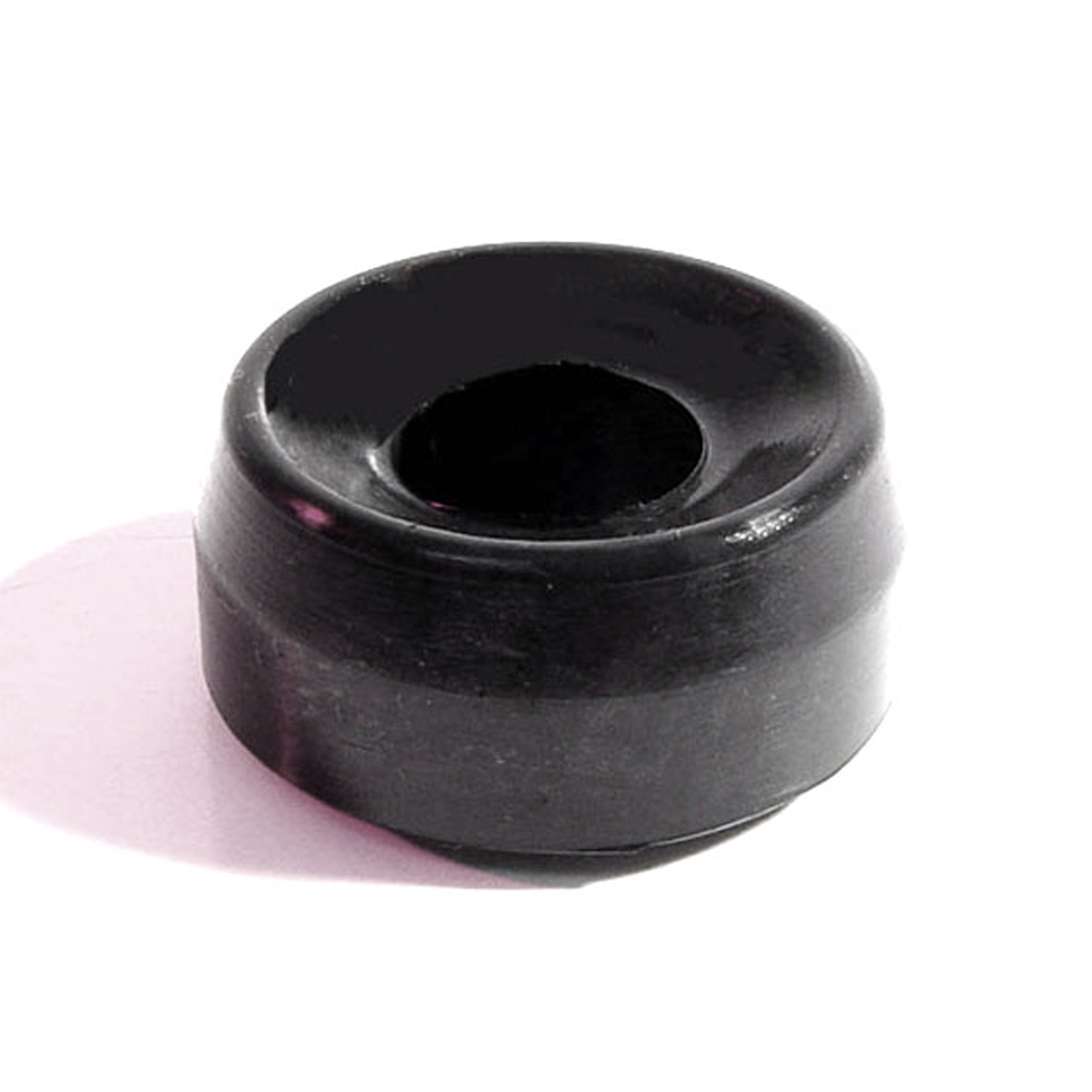 1947 Hudson SUPER 8 Rear Stabilizer Bushing. Each-BN 4-HRear Stabilizer Bushing. Each
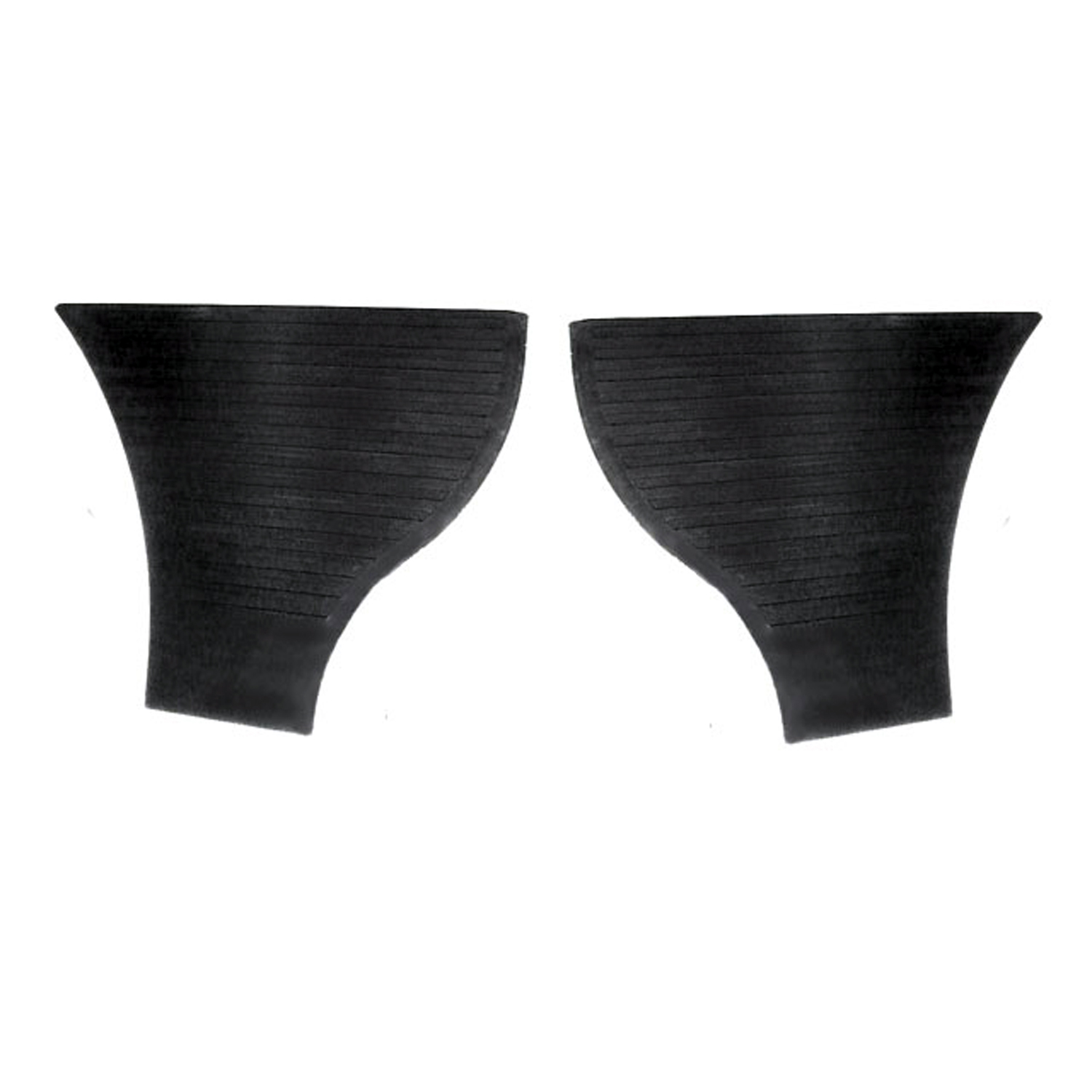 1947 Hudson SUPER 8 Gravel Shields. Molded flat, but will conform to curves-FS 36Gravel Shields. Molded flat, but will conform to curves. 10-1/2" long X 12-1/4" wide at top and 4-1/2" wide at bottom. Pair
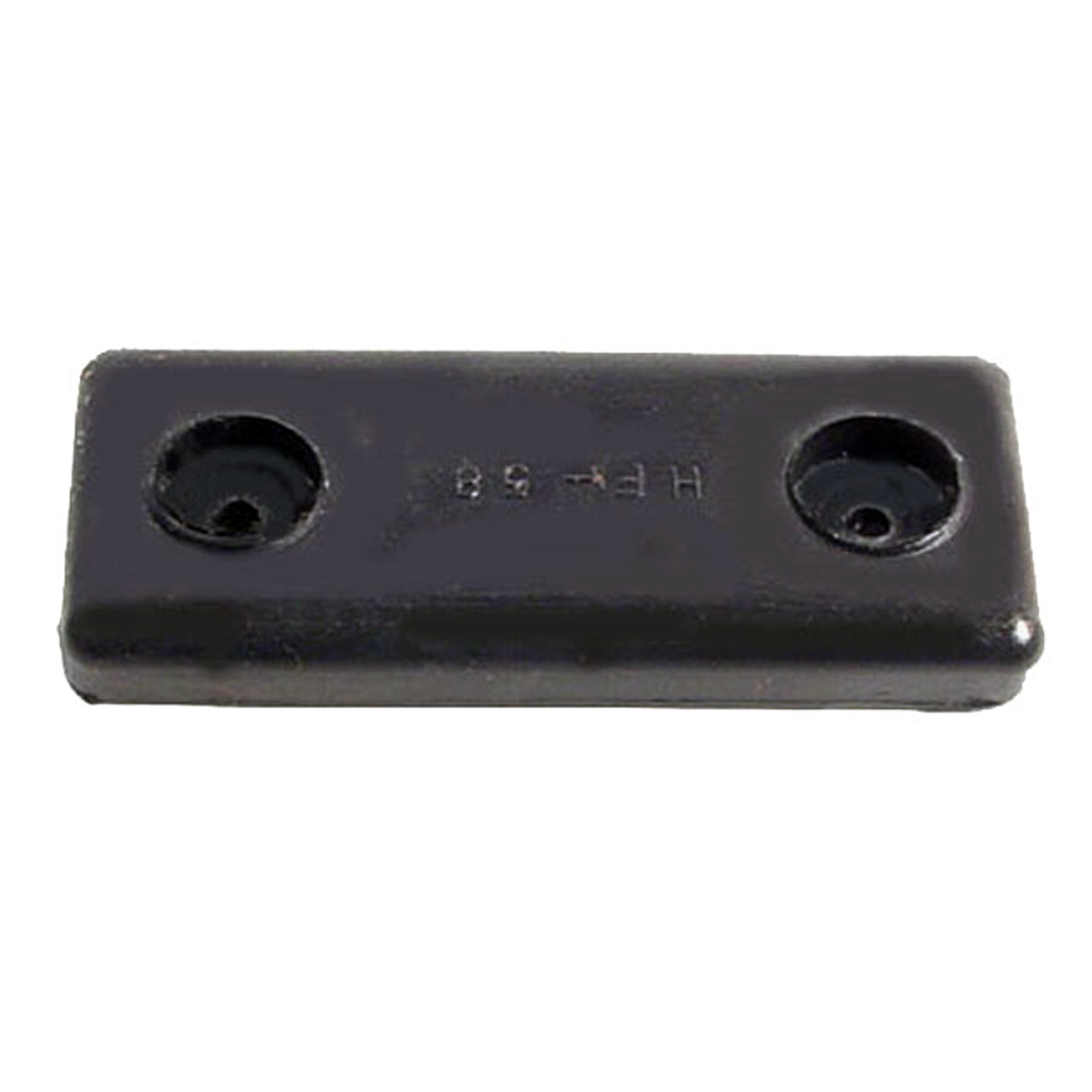 1947 Hudson SUPER 8 Rear hood bumper. Fits on cowl. Made with washers-HF 58Rear hood bumper. Fits on cowl. Made with washers. Two used per car. Each.
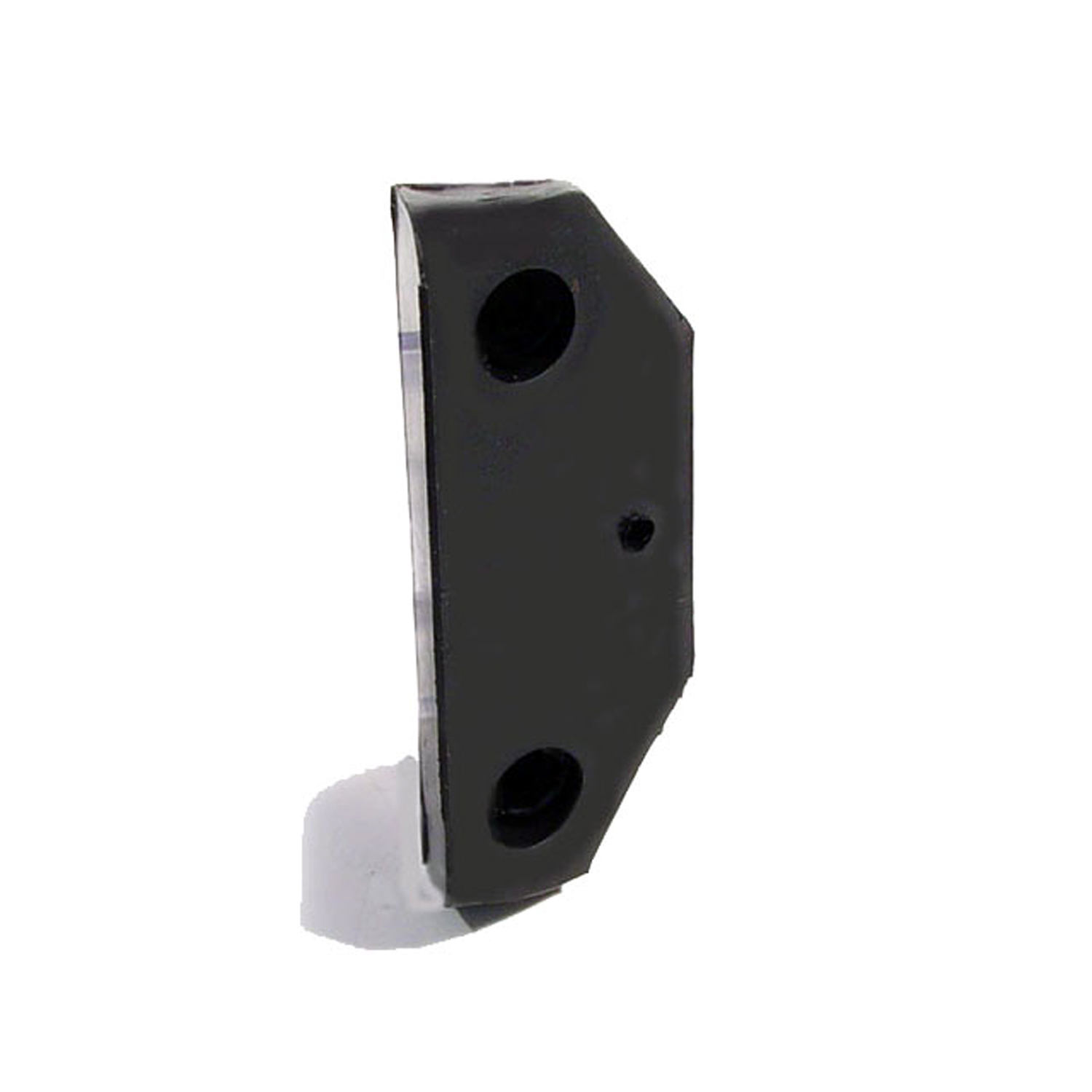 1947 Hudson SUPER 8 Front Hood Bumper. Two used per car. Each-HF 58-AFront Hood Bumper. Two used per car. Each
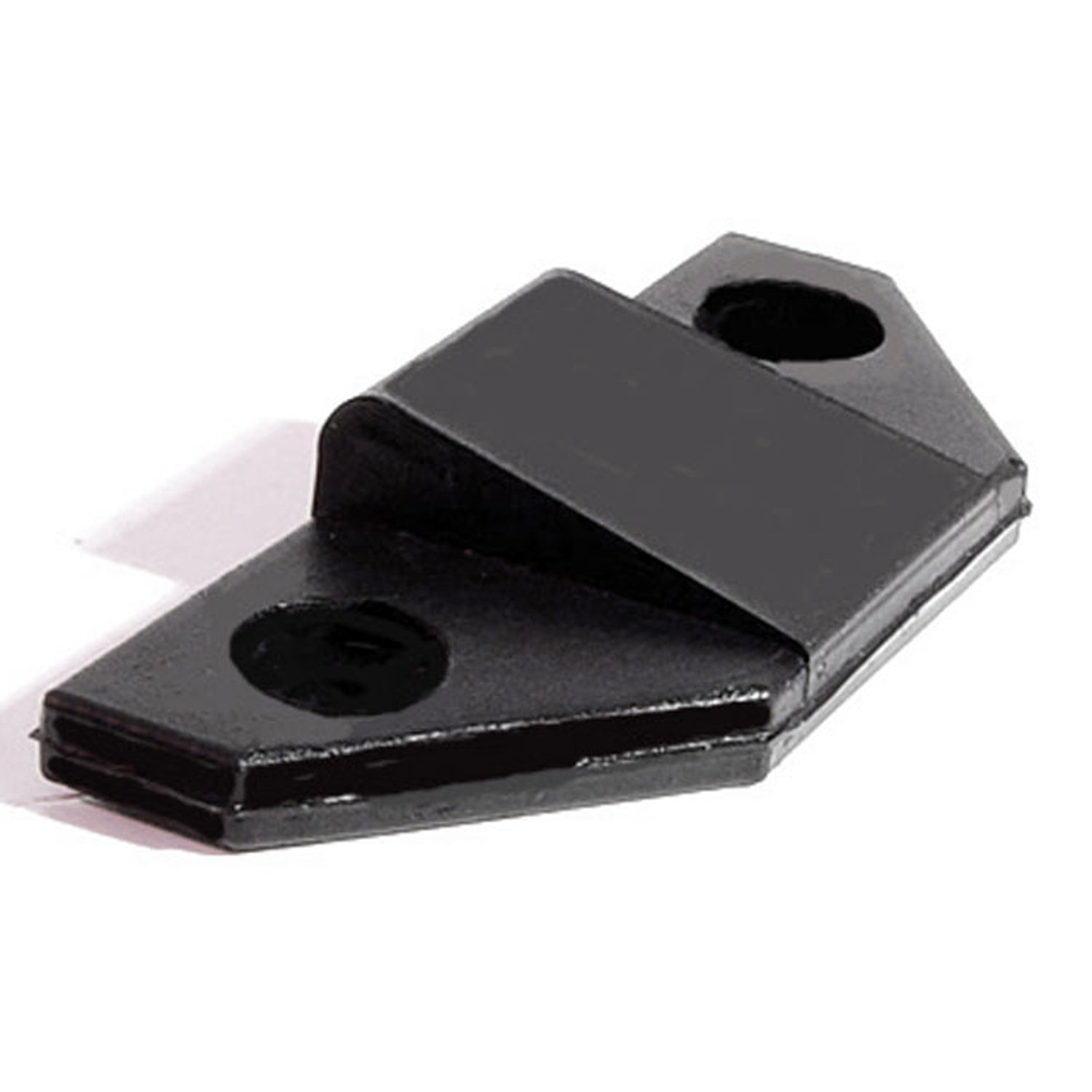 1947 Hudson SUPER 8 Middle hood bumpers. Two used per car. Nice reproduction-HF 58-BMiddle hood bumpers. Two used per car. Nice reproduction. Each.
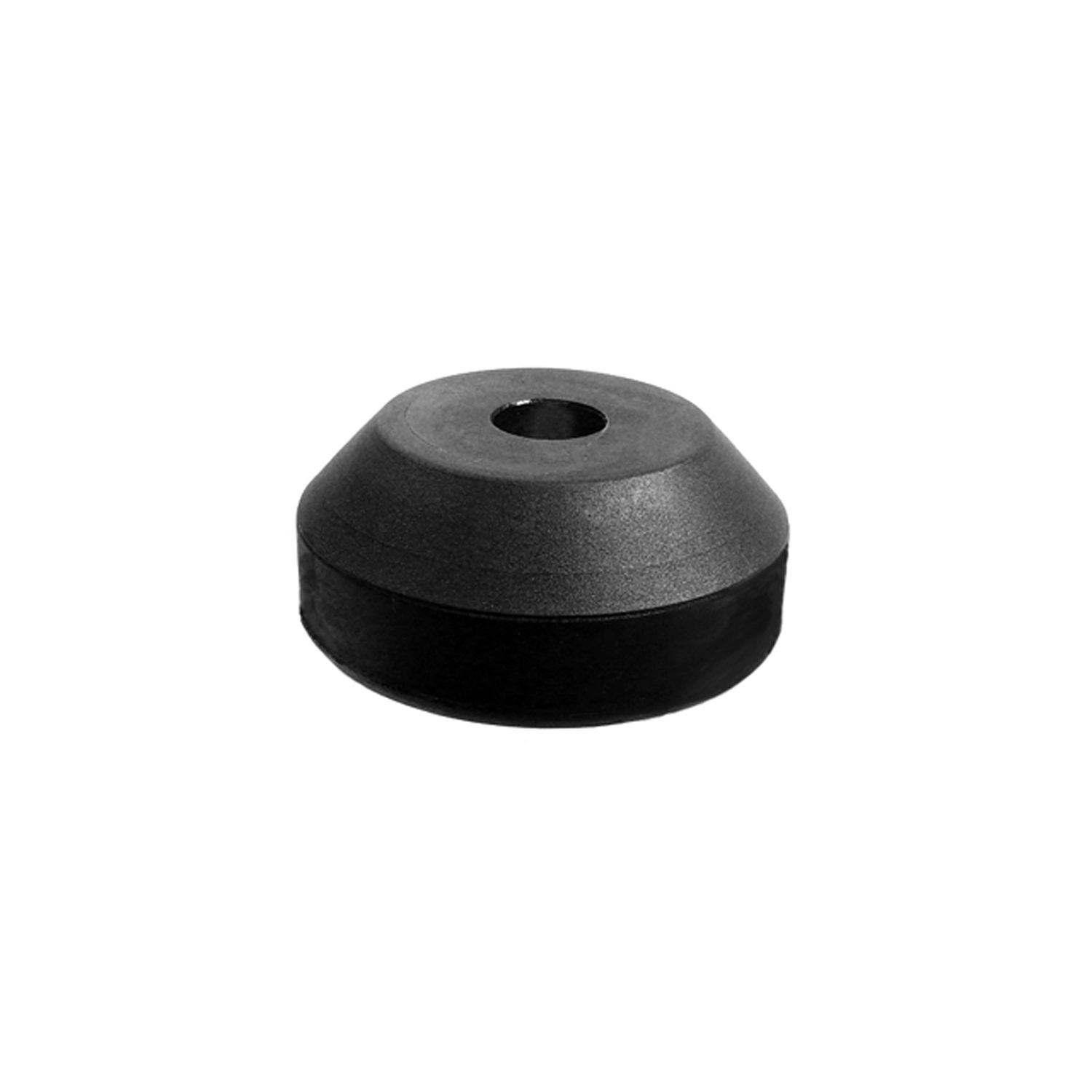 1947 Hudson SUPER 8 Upper Motor Mount. 5/8" I.D., 2-5/8" O.D. Each-MM 7-BUpper Motor Mount. 5/8" I.D., 2-5/8" O.D. Each
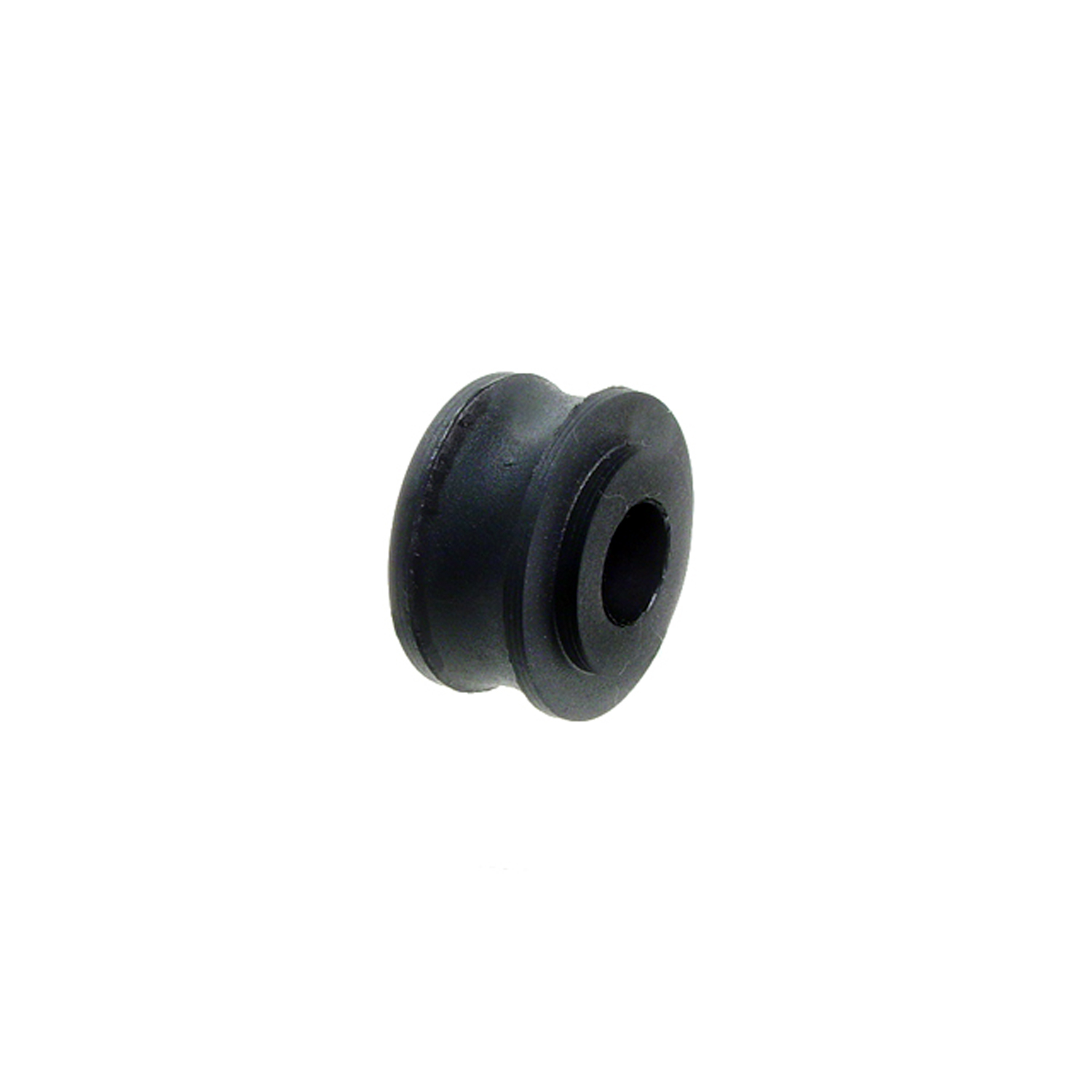 1947 Hudson SUPER 8 Lower Motor Mount. 5/8" I.D., 1-5/8" O.D. Each-MM 7-CLower Motor Mount. 5/8" I.D., 1-5/8" O.D. Each
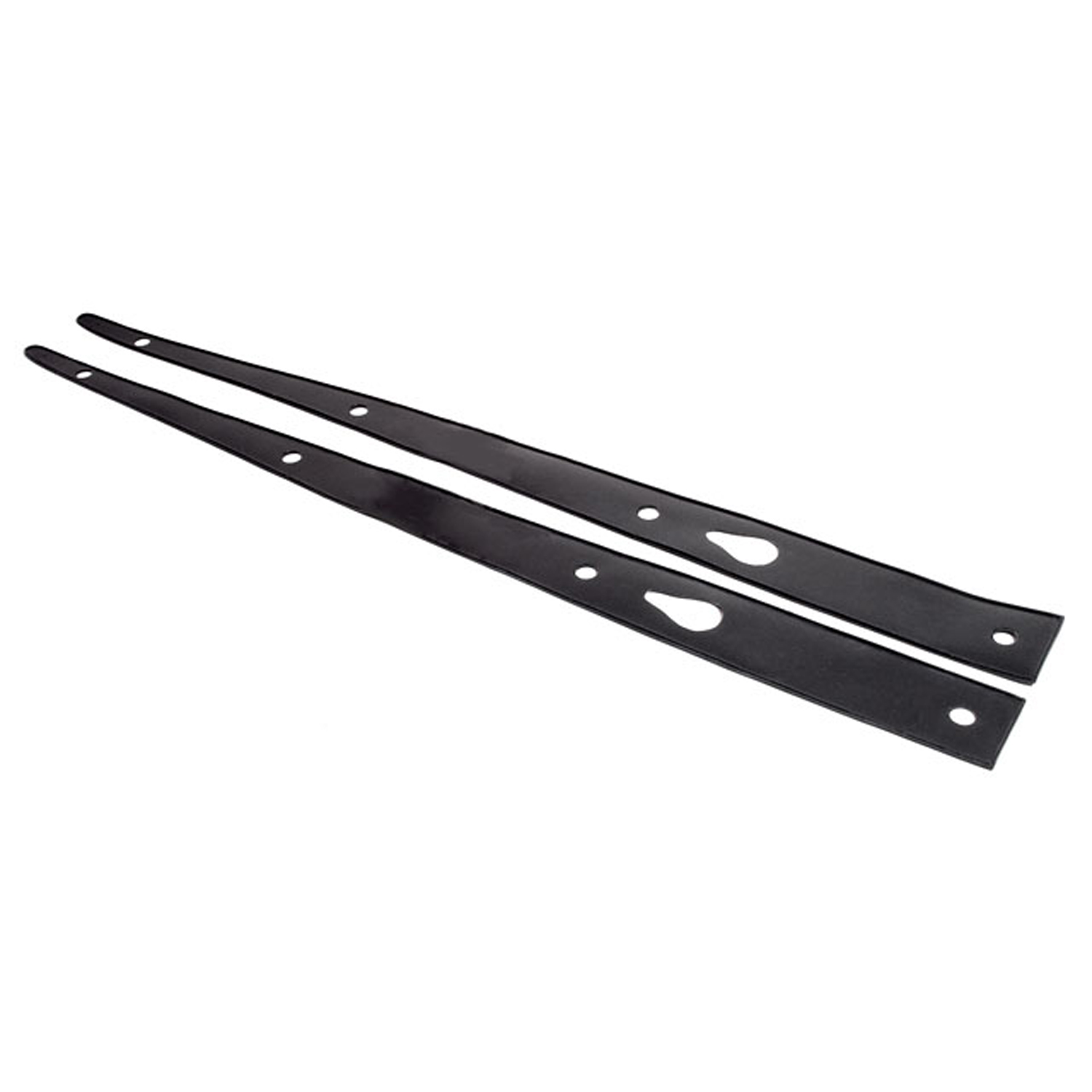 1947 Hudson SUPER 8 Parklight Pads. 2-1/8" X 27-5/8" long. Pair-MP 798-RParklight Pads. 2-1/8" X 27-5/8" long. Pair
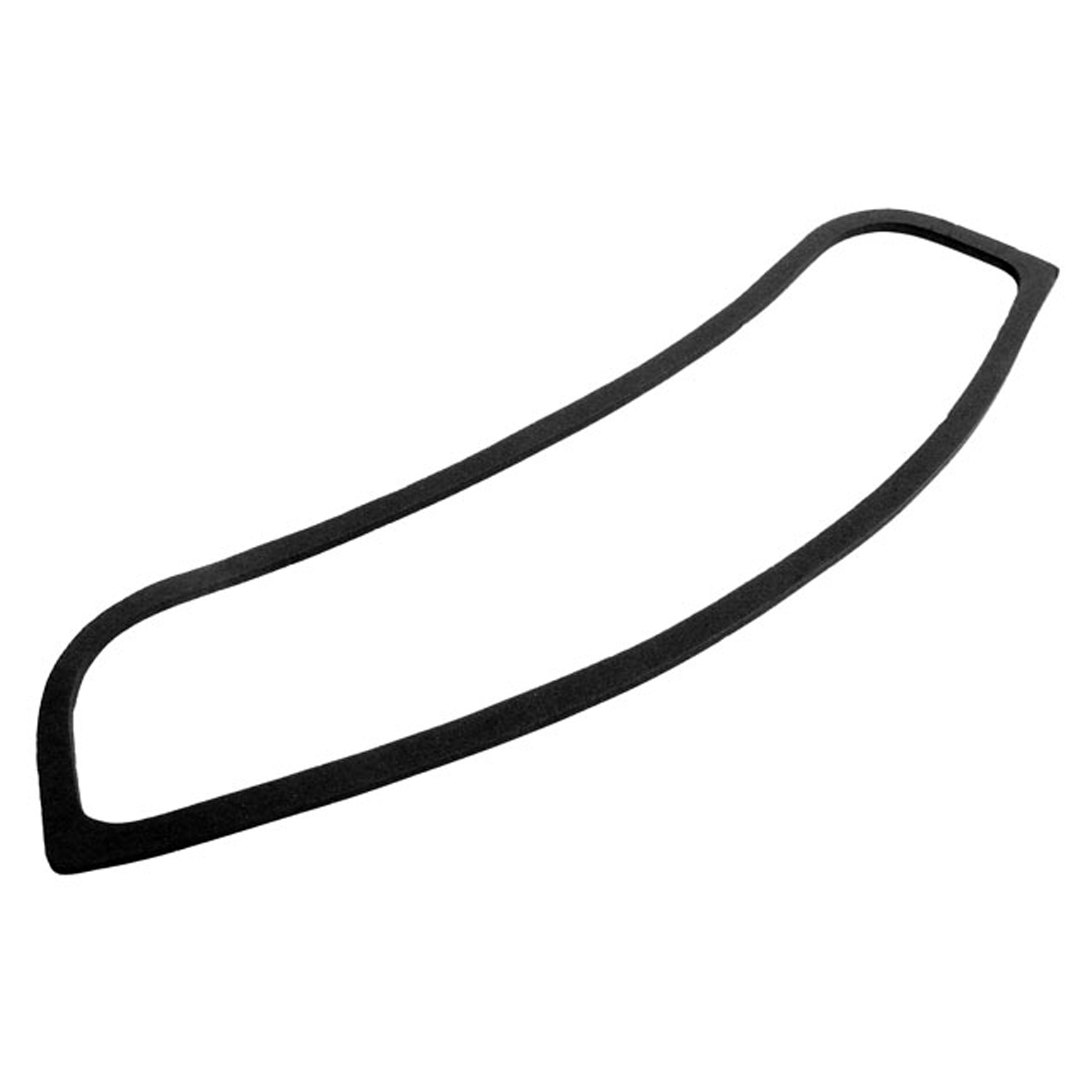 1947 Hudson SUPER 8 Cowl Vent Seal. 4-1/2" wide X 18-1/2" long. Each-RP 100-YCowl Vent Seal. 4-1/2" wide X 18-1/2" long. Each
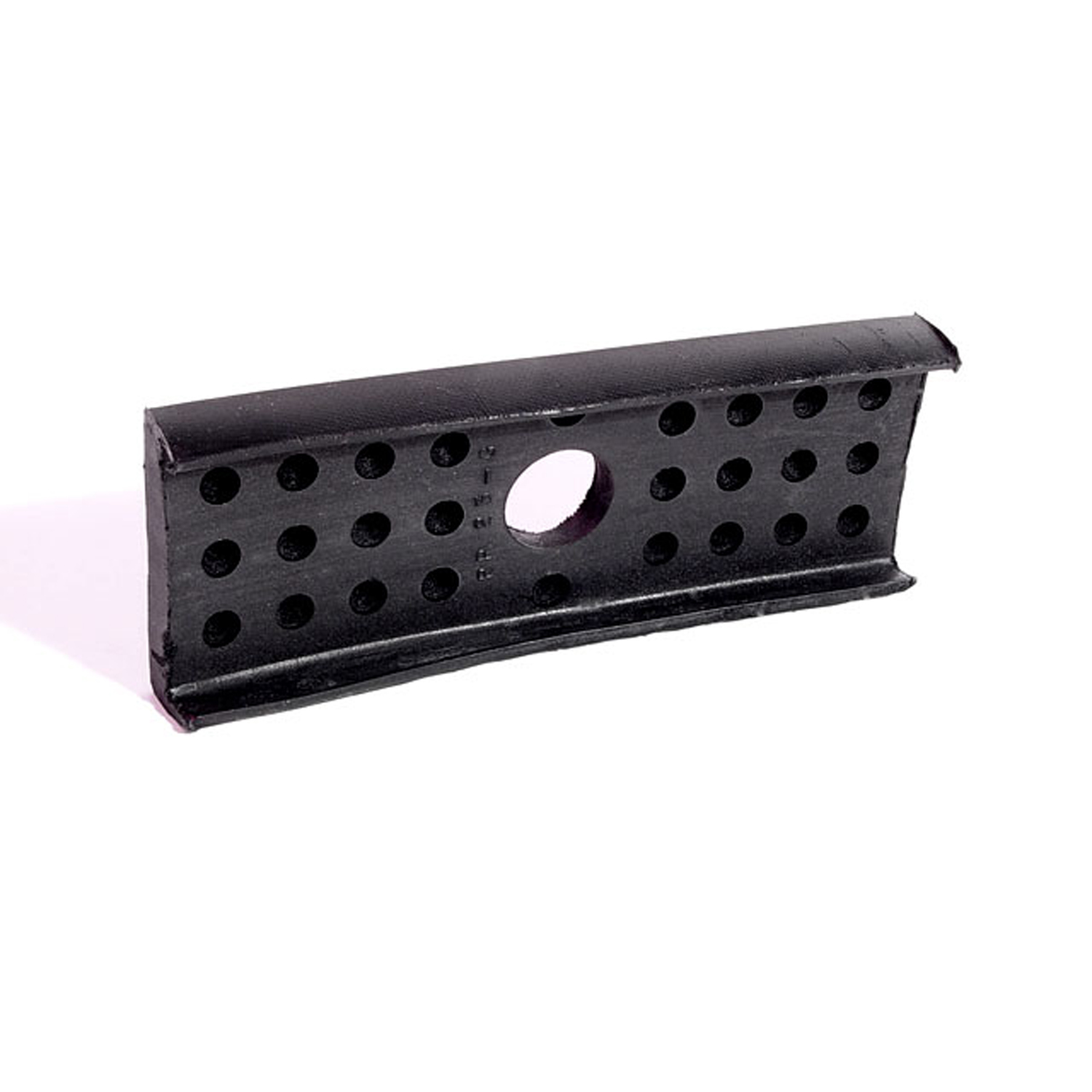 1947 Hudson SUPER 8 Rear Leaf Spring Center Mounting Insulator-RP 23-GRear Leaf Spring Center Mounting Insulator. For all 1-3/4" wide leaf springs. Each
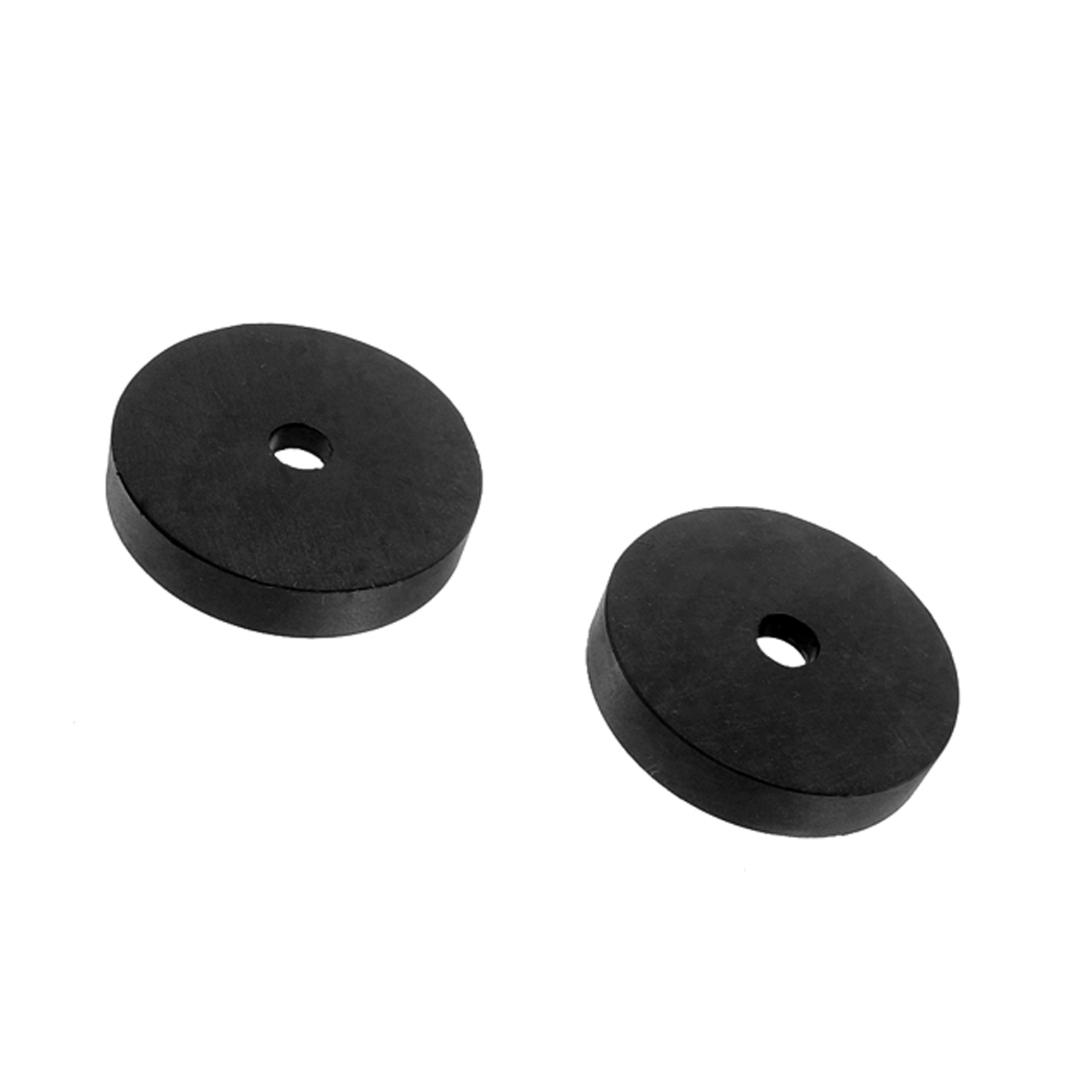 1947 Hudson SUPER 8 Clutch and Brake Seals. Seals fit on a round shaft-RP 31-NClutch and Brake Seals. Seals fit on a round shaft. Made of soft rubber. 2-7/16" O.D., 7/16" I.D. Pair
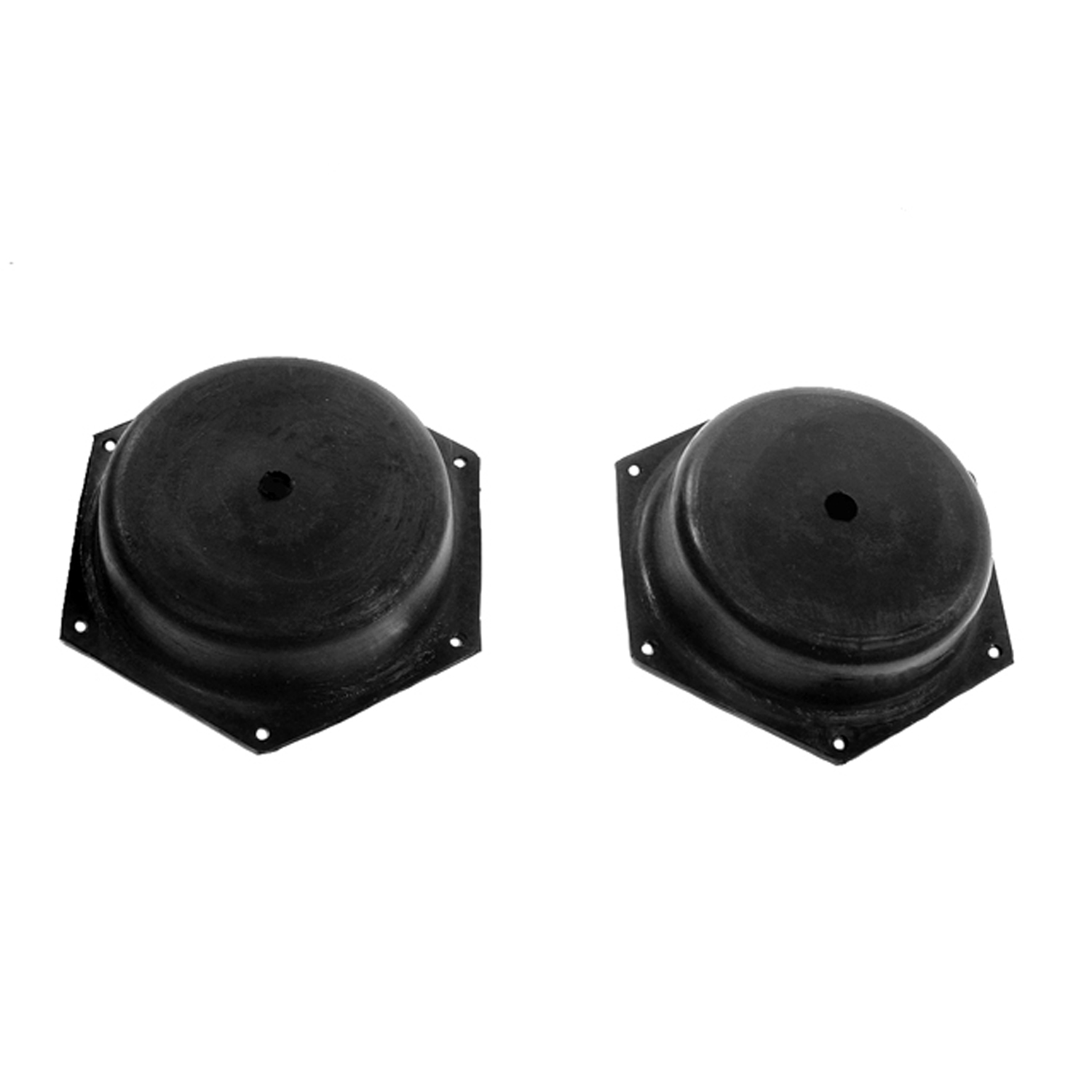 1947 Hudson SUPER 8 Drive Master Electric Shift Vacuum Diaphragm-RP 32-ADrive Master Electric Shift Vacuum Diaphragm. For all models with drive master system for standard transmission. Pair
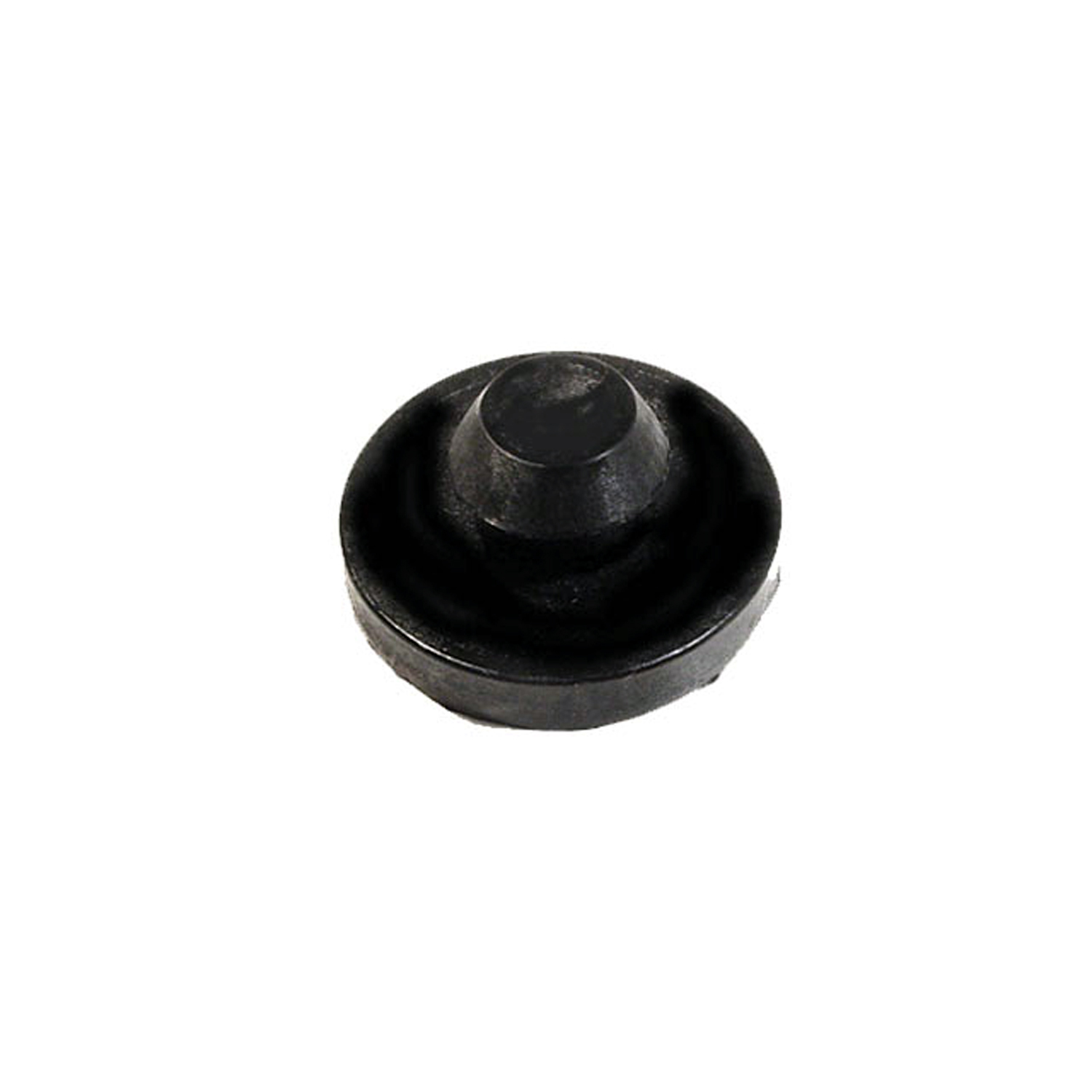 1947 Hudson SUPER 8 Clutch Linkage Cushion. 1/4" top thickness, 1-1/2" O.D-SB 33-AClutch Linkage Cushion. 1/4" top thickness, 1-1/2" O.D. Each
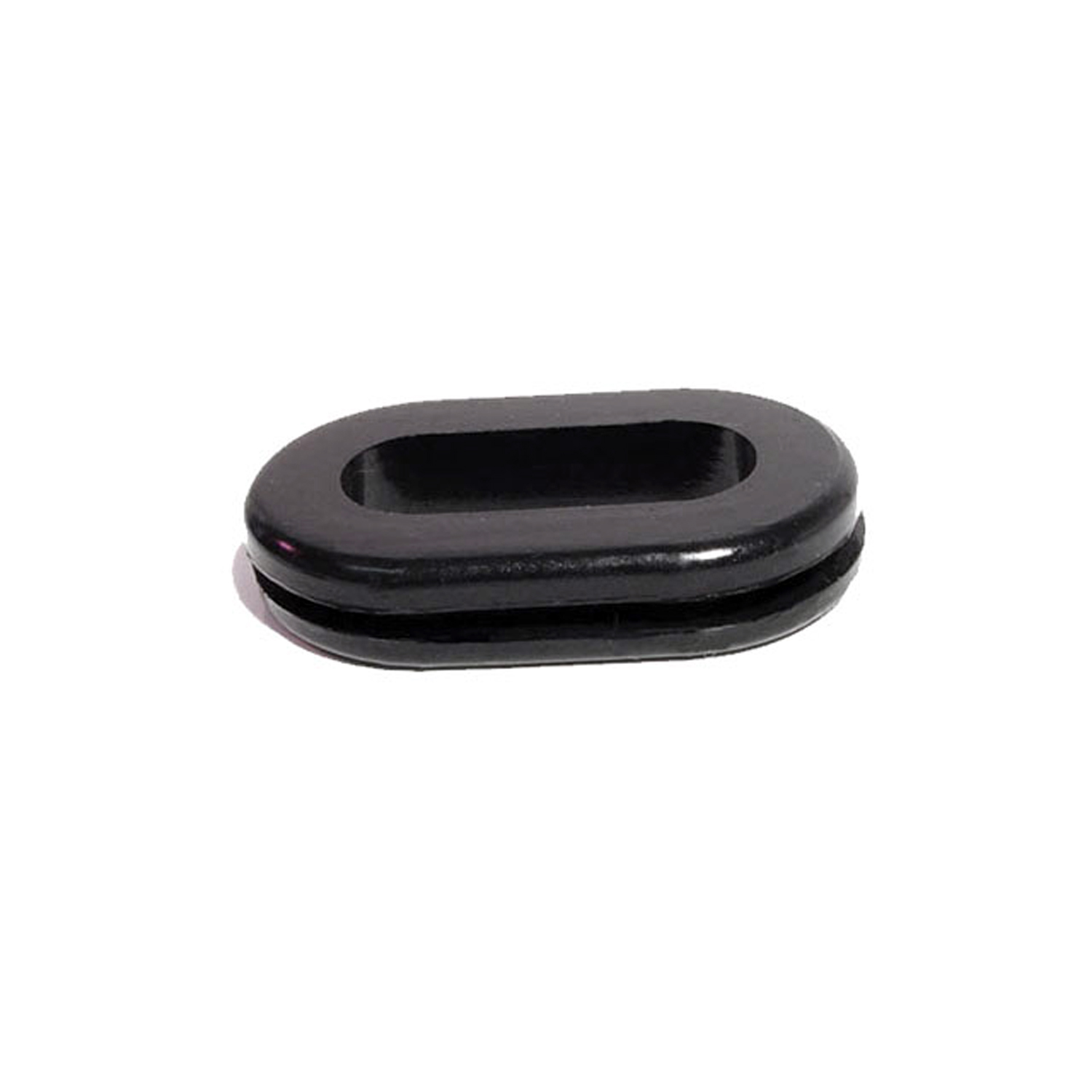 1947 Hudson SUPER 8 Headlight Wire through Fender Grommet. Two used per car-SM 100-AHeadlight Wire through Fender Grommet. Two used per car. 1-1/4" inner slot, 1-7/8" long overall. Each
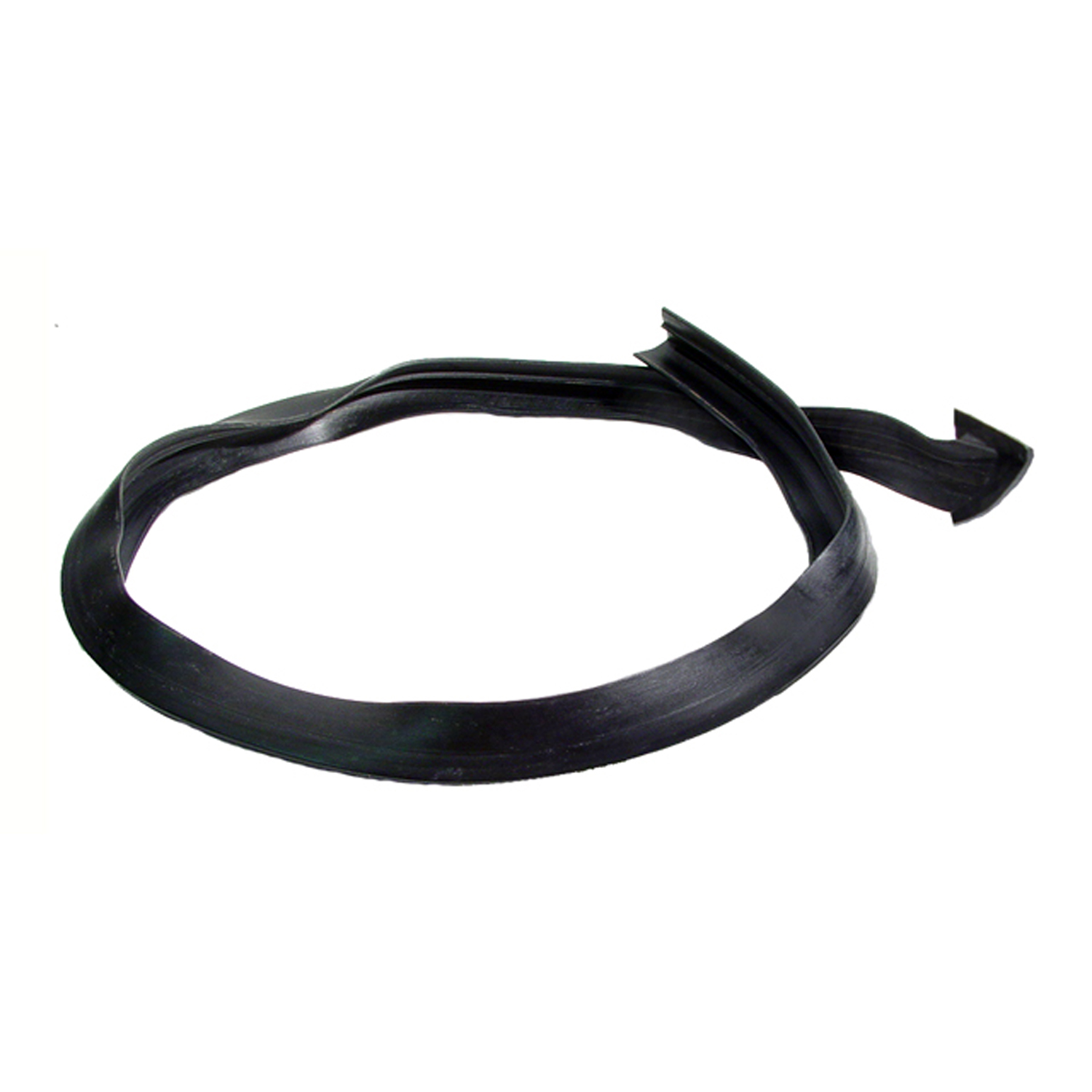 1947 Hudson SUPER 8 Vertical Division Seal-VS 6-AVertical Division Seal. 26" Piece, enough for two front vents. Each
 1947 Hudson SUPER 8 Vertical seal for vent window. Dense rubber. Universal part-VS 6-A/FTVertical seal for vent window. Dense rubber. Universal part. Per foot.
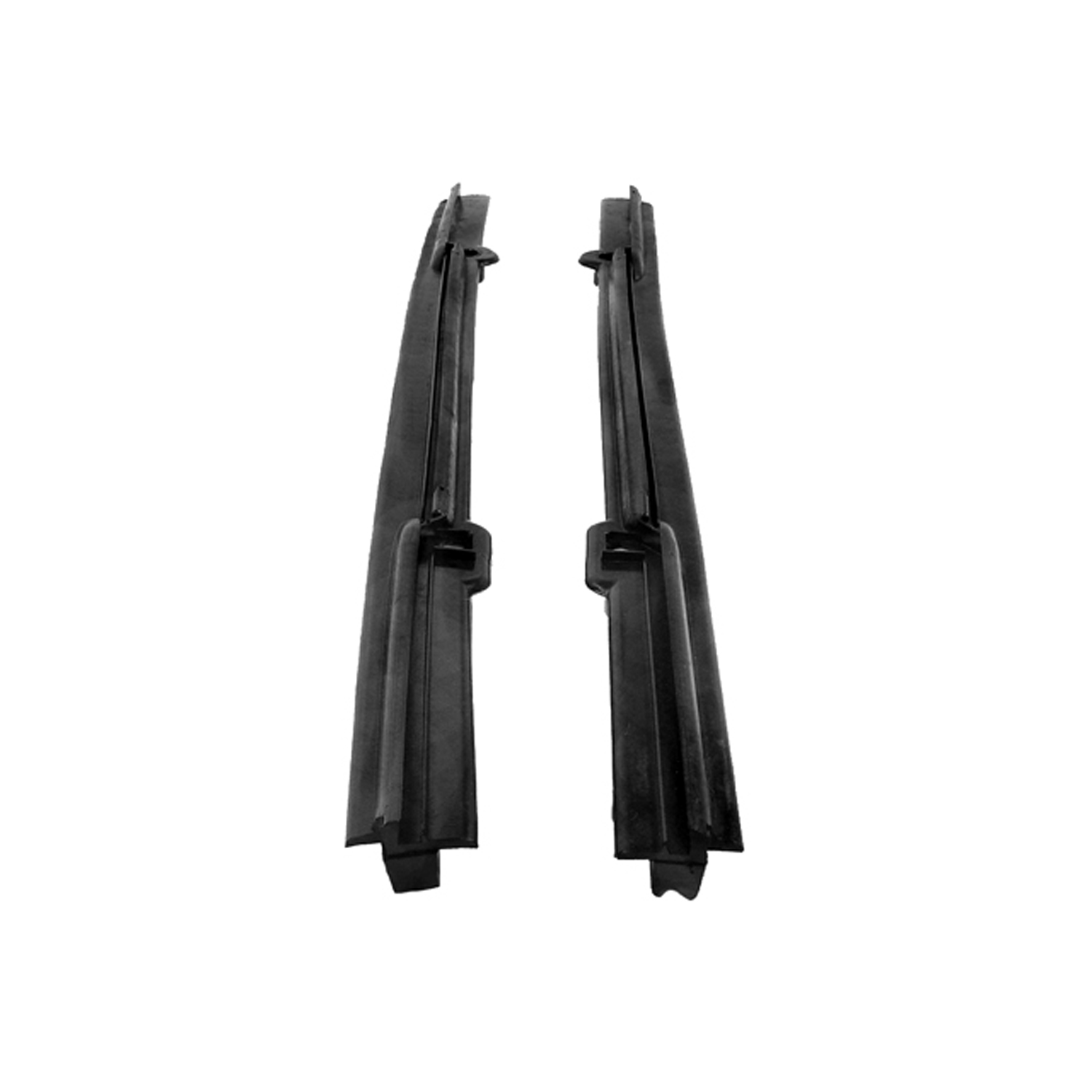 1947 Hudson SUPER 8 Front Vent Window Seals-WR 4500Front Vent Window Seals. For all closed models, not convertibles. Pair R&L
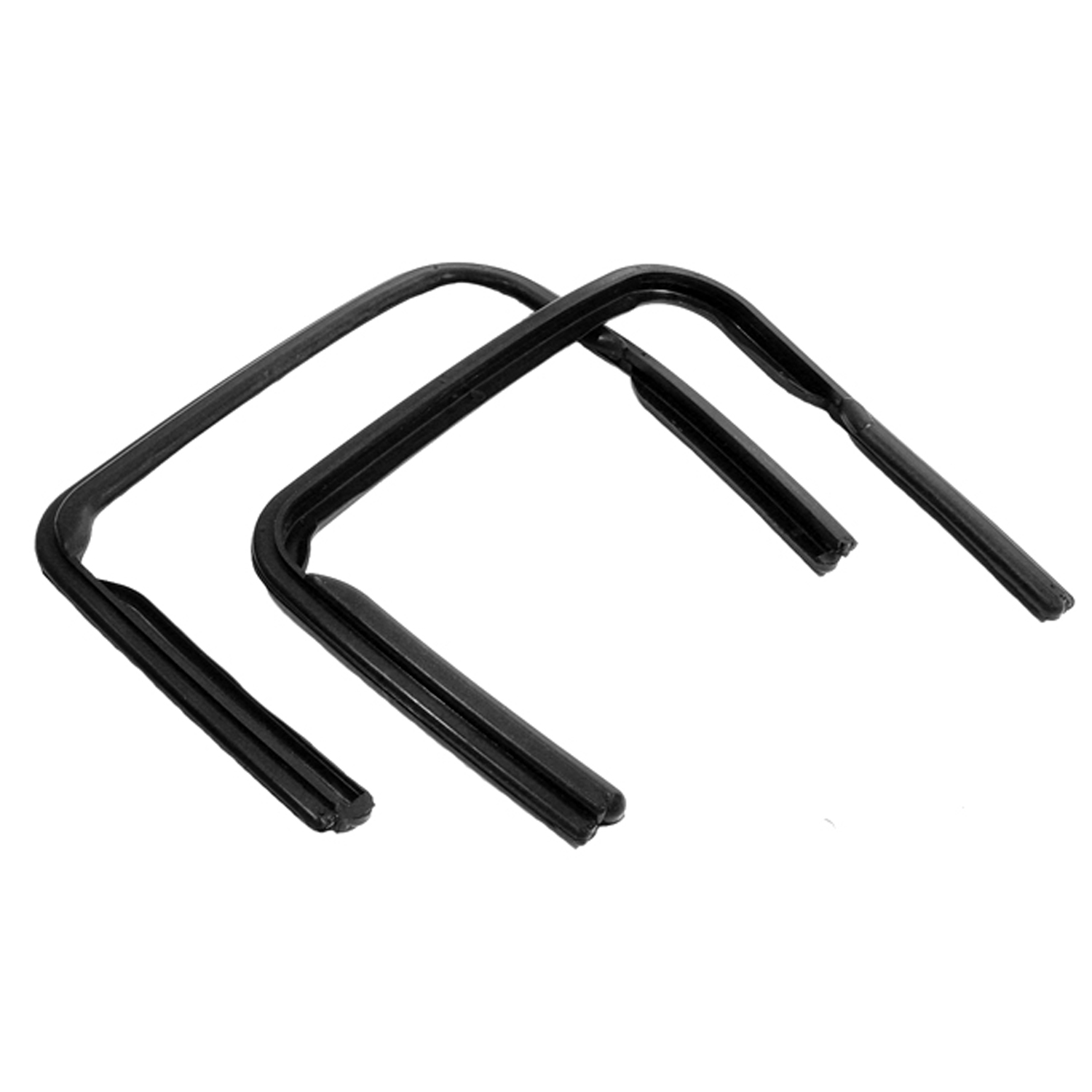 1947 Hudson SUPER 8 Front Vent Window Seals, for Convertibles-WR 9Front Vent Window Seals, for Convertibles. 25-1/4" long each. Pair R&L
Why Choose Metro?
For over 100 years, Metro Moulded Parts has been the pinnacle of quality in classic car restoration parts. Our commitment to precision and authenticity in every component ensures a perfect fit and an OEM-level appearance.
- Expert Craftsmanship & Quality: Each part is a testament to our dedication to reliability and perfection, crafted from original designs and thoroughly tested.
- Advanced Technology: We use cutting-edge techniques to create flawless, long-lasting parts that surpass others in performance.
- SuperSoft Sponge – The Ultimate Door Seal: Not only are our door seals 30% softer than competitors', but they're also guaranteed to never leak. They effectively reduce wind and road noise, enhancing your classic car's comfort and driving experience.
- Proudly American: Our parts are a product of American craftsmanship, made in the USA with a spirit of excellence and heritage.
- Unrivaled Warranty: We back our products with a 30-year industry-leading warranty, a testament to our confidence in their quality.
Join us in preserving the legacy of classic cars with parts that are crafted for perfection, not just made.