

Image of 1948 Hudson Super 6, Note: These illustrations use artistic license and may differ from actual historical models.
Performance Metrics
Fundamental Metrics
Emotional Appeal
MMP Rating
| Engine Specifications | |
|---|---|
| Engine: | Inline 6 |
| Displacement: | 212 cubic inches |
| Horsepower: | Estimated 102 hp |
| Torque: | 180 lb-ft |
| Compression Ratio: | Estimated 6.5:1 |
| Ignition System: | Distributor and coil |
| Cooling System: | Liquid-cooled |
| Performance Specifications | |
| 0-60 Time: | Information not available |
| 1/4 Mile Time: | Information not available |
| Top Speed: | 80 mph |
| Transmission and Drive | |
| Drive Type: | Rear-wheel drive |
| Transmission Type: | 3-speed manual |
| Fuel and Efficiency | |
| Fuel System Type: | Carburetor |
| MPG: | Information not available |
| Dimensions and Brakes | |
| Brakes: | Drum brakes |
| Wheelbase: | 124 inches |
| Weight: | Estimated 3,200 lbs |
Note: Specifications for classic cars are given to the best of our ability, considering the limited and variant data available.
1948 Hudson Super Six: The Low-Slung Postwar Classic
The 1948 Hudson Super Six arrived with a roofline that seemed to skim the road and a body built around a bold idea: a family car could be spacious, comfortable, and remarkably low without sacrificing strength. Built by the Hudson Motor Car Company of Detroit, it was part of the first generation of Hudson’s famous “Step-Down” cars, a design that made the postwar Hudson look strikingly different from most of its upright American rivals.
The Super Six sat below the more richly trimmed Commodore in Hudson’s model range, but it shared the engineering that made the new cars significant. Its most intriguing claim to fame is that the Step-Down design would later underpin the Hudson Hornet, one of the most successful stock-car racers of the early 1950s. The 1948 Super Six was not itself a racing legend, but it introduced the architecture that helped make that later success possible.
Step-Down Styling and Cabin Comfort
From the outside, the 1948 Super Six looks wide, smooth, and low. Its rounded front fenders flow into the body rather than standing apart as separate shapes, while the broad grille and substantial chrome trim give the nose a confident, horizontal emphasis. The rear fenders are smoothly integrated into the bodywork, and the overall profile has a long, planted appearance that still feels distinctive among late-1940s cars.
The low stance was not just a styling trick. Hudson arranged the passenger floor between the rails of its perimeter frame, allowing occupants to step down into the cabin. The result was a low center of gravity and a roomy interior beneath a relatively low roof. Hudson called its construction “Monobilt.” It combined a strong perimeter frame with a body structure designed to work with it, rather than being a conventional body simply perched high on a separate frame.
Inside, the Super Six was practical and substantial. Depending on body style and equipment, buyers could find broadcloth or other durable upholstery, a wide bench seat, a painted metal dashboard, and generous glass. The Super Six was less lavishly appointed than the Commodore, but it was still built to feel like a substantial American automobile. Optional equipment could include a radio, heater, clock, and other comfort or convenience features.
Hudson offered a range of period exterior colors, with choices varying by body style and production availability. Dark blue, green, maroon, gray, black, and lighter neutral shades suited the car’s broad bodywork. A well-chosen original color can make a Super Six especially appealing today, though many surviving cars have been repainted over the decades.
Super Six buyers most commonly encountered the model as a four-door sedan or two-door club coupe. Hudson’s exact body-style mix depended on the series and model year; the convertible Brougham is more closely associated with the better-appointed Commodore line than with the typical Super Six. The sedan is the most familiar choice, while the club coupe offers a slightly sportier profile and a more distinctive collector appeal.
Hudson’s Engineering Break from Tradition
The Step-Down Hudson represented a major change in American car design after World War II. Many competitors were still selling updated versions of prewar bodies, but Hudson introduced an unusually low, wide, all-new shape for 1948. The lowered floor, perimeter frame, and carefully packaged cabin helped create a car that felt planted on the road while offering generous passenger space.
That layout also set the stage for Hudson’s later performance reputation. The 1948 Super Six used the same basic Step-Down philosophy that would be developed into the powerful Hudson Hornet. In NASCAR, Hornets became formidable competitors from 1951 onward, helped by their low center of gravity, strong chassis, and potent engines. The Super Six was a more modest performer, but it belonged to the same important family of engineering ideas.
Against many contemporaries, the Hudson felt less top-heavy and more secure through turns. Its design did not make it a sports car, but it demonstrated that a large American sedan could combine comfort with more composed handling. That was a meaningful departure from the soft, high-riding feel common in many full-size cars of the period.
262 Six Performance and Road Manners
Power came from Hudson’s 262-cubic-inch L-head inline-six. In 1948 Super Six specification, it produced about 121 horsepower, with output and driving feel depending on equipment and condition. Buyers could pair the engine with a manual transmission, while an optional Hydra-Matic automatic transmission was available on Hudson models. The six-cylinder engine was designed for smooth, steady pulling rather than high-revving performance.
Period performance figures vary with body style, transmission, gearing, and test conditions. A sound, correctly tuned Super Six can be expected to reach roughly 85 to 90 mph, with a 0-to-60 mph time in the neighborhood of 17 to 20 seconds. Those are estimates, not guaranteed figures for every surviving car. Today, worn engines, modern tire choices, and traffic conditions can all affect what an owner experiences.
On the road, the engine delivers a quiet, even six-cylinder murmur that grows more purposeful under load. The ride is relaxed and well suited to cruising. Hudson’s low center of gravity helps the car feel more settled than its size might suggest, while the long wheelbase smooths out many ordinary road imperfections. On winding roads, it can feel surprisingly composed for a large 1940s sedan, though its weight and period steering still call for measured inputs.
It is not a modern car in disguise. Drum brakes, older steering geometry, and period tires require more anticipation than a contemporary driver may be used to. On rough roads, the suspension absorbs bumps comfortably, but worn shocks, tired springs, or loose steering components can quickly spoil the experience. A well-maintained example feels calm and substantial, with the driver seated low behind a broad hood and a thin-rimmed steering wheel.
Living With a 1948 Hudson Super Six
Most Super Sixes today are used as weekend drivers, touring cars, or show vehicles rather than everyday transportation. Their spacious cabins and comfortable ride make them well suited to local events and relaxed highway trips, provided the car is in sound mechanical condition. They are also a practical way to enjoy Hudson’s Step-Down design without paying the premium often attached to a high-performance Hornet.
Routine service is familiar to mechanics who work on older American cars: ignition, carburetor, cooling system, brakes, lubrication, and electrical connections all need regular attention. The straight-six is generally straightforward in layout, and many repairs can be handled by a capable home mechanic. However, some Hudson-specific trim, body pieces, and restoration parts are less readily available than parts for mass-produced Ford or Chevrolet models. Finding a specialist or joining a Hudson owners’ club can make ownership much easier.
Before buying, inspect the frame and body structure carefully for corrosion, especially around the lower body, floor, rocker areas, and suspension mounting points. The Step-Down construction is a key part of the car’s character, but structural rust can make repairs complex and expensive. Also check whether the transmission, brakes, electrical system, and cooling system have been properly sorted. A shiny paint job is no substitute for a solid chassis.
Hudson Super Six Facts Worth Knowing
The 1948 redesign was a major postwar statement from a relatively small independent automaker competing against much larger manufacturers. Hudson took a chance on a genuinely new body and structural concept rather than relying only on cosmetic updates. That decision gave the company a distinct identity and helped shape its later racing success.
The Super Six itself should not be confused with the later Hudson Hornet. The names reflect different points in Hudson’s history: the Super Six was a six-cylinder model in the 1948 range, while the Hornet arrived for 1951 as a larger, more powerful performance-focused car. The connection is the Step-Down foundation, not an identical engine or specification.
There is no widely recognized production speed or endurance record specifically associated with the 1948 Super Six. Hudson’s more famous competition headlines belong to the Hornet and its NASCAR victories. One common criticism of the Super Six is that it lacks the raw acceleration of a V8-powered rival. Another is that its distinctive body and trim can make restoration more challenging. Its counterargument is its uncommon design, comfortable ride, and the way it previews one of America’s most memorable racing sedans.
Collector Value and Availability
Exact production totals for individual 1948 Hudson series and body styles can be difficult to confirm consistently. A reasonable working estimate is that Hudson built roughly 50,000 to 65,000 Super Sixes for the model year, across the series’ available body styles. That is an estimate rather than a definitive factory tally, and the number of surviving cars is far smaller.
In the current collector market, condition and completeness matter more than a single headline price. As a broad estimate, a project or rough-running car may sell for around $5,000 to $12,000. A usable driver or presentable older restoration might bring approximately $15,000 to $30,000, while a high-quality restoration or exceptional original example could reach $35,000 to $50,000 or more. Rare configurations, documented history, and excellent structural condition can push prices higher; rust, missing trim, or incomplete restoration work can pull them down sharply.
The Super Six is uncommon enough to attract Hudson enthusiasts, but it is not as widely sought as the Hornet. Values have generally been supported by the growing interest in distinctive postwar American design, though the market remains selective. Well-documented, correctly restored cars are likely to hold their appeal better than cars with costly unfinished projects. As with any classic, actual selling prices depend on location, condition, and the enthusiasm of the buyer.
Why the 1948 Super Six Still Matters
The 1948 Hudson Super Six combines a smooth 262-cubic-inch inline-six, a roomy and comfortable cabin, and one of the most distinctive body designs of the postwar era. Its low Step-Down layout gave it a road feel that set it apart from many rivals, while its engineering helped establish the foundation for the later Hudson Hornet’s racing reputation.
It may not be the fastest Hudson or the most famous, but the Super Six captures the moment the company chose to rethink the American family car. That bold, low-slung silhouette is more than a styling flourish: it is the visible signature of an independent automaker willing to take a different road.
1948 Hudson Super 6 Catalog of Parts
 1948 Hudson SUPER 6 Accessory Floor Mat - 12"X17"-AC 35Accessory Floor Mat - made of high quality black rubber with molded original emblem. Also designed to be sewn into new carpets. 12"X17", Each
 1948 Hudson SUPER 6 Accelerator Pedal Pad, 2-5/8" X 9", Each-AP 23Accelerator Pedal Pad, 2-5/8" X 9", Each
 1948 Hudson SUPER 6 Rear Stabilizer Bushing. Two used per car. 1-3/4" O.D-BN 7-ARear Stabilizer Bushing. Two used per car. 1-3/4" O.D., 2" high, with 7/8" I.D. Each
 1948 Hudson SUPER 6 Clutch and Brake Pedal Pads. High quality reproduction-CB 15-AClutch and Brake Pedal Pads. High quality reproduction. 2-1/8" wide X 3" long. Pair
 1948 Hudson SUPER 6 Auxiliary Door to Cowl Seal-ELP 4500Auxiliary Door to Cowl Seal. This "S" seal attaches to the door and comes up against the door seal. Soft molded sponge. Very nice reproduction. Pair R&L
 1948 Hudson SUPER 6 Hood Adjustment Bumper. 1" diameter X 1-1/4" long bolt 1/4"-28 threads per Inch-HA 50Hood Adjustment Bumper. 1" diameter x 1/2" thick rubber X 1-1/4" long bolt x 1/4" Dia. x 28 Threads per Inch. Each
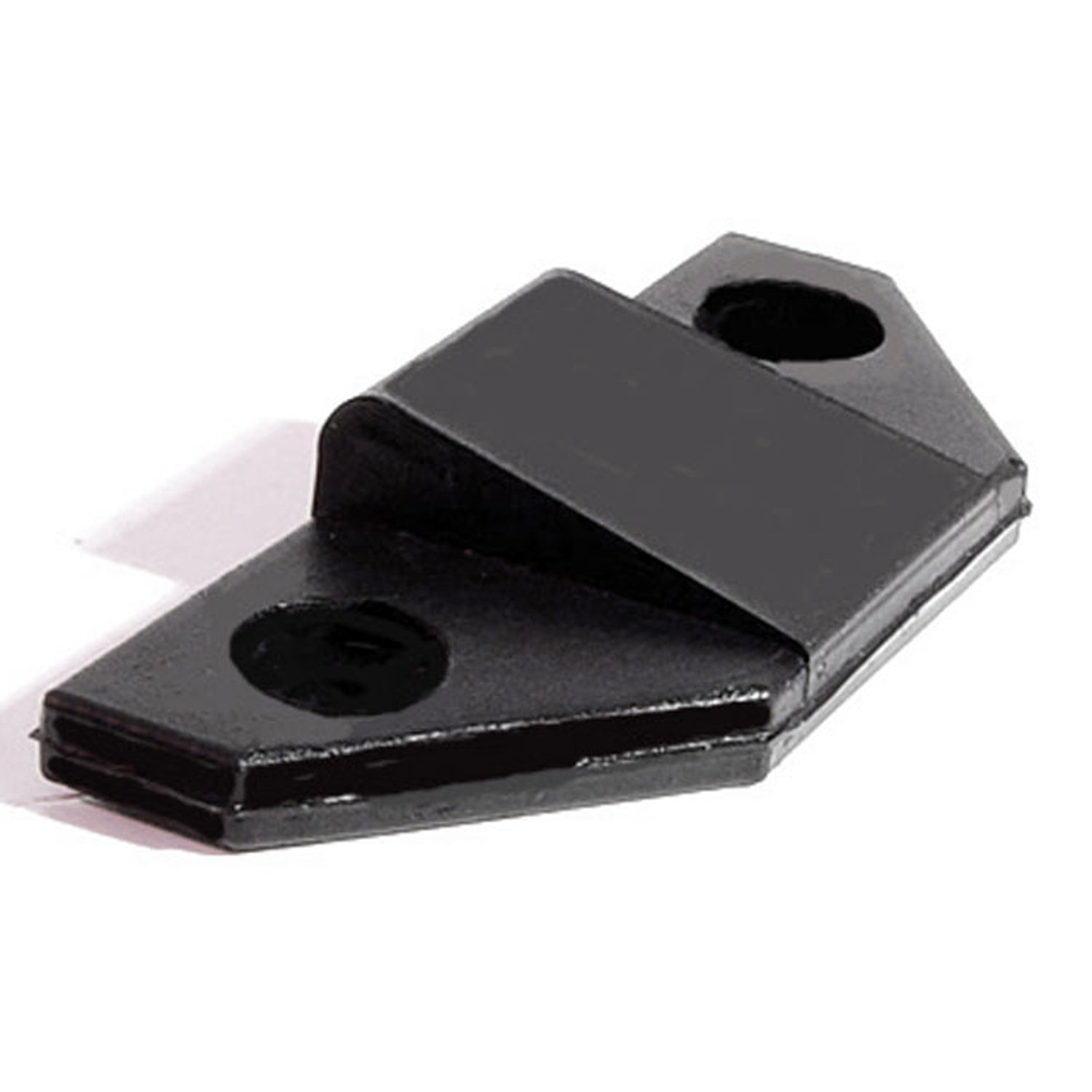 1948 Hudson SUPER 6 Middle hood bumpers. Two used per car. Nice reproduction-HF 58-BMiddle hood bumpers. Two used per car. Nice reproduction. Each.
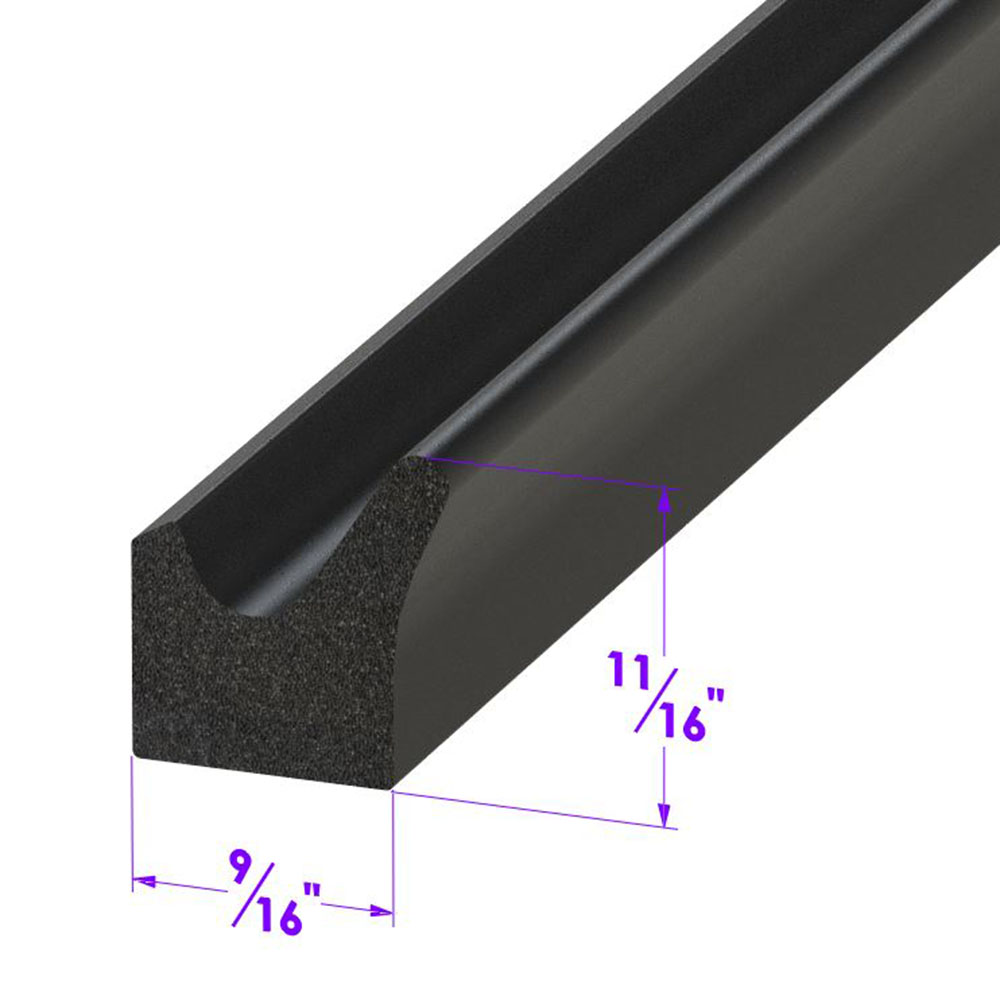 1948 Hudson SUPER 6 Door side seal. Same as LP 40-A, but for a heavier seal-LP 40Door side seal. Same as LP 40-A, but for a heavier seal. Fits many domestic passenger cars and trucks. Used in Cobra kit cars as trunk weatherstrip. Per foot.
 1948 Hudson SUPER 6 Door side seal. Same as LP 40, but for a lighter seal-LP 40-ADoor side seal. Same as LP 40, but for a lighter seal. Fits many domestic passenger cars and trucks. Universal seal for street rods and customs. Used in Cobra kit cars as door weatherstrip. Per foot.
 1948 Hudson SUPER 6 Trunk Handle Mounting Pad. Exact Reproduction-MP 798-GGTrunk Handle Mounting Pad. Exact Reproduction. 14" long X 2-7/16" wide (at widest point). Each
 1948 Hudson SUPER 6 Roof Antenna Pad. 1-9/16" O.D., 1-1/8" I.D. Each-MP 798-KKRoof Antenna Pad. 1-9/16" O.D., 1-1/8" I.D. Each
 1948 Hudson SUPER 6 Cowl Vent Seal. Made of 3/16" thick sponge-RP 100-ZCowl Vent Seal. Made of 3/16" thick sponge. 4-1/4" wide at end X 19" long. Each
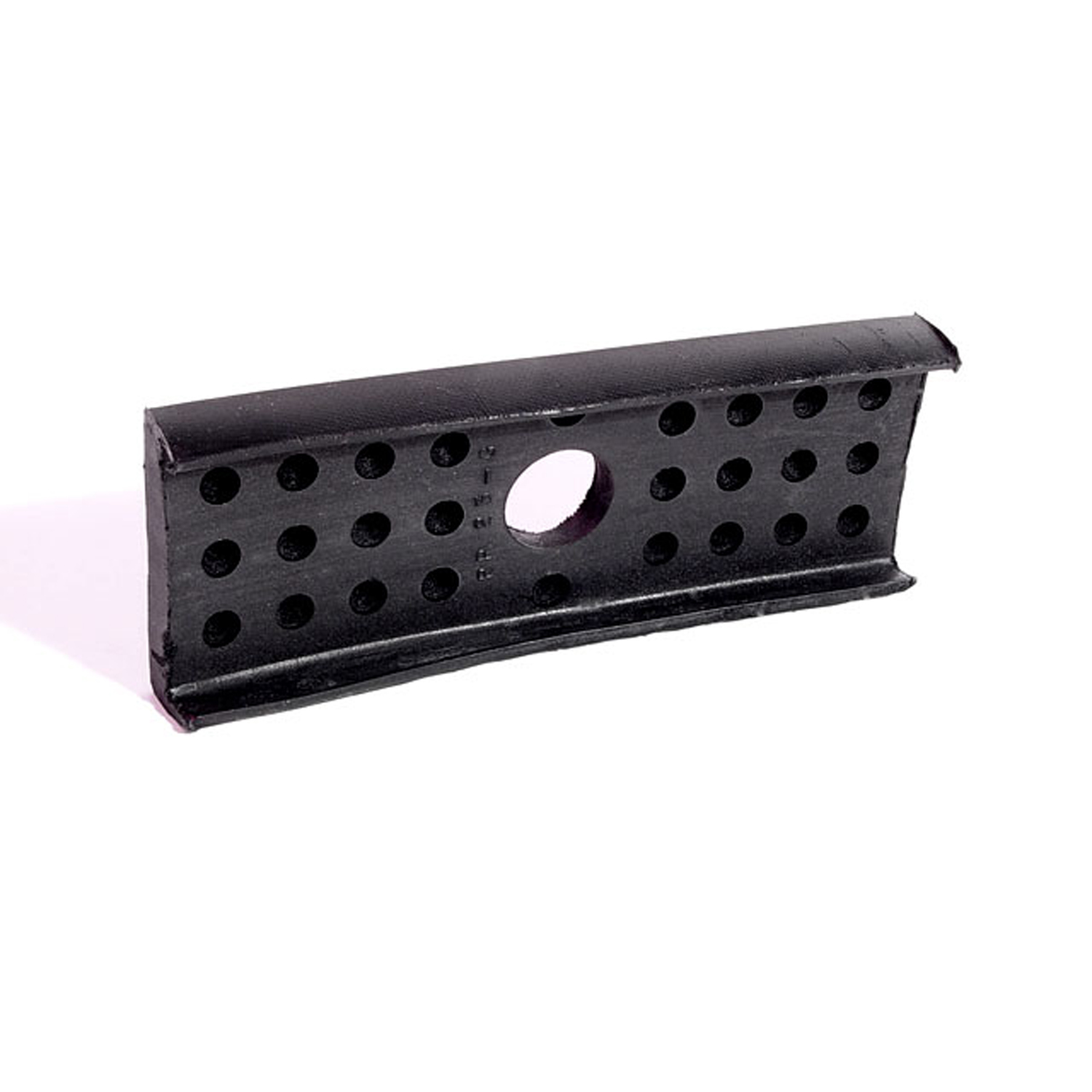 1948 Hudson SUPER 6 Rear Leaf Spring Center Mounting Insulator-RP 23-GRear Leaf Spring Center Mounting Insulator. For all 1-3/4" wide leaf springs. Each
 1948 Hudson SUPER 6 Center Driveshaft Support Carrier Cushion. 1-1/4" O.D-RP 250Center Driveshaft Support Carrier Cushion. 1-1/4" O.D., 1-1/4" Long (cushion). Each
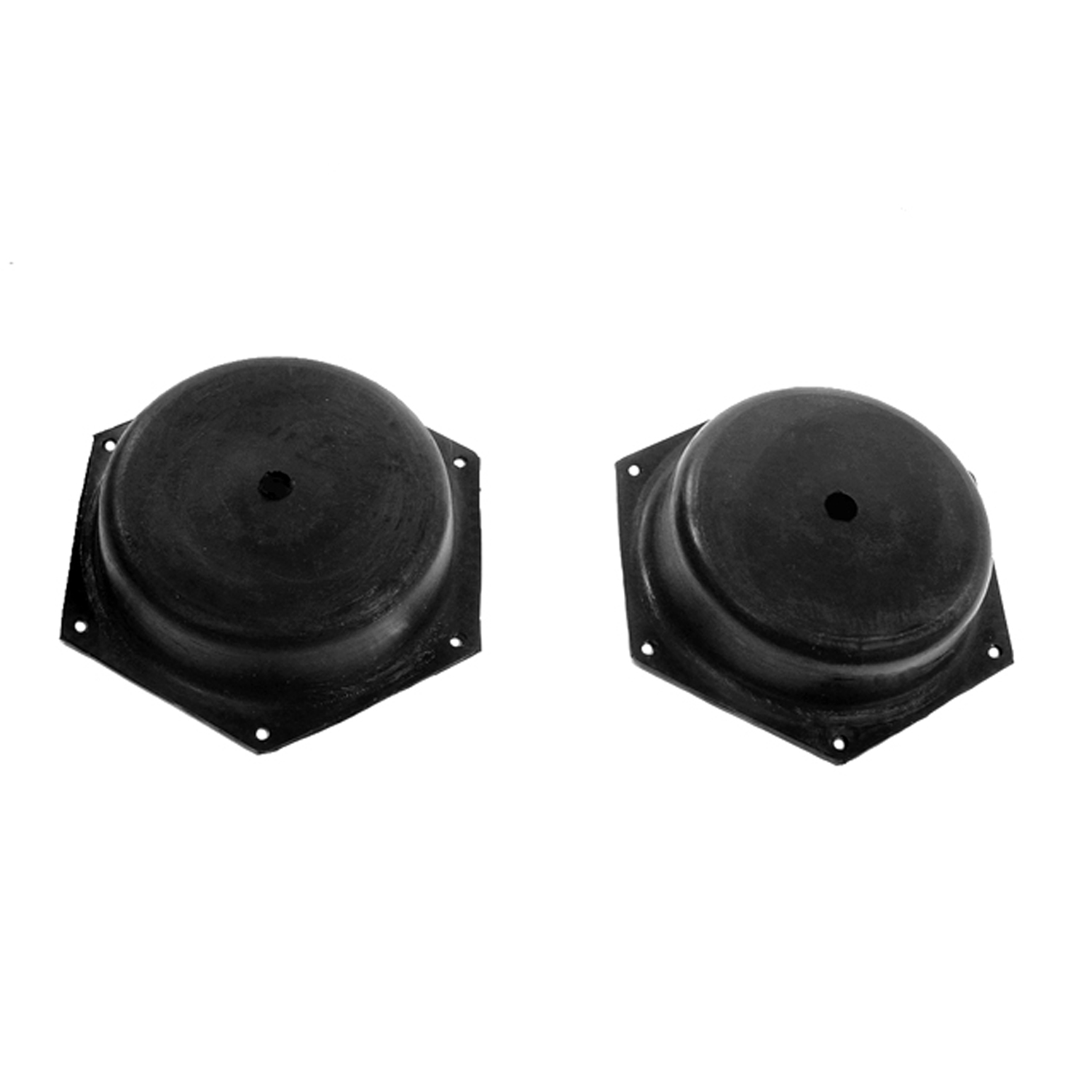 1948 Hudson SUPER 6 Drive Master Electric Shift Vacuum Diaphragm-RP 32-ADrive Master Electric Shift Vacuum Diaphragm. For all models with drive master system for standard transmission. Pair
 1948 Hudson SUPER 6 Clutch Linkage Cushion. 1/8" top thickness. Each-SB 33-BClutch Linkage Cushion. 1/8" top thickness. Each
 1948 Hudson SUPER 6 HEADLINER BOW GROMMET, 48-54 HUDSON-SM 55-HHEADLINER BOW GROMMET, 48-54 HUDSON
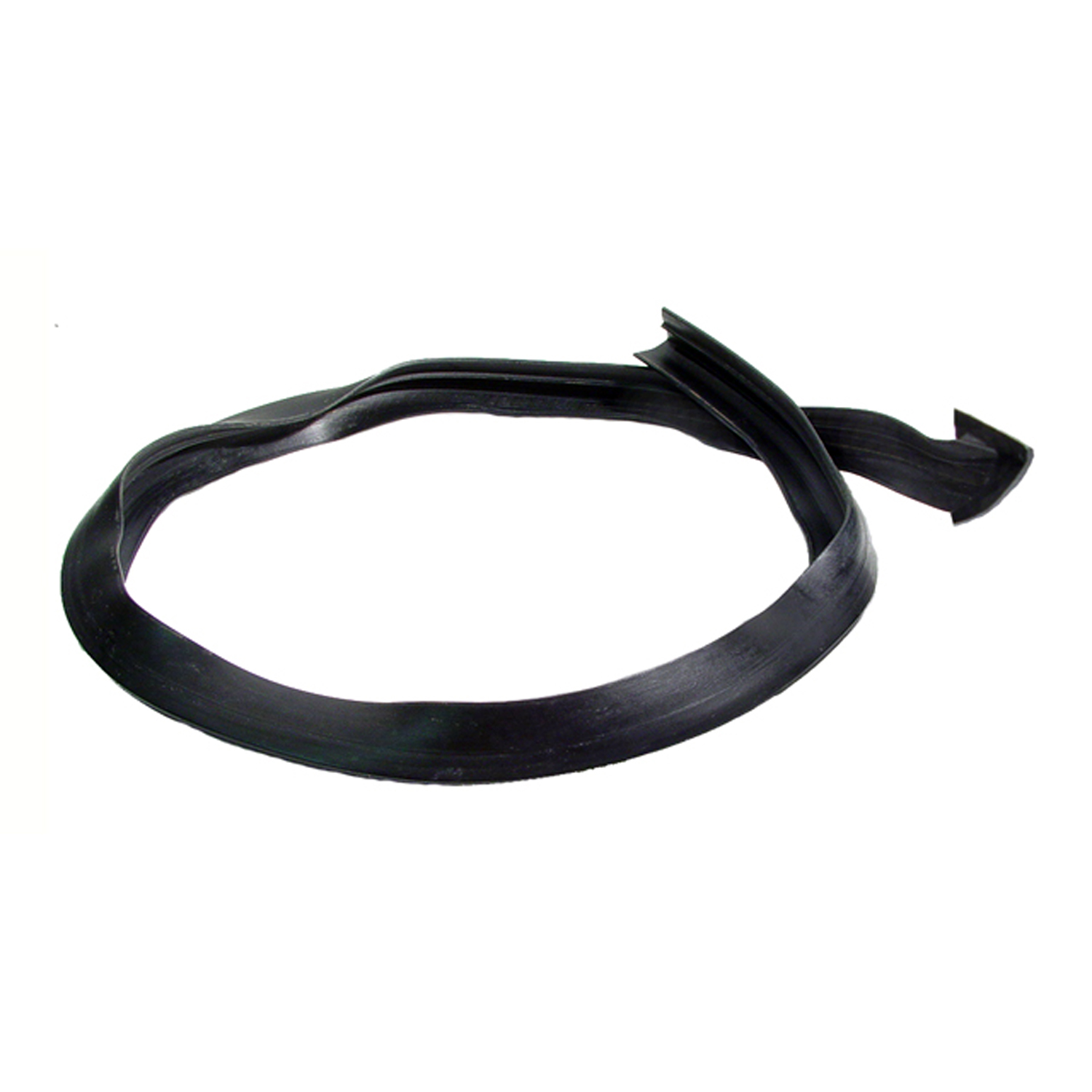 1948 Hudson SUPER 6 Vertical Division Seal-VS 6-AVertical Division Seal. 26" Piece, enough for two front vents. Each
 1948 Hudson SUPER 6 Vertical seal for vent window. Dense rubber. Universal part-VS 6-A/FTVertical seal for vent window. Dense rubber. Universal part. Per foot.
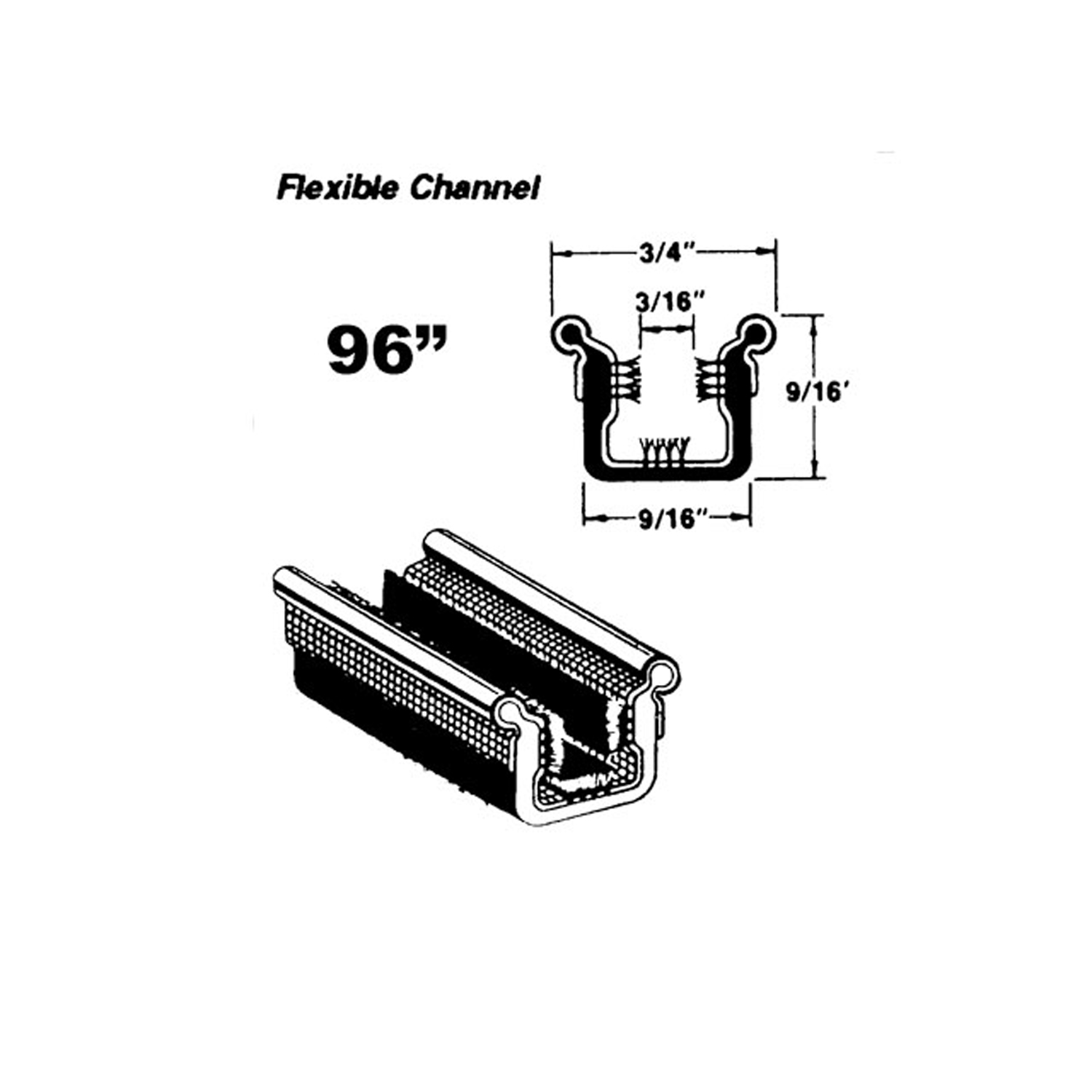 1948 Hudson SUPER 6 Flexible window channel-WC 10-96Flexible window channel. Rubber covered with mohair lining and stainless steel bead. 96 in. long. Each. NOTE: $20 special shipping charge applies for domestic orders. Call or email for overseas shipping costs. Part can be sectioned in two or three equal lengths to reduce overseas shipping costs.
 1948 Hudson SUPER 6 Flexible glass-run channel-WC 11-72Flexible glass-run channel. Mohair lined, cloth covered with stainless steel bead. Used on side windows. 72 in. long. Each. NOTE: $20 special shipping charge applies for domestic orders. Call or email for overseas shipping costs. Part can be sectioned in two equal lengths to reduce overseas shipping costs.
 1948 Hudson SUPER 6 Rear Vent Window Seals. Pair R&L-WR 3052-RRear Vent Window Seals. Pair R&L
 1948 Hudson SUPER 6 Front Vent Window Seals-WR 4501Front Vent Window Seals. For all closed models, not convertibles. Notch must be cut out for latching windows. Pair R&L
Why Choose Metro?
For over 100 years, Metro Moulded Parts has been the pinnacle of quality in classic car restoration parts. Our commitment to precision and authenticity in every component ensures a perfect fit and an OEM-level appearance.
- Expert Craftsmanship & Quality: Each part is a testament to our dedication to reliability and perfection, crafted from original designs and thoroughly tested.
- Advanced Technology: We use cutting-edge techniques to create flawless, long-lasting parts that surpass others in performance.
- SuperSoft Sponge – The Ultimate Door Seal: Not only are our door seals 30% softer than competitors', but they're also guaranteed to never leak. They effectively reduce wind and road noise, enhancing your classic car's comfort and driving experience.
- Proudly American: Our parts are a product of American craftsmanship, made in the USA with a spirit of excellence and heritage.
- Unrivaled Warranty: We back our products with a 30-year industry-leading warranty, a testament to our confidence in their quality.
Join us in preserving the legacy of classic cars with parts that are crafted for perfection, not just made.