

Image of 1948 Hudson Super 8, Note: These illustrations use artistic license and may differ from actual historical models.
Performance Metrics
Fundamental Metrics
Emotional Appeal
MMP Rating
| Engine Specifications | |
|---|---|
| Engine: | Inline 6-cylinder, L-head |
| Displacement: | 262 cu in (4.3 L) |
| Horsepower: | Estimated 121 hp |
| Torque: | 200 lb-ft |
| Compression Ratio: | Estimated 6.7:1 |
| Ignition System: | Battery and coil |
| Cooling System: | Liquid-cooled |
| Performance Specifications | |
| 0-60 Time: | Information not available |
| 1/4 Mile Time: | Information not available |
| Top Speed: | Estimated 90 mph |
| Transmission and Drive | |
| Drive Type: | Rear-wheel drive |
| Transmission Type: | 3-speed manual |
| Fuel and Efficiency | |
| Fuel System Type: | Carburetor |
| MPG: | Information not available |
| Dimensions and Brakes | |
| Brakes: | Hydraulic drum brakes |
| Wheelbase: | 124 inches |
| Weight: | Estimated 3,200 lbs |
Note: Specifications for classic cars are given to the best of our ability, considering the limited and variant data available.
1948 Hudson Super 8: The Step-Down Classic Explained
The 1948 Hudson sits lower than it looks like it ought to, and that was exactly the point. Its dramatic “Step-Down” design put passengers down inside the frame rather than perched above it, creating a roomy cabin, a low center of gravity, and one of the most distinctive American cars of the postwar era.
There is an important name detail for anyone shopping or researching: Hudson’s 1948 lineup is generally listed as the Super Six, Commodore Six, and Commodore Eight. “1948 Hudson Super 8” is often used informally or in older listings, but the eight-cylinder Step-Down model was the Commodore Eight. This guide focuses on that car, while noting where its features differed from other Hudson models.
Hudson Motor Car Company was based in Detroit and had built a reputation for engineering-minded cars since 1909. The 1948 models marked a major turning point for the company. They introduced a fresh postwar design with advanced body construction, several years before many competitors adopted similarly low-slung layouts. A useful bit of context: Hudson’s later racing fame is most closely associated with the Hornet, introduced for 1951, but the 1948 Step-Down supplied the engineering foundation for that celebrated era.
Step-Down Styling and Cabin Craft
The 1948 Hudson’s long hood, rounded fenders, smooth body sides, and broad chrome grille gave it a substantial but unusually streamlined look. Its front fenders flowed into the body instead of appearing like separate bolt-on shapes, while the rear fenders and gently sloping roofline kept the car looking sleek for a full-size American sedan. The result was less upright and formal than many rivals, with a planted stance that made the Hudson look lower and wider than it was.
That impression came from more than styling. Hudson’s “Step-Down” construction placed the floor and passenger compartment within the perimeter frame. Passengers stepped down into the cabin, while the frame structure ran around them. This arrangement lowered the seating position and the car’s center of gravity. It also made the interior feel surprisingly spacious, especially compared with cars that carried their floors high above a conventional chassis.
Inside, the Commodore Eight offered a broad dashboard, generous seating, and a comfortable, substantial feel. Upholstery and trim varied with body style and equipment, but commonly included durable cloth, leather, or combinations of materials, with more elaborate finishes on higher-trim cars. Chrome details, patterned door panels, and a large steering wheel gave the cabin a distinctly late-1940s character. It was built for relaxed, long-distance travel rather than a sporty, close-fitting driving position.
Hudson’s paint choices changed with model, trim, and production availability. Period palettes included conservative dark shades such as black, maroon, and blue, along with lighter gray, green, and cream tones. Two-tone treatments were available on some combinations and suit the car’s flowing bodywork particularly well. Dark, dignified colors remain popular with restorers, while lighter or two-tone examples show off the Hudson’s curves and long profile.
The Commodore Eight was offered in several body styles, including a four-door sedan, a two-door club coupe, and a convertible. The sedan is the familiar, practical choice and is often the easiest version to find. The convertible is the most eye-catching and generally the most sought-after, while the club coupe has a distinctive long-door profile and a sportier look. Exact availability and trim details can vary by catalog, market, and surviving car.
Why Hudson’s 1948 Design Mattered
The Step-Down Hudson was notable because its low stance came from the structure, not just from styling tricks. The body and frame were engineered as an integrated assembly, with the floor set lower between the frame rails. Hudson called its approach “Monobilt” construction. The layout helped produce a lower center of gravity and a more secure, planted feel than many tall-bodied contemporaries.
It also offered a useful blend of room and road manners. Passengers sat lower without giving up the headroom and interior space expected in a full-size car. That combination helped Hudson stand apart from competitors whose bodies were still shaped around more traditional, high-floor chassis designs. The Step-Down was not the only example of advanced body construction in the industry, but it was one of the most distinctive and influential American interpretations of the idea.
Hudson’s innovation carried into its competition history. The Step-Down platform helped make later Hudsons formidable in stock-car racing, particularly the 1951–1954 Hornets. The 1948 Commodore Eight was not itself the famous NASCAR champion, but its low center of gravity and structural concept were part of the engineering lineage that made the later cars so competitive.
Eight-Cylinder Performance and Road Feel
The Commodore Eight used Hudson’s smooth, naturally aspirated inline-eight, displacing about 254 cubic inches and producing approximately 128 horsepower in typical 1948 specifications. A three-speed manual transmission was standard, with a column-mounted shifter. An automatic transmission and overdrive were available on some configurations, though equipment varied. Buyers should confirm the transmission and engine details on any individual car rather than assume every example left the factory the same way.
Period performance figures depend on body style, transmission, condition, and test method. As a general guide, expect a top speed in the neighborhood of 85 to 90 mph and a 0-to-60-mph time of roughly 17 to 20 seconds. Those are estimates, not modern test results. The Hudson was a substantial luxury-oriented car, not a lightweight performance machine, and its strength was smooth, confident cruising rather than quick acceleration.
On the road, the straight-eight delivers an even, muted hum that suits the car’s unhurried character. The low seating position makes the Hudson feel more connected to the road than its size suggests, and the chassis tends to feel composed through sweeping bends. It is still a nearly 80-year-old full-size automobile, so narrow tires, period steering geometry, and a long wheelbase limit how briskly it should be hustled through tight corners.
Over bumps, the suspension and generous seat cushioning provide the relaxed ride expected of a premium American car of the period. On a windy road, the lower center of gravity helps it feel more settled than many tall contemporaries, although modern handling and braking standards are a different matter. The driver works a large steering wheel, reads simple analog instruments, and plans stops well ahead. A properly maintained car feels smooth and reassuring, but it rewards a measured driving style.
Living with a 1948 Hudson
Today, most Commodore Eights are used as weekend cruisers, show cars, or participants in classic-car tours. They can be driven regularly, but owners should approach that decision with realistic expectations. The car is large, fuel consumption is substantial by modern standards, and its braking, lighting, and safety equipment reflect 1948 rather than the present day. A thorough mechanical inspection and careful maintenance matter more than the odometer reading.
Routine service is familiar to an experienced classic-car mechanic: ignition tune-ups, carburetor work, cooling-system care, lubrication, and attention to the brakes and electrical system. Hudson-specific parts and trim can take more searching than parts for a mass-produced Chevrolet or Ford, and body or interior restoration may require patience. The inline-eight is robust when maintained, but age, overheating, neglected lubrication, and hard-to-source components can make a worn engine an expensive project.
For an owner who enjoys hands-on work, many basic repairs are manageable with standard tools and period service information. The bigger challenges are often locating correct parts, dealing with decades of previous repairs, and finding specialists familiar with Hudson construction. Before buying, inspect the frame and body structure carefully, check for rust in floors and lower body areas, and verify that the car’s identity and engine details match its paperwork.
Hudson Trivia, Racing Roots, and Criticisms
The “Step-Down” nickname describes the everyday experience of entering the car: you step down into the passenger compartment. It also neatly captures Hudson’s central engineering idea. That low cabin was more than a styling flourish; it was the result of the car’s frame and floor arrangement.
The 1948 model’s most important historical moment was its launch as the first year of Hudson’s new Step-Down generation. The car itself did not hold a famous speed record, and it should not be confused with the later Hornets that dominated stock-car racing. Its significance is the design leap that helped make those later racing successes possible.
Common criticisms are practical rather than mysterious. The car is heavy, thirsty, and not especially quick by modern standards. Hudson’s lower production volumes than the biggest Detroit manufacturers also mean that some trim, sheet-metal, and mechanical parts can be harder to find. Its distinctive structure can make collision repair or rust repair more involved than work on a simpler, conventional body-on-frame car. Still, for enthusiasts, the engineering and road presence are precisely what make it appealing.
Collector Values and Availability
Values vary widely with body style, originality, rust, mechanical condition, and restoration quality. As a broad 2026 estimate in the U.S. market, a rough project car might bring about $5,000 to $12,000. A usable driver could fall around $15,000 to $30,000, while a well-restored sedan or coupe may reach roughly $30,000 to $50,000. Exceptional, correctly restored convertibles can exceed that range, sometimes substantially. These are market estimates, not guaranteed sale prices, and rare parts or major structural work can change the economics quickly.
Hudson built far fewer cars than the largest manufacturers, and surviving examples are scattered rather than plentiful. A reasonable best-guess estimate for 1948 Commodore Eight production is in the low tens of thousands, perhaps around 15,000 to 20,000 cars across body styles. That is an approximate figure, not a verified count of surviving cars, and individual body-style totals are harder to establish. Sedans tend to appear more often than convertibles.
Like many prewar and postwar American classics, the market has not climbed in a straight line. Top-quality convertibles and unusually original cars remain desirable, but ordinary sedans have generally seen steadier, more modest demand. In inflation-adjusted terms, many examples have been relatively flat or soft in recent years, while excellent restorations continue to command a premium. Condition, documentation, and quality of workmanship matter more than optimistic asking prices.
The Last Word on the 1948 Hudson
The 1948 Hudson Commodore Eight combines a smooth inline-eight, elegant postwar styling, and a genuinely unusual piece of engineering. Its Step-Down construction gave it a lower center of gravity and a spacious, comfortable cabin, setting it apart from many of its contemporaries. The name “Super 8” may appear in listings, but the correct 1948 eight-cylinder model is generally the Commodore Eight.
It is not a modern-speed classic, nor the easiest vintage car to restore, but it offers something rarer than sheer horsepower: a clear point of view. The 1948 Hudson was designed from the ground up to sit lower, ride confidently, and look unmistakably like a Hudson. That bold idea still makes it a standout in any classic-car lineup.
1948 Hudson Super 8 Catalog of Parts
 1948 Hudson SUPER 8 Accessory Floor Mat - 12"X17"-AC 35Accessory Floor Mat - made of high quality black rubber with molded original emblem. Also designed to be sewn into new carpets. 12"X17", Each
 1948 Hudson SUPER 8 Accelerator Pedal Pad, 2-5/8" X 9", Each-AP 23Accelerator Pedal Pad, 2-5/8" X 9", Each
 1948 Hudson SUPER 8 Rear Stabilizer Bushing. Two used per car. 1-3/4" O.D-BN 7-ARear Stabilizer Bushing. Two used per car. 1-3/4" O.D., 2" high, with 7/8" I.D. Each
 1948 Hudson SUPER 8 Clutch and Brake Pedal Pads. High quality reproduction-CB 15-AClutch and Brake Pedal Pads. High quality reproduction. 2-1/8" wide X 3" long. Pair
 1948 Hudson SUPER 8 Auxiliary Door to Cowl Seal-ELP 4500Auxiliary Door to Cowl Seal. This "S" seal attaches to the door and comes up against the door seal. Soft molded sponge. Very nice reproduction. Pair R&L
 1948 Hudson SUPER 8 Hood Adjustment Bumper. 1" diameter X 1-1/4" long bolt 1/4"-28 threads per Inch-HA 50Hood Adjustment Bumper. 1" diameter x 1/2" thick rubber X 1-1/4" long bolt x 1/4" Dia. x 28 Threads per Inch. Each
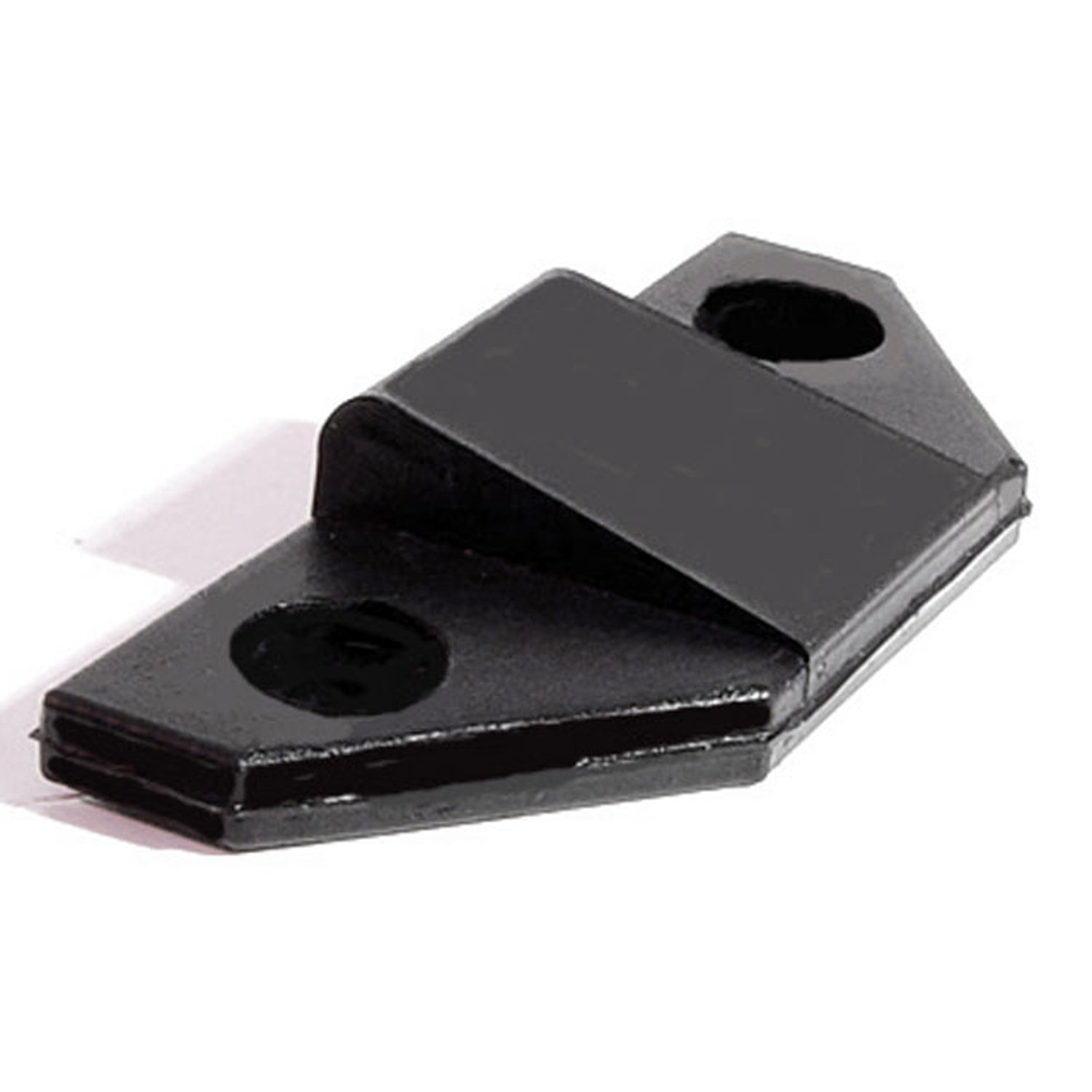 1948 Hudson SUPER 8 Middle hood bumpers. Two used per car. Nice reproduction-HF 58-BMiddle hood bumpers. Two used per car. Nice reproduction. Each.
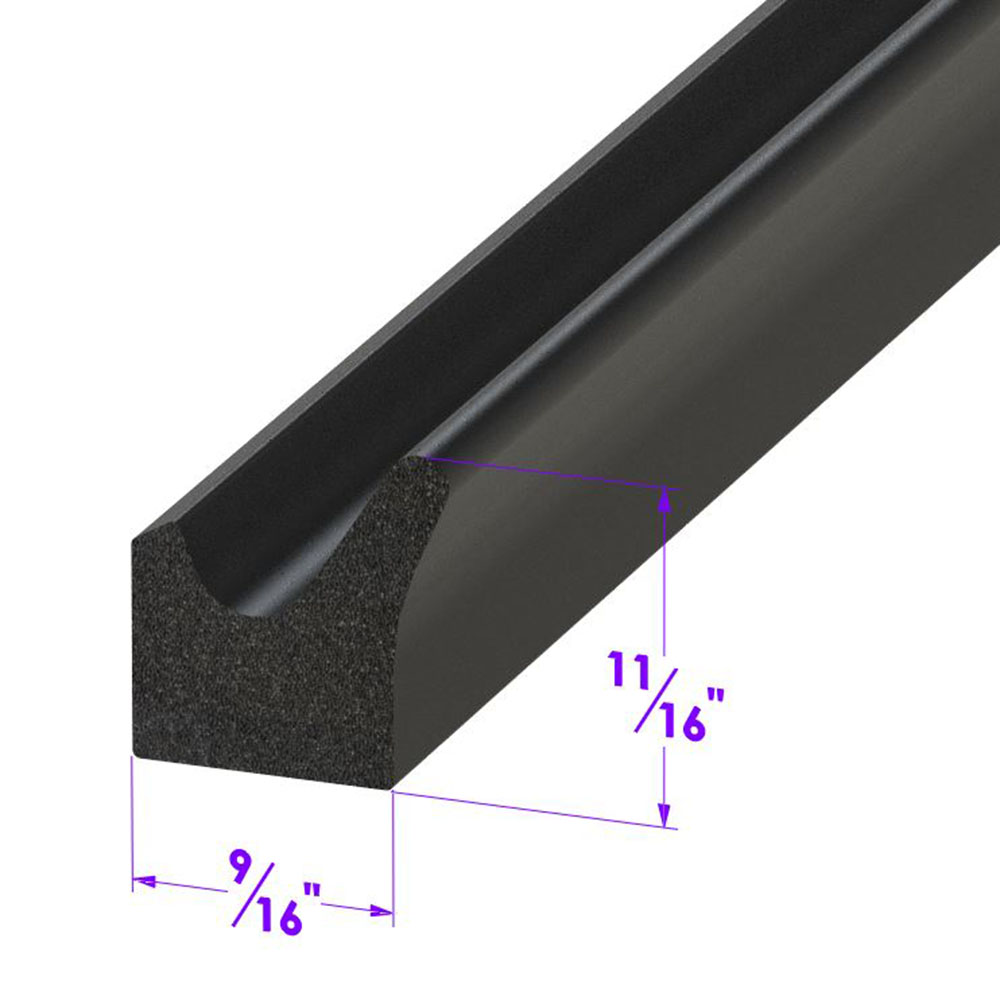 1948 Hudson SUPER 8 Door side seal. Same as LP 40-A, but for a heavier seal-LP 40Door side seal. Same as LP 40-A, but for a heavier seal. Fits many domestic passenger cars and trucks. Used in Cobra kit cars as trunk weatherstrip. Per foot.
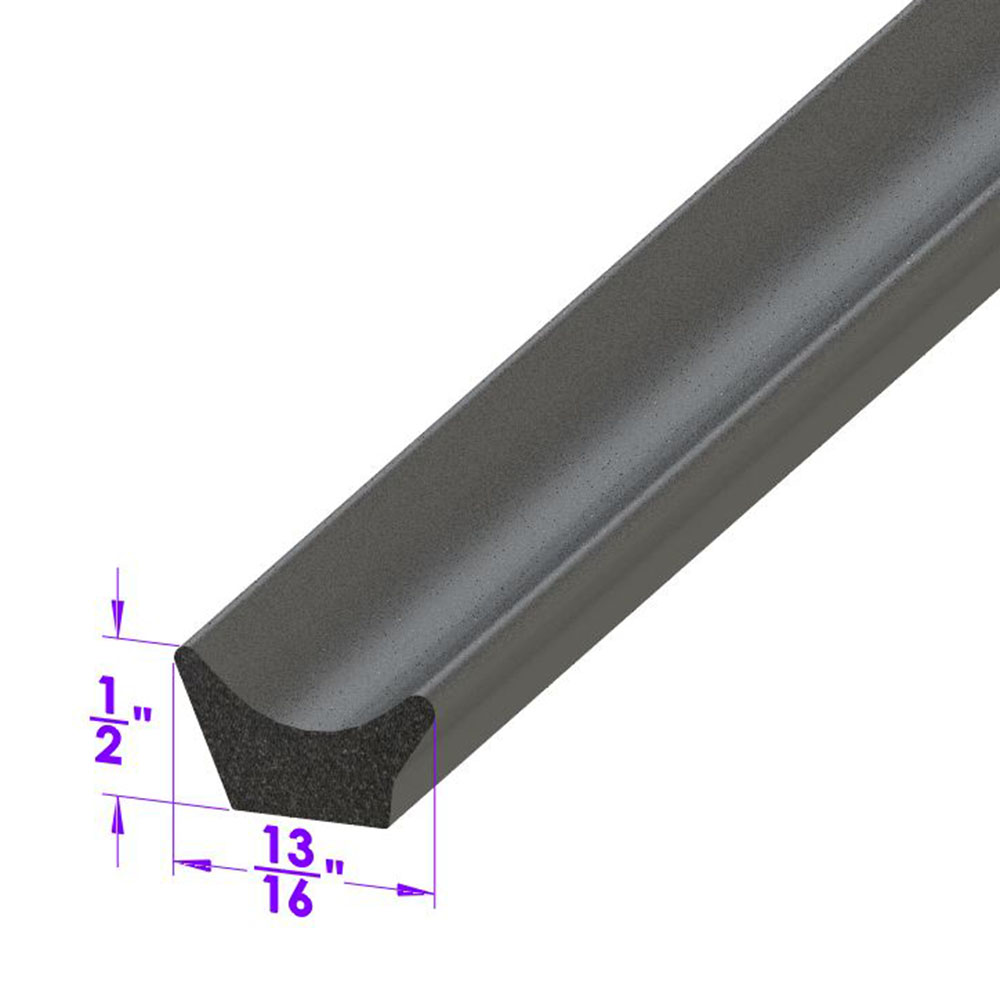 1948 Hudson SUPER 8 Door side seal. Same as LP 40, but for a lighter seal-LP 40-ADoor side seal. Same as LP 40, but for a lighter seal. Fits many domestic passenger cars and trucks. Universal seal for street rods and customs. Used in Cobra kit cars as door weatherstrip. Per foot.
 1948 Hudson SUPER 8 Trunk Handle Mounting Pad. Exact Reproduction-MP 798-GGTrunk Handle Mounting Pad. Exact Reproduction. 14" long X 2-7/16" wide (at widest point). Each
 1948 Hudson SUPER 8 Roof Antenna Pad. 1-9/16" O.D., 1-1/8" I.D. Each-MP 798-KKRoof Antenna Pad. 1-9/16" O.D., 1-1/8" I.D. Each
 1948 Hudson SUPER 8 Cowl Vent Seal. Made of 3/16" thick sponge-RP 100-ZCowl Vent Seal. Made of 3/16" thick sponge. 4-1/4" wide at end X 19" long. Each
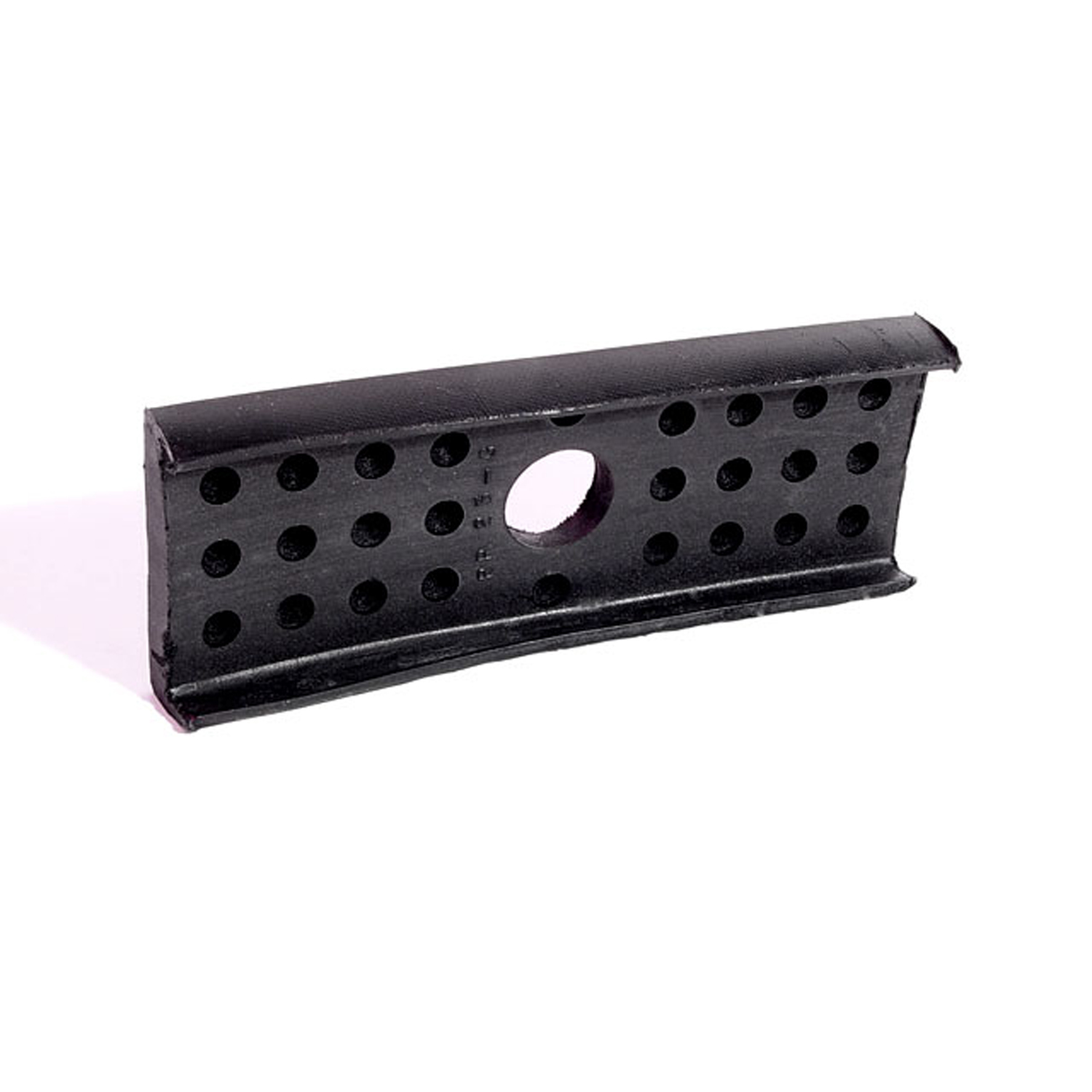 1948 Hudson SUPER 8 Rear Leaf Spring Center Mounting Insulator-RP 23-GRear Leaf Spring Center Mounting Insulator. For all 1-3/4" wide leaf springs. Each
 1948 Hudson SUPER 8 Center Driveshaft Support Carrier Cushion. 1-1/4" O.D-RP 250Center Driveshaft Support Carrier Cushion. 1-1/4" O.D., 1-1/4" Long (cushion). Each
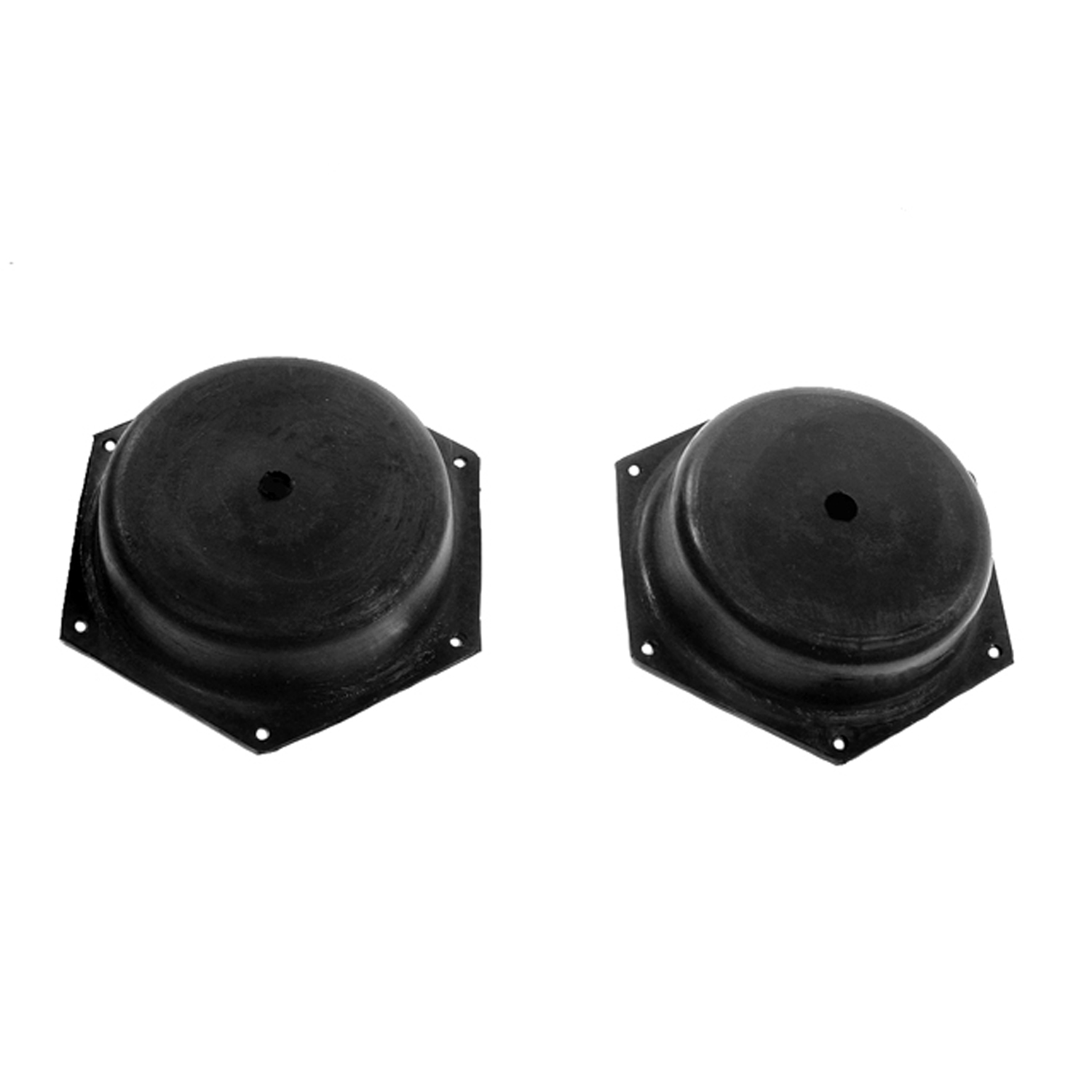 1948 Hudson SUPER 8 Drive Master Electric Shift Vacuum Diaphragm-RP 32-ADrive Master Electric Shift Vacuum Diaphragm. For all models with drive master system for standard transmission. Pair
 1948 Hudson SUPER 8 Clutch Linkage Cushion. 1/8" top thickness. Each-SB 33-BClutch Linkage Cushion. 1/8" top thickness. Each
 1948 Hudson SUPER 8 HEADLINER BOW GROMMET, 48-54 HUDSON-SM 55-HHEADLINER BOW GROMMET, 48-54 HUDSON
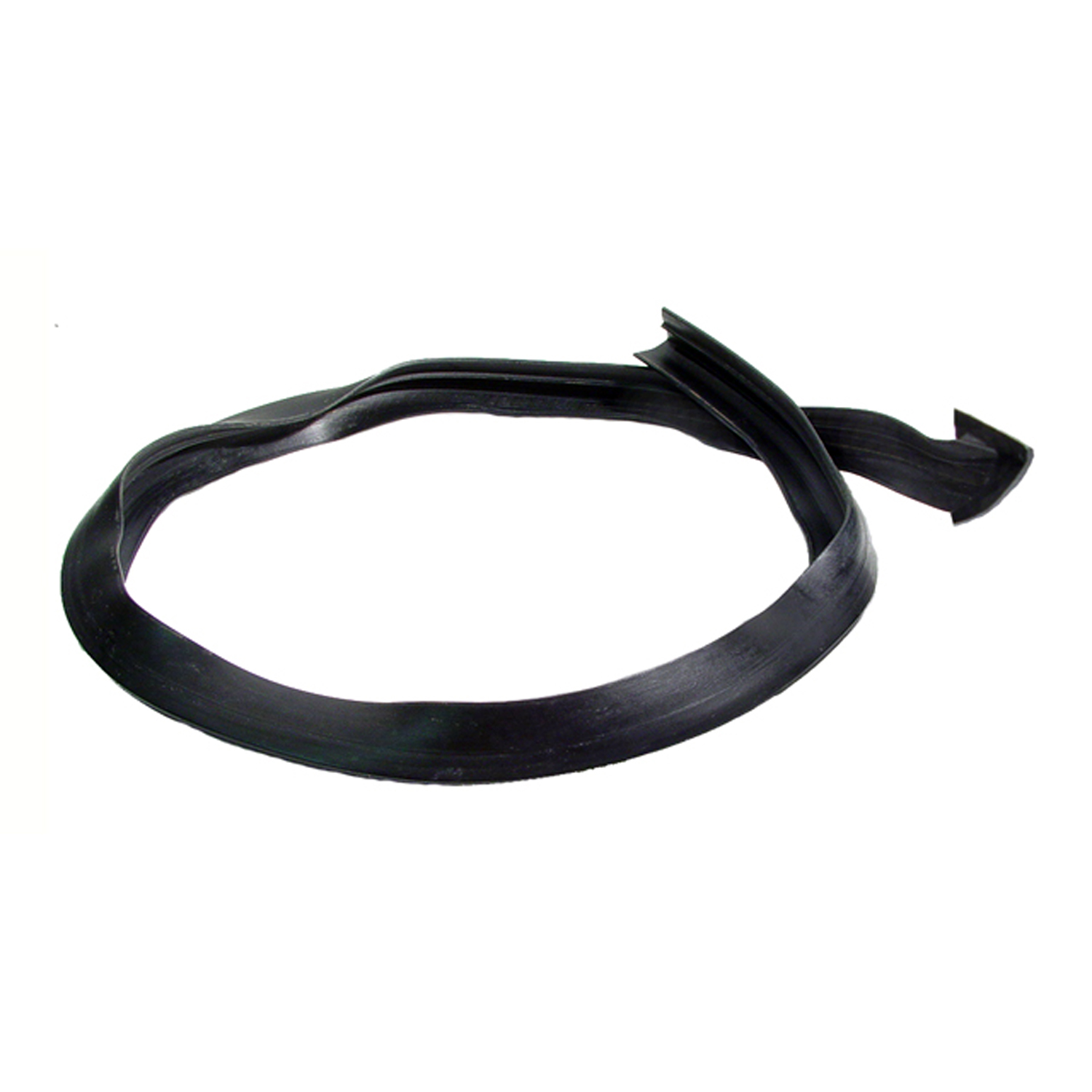 1948 Hudson SUPER 8 Vertical Division Seal-VS 6-AVertical Division Seal. 26" Piece, enough for two front vents. Each
 1948 Hudson SUPER 8 Vertical seal for vent window. Dense rubber. Universal part-VS 6-A/FTVertical seal for vent window. Dense rubber. Universal part. Per foot.
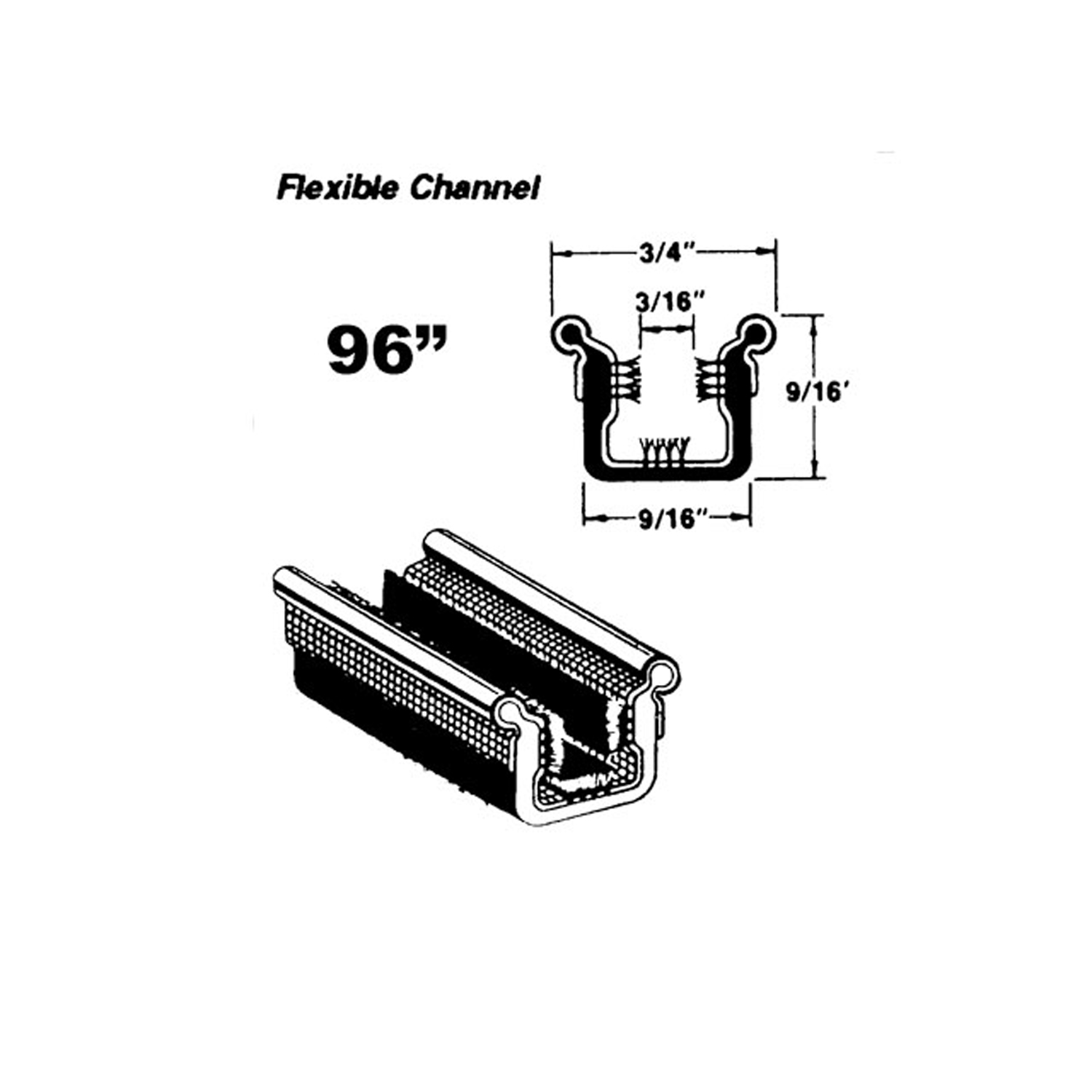 1948 Hudson SUPER 8 Flexible window channel-WC 10-96Flexible window channel. Rubber covered with mohair lining and stainless steel bead. 96 in. long. Each. NOTE: $20 special shipping charge applies for domestic orders. Call or email for overseas shipping costs. Part can be sectioned in two or three equal lengths to reduce overseas shipping costs.
 1948 Hudson SUPER 8 Flexible glass-run channel-WC 11-72Flexible glass-run channel. Mohair lined, cloth covered with stainless steel bead. Used on side windows. 72 in. long. Each. NOTE: $20 special shipping charge applies for domestic orders. Call or email for overseas shipping costs. Part can be sectioned in two equal lengths to reduce overseas shipping costs.
 1948 Hudson SUPER 8 Rear Vent Window Seals. Pair R&L-WR 3052-RRear Vent Window Seals. Pair R&L
 1948 Hudson SUPER 8 Front Vent Window Seals-WR 4501Front Vent Window Seals. For all closed models, not convertibles. Notch must be cut out for latching windows. Pair R&L
Why Choose Metro?
For over 100 years, Metro Moulded Parts has been the pinnacle of quality in classic car restoration parts. Our commitment to precision and authenticity in every component ensures a perfect fit and an OEM-level appearance.
- Expert Craftsmanship & Quality: Each part is a testament to our dedication to reliability and perfection, crafted from original designs and thoroughly tested.
- Advanced Technology: We use cutting-edge techniques to create flawless, long-lasting parts that surpass others in performance.
- SuperSoft Sponge – The Ultimate Door Seal: Not only are our door seals 30% softer than competitors', but they're also guaranteed to never leak. They effectively reduce wind and road noise, enhancing your classic car's comfort and driving experience.
- Proudly American: Our parts are a product of American craftsmanship, made in the USA with a spirit of excellence and heritage.
- Unrivaled Warranty: We back our products with a 30-year industry-leading warranty, a testament to our confidence in their quality.
Join us in preserving the legacy of classic cars with parts that are crafted for perfection, not just made.