

Image of 1950 Hudson Super 8, Note: These illustrations use artistic license and may differ from actual historical models.
Performance Metrics
Fundamental Metrics
Emotional Appeal
MMP Rating
| Engine Specifications | |
|---|---|
| Engine Options: | Inline 8 |
| Displacement Range: | 262 cu in (4.3 L) |
| Horsepower Range: | Estimated 128 hp |
| Torque: | 200 lb-ft |
| Compression Ratio: | Estimated 7.0:1 |
| Ignition System: | Distributor and coil |
| Cooling System: | Liquid-cooled |
| Performance Specifications | |
| 0-60 Time: | Estimated 15 seconds |
| 1/4 Mile Time: | Not available |
| Top Speed: | 90 mph |
| Transmission and Drive | |
| Drive Type: | Rear-wheel drive |
| Transmission Type: | 3-speed manual |
| Fuel and Efficiency | |
| Fuel System Type: | Carburetor |
| MPG: | Estimated 15-20 mpg |
| Dimensions and Brakes | |
| Brakes: | Drum brakes |
| Wheelbase: | 124 inches |
| Weight: | Estimated 3,400 lbs |
Note: Specifications for classic cars are given to the best of our ability, considering the limited and variant data available.
1950 Hudson Super 8: An American Classic with a Low Center of Gravity
The 1950 Hudson Super 8 looks like a substantial postwar American sedan, but its most important innovation is hidden beneath the body: its passengers sit down inside the car rather than perched on top of a conventional frame. Built by the Hudson Motor Car Company of Detroit, the Super 8 brought Hudson’s distinctive “step-down” construction and smooth straight-eight power to drivers seeking a roomy, refined automobile.
Hudson introduced its step-down cars for the 1948 model year, and the design remained a defining feature in 1950. The Super 8 occupied the upper-middle part of Hudson’s range, below the more lavish Commodore Eight. It was neither a stripped-down family car nor a full luxury flagship. Instead, it combined upscale appointments, generous room, and a technically unusual chassis. One intriguing detail: the low floor and perimeter frame were not just styling tricks. Together, they helped give the big Hudson a lower center of gravity than many rivals, a quality that would later contribute to the marque’s celebrated road manners.
Step-Down Styling and Cabin Comfort
At a glance, the Super 8 has the confident proportions of a classic American automobile: a long hood, rounded front fenders, a tall passenger compartment, and a substantial rear section. Up front, a broad chrome grille gives the car a formal face, while bright trim, hood details, and carefully shaped bumpers add period elegance. Its body looks lower and more integrated than many cars of the era, with the front fenders flowing into the body instead of appearing like separate, bulbous appendages.
The name “step-down” describes the way passengers enter the car. They step over the door sill and down onto a floor positioned within the perimeter frame. That arrangement creates a low seating position and a spacious-feeling cabin, though the deep sill can take some getting used to. The Super 8’s interior was designed for comfortable long-distance travel, with broad bench seats, generous legroom, and period-appropriate trim. Depending on equipment and upholstery, buyers could find quality cloth, patterned fabrics, and upgraded materials in a cabin finished with polished metal details and a wide dashboard.
Hudson offered the Super 8 in tasteful colors typical of the period, including dark and medium blues, greens, grays, tans, and black, with two-tone combinations available on some configurations. Exact paint names and combinations varied by year and body style. Dark colors suit the car’s formal character, while lighter shades show off the sculpted fenders and chrome. The most recognizable Super 8 body styles were the four-door sedan and two-door club coupe. Convertibles and some of the more elaborate body offerings belonged to other Hudson series, so buyers looking for an open-top Hudson generally had to look beyond the Super 8.
Hudson Engineering in 1950
The Super 8’s central engineering feature was Hudson’s Monobilt construction, the company’s name for its integrated body-and-frame approach. Rather than placing a tall body on a conventional ladder frame, Hudson used a strong perimeter structure around the passenger compartment and set the floor low within it. The result was a car with a lower stance, a protected central passenger area, and a more planted feel on the road.
Power came from Hudson’s 254.4-cubic-inch L-head straight-eight engine. In typical 1950 specification, it produced about 128 horsepower, sent through a three-speed manual transmission. Depending on equipment, buyers could also choose conveniences such as Hudson’s Drive-Master semi-automatic system or a Hydra-Matic automatic transmission. These options made the Super 8 more relaxed in traffic, although the standard manual suited drivers who preferred direct control.
The car also stood apart in a market where many manufacturers were refining familiar front-engine, rear-drive layouts rather than rethinking the passenger compartment from the ground up. Hudson’s step-down design influenced the company’s subsequent models and helped establish a reputation for unusually composed handling. It was not the only American carmaker exploring integrated construction, but Hudson made the low-floor layout a major part of its identity.
Super 8 Performance and Road Manners
The Hudson straight eight was built for smooth, steady power rather than high-revving drama. Period specifications put output at roughly 128 horsepower, while performance estimates for a sound, correctly tuned car suggest a top speed in the neighborhood of 90 to 95 mph. Acceleration from 0 to 60 mph is generally estimated at about 18 to 20 seconds, depending on body style, transmission, mechanical condition, and test method. These are period-car estimates, not modern instrumented figures.
On the road, the Super 8’s greatest strength is its calm, settled character. Its low center of gravity helps it feel less top-heavy than its size might suggest, and the long wheelbase contributes to a comfortable ride over uneven pavement. It is still a heavy, old-fashioned car, so sharp bumps can make themselves known and the steering requires more effort at low speeds than a modern driver may expect. On a winding road, the Hudson feels composed for its era, but it rewards smooth inputs rather than abrupt cornering.
Behind the wheel, the straight eight delivers a quiet, even burble that builds gently under acceleration. The view over the long hood is unmistakably vintage, and the broad bench seat encourages relaxed cruising. The manual transmission asks for deliberate shifts, while an automatic-equipped car makes stop-and-go driving easier. In either form, the Super 8 feels most at home on an open road, where its smooth engine and cushioned ride can do their best work.
What the Super 8 Meant to Hudson
The Super 8 arrived during a period of intense postwar demand, when American families were buying new cars after years of wartime restrictions. Hudson’s engineering gave the company a distinctive answer to the increasingly familiar full-size sedan. The step-down cars offered an unusual combination of a low seating position, roomy interior, and sure-footed road behavior, helping Hudson stand out among larger manufacturers.
The Super 8 should not be confused with the Hudson Hornet that became famous in stock-car racing. The Hornet arrived for 1951 and became the better-known symbol of Hudson’s competition success. The 1950 Super 8 belongs to the same innovative step-down era, but it was a refined road car rather than the model most closely associated with Hudson’s NASCAR victories.
Hudson’s independent engineering also gave the car historical importance. The company continued to build distinctive vehicles while larger competitors benefited from greater production scale. Hudson later joined Nash-Kelvinator to form American Motors Corporation in 1954, and Hudson-branded passenger cars disappeared after the 1957 model year. The Super 8 therefore represents a notable chapter in the final years of Hudson as an independent automaker.
Ownership, Maintenance, and Reliability
Today, a 1950 Hudson Super 8 is more likely to be a weekend cruiser, show car, or vintage-tour participant than an everyday commuter. Its comfortable cabin and relaxed highway manner make it well suited to club drives and period-car events. The car’s size, fuel consumption, drum brakes, and lack of modern safety equipment are practical considerations for anyone planning frequent use.
The straight-eight is mechanically straightforward compared with a modern engine, and many routine jobs can be handled by an experienced home mechanic. However, age and parts availability matter. Cooling-system condition, ignition components, brake hydraulics, suspension wear, and transmission behavior deserve careful inspection. Hudson-specific trim and body parts can be harder to source than generic mechanical items, and restoration work may require help from marque specialists or Hudson owner clubs.
A well-maintained Super 8 can be dependable for touring, but reliability depends heavily on the quality of previous repairs and the car’s current condition. Before buying, check for structural corrosion, especially around the floor, sills, and frame areas, and verify that the brakes, steering, and cooling system are safe for road use. A detailed inspection is more valuable than a fresh coat of paint.
Super 8 Trivia and Common Criticisms
The 1950 Super 8’s most distinctive claim to fame is its step-down design, which made getting into the cabin feel different from climbing into a conventional high-floor sedan. Hudson’s lower seating position and perimeter-frame layout also became important parts of the company’s advertising and engineering reputation.
There is no widely recognized model-specific speed or endurance record attached to the Super 8. Hudson’s better-known competition stories belong chiefly to the Hornet and its racing career beginning in 1951. Production figures for individual Hudson series can be reported differently across references, so a sensible estimate for 1950 Super Eight production is roughly 15,000 to 20,000 cars. That estimate should not be mistaken for a confirmed surviving-car count.
Common criticisms are familiar to anyone shopping for a large prewar-style car: the Super 8 is heavy, fuel economy is modest, and its brakes and steering feel dated beside modern cars. Its low floor can also make entry less convenient for some passengers. On the other hand, those same proportions are part of what gives the Hudson its distinctive road feel and memorable design.
Collector Value and Availability
Collector values vary substantially with body style, originality, restoration quality, and mechanical condition. As a broad U.S. market estimate, a project or heavily worn example might sell for about $5,000 to $10,000. A usable driver or presentable older restoration could fall around $12,000 to $25,000, while a high-quality, correctly restored car may bring roughly $30,000 to $45,000 or more. Exceptional examples can exceed those ranges, but condition and documentation have a major influence on price.
The Super 8 is uncommon compared with mass-produced cars from the major Detroit brands, yet it is not so rare that a determined buyer can never find one. Listings tend to appear through Hudson clubs, specialist dealers, online auctions, and classic-car marketplaces rather than in large numbers at any one time. Values have generally been steady to gradually firmer for well-preserved cars, with the strongest demand for original, documented examples and thoughtful restorations. As with many pre-1950s American cars, broad market shifts and restoration costs can limit appreciation.
Why the 1950 Hudson Super 8 Still Matters
The 1950 Hudson Super 8 combines smooth straight-eight power, generous period comfort, and a genuinely distinctive engineering idea. Its step-down construction gave it a lower, more planted character than many rivals, while its styling captured the confident elegance of postwar America. It may not have the racing fame of the later Hornet, but it stands on its own as one of Hudson’s most intriguing road cars.
For collectors, the Super 8 offers more than chrome and nostalgia. It is a reminder that an independent automaker could challenge convention with a clever chassis, a distinctive silhouette, and a car that felt different from the moment you stepped down into it.
1950 Hudson Super 8 Catalog of Parts
 1950 Hudson SUPER 8 Accessory Floor Mat - 12"X17"-AC 35Accessory Floor Mat - made of high quality black rubber with molded original emblem. Also designed to be sewn into new carpets. 12"X17", Each
 1950 Hudson SUPER 8 Accelerator Pedal Pad, 2-5/8" X 9", Each-AP 23Accelerator Pedal Pad, 2-5/8" X 9", Each
 1950 Hudson SUPER 8 Accelerator Rod Bellows. 1/8" top I.D., 2-1/4" bottom I.D-BL 7-HAccelerator Rod Bellows. 1/8" top I.D., 2-1/4" bottom I.D., 3-1/4" bottom O.D. Each
 1950 Hudson SUPER 8 Rear Stabilizer Bushing. Two used per car. 1-3/4" O.D-BN 7-ARear Stabilizer Bushing. Two used per car. 1-3/4" O.D., 2" high, with 7/8" I.D. Each
 1950 Hudson SUPER 8 Clutch and Brake Pedal Pads. High quality reproduction-CB 15-AClutch and Brake Pedal Pads. High quality reproduction. 2-1/8" wide X 3" long. Pair
 1950 Hudson SUPER 8 Auxiliary Door to Cowl Seal-ELP 4500Auxiliary Door to Cowl Seal. This "S" seal attaches to the door and comes up against the door seal. Soft molded sponge. Very nice reproduction. Pair R&L
 1950 Hudson SUPER 8 Hood Adjustment Bumper. 1" diameter X 1-1/4" long bolt 1/4"-28 threads per Inch-HA 50Hood Adjustment Bumper. 1" diameter x 1/2" thick rubber X 1-1/4" long bolt x 1/4" Dia. x 28 Threads per Inch. Each
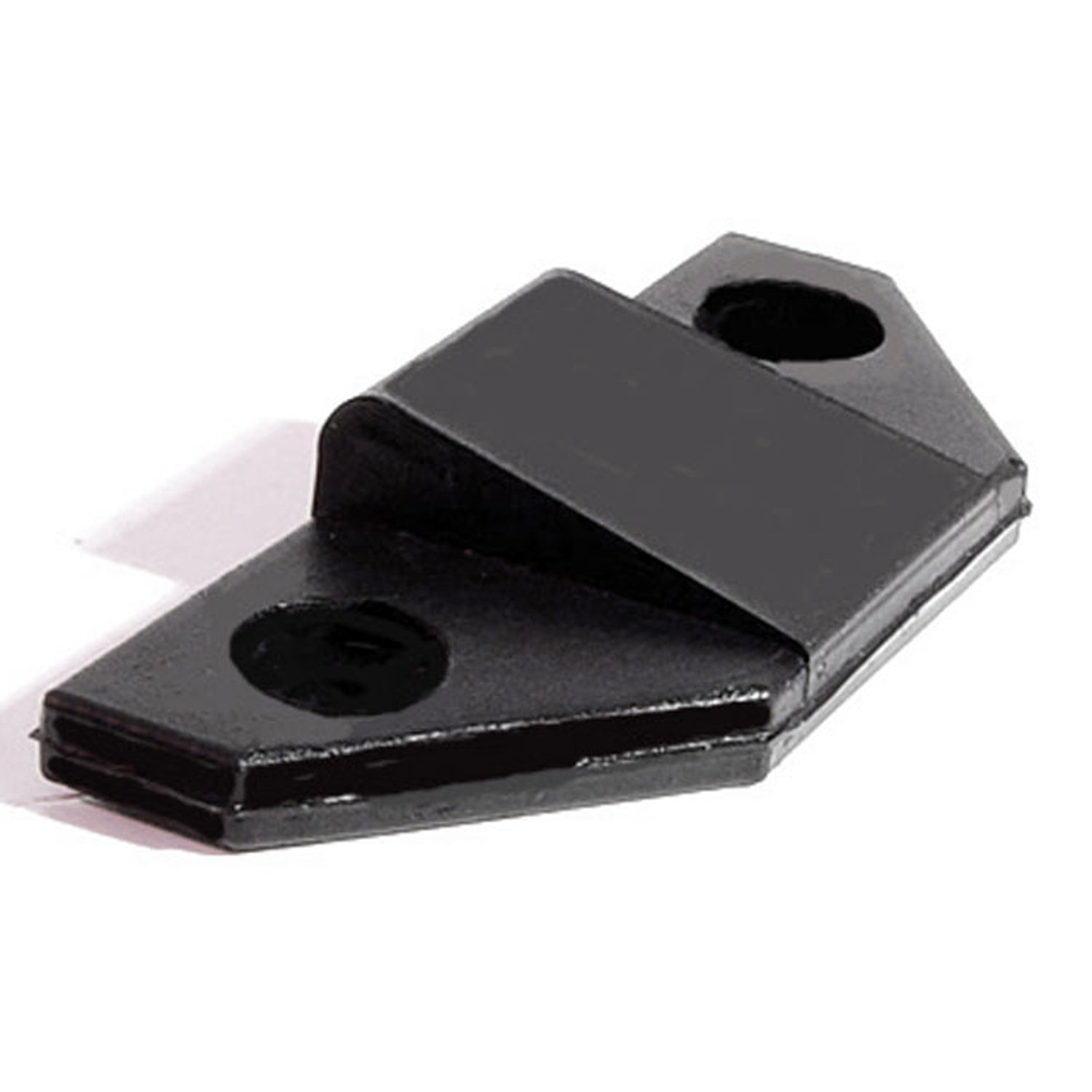 1950 Hudson SUPER 8 Middle hood bumpers. Two used per car. Nice reproduction-HF 58-BMiddle hood bumpers. Two used per car. Nice reproduction. Each.
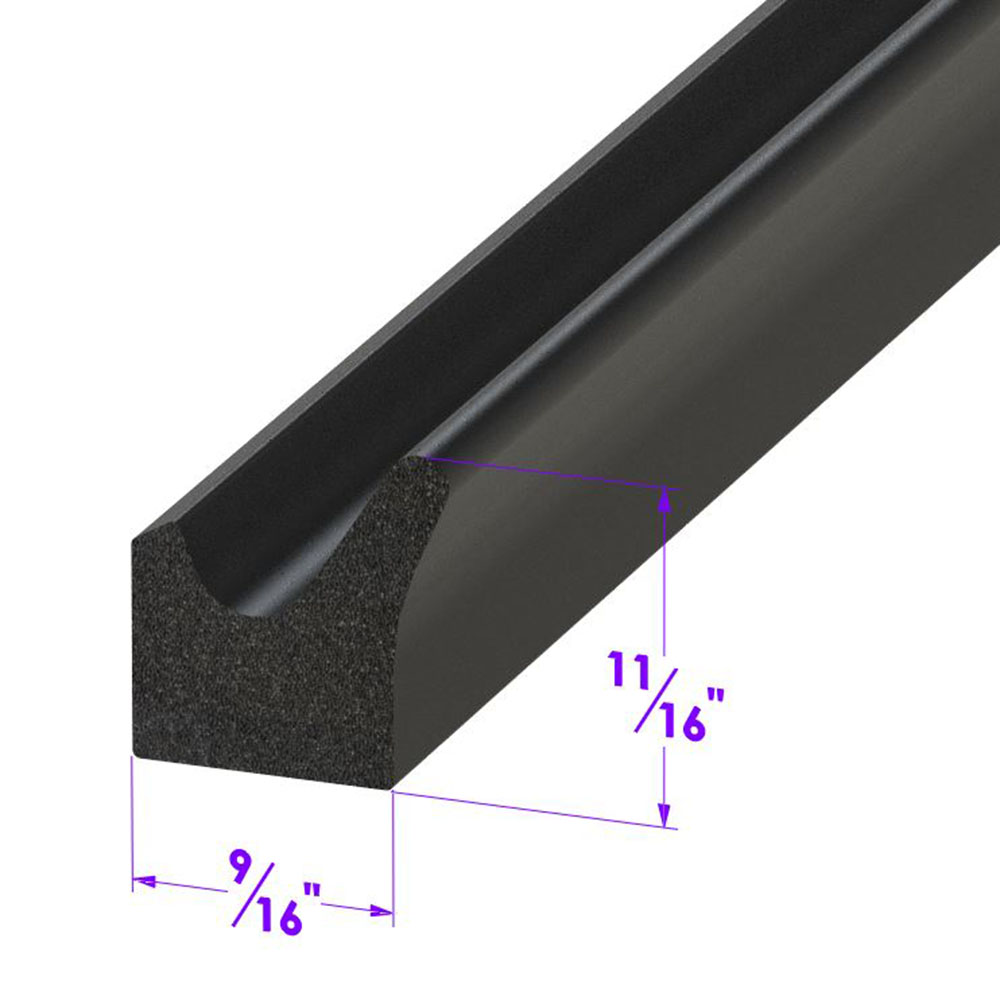 1950 Hudson SUPER 8 Door side seal. Same as LP 40-A, but for a heavier seal-LP 40Door side seal. Same as LP 40-A, but for a heavier seal. Fits many domestic passenger cars and trucks. Used in Cobra kit cars as trunk weatherstrip. Per foot.
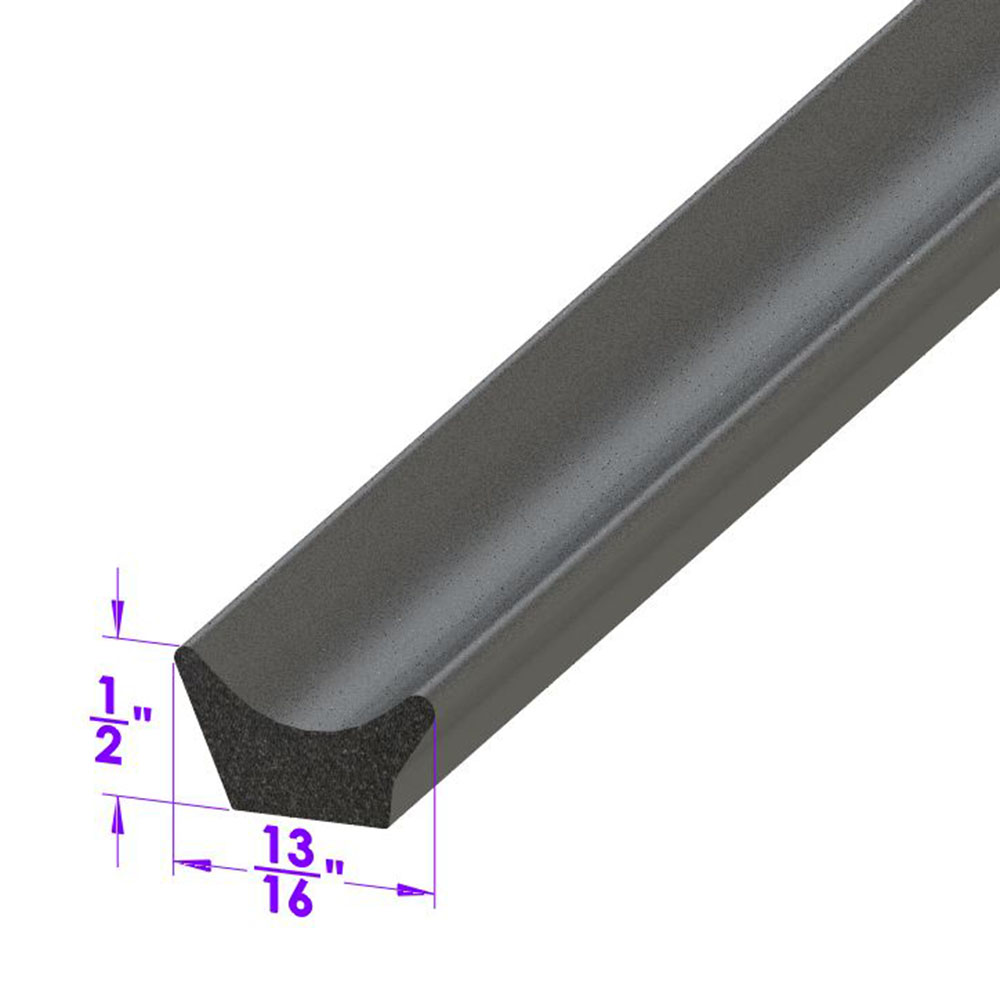 1950 Hudson SUPER 8 Door side seal. Same as LP 40, but for a lighter seal-LP 40-ADoor side seal. Same as LP 40, but for a lighter seal. Fits many domestic passenger cars and trucks. Universal seal for street rods and customs. Used in Cobra kit cars as door weatherstrip. Per foot.
 1950 Hudson SUPER 8 Tail-light Pads. 7-1/8" long X 4-1/8" wide. Pair R&L-MP 798-GTail-light Pads. 7-1/8" long X 4-1/8" wide. Pair R&L
 1950 Hudson SUPER 8 Roof Antenna Pad. 1-9/16" O.D., 1-1/8" I.D. Each-MP 798-KKRoof Antenna Pad. 1-9/16" O.D., 1-1/8" I.D. Each
 1950 Hudson SUPER 8 Cowl Vent Seal. Made of 3/16" thick sponge-RP 100-ZCowl Vent Seal. Made of 3/16" thick sponge. 4-1/4" wide at end X 19" long. Each
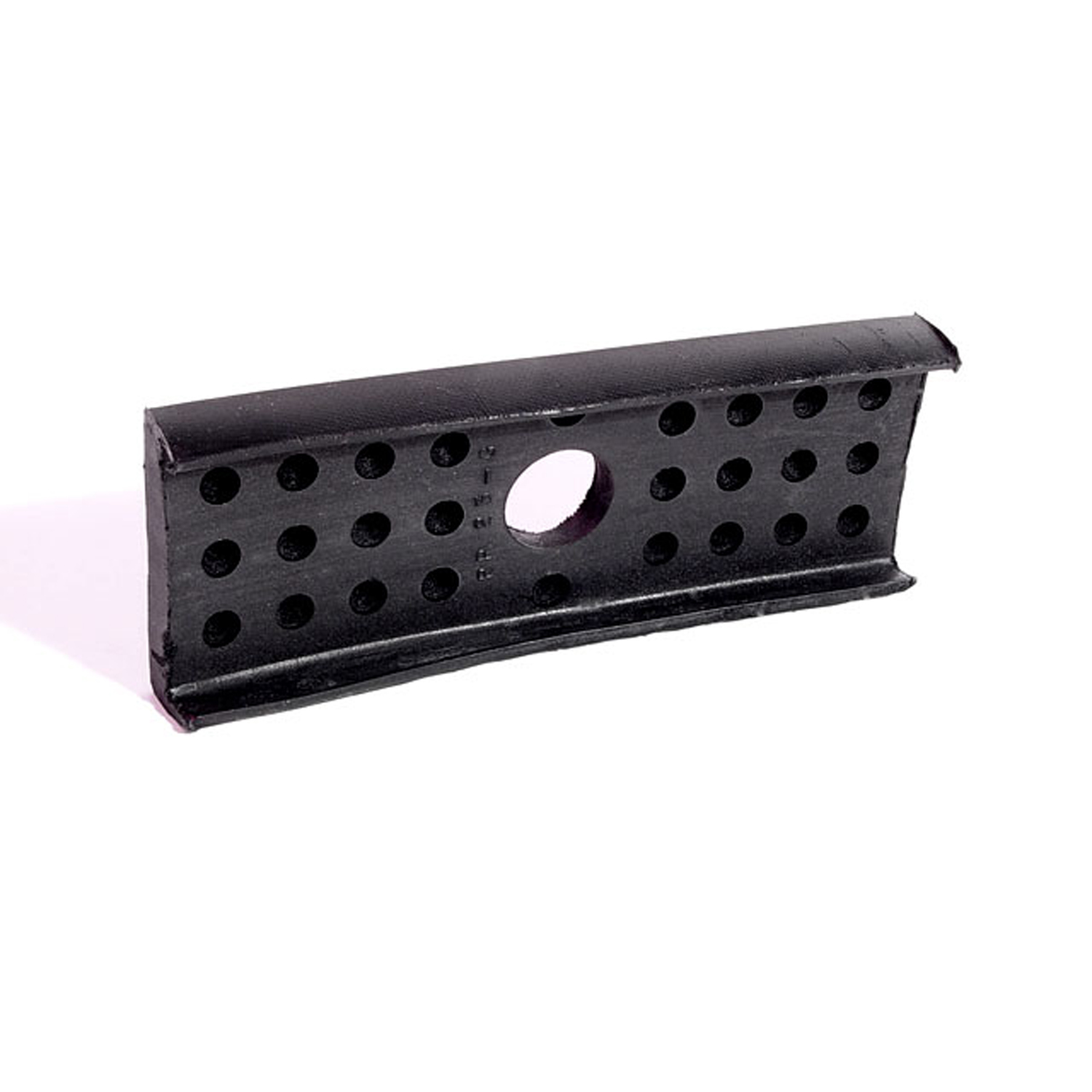 1950 Hudson SUPER 8 Rear Leaf Spring Center Mounting Insulator-RP 23-GRear Leaf Spring Center Mounting Insulator. For all 1-3/4" wide leaf springs. Each
 1950 Hudson SUPER 8 Center Driveshaft Support Carrier Cushion. 1-1/4" O.D-RP 250Center Driveshaft Support Carrier Cushion. 1-1/4" O.D., 1-1/4" Long (cushion). Each
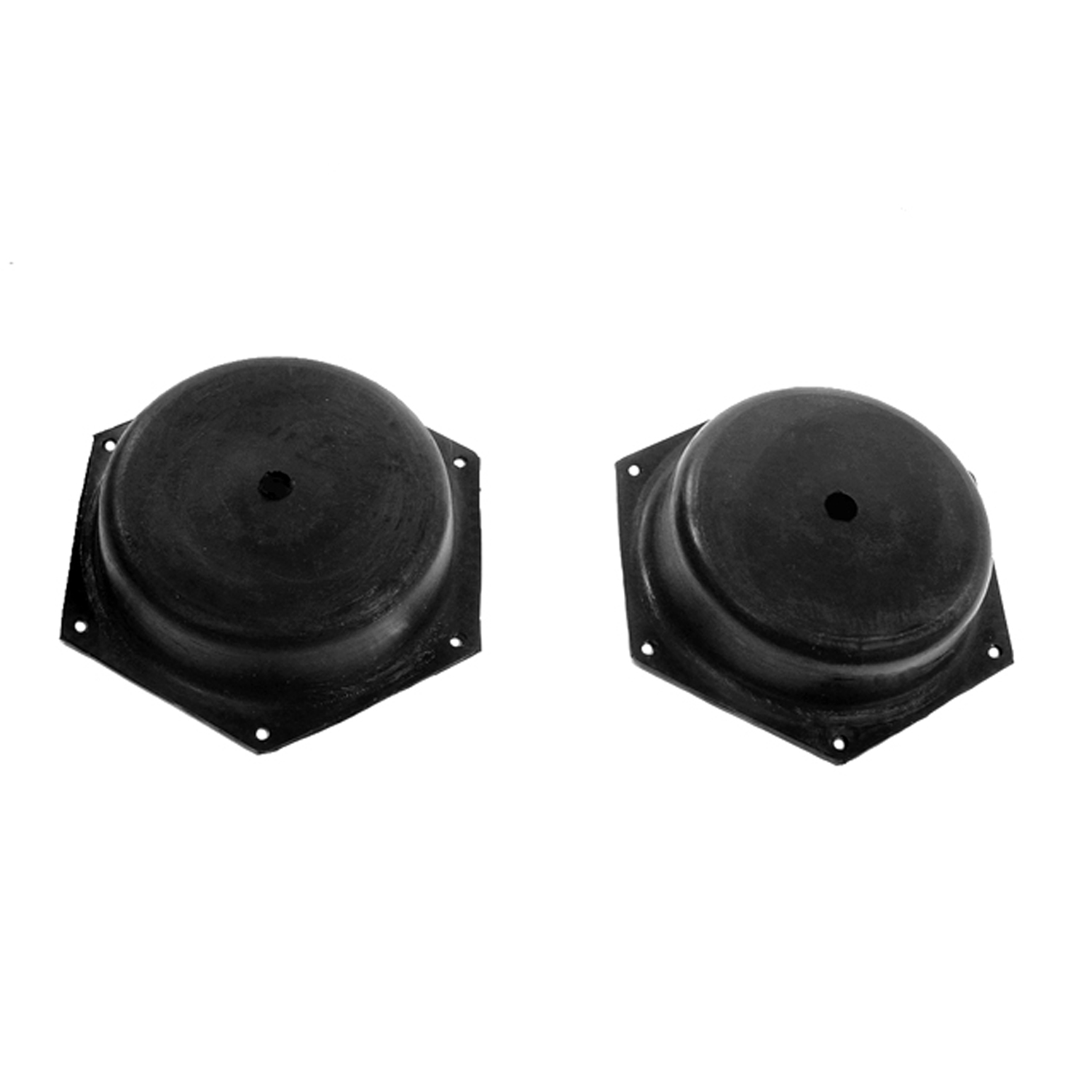 1950 Hudson SUPER 8 Drive Master Electric Shift Vacuum Diaphragm-RP 32-ADrive Master Electric Shift Vacuum Diaphragm. For all models with drive master system for standard transmission. Pair
 1950 Hudson SUPER 8 Clutch Linkage Cushion. 1/8" top thickness. Each-SB 33-BClutch Linkage Cushion. 1/8" top thickness. Each
 1950 Hudson SUPER 8 HEADLINER BOW GROMMET, 48-54 HUDSON-SM 55-HHEADLINER BOW GROMMET, 48-54 HUDSON
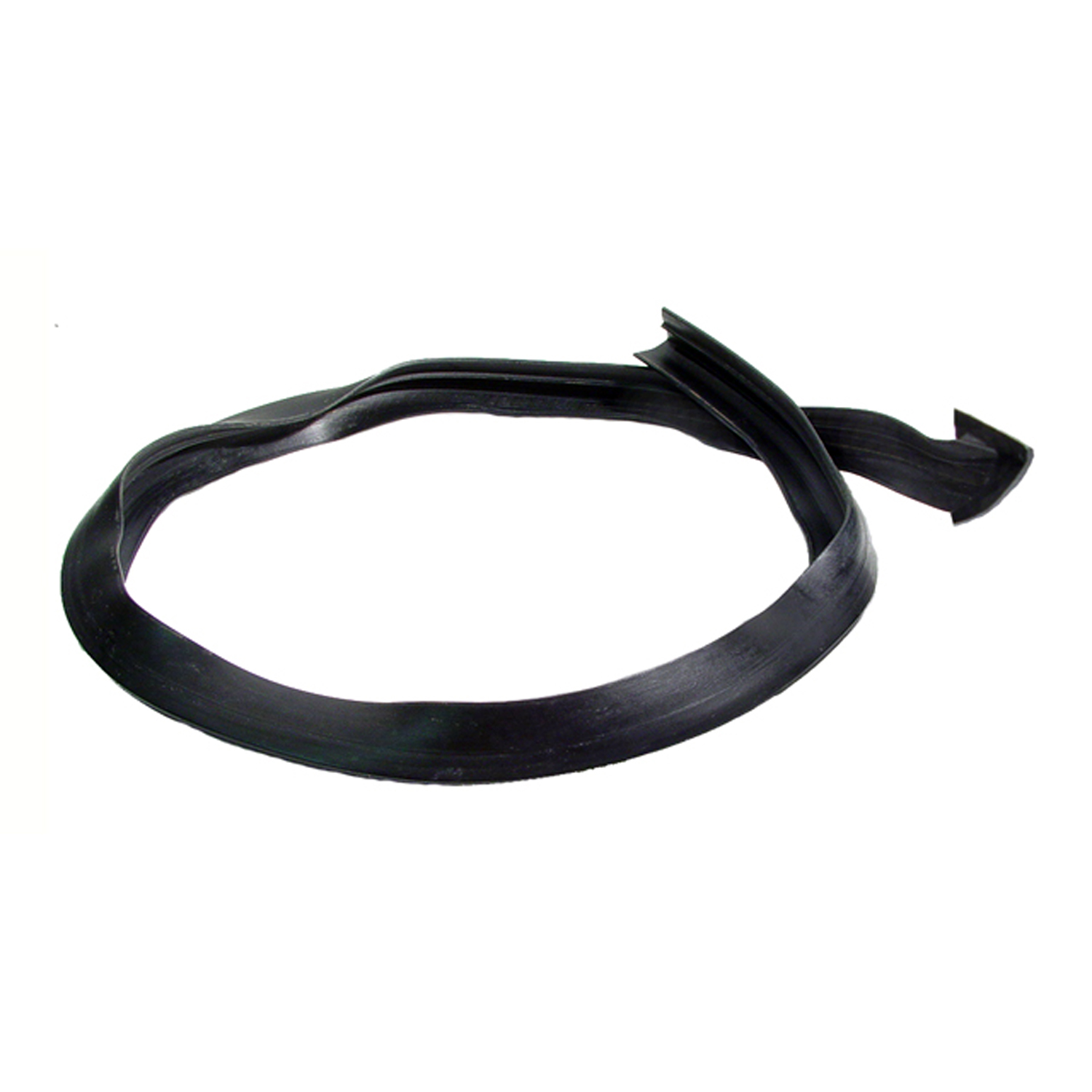 1950 Hudson SUPER 8 Vertical Division Seal-VS 6-AVertical Division Seal. 26" Piece, enough for two front vents. Each
 1950 Hudson SUPER 8 Vertical seal for vent window. Dense rubber. Universal part-VS 6-A/FTVertical seal for vent window. Dense rubber. Universal part. Per foot.
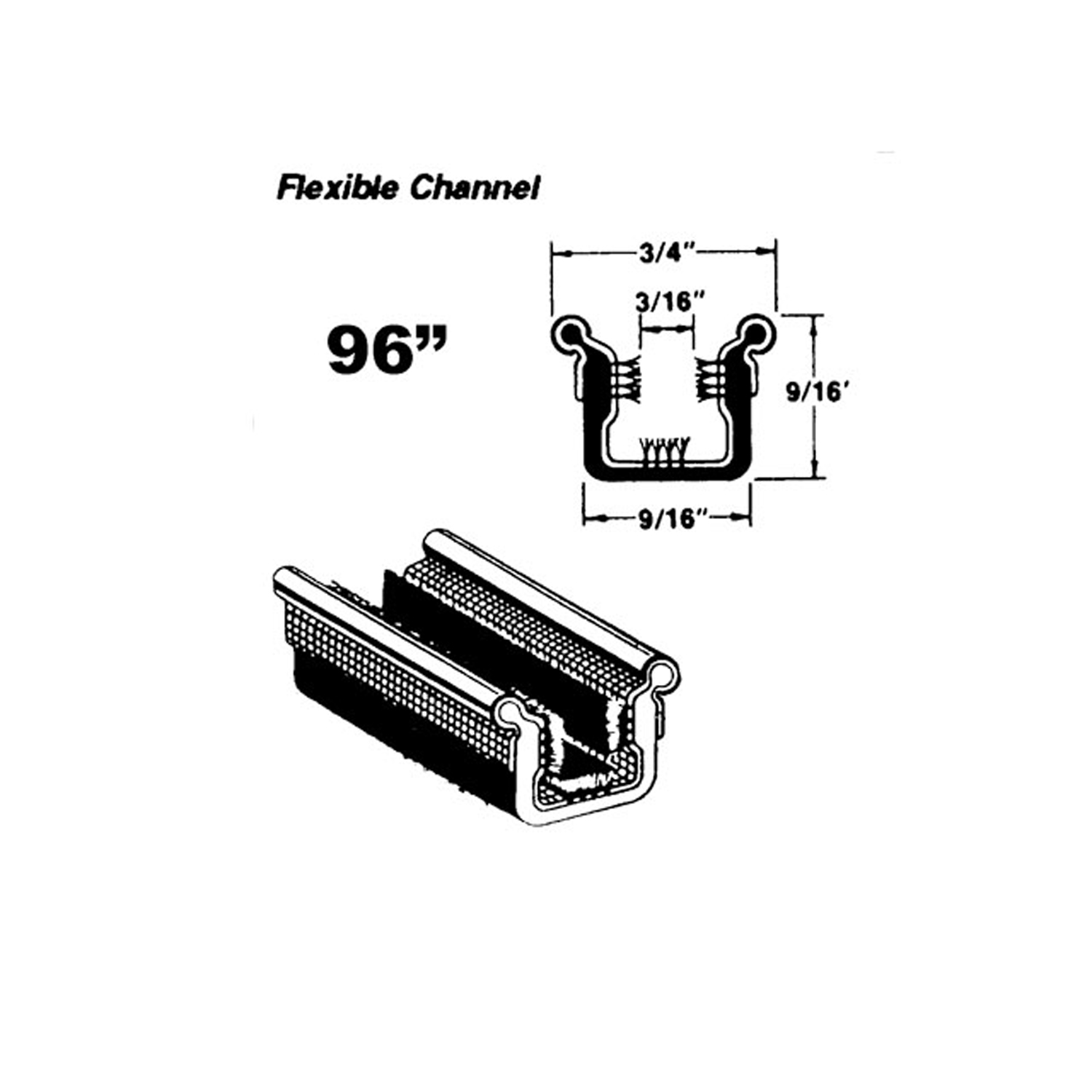 1950 Hudson SUPER 8 Flexible window channel-WC 10-96Flexible window channel. Rubber covered with mohair lining and stainless steel bead. 96 in. long. Each. NOTE: $20 special shipping charge applies for domestic orders. Call or email for overseas shipping costs. Part can be sectioned in two or three equal lengths to reduce overseas shipping costs.
 1950 Hudson SUPER 8 Flexible glass-run channel-WC 11-72Flexible glass-run channel. Mohair lined, cloth covered with stainless steel bead. Used on side windows. 72 in. long. Each. NOTE: $20 special shipping charge applies for domestic orders. Call or email for overseas shipping costs. Part can be sectioned in two equal lengths to reduce overseas shipping costs.
 1950 Hudson SUPER 8 Rear Vent Window Seals. Pair R&L-WR 3052-RRear Vent Window Seals. Pair R&L
 1950 Hudson SUPER 8 Front Vent Window Seals-WR 4501Front Vent Window Seals. For all closed models, not convertibles. Notch must be cut out for latching windows. Pair R&L
Why Choose Metro?
For over 100 years, Metro Moulded Parts has been the pinnacle of quality in classic car restoration parts. Our commitment to precision and authenticity in every component ensures a perfect fit and an OEM-level appearance.
- Expert Craftsmanship & Quality: Each part is a testament to our dedication to reliability and perfection, crafted from original designs and thoroughly tested.
- Advanced Technology: We use cutting-edge techniques to create flawless, long-lasting parts that surpass others in performance.
- SuperSoft Sponge – The Ultimate Door Seal: Not only are our door seals 30% softer than competitors', but they're also guaranteed to never leak. They effectively reduce wind and road noise, enhancing your classic car's comfort and driving experience.
- Proudly American: Our parts are a product of American craftsmanship, made in the USA with a spirit of excellence and heritage.
- Unrivaled Warranty: We back our products with a 30-year industry-leading warranty, a testament to our confidence in their quality.
Join us in preserving the legacy of classic cars with parts that are crafted for perfection, not just made.