

Image of 1952 Hudson Hornet, Note: These illustrations use artistic license and may differ from actual historical models.
Performance Metrics
Fundamental Metrics
Emotional Appeal
MMP Rating
| Engine Specifications | |
|---|---|
| Engine: | Twin H-Power 308 CID Inline 6 |
| Displacement: | 308 cubic inches (5.04 L) |
| Horsepower: | 145-170 hp |
| Torque: | 275 lb-ft |
| Compression Ratio: | 7.2:1 |
| Ignition System: | Points and condenser |
| Cooling System: | Liquid-cooled |
| Performance Specifications | |
| 0-60 Time: | 12 seconds |
| 1/4 Mile Time: | 18 seconds |
| Top Speed: | 105 mph |
| Transmission and Drive | |
| Drive Type: | Rear-wheel drive |
| Transmission Type: | 3-speed manual, optional 4-speed Hydra-Matic automatic |
| Fuel and Efficiency | |
| Fuel System Type: | Carburetor |
| MPG: | 15-18 mpg |
| Dimensions and Brakes | |
| Brakes: | Drum brakes |
| Wheelbase: | 124 inches |
| Weight: | 3,420 lbs |
Note: Specifications for classic cars are given to the best of our ability, considering the limited and variant data available.
1952 Hudson Hornet: The Low-Slung Legend
The 1952 Hudson Hornet looked like a family car, sat lower than most of its rivals, and became one of the most formidable American stock-car racers of its era. Built by the Hudson Motor Car Company of Detroit, the Hornet combined a distinctive “step-down” body with a large, durable inline-six engine. Its unusual blend of road manners and racing success made it a standout in the early 1950s.
The Hornet’s reputation was cemented on the track. In 1952, Hudson drivers won 27 of 34 NASCAR Grand National races, and Tim Flock took the series championship in a Hudson. That record made the Hornet much more than a stylish sedan: it was a showroom car with genuine competition credentials.
Hudson Hornet Design and Interior
The Hornet’s long, flowing body has a low, broad profile that is unmistakably early-1950s American. Rounded front fenders blend into the hood, while the prominent grille and carefully shaped rear fenders give the car a substantial, almost sculpted appearance. Its proportions are striking for a full-size car of the period: the wheelbase measures about 124 inches, and the overall length is roughly 208 inches.
The key to that low stance was Hudson’s “step-down” design. Passengers stepped down into a floor set between the frame rails, rather than climbing over a high floor. The arrangement helped lower the body and center of gravity, while the enclosed structure created a roomy cabin for the car’s exterior height.
Inside, the Hornet was designed for comfortable family motoring. A wide front bench seat, generous legroom, and a large glass area made it a pleasant place to spend time. Depending on the trim and options, buyers could find cloth upholstery, upgraded trim, and two-tone interior treatments. The broad dashboard housed clear, period-style instruments, with a large steering wheel suited to the car’s manual steering setup.
Available exterior colors varied by model and trim, with choices that included subdued greens, blues, reds, black, and lighter neutral tones. Two-tone paint schemes added extra visual drama, especially on the hardtop. The Hollywood hardtop is often considered the Hornet’s most glamorous body style, while the four-door sedan was a practical and popular choice. Hudson also offered a two-door Club Coupe and a convertible, commonly known as the Brougham.
Engineering That Changed the Road
Hudson’s unitized “Monobilt” construction was central to the Hornet’s character. Rather than relying on a conventional body perched on a separate frame, the structure integrated the body and frame into a strong assembly. Combined with the step-down floor, this gave Hudson a lower center of gravity than many competing cars and helped deliver stable, confident handling.
The Hornet’s other major asset was its 308-cubic-inch L-head, or flathead, inline-six. The engine was known for its torque and durability. A standard single-carburetor version produced about 145 horsepower, while the optional Twin-H Power setup, introduced for the Hornet earlier in the model run, used two carburetors and revised intake and exhaust arrangements to raise output to roughly 170 horsepower. Exact specifications can vary with the car’s equipment and source.
That combination set the Hornet apart from many contemporary rivals, which often relied on V8 engines for their performance image. Hudson showed that a well-developed six-cylinder engine, paired with a low and well-balanced chassis, could be highly competitive. The company’s engineering approach influenced how enthusiasts and manufacturers thought about handling, body structure, and performance in a full-size American car.
Hornet Performance and Driving Feel
Performance depends on engine, transmission, gearing, and condition, but a healthy 1952 Hornet with Twin-H Power is generally capable of reaching about 100 mph. Period-style estimates put 0-to-60-mph acceleration in roughly the 12-to-14-second range. Those figures are respectable for a large early-1950s sedan, though they are not directly comparable with modern test results.
On the road, the Hornet feels substantial but not clumsy. Its low stance helps it feel planted through sweeping bends, while the long wheelbase and soft suspension take the edge off broken pavement. On tight, winding roads, its size and period steering demand anticipation, and the car is not a modern sports sedan. Still, its balance and grip were remarkable for a vehicle of its era.
The flathead six makes a smooth, deep mechanical sound rather than the sharp note of a high-revving engine. The steering is typically heavy at parking speeds, and braking and handling reflect 1950s technology, so a driver needs to leave more space and plan ahead. On an open highway, however, the Hornet settles into a comfortable, confident cruise, with the engine’s torque doing much of the work.
Living With a 1952 Hudson
Today, Hornets are most often enjoyed as show cars, touring cars, and weekend drivers. A well-sorted example can handle local trips and classic-car events, but most owners treat it as a vintage vehicle rather than a modern daily driver. Its size, fuel consumption, drum brakes, and lack of contemporary safety features make regular commuting a matter of personal preference.
The straightforward flathead engine is familiar to many vintage-car mechanics, and routine service is manageable for an experienced home mechanic with the right tools and a shop manual. The bigger challenge can be locating Hudson-specific trim, body panels, and interior pieces. Mechanical parts are available through specialist suppliers and Hudson-owner networks, but rare or complete restoration components may take time to find.
Before buying, inspect the body and structural areas carefully, including the floors, rocker panels, and lower body sections. The step-down construction is a strength when sound, but rust or poor repairs in structural areas can make restoration expensive. Check the engine for oil pressure and cooling-system health, and confirm that the transmission and Twin-H Power equipment, if fitted, work correctly.
Racing Records and Hudson Trivia
The Hornet’s racing success is its most celebrated claim to fame. Hudson’s factory-backed and independent teams demonstrated that the low-slung cars could be exceptionally effective on NASCAR’s dirt and paved tracks. In 1952, the marque’s 27 Grand National victories helped establish the “Fabulous Hudson Hornet” legend, with Tim Flock winning the championship.
The Hornet also found a new generation of fans through popular culture. The character Doc Hudson in Pixar’s Cars was inspired by the racing Hudson Hornets of the early 1950s. The animated character is not a precise replica of a single production car, but the reference introduced the Hornet’s racing story to viewers who might never have encountered one otherwise.
Hudson’s strength was also a source of criticism. The company’s flathead six could be less appealing to buyers drawn to the V8 boom, and the Hornet’s fuel economy was never its selling point. Its low construction could complicate some repairs, while today the scarcity of model-specific parts can add cost to restoration. The 1952 Hornet was also part of a brand approaching a major transition: Hudson merged with Nash-Kelvinator in 1954, and Hudson production later moved away from Detroit.
1952 Hudson Hornet Collector Values
Hudson produced an estimated 35,921 Hornets for the 1952 model year across the range. That figure makes the car collectible but not impossibly rare. Surviving examples vary widely in condition, and the convertible Brougham is generally much harder to find than a sedan. The Hollywood hardtop is especially desirable among buyers seeking the Hornet’s most distinctive profile.
As a broad 2026 guide, a project car might sell for about $8,000 to $20,000, while a usable driver could fall in the $25,000 to $45,000 range. A well-restored sedan or hardtop may bring roughly $50,000 to $85,000, and an exceptional convertible or particularly well-documented example can exceed $100,000. These are approximate ranges, not appraisals: originality, restoration quality, rust, options, and market location all matter.
Values have generally been strongest for high-quality, correctly restored cars and rare body styles. The Hornet has a lasting enthusiast following, supported by its racing record and distinctive engineering, but condition and buyer demand can cause prices to fluctuate. For many collectors, a sound driver offers the best balance of affordability and enjoyment.
Why the 1952 Hornet Still Matters
The 1952 Hudson Hornet brought together a striking low-slung design, a capable and durable six-cylinder engine, and a chassis that proved its worth in competition. It was comfortable enough for family travel, clever enough to stand apart from mainstream rivals, and fast enough to dominate stock-car racing in its day.
More than seven decades later, the Hornet remains a reminder that automotive greatness does not always arrive in the form of the biggest engine or the loudest styling. Hudson built a car with a clear engineering vision, and the racetrack made sure the world noticed.
1952 Hudson Hornet Catalog of Parts
 1952 Hudson Hornet Accessory Floor Mat - 12"X17"-AC 35Accessory Floor Mat - made of high quality black rubber with molded original emblem. Also designed to be sewn into new carpets. 12"X17", Each
 1952 Hudson Hornet Accelerator Pedal Pad, 2-5/8" X 9", Each-AP 23Accelerator Pedal Pad, 2-5/8" X 9", Each
 1952 Hudson Hornet Accelerator Rod Bellows. 1/8" top I.D., 2-1/4" bottom I.D-BL 7-HAccelerator Rod Bellows. 1/8" top I.D., 2-1/4" bottom I.D., 3-1/4" bottom O.D. Each
 1952 Hudson Hornet Rear Stabilizer Bushing. Two used per car. 1-3/4" O.D-BN 7-ARear Stabilizer Bushing. Two used per car. 1-3/4" O.D., 2" high, with 7/8" I.D. Each
 1952 Hudson Hornet Clutch and Brake Pedal Pads. High quality reproduction-CB 15-AClutch and Brake Pedal Pads. High quality reproduction. 2-1/8" wide X 3" long. Pair
 1952 Hudson Hornet Auxiliary Door to Cowl Seal-ELP 4500Auxiliary Door to Cowl Seal. This "S" seal attaches to the door and comes up against the door seal. Soft molded sponge. Very nice reproduction. Pair R&L
 1952 Hudson Hornet Hood Adjustment Bumper. 1" diameter X 1-1/4" long bolt 1/4"-28 threads per Inch-HA 50Hood Adjustment Bumper. 1" diameter x 1/2" thick rubber X 1-1/4" long bolt x 1/4" Dia. x 28 Threads per Inch. Each
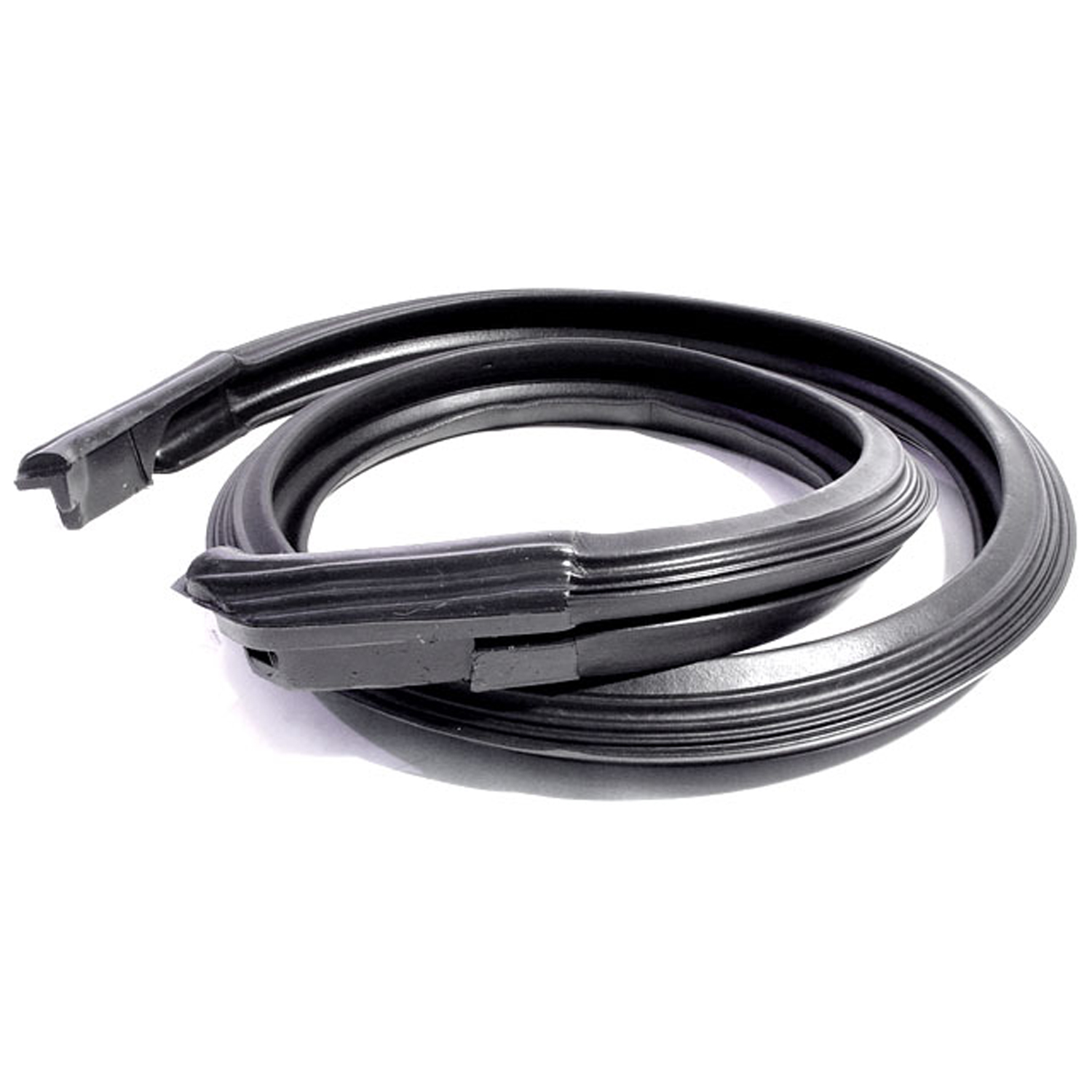 1952 Hudson Hornet Header Seal with Molded Ends. For Convertibles. 55" Long-HD 750Header Seal with Molded Ends. For Convertibles. 55" Long. Each
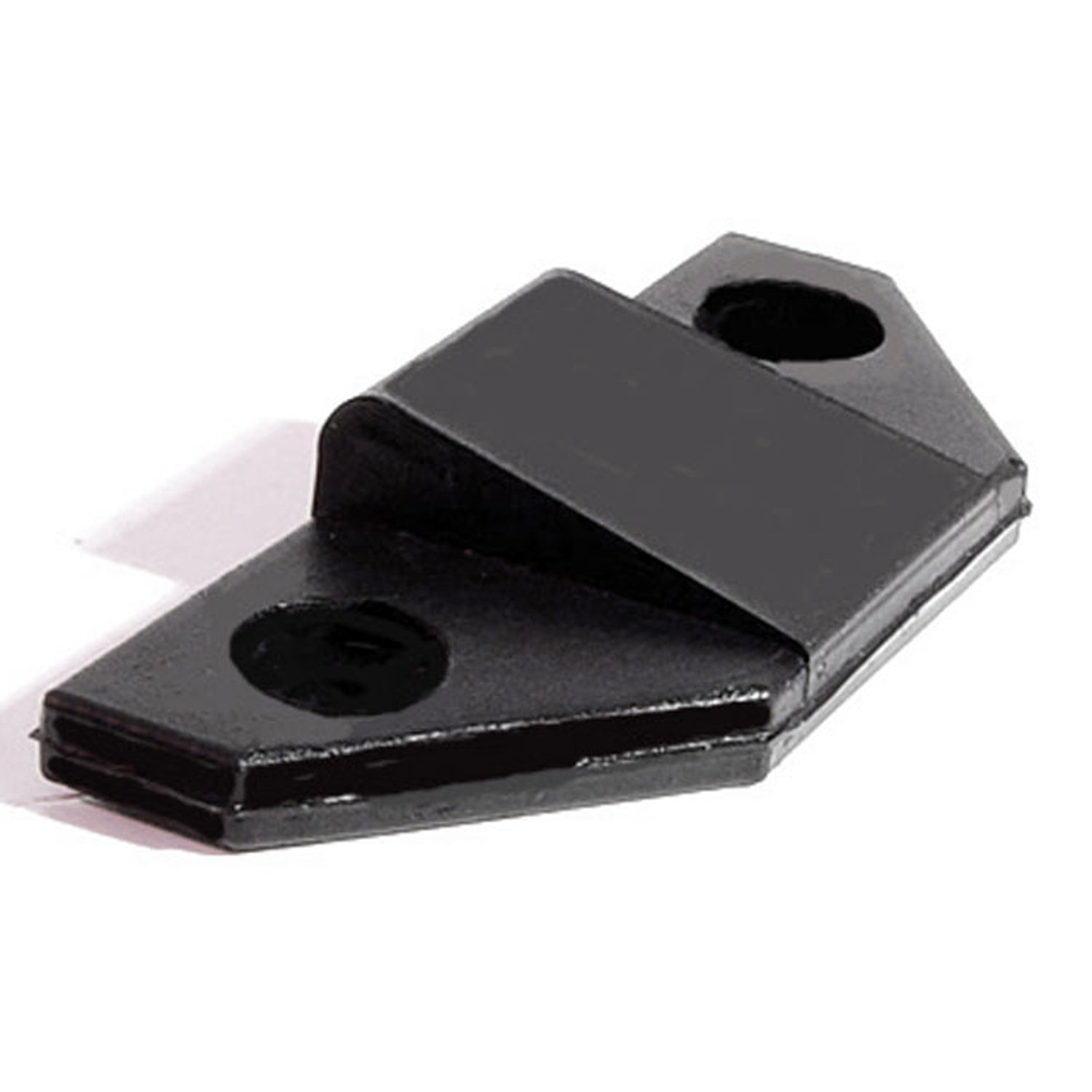 1952 Hudson Hornet Middle hood bumpers. Two used per car. Nice reproduction-HF 58-BMiddle hood bumpers. Two used per car. Nice reproduction. Each.
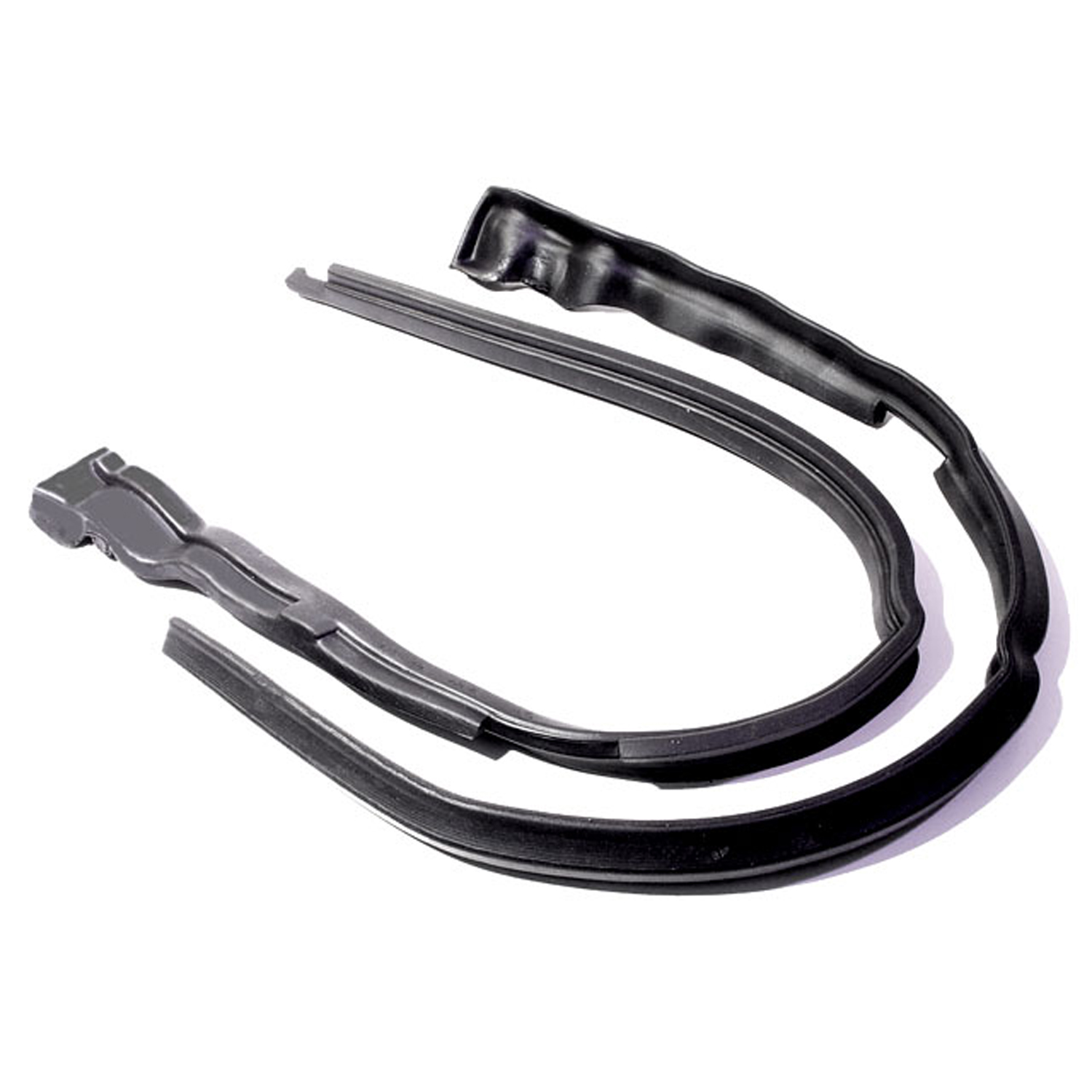 1952 Hudson Hornet Rear door seals. '48-'54 Hudson sedans. Pair. R&L.-LM 40Rear door seals. '48-'54 Hudson sedans. Pair. R&L.
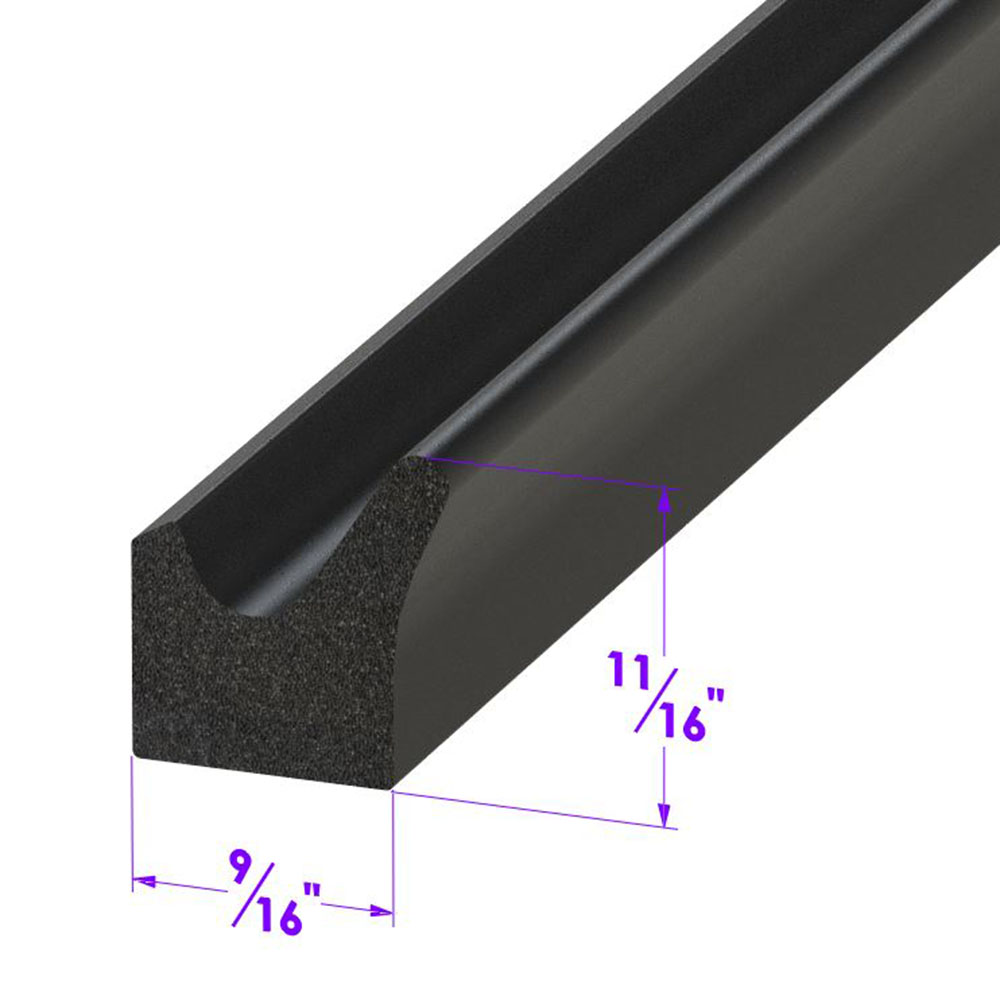 1952 Hudson Hornet Door side seal. Same as LP 40-A, but for a heavier seal-LP 40Door side seal. Same as LP 40-A, but for a heavier seal. Fits many domestic passenger cars and trucks. Used in Cobra kit cars as trunk weatherstrip. Per foot.
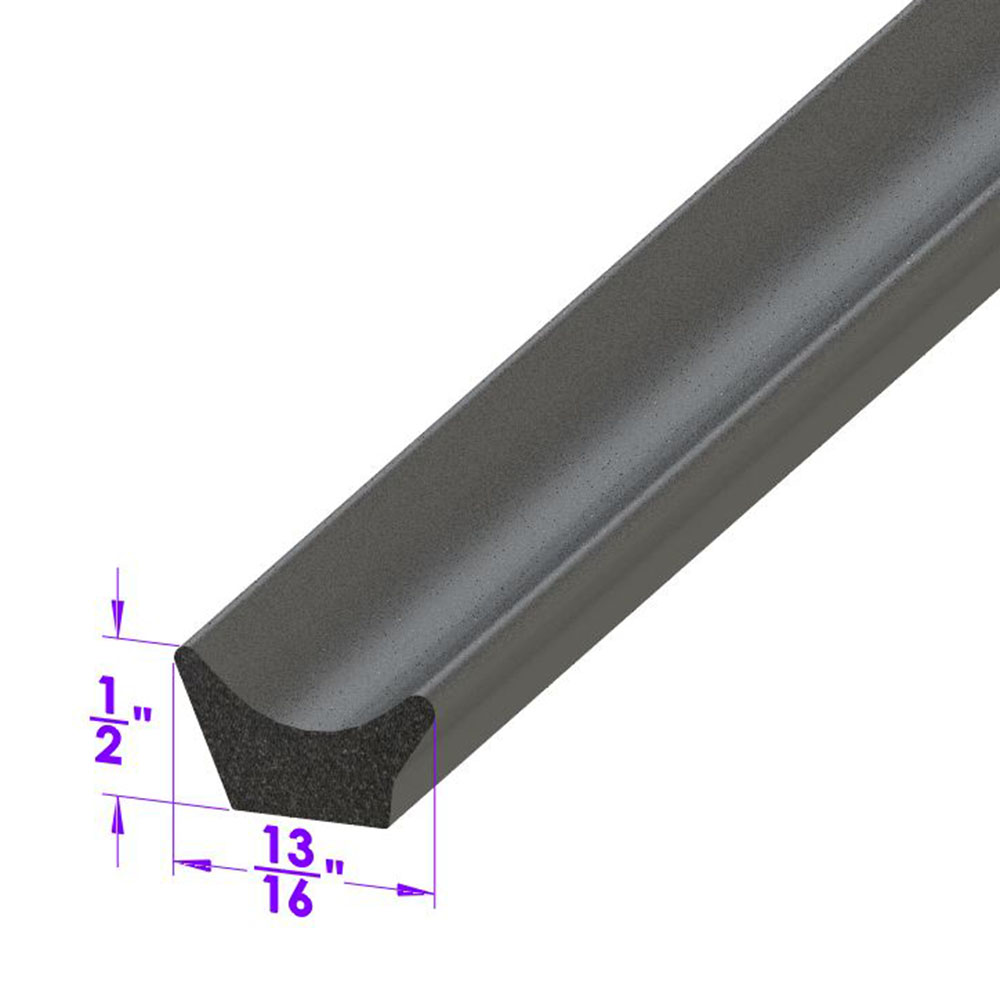 1952 Hudson Hornet Door side seal. Same as LP 40, but for a lighter seal-LP 40-ADoor side seal. Same as LP 40, but for a lighter seal. Fits many domestic passenger cars and trucks. Universal seal for street rods and customs. Used in Cobra kit cars as door weatherstrip. Per foot.
 1952 Hudson Hornet Tail-light Pads. 14-1/4" long X 6-1/4" wide. Pair R&L-MP 798-HTail-light Pads. 14-1/4" long X 6-1/4" wide. Pair R&L
 1952 Hudson Hornet Roof Antenna Pad. 1-9/16" O.D., 1-1/8" I.D. Each-MP 798-KKRoof Antenna Pad. 1-9/16" O.D., 1-1/8" I.D. Each
 1952 Hudson Hornet Cowl Vent Seal. Made of 3/16" thick sponge-RP 100-ZCowl Vent Seal. Made of 3/16" thick sponge. 4-1/4" wide at end X 19" long. Each
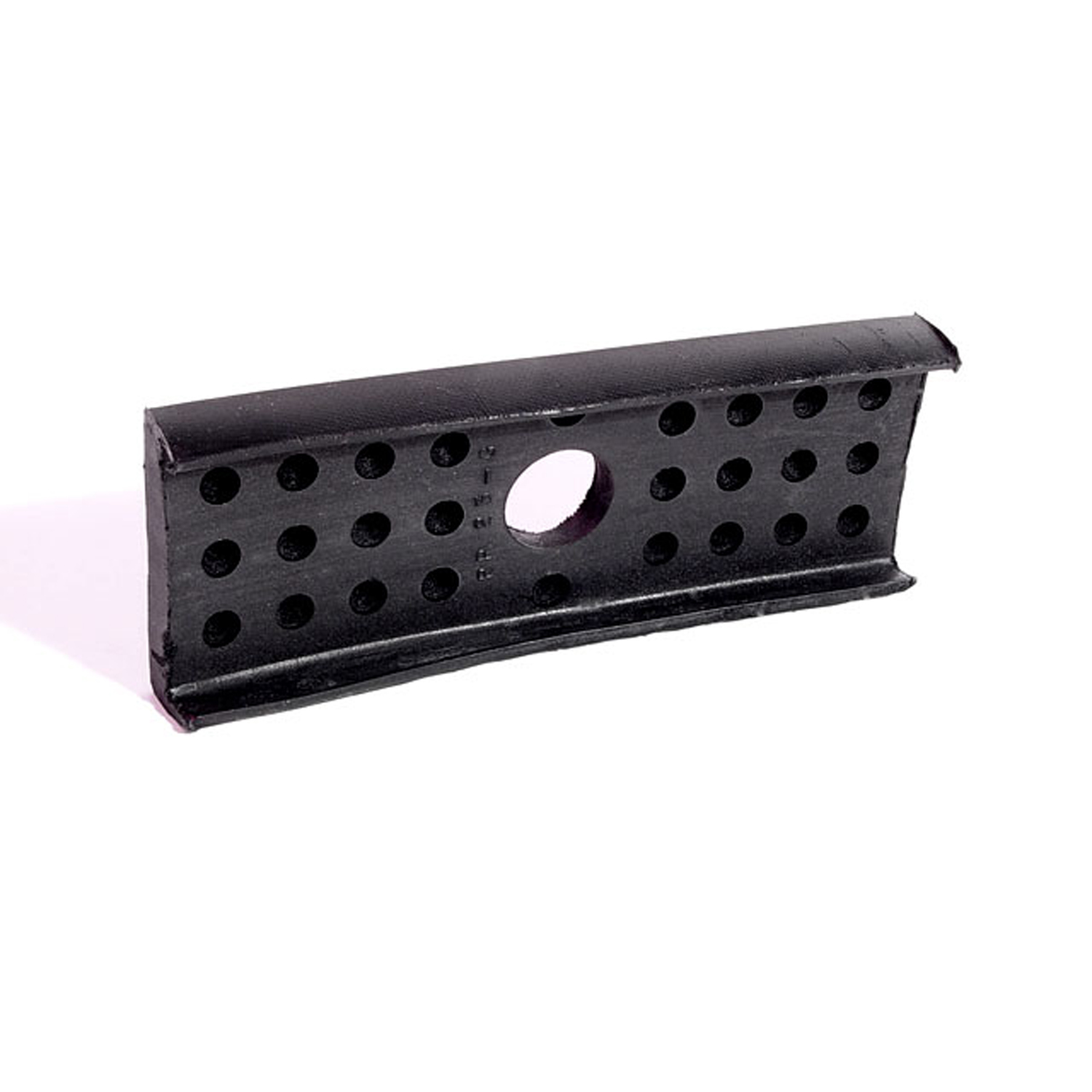 1952 Hudson Hornet Rear Leaf Spring Center Mounting Insulator-RP 23-GRear Leaf Spring Center Mounting Insulator. For all 1-3/4" wide leaf springs. Each
 1952 Hudson Hornet Center Driveshaft Support Carrier Cushion. 1-1/4" O.D-RP 250Center Driveshaft Support Carrier Cushion. 1-1/4" O.D., 1-1/4" Long (cushion). Each
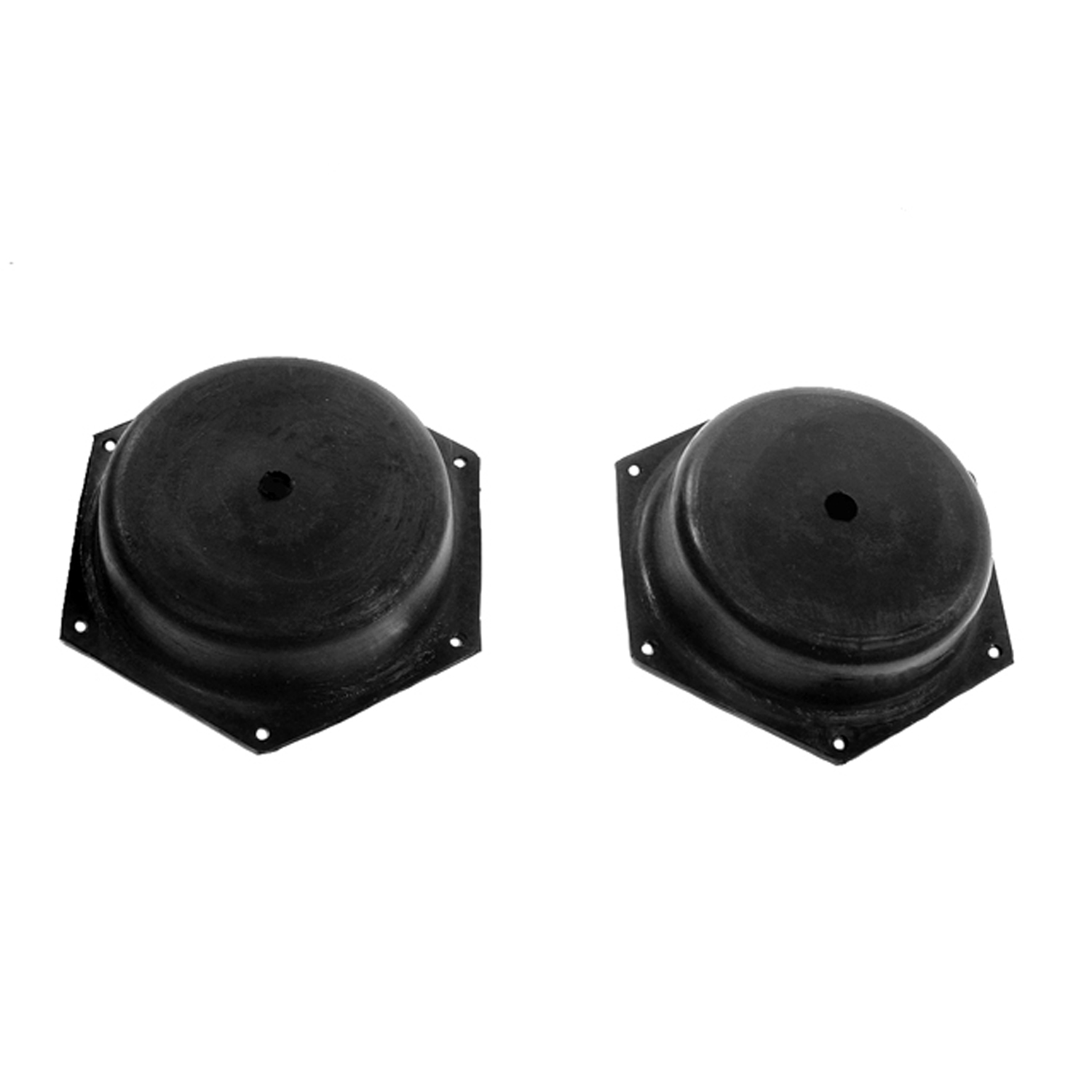 1952 Hudson Hornet Drive Master Electric Shift Vacuum Diaphragm-RP 32-ADrive Master Electric Shift Vacuum Diaphragm. For all models with drive master system for standard transmission. Pair
 1952 Hudson Hornet Clutch Linkage Cushion. 1/8" top thickness. Each-SB 33-BClutch Linkage Cushion. 1/8" top thickness. Each
 1952 Hudson Hornet HEADLINER BOW GROMMET, 48-54 HUDSON-SM 55-HHEADLINER BOW GROMMET, 48-54 HUDSON
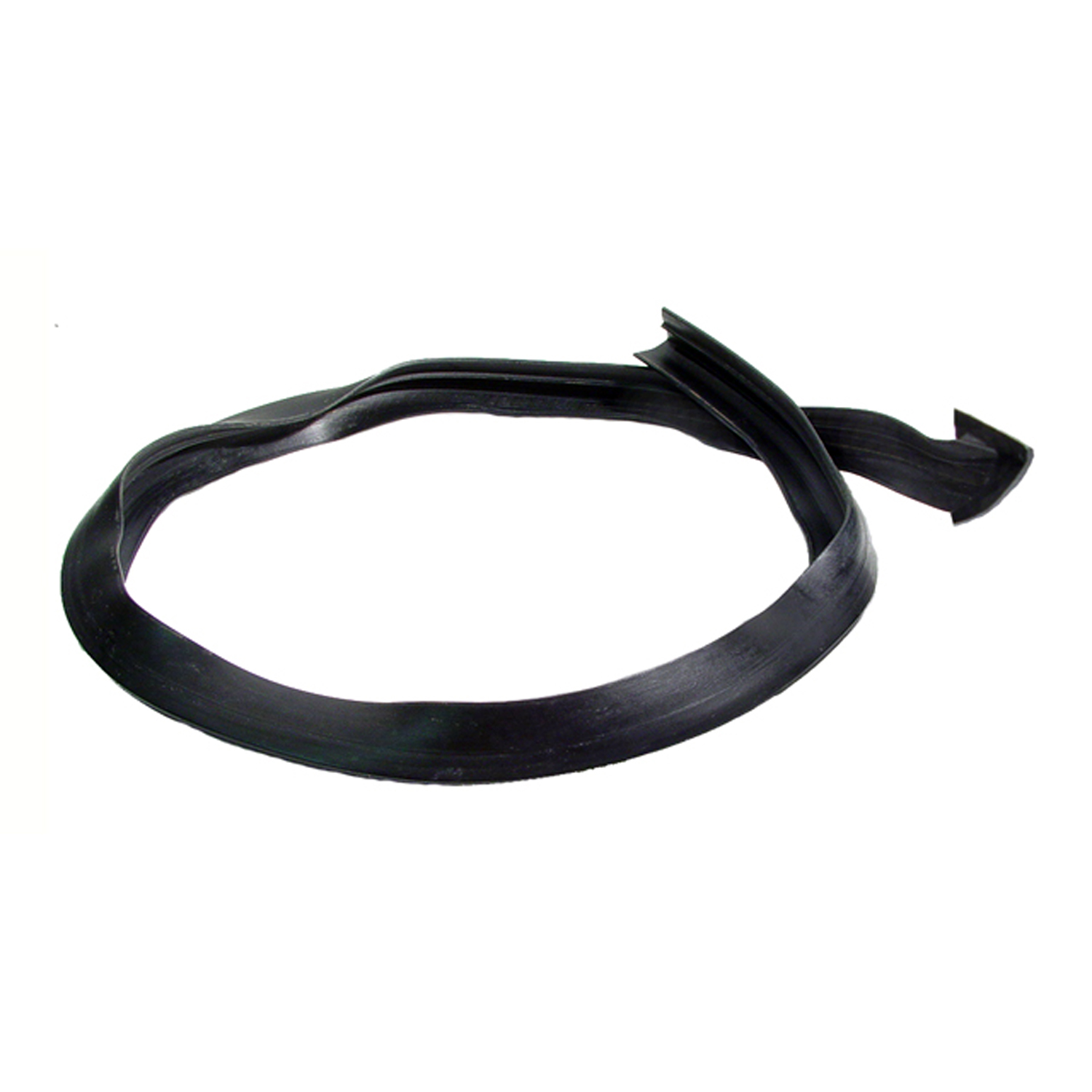 1952 Hudson Hornet Vertical Division Seal-VS 6-AVertical Division Seal. 26" Piece, enough for two front vents. Each
 1952 Hudson Hornet Vertical seal for vent window. Dense rubber. Universal part-VS 6-A/FTVertical seal for vent window. Dense rubber. Universal part. Per foot.
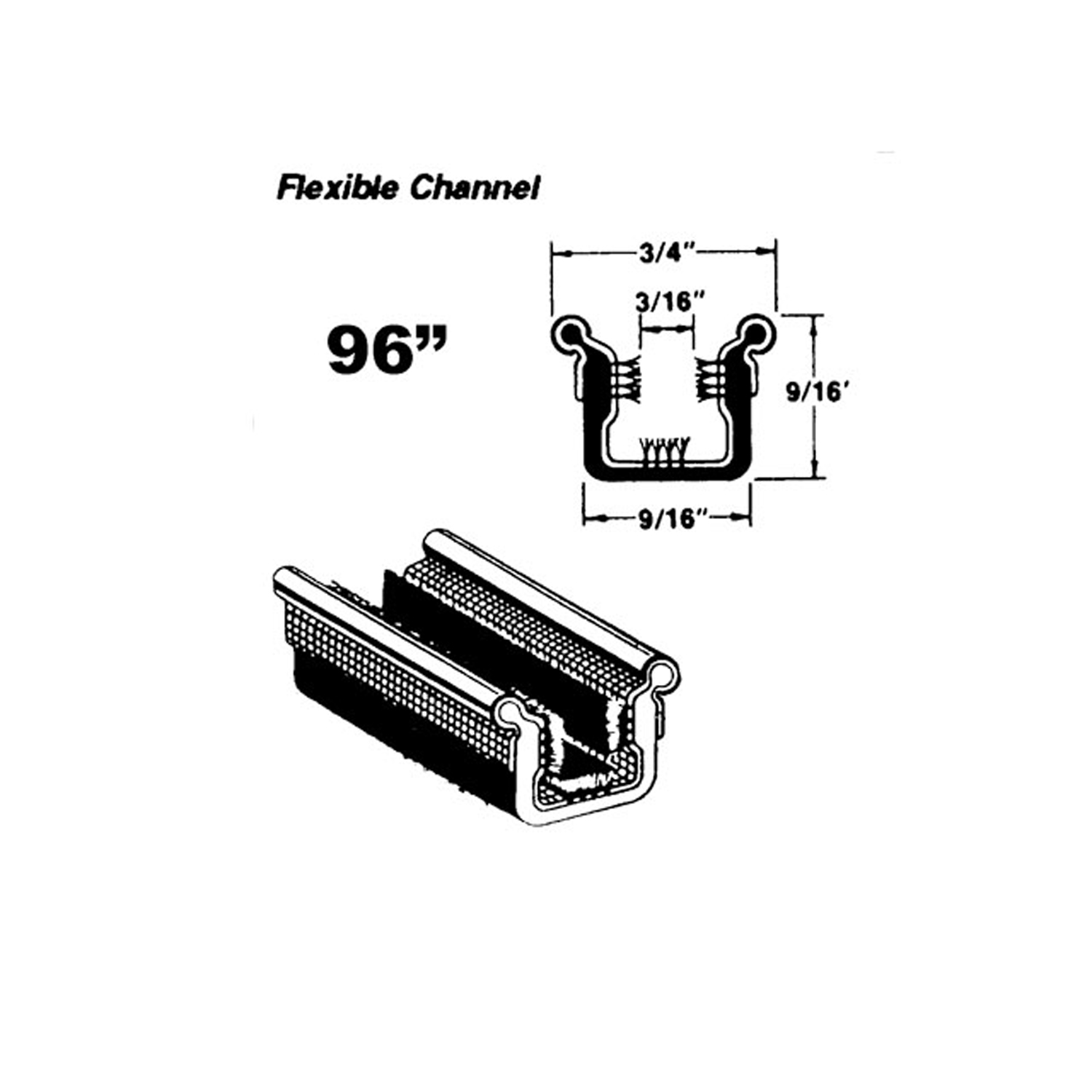 1952 Hudson Hornet Flexible window channel-WC 10-96Flexible window channel. Rubber covered with mohair lining and stainless steel bead. 96 in. long. Each. NOTE: $20 special shipping charge applies for domestic orders. Call or email for overseas shipping costs. Part can be sectioned in two or three equal lengths to reduce overseas shipping costs.
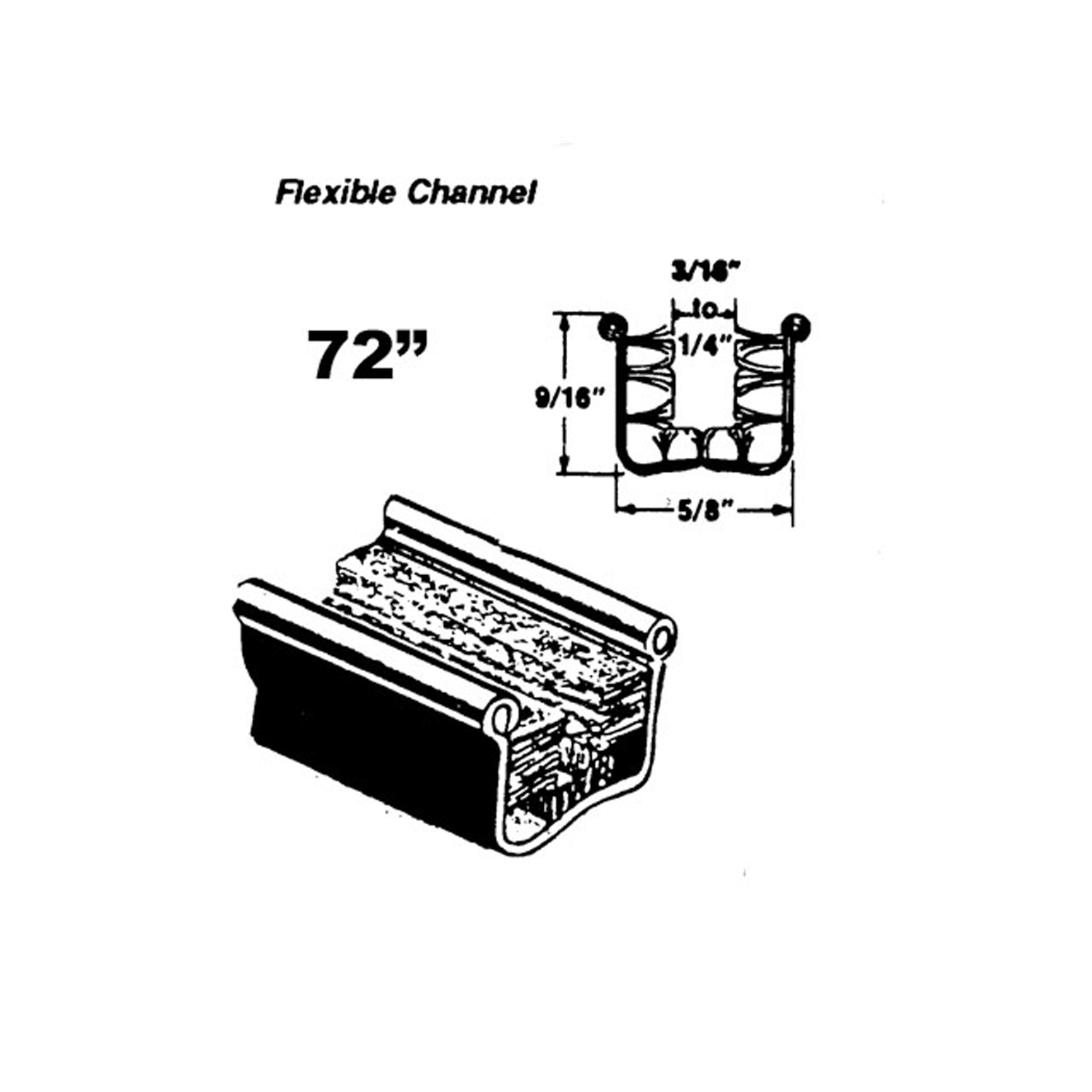 1952 Hudson Hornet Flexible glass-run channel-WC 11-72Flexible glass-run channel. Mohair lined, cloth covered with stainless steel bead. Used on side windows. 72 in. long. Each. NOTE: $20 special shipping charge applies for domestic orders. Call or email for overseas shipping costs. Part can be sectioned in two equal lengths to reduce overseas shipping costs.
 1952 Hudson Hornet Front Vent Window Seals-WR 4501Front Vent Window Seals. For all closed models, not convertibles. Notch must be cut out for latching windows. Pair R&L
 1952 Hudson Hornet Rear Vent Window Seals. Replaces OEM #B0230330-31-WR 4501-RRear Vent Window Seals. Replaces OEM #B0230330-31. Pair R&L
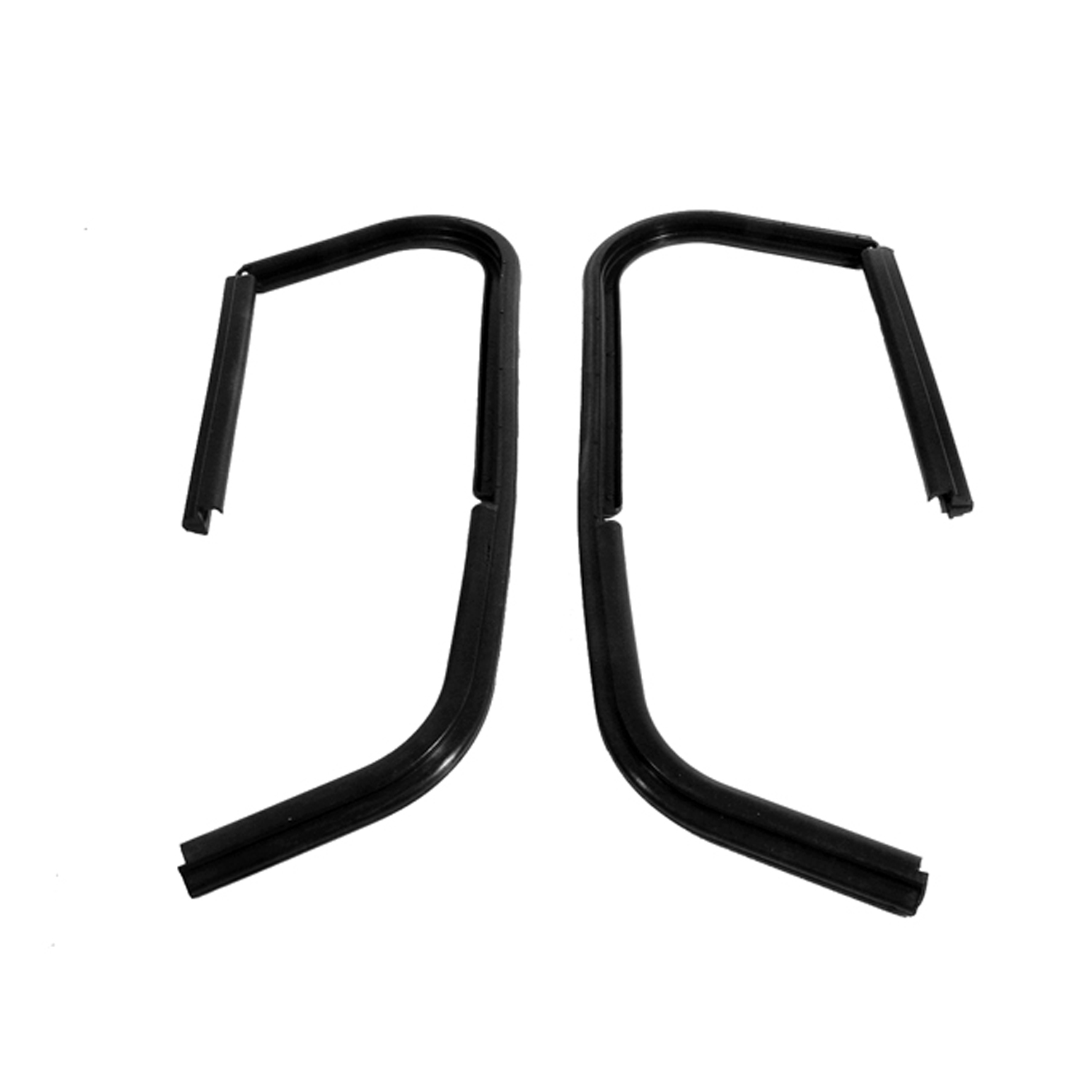 1952 Hudson Hornet Front Vent Window Seals-WR 4503Front Vent Window Seals. For: '48-'54 convertibles and '51-'54 2-door hardtops. 29-1/2" long each. Pair R&L
Why Choose Metro?
For over 100 years, Metro Moulded Parts has been the pinnacle of quality in classic car restoration parts. Our commitment to precision and authenticity in every component ensures a perfect fit and an OEM-level appearance.
- Expert Craftsmanship & Quality: Each part is a testament to our dedication to reliability and perfection, crafted from original designs and thoroughly tested.
- Advanced Technology: We use cutting-edge techniques to create flawless, long-lasting parts that surpass others in performance.
- SuperSoft Sponge – The Ultimate Door Seal: Not only are our door seals 30% softer than competitors', but they're also guaranteed to never leak. They effectively reduce wind and road noise, enhancing your classic car's comfort and driving experience.
- Proudly American: Our parts are a product of American craftsmanship, made in the USA with a spirit of excellence and heritage.
- Unrivaled Warranty: We back our products with a 30-year industry-leading warranty, a testament to our confidence in their quality.
Join us in preserving the legacy of classic cars with parts that are crafted for perfection, not just made.