

Image of 1953 Hudson Super Jet, Note: These illustrations use artistic license and may differ from actual historical models.
Performance Metrics
Fundamental Metrics
Emotional Appeal
MMP Rating
| Engine Specifications | |
|---|---|
| Engine Options: | Inline-6 |
| Displacement Range: | 202 cu in (3.3 L) |
| Horsepower Range: | 104 hp |
| Torque: | Estimated 150 lb-ft |
| Compression Ratio: | 7.2:1 |
| Ignition System: | Distributor and coil |
| Cooling System: | Liquid-cooled |
| Performance Specifications | |
| 0-60 Time: | Estimated 17 seconds |
| 1/4 Mile Time: | Not available |
| Top Speed: | 90 mph |
| Transmission and Drive | |
| Drive Type: | Rear-wheel drive |
| Transmission Type: | 3-speed manual |
| Fuel and Efficiency | |
| Fuel System Type: | Carburetor |
| MPG: | Estimated 15-20 mpg |
| Dimensions and Brakes | |
| Brakes: | Drum brakes |
| Wheelbase: | 105 inches |
| Weight: | 3,200 lbs |
Note: Specifications for classic cars are given to the best of our ability, considering the limited and variant data available.
1953 Hudson Super Jet: A Compact Hudson With Big Ambitions
The 1953 Hudson Super Jet was a small car with a large job: bring Hudson’s celebrated engineering and distinctive character to buyers who wanted something more affordable than a full-size sedan. Built by the Hudson Motor Car Company of Detroit, the Jet was Hudson’s answer to the growing demand for compact, economical American cars. The Super Jet added a more upscale finish to the new model line, while keeping the Jet’s easy-to-park dimensions and six-cylinder power.
The timing was significant. American automakers were still focused largely on big cars, but postwar suburbs, tighter budgets, and rising interest in fuel economy were creating room for smaller models. Hudson introduced the Jet for 1953, just as the company was under increasing financial pressure. A memorable detail: Hudson invested heavily in developing the Jet, hoping it would secure the company’s future. Instead, its high development costs and difficult market reception became part of the story leading to Hudson’s 1954 merger with Nash-Kelvinator, which formed American Motors Corporation.
Jet Styling and Super Jet Comfort
The Super Jet was compact by American standards, but its shape was unmistakably early-1950s. It had a tall, rounded passenger cabin, gently curved fenders, and a short rear deck. The front end featured a broad, horizontal grille and integrated headlamp treatment, while chrome trim gave the car a more dressed-up appearance than its modest size might suggest. Hudson’s styling chief, Frank Spring, was involved in the Jet’s design, which aimed to make a practical small car feel substantial and comfortable.
Inside, the Jet’s upright body created generous headroom and a relatively airy cabin. The Super Jet received upgraded trim and upholstery compared with the basic Jet, with cloth materials and coordinated details intended to make the car feel more like a proper Hudson than a stripped-down economy model. The dashboard was straightforward, with clear, period-style gauges and simple controls. This was not a luxury interior, but it was designed for everyday use and made good use of the car’s compact footprint.
Hudson offered the Jet in two-door and four-door sedan body styles. The four-door sedan was the practical choice for families and everyday transportation, while the two-door had a slightly sportier look. Both were conventional closed-body sedans rather than open or hardtop models. Paint availability varied by year and trim, but period Hudsons could be ordered in a range of solid and two-tone combinations. Dark blues, greens, maroons, and two-tone schemes are especially evocative of the era, though the most desirable color today often depends on originality and condition rather than a single factory favorite.
Small-Car Features, Hudson Engineering
Power came from Hudson’s 202-cubic-inch L-head inline-six, rated at about 104 horsepower in standard form. The engine used a cast-iron block and a conventional carburetor, favoring durability and straightforward servicing over high-revving performance. A three-speed manual transmission was the typical setup, with an overdrive option available on some cars. Equipment and availability could differ by market and production specification, so buyers restoring a Super Jet should verify details against its serial number and original documentation.
The Jet did not introduce a breakthrough technology on the scale of Hudson’s famous “step-down” construction in the larger cars. Its engineering priority was packaging: a relatively small exterior with useful passenger space, a conventional chassis, and familiar mechanical components. That made it less intimidating to own than a highly complex luxury car, even if parts availability today requires some specialist knowledge.
Why the Hudson Jet Matters
The Super Jet’s historical importance comes partly from what Hudson was trying to accomplish. The company had earned a reputation for distinctive engineering and strong performance, especially with its larger models. The Jet was an attempt to carry Hudson’s name into the compact-car market without abandoning comfort or refinement.
It stood apart from many contemporary small cars by offering a roomy, tall cabin and a six-cylinder engine in a compact package. But the Jet faced a difficult problem: it was priced close to larger, more powerful competitors, while its styling and proportions did not persuade enough buyers that it offered a compelling alternative. The car was not a commercial success, and it did not establish a lasting compact-car formula for Hudson. Its legacy is therefore a revealing one: the Jet shows how difficult it was for an independent automaker to develop a new model, price it competitively, and stand out in a market dominated by the Big Three.
It is also important not to confuse the Jet with the Hudson Hornet. The Hornet was the larger, performance-oriented model associated with Hudson’s racing reputation. The Super Jet was a more modest road car, built for economy and everyday use rather than headline-grabbing competition.
Road Manners and Performance
With roughly 104 horsepower moving a compact but solid sedan, the Super Jet was designed for steady transportation, not rapid acceleration. Period performance figures vary with equipment and test conditions, but a reasonable estimate for a standard car is a 0-to-60-mph time in the high teens, around 17 to 20 seconds. Top speed was likely in the neighborhood of 80 to 85 mph under favorable conditions. These are estimates rather than guaranteed specifications for every surviving car.
On the road, the six-cylinder engine delivers a steady, low-frequency note rather than a sharp sporting exhaust sound. The three-speed manual asks the driver to work the gear lever and clutch, especially when joining faster traffic or climbing a grade. The Jet’s compact size makes it easier to place on narrow streets than a full-size Hudson, while its tall body and period suspension give it a softer, more upright feel than a modern compact.
It is best enjoyed at a relaxed pace. The suspension is built for ordinary roads, absorbing many bumps with the compliant feel typical of early-1950s cars, though worn shocks, tired springs, and aged bushings can make a restored car feel loose. On winding roads, expect moderate steering response and noticeable body movement rather than modern precision. In crosswinds, the relatively tall cabin can be more affected than a low-slung car. Proper tires, fresh suspension components, and well-maintained steering make a substantial difference to the driving experience.
Living With a Super Jet
Today, most 1953 Super Jets are used as show cars, weekend cruisers, or preservation projects. A sound example can handle local drives and vintage-car gatherings, but regular highway commuting is less appealing because of its modest acceleration, older braking systems, and limited safety equipment by modern standards.
The basic mechanical layout is approachable for an experienced home mechanic. The inline-six is conventional, and many routine jobs involve familiar components rather than complicated electronics. The main challenge is often finding the correct Hudson-specific parts, trim, glass, and interior pieces. Before buying, inspect the frame and body for corrosion, check for previous repairs, and confirm that the engine, transmission, and trim match the car as closely as possible. A specialist Hudson club or marque community can be invaluable for locating parts and decoding production details.
Reliability depends heavily on condition. A well-maintained Jet can be a pleasant vintage driver, but a neglected example may need fuel-system work, brake rebuilding, electrical repairs, and suspension attention. Like any early-1950s car, it should be driven with suitable following distances and care, as its braking and crash protection are far removed from modern standards.
Hudson Jet Facts and Misconceptions
The Jet’s high roof was a practical design choice, helping provide generous headroom in a car with a comparatively short, narrow body. That packaging was one of its genuine strengths, even if the styling did not win over every buyer. The Super Jet is also a useful reminder that a car can be historically important without being a sales success: Hudson’s investment in the model reflected the company’s effort to survive in a rapidly changing industry.
No widely recognized speed, endurance, or production record belongs specifically to the 1953 Super Jet, and it should not be credited with the Hudson Hornet’s famous stock-car achievements. Its most notable historical connection is its place in Hudson’s final independent years. Common criticisms include its rather upright proportions, modest acceleration, and pricing that could make larger rivals look attractive. Those weaknesses are part of what makes the Jet an interesting case study in the business challenges facing independent automakers.
Collector Value and Availability
Hudson did not publish all surviving-model breakdowns in the way modern collectors might hope, and production figures can vary depending on whether a source counts the entire Jet line or a particular trim and body style. A reasonable estimate is that Hudson built roughly 20,000 to 22,000 Jets for the 1953 model year across the range. The Super Jet was only one portion of that total, so its exact production is less certain. Surviving examples are uncommon, and well-preserved cars are considerably harder to find than rough project vehicles.
As a broad current-market estimate, a project car might bring about $5,000 to $12,000, while a presentable driver could fall in the $15,000 to $25,000 range. A high-quality restoration or unusually original example may reach roughly $30,000 to $45,000 or more, depending on condition, documentation, originality, and buyer interest. These are general estimates, not a formal appraisal, and actual sales can vary widely.
Values tend to be steadier than those of highly publicized muscle cars. The Jet appeals to Hudson enthusiasts, early-1950s design fans, and collectors seeking an unusual American compact, but its smaller audience limits rapid price growth. Exceptional original cars and carefully documented restorations are likely to hold the strongest interest. For shoppers, condition and completeness usually matter more than finding a particular color or specification.
A Compact Car With a Big Story
The 1953 Hudson Super Jet combined a practical six-cylinder drivetrain, a roomy upright cabin, and the ambition of a company trying to find its place in a changing market. It was not a racing legend or a runaway bestseller, but it captures a crucial moment in American automotive history: the struggle to make a compact car that could compete with larger, better-established rivals.
That mix of clever packaging, earnest engineering, and corporate drama gives the Super Jet its lasting appeal. It may be small beside a Hudson Hornet, but its story is a reminder that some of the most fascinating classics are not the cars that won the market. They are the ones that reveal how hard the race was to stay in it.
1953 Hudson Super Jet Catalog of Parts
 1953 Hudson Super Jet Accessory Floor Mat - 12"X17"-AC 35Accessory Floor Mat - made of high quality black rubber with molded original emblem. Also designed to be sewn into new carpets. 12"X17", Each
 1953 Hudson Super Jet Accelerator Pedal Pad, 2-5/8" X 9", Each-AP 23Accelerator Pedal Pad, 2-5/8" X 9", Each
 1953 Hudson Super Jet Accelerator Rod Bellows. 1/8" top I.D., 2-1/4" bottom I.D-BL 7-HAccelerator Rod Bellows. 1/8" top I.D., 2-1/4" bottom I.D., 3-1/4" bottom O.D. Each
 1953 Hudson Super Jet Rear Stabilizer Bushing. Two used per car. 1-3/4" O.D-BN 7-ARear Stabilizer Bushing. Two used per car. 1-3/4" O.D., 2" high, with 7/8" I.D. Each
 1953 Hudson Super Jet Clutch and Brake Pedal Pads. High quality reproduction-CB 15-AClutch and Brake Pedal Pads. High quality reproduction. 2-1/8" wide X 3" long. Pair
 1953 Hudson Super Jet Hood Adjustment Bumper. 1" diameter X 1-1/4" long bolt 1/4"-28 threads per Inch-HA 50Hood Adjustment Bumper. 1" diameter x 1/2" thick rubber X 1-1/4" long bolt x 1/4" Dia. x 28 Threads per Inch. Each
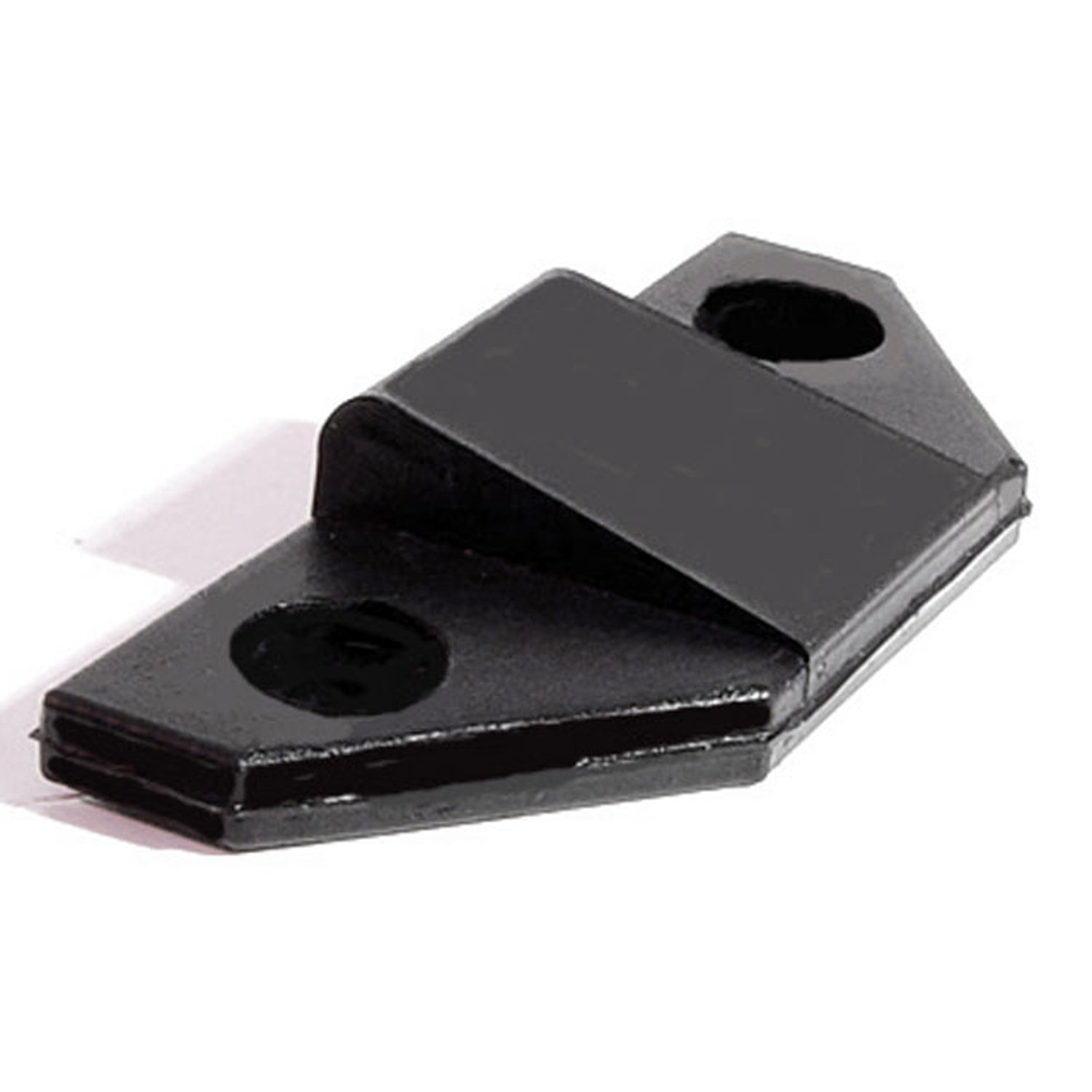 1953 Hudson Super Jet Middle hood bumpers. Two used per car. Nice reproduction-HF 58-BMiddle hood bumpers. Two used per car. Nice reproduction. Each.
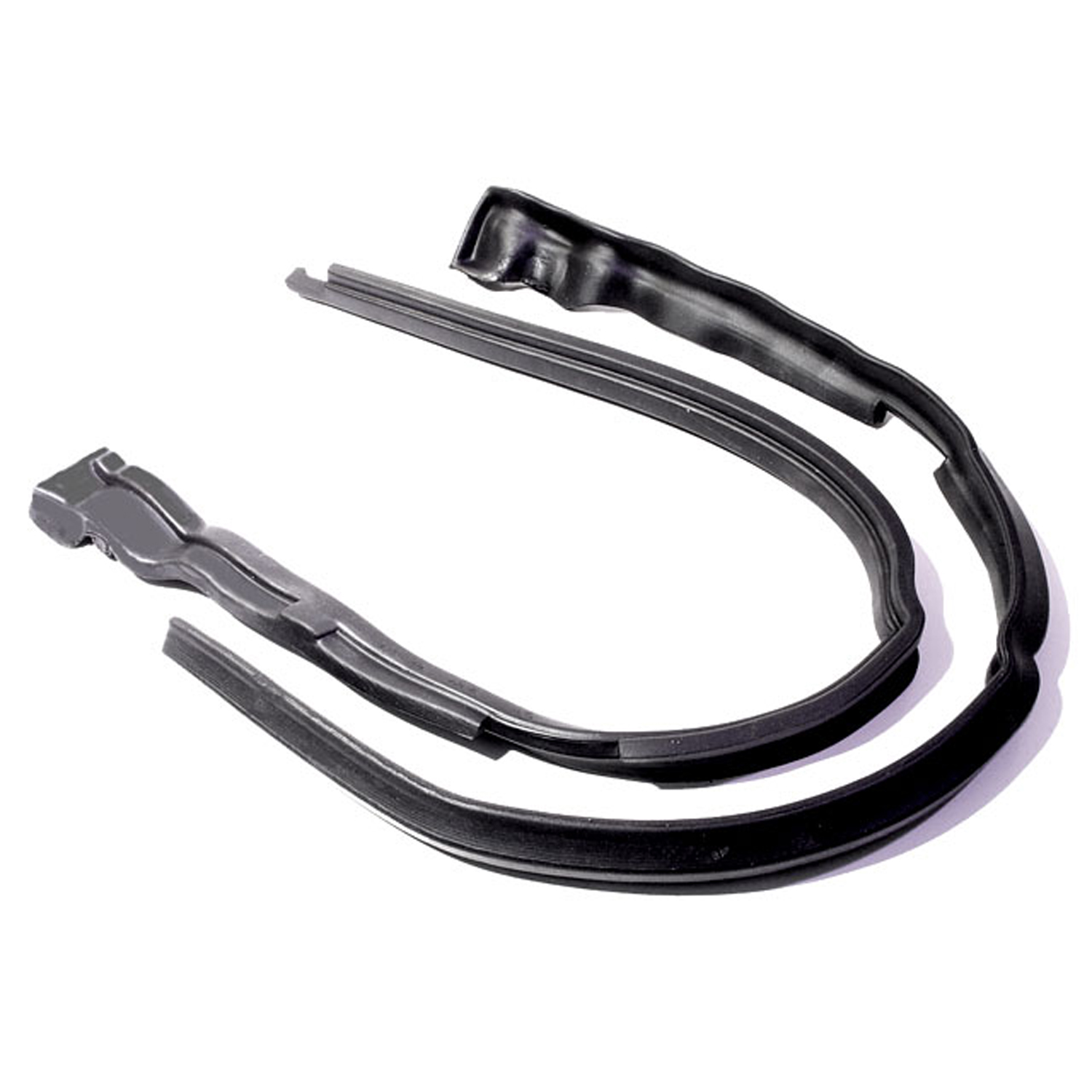 1953 Hudson Super Jet Rear door seals. '48-'54 Hudson sedans. Pair. R&L.-LM 40Rear door seals. '48-'54 Hudson sedans. Pair. R&L.
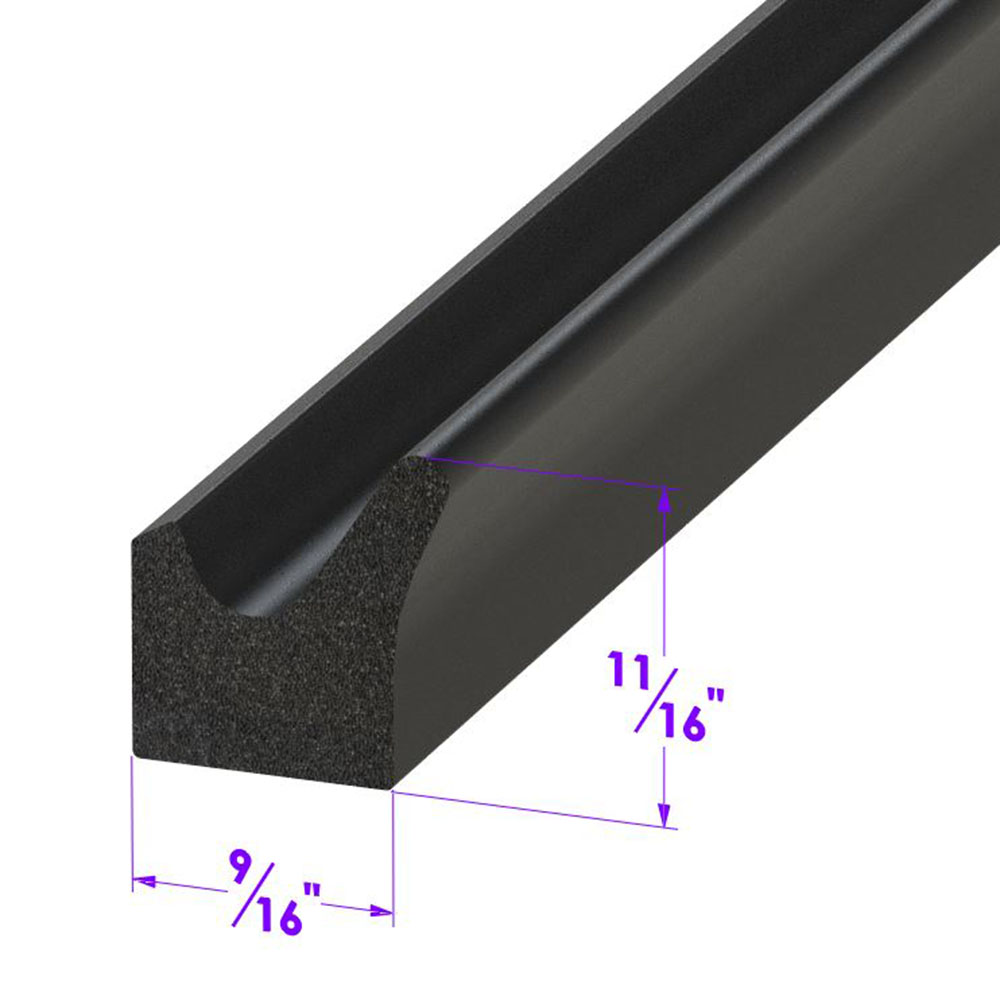 1953 Hudson Super Jet Door side seal. Same as LP 40-A, but for a heavier seal-LP 40Door side seal. Same as LP 40-A, but for a heavier seal. Fits many domestic passenger cars and trucks. Used in Cobra kit cars as trunk weatherstrip. Per foot.
 1953 Hudson Super Jet Door side seal. Same as LP 40, but for a lighter seal-LP 40-ADoor side seal. Same as LP 40, but for a lighter seal. Fits many domestic passenger cars and trucks. Universal seal for street rods and customs. Used in Cobra kit cars as door weatherstrip. Per foot.
 1953 Hudson Super Jet Roof Antenna Pad. 1-9/16" O.D., 1-1/8" I.D. Each-MP 798-KKRoof Antenna Pad. 1-9/16" O.D., 1-1/8" I.D. Each
 1953 Hudson Super Jet Cowl Vent Seal. Made of 3/16" thick sponge-RP 100-ZCowl Vent Seal. Made of 3/16" thick sponge. 4-1/4" wide at end X 19" long. Each
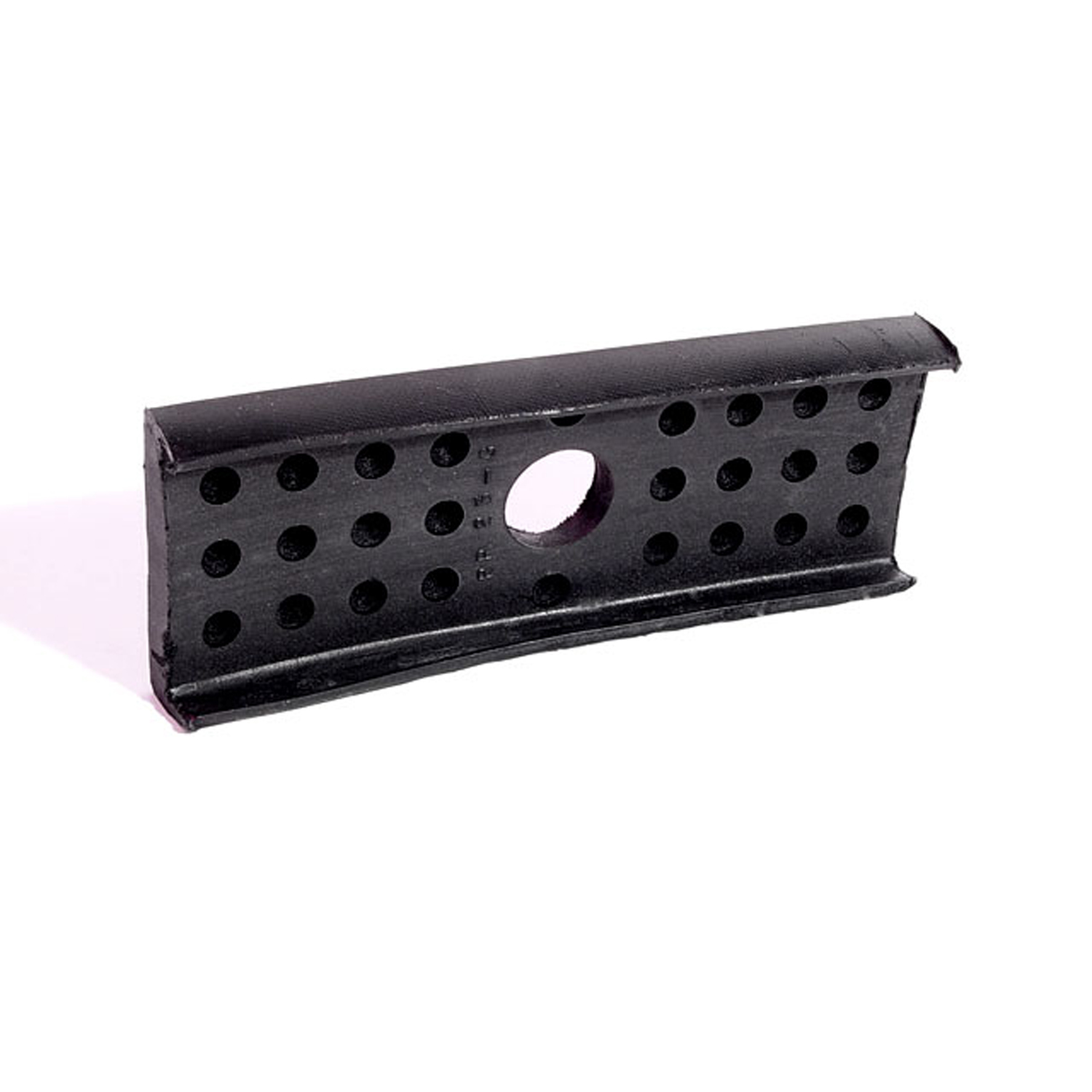 1953 Hudson Super Jet Rear Leaf Spring Center Mounting Insulator-RP 23-GRear Leaf Spring Center Mounting Insulator. For all 1-3/4" wide leaf springs. Each
 1953 Hudson Super Jet Center Driveshaft Support Carrier Cushion. 1-1/4" O.D-RP 250Center Driveshaft Support Carrier Cushion. 1-1/4" O.D., 1-1/4" Long (cushion). Each
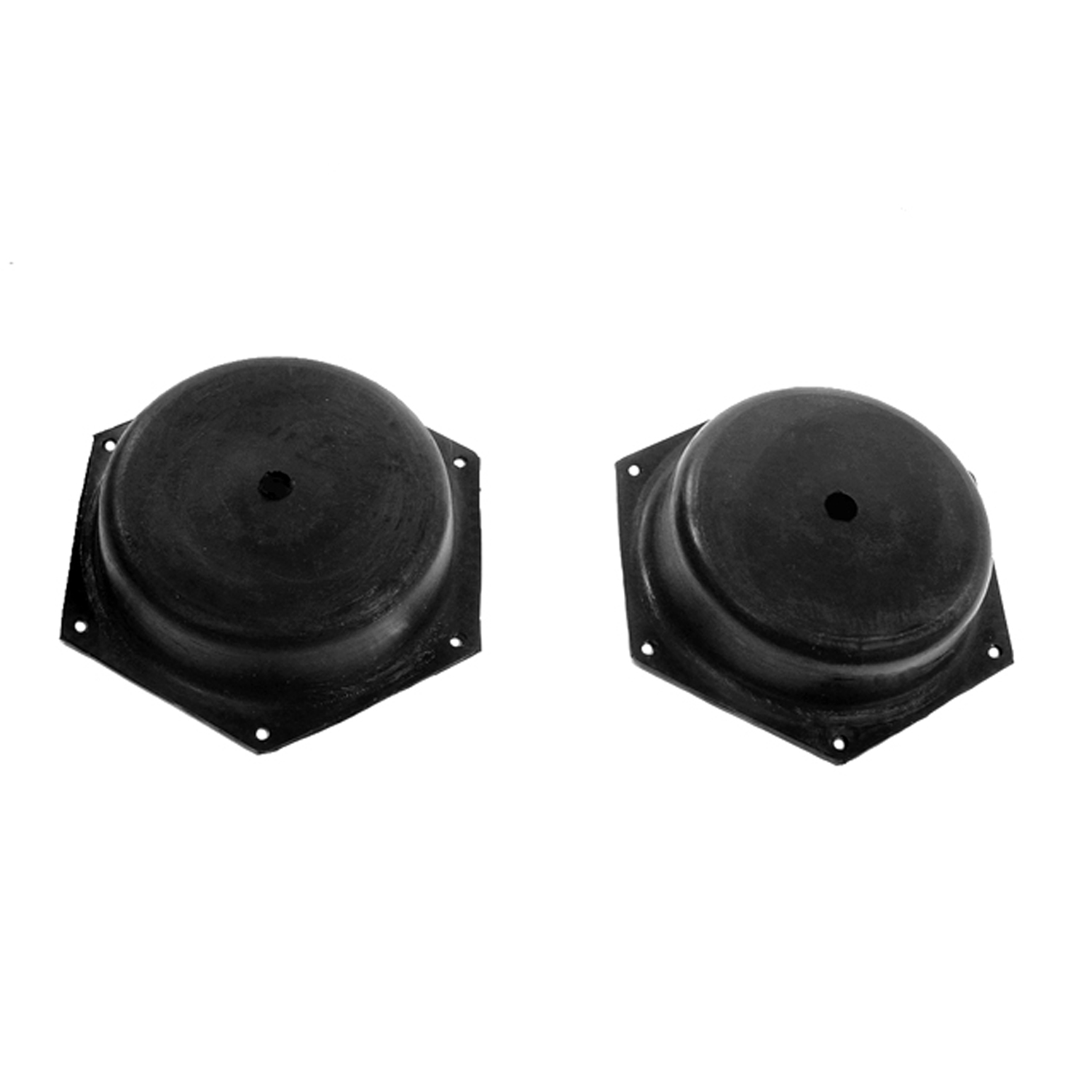 1953 Hudson Super Jet Drive Master Electric Shift Vacuum Diaphragm-RP 32-ADrive Master Electric Shift Vacuum Diaphragm. For all models with drive master system for standard transmission. Pair
 1953 Hudson Super Jet HEADLINER BOW GROMMET, 48-54 HUDSON-SM 55-HHEADLINER BOW GROMMET, 48-54 HUDSON
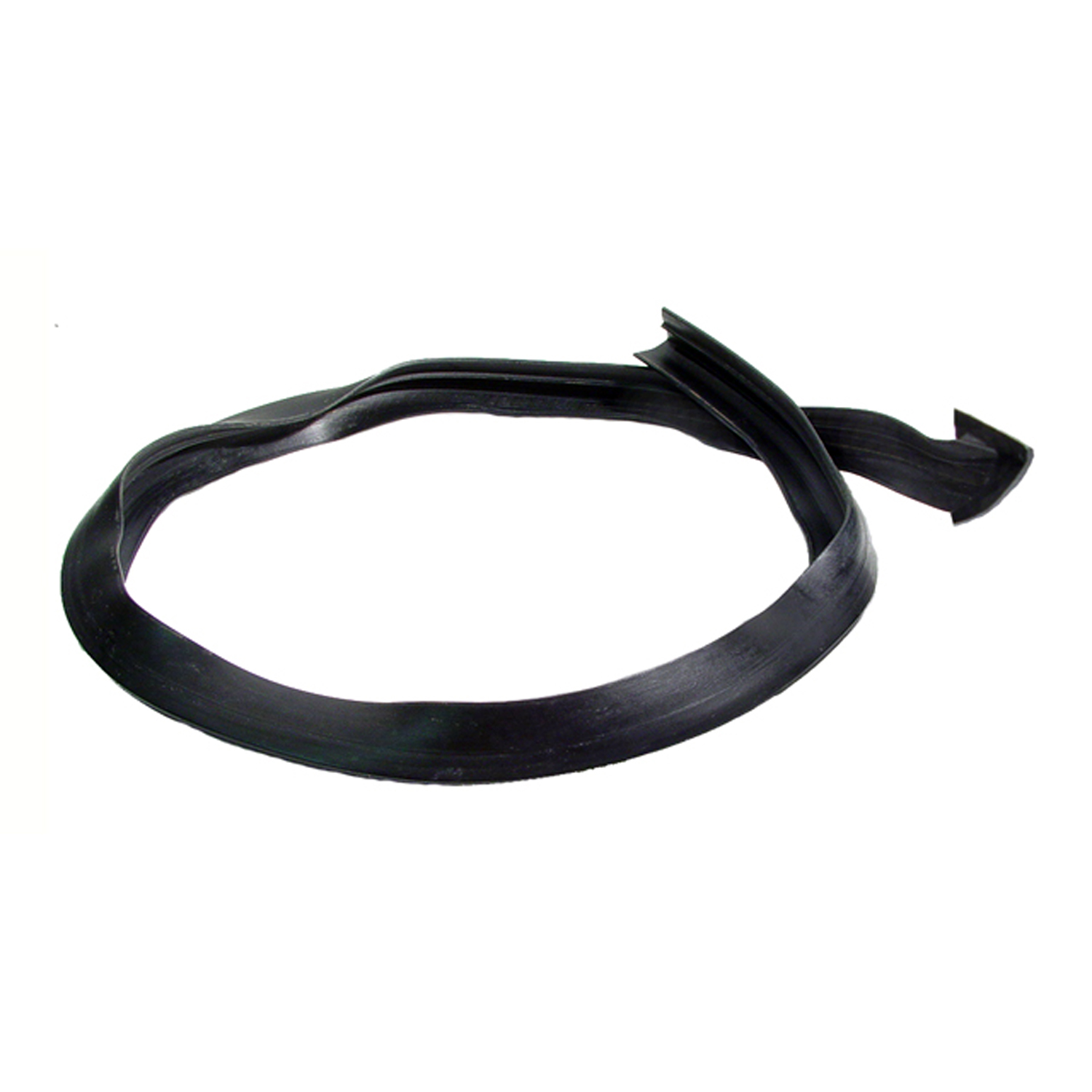 1953 Hudson Super Jet Vertical Division Seal-VS 6-AVertical Division Seal. 26" Piece, enough for two front vents. Each
 1953 Hudson Super Jet Vertical seal for vent window. Dense rubber. Universal part-VS 6-A/FTVertical seal for vent window. Dense rubber. Universal part. Per foot.
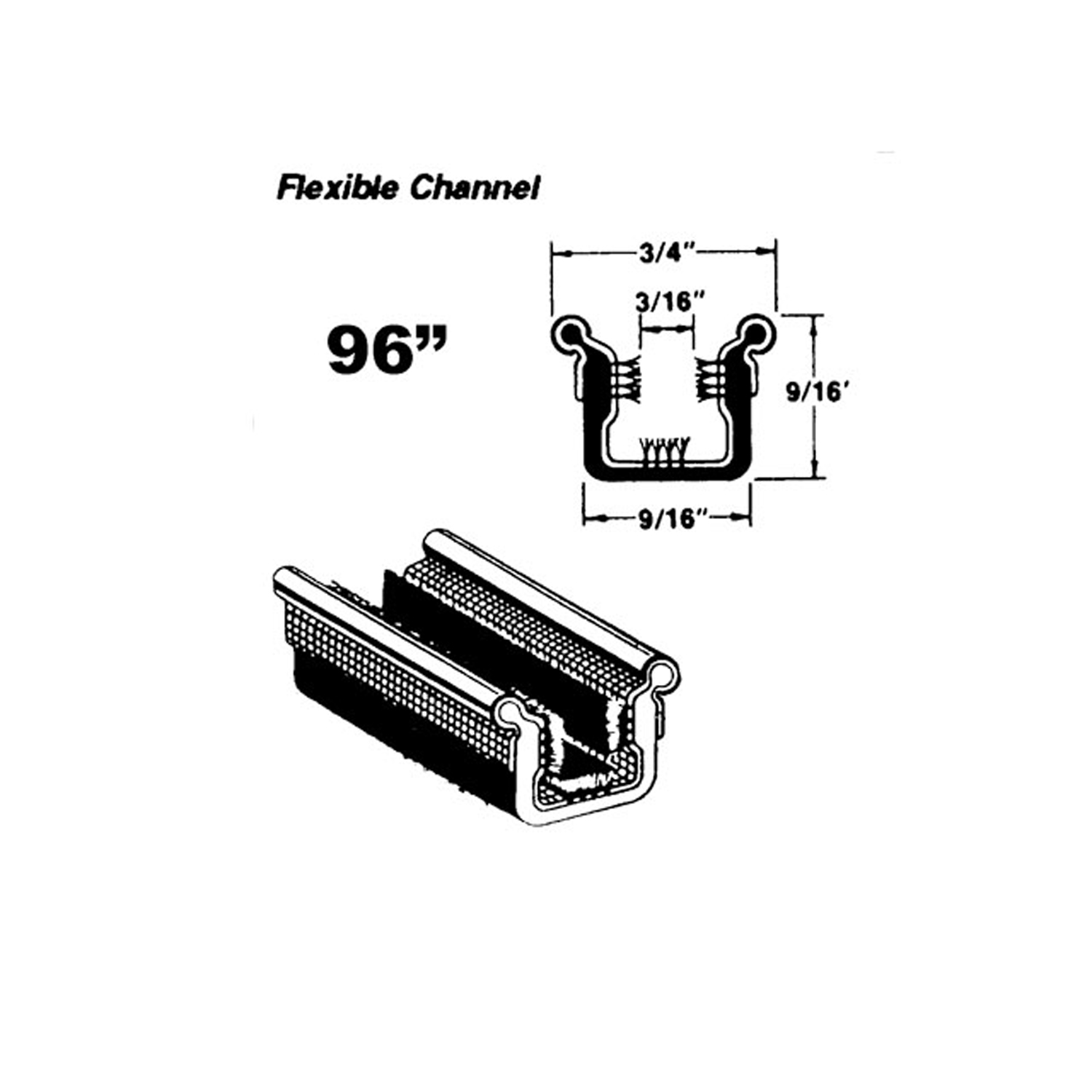 1953 Hudson Super Jet Flexible window channel-WC 10-96Flexible window channel. Rubber covered with mohair lining and stainless steel bead. 96 in. long. Each. NOTE: $20 special shipping charge applies for domestic orders. Call or email for overseas shipping costs. Part can be sectioned in two or three equal lengths to reduce overseas shipping costs.
 1953 Hudson Super Jet Flexible glass-run channel-WC 11-72Flexible glass-run channel. Mohair lined, cloth covered with stainless steel bead. Used on side windows. 72 in. long. Each. NOTE: $20 special shipping charge applies for domestic orders. Call or email for overseas shipping costs. Part can be sectioned in two equal lengths to reduce overseas shipping costs.
 1953 Hudson Super Jet Front Vent Window Seals-WR 4501Front Vent Window Seals. For all closed models, not convertibles. Notch must be cut out for latching windows. Pair R&L
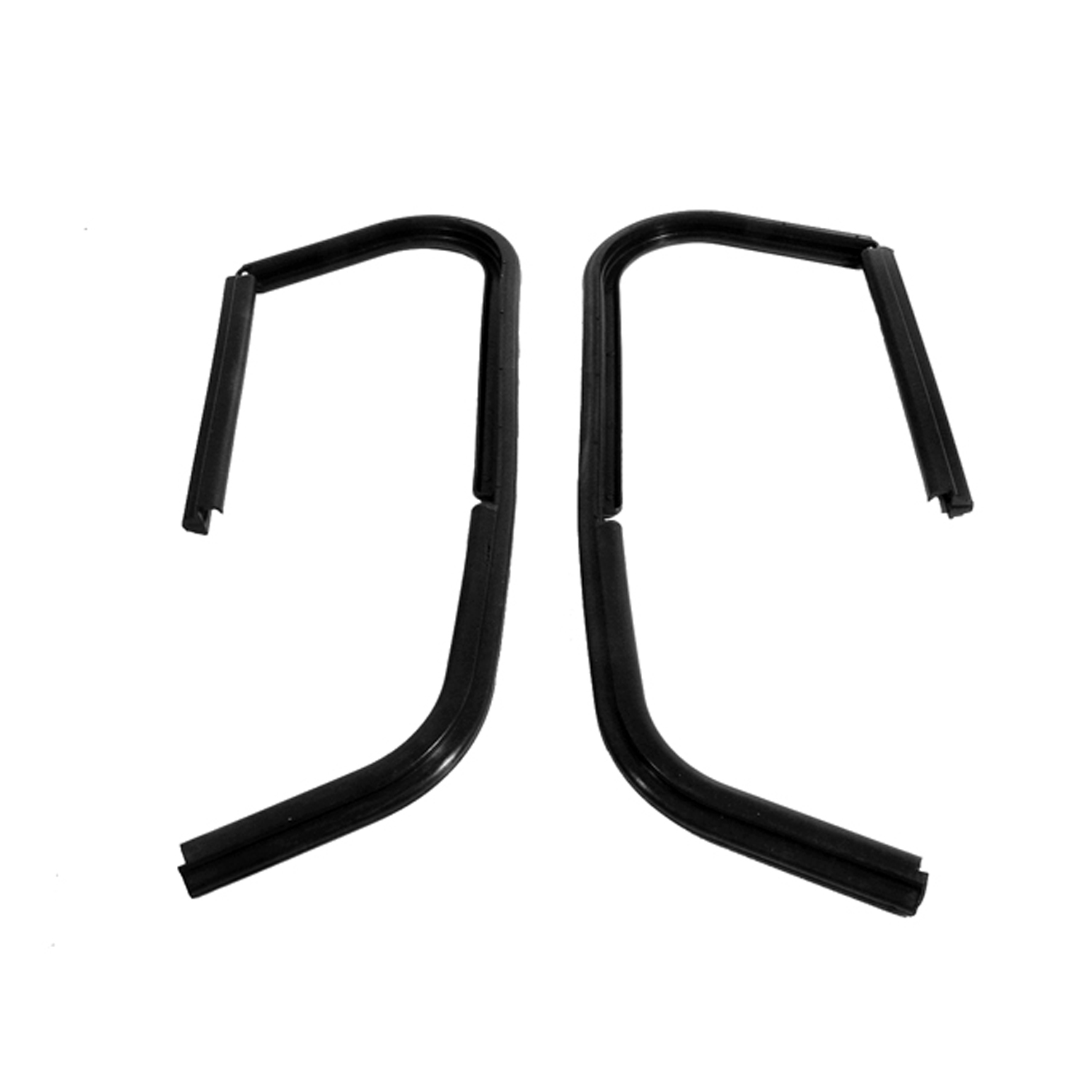 1953 Hudson Super Jet Front Vent Window Seals-WR 4503Front Vent Window Seals. For: '48-'54 convertibles and '51-'54 2-door hardtops. 29-1/2" long each. Pair R&L
Why Choose Metro?
For over 100 years, Metro Moulded Parts has been the pinnacle of quality in classic car restoration parts. Our commitment to precision and authenticity in every component ensures a perfect fit and an OEM-level appearance.
- Expert Craftsmanship & Quality: Each part is a testament to our dedication to reliability and perfection, crafted from original designs and thoroughly tested.
- Advanced Technology: We use cutting-edge techniques to create flawless, long-lasting parts that surpass others in performance.
- SuperSoft Sponge – The Ultimate Door Seal: Not only are our door seals 30% softer than competitors', but they're also guaranteed to never leak. They effectively reduce wind and road noise, enhancing your classic car's comfort and driving experience.
- Proudly American: Our parts are a product of American craftsmanship, made in the USA with a spirit of excellence and heritage.
- Unrivaled Warranty: We back our products with a 30-year industry-leading warranty, a testament to our confidence in their quality.
Join us in preserving the legacy of classic cars with parts that are crafted for perfection, not just made.