

Image of 1954 Hudson Hornet, Note: These illustrations use artistic license and may differ from actual historical models.
Performance Metrics
Fundamental Metrics
Emotional Appeal
MMP Rating
| Engine Specifications | |
|---|---|
| Engine: | 308 cu in (5.0 L) I6 |
| Displacement: | 308 cu in (5.0 L) |
| Horsepower: | 160-170 hp |
| Torque: | 260-275 lb-ft |
| Compression Ratio: | 7.2:1 |
| Ignition System: | Battery Ignition |
| Cooling System: | Liquid-cooled |
| Performance Specifications | |
| 0-60 Time: | 12 seconds |
| 1/4 Mile Time: | 18 seconds |
| Top Speed: | 105 mph |
| Transmission and Drive | |
| Drive Type: | Rear-wheel drive |
| Transmission Type: | 3-speed manual, 4-speed Hydra-Matic automatic |
| Fuel and Efficiency | |
| Fuel System Type: | Carburetor |
| MPG: | 15-20 mpg |
| Dimensions and Brakes | |
| Brakes: | Drum brakes |
| Wheelbase: | 124 inches |
| Weight: | 3,420 lbs |
Note: Specifications for classic cars are given to the best of our ability, considering the limited and variant data available.
1954 Hudson Hornet: The Low-Slung Legend
The 1954 Hudson Hornet looked ready to take the outside line before its engine had even started. Low, wide, and powered by a muscular six-cylinder engine, it was the final-generation version of one of America’s most successful stock-car racers. Built by the Hudson Motor Car Company, the Hornet brought together distinctive styling, advanced body engineering, and a competition record that made it a genuine threat to bigger V8-powered rivals.
Hudson introduced the Hornet for 1951, building on the company’s innovative “step-down” design, first seen on its 1948 models. The 1954 model arrived during a turning point for the manufacturer. Hudson and Nash-Kelvinator merged in 1954 to form American Motors Corporation, and Hudson-built cars would soon give way to models assembled alongside Nash products. The 1954 Hornet is therefore both a late chapter in Hudson’s independent history and the last of the original, full-size Hornets.
One fact helps explain the Hornet’s reputation: its racing success did not come from a large V8. Hudson relied on a durable 308-cubic-inch inline-six, a low center of gravity, and a body structure that gave the car an unusually stable platform. Those qualities helped make the Hornet a dominant force in early-1950s stock-car racing.
Hudson Hornet Styling and Cabin
The 1954 Hornet had a broad, low-set profile, with flowing front fenders and a long body that sat closer to the road than many American cars of the period. At the front, a prominent grille and sculpted hood gave it a confident, purposeful look. The design was less upright and formal than that of many competitors, and its low roofline made the car appear sleek even when parked.
Inside, the Hornet offered a roomy cabin with a wide front bench seat and a sweeping dashboard. Upholstery varied by model and trim, with patterned cloth and vinyl or leather-appointed materials available depending on the specification. Bright trim, coordinated door panels, and a large steering wheel brought the period’s expected sense of occasion. The overall impression was comfortable and substantial rather than sporty in the modern sense.
Hudson offered the 1954 Hornet in several body styles, including a four-door sedan, the two-door Hollywood hardtop, and a convertible. The Hollywood hardtop is especially recognizable, pairing the long, low Hornet shape with a pillarless roofline. Sedans were practical and comparatively common, while convertibles are scarcer and often especially sought after by collectors.
Factory colors included a range of solid and two-tone finishes. Buyers could choose conservative shades as well as brighter period colors, with contrasting roofs or body sections adding visual drama. Exact colors and combinations depended on the model and production details, but two-tone paint suits the Hornet particularly well, emphasizing its long body and sculpted fenders.
Step-Down Engineering and Period Features
The Hornet’s defining engineering feature was its step-down construction. Rather than placing the passenger floor above a conventional frame, Hudson positioned the floor within the perimeter of the body structure. Passengers stepped down into the cabin, while the body’s side structure helped protect them and kept the car’s center of gravity low. This arrangement contributed to both the Hornet’s planted road manners and its distinctive proportions.
Power came from Hudson’s 308-cubic-inch flathead inline-six. Depending on equipment, the engine produced roughly 160 horsepower in single-carburetor form, with the optional Twin-H Power setup raising output to about 170 horsepower. Twin-H used two carburetors and a matching induction arrangement to improve breathing. It was a practical performance upgrade, not just a badge for the trunk.
Depending on specification, the Hornet could also be equipped with an automatic transmission, power steering, and power brakes. These features made a large car easier to use in everyday traffic, although the Hornet’s mechanical character remained more traditional than that of newer V8 competitors. Its combination of a strong inline-six, spacious cabin, and carefully engineered body was the real technical story.
Why the Hornet Mattered
When the Hornet appeared, many American manufacturers were promoting increasingly powerful V8 engines. Hudson took a different route. Its six-cylinder engine was competitive, but the car’s low center of gravity, balanced chassis, and sturdy construction were just as important to its performance. On the track, those advantages helped the Hornet corner with confidence and put its power to the ground effectively.
Hudson Hornets became stars in NASCAR and other stock-car competitions during the early 1950s. Drivers including Marshall Teague and Herb Thomas helped build the car’s reputation, while the famous “Fabulous Hudson Hornet” became a symbol of the marque’s racing success. The Hornet’s strongest period came earlier in the decade, and by 1954 it faced increasingly serious competition from newer designs and more powerful V8s. Even so, its racing record had already established it as one of the era’s most significant American performance cars.
The Hornet also illustrates how engineering can shape a car’s identity. Its handling and racing credentials came from the whole package, not simply a headline horsepower figure. That approach helped distinguish Hudson from its larger rivals and gave the company a lasting place in automotive history.
1954 Hornet Performance and Road Manners
A 1954 Hornet with the 308 inline-six was a strong highway car for its time. Period performance varied with transmission, axle ratio, body style, condition, and test method, but a Twin-H Power example could reach approximately 60 mph in the low-to-mid 12-second range. Top speed was around 100 mph under favorable conditions. These are broad estimates rather than guaranteed figures for every surviving car.
On a rough road, the Hornet’s substantial body and long wheelbase help it feel composed, though its suspension is still a product of the 1950s. It absorbs ordinary bumps with a softer, more leisurely motion than a modern car. On winding roads, the low stance gives it a planted feel for such a large vehicle, but the steering is not as quick or precise as a contemporary sports car’s. A well-maintained example feels confident; worn suspension parts, old tires, or loose steering can quickly spoil that impression.
From behind the wheel, the 308 six delivers its power with a smooth, steady pull rather than the sharp rush associated with a modern high-output engine. The exhaust note is deep and measured, and the cabin has the broad, comfortable feel of a classic American cruiser. The driver works with a large steering wheel, a bench seat, and controls designed for an era when driving demanded more physical input. With Twin-H Power, the engine has a livelier response, especially when accelerating from cruising speed.
Living With a 1954 Hudson Hornet
Today, most Hornets are enjoyed as show cars, touring cars, or special-interest weekend drivers. A sound sedan can make a relaxed classic-car companion, while a Hollywood hardtop or convertible often takes center stage at shows. Original Hornets also attract vintage racing fans, though competition use requires careful preparation and respect for the car’s age.
The Hornet’s mechanical layout is familiar to many classic-car specialists, and the 308 six is respected for durability when maintained properly. Routine work includes regular lubrication, ignition and carburetor attention, cooling-system checks, and careful inspection of the brakes and suspension. Some service tasks are straightforward for an experienced home mechanic, but specialist knowledge can be valuable, particularly for Twin-H components, transmission work, and body or trim restoration.
Parts availability is more challenging than it is for mass-produced Ford or Chevrolet models. Mechanical parts can often be sourced through Hudson clubs, specialist suppliers, and the enthusiast network, but correct trim, body panels, and restoration-grade details may take patience. Before buying, check for rust and past repairs, inspect the frame and body structure carefully, and confirm that hard-to-find parts are present. A complete car is often a better starting point than an inexpensive project missing its distinctive pieces.
Hudson Hornet Facts and Myths
The Hornet’s racing legacy inspired generations of enthusiasts, and it later reached a new audience through Doc Hudson in Pixar’s Cars. The character is modeled on a 1951 Hudson Hornet rather than the 1954 model, but the film helped introduce the Hornet name and its stock-car story to viewers who might never have encountered one otherwise.
Another point worth remembering is that the Hornet’s competition success was not simply a matter of straight-line speed. Its chassis and low center of gravity helped it perform well on the rough, uneven tracks common in early stock-car racing. That advantage became less decisive as rival manufacturers developed newer, more powerful cars and racing technology changed.
Common criticisms are familiar to anyone considering a large 1950s car: fuel economy is modest by modern standards, handling still feels old-fashioned, and restoration parts can be difficult to find. The Hornet is also not a lightweight sports car. Its appeal lies in its unusual engineering, smooth six-cylinder character, roomy comfort, and remarkable history, not in modern-day efficiency or precision.
1954 Hudson Hornet Collector Values
Hudson built an estimated 24,833 Hornets for the 1954 model year, across the available body styles. Production figures and surviving-car counts can vary by source, but the total makes the model much less common than mainstream rivals from the major manufacturers. Convertibles are notably scarcer than sedans, while hardtops offer a strong combination of style and relative availability.
As a broad U.S. market estimate, a project car may sell for roughly $10,000 to $25,000, depending heavily on completeness and rust. A usable driver or older restoration might bring about $25,000 to $50,000. Well-restored cars commonly fall in the $50,000 to $90,000 range, with exceptional examples, rare body styles, or cars carrying significant racing provenance potentially exceeding that range. Values can vary substantially by condition, originality, documentation, and location, so these figures are guideposts rather than appraisals.
Interest in the Hornet has remained supported by its racing history and distinctive design. Over the long term, top-quality, well-documented cars have generally held stronger appeal than ordinary project vehicles, but classic-car prices move with the market and restoration costs. Buyers should compare recent sales of the same body style and condition rather than assuming every Hornet will appreciate at the same rate.
A Lasting American Performance Classic
The 1954 Hudson Hornet stands out because it was more than a handsome old sedan. Its step-down body, strong 308-cubic-inch six, and well-balanced chassis gave it a distinctive blend of comfort and performance. By 1954, the independent Hudson company was nearing the end of its original run, but the Hornet’s racing achievements had already secured its place in the story of American motoring.
For collectors, the Hornet offers something increasingly rare: a car whose engineering, styling, and competition record all tell the same story. It was built to sit low, travel quickly, and take the fight to larger rivals. That confident spirit is what keeps the Hudson Hornet memorable more than seven decades later.
1954 Hudson Hornet Catalog of Parts
 1954 Hudson Hornet Accessory Floor Mat - 12"X17"-AC 35Accessory Floor Mat - made of high quality black rubber with molded original emblem. Also designed to be sewn into new carpets. 12"X17", Each
 1954 Hudson Hornet Accelerator Pedal Pad, 2-5/8" X 9", Each-AP 23Accelerator Pedal Pad, 2-5/8" X 9", Each
 1954 Hudson Hornet Accelerator Rod Bellows. 1/8" top I.D., 2-1/4" bottom I.D-BL 7-HAccelerator Rod Bellows. 1/8" top I.D., 2-1/4" bottom I.D., 3-1/4" bottom O.D. Each
 1954 Hudson Hornet Rear Stabilizer Bushing. Two used per car. 1-3/4" O.D-BN 7-ARear Stabilizer Bushing. Two used per car. 1-3/4" O.D., 2" high, with 7/8" I.D. Each
 1954 Hudson Hornet Clutch and Brake Pedal Pads. High quality reproduction-CB 15-AClutch and Brake Pedal Pads. High quality reproduction. 2-1/8" wide X 3" long. Pair
 1954 Hudson Hornet Auxiliary Door to Cowl Seal-ELP 4500Auxiliary Door to Cowl Seal. This "S" seal attaches to the door and comes up against the door seal. Soft molded sponge. Very nice reproduction. Pair R&L
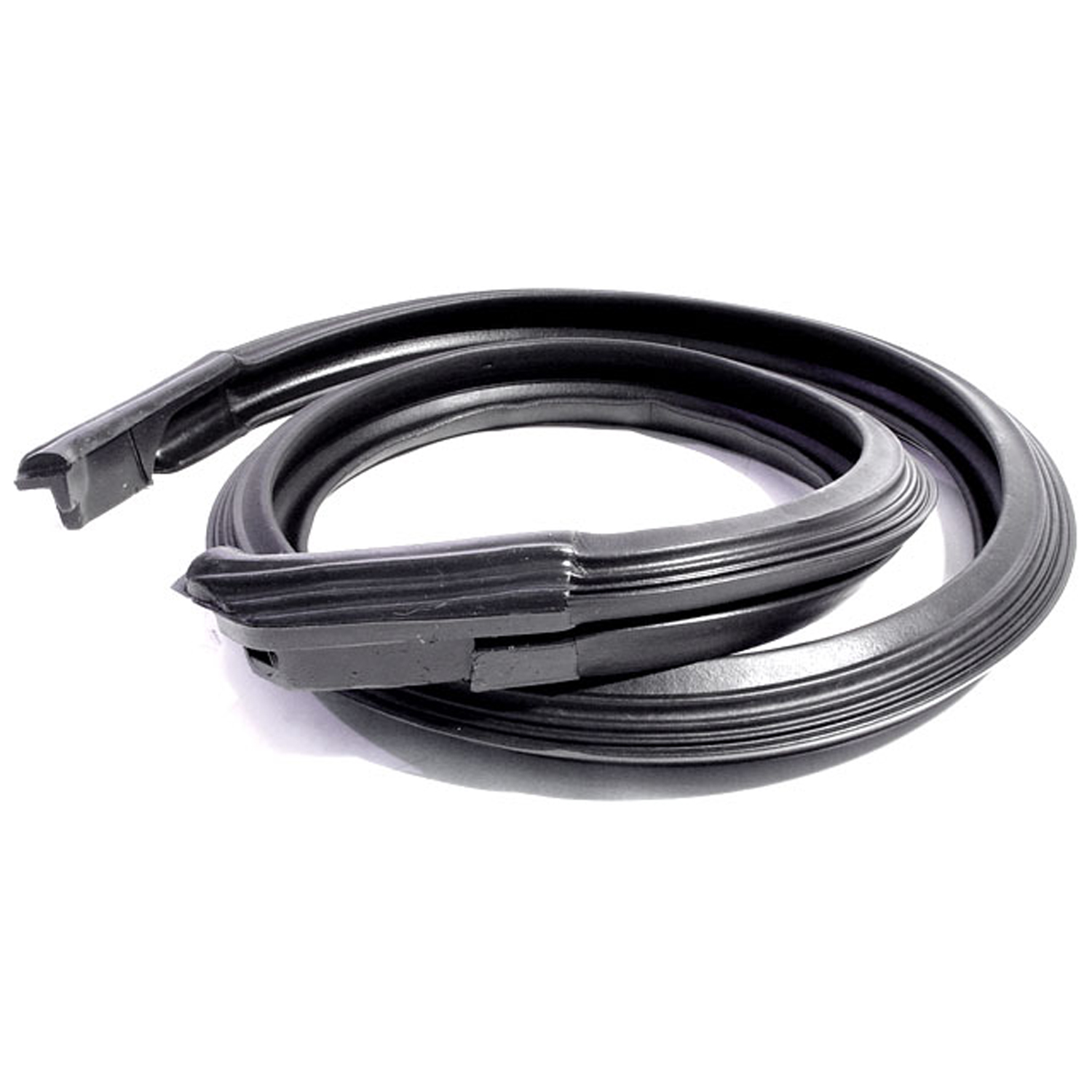 1954 Hudson Hornet Header Seal with Molded Ends. For Convertibles. 55" Long-HD 750Header Seal with Molded Ends. For Convertibles. 55" Long. Each
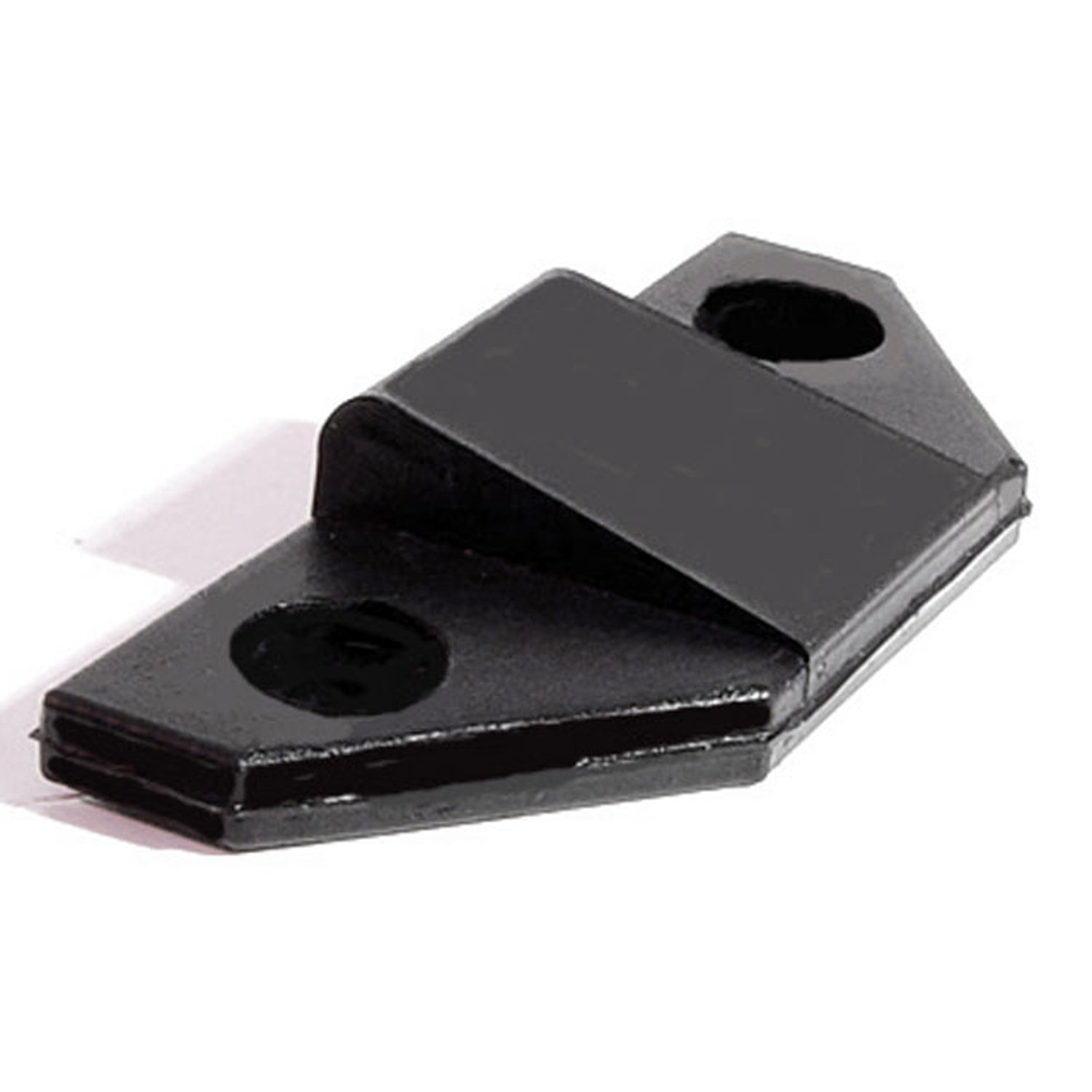 1954 Hudson Hornet Middle hood bumpers. Two used per car. Nice reproduction-HF 58-BMiddle hood bumpers. Two used per car. Nice reproduction. Each.
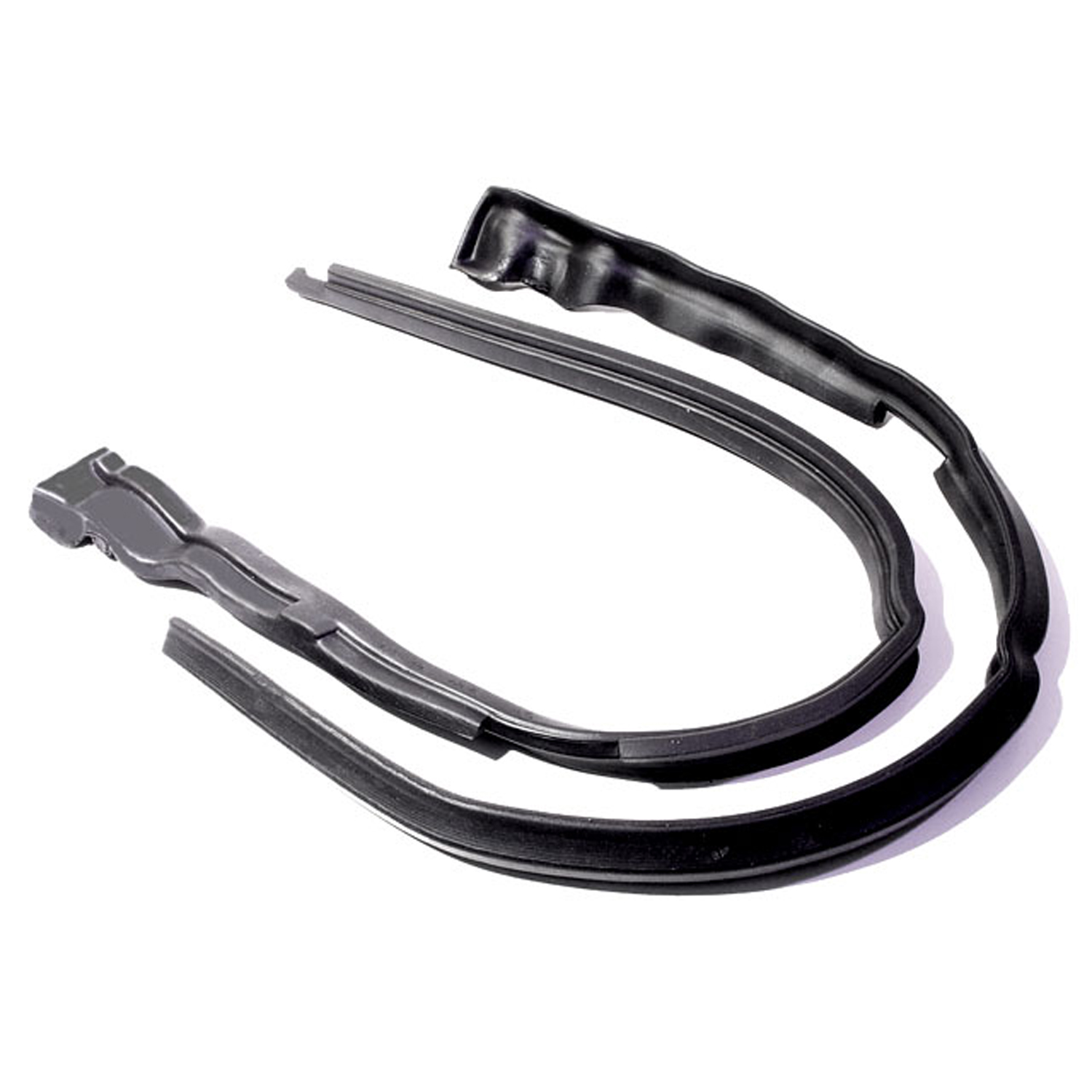 1954 Hudson Hornet Rear door seals. '48-'54 Hudson sedans. Pair. R&L.-LM 40Rear door seals. '48-'54 Hudson sedans. Pair. R&L.
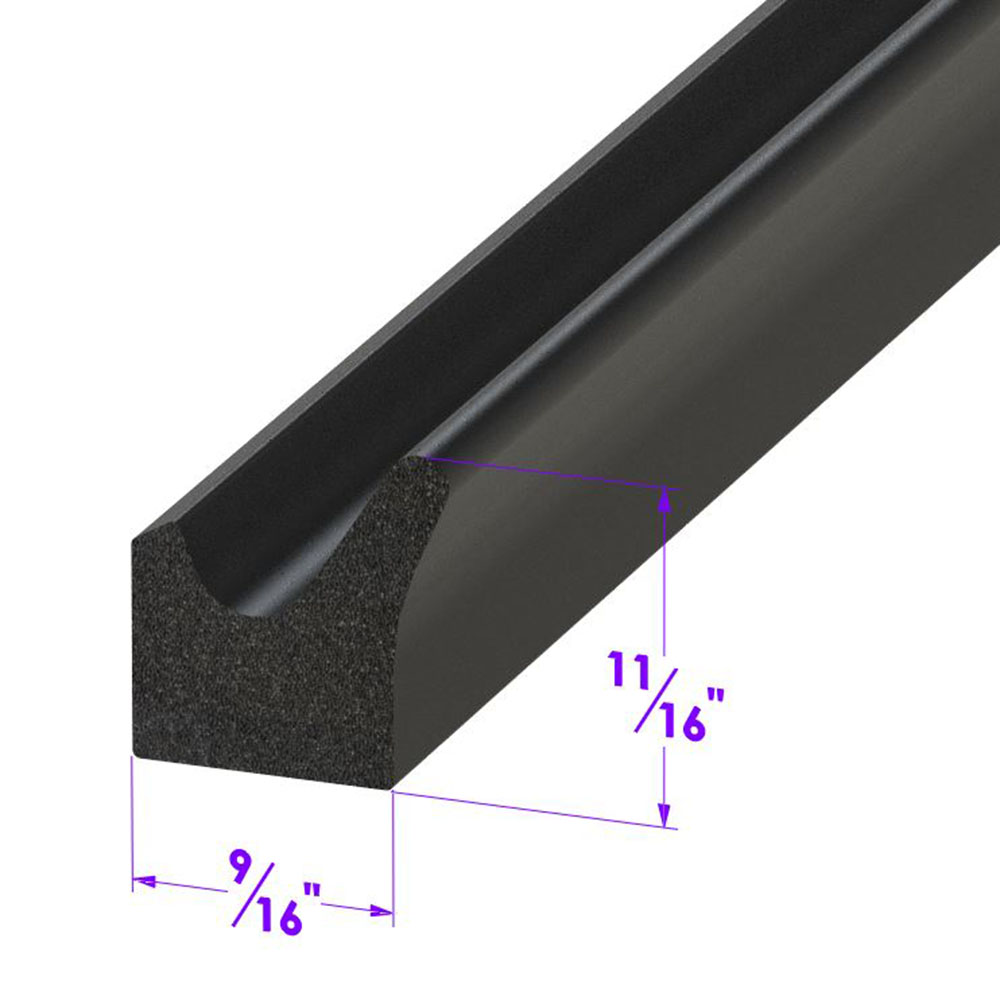 1954 Hudson Hornet Door side seal. Same as LP 40-A, but for a heavier seal-LP 40Door side seal. Same as LP 40-A, but for a heavier seal. Fits many domestic passenger cars and trucks. Used in Cobra kit cars as trunk weatherstrip. Per foot.
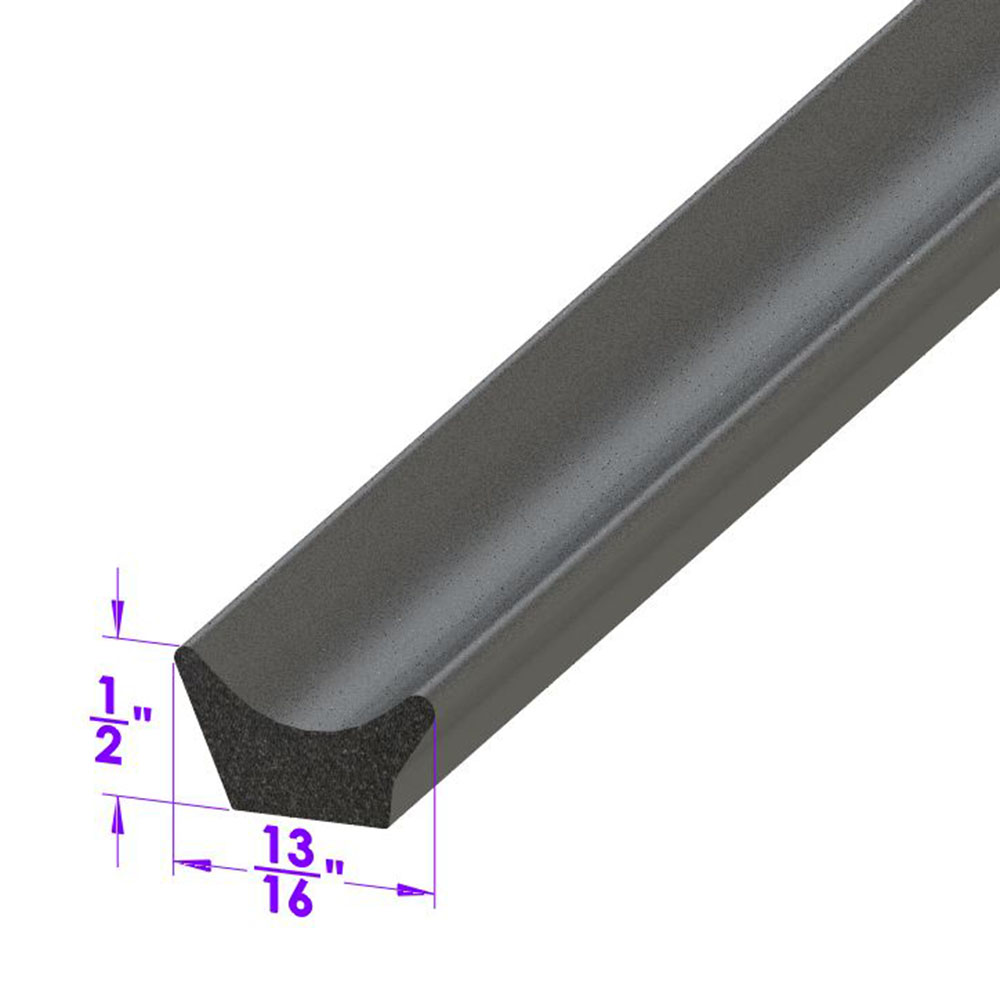 1954 Hudson Hornet Door side seal. Same as LP 40, but for a lighter seal-LP 40-ADoor side seal. Same as LP 40, but for a lighter seal. Fits many domestic passenger cars and trucks. Universal seal for street rods and customs. Used in Cobra kit cars as door weatherstrip. Per foot.
 1954 Hudson Hornet Roof Antenna Pad. 1-9/16" O.D., 1-1/8" I.D. Each-MP 798-KKRoof Antenna Pad. 1-9/16" O.D., 1-1/8" I.D. Each
 1954 Hudson Hornet Cowl Vent Seal. Made of 3/16" thick sponge-RP 100-ZCowl Vent Seal. Made of 3/16" thick sponge. 4-1/4" wide at end X 19" long. Each
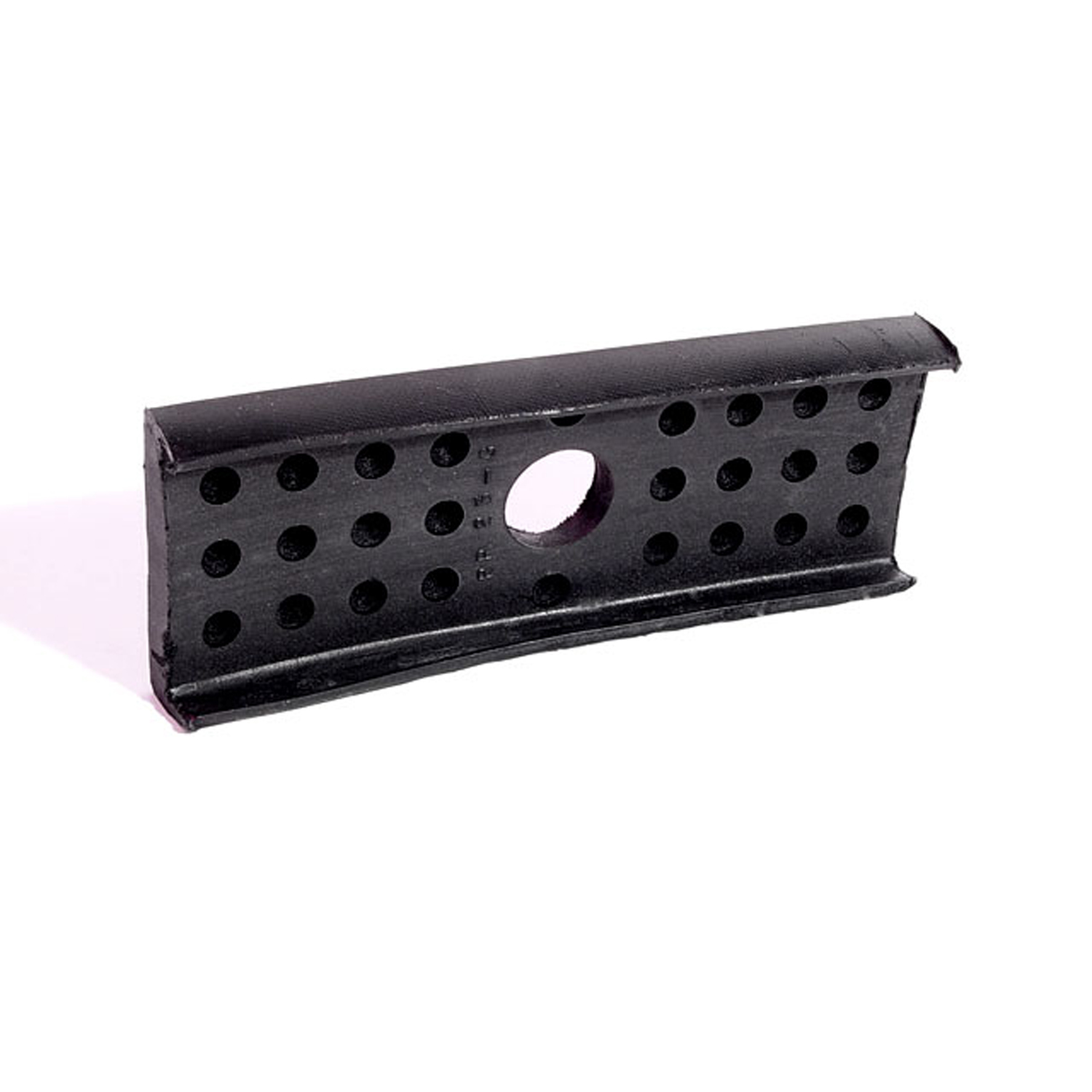 1954 Hudson Hornet Rear Leaf Spring Center Mounting Insulator-RP 23-GRear Leaf Spring Center Mounting Insulator. For all 1-3/4" wide leaf springs. Each
 1954 Hudson Hornet Center Driveshaft Support Carrier Cushion. 1-1/4" O.D-RP 250Center Driveshaft Support Carrier Cushion. 1-1/4" O.D., 1-1/4" Long (cushion). Each
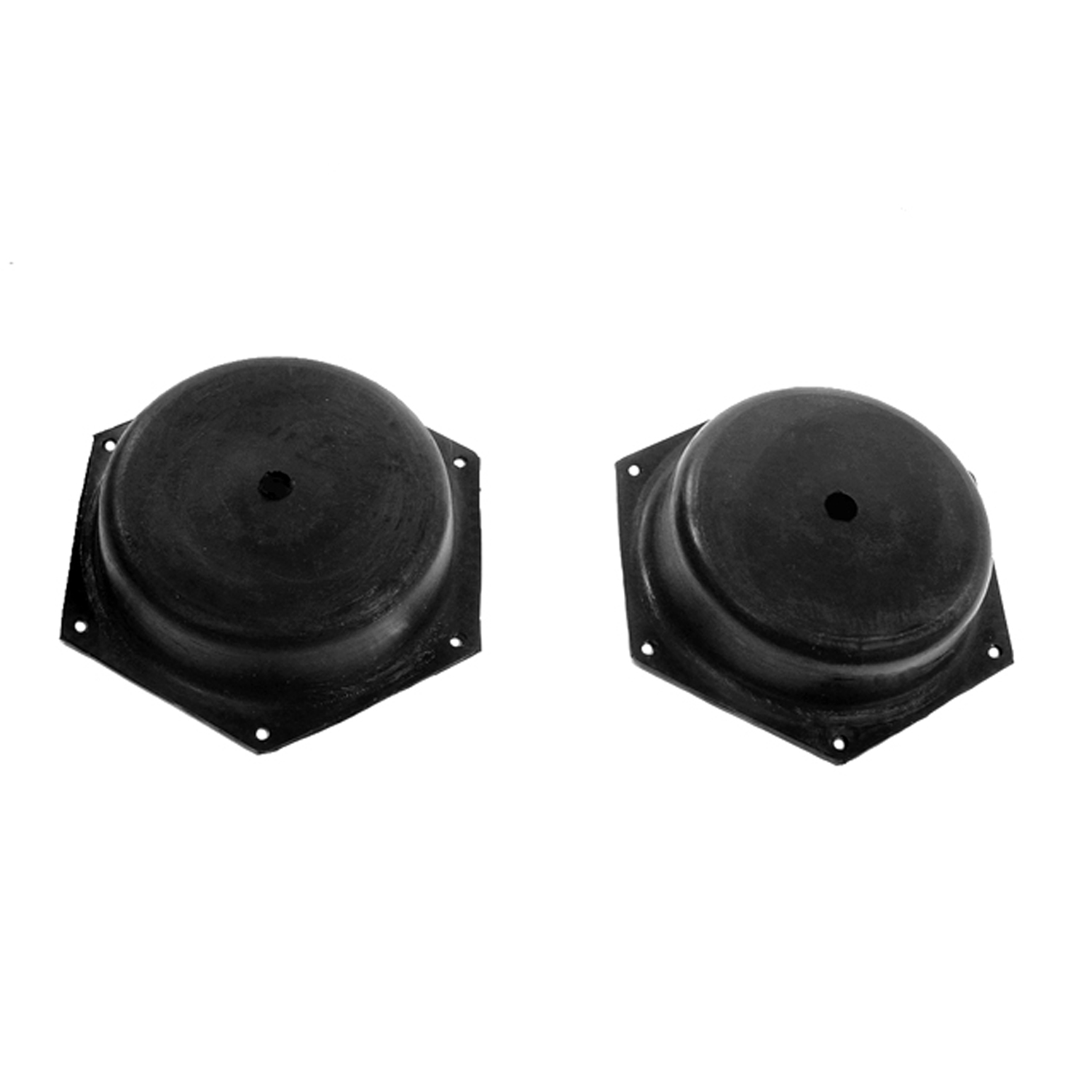 1954 Hudson Hornet Drive Master Electric Shift Vacuum Diaphragm-RP 32-ADrive Master Electric Shift Vacuum Diaphragm. For all models with drive master system for standard transmission. Pair
 1954 Hudson Hornet Clutch Linkage Cushion. 1/8" top thickness. Each-SB 33-BClutch Linkage Cushion. 1/8" top thickness. Each
 1954 Hudson Hornet HEADLINER BOW GROMMET, 48-54 HUDSON-SM 55-HHEADLINER BOW GROMMET, 48-54 HUDSON
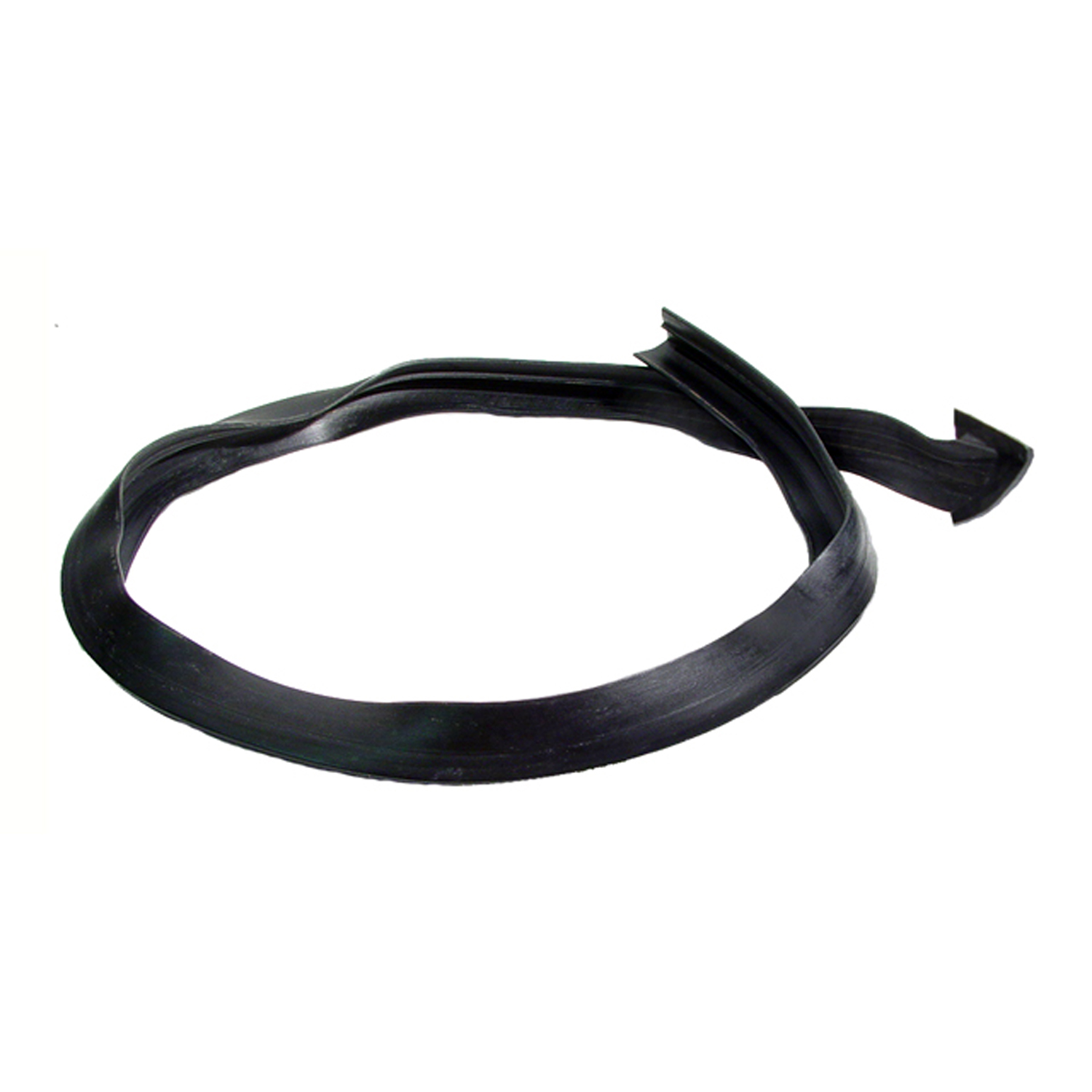 1954 Hudson Hornet Vertical Division Seal-VS 6-AVertical Division Seal. 26" Piece, enough for two front vents. Each
 1954 Hudson Hornet Vertical seal for vent window. Dense rubber. Universal part-VS 6-A/FTVertical seal for vent window. Dense rubber. Universal part. Per foot.
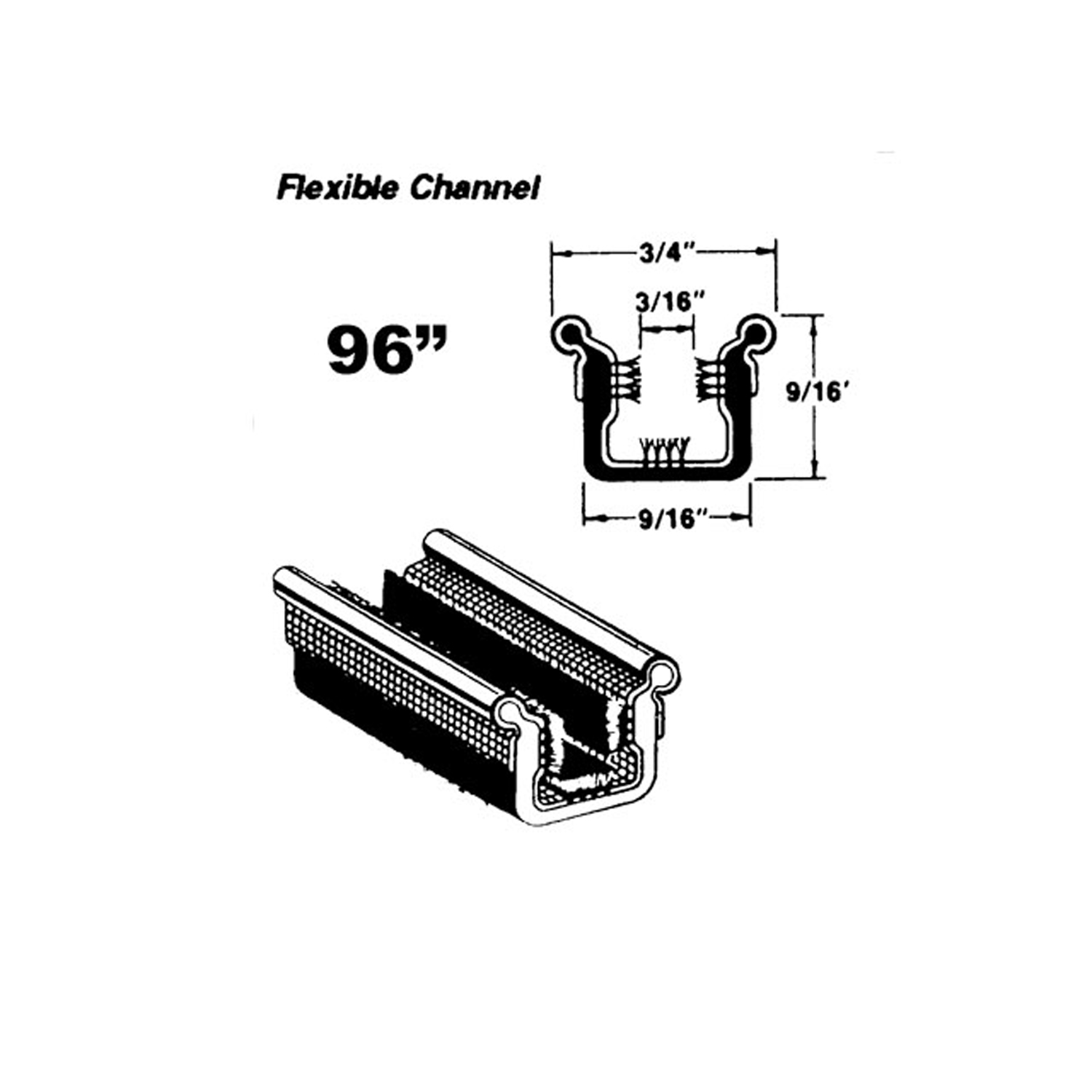 1954 Hudson Hornet Flexible window channel-WC 10-96Flexible window channel. Rubber covered with mohair lining and stainless steel bead. 96 in. long. Each. NOTE: $20 special shipping charge applies for domestic orders. Call or email for overseas shipping costs. Part can be sectioned in two or three equal lengths to reduce overseas shipping costs.
 1954 Hudson Hornet Flexible glass-run channel-WC 11-72Flexible glass-run channel. Mohair lined, cloth covered with stainless steel bead. Used on side windows. 72 in. long. Each. NOTE: $20 special shipping charge applies for domestic orders. Call or email for overseas shipping costs. Part can be sectioned in two equal lengths to reduce overseas shipping costs.
 1954 Hudson Hornet Front Vent Window Seals-WR 4501Front Vent Window Seals. For all closed models, not convertibles. Notch must be cut out for latching windows. Pair R&L
 1954 Hudson Hornet Rear Vent Window Seals. Replaces OEM #B0230330-31-WR 4501-RRear Vent Window Seals. Replaces OEM #B0230330-31. Pair R&L
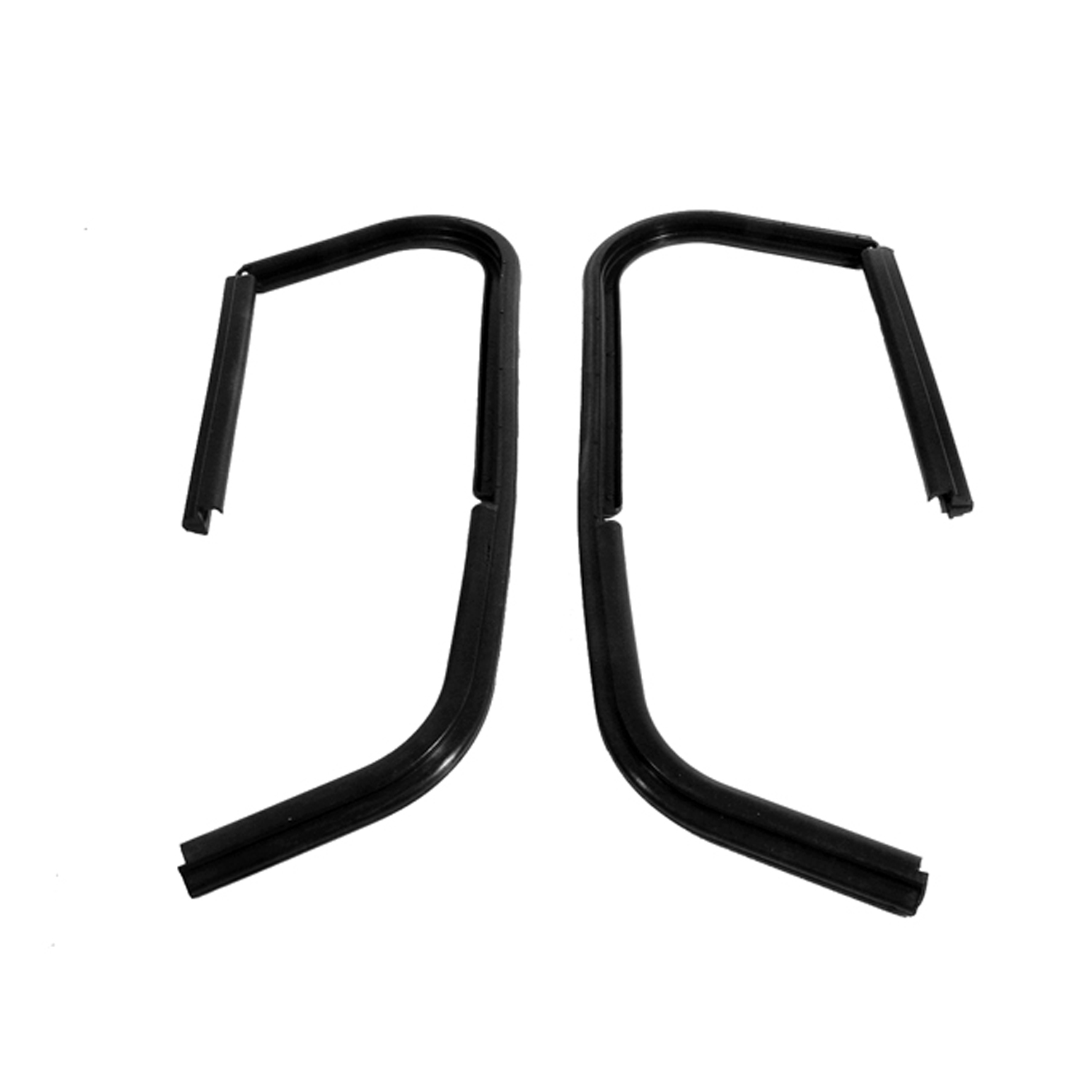 1954 Hudson Hornet Front Vent Window Seals-WR 4503Front Vent Window Seals. For: '48-'54 convertibles and '51-'54 2-door hardtops. 29-1/2" long each. Pair R&L
Why Choose Metro?
For over 100 years, Metro Moulded Parts has been the pinnacle of quality in classic car restoration parts. Our commitment to precision and authenticity in every component ensures a perfect fit and an OEM-level appearance.
- Expert Craftsmanship & Quality: Each part is a testament to our dedication to reliability and perfection, crafted from original designs and thoroughly tested.
- Advanced Technology: We use cutting-edge techniques to create flawless, long-lasting parts that surpass others in performance.
- SuperSoft Sponge – The Ultimate Door Seal: Not only are our door seals 30% softer than competitors', but they're also guaranteed to never leak. They effectively reduce wind and road noise, enhancing your classic car's comfort and driving experience.
- Proudly American: Our parts are a product of American craftsmanship, made in the USA with a spirit of excellence and heritage.
- Unrivaled Warranty: We back our products with a 30-year industry-leading warranty, a testament to our confidence in their quality.
Join us in preserving the legacy of classic cars with parts that are crafted for perfection, not just made.