

Image of 1954 Hudson Jetliner, Note: These illustrations use artistic license and may differ from actual historical models.
Performance Metrics
Fundamental Metrics
Emotional Appeal
MMP Rating
| Engine Specifications | |
|---|---|
| Engine: | Inline 6 |
| Displacement: | 202 cu in (3.3 L) |
| Horsepower: | 104 hp |
| Torque: | 158 lb-ft |
| Compression Ratio: | 7.5:1 |
| Ignition System: | Battery Ignition |
| Cooling System: | Liquid-cooled |
| Performance Specifications | |
| 0-60 Time: | Estimated 17 seconds |
| 1/4 Mile Time: | Not available |
| Top Speed: | 90 mph |
| Transmission and Drive | |
| Drive Type: | Rear-wheel drive |
| Transmission Type: | 3-speed manual |
| Fuel and Efficiency | |
| Fuel System Type: | Carburetor |
| MPG: | Estimated 15-20 mpg |
| Dimensions and Brakes | |
| Brakes: | Drum brakes |
| Wheelbase: | 105 inches |
| Weight: | 3,200 lbs |
Note: Specifications for classic cars are given to the best of our ability, considering the limited and variant data available.
1954 Hudson Jetliner: The Compact That Took Hudson in a New Direction
The 1954 Hudson Jetliner was Hudson’s answer to America’s growing appetite for smaller cars, and it arrived at a turning point for the company. Built by the Hudson Motor Car Company, the Jet was a compact sedan with Hudson engineering and a roomy, well-finished cabin. Its story is especially compelling because it was both an ambitious attempt to reach new buyers and one of Hudson’s final original designs before the company became part of American Motors.
“Jetliner” is a name commonly attached to upscale 1954 Hudson Jets, though period references and later records do not always use the model and trim names consistently. The Jet range is generally listed under Jet and Super Jet designations. Whatever the badge or catalog wording, the car was part of the same short-lived Jet family, produced only for the 1953 and 1954 model years.
A notable twist: Hudson had a reputation for low, sleek cars and dominant racing Hornets, yet the Jet was deliberately tall and upright. Company leaders wanted an easy-entry compact with generous headroom. That decision gave the car practical appeal, but also set it apart from the lower, more fashionable styling Hudson had become known for.
Jet Styling and Cabin Details
The Jetliner’s exterior is compact and formal rather than flashy. Its upright roofline, broad greenhouse, and relatively high beltline make it look substantial for a small sedan. At the front, round headlamps flank a neat, horizontal grille, while the hood and fenders flow into a squared-off rear with pronounced fender shapes. The result has a tidy, almost miniature-sedan character that looks distinctly mid-century without copying the dramatic tailfins that were beginning to appear elsewhere.
Hudson offered the Jet as a two-door or four-door sedan. There was no Jet convertible, station wagon, or hardtop in the range. The four-door was the practical family choice, while the two-door had a slightly sportier profile. Today, both are recognizable, but surviving four-door cars are often the easiest to find.
Inside, the Jet made a stronger impression than its modest exterior dimensions might suggest. The upright body provided useful headroom, and Hudson emphasized a comfortable, well-equipped cabin. Upholstery and trim depended on the particular series and equipment, with patterned cloth and vinyl-style materials among the period-appropriate finishes. The dashboard was straightforward and easy to read, with a broad instrument panel and conventional controls. A well-preserved Jetliner should feel thoughtfully finished rather than bare-bones, although its materials are not on the same level as a modern luxury car.
Factory paint choices varied by series and production details. Solid colors and two-tone combinations helped buyers give the compact body more visual presence. Blue, green, red, black, and light neutral shades are common colors seen on surviving examples, but the exact combinations should be checked against the car’s paint codes and original documentation. As with any restoration, a verified factory color is more meaningful than relying on a seller’s description.
Engineering for a Smaller Hudson
Power came from Hudson’s 202-cubic-inch L-head, or flathead, inline-six. Output depended on the equipment fitted. The standard engine was rated at roughly 104 horsepower, while the optional Twin-H Power setup, with two carburetors, could raise output to about 114 horsepower. A three-speed manual transmission was typical, and overdrive was available. Equipment varied, so buyers should confirm the engine and transmission configuration on an individual car rather than assume every Jetliner has the same specification.
The Jet also offered period conveniences such as a heater, radio, and other comfort or appearance options, depending on trim and ordering. These were not cutting-edge electronics, but they made the car more pleasant for everyday use. The compact Hudson’s important innovation was less about a single breakthrough gadget and more about combining a six-cylinder engine, usable interior space, and Hudson’s engineering approach in a smaller package.
Why the Jet Mattered to Hudson
The Jet was a major strategic move. In the early 1950s, independent automakers faced enormous pressure from the production scale and dealer networks of General Motors, Ford, and Chrysler. A compact car offered Hudson a way to attract buyers who wanted something easier to park and more economical than a full-size sedan. The Jet was designed to bring Hudson’s name and engineering into that emerging market.
Its reception exposed the difficulty of that strategy. The Jet was smaller than Hudson’s traditional cars, but it did not look as low or as sleek as some buyers expected from the company. It also competed in a price range where shoppers could compare it with larger cars from the Big Three. Development costs were significant, while sales fell short of the scale Hudson needed. The Jet is often cited as one factor in the financial pressures that led to Hudson’s 1954 merger with Nash-Kelvinator, forming American Motors Corporation.
The Jet did not transform the industry in the way Hudson’s step-down body construction had earlier, nor did it create a lasting standalone model line. Its significance is more specific: it shows an independent automaker trying to adapt to a changing market with limited resources. The short production run also makes it a useful snapshot of Hudson’s final years as an independent carmaker. Production of Hudson-designed cars ended soon afterward, as the company’s identity and manufacturing plans changed under AMC.
Road Performance and Driving Feel
Period performance figures vary with engine, transmission, condition, and test method. A standard 1954 Jet is generally best understood as a relaxed family sedan, not a sports car. A reasonable estimate is a 0-to-60-mph time in the 16-to-19-second range, with a top speed around 85 to 90 mph in good condition. Twin-H Power and overdrive could improve flexibility or cruising manners, but neither turns the Jet into a high-performance machine.
The flathead six delivers its power smoothly and with a subdued, mechanical burble rather than a sharp modern engine note. Acceleration is steady once the engine is in its stride. Drivers accustomed to contemporary cars will need to plan overtakes and allow more space when merging onto fast roads. The manual gearbox gives the driver a direct role in keeping the engine in its useful rev range, while overdrive, when fitted and working correctly, helps reduce engine speed during cruising.
On rough pavement, the Jet’s compact dimensions and period suspension deliver a softer, more measured ride than its size might suggest. It will still respond to potholes and broken surfaces with the body movement typical of a 1950s car. On winding roads, expect light but less precise steering by modern standards, noticeable body lean, and braking that requires more anticipation than a current vehicle. The experience is best enjoyed at a classic-car pace, where the upright seating, clear sightlines, and uncomplicated controls make the car feel approachable.
Living With a Hudson Jetliner
Today, most Jets are used as weekend drivers, local show cars, or additions to collections focused on independent American manufacturers. A sound example can handle local trips and relaxed touring, but regular use depends heavily on its mechanical condition and the owner’s willingness to maintain an older car. It is not usually chosen for vintage racing, and preserving an increasingly uncommon Hudson is often more appealing than pushing it hard.
The Jet’s basic mechanical layout is familiar to a vintage-car mechanic, and routine work such as ignition service, carburetor adjustment, and brake maintenance is straightforward in principle. Parts availability is more limited than for a Chevrolet or Ford of the same era. Hudson clubs, specialist suppliers, swap meets, and owner networks are valuable resources, especially for trim, glass, and model-specific pieces. Before buying, inspect the body carefully for rust, check the condition of the drivetrain and brakes, and verify that hard-to-find interior or exterior trim is present.
Reliability is less a simple yes-or-no question than a matter of upkeep. A well-sorted flathead six can provide dependable service, but decades of storage, improvised repairs, and deferred maintenance can quickly turn a bargain into a project. Buyers should budget for recommissioning even when a car is advertised as running.
Hudson Jet Facts and Common Criticisms
The Jet’s production life lasted just two model years, a short run that helps explain why it is less familiar than Hudson’s larger Hornet and Wasp models. Hudson produced approximately 21,000 Jets in 1953 and around 14,000 in 1954 across the range. Those are approximate model-year totals, not a confirmed production count for Jetliner-badged cars alone. A reliable separate figure for the Jetliner designation is difficult to establish because sources classify the trims differently.
The Jet is not known for a major speed, endurance, or sales record. Its claim to interest is its place in Hudson’s final chapter as an independent automaker. It also should not be confused with the Hudson Hornet’s celebrated NASCAR history. The Hornet earned the racing fame; the Jet was intended to broaden Hudson’s appeal to everyday compact-car buyers.
Common criticisms include the upright styling, modest acceleration, and a price that could put the Jet in competition with larger cars. Some enthusiasts also see the Jet as a departure from Hudson’s more distinctive design tradition. Its defenders point to the comfortable cabin, practical dimensions, and the character of a genuinely uncommon make. Both views are part of what makes the car interesting.
Collector Value and Availability
The 1954 Hudson Jetliner is uncommon, but it is not so rare that buyers never encounter one. As a best estimate, roughly 14,000 Hudson Jets of all types were built for 1954, with no dependable public production breakdown for Jetliner-specific examples. Survivors are much scarcer than that total suggests, and condition, completeness, trim, and documentation have a major effect on value.
In today’s collector market, a project or incomplete car might sell for roughly $2,000 to $6,000. A usable driver commonly falls in the $6,000 to $14,000 range, while a strong, well-restored example may bring about $15,000 to $25,000. Exceptional restorations could exceed that range, but the market is specialized and asking prices do not always equal sale prices. These are broad estimates in U.S. dollars, not a formal appraisal.
Values tend to be steadier than those of highly fashionable muscle cars. The Jet’s rarity and Hudson heritage give it a dedicated following, but its relatively low profile limits demand compared with better-known classics. A complete, correctly restored car is generally a safer long-term collectible than an ambitious restoration project. Over time, appreciation is possible, particularly for well-documented examples, but buyers should choose the car for its history and character rather than count on rapid investment returns.
A Small Car With a Big Hudson Story
The 1954 Hudson Jetliner brings together practical compact-car packaging, a smooth flathead six, and the ambition of a company trying to find its place in a rapidly changing industry. Its styling and performance may not have matched every buyer’s expectations, but the Jet remains an unusually revealing piece of American automotive history. For collectors, it offers something more than rarity: a chance to drive one of Hudson’s last original ideas before the independent company became part of a new automotive chapter.
1954 Hudson Jetliner Catalog of Parts
 1954 Hudson Jetliner Accessory Floor Mat - 12"X17"-AC 35Accessory Floor Mat - made of high quality black rubber with molded original emblem. Also designed to be sewn into new carpets. 12"X17", Each
 1954 Hudson Jetliner Accelerator Pedal Pad, 2-5/8" X 9", Each-AP 23Accelerator Pedal Pad, 2-5/8" X 9", Each
 1954 Hudson Jetliner Accelerator Rod Bellows. 1/8" top I.D., 2-1/4" bottom I.D-BL 7-HAccelerator Rod Bellows. 1/8" top I.D., 2-1/4" bottom I.D., 3-1/4" bottom O.D. Each
 1954 Hudson Jetliner Rear Stabilizer Bushing. Two used per car. 1-3/4" O.D-BN 7-ARear Stabilizer Bushing. Two used per car. 1-3/4" O.D., 2" high, with 7/8" I.D. Each
 1954 Hudson Jetliner Clutch and Brake Pedal Pads. High quality reproduction-CB 15-AClutch and Brake Pedal Pads. High quality reproduction. 2-1/8" wide X 3" long. Pair
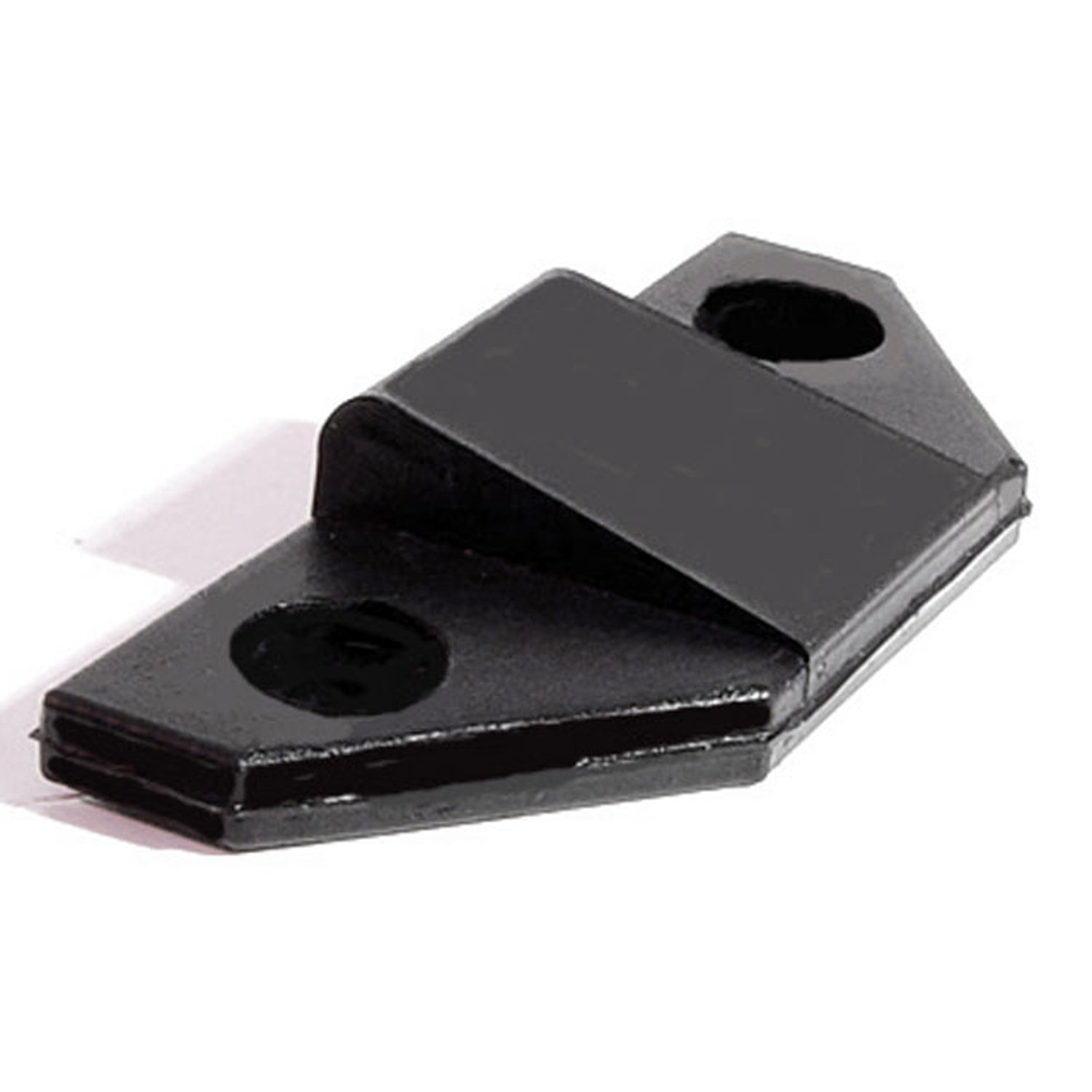 1954 Hudson Jetliner Middle hood bumpers. Two used per car. Nice reproduction-HF 58-BMiddle hood bumpers. Two used per car. Nice reproduction. Each.
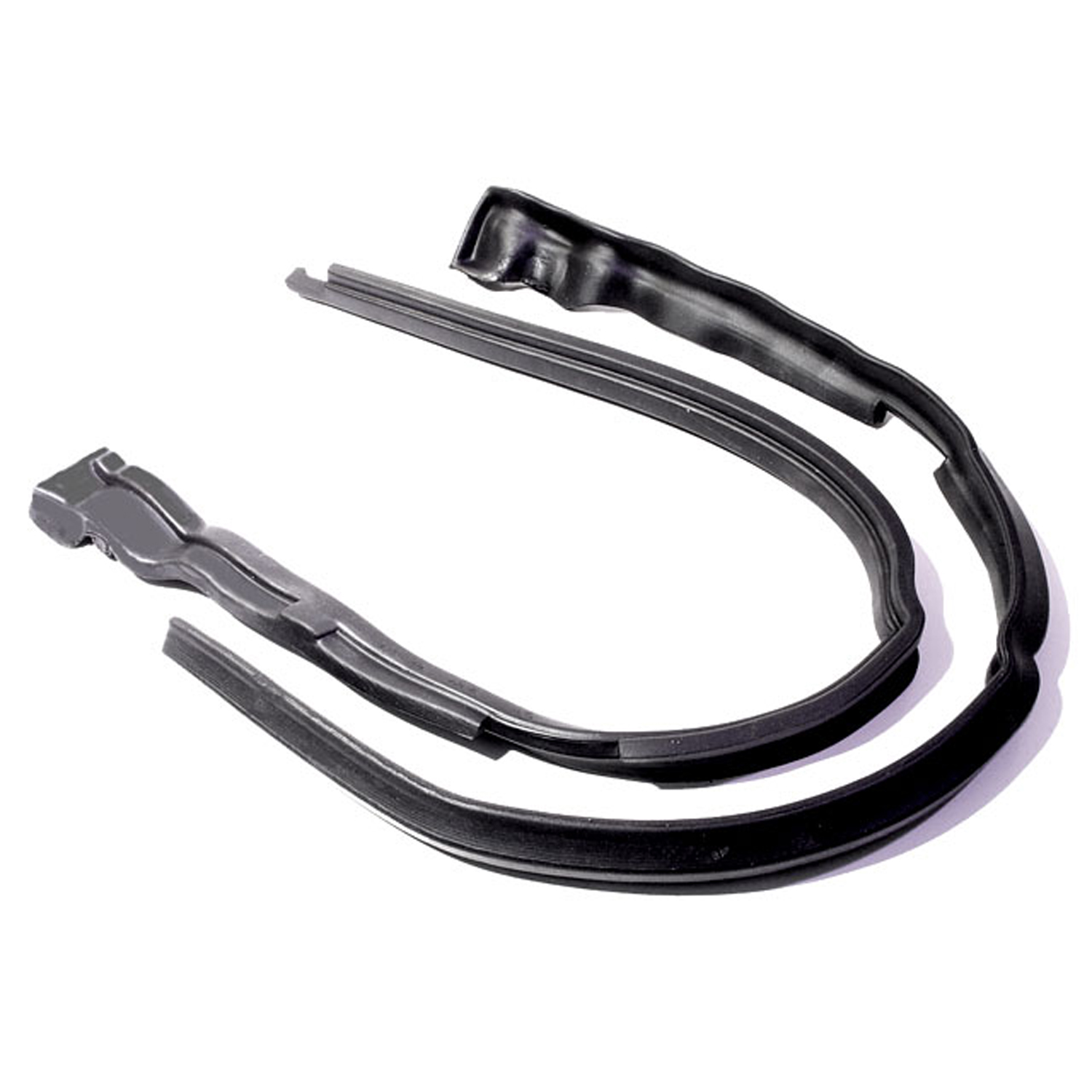 1954 Hudson Jetliner Rear door seals. '48-'54 Hudson sedans. Pair. R&L.-LM 40Rear door seals. '48-'54 Hudson sedans. Pair. R&L.
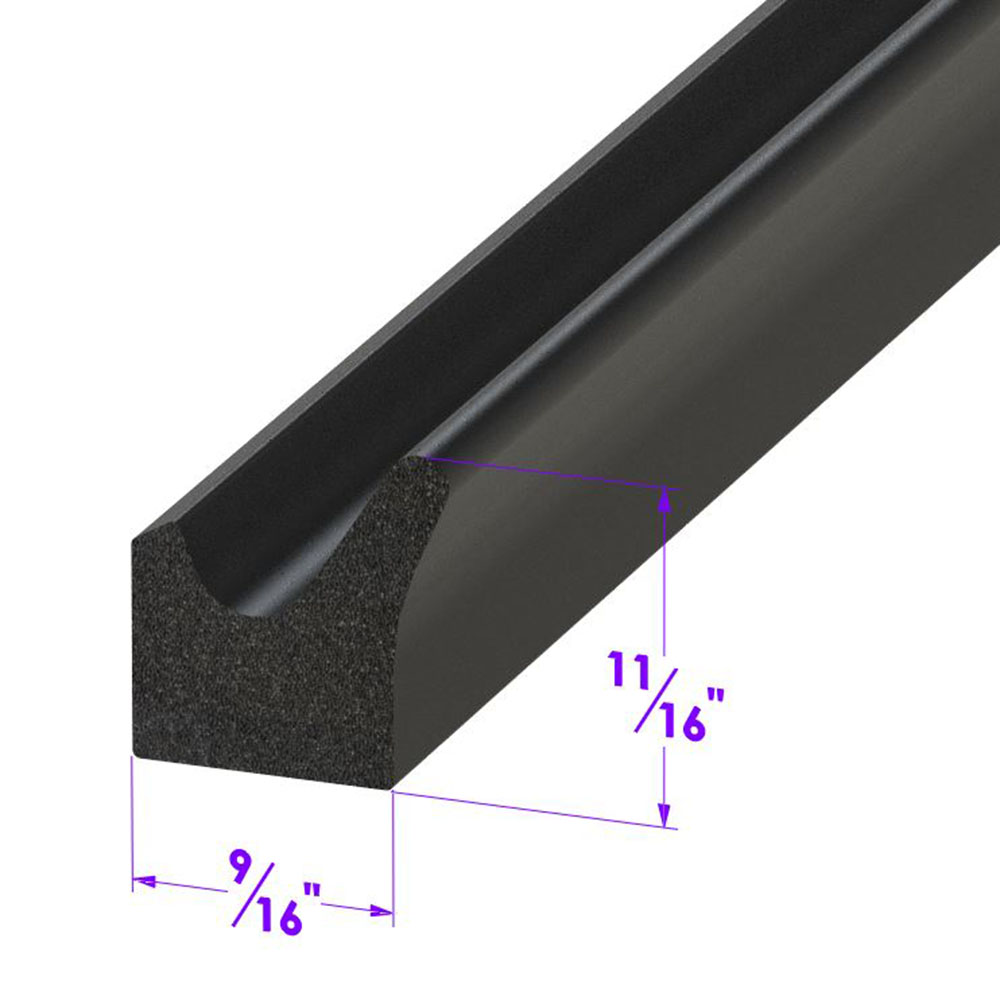 1954 Hudson Jetliner Door side seal. Same as LP 40-A, but for a heavier seal-LP 40Door side seal. Same as LP 40-A, but for a heavier seal. Fits many domestic passenger cars and trucks. Used in Cobra kit cars as trunk weatherstrip. Per foot.
 1954 Hudson Jetliner Door side seal. Same as LP 40, but for a lighter seal-LP 40-ADoor side seal. Same as LP 40, but for a lighter seal. Fits many domestic passenger cars and trucks. Universal seal for street rods and customs. Used in Cobra kit cars as door weatherstrip. Per foot.
 1954 Hudson Jetliner Roof Antenna Pad. 1-9/16" O.D., 1-1/8" I.D. Each-MP 798-KKRoof Antenna Pad. 1-9/16" O.D., 1-1/8" I.D. Each
 1954 Hudson Jetliner Cowl Vent Seal. Made of 3/16" thick sponge-RP 100-ZCowl Vent Seal. Made of 3/16" thick sponge. 4-1/4" wide at end X 19" long. Each
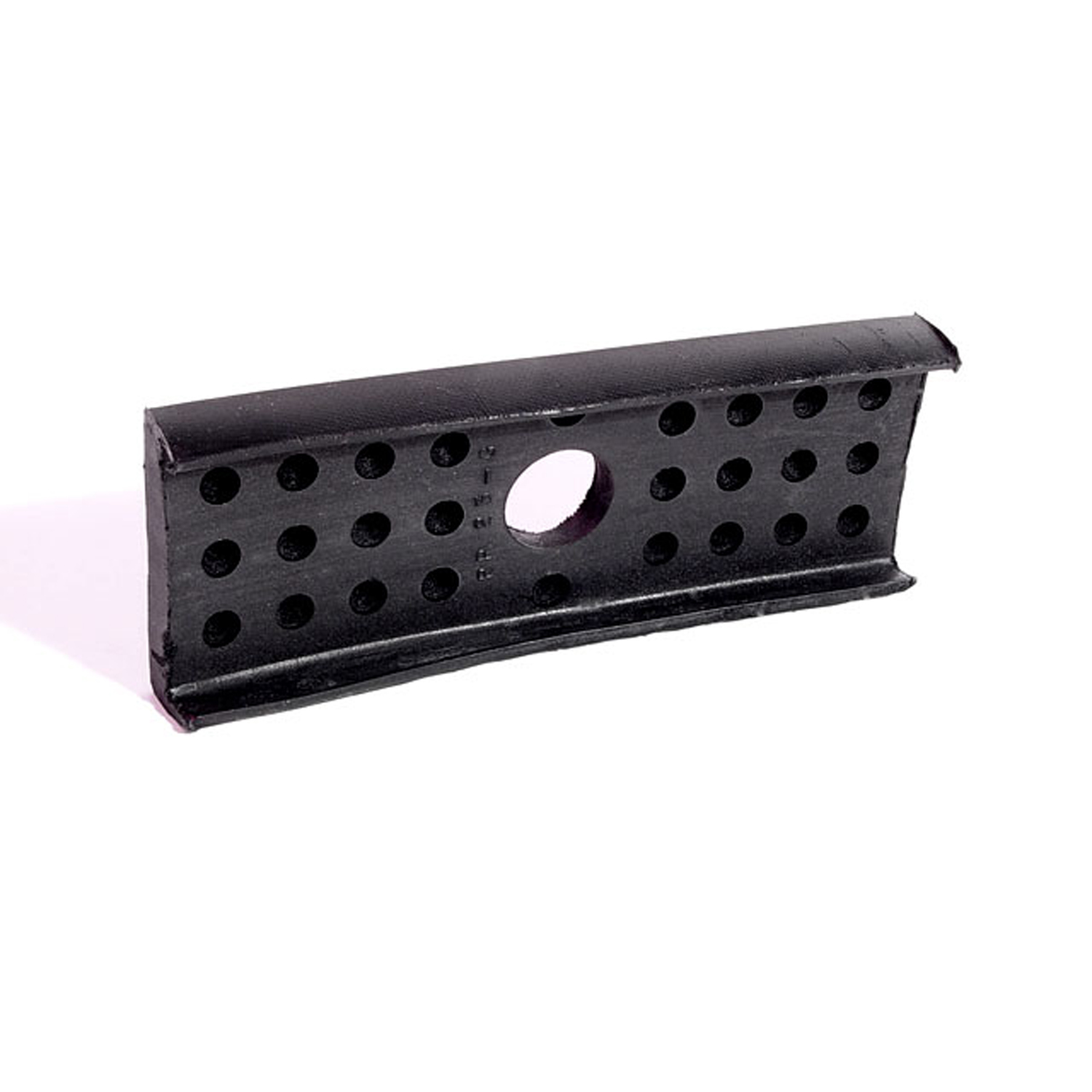 1954 Hudson Jetliner Rear Leaf Spring Center Mounting Insulator-RP 23-GRear Leaf Spring Center Mounting Insulator. For all 1-3/4" wide leaf springs. Each
 1954 Hudson Jetliner Center Driveshaft Support Carrier Cushion. 1-1/4" O.D-RP 250Center Driveshaft Support Carrier Cushion. 1-1/4" O.D., 1-1/4" Long (cushion). Each
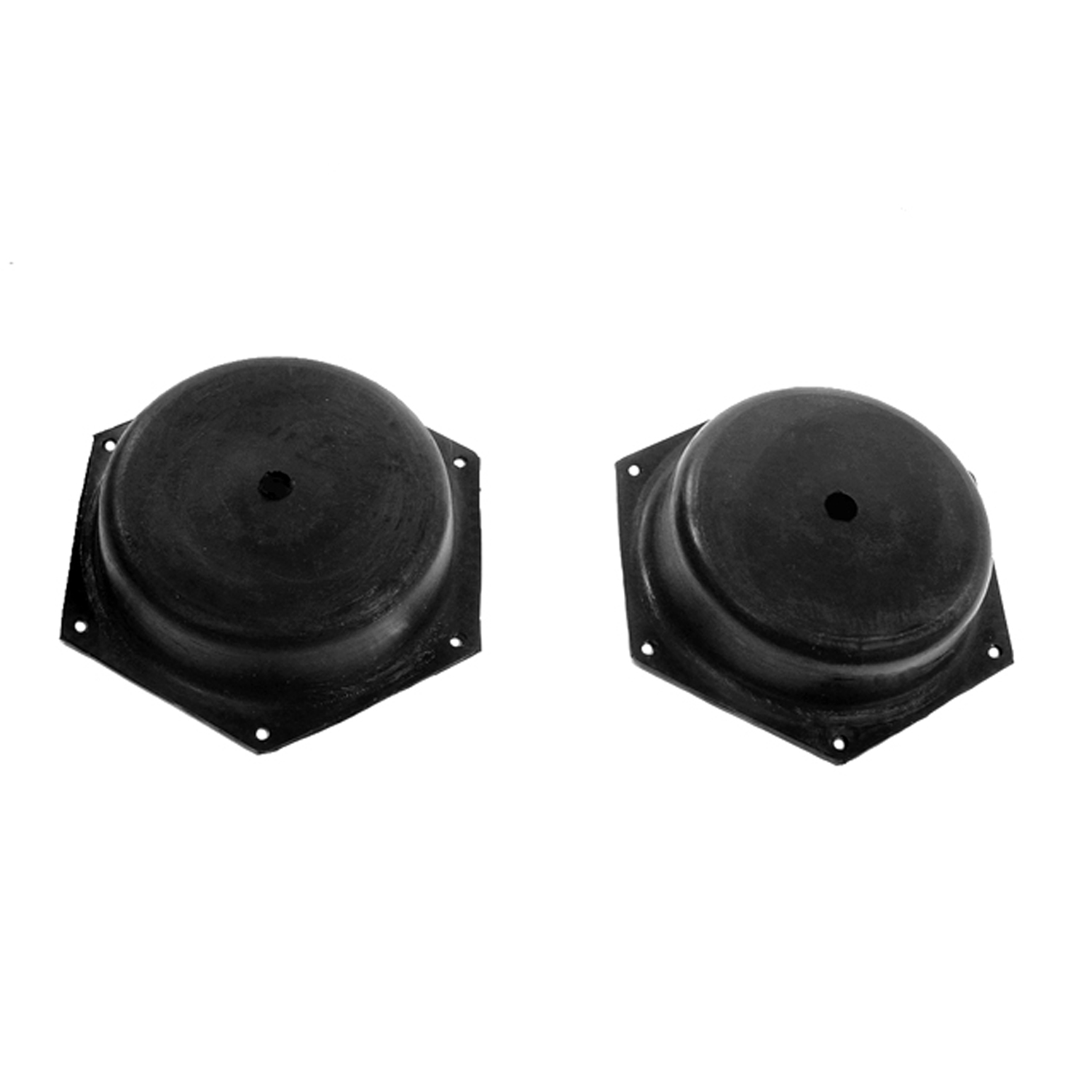 1954 Hudson Jetliner Drive Master Electric Shift Vacuum Diaphragm-RP 32-ADrive Master Electric Shift Vacuum Diaphragm. For all models with drive master system for standard transmission. Pair
 1954 Hudson Jetliner HEADLINER BOW GROMMET, 48-54 HUDSON-SM 55-HHEADLINER BOW GROMMET, 48-54 HUDSON
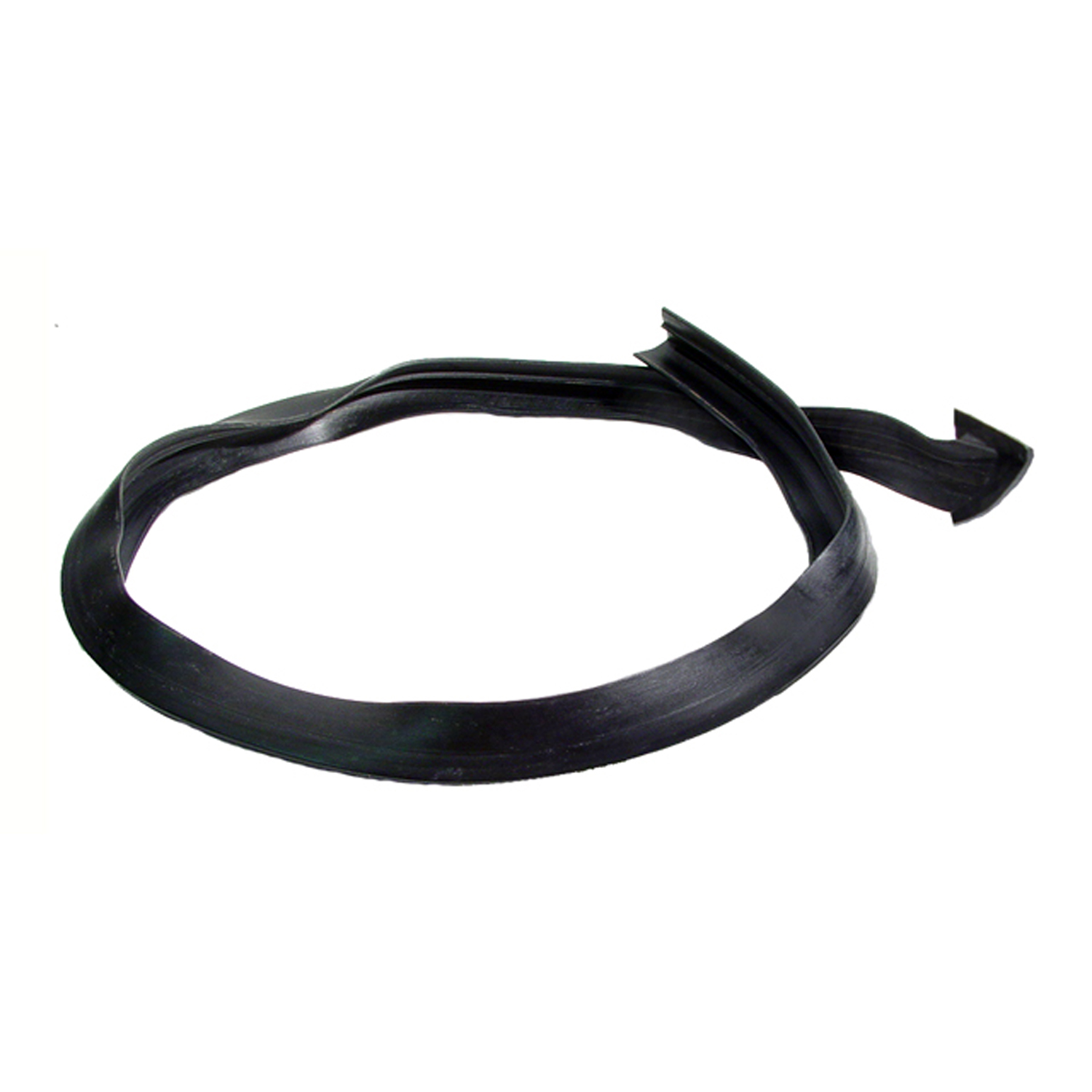 1954 Hudson Jetliner Vertical Division Seal-VS 6-AVertical Division Seal. 26" Piece, enough for two front vents. Each
 1954 Hudson Jetliner Vertical seal for vent window. Dense rubber. Universal part-VS 6-A/FTVertical seal for vent window. Dense rubber. Universal part. Per foot.
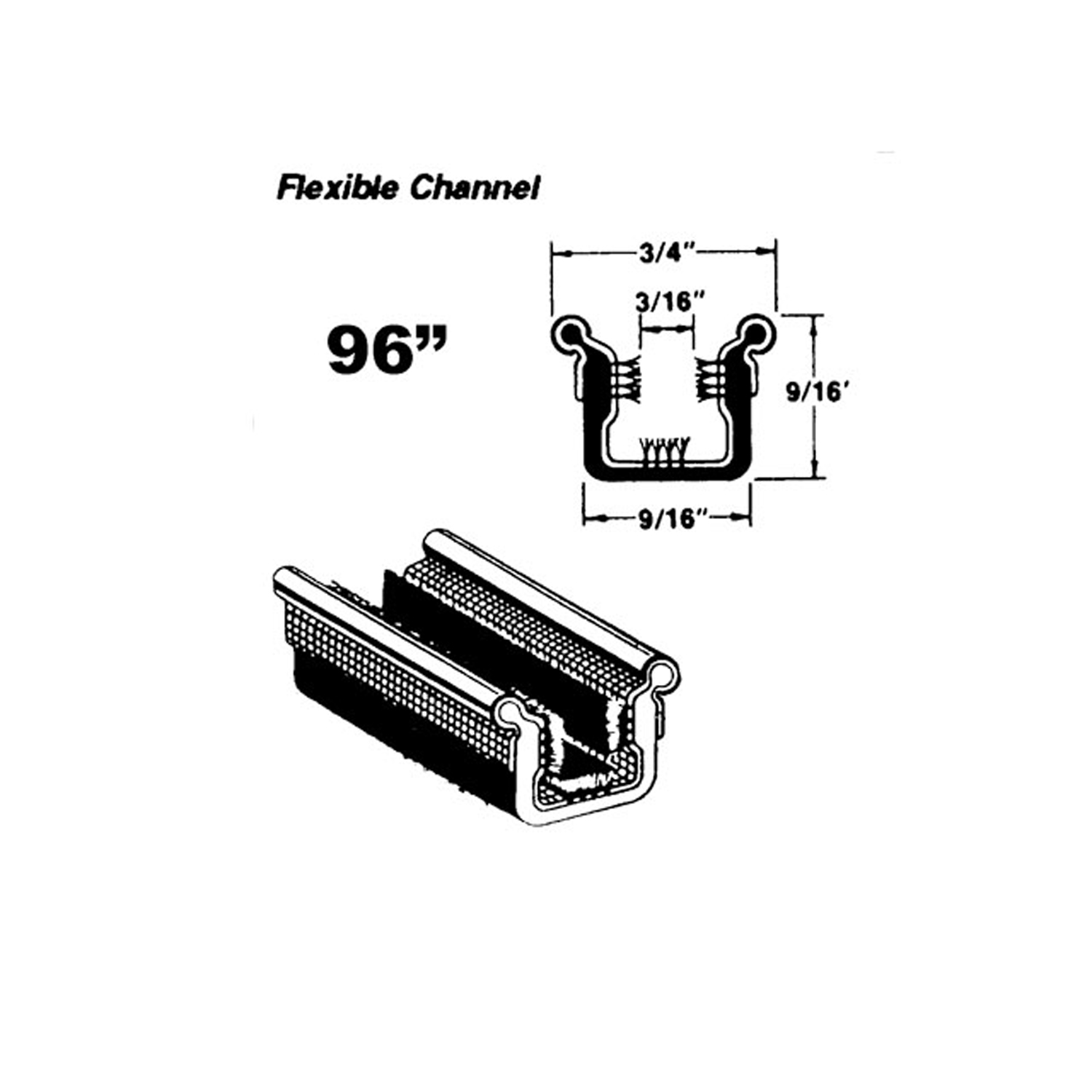 1954 Hudson Jetliner Flexible window channel-WC 10-96Flexible window channel. Rubber covered with mohair lining and stainless steel bead. 96 in. long. Each. NOTE: $20 special shipping charge applies for domestic orders. Call or email for overseas shipping costs. Part can be sectioned in two or three equal lengths to reduce overseas shipping costs.
 1954 Hudson Jetliner Flexible glass-run channel-WC 11-72Flexible glass-run channel. Mohair lined, cloth covered with stainless steel bead. Used on side windows. 72 in. long. Each. NOTE: $20 special shipping charge applies for domestic orders. Call or email for overseas shipping costs. Part can be sectioned in two equal lengths to reduce overseas shipping costs.
 1954 Hudson Jetliner Front Vent Window Seals-WR 4501Front Vent Window Seals. For all closed models, not convertibles. Notch must be cut out for latching windows. Pair R&L
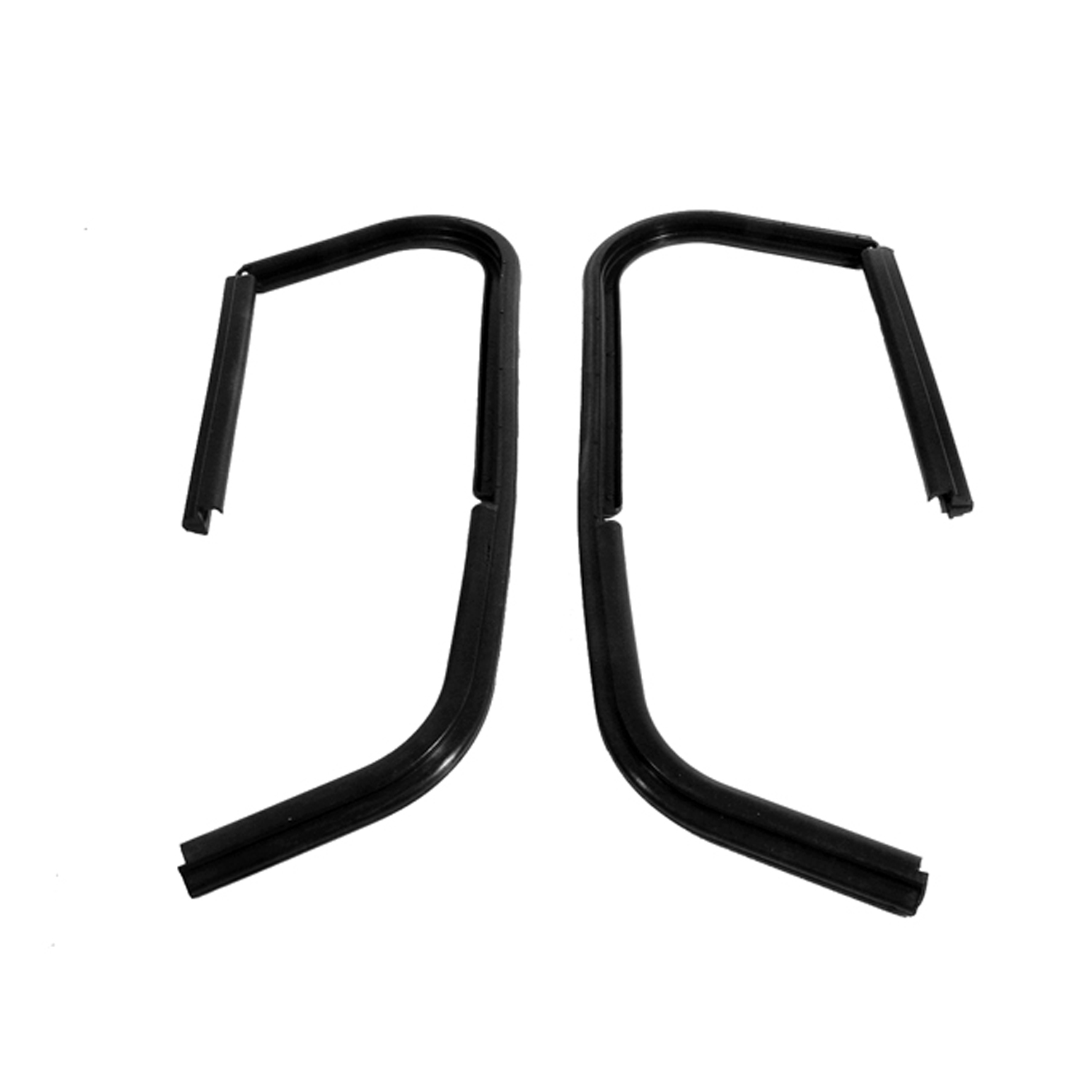 1954 Hudson Jetliner Front Vent Window Seals-WR 4503Front Vent Window Seals. For: '48-'54 convertibles and '51-'54 2-door hardtops. 29-1/2" long each. Pair R&L
Why Choose Metro?
For over 100 years, Metro Moulded Parts has been the pinnacle of quality in classic car restoration parts. Our commitment to precision and authenticity in every component ensures a perfect fit and an OEM-level appearance.
- Expert Craftsmanship & Quality: Each part is a testament to our dedication to reliability and perfection, crafted from original designs and thoroughly tested.
- Advanced Technology: We use cutting-edge techniques to create flawless, long-lasting parts that surpass others in performance.
- SuperSoft Sponge – The Ultimate Door Seal: Not only are our door seals 30% softer than competitors', but they're also guaranteed to never leak. They effectively reduce wind and road noise, enhancing your classic car's comfort and driving experience.
- Proudly American: Our parts are a product of American craftsmanship, made in the USA with a spirit of excellence and heritage.
- Unrivaled Warranty: We back our products with a 30-year industry-leading warranty, a testament to our confidence in their quality.
Join us in preserving the legacy of classic cars with parts that are crafted for perfection, not just made.