

Image of 1955 Hudson Hornet, Note: These illustrations use artistic license and may differ from actual historical models.
Performance Metrics
Fundamental Metrics
Emotional Appeal
MMP Rating
| Engine Specifications | |
|---|---|
| Engine: | 308 cu in (5.0 L) I6 |
| Displacement: | 308 cu in (5.0 L) |
| Horsepower: | 160-170 hp |
| Torque: | 260-270 lb-ft |
| Compression Ratio: | 7.2:1 |
| Ignition System: | Battery Ignition |
| Cooling System: | Liquid-cooled |
| Performance Specifications | |
| 0-60 Time: | Estimated 12-14 seconds |
| 1/4 Mile Time: | Estimated 18-20 seconds |
| Top Speed: | 100-105 mph |
| Transmission and Drive | |
| Drive Type: | Rear-wheel drive |
| Transmission Type: | 3-speed manual, 4-speed Hydra-Matic automatic |
| Fuel and Efficiency | |
| Fuel System Type: | Carburetor |
| MPG: | Estimated 10-12 mpg |
| Dimensions and Brakes | |
| Brakes: | Drum brakes |
| Wheelbase: | 119 in (3,023 mm) |
| Weight: | 3,420-3,620 lbs |
Note: Specifications for classic cars are given to the best of our ability, considering the limited and variant data available.
1955 Hudson Hornet: The Nameplate’s Reinvention
The 1955 Hudson Hornet kept a famous name alive by changing almost everything underneath it. Built after Hudson Motor Car Company joined Nash-Kelvinator to form American Motors Corporation, the new Hornet combined Hudson styling cues with a body and engineering package shaped by the company’s Nash-based future.
That change marked a turning point. Earlier Hornets had earned a fearsome reputation on American stock-car tracks, especially during NASCAR’s early 1950s seasons. The 1955 model was a more modern, comfortable family car, but it was no longer the same low-slung “Step-Down” machine that had made the name legendary. One intriguing detail: some 1955 Hornets could be ordered with a Packard-built V8, a striking sign of how manufacturers shared components while the industry reorganized.
Hudson Styling Meets a New Platform
The 1955 Hornet wore Hudson-specific front and rear styling over a new body structure shared with Nash. Its broad hood, bright grille, substantial bumpers, and carefully sculpted fenders gave it a more upright, formal look than the low, enveloping Step-Down Hudsons. A wraparound windshield added a contemporary touch, while chrome trim and two-tone paint helped break up the car’s generous body sides.
Inside, the Hornet put comfort ahead of sportiness. Wide bench seats, a full-width dashboard, and generous cabin space made it well suited to family travel. Depending on trim and equipment, the cabin could feature patterned cloth, vinyl, or combinations of the two, along with bright metal accents. Materials and finishes varied by series, but the overall impression was that of a substantial mid-priced American car rather than a stripped-down performance special.
Hudson’s offerings included two-door and four-door sedans, plus the stylish two-door Hollywood hardtop, which had no fixed center door pillar when its windows were lowered. The Hollywood hardtop is often the most visually distinctive body style today. Hudson did not offer a factory convertible for the 1955 Hornet.
Engines, Equipment, and Color Choices
The traditional Hudson powerplant was the 308-cubic-inch inline-six. In single-carburetor form it delivered roughly 160 horsepower, while the optional Twin-H Power setup, with two carburetors, raised output to about 170 horsepower. Buyers seeking a V8 could select a 320-cubic-inch Packard engine rated at approximately 208 horsepower. Exact equipment and ratings could vary with the car’s series and configuration.
Transmission choices included a manual gearbox, with overdrive available on some configurations, and an automatic depending on engine and equipment. Power steering and power brakes were among the comfort and convenience options offered in this increasingly comfort-oriented era. Hudson also drew on Nash’s reputation for practical heating and ventilation engineering, including its Weather Eye system in the broader product family.
Paint choices ranged from restrained solid colors to more eye-catching two-tone combinations. Deep blues, greens, reds, and dark neutrals suited the Hornet’s formal shape, while contrasting roof and body colors emphasized its long profile. Original color availability depended on trim and production configuration, so a particular car’s data plate and factory records are worth checking before calling a finish authentic.
Why the 1955 Hornet Matters
The 1955 Hornet is significant as a bridge between two chapters of American automotive history. It carried Hudson’s identity into the newly formed AMC while adopting a more modern, shared platform. That strategy reflected a practical reality for smaller independent automakers: pooling engineering and manufacturing resources was increasingly necessary to compete with the Big Three.
It also marked a clear break from Hudson’s celebrated Step-Down design. Those earlier cars placed passengers low within a perimeter-frame structure, creating a distinctive combination of a low center of gravity, roominess, and secure handling. The 1955 Hornet did not continue that exact formula. Instead, it offered the room and comfort expected of a mid-1950s sedan, with Hudson character layered onto a more widely shared foundation.
The racing story needs a little context. The Hornet name became famous through the earlier Hudsons that dominated stock-car racing from 1951 through 1954. The redesigned 1955 model arrived as the competition landscape was changing, and it did not repeat the earlier cars’ remarkable run of track success. Its historical appeal is therefore as much about the end of an era as it is about the name’s racing glory.
1955 Hudson Hornet Performance and Road Manners
Performance depends on which engine is under the hood. A 308 six-cylinder Hornet was a capable highway car for its day, though it was a large sedan rather than a modern sports saloon. Period performance figures vary, but a reasonable estimate for a Twin-H Power six is about 12 to 14 seconds from 0 to 60 mph, with a top speed around 95 to 105 mph under suitable conditions. A Packard V8 car could feel stronger off the line; estimates commonly put its 0-to-60 time near 11 to 13 seconds, with top speed around or just above 100 mph.
Those numbers are estimates, not guarantees. Tire condition, gearing, transmission, engine tune, altitude, and decades of restoration work all affect what a surviving car can do. A well-maintained example should feel confident at ordinary highway speeds, but it should not be expected to match the acceleration or braking performance of a modern vehicle.
On rough pavement, the Hornet’s weight and soft, comfort-focused suspension give it a composed, cushioned ride. On winding roads, it is best driven smoothly. The car’s steering and body lean remind you that it was designed for American roads and relaxed cruising, not sharp cornering. Windy highways can call for regular steering corrections, particularly in a car with worn suspension or out-of-date tires.
The six-cylinder has a deep, steady mechanical note, while the optional V8 adds a lower and more effortless rumble. From behind the broad steering wheel, the experience is spacious and unhurried: a long hood ahead, a bench seat behind, and a suspension that encourages you to enjoy the scenery rather than chase lap times.
Living With a 1955 Hudson Hornet
Today, most Hornets are used for weekend drives, club events, local shows, and vintage displays. A carefully maintained car can be driven regularly, but it is not an ideal modern daily driver unless its owner is comfortable with older-car routines and limitations. Braking distances, lighting, crash protection, fuel economy, and parts availability are all different from what modern motorists expect.
The 308 six is generally straightforward for an experienced mechanic to service, and many routine jobs use familiar mid-century technology. The Packard V8 is less common in a Hudson, so owners may need to seek out specialists or knowledgeable marque-club members for engine-specific parts and advice. As with any 70-year-old car, the condition of the cooling system, fuel delivery, wiring, brakes, and suspension matters more than the reputation of the model alone.
Rust deserves close attention, especially in structural areas, floors, lower body panels, and around the glass. A clean-looking exterior can hide expensive corrosion beneath trim or undercoating. Before purchase, inspect the body carefully, check that the engine and transmission match the seller’s description, and budget for recommissioning even if the car appears to run well.
Hornet Trivia and Common Misconceptions
The 1955 Hornet should not be confused with the earlier Step-Down Hornets most closely associated with NASCAR victories. Those racing achievements helped make the name famous, but the 1955 car represented a substantially different design direction.
Another bit of Hornet lore comes from popular culture: Pixar’s Doc Hudson character in Cars was inspired by the Hudson Hornet and its stock-car reputation. The character is not a specific 1955 production car, but the connection introduced the Hornet story to a new generation of fans.
The 1955 model is also sometimes criticized for losing the distinctive engineering and road manners of the earlier Hudsons. That criticism is understandable, but it overlooks what the car was intended to do: preserve the Hudson name within a new corporate structure and offer buyers contemporary comfort and styling. Its compromises are part of what makes it an interesting snapshot of the industry’s transition.
1955 Hudson Hornet Values and Rarity
Exact production totals can be difficult to pin down by model, trim, and body style. A reasonable working estimate is that roughly 12,000 to 14,000 Hornets were built for 1955, within total Hudson production of approximately 25,000 cars that year. Treat those figures as estimates rather than a definitive factory count. Surviving examples are much scarcer than the original numbers suggest, and the Hollywood hardtop is especially appealing to collectors.
As a broad 2026 U.S. market guide, a project car may fall around $5,000 to $12,000, while a usable driver might bring roughly $15,000 to $30,000. Good, well-presented examples can reach approximately $30,000 to $50,000, with exceptional restorations or particularly desirable configurations sometimes asking more. These are estimated ranges, not appraisals. Rust, originality, documentation, mechanical condition, and the quality of any restoration can move a car’s value substantially.
Values have generally been selective rather than explosive. The earlier racing-era Hornets tend to command more attention, while the 1955 model offers a comparatively accessible route into Hudson ownership. Interest in well-documented cars remains strong among marque enthusiasts, but the market is relatively small, so condition and finding the right buyer matter. A rare configuration may attract a premium, though rarity alone does not guarantee a higher sale price.
A Hudson at the Crossroads
The 1955 Hudson Hornet is more than a final flourish for a famous name. It captures Hudson’s effort to adapt after its merger with Nash, preserves a link to one of America’s great stock-car stories, and offers the comfort and presence of a substantial mid-century cruiser. It may not be the same racing champion that made the Hornet legendary, but that change is precisely what makes the 1955 model worth remembering: it stands at the crossroads where Hudson’s independent past met the new realities of the American auto industry.
1955 Hudson Hornet Catalog of Parts
 1955 Hudson Hornet Accessory Floor Mat - 12"X17"-AC 35Accessory Floor Mat - made of high quality black rubber with molded original emblem. Also designed to be sewn into new carpets. 12"X17", Each
 1955 Hudson Hornet Accelerator Pedal Pad, 2-5/8" X 9", Each-AP 23Accelerator Pedal Pad, 2-5/8" X 9", Each
 1955 Hudson Hornet Front Door to Cowl Drain Seal. 12-1/2" long. Pair-ELP 4501Front Door to Cowl Drain Seal. 12-1/2" long. Pair
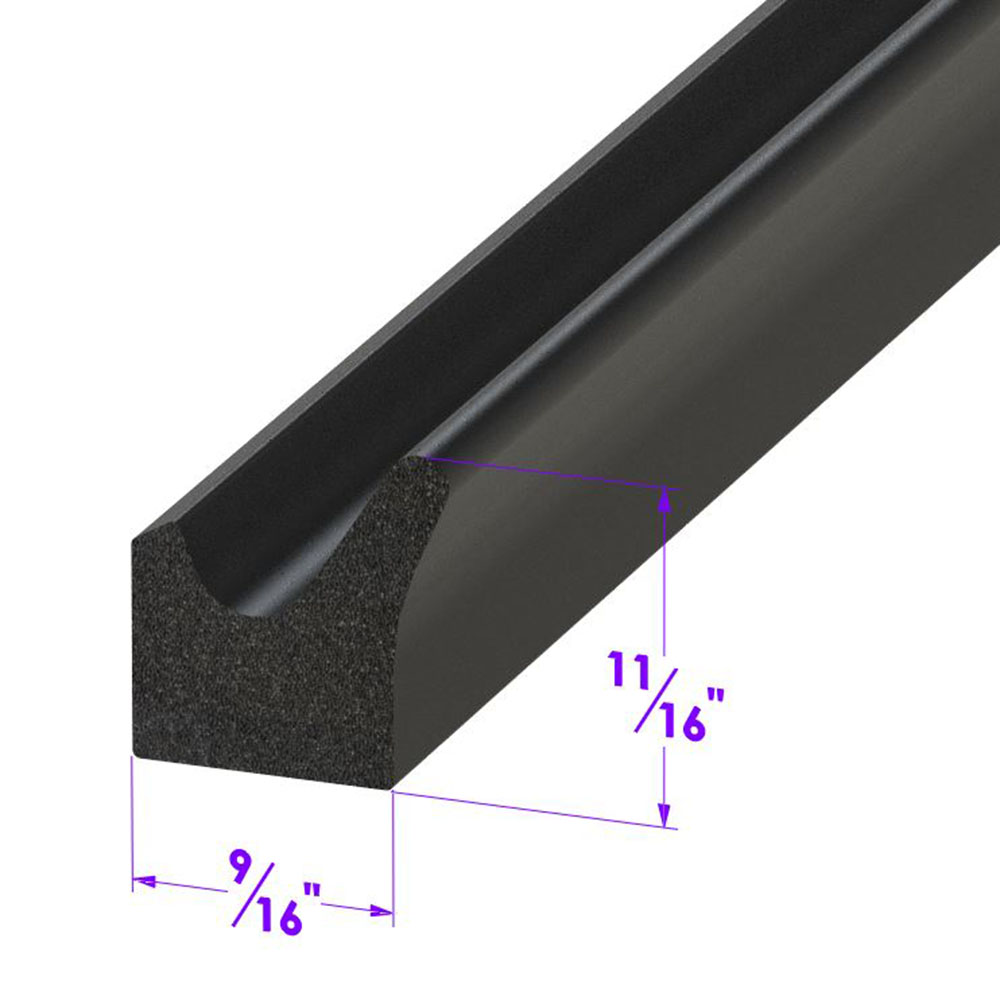 1955 Hudson Hornet Door side seal. Same as LP 40-A, but for a heavier seal-LP 40Door side seal. Same as LP 40-A, but for a heavier seal. Fits many domestic passenger cars and trucks. Used in Cobra kit cars as trunk weatherstrip. Per foot.
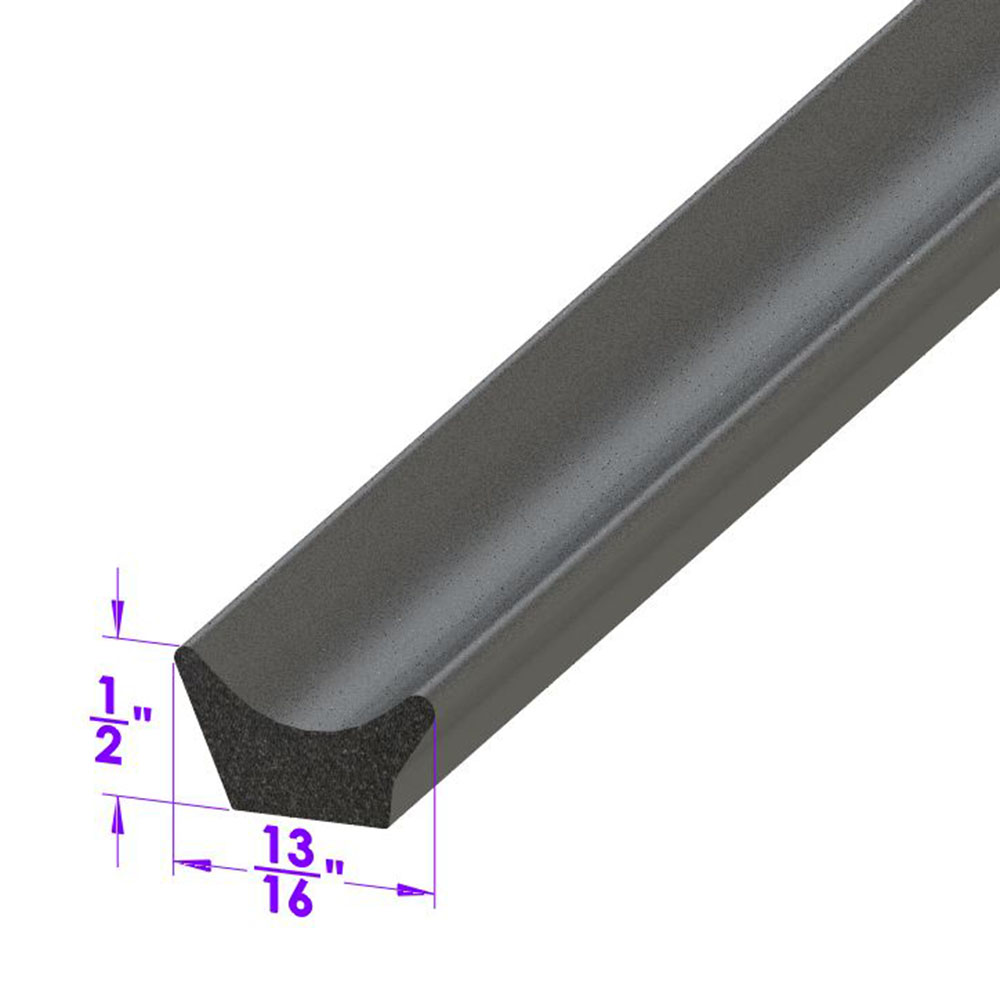 1955 Hudson Hornet Door side seal. Same as LP 40, but for a lighter seal-LP 40-ADoor side seal. Same as LP 40, but for a lighter seal. Fits many domestic passenger cars and trucks. Universal seal for street rods and customs. Used in Cobra kit cars as door weatherstrip. Per foot.
 1955 Hudson Hornet Roof Antenna Pad. 1-9/16" O.D., 1-1/8" I.D. Each-MP 798-KKRoof Antenna Pad. 1-9/16" O.D., 1-1/8" I.D. Each
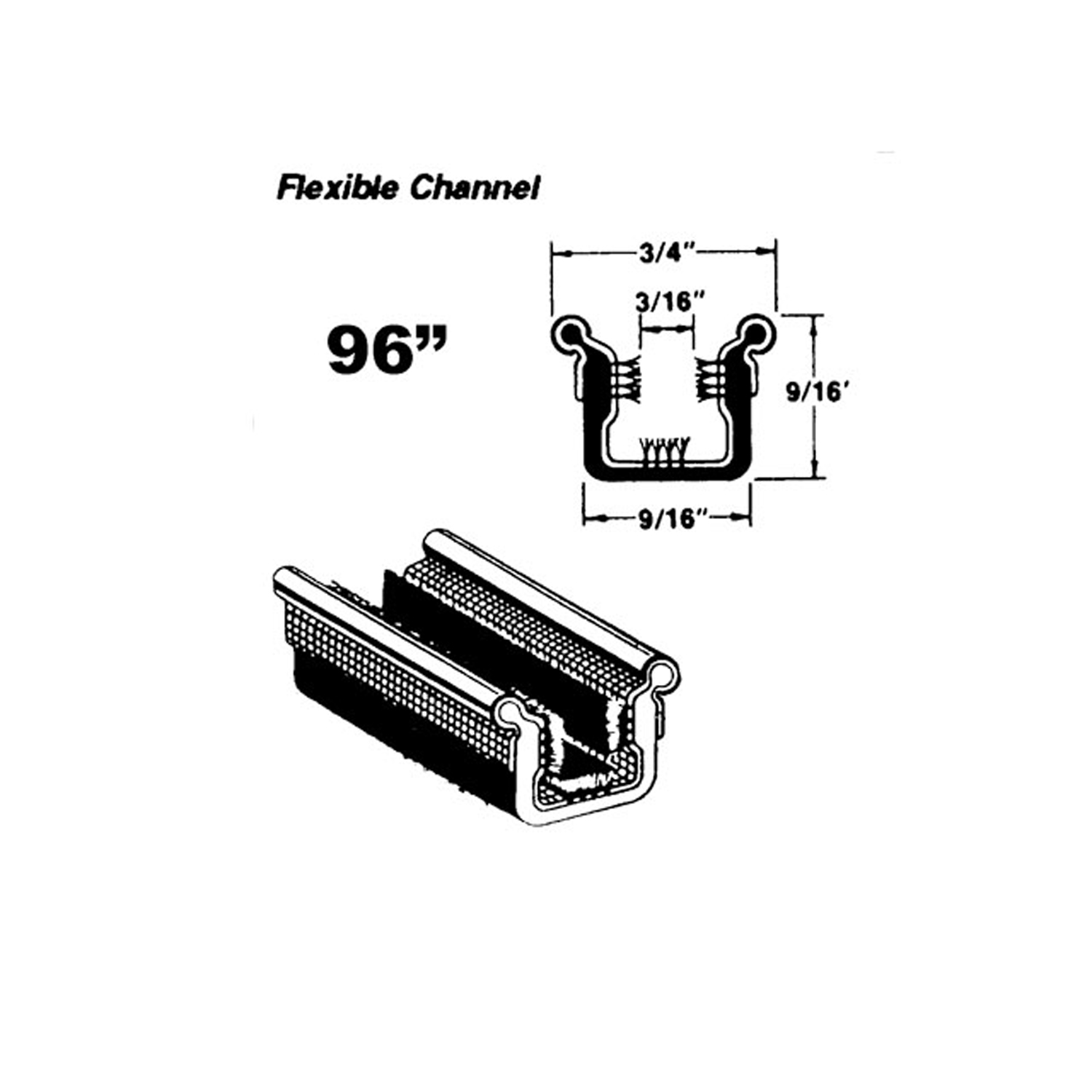 1955 Hudson Hornet Flexible window channel-WC 10-96Flexible window channel. Rubber covered with mohair lining and stainless steel bead. 96 in. long. Each. NOTE: $20 special shipping charge applies for domestic orders. Call or email for overseas shipping costs. Part can be sectioned in two or three equal lengths to reduce overseas shipping costs.
 1955 Hudson Hornet Flexible glass-run channel-WC 11-72Flexible glass-run channel. Mohair lined, cloth covered with stainless steel bead. Used on side windows. 72 in. long. Each. NOTE: $20 special shipping charge applies for domestic orders. Call or email for overseas shipping costs. Part can be sectioned in two equal lengths to reduce overseas shipping costs.
Why Choose Metro?
For over 100 years, Metro Moulded Parts has been the pinnacle of quality in classic car restoration parts. Our commitment to precision and authenticity in every component ensures a perfect fit and an OEM-level appearance.
- Expert Craftsmanship & Quality: Each part is a testament to our dedication to reliability and perfection, crafted from original designs and thoroughly tested.
- Advanced Technology: We use cutting-edge techniques to create flawless, long-lasting parts that surpass others in performance.
- SuperSoft Sponge – The Ultimate Door Seal: Not only are our door seals 30% softer than competitors', but they're also guaranteed to never leak. They effectively reduce wind and road noise, enhancing your classic car's comfort and driving experience.
- Proudly American: Our parts are a product of American craftsmanship, made in the USA with a spirit of excellence and heritage.
- Unrivaled Warranty: We back our products with a 30-year industry-leading warranty, a testament to our confidence in their quality.
Join us in preserving the legacy of classic cars with parts that are crafted for perfection, not just made.