

Image of 1955 Hudson Rambler, Note: These illustrations use artistic license and may differ from actual historical models.
Performance Metrics
Fundamental Metrics
Emotional Appeal
MMP Rating
| Engine Specifications | |
|---|---|
| Engine Options: | Inline 6 |
| Displacement Range: | 196 cu in (3.2 L) |
| Horsepower Range: | 90 hp |
| Torque: | 150 lb-ft |
| Compression Ratio: | 7.6:1 |
| Ignition System: | Distributor and coil |
| Cooling System: | Liquid-cooled |
| Performance Specifications | |
| 0-60 Time: | Estimated 16 seconds |
| 1/4 Mile Time: | Estimated 20 seconds |
| Top Speed: | 90 mph |
| Transmission and Drive | |
| Drive Type: | Rear-wheel drive |
| Transmission Type: | 3-speed manual |
| Fuel and Efficiency | |
| Fuel System Type: | Carburetor |
| MPG: | Estimated 20 mpg |
| Dimensions and Brakes | |
| Brakes: | Drum brakes |
| Wheelbase: | 108 in |
| Weight: | 2800 lbs |
Note: Specifications for classic cars are given to the best of our ability, considering the limited and variant data available.
1955 Hudson Rambler: A Compact With Two Names
The 1955 Hudson Rambler was a small car with a big job: it had to keep Hudson dealers in the game while the newly formed American Motors Corporation reshaped two familiar brands. Built in Kenosha, Wisconsin, it was part of the Rambler line developed by Nash, but wore Hudson nameplates for sale through Hudson showrooms.
That dual identity makes the car a fascinating footnote in American automotive history. After Nash-Kelvinator and Hudson merged in 1954, AMC could not afford to develop entirely separate cars for every showroom. The Rambler gave Hudson dealers a compact model to sell alongside larger Hudsons. In effect, one car helped serve two dealer networks during a major corporate transition.
A telling detail: the 1955 Rambler was offered under both Nash and Hudson branding. The Hudson version was not a Hudson-engineered compact in the old sense. It was a Kenosha-built Rambler wearing Hudson badges, an early example of the product sharing that would become common across the auto industry.
Rambler Styling and Cabin Details
The Rambler looked tidy and substantial rather than merely small. Its compact proportions included a short hood, upright cabin, rounded fenders, and a broad glass area that helped the interior feel open. A bright grille and Hudson identification gave the Hudson-badged version its own showroom personality, while the basic body shape remained recognizably Rambler.
Inside, the emphasis was on practical comfort. The cabin used durable cloth upholstery, often combined with vinyl trim, along with painted metal surfaces and straightforward instruments. Buyers were not stepping into a lavish Hudson Hornet interior, but they did get a well-finished car for the compact class. The upright seating position and generous windows also made it easy to see out of in town.
Available equipment depended on series and specification. Rambler buyers could find useful period features such as a heater and ventilation system, a radio, and an available automatic transmission. A three-speed manual was the straightforward choice, with overdrive available on some configurations. These were meaningful conveniences in a compact car of the mid-1950s, even if the Rambler did not have the power accessories or luxury appointments of a full-size model.
Factory paint choices varied by series and production details. Period Rambler colors included familiar shades of blue, green, red, black, and light tones such as ivory or white. Two-tone combinations were especially appealing, using contrasting roof and body colors to make the compact shape look longer and more dressed up. Exact combinations are best checked against the car’s paint code and factory color charts.
The 1955 Rambler family included several body styles, with availability varying across the Nash and Hudson lines. Buyers could find sedans and station wagons, as well as more distinctive offerings such as a two-door hardtop and convertible in the broader Rambler range. The station wagon was a particularly useful choice for families, while the hardtop and convertible brought a bit of open-road glamour to the compact format.
Why the Hudson Rambler Mattered
The Hudson Rambler’s significance lies less in a revolutionary new mechanism than in what it represented. The postwar American market was dominated by large, powerful cars, but not every buyer wanted a long, heavy sedan. Rambler offered a more manageable alternative at a time when fuel economy, parking convenience, and purchase price mattered to many households.
For AMC, Rambler was central to a strategy of building smaller cars while the Big Three concentrated heavily on full-size models. The Hudson badge helped the company use existing dealer relationships and broaden the car’s reach. It also showed how the merger was turning two independent automakers into one manufacturer with shared engineering and production.
The Rambler did not single-handedly create the later compact-car boom, and it should not be confused with the larger Hudson models that carried the company’s famous “step-down” body engineering. Its lasting influence was more strategic: it helped establish Rambler as a credible American compact name and supported the business model that allowed AMC to compete with larger rivals.
1955 Rambler Performance and Road Manners
Most 1955 Hudson Ramblers used a 195.6-cubic-inch L-head inline-six, rated at about 90 horsepower. A three-speed manual transmission was typical, while an automatic was available on some cars. Exact equipment can differ by car, so buyers should verify the engine and transmission rather than rely on a badge or seller description.
Period performance figures are not consistent enough to treat one number as universal. As a practical guide, a sound, standard 90-horsepower car might reach 60 mph in roughly 18 to 22 seconds and top out around 80 to 85 mph, depending on body style, gearing, condition, and test method. Those are estimates, not modern, instrumented figures for every Hudson-badged example.
On the road, the Rambler feels light and compact beside a contemporary full-size American sedan. Its smaller footprint makes city driving and parking less demanding, while the soft suspension takes the edge off ordinary pavement imperfections. On rough roads, expect the body to move and the suspension to feel less controlled than a modern car. It was tuned for comfort, not sharp cornering.
Windy roads reward a steady hand rather than fast inputs. The steering is generally easygoing, and the car’s modest power encourages relaxed driving. From the driver’s seat, the six-cylinder engine produces a subdued, measured rumble, while the upright cabin and broad windows give the trip an airy feel. It is a car to enjoy at a period-correct pace, not to hustle like a sports coupe.
Living With a Hudson Rambler
Today, a 1955 Hudson Rambler is most often used as a show car, weekend cruiser, or vintage-tour participant. A well-sorted example can manage local errands and relaxed drives, but it is not a natural modern daily driver. Traffic speeds, braking distances, lighting, and the absence of contemporary safety equipment all call for extra care.
Routine mechanical work is within reach for an experienced home mechanic. The inline-six is relatively straightforward, and many service tasks follow familiar 1950s practice. The challenge is often not complexity but finding correct parts, trim, glass, and model-specific details. Hudson Rambler-specific badges and body pieces can be harder to source than generic mechanical components.
Reliability depends heavily on restoration quality and maintenance history. Before buying, inspect the body and frame for rust, check the cooling and charging systems, and look for worn suspension parts, brake problems, and leaks. Confirm that the car has the correct engine and transmission for its stated configuration. A car that has been regularly driven and maintained is usually a safer bet than a shiny restoration with little documentation.
Hudson Rambler Facts and Misconceptions
The most distinctive fact is right in the name: in 1955, Rambler could be sold as either a Nash or a Hudson. The badge does not mean that the car came from Hudson’s former Detroit factory. Following the merger, AMC concentrated production in Kenosha, where the shared Rambler platform could serve both brands.
There is no widely recognized land-speed or endurance record associated specifically with the 1955 Hudson Rambler. Its achievement was commercial and strategic: it gave Hudson dealers a compact offering and helped AMC build a recognizable identity around smaller cars. The Rambler name would become increasingly important to the company in the years that followed.
One common criticism is that the car’s modest power can feel strained on modern highways, especially when carrying passengers or climbing long grades. Its braking and handling also reflect the standards of its era. Another source of confusion is that “Hudson Rambler” describes a badge and sales channel, not a separate Hudson-developed chassis. That shared identity is part of the car’s interest, not a reason to dismiss it.
1955 Hudson Rambler Values and Rarity
Production totals for Hudson-badged cars are not consistently reported separately from the wider Rambler line, so a precise Hudson Rambler build number is difficult to establish. As a broad estimate, the combined 1955 Rambler production under Nash and Hudson branding was in the tens of thousands, often summarized at roughly 80,000 to 90,000 cars. The Hudson-badged share was only part of that total, and surviving examples are much less common than the headline figure suggests.
As a general 2026 market guide, a project car may sell for around $5,000 to $12,000, depending on completeness and rust. A usable driver might bring roughly $12,000 to $25,000, while a well-restored example could range from about $25,000 to $45,000. A rare or exceptionally presented body style, especially a convertible, can exceed that range. These are broad estimates; originality, documentation, condition, and location have a major effect on value.
The market is niche rather than fast-moving. Clean, correctly restored examples have the best chance of holding or gaining value, while ordinary driver-quality cars tend to appreciate slowly and unevenly. Buyers should purchase for the car’s history and character, not on the assumption that it will deliver rapid investment returns. Hudson Rambler scarcity can attract marque enthusiasts, but the market remains smaller than for more famous Hudsons or high-volume Chevrolet and Ford classics.
A Small Car With a Two-Brand Story
The 1955 Hudson Rambler combines compact dimensions, straightforward six-cylinder engineering, and a uniquely transitional place in American motoring. It was a practical answer to a complicated business problem, and its Hudson badge tells the story of a company learning to build and sell cars under a new corporate structure.
For collectors, it offers something more unusual than another familiar full-size cruiser: a genuine piece of the Nash-Hudson merger era. The 1955 Hudson Rambler may be modest in power and size, but its double identity gives it a lasting place in the story of American compact cars.
1955 Hudson Rambler Catalog of Parts
 1955 Hudson Rambler Accessory Floor Mat - 12"X17"-AC 35Accessory Floor Mat - made of high quality black rubber with molded original emblem. Also designed to be sewn into new carpets. 12"X17", Each
 1955 Hudson Rambler Accelerator Pedal Pad, 2-5/8" X 9", Each-AP 23Accelerator Pedal Pad, 2-5/8" X 9", Each
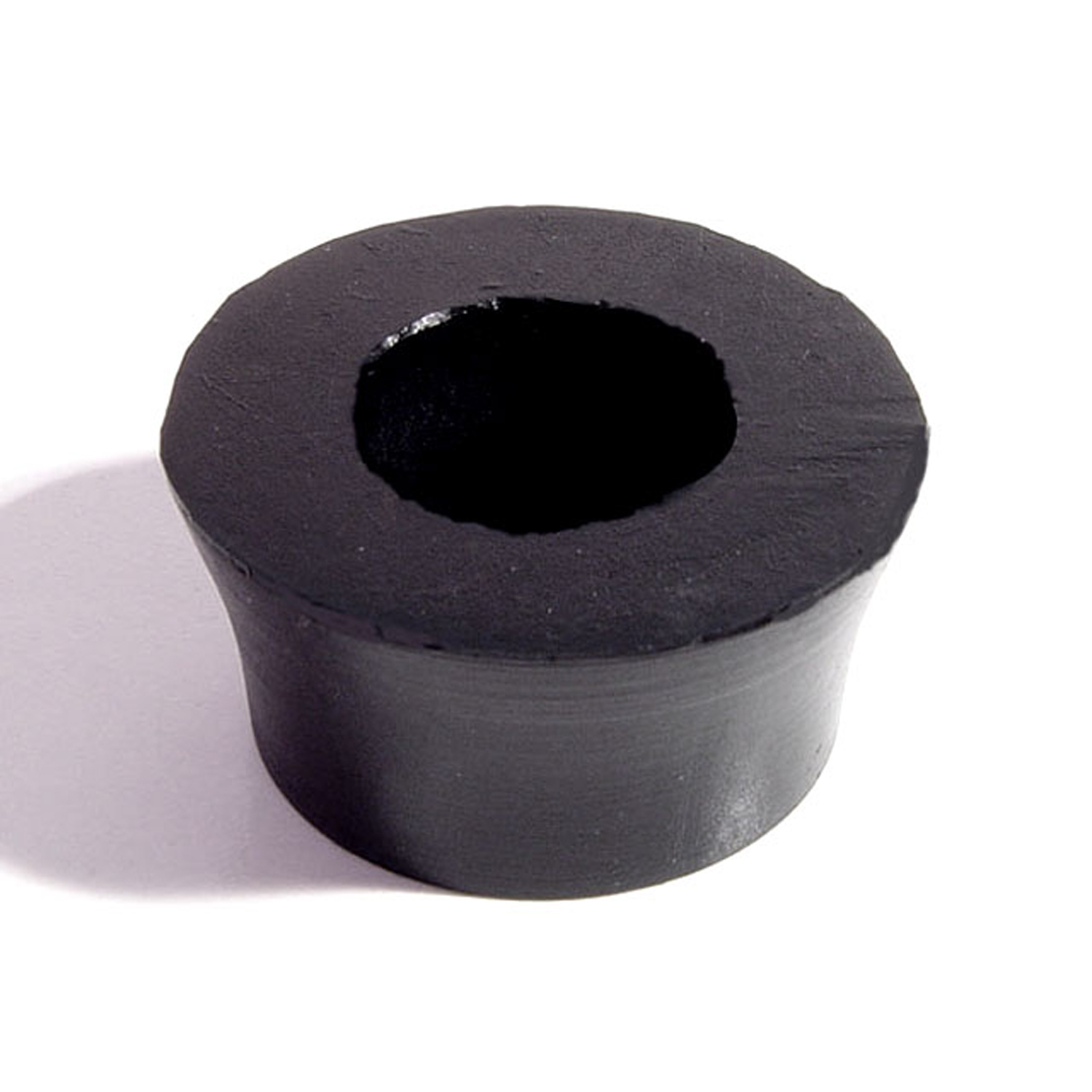 1955 Hudson Rambler Shock Absorber Grommet. 1" bottom O.D., 5/8" high-BN 10Shock Absorber Grommet. 1" bottom O.D., 5/8" high., with 5/8" I.D. Each
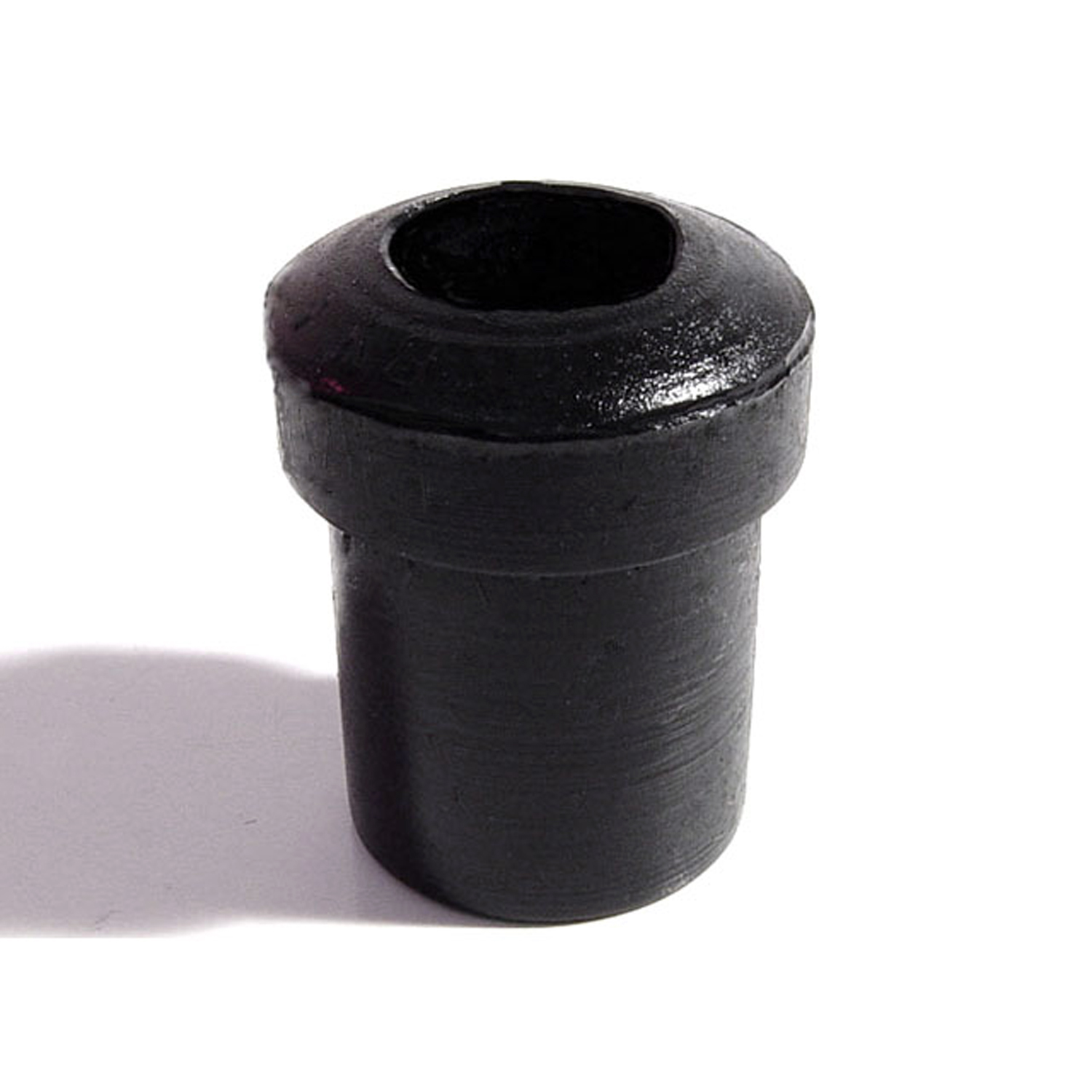 1955 Hudson Rambler Spring and Shackle Bushing. 7/8" bottom O.D-BN 16Spring and Shackle Bushing. 7/8" bottom O.D. X 1-1/8" high, with 1/2" I.D. Each
 1955 Hudson Rambler Front Door to Cowl Drain Seal. 12-1/2" long. Pair-ELP 4501Front Door to Cowl Drain Seal. 12-1/2" long. Pair
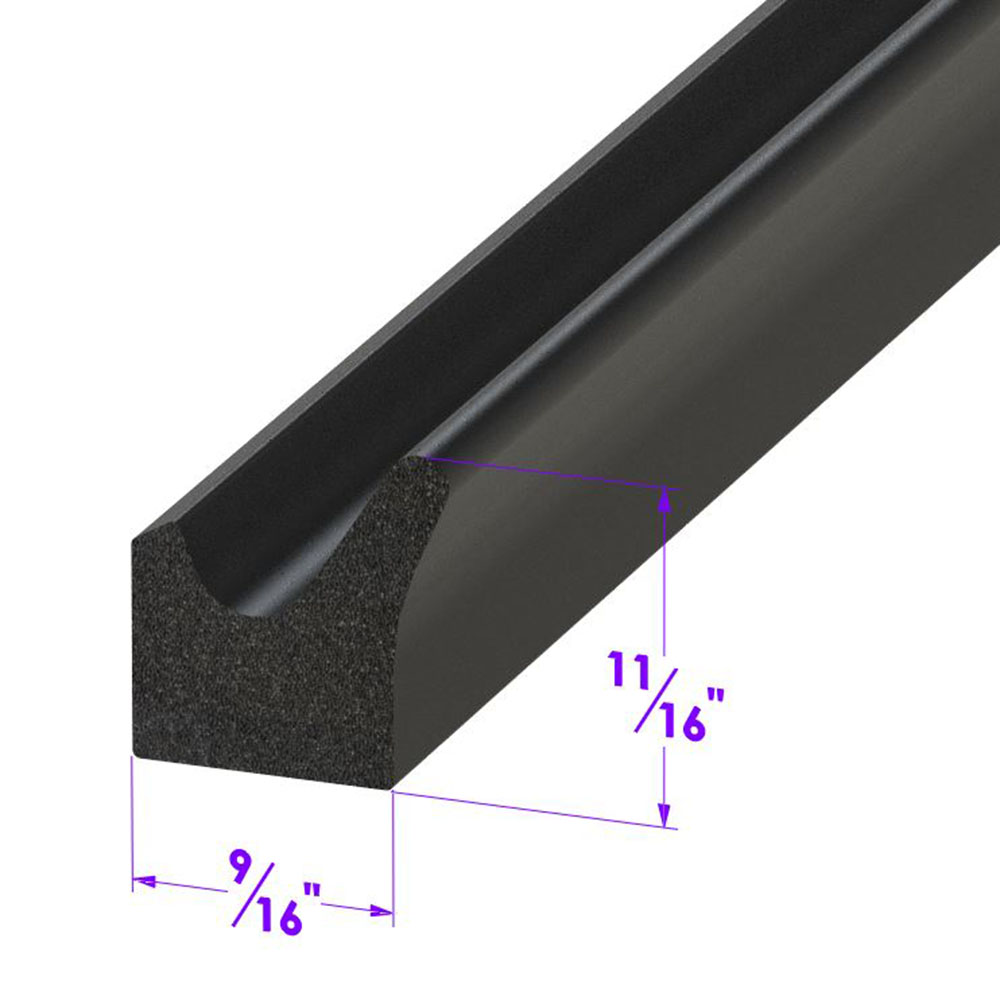 1955 Hudson Rambler Door side seal. Same as LP 40-A, but for a heavier seal-LP 40Door side seal. Same as LP 40-A, but for a heavier seal. Fits many domestic passenger cars and trucks. Used in Cobra kit cars as trunk weatherstrip. Per foot.
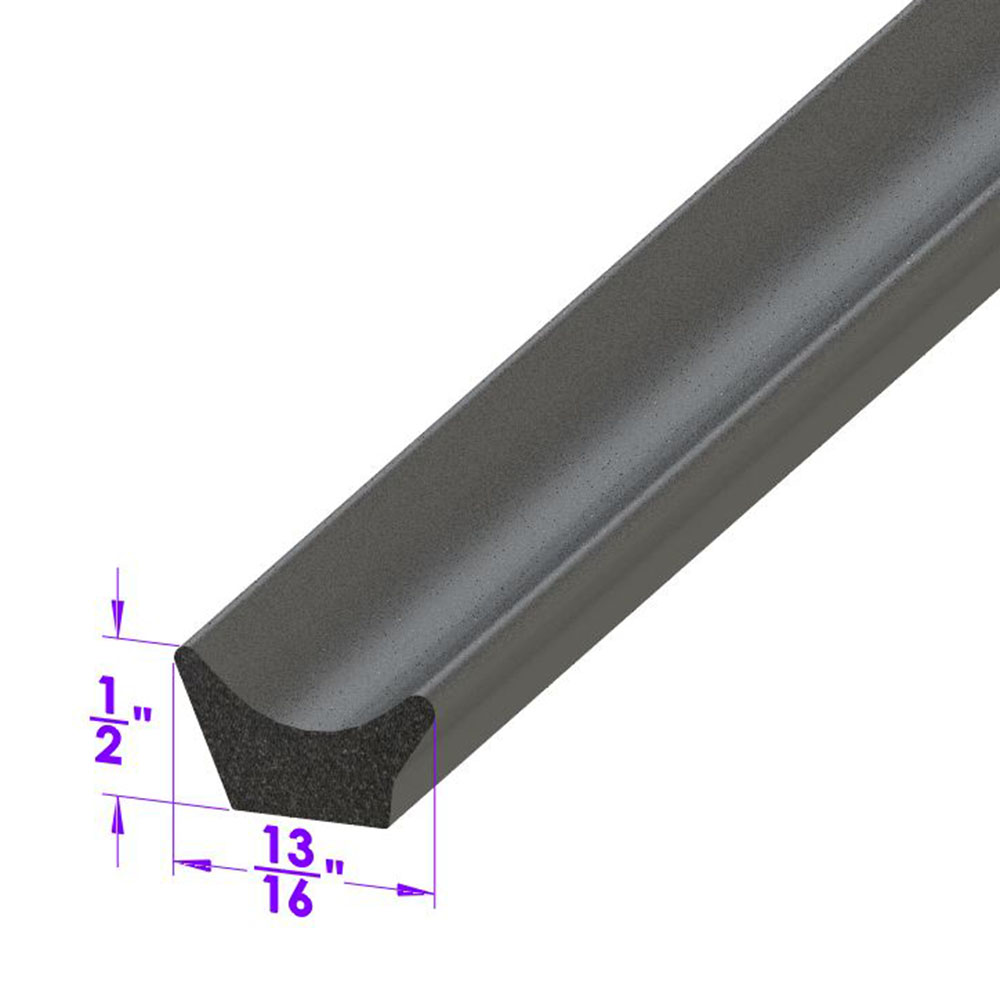 1955 Hudson Rambler Door side seal. Same as LP 40, but for a lighter seal-LP 40-ADoor side seal. Same as LP 40, but for a lighter seal. Fits many domestic passenger cars and trucks. Universal seal for street rods and customs. Used in Cobra kit cars as door weatherstrip. Per foot.
 1955 Hudson Rambler Roof Antenna Pad. 1-9/16" O.D., 1-1/8" I.D. Each-MP 798-KKRoof Antenna Pad. 1-9/16" O.D., 1-1/8" I.D. Each
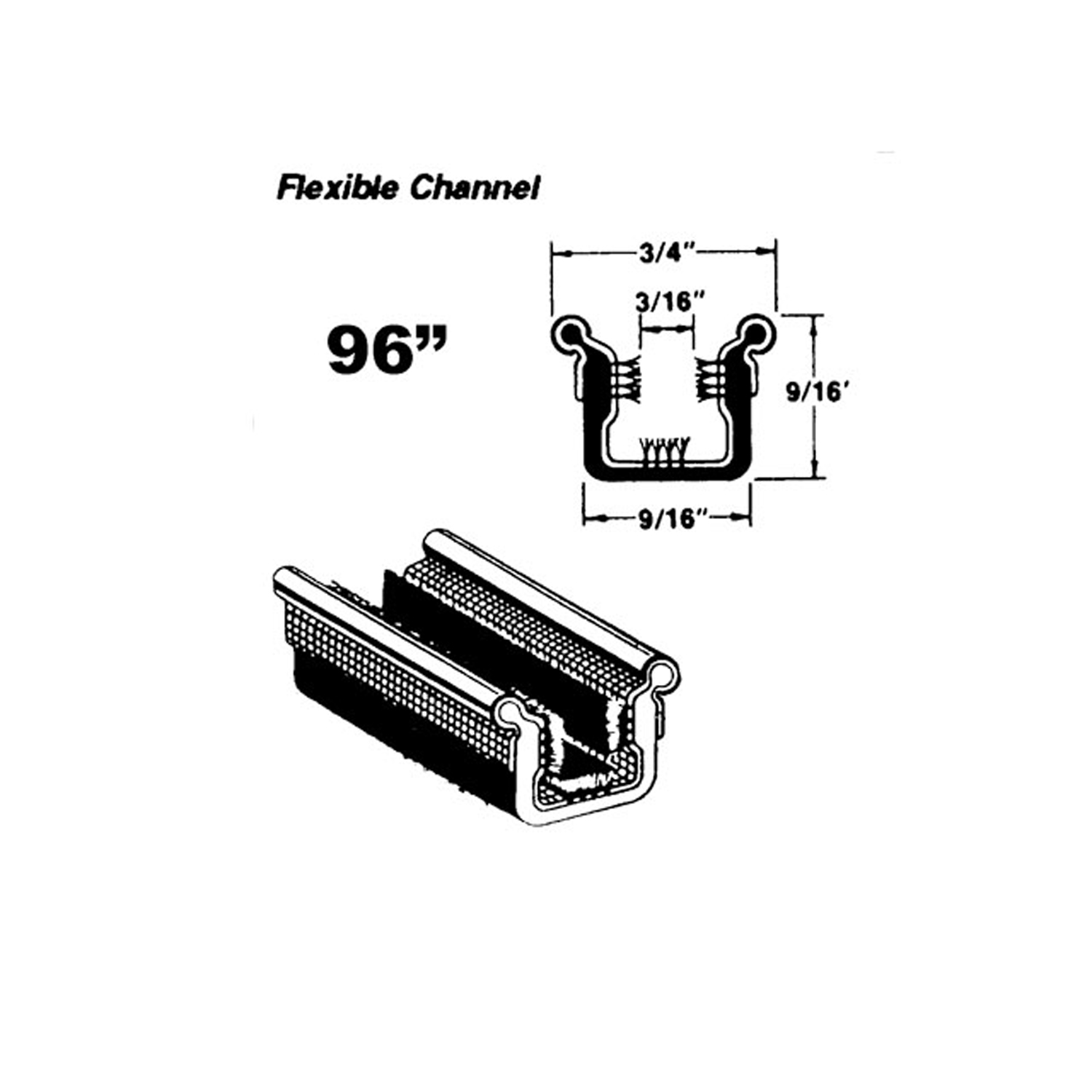 1955 Hudson Rambler Flexible window channel-WC 10-96Flexible window channel. Rubber covered with mohair lining and stainless steel bead. 96 in. long. Each. NOTE: $20 special shipping charge applies for domestic orders. Call or email for overseas shipping costs. Part can be sectioned in two or three equal lengths to reduce overseas shipping costs.
 1955 Hudson Rambler Flexible glass-run channel-WC 11-72Flexible glass-run channel. Mohair lined, cloth covered with stainless steel bead. Used on side windows. 72 in. long. Each. NOTE: $20 special shipping charge applies for domestic orders. Call or email for overseas shipping costs. Part can be sectioned in two equal lengths to reduce overseas shipping costs.
Why Choose Metro?
For over 100 years, Metro Moulded Parts has been the pinnacle of quality in classic car restoration parts. Our commitment to precision and authenticity in every component ensures a perfect fit and an OEM-level appearance.
- Expert Craftsmanship & Quality: Each part is a testament to our dedication to reliability and perfection, crafted from original designs and thoroughly tested.
- Advanced Technology: We use cutting-edge techniques to create flawless, long-lasting parts that surpass others in performance.
- SuperSoft Sponge – The Ultimate Door Seal: Not only are our door seals 30% softer than competitors', but they're also guaranteed to never leak. They effectively reduce wind and road noise, enhancing your classic car's comfort and driving experience.
- Proudly American: Our parts are a product of American craftsmanship, made in the USA with a spirit of excellence and heritage.
- Unrivaled Warranty: We back our products with a 30-year industry-leading warranty, a testament to our confidence in their quality.
Join us in preserving the legacy of classic cars with parts that are crafted for perfection, not just made.