

Image of 1955 Hudson Wasp, Note: These illustrations use artistic license and may differ from actual historical models.
Performance Metrics
Fundamental Metrics
Emotional Appeal
MMP Rating
| Engine Specifications | |
|---|---|
| Engine: | 202 cu in (3.3 L) I6, 308 cu in (5.0 L) I6 |
| Displacement: | 3.3L - 5.0L |
| Horsepower: | 120-170 hp |
| Torque: | 190-260 lb-ft |
| Compression Ratio: | 7.5:1 - 8.0:1 |
| Ignition System: | Distributor and coil |
| Cooling System: | Liquid-cooled |
| Performance Specifications | |
| 0-60 Time: | Estimated 12-15 seconds |
| 1/4 Mile Time: | Estimated 18-20 seconds |
| Top Speed: | 90-100 mph |
| Transmission and Drive | |
| Drive Type: | Rear-wheel drive |
| Transmission Type: | 3-speed manual, 4-speed Hydra-Matic automatic |
| Fuel and Efficiency | |
| Fuel System Type: | Carburetor |
| MPG: | Estimated 10-15 mpg |
| Dimensions and Brakes | |
| Brakes: | Drum brakes |
| Wheelbase: | 119.5 inches |
| Weight: | 3,200-3,600 lbs |
Note: Specifications for classic cars are given to the best of our ability, considering the limited and variant data available.
1955 Hudson Wasp: A Classic Caught Between Two Eras
The 1955 Hudson Wasp was a Hudson in name, style, and spirit, but beneath its fresh bodywork it represented a major change in the company’s identity. Hudson Motor Car Company had merged with Nash-Kelvinator in 1954 to form American Motors Corporation, and the new Wasp was built in Kenosha, Wisconsin, on a platform shared with Nash models. It was the final chapter in the Wasp’s original run, and a fascinating snapshot of an independent American automaker adapting to a rapidly changing industry.
That change is part of the car’s appeal. Earlier Hudsons were famous for their low “step-down” bodies, which placed passengers within the frame rails. The 1955 Wasp traded that distinctive construction for a more conventional Nash-based body. It was a practical decision for a company with limited resources, but it gave the Wasp a different character from its predecessors. Collectors today often see it as a bridge between classic Hudson engineering and the shared-platform era of American Motors.
Farina Flair and Hudson Details
The 1955 Wasp wore a smooth, rounded shape typical of mid-1950s American cars, with a broad grille, prominent chrome trim, sculpted side accents, and a generous glass area. Its front-end treatment and brightwork helped distinguish it from a Nash, even though the cars shared much of their underlying structure. The overall look was less dramatically low and wide than the pre-merger Hudsons, but it remained handsome and unmistakably of its era. Italian designer Battista “Pinin” Farina had a role in shaping the broader Nash-Hudson styling direction for 1955.
Inside, the Wasp offered a roomy cabin with a wide bench seat, a full-width dashboard, and period-appropriate chrome and painted trim. Upholstery and interior appointments varied by model and trim level, with cloth and vinyl combinations common. It was not a hand-finished luxury car, but it aimed to feel comfortable and substantial. Buyers could add conveniences such as a radio, heater, power steering, and power brakes, depending on the car’s specification.
Hudson offered a selection of solid and two-tone paint schemes, with combinations of light and dark colors especially suited to the car’s long, decorated sides. Exact colors depended on the model year’s ordering options and production details, but shades of blue, green, red, cream, and white were typical of the period. Two-tone paint is a particularly appealing choice today because it emphasizes the Wasp’s chrome and body contours.
The Wasp range included two-door and four-door sedans, while the better-equipped Super Wasp range offered additional trim and body choices, including a two-door hardtop in the lineup. Availability could vary by series and configuration. The hardtop’s uninterrupted side glass gives it the most dramatic profile, while the four-door sedan is a practical and relatively approachable way to enjoy the model.
Engines, Options, and Road Performance
Engine choice depended on whether the car was a Wasp or Super Wasp. The standard Wasp used a 202-cubic-inch L-head inline-six, while Super Wasp models were offered with a larger 232-cubic-inch overhead-valve six. Output figures commonly cited for these engines are around 120 horsepower for the 202 and roughly 127 horsepower for the 232, though published figures and equipment specifications can differ by source and configuration.
A three-speed manual transmission was available, and an automatic transmission was an option. Power steering and power brakes could also be ordered, making the Wasp easier to manage in town. As with many cars of its period, equipment varied, so it is worth checking the specific car rather than assuming every Wasp has the same drivetrain or conveniences.
Period performance figures are not perfectly consistent, and the Wasp’s condition, engine, transmission, and axle gearing all matter. As a general guide, expect a 0-to-60-mph time in the mid-to-high teens and a top speed around 95 to 105 mph. The larger-engine Super Wasp should feel livelier, but neither version was intended as a sports car. Its strengths were relaxed cruising, comfortable seating, and steady performance for everyday roads of the 1950s.
On a smooth highway, the Wasp feels like a substantial American sedan, with a broad seat and a relaxed driving posture. Its suspension takes the edge off ordinary bumps, though worn shocks, tired springs, and old tires can make a surviving example feel loose or floaty. On winding roads, the car’s size and period steering remind you that it favors an unhurried pace. The six-cylinder engine delivers a muted, even growl rather than a high-strung roar, and the driver stays involved through the large steering wheel and traditional controls.
Why the 1955 Wasp Matters
The Wasp’s significance lies in the contrast between Hudson’s celebrated past and its corporate future. Before the merger, Hudson had built a reputation for innovative engineering, including the step-down body that created a low center of gravity and a distinctive passenger compartment. In 1955, the Wasp instead used a Nash-derived platform. That shared structure helped American Motors reduce development and manufacturing costs, an important consideration for a company competing against much larger rivals.
The change made the 1955 Wasp less mechanically distinctive than earlier Hudsons, and some enthusiasts regard it as a compromise. At the same time, the car shows how AMC tried to preserve the Hudson name and visual identity while consolidating its resources. It was part of a broader industry shift toward shared platforms and model families, a strategy that remains common in modern vehicle manufacturing.
The Hudson name also carried a strong motorsports reputation, especially through the racing success of the earlier Hornet. That history adds interest to the Wasp badge, but the 1955 Wasp should not be confused with the high-profile Hudson Hornets that dominated stock-car racing earlier in the decade. The Wasp was primarily a comfortable, practical passenger car, not a factory-built competition special.
Living with a Wasp Today
A 1955 Wasp can serve as a weekend cruiser, a local-show car, or a rolling piece of automotive history. It is generally better suited to relaxed touring than to modern traffic, where its size, braking capability, and lack of contemporary safety features require a little extra care. A well-sorted example can be enjoyable on local roads, but it is wise to leave generous stopping distance and avoid treating it like a modern daily driver.
Routine mechanical work is familiar to many classic-car specialists. The inline-six is a conventional design, and basic servicing does not require exotic tools. The bigger ownership challenge is often locating correct Hudson-specific trim, interior pieces, and body parts. Because the car shares its platform with Nash models, some components may cross over, but interchangeability should be verified part by part. Before buying, inspect the body and floors for corrosion, check the cooling system and brakes, and confirm that the transmission works properly.
As with any 70-year-old car, reliability depends more on maintenance and restoration quality than on the badge. A car with a documented rebuild, sound wiring, fresh tires, and a properly serviced fuel and cooling system is a much better prospect than a shiny example with neglected mechanicals.
Wasp Trivia and Things to Check
The 1955 Wasp is unusual because it wears one of Hudson’s best-known model names on a car built during the company’s transition into American Motors. It is also easy to mistake its family resemblance to Nash models for a lack of Hudson identity. The grille, trim, badging, and Wasp-specific details are important parts of what makes the car collectible.
There is no widely recognized 1955 Wasp land-speed or endurance record comparable to the achievements associated with some specialist cars. Nor is the Wasp especially famous for celebrity ownership. Its strongest historical connection is to Hudson’s larger story: the celebrated racing years of the early 1950s, the 1954 merger, and the effort to keep the Hudson marque alive with shared engineering.
Common criticisms include the loss of the earlier step-down construction, modest performance by modern standards, and the difficulty of finding some marque-specific parts. On the other hand, the same shared-platform approach can make certain mechanical components less daunting to service than the car’s rarity might suggest. Buyers should confirm exactly which parts are shared and which require Hudson specialists.
Production and Collector Values
Production figures for individual 1955 Hudson series can be reported differently across references, particularly when Wasp and Super Wasp variants are grouped or separated. A reasonable working estimate is roughly 7,000 to 8,000 Wasp and Super Wasp cars combined. That makes the model uncommon today, though it is not necessarily as scarce or as valuable as the most sought-after Hudson Hornets.
As a broad current-market estimate, a project car may sell for about $6,000 to $12,000, while a sound driver could fall around $15,000 to $30,000. A very good or show-quality example may reach roughly $30,000 to $45,000, with particularly attractive hardtops or exceptional restorations potentially commanding more. These are general ranges, not guaranteed prices. Condition, originality, documentation, body style, and the quality of any restoration can move a sale substantially.
The Wasp has a smaller audience than the top Hudson performance models, which tends to keep its values more accessible. Prices for solid, presentable examples have generally held better than neglected cars, but the market is selective. A well-preserved car with correct trim and a documented history is likely to attract more interest than an ambitious restoration project. As with all classics, value trends can shift with collector tastes and the cost of parts and labor.
A Hudson at a Turning Point
The 1955 Hudson Wasp is not the low-slung racing legend that made earlier Hudsons famous, and that is precisely why it deserves attention. It captures a marque in transition, combining recognizable Hudson character with the shared engineering that helped shape the new American Motors Corporation. Comfortable, distinctive, and less common than many of its mid-century rivals, the Wasp offers a rewarding way to explore a pivotal moment in American automotive history.
For collectors, it is a reminder that a car’s story is about more than performance figures or rarity. The 1955 Wasp stands at the crossroads of Hudson’s independent past and AMC’s future, and every drive brings that turning point back to life.
1955 Hudson Wasp Catalog of Parts
 1955 Hudson Wasp Accessory Floor Mat - 12"X17"-AC 35Accessory Floor Mat - made of high quality black rubber with molded original emblem. Also designed to be sewn into new carpets. 12"X17", Each
 1955 Hudson Wasp Accelerator Pedal Pad, 2-5/8" X 9", Each-AP 23Accelerator Pedal Pad, 2-5/8" X 9", Each
 1955 Hudson Wasp Front Door to Cowl Drain Seal. 12-1/2" long. Pair-ELP 4501Front Door to Cowl Drain Seal. 12-1/2" long. Pair
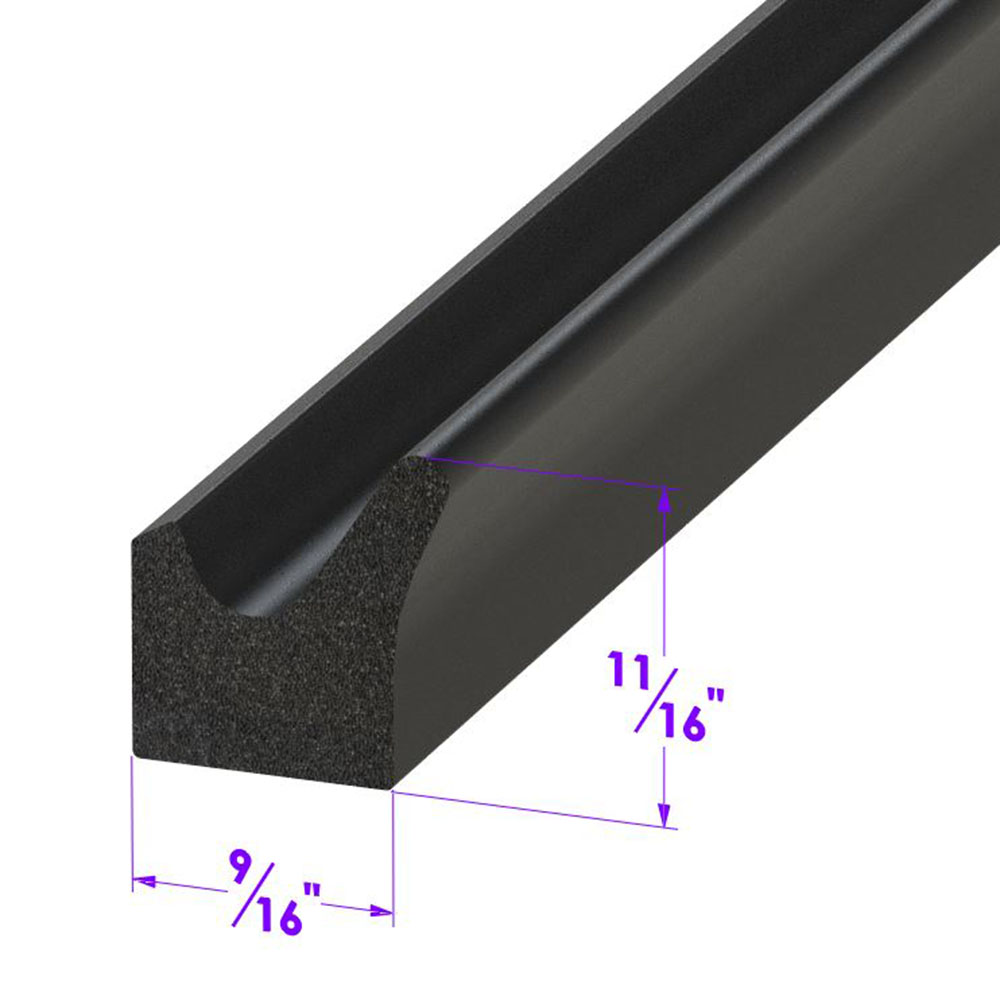 1955 Hudson Wasp Door side seal. Same as LP 40-A, but for a heavier seal-LP 40Door side seal. Same as LP 40-A, but for a heavier seal. Fits many domestic passenger cars and trucks. Used in Cobra kit cars as trunk weatherstrip. Per foot.
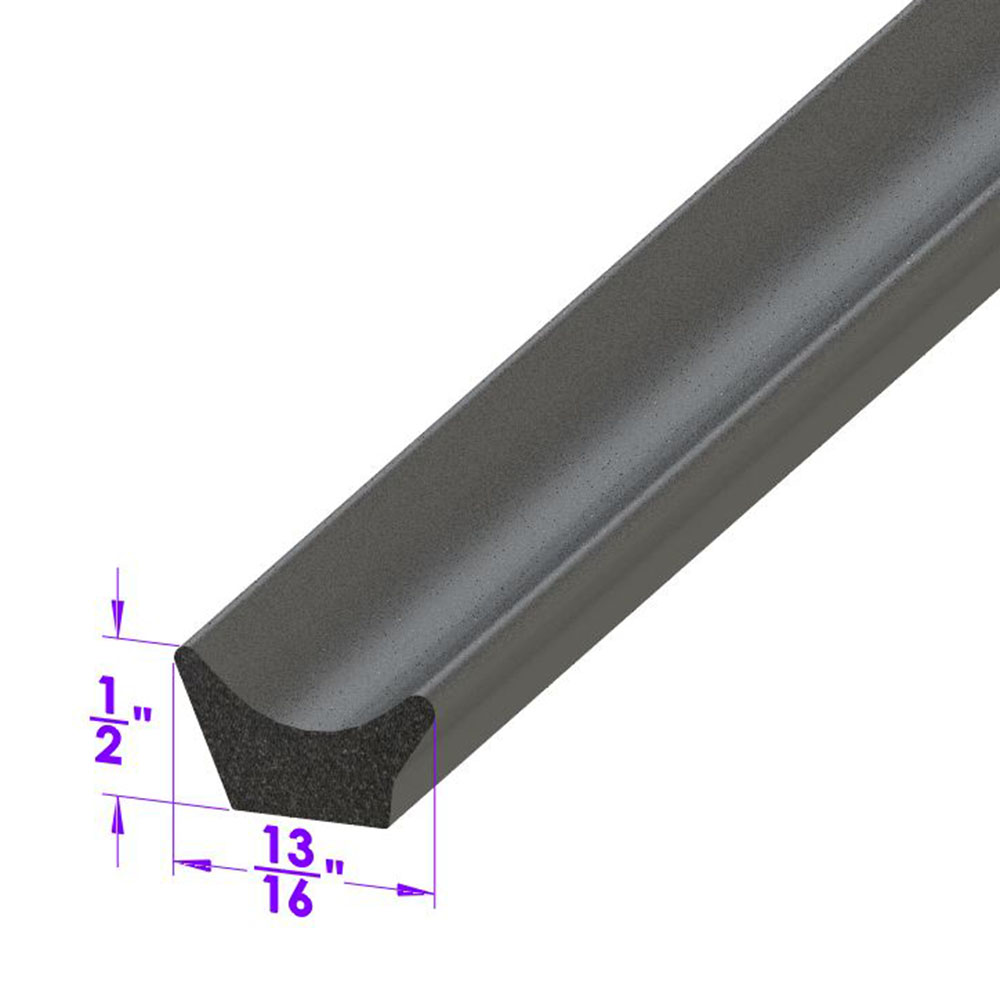 1955 Hudson Wasp Door side seal. Same as LP 40, but for a lighter seal-LP 40-ADoor side seal. Same as LP 40, but for a lighter seal. Fits many domestic passenger cars and trucks. Universal seal for street rods and customs. Used in Cobra kit cars as door weatherstrip. Per foot.
 1955 Hudson Wasp Roof Antenna Pad. 1-9/16" O.D., 1-1/8" I.D. Each-MP 798-KKRoof Antenna Pad. 1-9/16" O.D., 1-1/8" I.D. Each
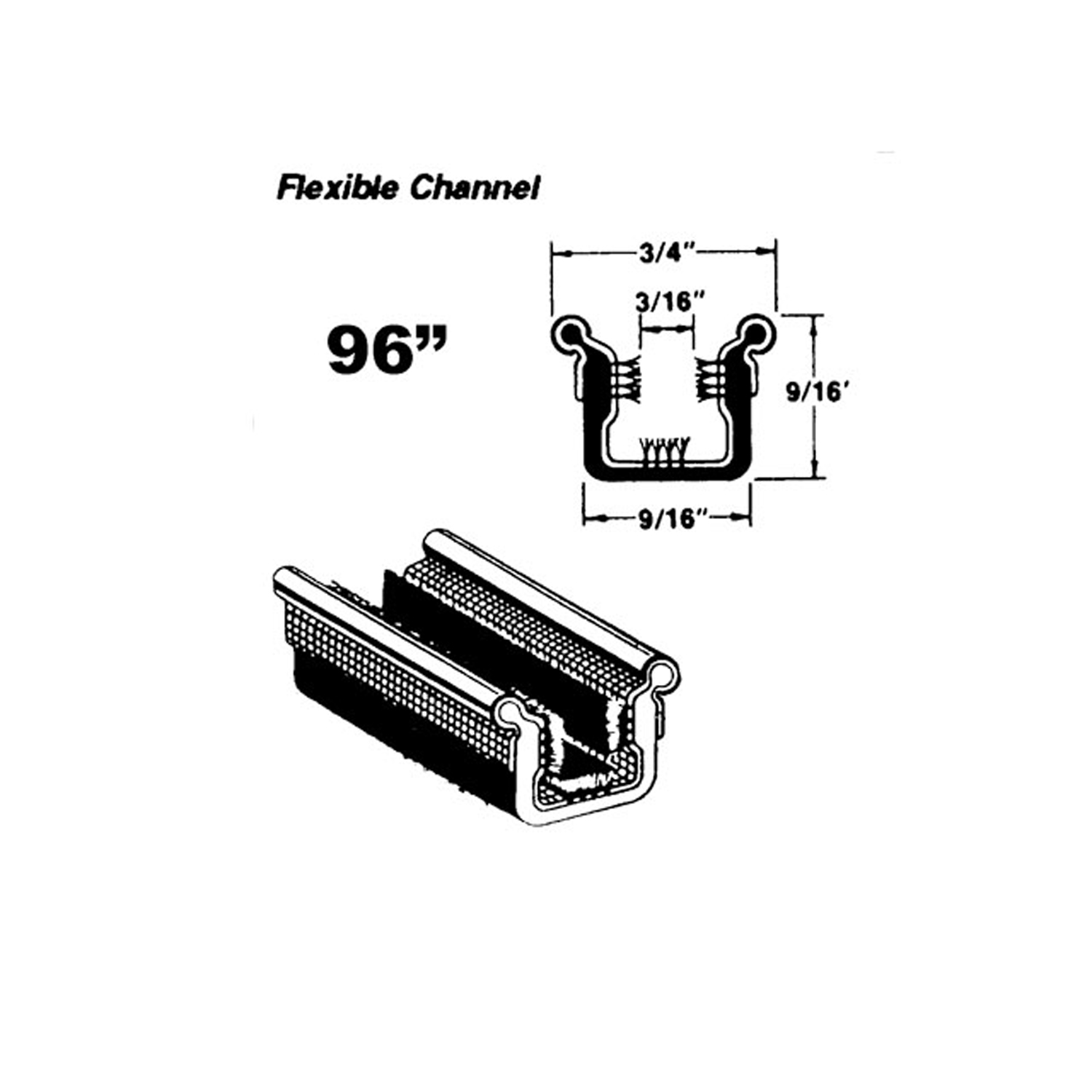 1955 Hudson Wasp Flexible window channel-WC 10-96Flexible window channel. Rubber covered with mohair lining and stainless steel bead. 96 in. long. Each. NOTE: $20 special shipping charge applies for domestic orders. Call or email for overseas shipping costs. Part can be sectioned in two or three equal lengths to reduce overseas shipping costs.
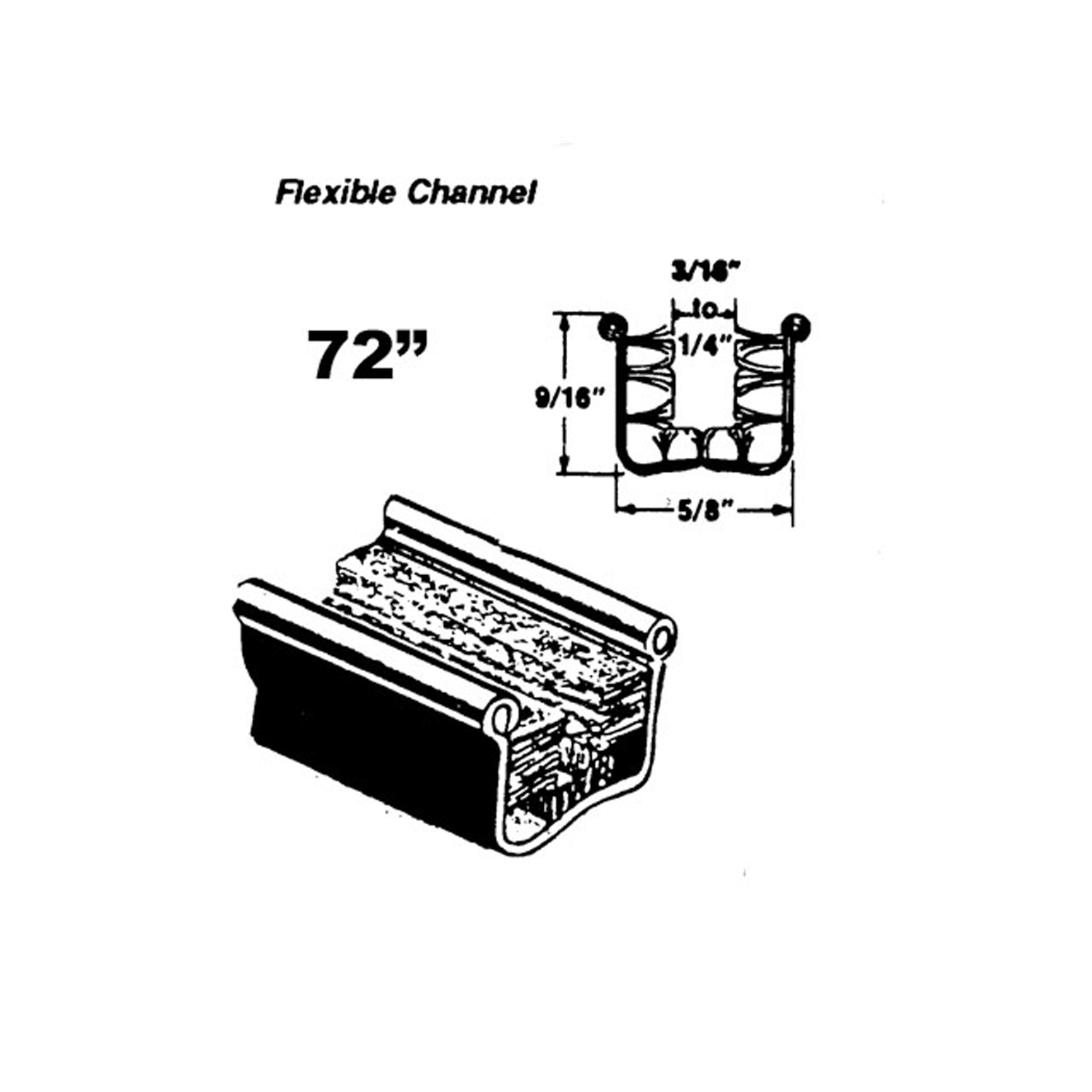 1955 Hudson Wasp Flexible glass-run channel-WC 11-72Flexible glass-run channel. Mohair lined, cloth covered with stainless steel bead. Used on side windows. 72 in. long. Each. NOTE: $20 special shipping charge applies for domestic orders. Call or email for overseas shipping costs. Part can be sectioned in two equal lengths to reduce overseas shipping costs.
Why Choose Metro?
For over 100 years, Metro Moulded Parts has been the pinnacle of quality in classic car restoration parts. Our commitment to precision and authenticity in every component ensures a perfect fit and an OEM-level appearance.
- Expert Craftsmanship & Quality: Each part is a testament to our dedication to reliability and perfection, crafted from original designs and thoroughly tested.
- Advanced Technology: We use cutting-edge techniques to create flawless, long-lasting parts that surpass others in performance.
- SuperSoft Sponge – The Ultimate Door Seal: Not only are our door seals 30% softer than competitors', but they're also guaranteed to never leak. They effectively reduce wind and road noise, enhancing your classic car's comfort and driving experience.
- Proudly American: Our parts are a product of American craftsmanship, made in the USA with a spirit of excellence and heritage.
- Unrivaled Warranty: We back our products with a 30-year industry-leading warranty, a testament to our confidence in their quality.
Join us in preserving the legacy of classic cars with parts that are crafted for perfection, not just made.