
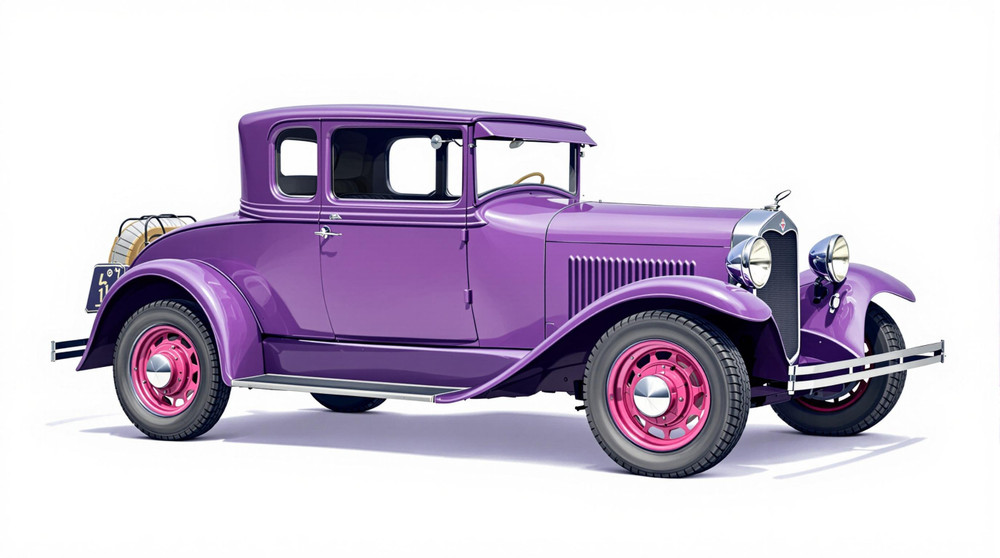
Image of 1926 Hupmobile Model A-1, Note: These illustrations use artistic license and may differ from actual historical models.
Performance Metrics
Fundamental Metrics
Emotional Appeal
MMP Rating
| Engine Specifications | |
|---|---|
| Engine Options: | Inline 6-cylinder |
| Displacement Range: | 3.3L |
| Horsepower Range: | Estimated 50-60 HP |
| Torque: | Not available |
| Compression Ratio: | Not available |
| Ignition System: | Battery and coil |
| Cooling System: | Water-cooled |
| Performance Specifications | |
| 0-60 Time: | Not available |
| 1/4 Mile Time: | Not available |
| Top Speed: | 60 mph |
| Transmission and Drive | |
| Drive Type: | Rear-wheel drive |
| Transmission Type: | 3-speed manual |
| Fuel and Efficiency | |
| Fuel System Type: | Carburetor |
| MPG: | Not available |
| Dimensions and Brakes | |
| Brakes: | Mechanical drum brakes |
| Wheelbase: | 115 inches |
| Weight: | 2,800 lbs |
Note: Specifications for classic cars are given to the best of our ability, considering the limited and variant data available.
1926 Hupmobile Model A-1: A Six-Cylinder With Quiet Confidence
The 1926 Hupmobile Model A-1 brought six-cylinder motoring within reach of buyers who wanted more refinement than a basic four-cylinder car could offer. Built by the Hupp Motor Car Company of Detroit, Michigan, it came from a manufacturer that had been making automobiles since 1909 and earned a reputation for sturdy, thoughtfully engineered cars.
The A-1 belongs to the busy middle years of the American auto industry, when manufacturers were moving beyond the simple runabout and offering families more comfortable, capable transportation. Hupmobile was never as large as Ford or Chevrolet, but it developed a following among motorists who valued solid construction and smooth operation. One appealing detail is the Model A-1’s role as an accessible six-cylinder: it offered the quieter, more even power delivery of six cylinders without being positioned as an ultra-luxury automobile.
Specifications for cars of this age can vary by body style, production changes, and the way a particular car has been restored. The figures below are commonly cited or reasonable period estimates, not guarantees for every surviving A-1.
Exterior Design and Body Styles
The A-1 wears the upright, purposeful look typical of a mid-1920s American car. Its tall radiator, separate rounded fenders, narrow running boards, and exposed lamps give it a distinctly pre-streamlined profile. The hood stretches forward from the passenger compartment, while the windshield and roof sit high and upright. There is little of the integrated, aerodynamic styling that would define later cars. Instead, the Hupmobile’s charm comes from its clear, carriage-like proportions and carefully finished details.
Depending on the body, the car could be configured as a touring car, roadster, coupe, or sedan. Open touring models put passengers close to the elements, with a folding fabric top and side curtains for poor weather. A roadster offered a sportier, more intimate layout, while coupes and sedans provided better shelter and greater comfort for regular use. The four-door sedan is often the most recognizable choice for buyers seeking a practical closed car, though touring versions make especially striking show-field examples.
Paint choices were tied to the body and the factory’s ordering practices. Dark shades such as black, deep blue, maroon, and green suit the period and are commonly associated with cars of this class. Pinstriping and contrasting details could add visual interest. Exact factory color menus for a particular A-1 body should be verified against original sales literature or surviving paint records, since modern restorations do not always reflect original combinations.
Cabin Craft and Period Technology
Inside, the A-1 is a product of an era when a car’s cabin still felt closely related to a coachbuilder’s work. Expect a high, upright seating position, a large steering wheel, simple instruments, and controls that are mechanical in feel. Depending on body style and trim, upholstery could use cloth, leather, or a combination of materials. Closed models offered welcome protection from wind and weather, while open cars relied on their top, side curtains, and heavier clothing to make cold-weather travel manageable.
The car’s notable technology was not a single futuristic gadget. Its appeal lay in bringing a six-cylinder engine and relatively refined road manners to a broader market. Period engineering still required plenty of driver involvement: starting, shifting, braking, and routine maintenance demanded attention. A three-speed manual transmission is commonly cited, and the driver had to work the clutch and gear lever deliberately rather than expect modern, effortless shifting.
Hupmobile A-1 Specifications
Commonly cited specifications place the Model A-1’s engine at about 186 cubic inches, with six cylinders and roughly 55 horsepower. It used a side-valve, or L-head, layout typical of the period. A three-speed manual gearbox sent power to the rear wheels. Wheelbase figures are often given at approximately 109 inches, though published specifications and individual cars should be checked carefully before ordering parts or beginning a restoration.
A realistic top-speed estimate is around 50 to 60 mph in good mechanical condition, with the upper end depending on gearing, body style, road surface, and engine health. Reliable factory 0-to-60 figures are not generally available. Given the car’s modest power and period gearing, reaching 60 mph would be slow and may not be practical for every example. A rough modern estimate would put acceleration to 60 in well over 30 seconds, if the car can reach that speed at all. Treat that as an estimate, not a factory performance claim.
How It Drives on Today’s Roads
The A-1 is best understood at a relaxed pace. Its six-cylinder engine should deliver a smoother rhythm than a small four-cylinder of the same era, but it is not a modern high-revving motor. Expect steady engine noise, mechanical vibration, and a sense that the car prefers cruising to quick bursts of speed. The engine’s sound is part of the experience: a measured, workmanlike note that becomes more prominent as the car climbs a hill or gathers speed.
On rough roads, tall tires and flexible period suspension can soften some sharp impacts, but the car will still move and pitch more than a modern vehicle. Steering is likely to feel heavy at low speed and less precise than today’s rack-and-pinion systems. On winding roads, the driver needs to plan ahead, keep speeds sensible, and allow for the car’s height, narrow tires, and older braking technology. Braking performance varies with the exact equipment and condition of the car, so a well-maintained system is essential.
Driving one involves listening as much as steering. The driver monitors engine temperature, watches the road surface, shifts with care, and leaves generous stopping distance. That hands-on character is exactly what many vintage-car enthusiasts enjoy, but it is not a substitute for modern safety, comfort, or traffic performance.
Historical Importance and Hupmobile’s Place
The Model A-1 did not introduce a radical new body shape or a technology that transformed the industry. Its significance is more practical: it represents the period when six-cylinder power was becoming a selling point beyond the top end of the market. Buyers could choose a smoother engine and a range of body styles without moving into the costliest luxury class.
Hupmobile’s broader history gives the A-1 added interest. The Hupp Motor Car Company helped establish Detroit as a center of automobile production and built a reputation for engineering-minded cars. The company later produced better-known designs, including the streamlined Hupmobile models of the 1930s, but the A-1 reflects an earlier phase of the marque: upright, conservative in appearance, and focused on dependable everyday transportation.
Its lasting influence is not a direct styling legacy so much as a reminder of how quickly the American market diversified. By the mid-1920s, manufacturers were selling cars for different budgets, family needs, and ideas of comfort. Hupmobile’s six-cylinder offering helped make that choice broader.
Ownership, Maintenance, and Reliability
In its own time, an A-1 could serve as family transportation, a touring car, or a comfortable closed car for regular errands and longer trips. Today, most surviving examples are used for local drives, vintage-car rallies, club events, and shows rather than daily commuting. Their modest cruising speed and lack of modern safety equipment make them better suited to quiet roads than fast highways.
Routine work is approachable for an owner with mechanical experience. The engine, clutch, brakes, ignition, and fuel system rely on understandable mechanical principles, and many repairs do not require electronic diagnostic equipment. However, “simple” does not mean effortless. Parts may be scarce, specifications can differ between production runs, and worn components often need rebuilding rather than replacement. A specialist familiar with brass-era and prewar cars can be valuable, particularly for engine, brake, and wheel work.
Reliability depends heavily on condition and the quality of restoration. A well-sorted Hupmobile can be enjoyable on suitable routes, but age-related problems such as deteriorated wiring, fuel-system issues, cooling trouble, and tired brakes should be expected until inspected. Before purchase, check the chassis, frame, wood structure where applicable, engine condition, transmission, and the availability of correct parts.
Trivia, Rarity, and Common Criticisms
The A-1’s most interesting “fact” may be how easily a lesser-known marque can be overshadowed by the household names of the period. Hupmobile was a substantial manufacturer, yet surviving cars are far less familiar to the general public than Fords, Chevrolets, or Buicks. No widely documented celebrity ownership or headline-grabbing record is firmly associated with the 1926 A-1, so claims of a famous owner or special speed achievement should be treated cautiously.
There is no dependable, widely published production total that isolates 1926 Model A-1 cars across all body styles. As a rough estimate rather than a factory figure, production may have been in the several-thousand range, perhaps around 5,000 to 10,000 cars. The number surviving today is much smaller, and availability depends on body style, condition, and how completely a car has been restored.
Common criticisms are familiar to anyone considering a prewar automobile: slow acceleration, limited highway pace, demanding controls, and a lack of modern safety features. Parts sourcing can also take patience. In return, owners get a distinctive car from a respected but comparatively uncommon manufacturer, along with a driving experience that feels very different from that of a modern classic.
Collector Value and Market Outlook
Values vary widely because the Model A-1 is not traded as frequently as better-known collector cars. As a broad current-market estimate, a project or incomplete car might fall around $5,000 to $12,000. A usable driver could bring roughly $12,000 to $25,000, while a well-restored example may reach approximately $25,000 to $45,000 or more. A particularly attractive body style, exceptional restoration, or unusual provenance could move beyond those ranges, but condition and documentation matter more than optimistic asking prices.
The A-1 is best described as scarce rather than impossible to find. It may appear at specialist auctions, marque-club events, and online classic-car listings, but buyers should expect a smaller selection than they would find for mainstream 1920s models. Values have generally benefited from growing interest in lesser-known marques, though the market remains selective. Good cars can hold value and appreciate gradually, while poorly restored or incomplete examples may be difficult to sell without substantial investment.
Why the 1926 Hupmobile Model A-1 Still Matters
The 1926 Hupmobile Model A-1 combines a smooth six-cylinder engine, traditional coach-like styling, and the practical ambition of a manufacturer trying to offer refinement to a wider audience. It is not a speed machine or a technological revolution. Its appeal lies in its solid period character, its relative rarity, and the way it captures American motoring just before cars became lower, faster, and more integrated in design.
For collectors who value the story as much as the badge, the A-1 is a rewarding piece of Hupmobile history. It reminds us that the classic-car world is richer than its most famous names, and that a well-preserved, thoughtfully engineered car can make its mark without ever needing to be the loudest one on the road.
1926 Hupmobile Model A-1 Catalog of Parts
 1926 Hupmobile Model A-1 Accessory Floor Mat - 12"X17"-AC 39Accessory Floor Mat - made of high quality black rubber with molded original emblem. Also designed to be sewn into new carpets. 12"X17", Each
 1926 Hupmobile Model A-1 Clutch and Brake Pedal Pads. 3" wide X 4-1/8" long. Pair-CB 52Clutch and Brake Pedal Pads. 3" wide X 4-1/8" long. Pair
Why Choose Metro?
For over 100 years, Metro Moulded Parts has been the pinnacle of quality in classic car restoration parts. Our commitment to precision and authenticity in every component ensures a perfect fit and an OEM-level appearance.
- Expert Craftsmanship & Quality: Each part is a testament to our dedication to reliability and perfection, crafted from original designs and thoroughly tested.
- Advanced Technology: We use cutting-edge techniques to create flawless, long-lasting parts that surpass others in performance.
- SuperSoft Sponge – The Ultimate Door Seal: Not only are our door seals 30% softer than competitors', but they're also guaranteed to never leak. They effectively reduce wind and road noise, enhancing your classic car's comfort and driving experience.
- Proudly American: Our parts are a product of American craftsmanship, made in the USA with a spirit of excellence and heritage.
- Unrivaled Warranty: We back our products with a 30-year industry-leading warranty, a testament to our confidence in their quality.
Join us in preserving the legacy of classic cars with parts that are crafted for perfection, not just made.