
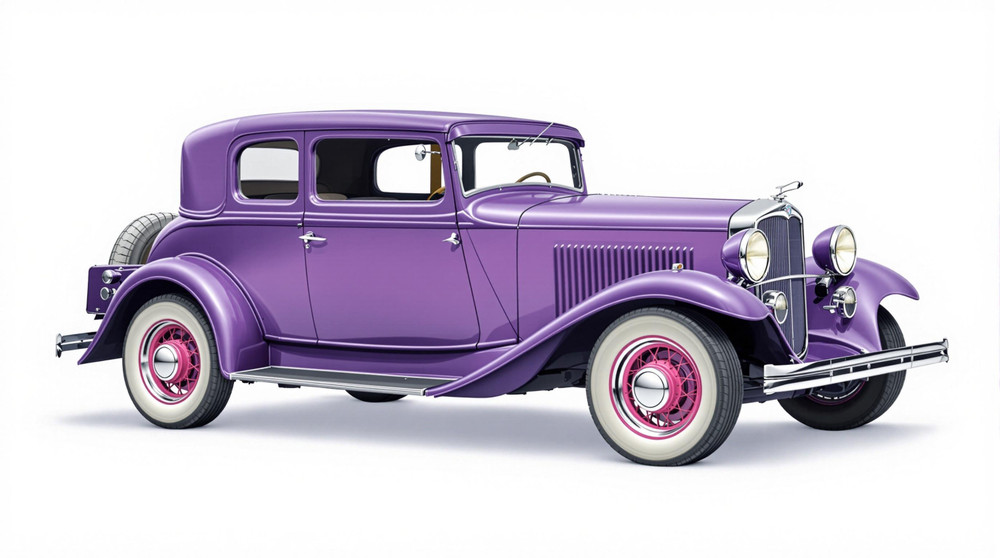
Image of 1931 Hupmobile Century Eight Model L, Note: These illustrations use artistic license and may differ from actual historical models.
Performance Metrics
Fundamental Metrics
Emotional Appeal
MMP Rating
| Engine Specifications | |
|---|---|
| Engine: | Straight-8 |
| Displacement: | 4.0L |
| Horsepower: | Estimated 100-120 HP |
| Torque: | Not available |
| Compression Ratio: | Not available |
| Ignition System: | Battery and coil |
| Cooling System: | Water-cooled |
| Performance Specifications | |
| 0-60 Time: | Not available |
| 1/4 Mile Time: | Not available |
| Top Speed: | 75 mph |
| Transmission and Drive | |
| Drive Type: | Rear-wheel drive |
| Transmission Type: | 3-speed manual |
| Fuel and Efficiency | |
| Fuel System Type: | Carburetor |
| MPG: | Not available |
| Dimensions and Brakes | |
| Brakes: | Mechanical drum brakes |
| Wheelbase: | 127.5 inches |
| Weight: | Estimated 3,500 lbs |
Note: Specifications for classic cars are given to the best of our ability, considering the limited and variant data available.
1931 Hupmobile Century Eight Model L: A Refined Eight for a Hard Year
With its long hood, upright radiator and smooth-running straight-eight engine, the 1931 Hupmobile Century Eight Model L looked every inch a serious American luxury car. It came from Hupp Motor Car Corporation of Detroit, a company founded by Robert Craig Hupp in 1909, and offered the appeal of eight-cylinder power at a time when the automobile market was being reshaped by the Great Depression.
The Model L arrived during a difficult moment for the industry. Buyers were cautious, prices mattered more than ever, and even established manufacturers were fighting to keep production moving. Hupmobile’s answer was a polished, well-equipped car that aimed to deliver the prestige of an eight without competing only at the very top of the market. Its intriguing claim to fame is also its basic one: the Century Eight name put a substantial straight-eight engine at the heart of a car intended for real road use, not just grand touring on paper.
Classic Hupmobile Styling and Coachwork
The Model L wore the confident proportions typical of a quality early-1930s automobile. A tall, formal radiator grille anchored the front, flanked by large headlamps and a broad, gently sloping hood. Long front fenders flowed back toward the body, while sweeping rear fenders framed the car’s substantial wheels. The result was elegant rather than flamboyant: a stately profile that looked at home outside a hotel, country club or city residence.
Body styles varied by catalog and market, but the Century Eight range was offered in closed and open configurations. Buyers could find practical sedans, coupes and open cars such as roadster or convertible-coupe styles. Sedans were the natural choice for families and year-round motoring, while a coupe or open body gave the Hupmobile a sportier, more individual character. Exact availability should be checked against the specific car, since model names and body offerings could differ across production and sales literature.
Inside, the emphasis was on comfort and finish. Period Hupmobiles were equipped with substantial seats, quality upholstery, carefully finished trim and a broad dashboard with clear, driver-facing instruments. Upholstery and trim materials depended on body style and specification, and surviving cars may have been retrimmed over the decades. A well-preserved interior feels crafted and durable rather than delicate, with the sort of solid, substantial atmosphere expected of a premium American car of the period.
Factory color choices varied with body and year. Buyers could generally choose from dark, formal shades such as black, deep blue, maroon or green, with contrasting colors or trim available on some combinations. Dark paint suited the Model L’s dignified lines and remains a popular restoration choice, though period-appropriate two-tone schemes can bring out the shape of the fenders and bodywork.
Engineering in the Century Eight
The Model L’s defining feature was its straight-eight engine. Published specifications for surviving examples and period references can vary, but the Century Eight is commonly associated with a 303-cubic-inch, L-head eight producing about 100 horsepower. Power went to the rear wheels through a conventional manual transmission, giving the car the relaxed, steady character expected of a large touring automobile.
That powerplant was a meaningful selling point in 1931. Many cars still relied on four- or six-cylinder engines, while a smooth eight-cylinder engine signaled refinement and status. The straight-eight layout delivered an even, cultured rhythm, and its long crankshaft and smooth firing sequence helped distinguish the Hupmobile from more modest cars. The Model L also offered the convenience and comfort features buyers expected in its class, although details such as brakes and equipment should be confirmed against the individual car’s specification and surviving components.
It is important not to confuse the 1931 Model L with the more radical Hupmobiles that followed. The company later became known for distinctive styling associated with designer Raymond Loewy. The Century Eight Model L belongs to the earlier, more formal era of Hupmobile design, when a long hood, upright grille and carefully proportioned body conveyed prestige.
Why the Model L Mattered
The Century Eight Model L illustrates how manufacturers tried to make eight-cylinder motoring more attainable. It combined a high-cylinder-count engine with traditional American coachwork and a choice of bodies suited to different buyers. That recipe was not unique to Hupmobile, but the company’s effort to balance refinement, equipment and price helped it stand out among independent automakers competing with much larger firms.
Its lasting importance is less about a single invention than about what it represents: the ambition of an independent Detroit manufacturer trying to survive through engineering and product appeal. The Model L offered buyers an alternative to the dominant makes and contributed to the era’s growing expectation that a quality automobile should be smooth, powerful and comfortable on long trips. Hupmobile did not become a mass-market giant, but its cars remain a reminder that the American industry once included many serious competitors beyond the names that survived.
Performance and Road Manners
Period performance figures are not consistently documented, and a 95-year-old car’s condition, gearing, tires and body style make any modern estimate approximate. With roughly 100 horsepower, a sound Model L might reach about 75 to 85 mph under favorable conditions. Acceleration from 0 to 60 mph was likely in the range of roughly 25 to 30 seconds, rather than the brisk sprint drivers associate with modern cars. These are estimates, not guaranteed factory test results.
On the road, the Hupmobile’s character is measured and composed. Its long wheelbase and substantial chassis help it settle into a steady cruise, while the straight-eight should deliver a smooth, even exhaust note when properly tuned. Expect a low, rhythmic engine sound rather than a sharp, high-revving one. The car rewards gradual inputs and anticipation: it is happiest maintaining momentum, not being hurried through traffic.
Like other cars of its age, the Model L uses traditional chassis engineering, with a solid front axle and leaf-spring suspension rather than modern independent suspension. It can take ordinary road imperfections in stride, but sharp bumps may send a noticeable jolt through the body. On a winding road, the car’s size, period tires and relatively slow steering call for a deliberate approach. Braking distances are long by present-day standards, so a driver must leave plenty of room and plan well ahead.
Owning and Maintaining a 1931 Hupmobile
Today, the Century Eight is best suited to touring, vintage-car events, shows and occasional fair-weather drives. It can be driven regularly by an owner committed to careful maintenance, but it is not a practical modern daily driver. Traffic speeds, limited crash protection, period lighting and the absence of contemporary safety features all shape the experience.
Routine work is familiar to anyone comfortable with prewar cars: lubrication, ignition and carburetor tuning, cooling-system care, brake servicing and attention to the electrical system. Many jobs are mechanically straightforward, but parts availability is the bigger challenge. Hupmobile is no longer in production, and some model-specific components may require specialist suppliers, parts-car searches or careful repair of originals. Before buying, inspect the engine for oil pressure and cooling issues, check the transmission and rear axle, and look closely for rust or previous structural repairs.
Reliability depends heavily on restoration quality and ongoing care. A properly sorted car can tour pleasantly, but neglect tends to compound quickly in a vintage vehicle. Owners should also verify that the brakes, tires, fuel system and steering are safe before driving, rather than assuming that a recent cosmetic restoration means the mechanical work is complete.
Hupmobile Facts and Common Misconceptions
There is no widely recognized speed, endurance or production record attached specifically to the 1931 Century Eight Model L. Its story is more representative than record-breaking: it was a well-equipped independent make competing during a severe economic downturn. Likewise, no particular celebrity ownership or major historical-event appearance is firmly associated with the model as a defining part of its identity.
A common criticism of cars like the Model L is that they are heavy, slow to accelerate and demanding to operate by modern standards. That criticism is fair if the car is judged as current transportation. It misses the point if the car is judged as a 1931 touring machine. The Model L was built for smooth progress, comfort and presence, not quick starts or nimble handling.
Another point worth clearing up is that “Century Eight” does not mean the car was designed to set a speed record. The name identified Hupmobile’s eight-cylinder offering; it should not be taken as a claim about a particular performance achievement.
Collector Value and Rarity
Exact production figures for the Model L by body style are difficult to establish from commonly available records. As a cautious estimate, total 1931 Century Eight Model L production may have been in the low thousands, perhaps roughly 2,000 to 5,000 cars across its body range. That is a reasoned estimate rather than a verified factory total. The number surviving in usable condition is much smaller, and complete cars with correct trim and documented histories are uncommon.
Collector values depend strongly on body style, originality, restoration quality and mechanical condition. As a broad current-market estimate, a project car might bring about $8,000 to $15,000. A usable driver could fall around $15,000 to $30,000, while a well-restored sedan may reach roughly $25,000 to $45,000. Particularly attractive or rare open-body examples could exceed that range, potentially reaching $35,000 to $65,000 or more when condition and provenance justify the premium. These are general estimates, not formal appraisals, and actual sale prices vary by region and timing.
The market for prewar independent makes is selective. Hupmobiles tend to attract enthusiasts who value engineering, history and rarity, rather than buyers chasing the broadest resale market. Values have generally been softer than the prices commanded by the best-known luxury marques, especially after adjusting for inflation. Exceptional cars can remain desirable, but owners should buy for the experience and preservation of the car, not assume that every example will appreciate quickly.
The Lasting Appeal of the Hupmobile Century Eight
The 1931 Hupmobile Century Eight Model L brings together the qualities that made early-1930s touring cars compelling: formal styling, a smooth straight-eight engine, substantial coachwork and the character of a manufacturer trying to compete on its own terms. It is not the fastest or easiest classic to own, and its rarity can make parts and expertise harder to find. But for enthusiasts who appreciate independent American marques, the Model L offers something more memorable than a familiar badge: a rolling piece of Detroit history with a calm, confident presence all its own.
1931 Hupmobile Century Eight Model L Catalog of Parts
 1931 Hupmobile Century Eight Model L Accessory Floor Mat - 12"X17"-AC 39Accessory Floor Mat - made of high quality black rubber with molded original emblem. Also designed to be sewn into new carpets. 12"X17", Each
 1931 Hupmobile Century Eight Model L Clutch and Brake Pedal Pads. 3" wide X 4-1/8" long. Pair-CB 52Clutch and Brake Pedal Pads. 3" wide X 4-1/8" long. Pair
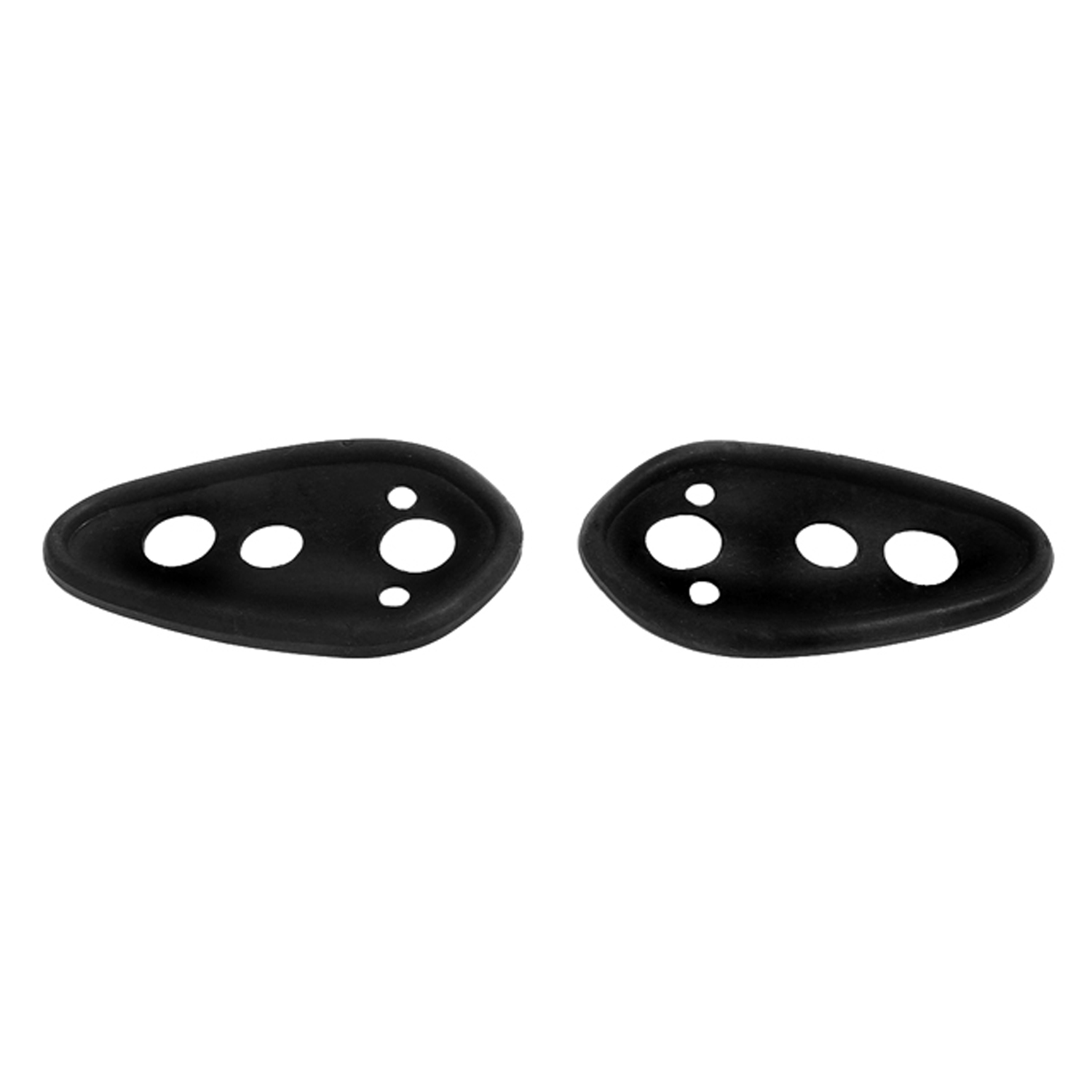 1931 Hupmobile Century Eight Model L Headlight Pads. 3" wide X 5-1/8" long. Pair-MP 7981-AHeadlight Pads. 3" wide X 5-1/8" long. Pair
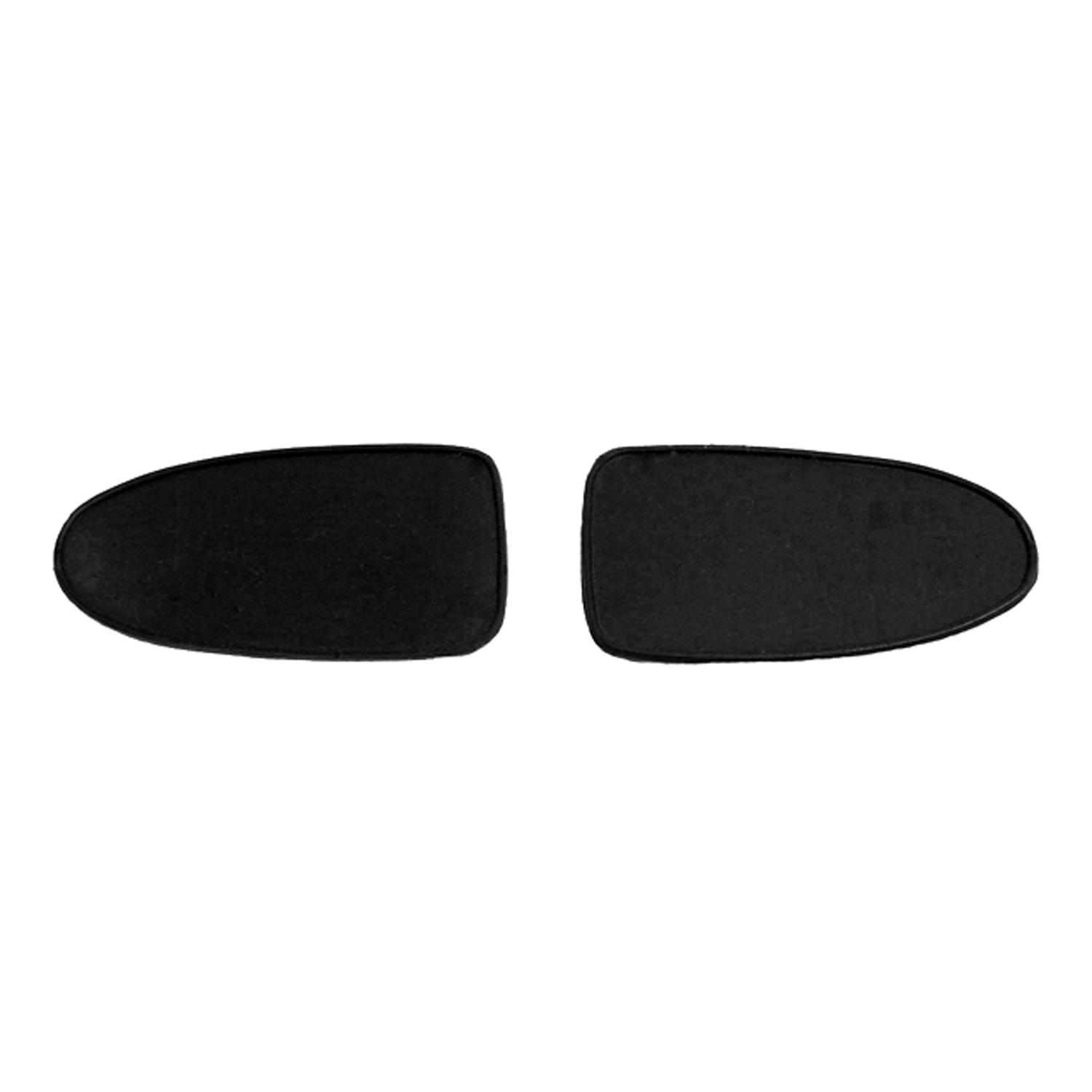 1931 Hupmobile Century Eight Model L Headlight Bar Pads. 2-3/8" wide X 4-1/2" long. Pair-MP 7981-BHeadlight Bar Pads. 2-3/8" wide X 4-1/2" long. Pair
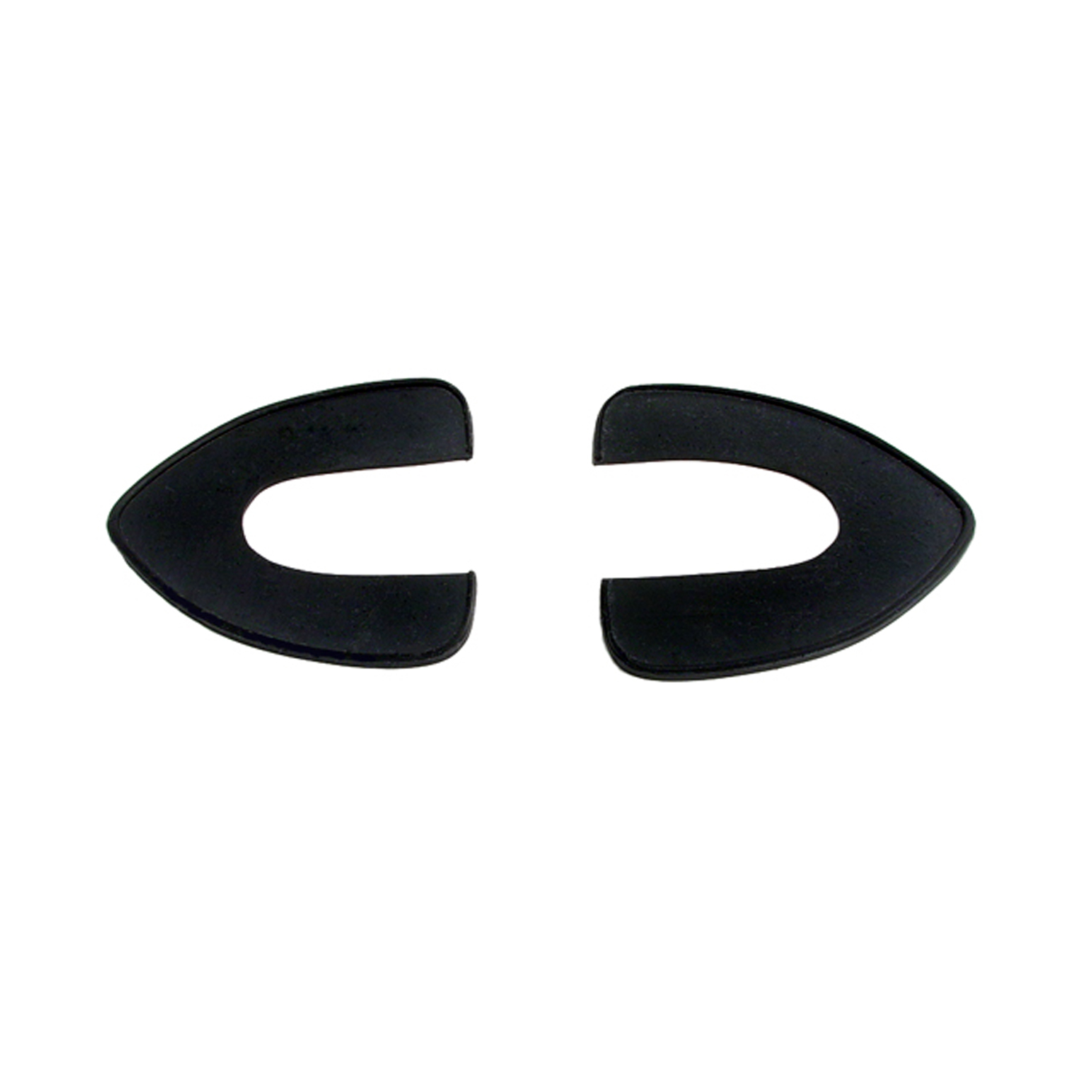 1931 Hupmobile Century Eight Model L Tail-light Pads. 3-3/8" wide X 3-3/8" long. Pair-MP 7981-CTail-light Pads. 3-3/8" wide X 3-3/8" long. Pair
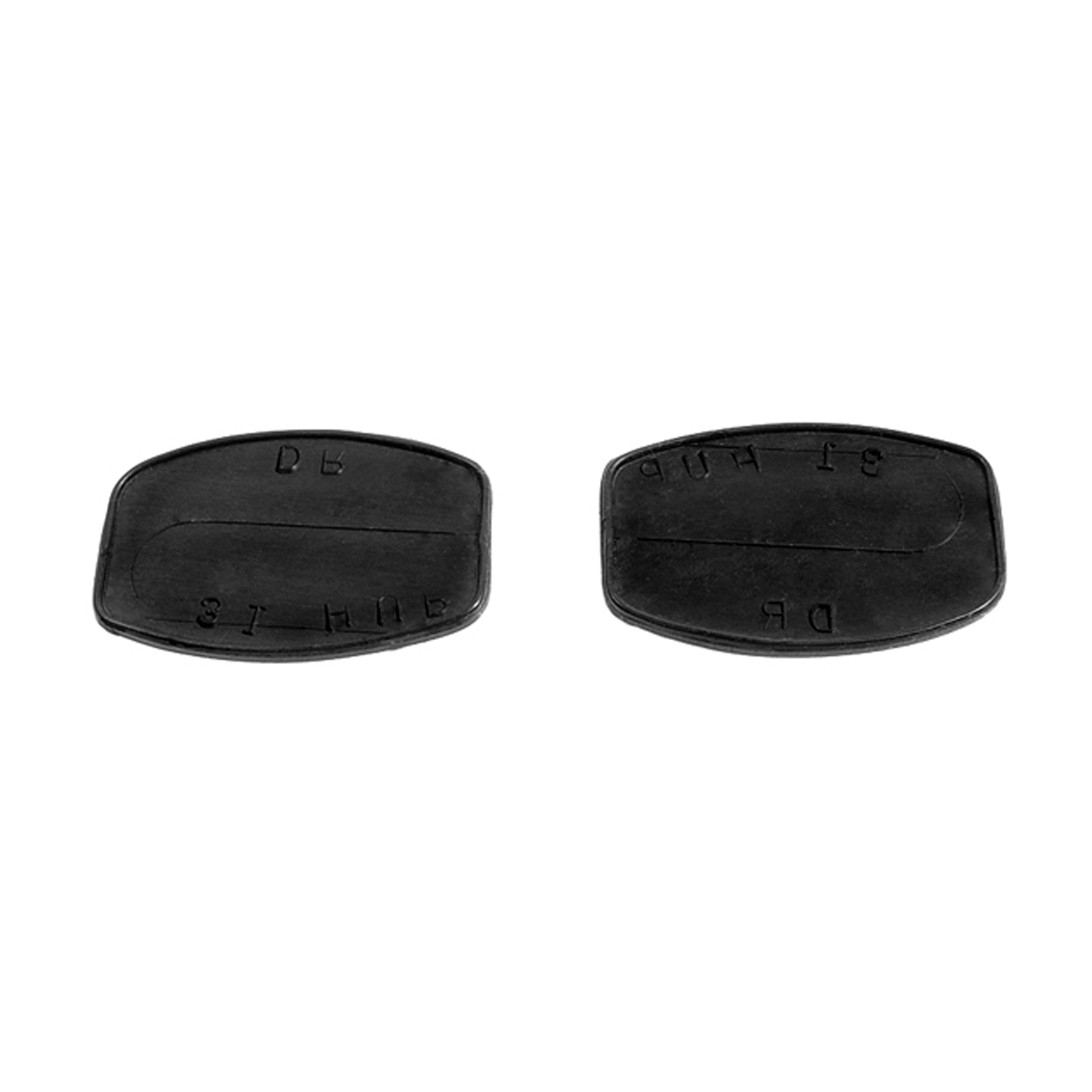 1931 Hupmobile Century Eight Model L Door Handle Pads. 1-3/4" wide X 2-3/4" long. Pair-MP 7981-DDoor Handle Pads. 1-3/4" wide X 2-3/4" long. Pair
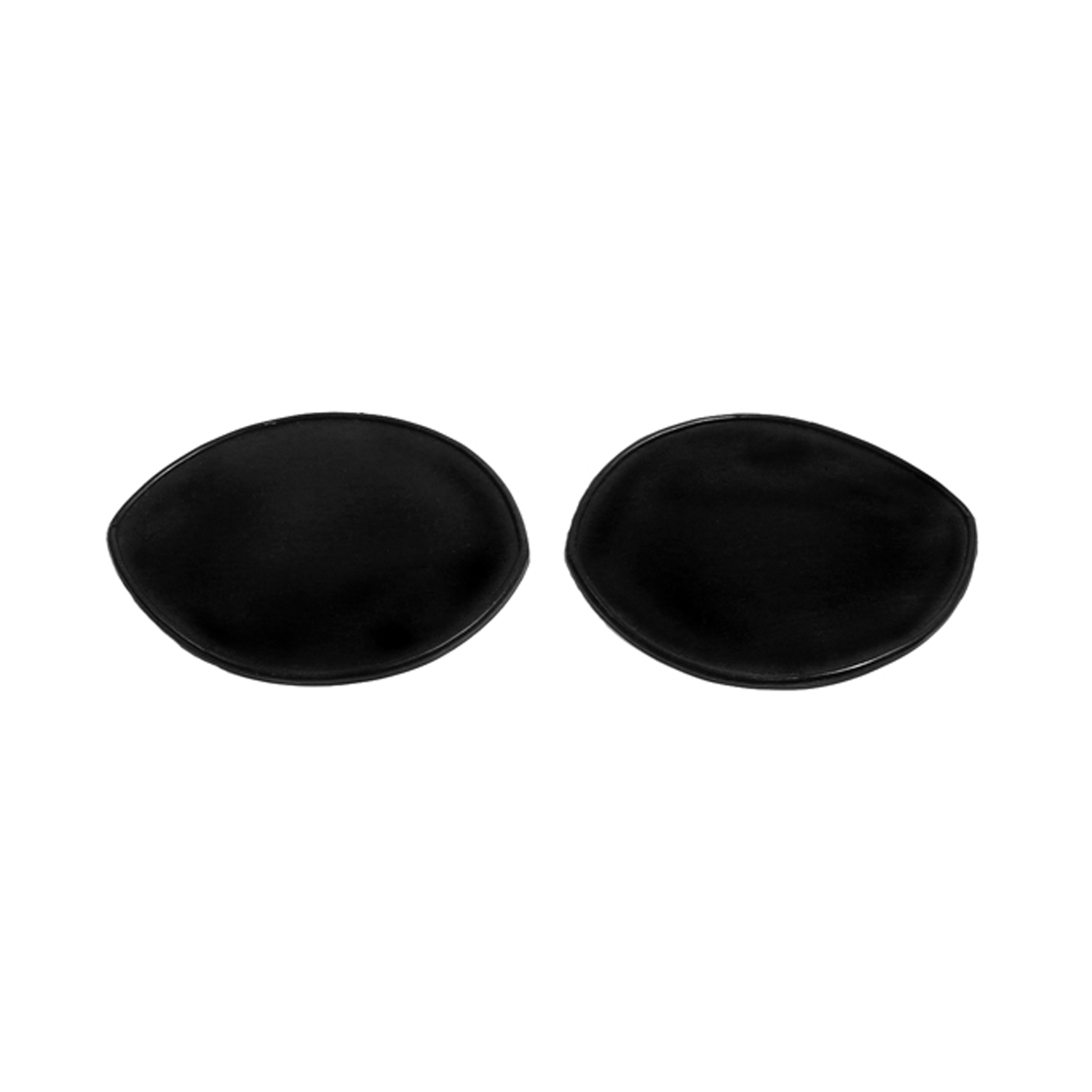 1931 Hupmobile Century Eight Model L Headlight Pads. 3-7/8" wide X 4-7/8" long. Pair-MP 7981-FHeadlight Pads. 3-7/8" wide X 4-7/8" long. Pair
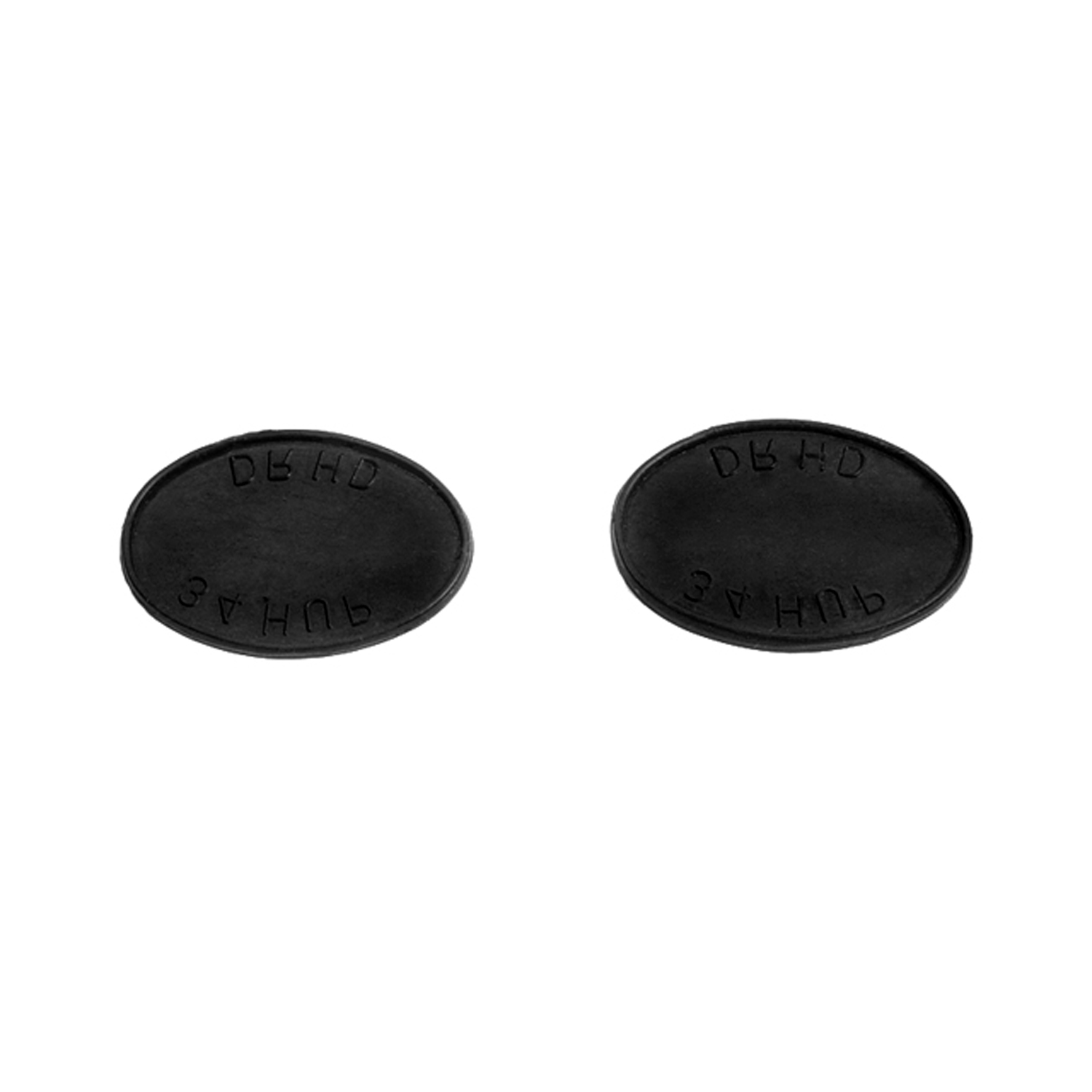 1931 Hupmobile Century Eight Model L Door Handle Pads. 1-9/16" x 2-1/8". Pair-MP 7981-GDoor Handle Pads. 1-9/16" x 2-1/8". Pair
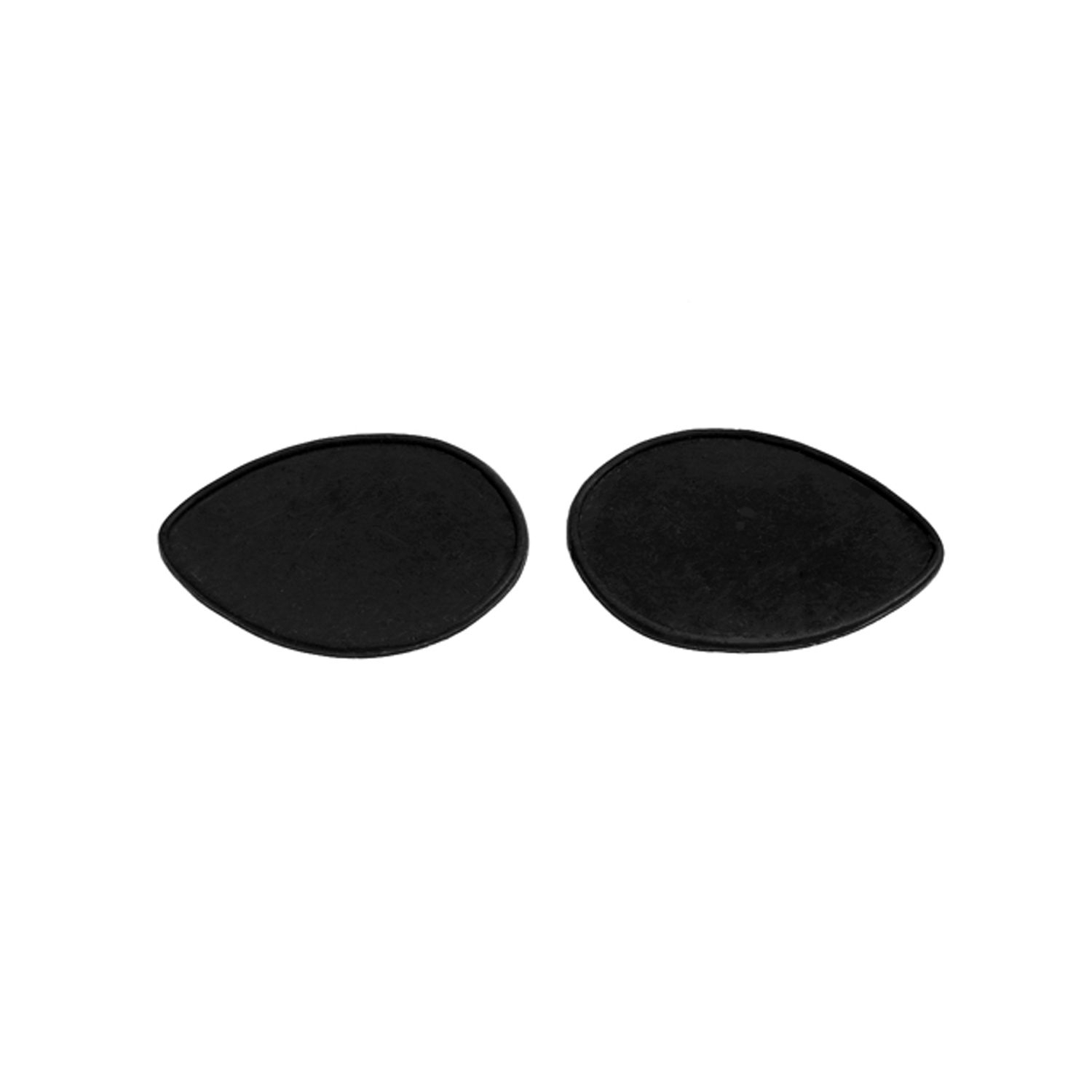 1931 Hupmobile Century Eight Model L Tail-light Pads. 2-3/8" wide X 3-1/2" long. Pair-MP 7981-HTail-light Pads. 2-3/8" wide X 3-1/2" long. Pair
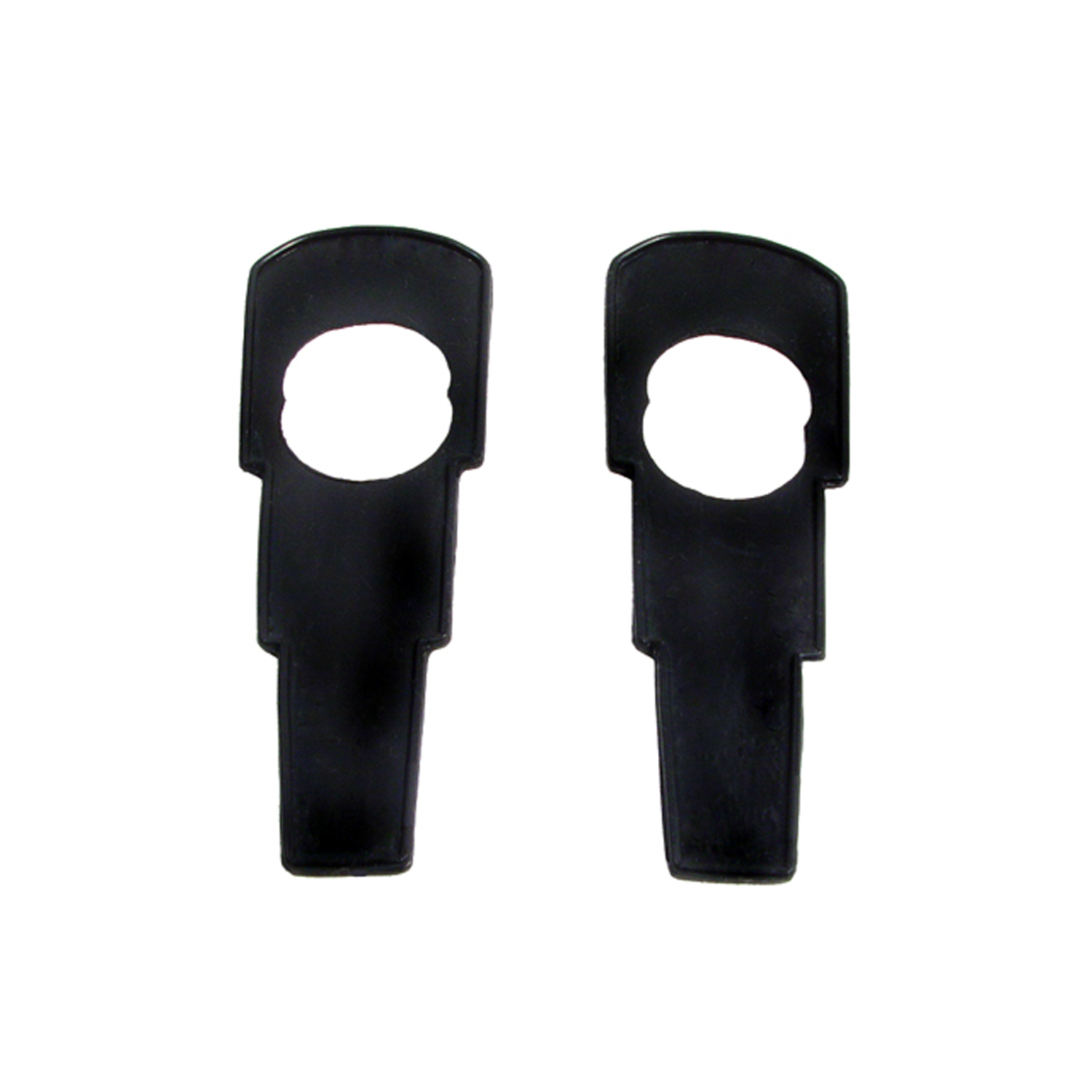 1931 Hupmobile Century Eight Model L Park Light Pads. Pair-MP 7981-JPark Light Pads. Pair
Why Choose Metro?
For over 100 years, Metro Moulded Parts has been the pinnacle of quality in classic car restoration parts. Our commitment to precision and authenticity in every component ensures a perfect fit and an OEM-level appearance.
- Expert Craftsmanship & Quality: Each part is a testament to our dedication to reliability and perfection, crafted from original designs and thoroughly tested.
- Advanced Technology: We use cutting-edge techniques to create flawless, long-lasting parts that surpass others in performance.
- SuperSoft Sponge – The Ultimate Door Seal: Not only are our door seals 30% softer than competitors', but they're also guaranteed to never leak. They effectively reduce wind and road noise, enhancing your classic car's comfort and driving experience.
- Proudly American: Our parts are a product of American craftsmanship, made in the USA with a spirit of excellence and heritage.
- Unrivaled Warranty: We back our products with a 30-year industry-leading warranty, a testament to our confidence in their quality.
Join us in preserving the legacy of classic cars with parts that are crafted for perfection, not just made.