

Image of 1959 Imperial Custom, Note: These illustrations use artistic license and may differ from actual historical models.
Performance Metrics
Fundamental Metrics
Emotional Appeal
MMP Rating
| Engine Specifications | |
|---|---|
| Engine: | 413 cu in (6.8 L) RB V8 |
| Displacement: | 413 cu in (6.8 L) |
| Horsepower: | 350 hp |
| Torque: | 470 lb-ft |
| Compression Ratio: | 10.0:1 |
| Ignition System: | Conventional points ignition system |
| Cooling System: | Liquid-cooled |
| Performance Specifications | |
| 0-60 Time: | 10 seconds |
| 1/4 Mile Time: | 17 seconds |
| Top Speed: | 125 mph |
| Transmission and Drive | |
| Drive Type: | Rear-wheel drive |
| Transmission Type: | 3-speed TorqueFlite automatic |
| Fuel and Efficiency | |
| Fuel System Type: | Carburetor |
| MPG: | 10-12 mpg |
| Dimensions and Brakes | |
| Brakes: | Power-assisted drum brakes |
| Wheelbase: | 129 in (3,277 mm) |
| Weight: | 4,800 lbs |
Note: Specifications for classic cars are given to the best of our ability, considering the limited and variant data available.
1959 Imperial Custom: Chrysler’s Fin-Tailed Flagship
The 1959 Imperial Custom turned a family-sized sedan into a rolling statement of American confidence, with towering tailfins, a massive V8 and the kind of chrome detailing that made subtlety seem beside the point. Built by Chrysler under its upscale Imperial marque, the Custom was the entry point to the 1959 Imperial range, but it was still a large, richly equipped luxury car aimed at buyers who might otherwise consider a Cadillac or Lincoln.
Imperial had become a separate marque in 1955, giving Chrysler a dedicated nameplate for its top-of-the-line cars. The 1959 models carried forward the dramatic “Forward Look” design language associated with Chrysler design chief Virgil Exner. A memorable detail was the pair of fin-mounted taillights, often described as gunsight-style lamps. They gave the rear of the car a distinctly futuristic appearance and made the Imperial recognizable from blocks away.
Forward Look Styling and Custom Trim
The Imperial Custom’s long hood, broad grille and sharp-edged bodywork announced its size before it even moved. At the front, quad headlamps sat in prominent housings beside a wide, intricately patterned grille. Bright trim traced the body’s horizontal lines, while the rear fenders rose into tall, blade-like fins crowned by prominent taillights. Compared with the more restrained shapes that would follow, the 1959 Imperial looked almost like a concept car put into production.
The Custom was not as lavishly trimmed as the upper Imperial LeBaron, but it remained a premium automobile. Its cabin offered generous space, broad seats and an expansive dashboard. Depending on the car’s original equipment and upholstery selection, buyers could find cloth, leather or combinations of materials, along with carefully finished trim. Power accessories were a major part of the Imperial experience: power steering and brakes were standard equipment, while items such as power windows, power seats, air conditioning and an automatic antenna could be specified.
Color choices varied by body and trim combination. Buyers could choose from solid colors and two-tone treatments, including period favorites such as white, black, red, blue and turquoise shades. Bright two-tone paint suited the car’s sculptural sides, while formal black or white gave it a more restrained, chauffeur-ready appearance. Original paint and upholstery combinations are worth checking against factory records when authenticity matters to a collector.
The 1959 Imperial Custom was principally offered as a four-door sedan with a fixed center roof pillar. That made it distinct from the pillarless “Southampton” hardtops offered elsewhere in the Imperial range. Buyers seeking a hardtop, convertible or more elaborate luxury trim could move up to Crown or LeBaron models. The Custom sedan was the practical choice in the lineup, but its size and presence made it anything but ordinary.
Engineering Behind the Imperial Name
Under the hood was Chrysler’s 413-cubic-inch V8, rated at approximately 350 horsepower and 470 lb-ft of torque in 1959. Power went through Chrysler’s three-speed TorqueFlite automatic transmission to the rear wheels. The engine’s generous displacement gave the Imperial the low-speed pulling power expected of a luxury car, while the transmission was known for smooth, decisive shifts when properly maintained.
Chrysler’s Torsion-Aire front suspension used torsion bars instead of conventional front coil springs. The arrangement helped the large car absorb uneven pavement while keeping its body under control. The rear suspension used leaf springs. Power steering and power-assisted drum brakes reduced the effort required to maneuver and stop a car that could weigh well over two tons, though the brakes still demand more distance and attention than modern disc systems.
Available technology reflected the era’s growing appetite for convenience. Power windows and seats, air conditioning and Chrysler’s Auto-Pilot cruise-control system could make long-distance travel more relaxed. Swivel front seats were another notable option. They turned outward to help occupants get in and out, a clever bit of showmanship that suited the Imperial’s forward-looking image.
Why the 1959 Imperial Mattered
The 1959 Custom arrived during the height of America’s fin era, when automakers used dramatic styling to distinguish their cars and signal technological optimism. The Imperial’s tailfins were among the most conspicuous of the period. They were not merely decorative details: they completed a visual design intended to make the car look longer, lower and more dramatic.
Imperial also stood apart from many rivals through its independent marque identity and distinctive styling. It was sold through Chrysler’s dealer network, but carried its own name and luxury-car positioning. The model demonstrated how far Chrysler was willing to go to compete at the top of the American market, combining an enormous engine and spacious body with a design that could not be mistaken for an ordinary Chrysler.
The 1959 model year is especially interesting because it represents the most exuberant phase of the late-1950s Imperial look. Later cars would evolve toward different proportions and styling themes. Today, the 1959 Custom is a vivid snapshot of an era when automakers treated design as spectacle and buyers expected luxury cars to make an entrance.
Performance and Road Manners
Period performance depended on equipment, vehicle condition and testing method, but a healthy 350-horsepower Imperial could reach 60 mph in roughly 10 seconds, with estimates often falling in the 10-to-11-second range. Top speed is generally estimated at around 120 mph. Those figures were impressive for a full-size luxury sedan of its weight, although acceleration was delivered with a smooth, steady surge rather than sports-car urgency.
On the road, the Imperial feels broad and substantial. The torsion-bar front suspension helps it glide over ordinary bumps, and its long wheelbase settles the car on open highways. It is most comfortable cruising at a relaxed pace, where the V8 turns quietly and the TorqueFlite does its work without fuss. The engine’s sound is a deep, muted rumble, not a sharp performance bark.
Winding roads call for a different approach. The car’s size, soft luxury tuning and period steering make it less nimble than a modern sedan. A driver needs to plan ahead, use smooth inputs and allow extra room for braking. In crosswinds, its large body can require more correction than a smaller car. Proper tires, suspension components and steering adjustments make a significant difference to how confidently it tracks.
Owning and Maintaining a 1959 Imperial
Today, most 1959 Imperial Customs are used as show cars, weekend cruisers or special-event vehicles rather than everyday transportation. A well-sorted example can handle local outings and highway trips, but its fuel consumption, size, drum brakes and age make modern daily driving a commitment. Parking and maneuvering in tight spaces also take practice.
The mechanical layout is familiar to many vintage Chrysler specialists, and routine jobs such as ignition service, fluids and basic engine maintenance are manageable for an experienced home mechanic. The bigger challenge is often finding correct body trim, glass, interior pieces and model-specific hardware. The cars are not impossible to restore, but rare or damaged brightwork can be costly to replace or repair.
Before buying, inspect the body and frame carefully for rust, especially around floors, rocker areas, wheel openings and structural mounting points. Check that the TorqueFlite shifts smoothly, the cooling system stays under control and the power steering and brakes operate properly. Electrical accessories, air conditioning and power windows should be tested one by one. A complete, well-maintained car is usually a better prospect than a cheap project missing hard-to-find trim.
Imperial Custom Facts and Myths
The Imperial’s signature tail lamps are one of its most talked-about details, perched high on the fins like small beacons. The available swivel seats are another conversation starter: they made entry and exit easier, but also delivered the sort of clever mechanical flourish that helped Chrysler distinguish its luxury cars.
The 1959 Imperial was not a racing special, and its main claim to fame was not a speed or endurance record. Its significance lies in its design, engineering and place in the luxury-car rivalry of the late 1950s. Nor should a celebrity connection be assumed simply because the car looks at home in a movie scene. Individual examples may have notable ownership histories, but those claims need documentation.
Common criticisms are practical ones. The car is exceptionally large, consumes fuel freely, and uses braking and steering technology that feels dated beside modern equipment. Its size can be intimidating in traffic, and restoration costs can rise quickly if the body, interior or rare trim needs extensive work. For enthusiasts, those drawbacks are part of the honest ownership picture, not reasons to overlook the car’s appeal.
Production, Rarity and Collector Values
Production figures commonly cited for the entire 1959 Imperial range total about 17,710 cars. The Custom four-door sedan accounted for approximately 1,728 of them, making it much less common than the total model-year figure might suggest. These are production estimates rather than a count of surviving, documented cars. The number of examples still on the road is far smaller, but no reliable universal survival count is available.
As a broad 2026 market guide, a project or incomplete car might sell for roughly $5,000 to $15,000. A usable driver often falls around $20,000 to $40,000, while a very good, correctly presented example may bring $45,000 to $75,000. Exceptional restorations can reach approximately $80,000 to $110,000 or more, depending on originality, documentation, condition and buyer interest. These are estimates, not guaranteed sale prices; auction results and regional demand can vary considerably.
Values are best understood as condition-sensitive rather than uniformly rising. Rare, well-restored examples with desirable original equipment have collector appeal, but restoration expenses can exceed the value of an average car. The strongest purchases tend to be complete cars with solid bodies, functioning systems and credible history. Compared with more famous luxury-car nameplates, the Imperial can offer dramatic styling for the money, though it may take longer to find the right buyer when it comes time to sell.
The 1959 Imperial Custom Today
The 1959 Imperial Custom combined Chrysler’s 413 V8, TorqueFlite automatic, torsion-bar front suspension and a remarkably bold body into a distinctive American luxury sedan. It was spacious and technically ambitious for its time, while its fins and high-mounted taillights made it one of the most memorable shapes of the late 1950s.
For collectors, the Custom offers a particularly appealing balance: it carries the full visual drama of the 1959 Imperial without needing the top trim level to make an impression. It is a big, charismatic car that rewards careful upkeep and an unhurried drive. More than six decades later, it still does exactly what its designers intended: it makes an ordinary arrival impossible.
1959 Imperial Custom Catalog of Parts
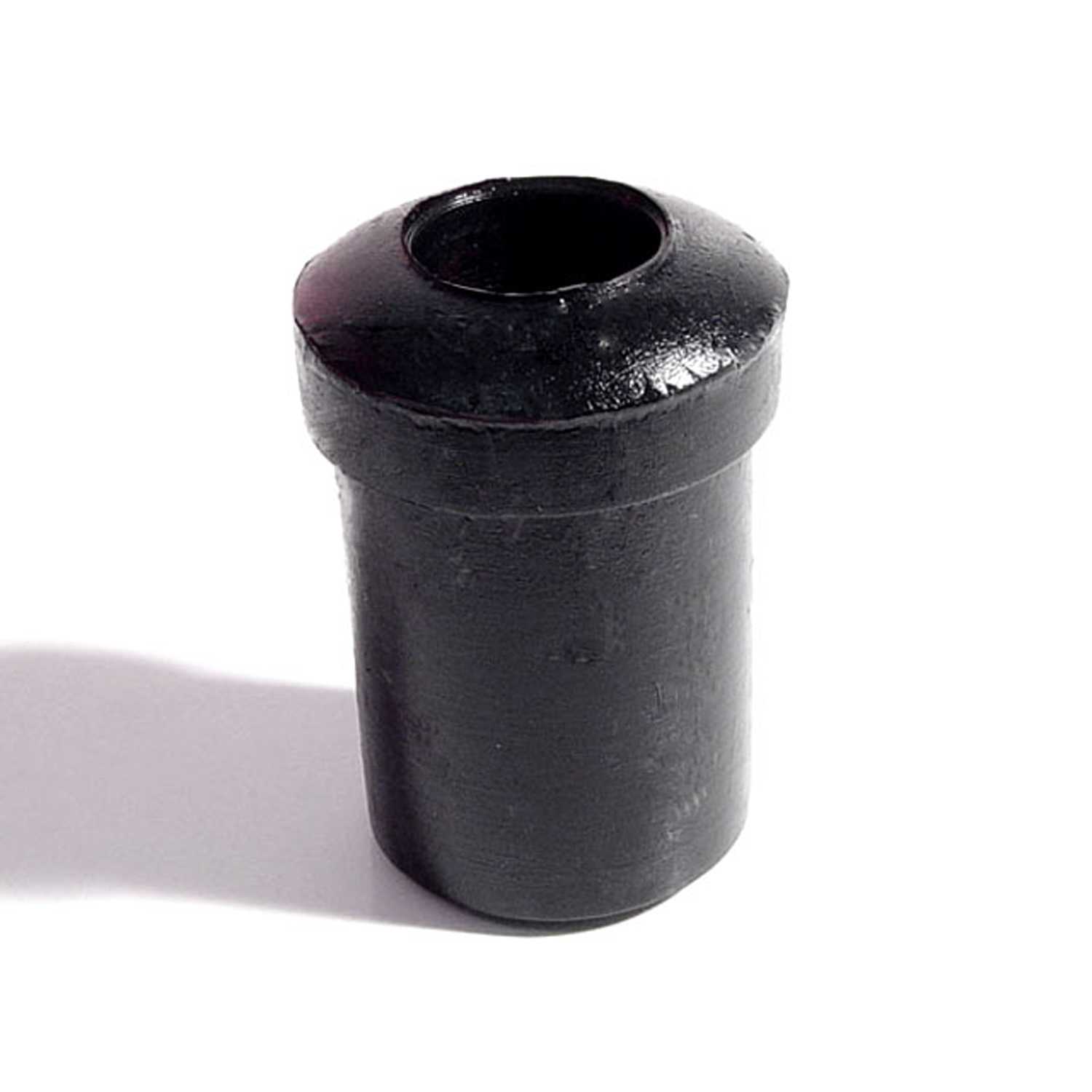 1959 IMPERIAL CUSTOM Spring and Shackle Bushing. 1" bottom O.D-BN 20Spring and Shackle Bushing. 1" bottom O.D. X 1-5/8" high, with 9/16" I.D. Each
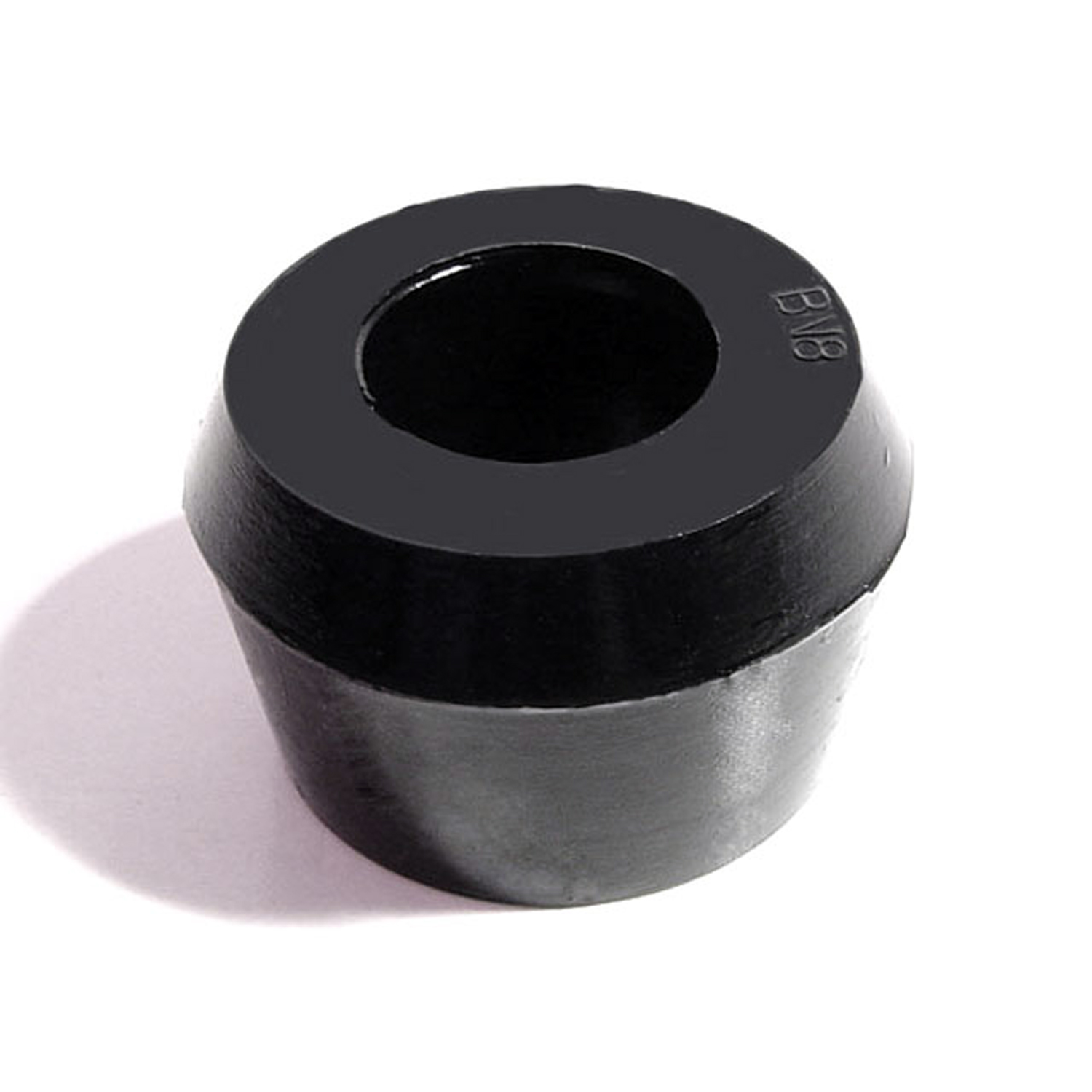 1959 IMPERIAL CUSTOM Shock Absorber Grommet. 1-1/4" bottom O.D-BN 8Shock Absorber Grommet. 1-1/4" bottom O.D., 1" high, with 3/4" I.D. Each
 1959 IMPERIAL CUSTOM Clutch and Brake Pedal Pads. 3" wide X 3-7/8" long. Pair-CB 27Clutch and Brake Pedal Pads. 3" wide X 3-7/8" long. Pair
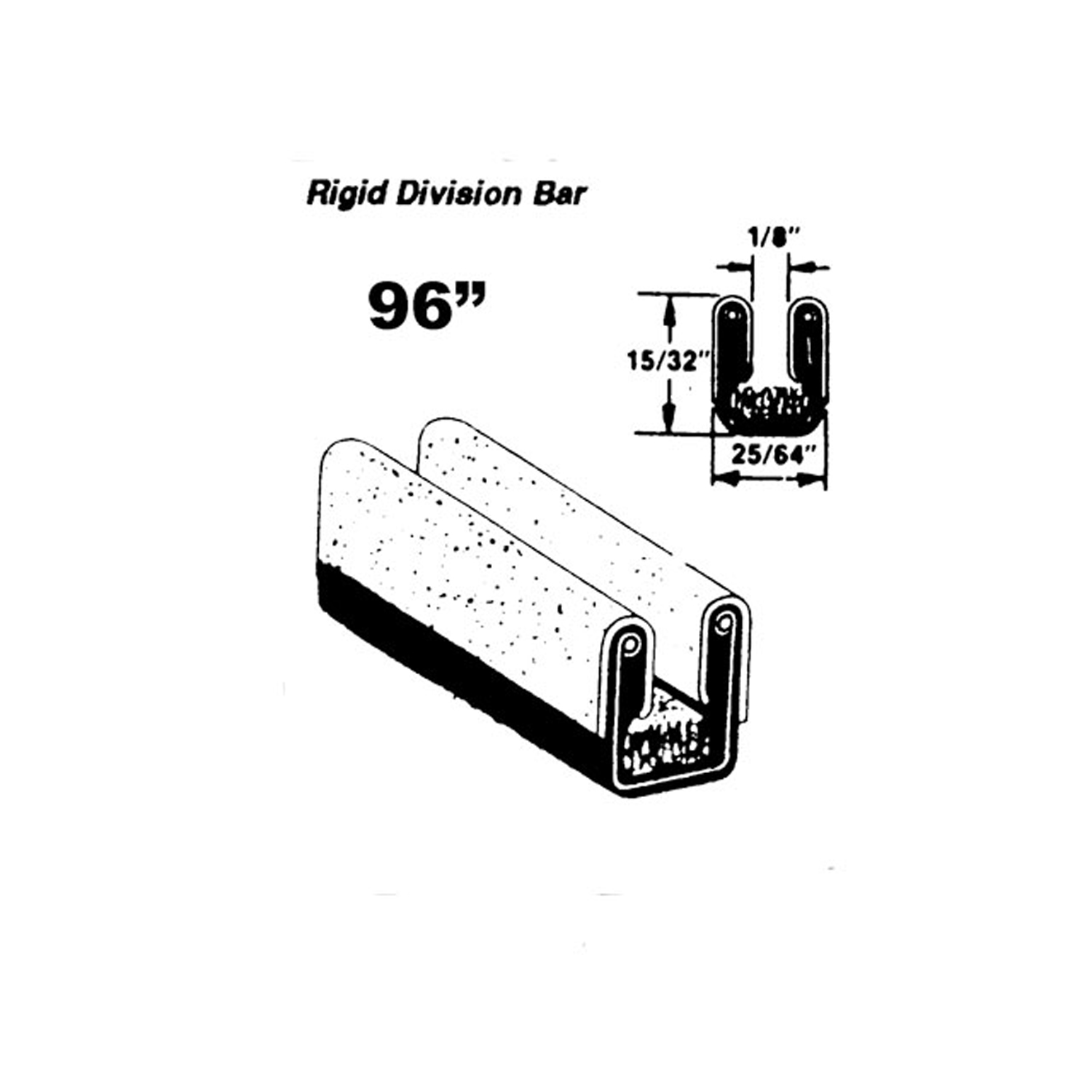 1959 IMPERIAL CUSTOM Rigid division-bar run channel-WC 31-96Rigid division-bar run channel. Made with very soft felt lining. Used on front and rear door side windows. 96 in. long. Each. NOTE: $20 special shipping charge applies for domestic orders. Call or email for overseas shipping costs. Part can be sectioned in two or three equal lengths to reduce overseas shipping costs.
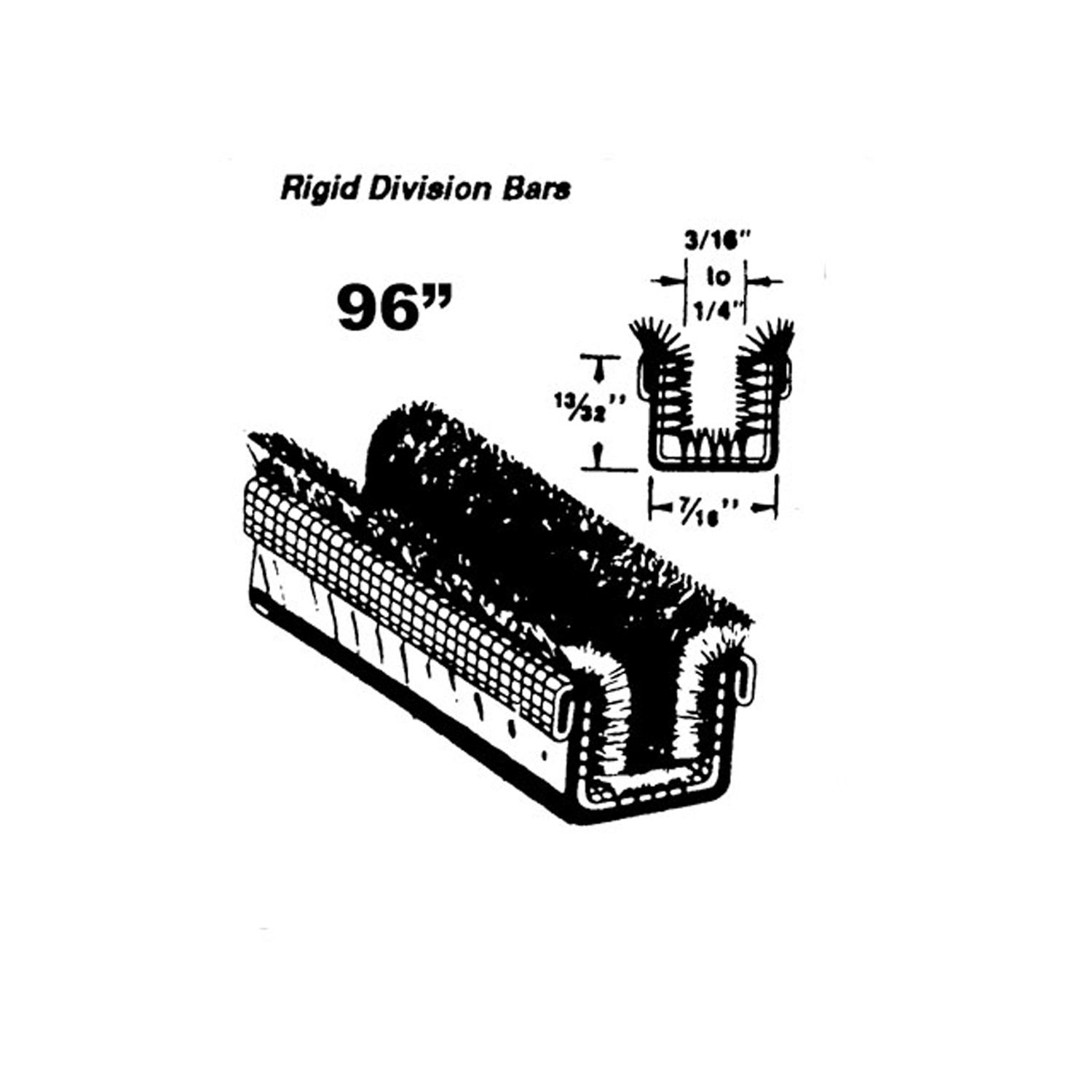 1959 IMPERIAL CUSTOM Rigid division-bar channel. Unbeaded. 96 in. long. Each-WC 41-96Rigid division-bar channel. Unbeaded. 96 in. long. Each. NOTE: $20 special shipping charge applies for domestic orders. Call or email for overseas shipping costs. Part can be sectioned in two or three equal lengths to reduce overseas shipping costs.
Why Choose Metro?
For over 100 years, Metro Moulded Parts has been the pinnacle of quality in classic car restoration parts. Our commitment to precision and authenticity in every component ensures a perfect fit and an OEM-level appearance.
- Expert Craftsmanship & Quality: Each part is a testament to our dedication to reliability and perfection, crafted from original designs and thoroughly tested.
- Advanced Technology: We use cutting-edge techniques to create flawless, long-lasting parts that surpass others in performance.
- SuperSoft Sponge – The Ultimate Door Seal: Not only are our door seals 30% softer than competitors', but they're also guaranteed to never leak. They effectively reduce wind and road noise, enhancing your classic car's comfort and driving experience.
- Proudly American: Our parts are a product of American craftsmanship, made in the USA with a spirit of excellence and heritage.
- Unrivaled Warranty: We back our products with a 30-year industry-leading warranty, a testament to our confidence in their quality.
Join us in preserving the legacy of classic cars with parts that are crafted for perfection, not just made.