
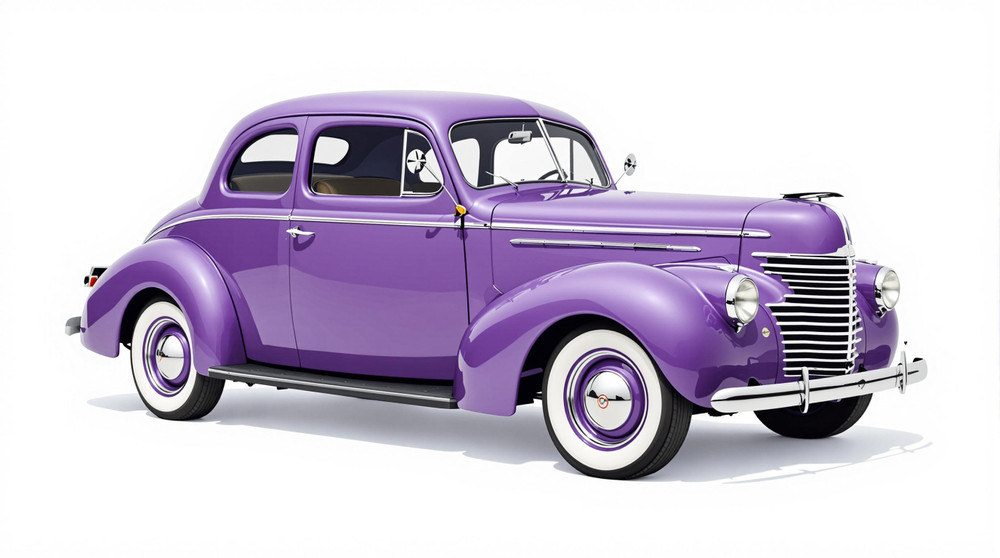
Image of 1940 International D-2, Note: These illustrations use artistic license and may differ from actual historical models.
Performance Metrics
Fundamental Metrics
Emotional Appeal
MMP Rating
| Engine Specifications | |
|---|---|
| Engine Options: | Inline 6 |
| Displacement Range: | 213 cubic inches |
| Horsepower Range: | Estimated 73-93 hp |
| Torque: | Not available |
| Compression Ratio: | Not available |
| Ignition System: | Distributor and coil |
| Cooling System: | Liquid-cooled |
| Performance Specifications | |
| 0-60 Time: | Not available |
| 1/4 Mile Time: | Not available |
| Top Speed: | 60-70 mph |
| Transmission and Drive | |
| Drive Type: | Rear-wheel drive |
| Transmission Type: | 3-speed manual |
| Fuel and Efficiency | |
| Fuel System Type: | Carburetor |
| MPG: | Not available |
| Dimensions and Brakes | |
| Brakes: | Hydraulic drum brakes |
| Wheelbase: | 113 inches |
| Weight: | 3,400 lbs |
Note: Specifications for classic cars are given to the best of our ability, considering the limited and variant data available.
1940 International D-2: A Prewar Pickup with Working-Class Roots
The 1940 International D-2 looks ready for the farm road, the lumberyard, or a long day hauling supplies, and that practical character is exactly what made it appealing. Built by International Harvester, the D-2 was a light-duty pickup from the company’s D-series truck line. International was already a familiar name in agriculture and commercial transport, and its trucks brought that work-first reputation to buyers who needed a vehicle smaller than a heavy delivery truck but sturdier than a passenger car.
The D-series arrived in the late 1930s, when American truck makers were giving utilitarian vehicles more streamlined styling and more comfortable cabs. The 1940 D-2 sits near the end of that chapter: International moved to its redesigned K-series trucks for 1941. One interesting detail is that the D-2 was not simply a farm implement with headlights. It was offered as a light commercial vehicle with a range of body configurations, allowing the same basic truck to serve businesses, farms, and private owners.
Art Deco Looks, Built for Work
The D-2 has the rounded, carefully shaped appearance associated with late-1930s trucks. Its tall front end and upright grille give it a purposeful face, while the rounded front fenders soften the outline. The hood and cab flow together more gracefully than on earlier, boxier work trucks. Details vary with equipment and body configuration, but the overall impression is compact, sturdy, and distinctly prewar.
Inside, the D-2 is straightforward rather than luxurious. The cab is an all-business space, with a broad bench seat, a simple instrument panel, and large, easy-to-read controls. Painted metal surfaces were part of the practical finish, while the seat upholstery and trim depended on the particular truck and its specification. The result is a cabin designed to be cleaned, repaired, and used, not coddled. A restored example may have fresh upholstery, but its basic character remains that of a working vehicle.
Factory paint and trim could vary by year, body, and order, so there is no single color that defines every 1940 D-2. Dark green, black, and red are familiar colors on surviving International trucks and restorations. Buyers today should distinguish a historically documented paint scheme from a later repaint, especially because commercial owners often chose colors to suit a business or fleet.
The D-2 is best known as a half-ton pickup, the body style most people picture when they hear the model name. International’s light-truck range also served buyers who needed commercial bodies such as panel or stake configurations, though availability depended on the chassis and order. For collectors, the conventional pickup is usually the most recognizable and easiest to appreciate as a classic truck.
International’s Place in Truck History
International Harvester was one of America’s major truck manufacturers, with deep roots in farm machinery and commercial equipment. That background shaped the D-2. It was intended to be useful first, with styling that made it look modern without sacrificing its work-truck purpose. At a time when buyers could choose among pickups from Ford, Chevrolet, Dodge, and other manufacturers, International offered a strong alternative backed by a well-established dealer and service network.
The D-2 was not a revolutionary technology showcase, and its importance lies less in a single invention than in the way it represented the changing light truck. By the late 1930s, pickups were becoming more than bare-bones tools. A smoother exterior, enclosed cab, and more considered driving position made them easier to live with, while conventional truck construction kept them suited to hauling and daily labor. The D-series helped bridge the gap between earlier, more utilitarian trucks and the more modern postwar pickups that followed.
Its timing also gives it historical interest. The 1940 model belongs to the last period of American civilian vehicle development before wartime restrictions reshaped the industry. It is a snapshot of prewar truck design: practical, mechanically understandable, and styled with just enough flourish to stand out in a row of work vehicles.
Engine, Speed, and Road Manners
A typical 1940 D-2 is associated with International’s Green Diamond inline-six, commonly listed at about 213 cubic inches and approximately 78 horsepower. Exact specifications can vary with production details and later engine swaps, so a collector should verify the engine number and components on an individual truck. Power went to the rear wheels through a manual transmission, with a three-speed gearbox typical of the period.
There is no dependable modern-style factory 0-to-60-mph figure for the D-2. In original condition, acceleration is slow by present-day standards, and a loaded truck will feel slower still. A reasonable real-world expectation is that it may take well over 30 seconds to approach 60 mph, if the gearing, engine condition, tires, and road allow it. Top speed is similarly condition-dependent; roughly 50 to 60 mph is a useful estimate, not a promise. Many owners will find that the truck is happiest at a more relaxed cruising speed.
The D-2’s solid, work-oriented suspension and period tires give it a different feel from a modern pickup. On rough roads, the ride can be firm when unloaded, with the rear end especially lively over bumps. Add cargo and the truck settles into its job more naturally. Steering requires more effort and attention than a modern vehicle, and narrow roads or sharp bends call for measured inputs rather than quick corrections.
From behind the wheel, the engine’s steady six-cylinder note is part of the experience. The three-speed transmission asks the driver to make deliberate shifts, while the high seating position and upright windshield provide a commanding view of the road. Braking, steering, and acceleration all require anticipation. A well-sorted D-2 can be enjoyable on local roads and at modest speeds, but it is not designed for fast modern traffic or long-distance highway cruising.
Living with a 1940 D-2
Today, most D-2s are used as show vehicles, parade trucks, weekend drivers, or rolling pieces of family and local history. Some remain useful for light hauling, but regular heavy work is better left to a newer truck. Their compact size and straightforward appearance make them especially popular at vintage vehicle gatherings, where they stand apart from the more common Ford and Chevrolet pickups.
Maintenance is relatively approachable for an owner comfortable with older mechanical systems. The engine, manual transmission, rear-wheel-drive layout, and leaf-spring suspension are familiar to vintage-truck specialists, and many routine tasks can be handled with standard tools. The challenge is often finding correct parts rather than understanding the design. Body panels, trim, gauges, and model-specific pieces can take more patience to locate than common service items.
Reliability depends heavily on restoration quality and upkeep. A sound engine and properly maintained cooling, fuel, ignition, brake, and electrical systems can make the truck dependable for occasional use. Age-related wiring, worn steering components, old tires, and neglected brakes deserve careful inspection before road use. A pre-purchase check should also look for cab and frame corrosion, poor-quality repairs, and signs that a replacement engine or transmission has been fitted.
Facts, Myths, and Common Complaints
The 1940 D-2 is valued more for its everyday historical character than for a famous racing record or celebrity connection. No widely documented speed or endurance record defines the model. Its more compelling story is the ordinary one: International trucks helped farms and small businesses move goods in an era when a reliable pickup could be central to a working life.
One common criticism is that the D-2 can feel underpowered and slow, particularly when compared with modern traffic. That is fair, but it reflects the priorities of its time. It was designed to carry useful loads at practical speeds, not to deliver brisk acceleration. Owners may also find the ride stiff when empty and the cabin noisy by modern standards. Those limitations are part of the experience, though they should not be mistaken for defects in a properly maintained truck.
Collector Value and Availability
Model-specific production totals for the 1940 D-2 are not readily established in commonly available records. As a cautious estimate rather than a factory figure, production for the model year may have been in the several-thousand range, perhaps around 5,000 to 10,000 trucks. That estimate should be treated as an order-of-magnitude guess, not a verified count. The D-2 is uncommon compared with the most widely collected Ford and Chevrolet pickups, but it is not so rare that examples never appear for sale.
As a broad 2026 U.S. market guide, a project truck may fall around $5,000 to $12,000, depending on completeness, rust, and title status. A running, presentable driver might bring roughly $12,000 to $25,000, while a high-quality restoration or especially appealing original example could reach approximately $25,000 to $40,000 or more. These are estimates, not appraisals. Condition, originality, body style, documentation, and the quality of the restoration can shift the price substantially.
Values for well-presented vintage pickups have generally benefited from continued interest in prewar vehicles, but the D-2 remains a specialist purchase. Its value can rise with careful restoration and growing appreciation for less common marques, yet it is unlikely to match the broad buyer demand for the best-known Chevrolet and Ford models. Buyers should focus on condition and authenticity rather than assuming rarity alone guarantees a premium.
Why the 1940 International D-2 Still Matters
The 1940 International D-2 combines late-1930s styling, practical engineering, and the sturdy identity of a manufacturer deeply connected to American work life. It is not fast, plush, or effortless to drive by modern standards. Its appeal is more direct: a distinctive prewar pickup that shows how trucks were becoming more comfortable and stylish while remaining honest tools for farms and businesses.
For collectors who want something beyond the usual Ford or Chevrolet, the D-2 offers real character and a rewarding connection to International Harvester’s history. It may have been built to work, but nearly a century later, it has earned a second job: reminding us that a good truck can be both a practical machine and a memorable piece of automotive design.
1940 International D-2 Catalog of Parts
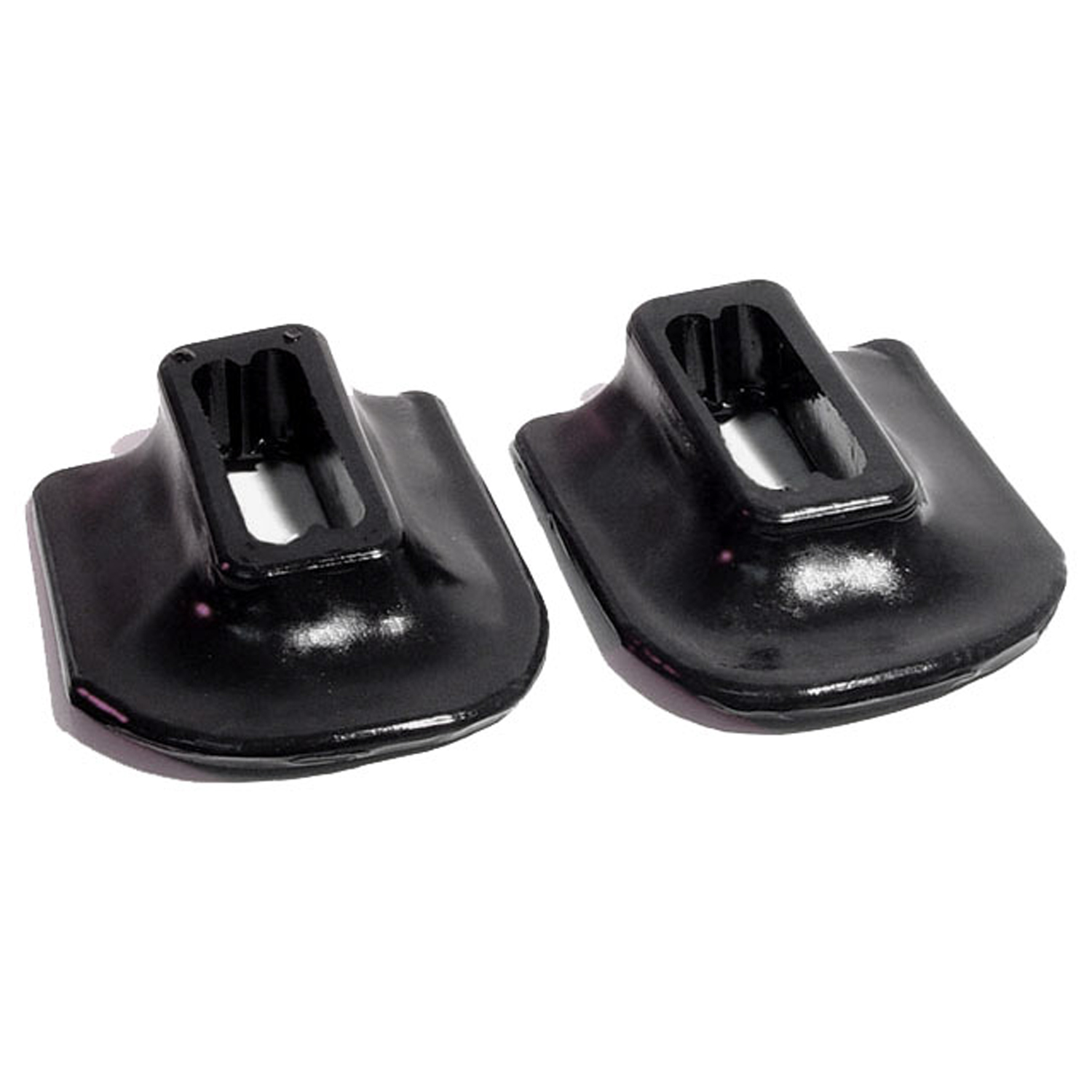 1940 INTERNATIONAL D-2 Front Bumper Arm Grommets. Perfect reproduction-BG 97Front Bumper Arm Grommets. Perfect reproduction. 2-5/8" wide X 3-1/8" long, with 1-3/4" long inner slot. Pair
 1940 INTERNATIONAL D-2 Trim Ring Lens Seals. Rubber. 7-3/4" O.D., 7-1/8" I.D-HR 10Trim Ring Lens Seals. Rubber. 7-3/4" O.D., 7-1/8" I.D. Pair
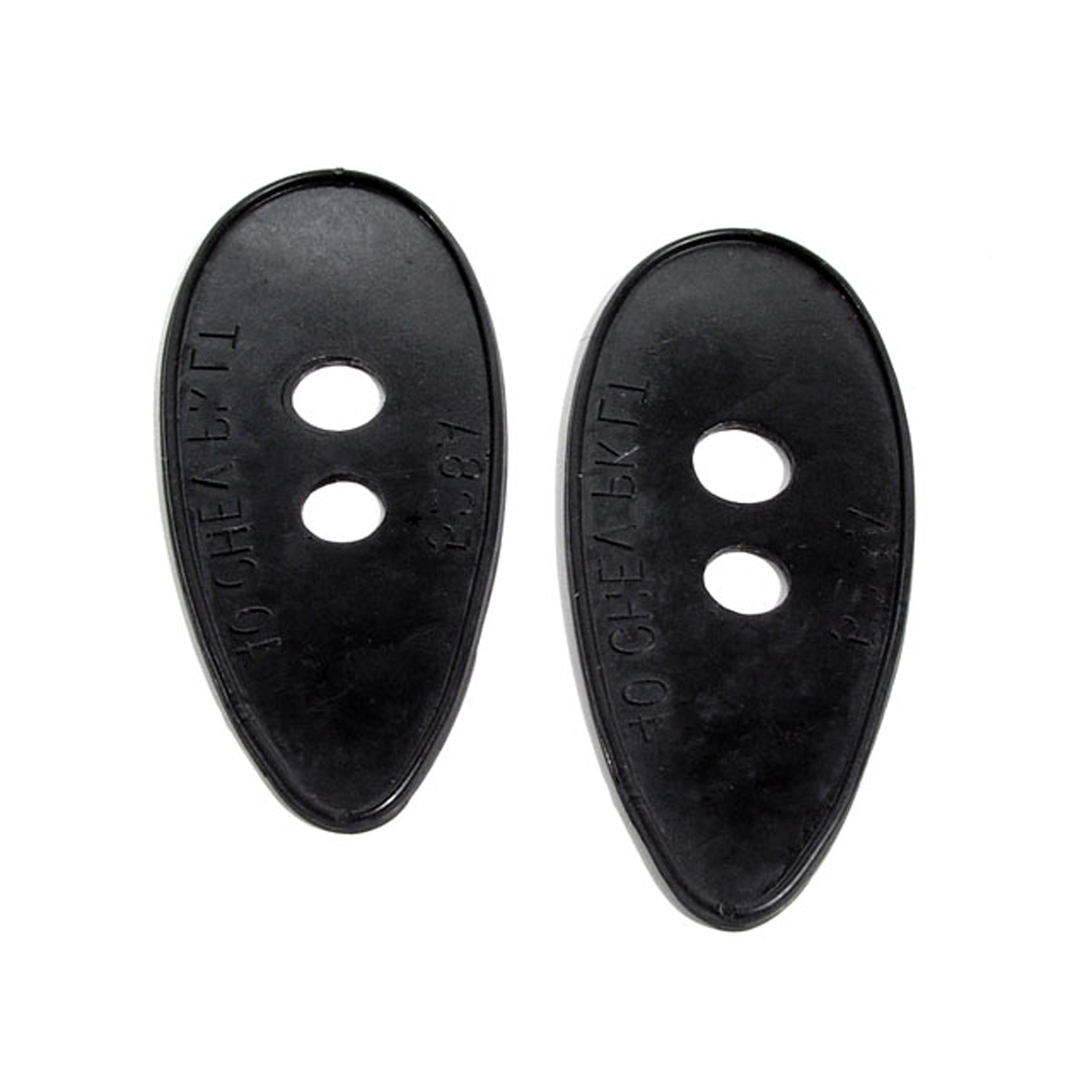 1940 INTERNATIONAL D-2 Park Light Pads. 1-3/4" wide X 4" long. Pair-MP 528-APark Light Pads. 1-3/4" wide X 4" long. Pair
Why Choose Metro?
For over 100 years, Metro Moulded Parts has been the pinnacle of quality in classic car restoration parts. Our commitment to precision and authenticity in every component ensures a perfect fit and an OEM-level appearance.
- Expert Craftsmanship & Quality: Each part is a testament to our dedication to reliability and perfection, crafted from original designs and thoroughly tested.
- Advanced Technology: We use cutting-edge techniques to create flawless, long-lasting parts that surpass others in performance.
- SuperSoft Sponge – The Ultimate Door Seal: Not only are our door seals 30% softer than competitors', but they're also guaranteed to never leak. They effectively reduce wind and road noise, enhancing your classic car's comfort and driving experience.
- Proudly American: Our parts are a product of American craftsmanship, made in the USA with a spirit of excellence and heritage.
- Unrivaled Warranty: We back our products with a 30-year industry-leading warranty, a testament to our confidence in their quality.
Join us in preserving the legacy of classic cars with parts that are crafted for perfection, not just made.