
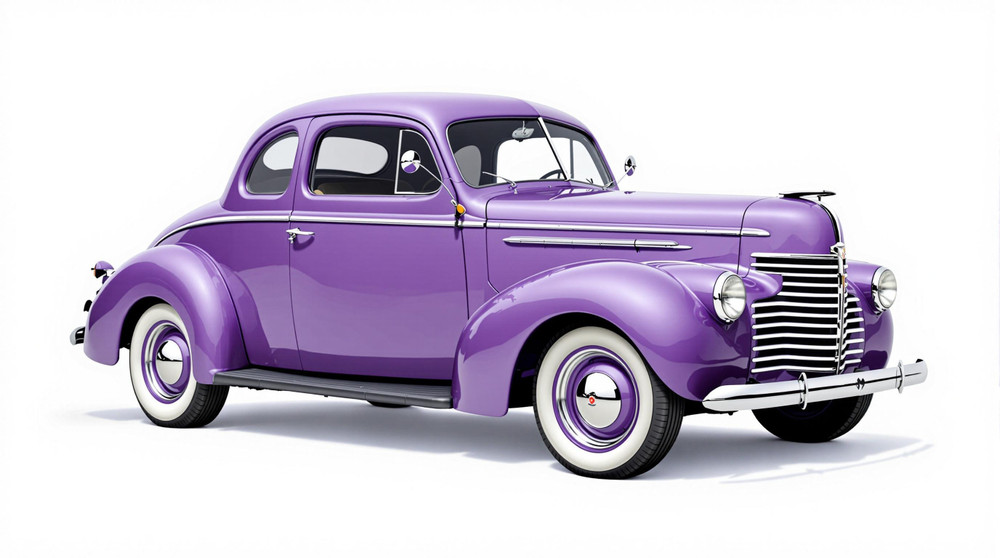
Image of 1940 International K-3, Note: These illustrations use artistic license and may differ from actual historical models.
Performance Metrics
Fundamental Metrics
Emotional Appeal
MMP Rating
| Engine Specifications | |
|---|---|
| Engine: | International Harvester Green Diamond flathead inline-six |
| Displacement: | 214 cubic inches |
| Horsepower: | Estimated 73-93 hp |
| Torque: | 170 lb-ft |
| Compression Ratio: | Estimated 6.5:1 |
| Ignition System: | Battery Ignition |
| Cooling System: | Liquid-cooled |
| Performance Specifications | |
| 0-60 Time: | Not available due to the vehicle's age and purpose |
| 1/4 Mile Time: | Not available due to the vehicle's age and purpose |
| Top Speed: | 50-55 mph |
| Transmission and Drive | |
| Drive Type: | Rear-wheel drive |
| Transmission Type: | 3-speed manual |
| Fuel and Efficiency | |
| Fuel System Type: | Carburetor |
| MPG: | Estimated 10-15 mpg |
| Dimensions and Brakes | |
| Brakes: | Hydraulic drum brakes |
| Wheelbase: | 125 inches |
| Weight: | 3,400 lbs |
Note: Specifications for classic cars are given to the best of our ability, considering the limited and variant data available.
1940 International K-3: A One-Ton Workhorse with Character
The 1940 International K-3 was built to earn its keep, with sturdy truck engineering wrapped in one of the most recognizable American commercial designs of its era. Manufactured by International Harvester, it belonged to the company’s new K-series range, a family of trucks introduced in 1940 to serve farms, businesses, municipalities, and independent haulers.
The K-3 was generally a one-ton truck, positioned above International’s lighter K models and below its heavier commercial offerings. Buyers could order it as a chassis and cab, then fit it with a body for the job at hand. That adaptability is a big part of its appeal today: surviving K-3s can appear as restored pickups, flatbeds, stake trucks, service vehicles, or custom builds.
Its timing gives the K-3 an added historical dimension. The model arrived just before the United States entered World War II, when industrial priorities and civilian vehicle production were soon reshaped by wartime demand. One intriguing detail is that the K-series’ practical, adaptable chassis made it useful for much more than private ownership. Trucks like these served local businesses and farms, and could be configured for a wide variety of commercial duties.
Distinctive K-Series Styling and Cab
The K-3 wears the confident, upright look that defined many prewar American trucks. Its broad hood leads into a prominent front grille, while rounded front fenders soften the otherwise purposeful shape. Separate headlamps, a tall windshield, and a simple, upright cab give it a face that looks both substantial and approachable. The proportions are unmistakably 1940s: long hood, high stance, and a driver seated well above the road.
International designed the truck for utility rather than ornament. The cab is straightforward, with a painted metal dashboard, clear instruments, and simple controls. Depending on its original specification and later restoration, upholstery might be plain cloth or vinyl-style material. Expect a functional cabin, not the plush trim or sound insulation of a modern vehicle. The steering wheel, pedals, and gear lever are large and easy to operate, though the driving position can feel cramped by present-day standards.
Paint choices depended on the order, body, and intended use. Dark green, red, black, and blue are familiar colors seen on period trucks and restorations, while fleet and municipal vehicles often wore company or town colors. There is no single color that defines every K-3, and a carefully researched restoration should use documentation from the specific truck when available.
The K-3 was principally a chassis-and-cab platform rather than a single fixed body style. It could be fitted with a pickup or platform body, stake sides, a service body, or other commercial equipment. A handsome pickup-style restoration is perhaps the most familiar sight at shows, but the flatbed or stake-bed version best reflects the truck’s original working purpose.
Engineering in Its Historical Moment
The K-series represented a fresh design direction for International Harvester’s truck line. Its updated styling and range of chassis configurations gave buyers a modern-looking vehicle without sacrificing the straightforward construction commercial owners valued. The K-3 was not a radical technological breakthrough, but its usefulness lay in combining a robust chassis, conventional mechanical systems, and many possible body applications.
That practical formula set it apart from a passenger car adapted for hauling. The K-3 was engineered around work: carrying loads, supporting commercial bodies, and being serviced by mechanics who needed durable, understandable components. Its lasting influence is less about a single invention than about a design approach that became central to the American truck market: offer a dependable platform, then let the owner tailor it to the job.
Typical K-3 configurations used a front-mounted inline-six engine, a manual transmission, rear-wheel drive, and solid axles with leaf springs. Exact specifications varied with model year and equipment. Many examples are associated with International’s Green Diamond six-cylinder engines, with displacement and output depending on the particular configuration. As with any vintage commercial vehicle, the engine currently fitted may not be the one installed at the factory.
Performance and Road Manners
The K-3 was built for useful pulling power and steady work, not quick acceleration. Period power ratings varied by engine, and original factory performance figures are not consistently available for every configuration. A reasonable road estimate for a sound, lightly loaded example is a top speed in the neighborhood of 50 to 60 mph. Acceleration from 0 to 60 mph would be slow, likely taking well over 25 seconds and potentially much longer with a load. Those figures are estimates, not guaranteed specifications.
On a smooth road, the truck feels deliberate and mechanical. The inline-six produces a low, steady rumble, while the manual gearbox asks the driver to plan shifts rather than rush them. Steering is typically heavier than in a modern vehicle, especially at low speed, and braking requires more anticipation. The K-3 rewards a measured driving style.
Its solid axles and leaf springs were designed for carrying weight, so an unladen truck can ride firmly over bumps. With cargo aboard, the suspension settles and feels more composed. On winding roads, the tall stance and period steering call for calm inputs. Crosswinds can push the broad body around, particularly when it is carrying a high-sided load. It is not a truck for hurried cornering, but it can be enjoyable on back roads when driven within its limits.
Living with a 1940 K-3
Today, most K-3s are used as show vehicles, parade trucks, occasional weekend drivers, or restored business and farm displays. Some owners keep them working with light-duty hauling, but regular use requires careful attention to brakes, tires, steering, and cooling. A 1940 truck should not be treated like a modern pickup, especially in traffic or at highway speeds.
Routine maintenance is approachable for an owner comfortable with older vehicles. The mechanical layout is relatively simple, and many jobs can be handled with standard tools and a service manual. The larger challenges are often finding correct parts, repairing decades of wear, and tracking down body or trim pieces. Engine and chassis components may be easier to source than model-specific sheet metal and cab details.
Reliability depends heavily on the quality of the restoration and the truck’s storage history. Before buying, inspect the frame, cab corners, floor, running boards, and bed for corrosion or poor repairs. Check the cooling system, clutch, steering play, brakes, and charging system. A truck that starts and moves under its own power may still need substantial work before it is safe for regular road use.
Noteworthy K-3 Facts
The K-3 is a commercial truck, not a passenger car, and its identity is tied to the task-specific body installed on its chassis. That means two trucks with the same model designation can look quite different. It also explains why restored examples range from tidy pickups to rugged stake-bed work trucks.
There is no widely recognized speed, sales, or endurance record associated specifically with the 1940 K-3. Its historical importance is more everyday than headline-grabbing: trucks from this period moved farm supplies, building materials, tools, and local deliveries across the country. Nor is there a well-established celebrity ownership story that defines the model.
Common criticisms are familiar to anyone who has driven a prewar truck. The cab is basic, the ride can be stiff, braking and steering demand more effort, and highway pace is modest. Parts availability can also be uneven. Those limitations are part of the K-3’s character, but they are important considerations for anyone expecting modern comfort or performance.
Collector Values and Availability
There is no dependable published production total for the 1940 K-3 alone. International produced K-series trucks in multiple sizes and configurations, and surviving records do not always provide a clear model-by-model count. As a rough, explicitly speculative estimate, K-3 production across its run may have been somewhere in the tens of thousands, perhaps around 10,000 to 30,000 units. That is a working estimate, not a documented factory figure.
Survivors are available, but the K-3 is less common on the market than familiar mass-market pickups from the same era. Condition, originality, body style, and restoration quality make a major difference in value. As a broad current-market guide, a project truck might sell for roughly $5,000 to $12,000, a usable driver for about $12,000 to $25,000, and a well-restored example for approximately $25,000 to $45,000. An exceptional, highly original, or unusually well-presented truck could exceed that range, while a modified or incomplete example may fall below it. These are estimates, and local demand can shift prices substantially.
Values tend to reward quality and authenticity more than dramatic modifications. The market for prewar commercial vehicles is smaller than the market for iconic passenger cars, so prices can be less predictable. Well-documented restorations and unusual original bodies are likely to attract the most interest, while the best examples should hold value better than rough projects. Overall, the K-3 is better viewed as a characterful collector truck than as a guaranteed investment.
Why the 1940 International K-3 Still Matters
The 1940 International K-3 combines distinctive prewar styling with the straightforward engineering of a truck built for real work. It offered a practical chassis, adaptable body choices, and the sturdy feel that made International Harvester a major name in commercial vehicles. It is not fast, luxurious, or especially forgiving by modern standards, but it has an honest presence that polished passenger cars often lack.
For collectors, the K-3’s appeal is in its versatility and its connection to everyday American work before and during a period of enormous change. Whether restored as a sharp pickup or preserved as a weathered flatbed, it remains a rolling reminder that some of the most memorable vehicles were never designed to be glamorous. They were designed to get the job done.
1940 International K-3 Catalog of Parts
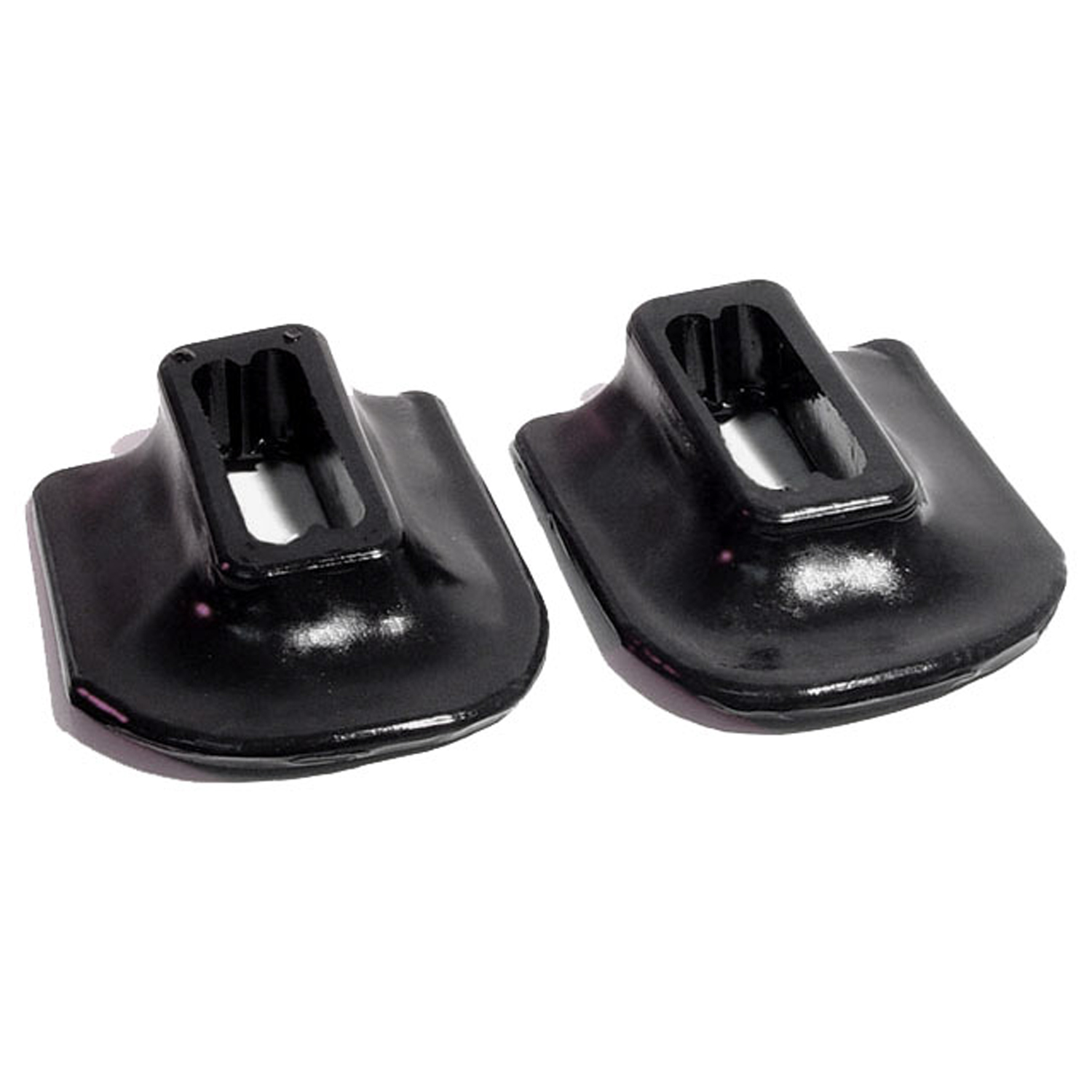 1940 INTERNATIONAL K-3 Front Bumper Arm Grommets. Perfect reproduction-BG 97Front Bumper Arm Grommets. Perfect reproduction. 2-5/8" wide X 3-1/8" long, with 1-3/4" long inner slot. Pair
 1940 INTERNATIONAL K-3 Trim Ring Lens Seals. Rubber. 7-3/4" O.D., 7-1/8" I.D-HR 10Trim Ring Lens Seals. Rubber. 7-3/4" O.D., 7-1/8" I.D. Pair
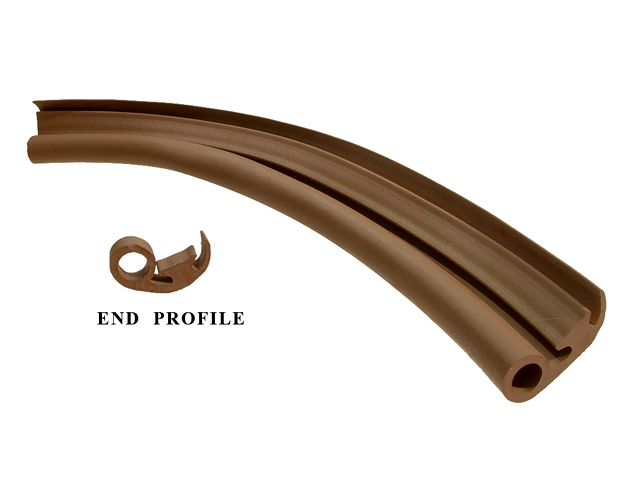 1940 INTERNATIONAL K-3 Door Cab Seal, Brown. Sold by the foot.-LP 103-A/BRDoor Cab Seal, Brown. Sold by the foot.
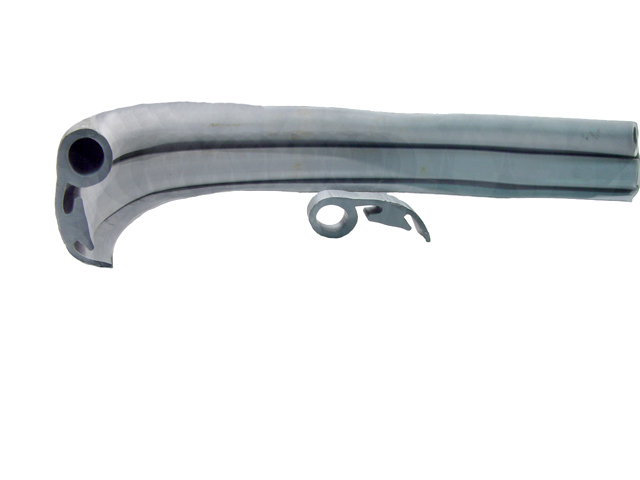 1940 INTERNATIONAL K-3 Door Cab Seal, Gray. Sold by the foot.-LP 103-A/GRDoor Cab Seal, Gray. Sold by the foot.
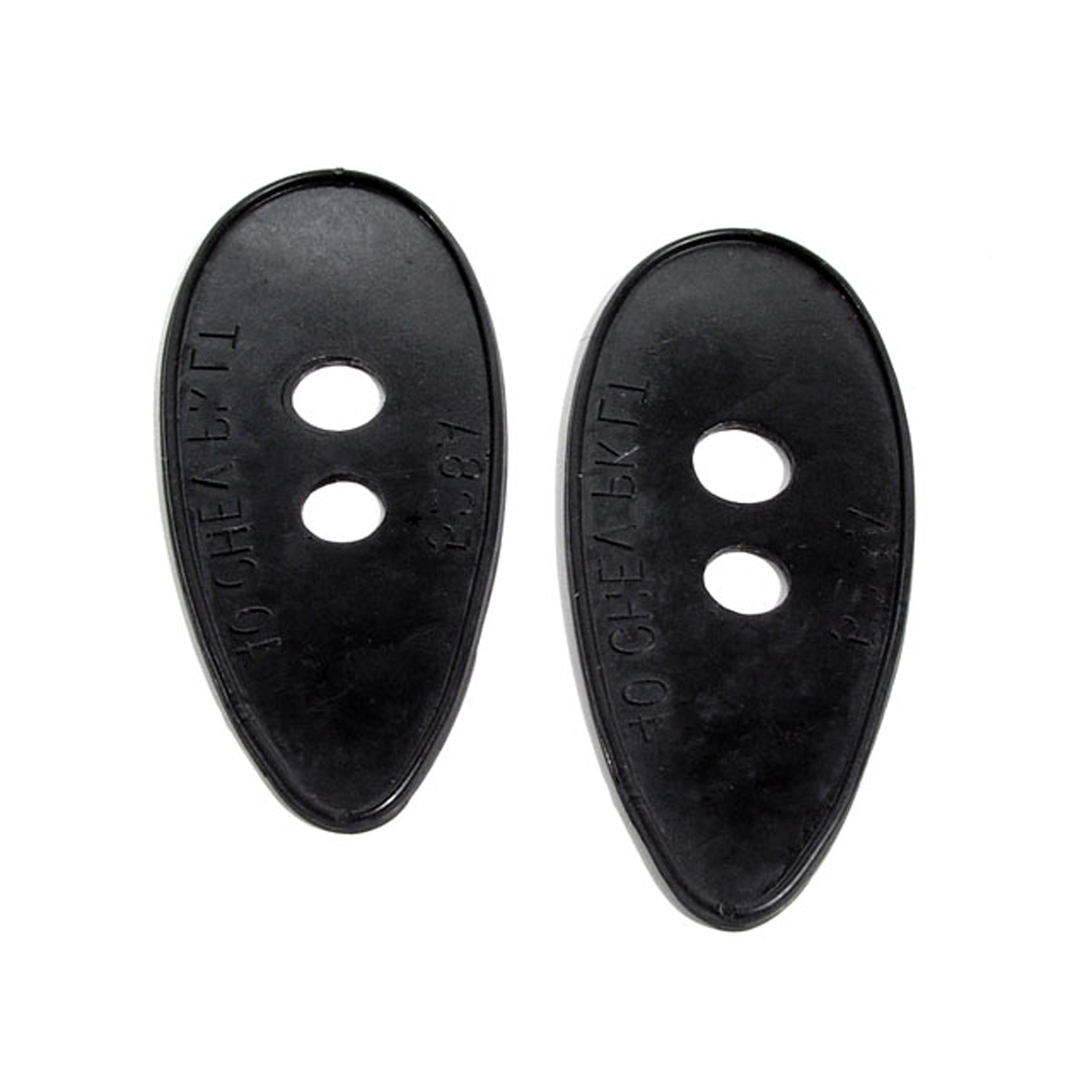 1940 INTERNATIONAL K-3 Park Light Pads. 1-3/4" wide X 4" long. Pair-MP 528-APark Light Pads. 1-3/4" wide X 4" long. Pair
Why Choose Metro?
For over 100 years, Metro Moulded Parts has been the pinnacle of quality in classic car restoration parts. Our commitment to precision and authenticity in every component ensures a perfect fit and an OEM-level appearance.
- Expert Craftsmanship & Quality: Each part is a testament to our dedication to reliability and perfection, crafted from original designs and thoroughly tested.
- Advanced Technology: We use cutting-edge techniques to create flawless, long-lasting parts that surpass others in performance.
- SuperSoft Sponge – The Ultimate Door Seal: Not only are our door seals 30% softer than competitors', but they're also guaranteed to never leak. They effectively reduce wind and road noise, enhancing your classic car's comfort and driving experience.
- Proudly American: Our parts are a product of American craftsmanship, made in the USA with a spirit of excellence and heritage.
- Unrivaled Warranty: We back our products with a 30-year industry-leading warranty, a testament to our confidence in their quality.
Join us in preserving the legacy of classic cars with parts that are crafted for perfection, not just made.