
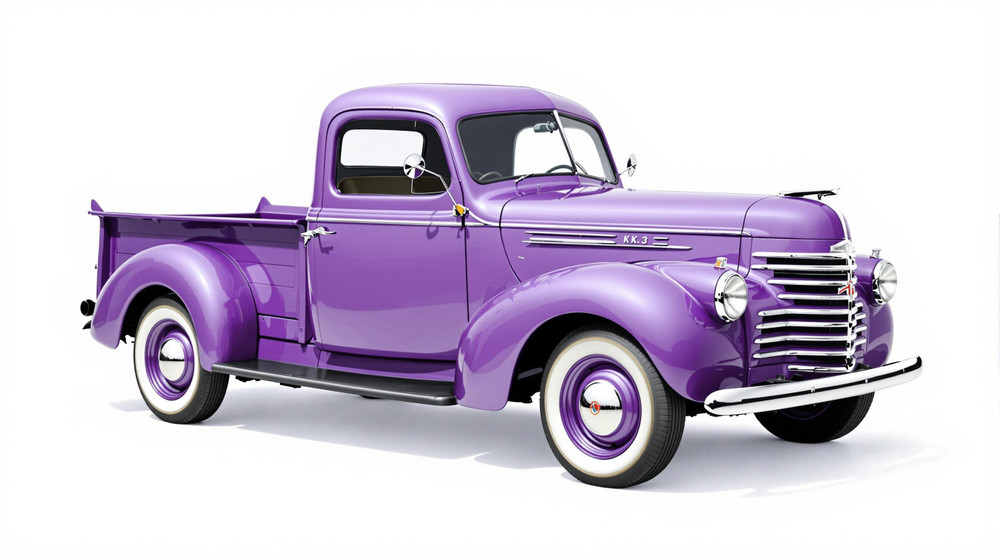
Image of 1942 International K-3, Note: These illustrations use artistic license and may differ from actual historical models.
Performance Metrics
Fundamental Metrics
Emotional Appeal
MMP Rating
| Engine Specifications | |
|---|---|
| Engine: | Inline 6-cylinder |
| Displacement: | 214 cubic inches |
| Horsepower: | Estimated 73-93 hp |
| Torque: | 170 lb-ft |
| Compression Ratio: | Estimated 6.5:1 |
| Ignition System: | Distributor and coil |
| Cooling System: | Liquid-cooled |
| Performance Specifications | |
| 0-60 Time: | Not available due to the vehicle's age and intended use |
| 1/4 Mile Time: | Not available due to the vehicle's age and intended use |
| Top Speed: | 60 mph |
| Transmission and Drive | |
| Drive Type: | Rear-wheel drive |
| Transmission Type: | 4-speed manual |
| Fuel and Efficiency | |
| Fuel System Type: | Carburetor |
| MPG: | Estimated 10-15 mpg |
| Dimensions and Brakes | |
| Brakes: | Hydraulic drum brakes |
| Wheelbase: | 125 inches |
| Weight: | 3,500 lbs |
Note: Specifications for classic cars are given to the best of our ability, considering the limited and variant data available.
1942 International K-3: A One-Ton Truck Built for Hard Work
The 1942 International K-3 is a working truck from a turning point in American history: handsome enough to catch the eye, but engineered first and foremost to haul, deliver, and keep going. Built by International Harvester, it belonged to the company’s K-series, a line of trucks introduced around 1940 with streamlined styling and a wide range of commercial uses. The K-3 sat in the heavier-duty part of the lineup, generally associated with one-ton work, though exact ratings and equipment could vary by configuration.
Its 1942 model year is especially compelling. As the United States entered World War II, civilian vehicle production was sharply curtailed so factories could concentrate on military equipment and other wartime needs. That makes an original 1942 civilian K-3 a snapshot of a brief moment before the American automotive industry turned almost entirely toward the war effort.
One intriguing detail is that a K-3 was not necessarily a pickup. Buyers could order a cab and chassis, then have a body fitted for a particular job. A surviving truck might therefore wear a pickup bed, a stake body, or a commercial delivery body, depending on its original work and later life.
K-Series Styling and Practical Cab Design
International gave the K-series a distinctive face. The tall, upright grille is framed by rounded front fenders, with prominent headlamps and a gently curved hood leading back to the cab. The front end looks substantial without the blunt, purely utilitarian appearance of many earlier work trucks. Rounded sheet metal and flowing fender lines bring a touch of 1940s streamlining, while the truck’s high stance and heavy-looking chassis make its purpose unmistakable.
The cab is straightforward and workmanlike. Expect a broad steering wheel, clear basic instruments, and simple controls designed to be operated by a driver wearing work clothes and gloves. Materials were functional rather than luxurious: painted metal surfaces, durable upholstery, and practical trim suited to a commercial vehicle. Age, replacement parts, and restoration work mean that the interior of an individual truck may differ considerably from its original specification.
For its time, the K-3’s useful innovations were less about novelty gadgets and more about making a truck easier to operate and maintain. Hydraulic brakes, a six-volt electrical system, and a conventional front-engine, rear-wheel-drive layout were typical elements of the period’s developing commercial-truck technology. Depending on the truck’s specification, transmission and chassis equipment could differ, so a precise restoration should be guided by the serial number and period parts information.
Factory colors and commercial finishes varied with model year, body supplier, and customer order. Fleet trucks were often painted in practical solid colors, while privately ordered examples could be more individual. Black, dark greens, reds, and blues are commonly seen on restored trucks, but a modern restoration color should not be assumed to match a particular truck’s original paint. Traces of paint under trim or inside the cab can help establish its authentic finish.
Body Styles and Work-Truck Options
The K-3’s defining feature was its adaptable chassis. Depending on the order, it could be equipped as a pickup or supplied as a cab-and-chassis for a commercial body. Stake-bed and flatbed arrangements suited farm and building work, while delivery or service bodies could turn the truck into a local business vehicle. The exact menu of bodies depended on the buyer, dealer, and body builder rather than a single universal factory configuration.
The pickup is the most immediately recognizable version today, but a period-correct stake or platform body may better reflect how many K-3s earned their keep. When evaluating one, look beyond the cab and grille: the bed, rear axle, wheels, and body mounting details can reveal whether the truck retains its original working configuration or has been adapted over the decades.
Why the 1942 K-3 Matters
The K-3 was not a revolutionary design in the way a landmark sports car or mass-market family sedan might be. Its significance lies in how well it represents the evolution of the American commercial truck. International combined useful load capacity with a recognizable, carefully styled cab and a chassis that could serve many trades. The result was a vehicle that looked more polished than a bare-bones work machine while remaining focused on dependable service.
That balance helped make International Harvester an important force in trucks and agricultural equipment. The company understood that a truck had to be more than strong on paper. It needed to be adaptable, repairable, and suited to the daily realities of farms, shops, and local businesses. The K-series helped carry that practical approach into a more modern-looking era of truck design.
The 1942 model has additional historical weight because it belongs to the last phase of ordinary civilian production before wartime restrictions transformed the industry. It is not generally known for a record-setting performance or a single famous event. Its interest is quieter and more representative: it shows what American work transportation looked like just as the country’s factories and workforce were being redirected toward global conflict.
Engine, Speed, and Road Manners
Many K-3 examples are associated with International’s 214-cubic-inch Green Diamond inline-six, a low-revving engine commonly quoted at roughly 78 horsepower in period applications. Specifications could vary by year and configuration, so buyers and restorers should confirm the engine actually installed in a specific truck. A conventional manual transmission and rear-wheel drive put the emphasis on pulling power and dependable service rather than quick acceleration.
There is no meaningful factory 0-to-60 mph figure for a working truck of this type. With a sound engine, correct gearing, and a light load, a K-3 might reach approximately 50 to 60 mph, but that should be treated as a broad estimate, not a guaranteed cruising speed. A loaded truck, steep grade, worn drivetrain, or low-geared axle can make highway travel much slower. Acceleration to 60 mph would be leisurely, often taking well over half a minute, and may not be practical or advisable in an unrestored example.
On the road, the K-3 feels like a truck designed to carry weight. Its steering is slower and heavier than that of a modern vehicle, particularly at low speeds, and the driver must plan braking and lane changes well in advance. A solid front axle and leaf springs are suited to carrying a load, but an empty truck can ride firmly over potholes and rough pavement. Add cargo and the suspension settles into its intended role, though payload should always be judged by the truck’s actual chassis rating and condition.
On winding roads, expect measured progress rather than sports-car agility. The upright cab, truck tires, and period steering geometry encourage a steady pace. The six-cylinder engine’s sound is a muted mechanical rumble, with drivetrain and road noise much more noticeable than in a modern pickup. Driving one is hands-on: the driver works the clutch and gear lever, watches the gauges, and feels the road directly through the steering wheel and seat.
Living With an International K-3
Today, most K-3s are used as show vehicles, parade trucks, farm or property vehicles, and occasional weekend drivers. A well-sorted example can make a memorable local run, but its age, brakes, lighting, gearing, and lack of modern safety equipment make it a poor choice for routine high-speed commuting. It is best enjoyed at a pace that suits a 1940s work truck.
Maintenance is refreshingly straightforward for an owner comfortable with basic mechanical work. The engine bay is accessible, and many repairs involve familiar tasks such as ignition service, carburetor adjustment, cooling-system upkeep, brake work, and lubrication. The challenge is often not the design but locating the correct parts and identifying changes made during the truck’s working life. Rubber components, wiring, brake hydraulics, tires, and fuel-system parts deserve careful inspection before regular use.
Reliability depends heavily on condition and restoration quality. A truck that has sat for years may need a full fuel-system cleanout, brake overhaul, cooling-system service, and electrical inspection before it should be driven. A careful pre-purchase check should include the frame, cab mounts, steering components, axle, transmission, and evidence of poorly executed repairs. Many mechanical jobs are manageable for an experienced home mechanic, but safe brake and steering repairs call for particular care.
1942 K-3 Facts, Myths, and Caveats
There is no widely documented celebrity ownership story or major speed record associated with the K-3. Its appeal is rooted in everyday history: trucks like it moved produce, supplies, tools, and building materials through communities across the country. Because commercial bodies were often replaced and trucks were used hard, surviving examples can tell very different stories even when they share the same model designation.
A common criticism is that the K-3 is slow and demanding by modern standards. That is fair, especially on busy roads. Its ride can also feel stiff when unloaded, and original brakes and lighting require a realistic understanding of their limitations. Those traits are not hidden flaws so much as reminders that the truck was built for a different era, with lower speeds and a very different set of expectations.
Rarity, Values, and Collector Appeal
Reliable production totals for the 1942 K-3 specifically are difficult to establish, and surviving records do not provide a simple, universally accepted model-by-model count. Civilian production was interrupted by wartime restrictions, and many working trucks were used up, rebuilt, or scrapped. As a cautious estimate rather than a documented figure, it is reasonable to think that 1942 civilian K-3 production was in the hundreds to low thousands, with far fewer surviving in identifiable, restorable condition.
Market value depends on completeness, running condition, body style, restoration quality, and location. As a broad current-market estimate, a project truck might sell for about $3,000 to $10,000. A usable driver or older restoration could fall roughly in the $10,000 to $25,000 range, while a highly finished, correctly restored example may reach $25,000 to $40,000 or more. These are guide figures, not a formal appraisal, and unusual commercial bodies or exceptional provenance can shift the price substantially.
Values are best described as condition-sensitive rather than guaranteed to rise. Interest in vintage trucks and prewar commercial vehicles supports a dedicated collector market, but restoration costs can exceed the eventual sale price. A complete, well-documented truck generally has an advantage over a more polished example assembled from uncertain parts. Buyers should also remember that a rare model does not automatically command a premium if it needs extensive work or has a non-original configuration.
A Workhorse Worth Remembering
The 1942 International K-3 brings together practical engineering, distinctive K-series styling, and a direct connection to the moment civilian American production gave way to wartime industry. It was built to work, not to chase speed records, and its adaptable chassis made it useful in many different trades. Today, its slow pace and hands-on character are part of the attraction. For collectors who value honest working history as much as polished chrome, the K-3 is a memorable survivor from a pivotal year in American truck building.
1942 International K-3 Catalog of Parts
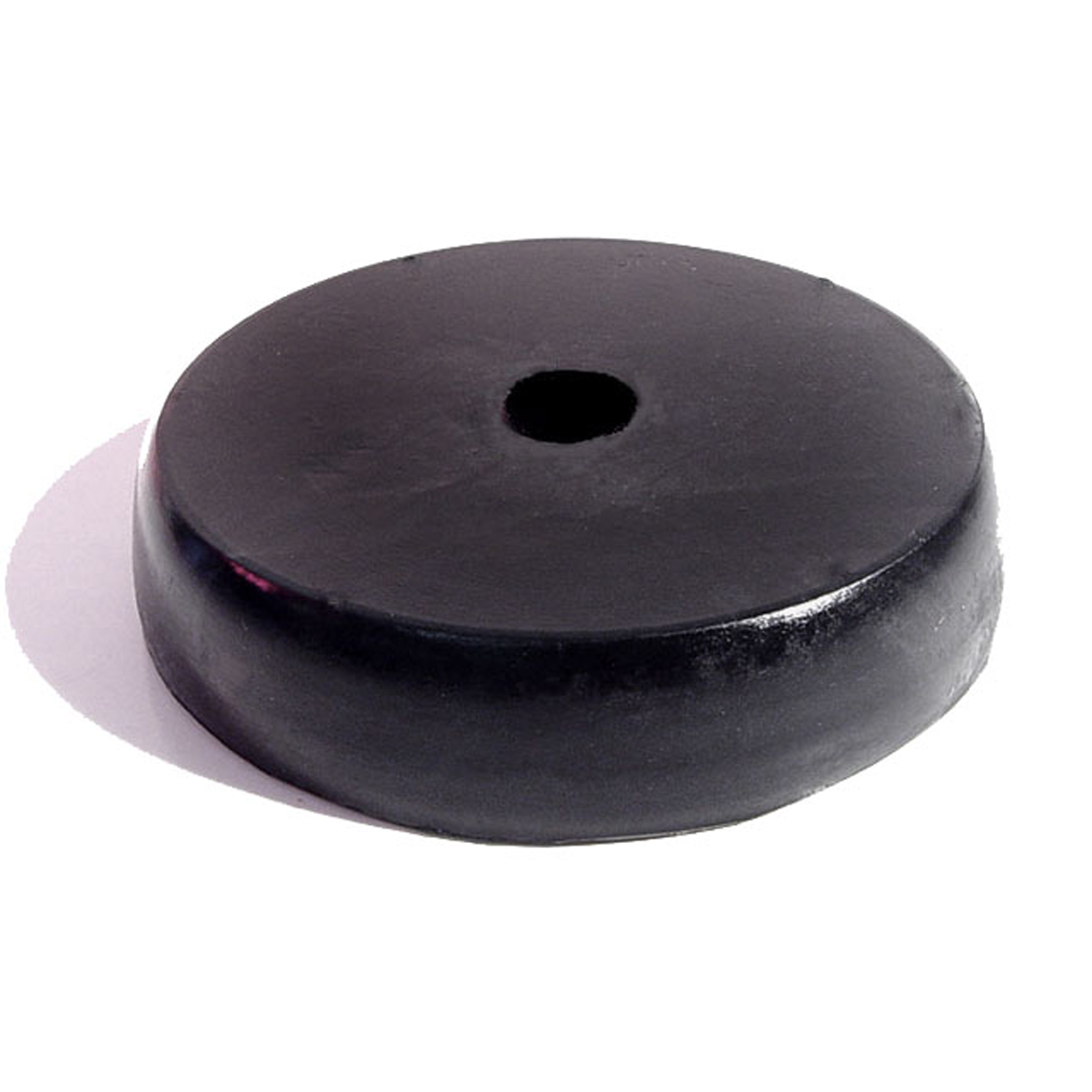 1942 INTERNATIONAL K-3 body Cushion. Cab-to-fender bumper. Solid rubber. 3 in-BC 1body Cushion. Cab-to-fender bumper. Solid rubber. 3 in. OD; 3/8 in. ID; 5/8 in. thick. Each.
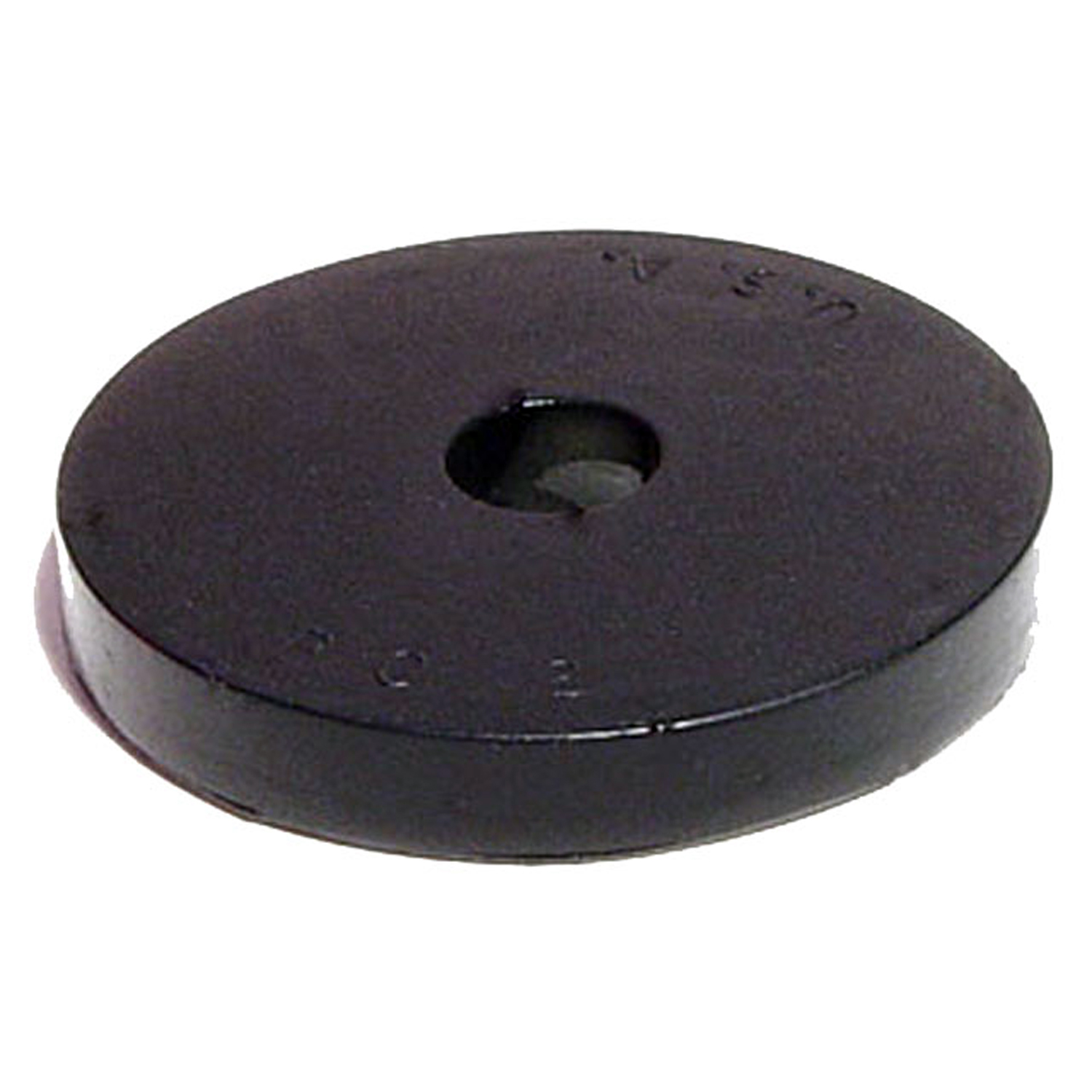 1942 INTERNATIONAL K-3 Rubber Body Cushion. Cab to Fender Running Board Bumper-BC 2Rubber Body Cushion. Cab to Fender Running Board Bumper. 1-3/4" O.D., 3/8" I.D., 1/4" Thick. Each
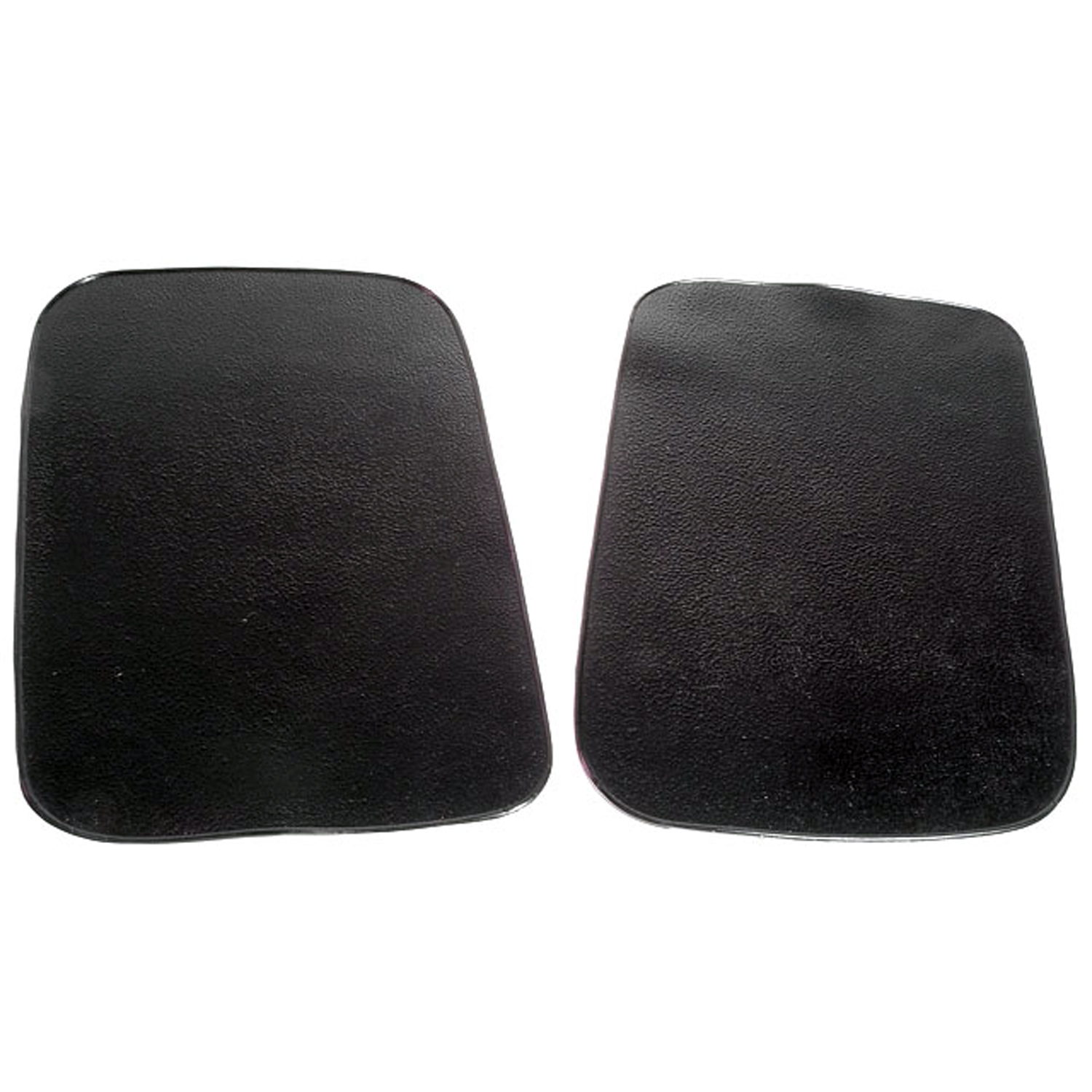 1942 INTERNATIONAL K-3 Gravel Shields. Molded flat without metal backing plates -FS 43Gravel Shields. Molded flat without metal backing plates. Apply with contact cement. 14-1/4" long X 8-1/2" wide at top and 8-1/2" wide at bottom. Pair
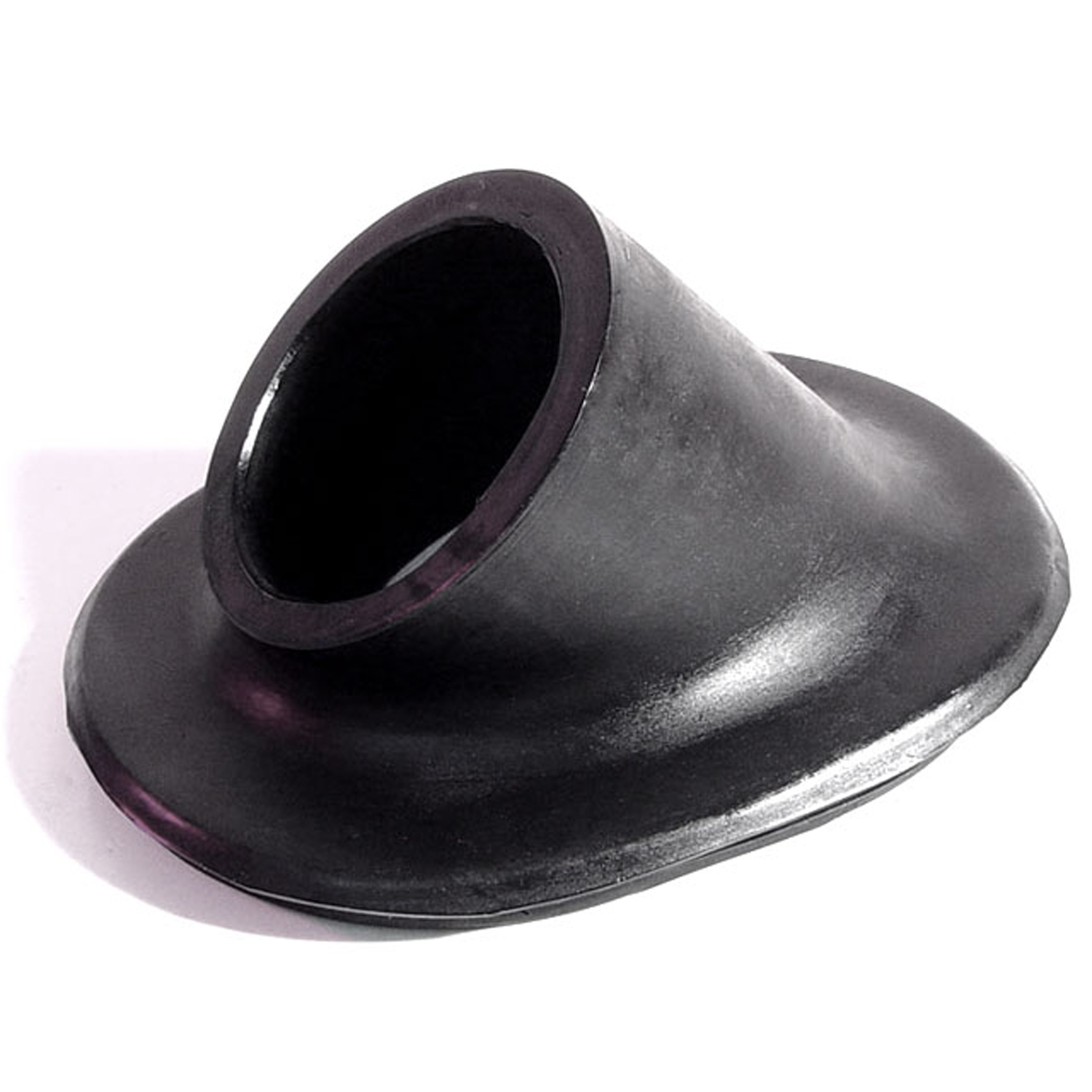 1942 INTERNATIONAL K-3 Gas Filler Grommet. Perfect reproduction. 2" I.D-GF 36Gas Filler Grommet. Perfect reproduction. 2" I.D., 5" oblong length. Each
 1942 INTERNATIONAL K-3 Trim Ring Lens Seals. Rubber. 7-3/4" O.D., 7-1/8" I.D-HR 10Trim Ring Lens Seals. Rubber. 7-3/4" O.D., 7-1/8" I.D. Pair
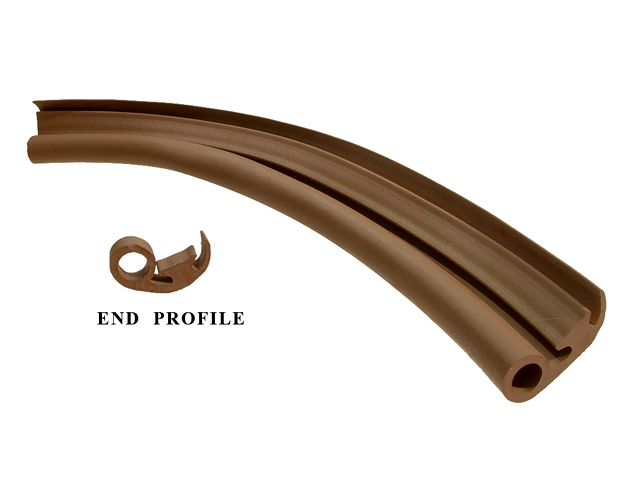 1942 INTERNATIONAL K-3 Door Cab Seal, Brown. Sold by the foot.-LP 103-A/BRDoor Cab Seal, Brown. Sold by the foot.
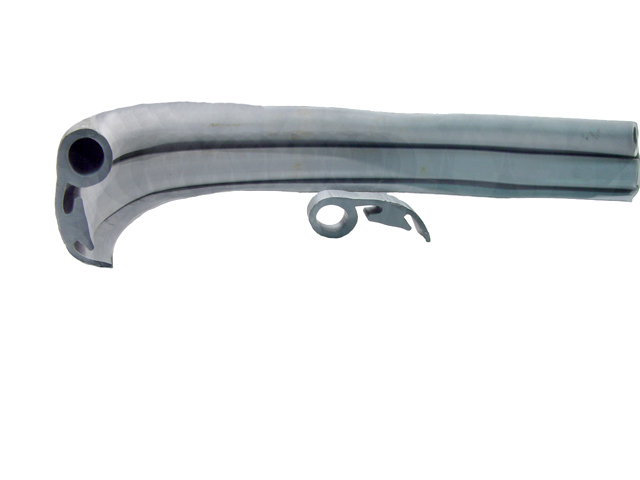 1942 INTERNATIONAL K-3 Door Cab Seal, Gray. Sold by the foot.-LP 103-A/GRDoor Cab Seal, Gray. Sold by the foot.
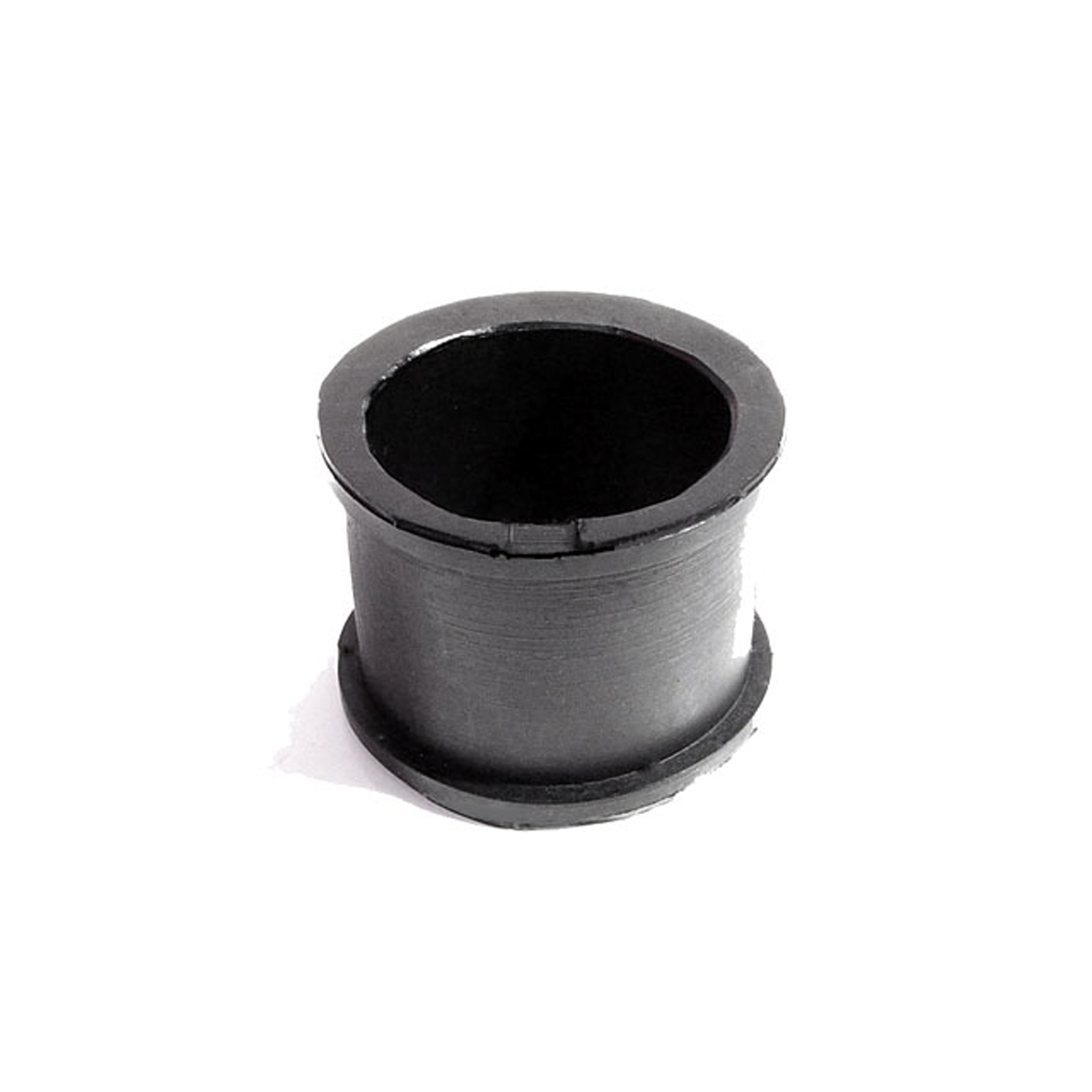 1942 INTERNATIONAL K-3 Steering Column Clamp Cushion. Each-SC 18Steering Column Clamp Cushion. Each
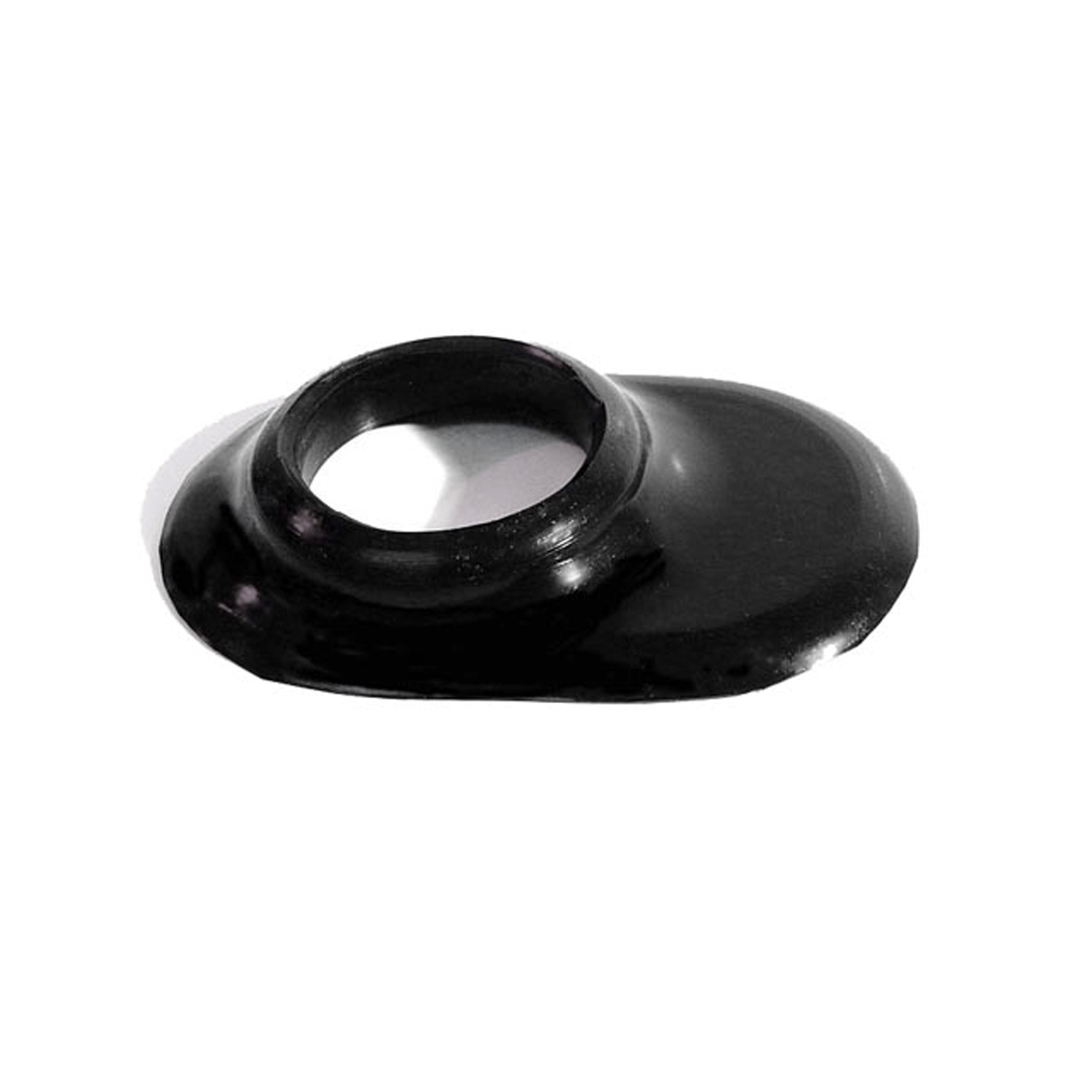 1942 INTERNATIONAL K-3 Steering Column Rubber Trim Grommet. Each-SC 19Steering Column Rubber Trim Grommet. Each
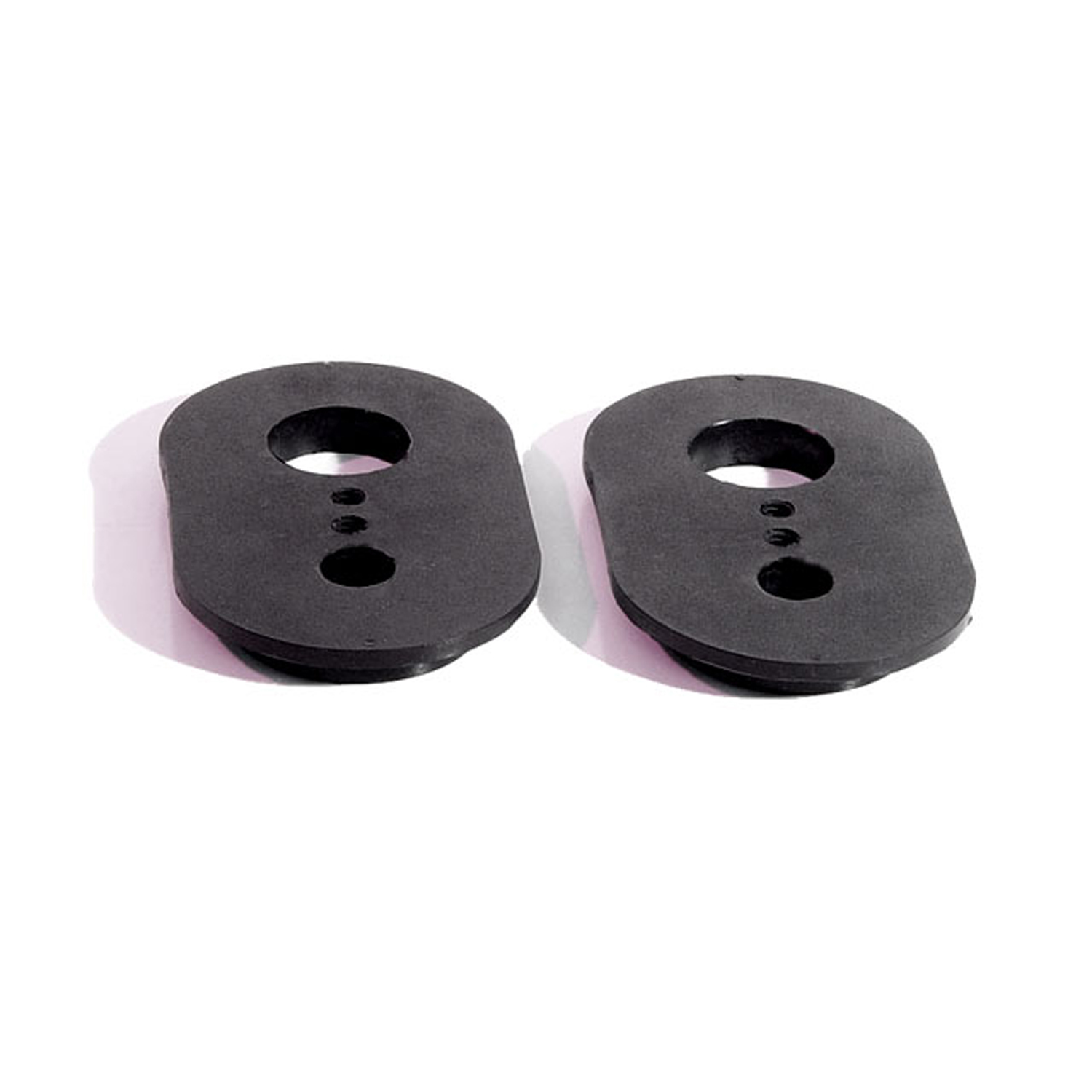 1942 INTERNATIONAL K-3 Firewall Grommet. Each-SM 41Firewall Grommet. Each
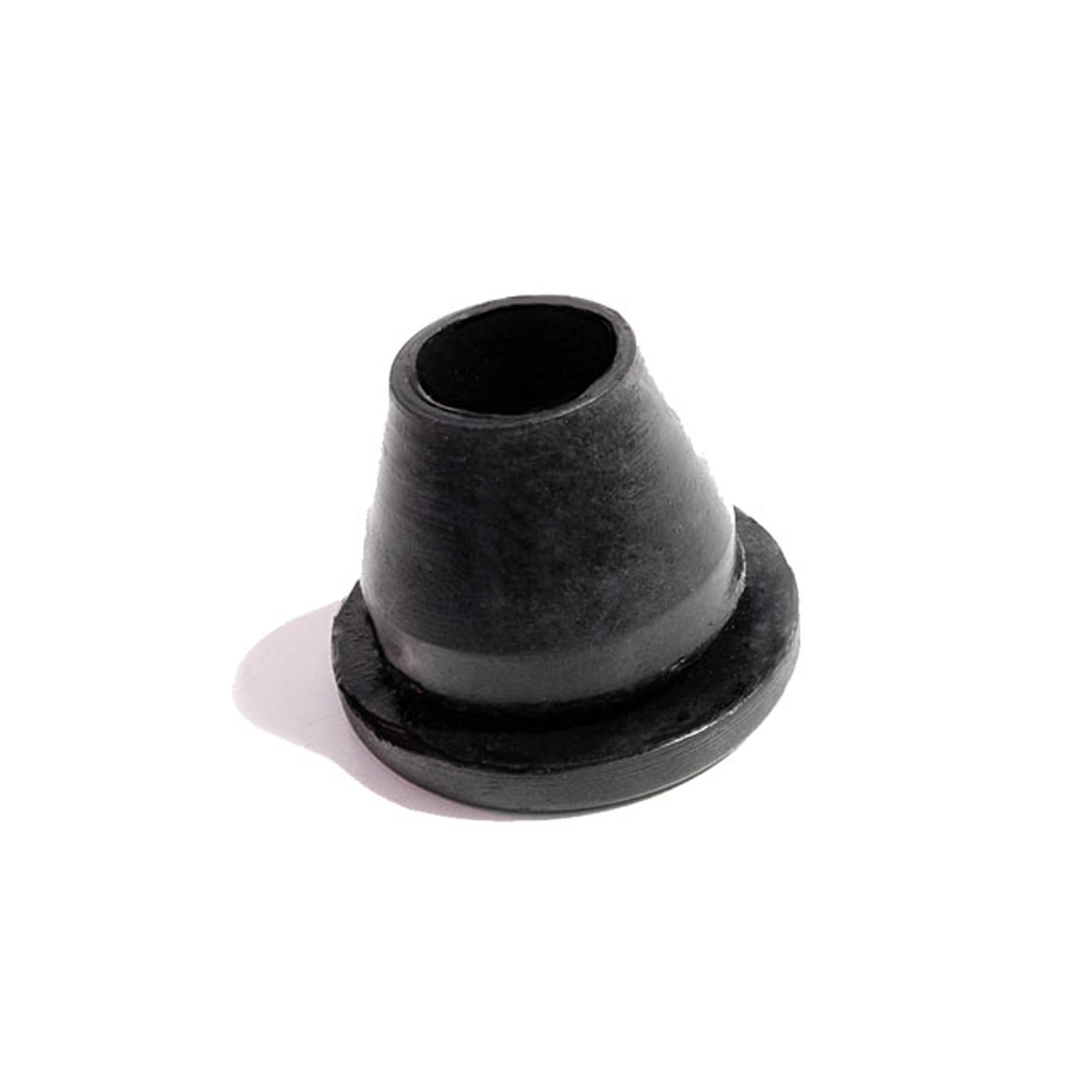 1942 INTERNATIONAL K-3 Headlight Wire Grommet. Each-SM 42Headlight Wire Grommet. Each. Measures 1-7/32" OD X 15/16" H.
Why Choose Metro?
For over 100 years, Metro Moulded Parts has been the pinnacle of quality in classic car restoration parts. Our commitment to precision and authenticity in every component ensures a perfect fit and an OEM-level appearance.
- Expert Craftsmanship & Quality: Each part is a testament to our dedication to reliability and perfection, crafted from original designs and thoroughly tested.
- Advanced Technology: We use cutting-edge techniques to create flawless, long-lasting parts that surpass others in performance.
- SuperSoft Sponge – The Ultimate Door Seal: Not only are our door seals 30% softer than competitors', but they're also guaranteed to never leak. They effectively reduce wind and road noise, enhancing your classic car's comfort and driving experience.
- Proudly American: Our parts are a product of American craftsmanship, made in the USA with a spirit of excellence and heritage.
- Unrivaled Warranty: We back our products with a 30-year industry-leading warranty, a testament to our confidence in their quality.
Join us in preserving the legacy of classic cars with parts that are crafted for perfection, not just made.