
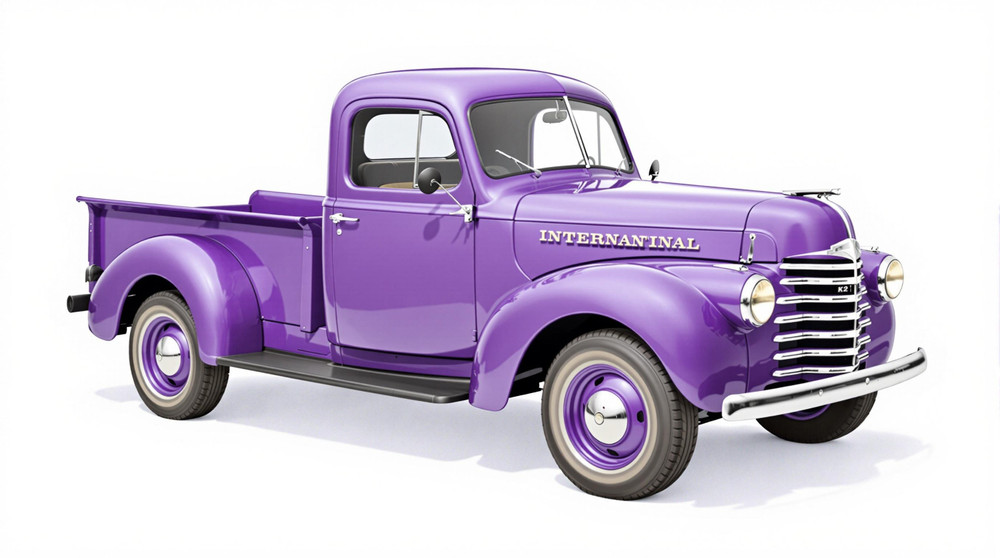
Image of 1945 International K-2, Note: These illustrations use artistic license and may differ from actual historical models.
Performance Metrics
Fundamental Metrics
Emotional Appeal
MMP Rating
| Engine Specifications | |
|---|---|
| Engine: | Inline 6 |
| Displacement: | 214 cubic inches |
| Horsepower: | Estimated 73-93 hp |
| Torque: | Not available |
| Compression Ratio: | Not available |
| Ignition System: | Distributor and coil |
| Cooling System: | Liquid-cooled |
| Performance Specifications | |
| 0-60 Time: | Not available |
| 1/4 Mile Time: | Not available |
| Top Speed: | Estimated 60-70 mph |
| Transmission and Drive | |
| Drive Type: | Rear-wheel drive |
| Transmission Type: | 3-speed manual |
| Fuel and Efficiency | |
| Fuel System Type: | Carburetor |
| MPG: | Not available |
| Dimensions and Brakes | |
| Brakes: | Drum brakes |
| Wheelbase: | 113 inches |
| Weight: | Estimated 3,000-3,500 lbs |
Note: Specifications for classic cars are given to the best of our ability, considering the limited and variant data available.
1945 International K-2: A Postwar Workhorse
The 1945 International K-2 is a compact, no-nonsense pickup from a turning point in American truck history. Built by International Harvester Company, it belonged to the K-series, a line designed before World War II and brought back for civilian buyers as the country shifted from wartime production to peacetime work.
International Harvester had deep roots in farm machinery, and its trucks carried that practical, hard-working identity. The K-2 sat between the lighter K-1 and heavier K-3 in the lineup. It was aimed at buyers who needed more carrying capacity than a small pickup offered, without stepping up to a full-size commercial truck.
One wrinkle for historians and collectors is the date itself. Civilian truck production was curtailed during the war, and records, production timing, and registration practices can make a truck advertised or titled as a 1945 model difficult to date precisely. Some examples may have been built near the end of 1945 or registered later. Checking the serial number and factory documentation is the best way to confirm an individual truck’s history.
K-2 Styling and Cabin Design
The K-2 has the rounded, sturdy proportions that make prewar and immediate postwar International trucks so recognizable. Its tall hood flows into rounded front fenders, with separate headlights mounted at the front of the fenders and a broad, upright grille. The design looks purposeful rather than decorative, but its curved sheet metal gives it more character than a simple box-shaped work truck.
Inside, the K-2 is all business. The cab typically has a steel dashboard, clear analog gauges, a large steering wheel, and a broad bench seat. Upholstery and trim depended on the truck’s original specification and later repairs; durable cloth or similar work-oriented materials were more in keeping with its purpose than luxury finishes. A rubber floor covering and straightforward controls helped make the cab easy to clean and maintain.
Technology was modest by modern standards but well suited to the era. A conventional manual transmission, rear-wheel drive, mechanical controls, and a simple chassis made the truck understandable to owners and local mechanics. The appeal was not gadgetry. It was a design that could be kept in service with ordinary tools and practical know-how.
International offered trucks in period colors, but surviving factory records and paint histories vary by year and specification. Restored K-2s are often seen in dark green, red, black, blue, or other traditional truck colors. A careful restoration should rely on paint evidence or documentation for the specific vehicle rather than assuming one shade was standard across every truck.
The pickup is the body style most people picture when they think of a K-2. Depending on the chassis and original order, International trucks could also be supplied as cab-and-chassis vehicles for commercial bodies, such as service, stake, or flatbed setups. Body availability varied, and many trucks were modified by dealers or local body builders after leaving the factory.
Why the International K-2 Matters
The K-series helped International Harvester return to the civilian truck market after wartime priorities had redirected manufacturing toward military and industrial needs. The K-2 represents a practical bridge between prewar truck design and the postwar boom in farms, small businesses, construction, and suburban development.
It was not a radical technical breakthrough, and that is part of its significance. International refined a useful formula: sturdy construction, straightforward mechanical systems, and a range of chassis sizes for different jobs. The K-2 filled a useful middle ground in that range, giving tradespeople and rural owners a capable truck without the scale of a heavy commercial model.
Its styling also helped distinguish International from more utilitarian rivals. Rounded fenders, a substantial grille, and a tall, confident stance gave the truck a recognizable face while preserving the easy-to-service construction buyers expected. Later International pickups continued to build on the brand’s reputation for durable, work-focused vehicles.
Engine, Speed, and Road Manners
Many light K-series trucks used International’s Green Diamond inline-six. A commonly cited engine for this family is the 214-cubic-inch six, with output around 80 horsepower, though exact equipment could vary by model, year, and specification. A three-speed manual transmission was typical in light-truck configurations. Because surviving trucks may have replacement engines or driveline changes, it is wise to verify the equipment on any particular K-2.
Factory acceleration figures for a 1945 K-2 are not readily documented, so modern 0-to-60-mph numbers should be treated as estimates rather than official specifications. With modest power, truck gearing, and a load-oriented chassis, acceleration is leisurely. A healthy, lightly loaded example may reach roughly 55 to 60 mph, but gearing, tire size, engine condition, and load can change both its cruising speed and its willingness to keep up with modern traffic. Reaching 60 mph from a standstill could take around 30 seconds or longer, and some trucks are more comfortable staying below that pace.
On the road, the K-2 feels like a working truck, not a modern pickup. The steering is unassisted and requires more effort at parking speeds. The ride can be firm when the bed is empty, while a sensible load may settle the rear suspension. Over bumps, the solid-axle setup communicates the road directly through the chassis. On winding roads, drivers need to plan ahead, keep speeds moderate, and allow more room for braking and turning than they would in a contemporary vehicle.
The driving experience is part of the charm. The engine’s steady six-cylinder rumble, the deliberate movement of the gear lever, and the large steering wheel make every trip feel hands-on. There is little insulation or assistance by modern standards, so the driver hears and feels the truck working. A well-sorted K-2 can be enjoyable on back roads and in parades, but it is not built for fast highway commuting.
Owning and Maintaining a K-2
In its day, the K-2 was a working vehicle for farms, workshops, small businesses, and local deliveries. Today, most examples are used as weekend drivers, show vehicles, parade trucks, or rolling restorations. Some still perform light hauling, though owners generally avoid heavy loads that could strain old components or damage valuable original parts.
Routine maintenance is comparatively straightforward. The engine bay is accessible, the mechanical systems are uncomplicated, and many repairs can be handled by an experienced home mechanic. The main challenge is not complexity but parts availability. Common service items and some mechanical components can often be sourced through specialist suppliers, while model-specific trim, body panels, glass, and original interior pieces may take patience to find.
Reliability depends heavily on condition. A truck with a rebuilt engine, sound cooling system, refreshed brakes, good wiring, and properly maintained steering can be dependable for local use. An unrestored example may need attention to rust, fuel delivery, ignition, tires, and brake hydraulics before it is safe to drive. As with any prewar-era design used after wartime production constraints, a thorough inspection matters more than the badge on the grille.
International K-2 Facts and Common Criticisms
The K-2’s model number identified its place in the K-series range, not a special engine or trim package. That middle position is part of its appeal: it offers a more substantial work-truck presence than the lightest model while remaining manageable compared with larger commercial Internationals.
There is no widely established K-2 production total that collectors can use as a definitive figure, and a reliable breakdown for the 1945 model year is especially difficult to pin down. As a broad, explicitly speculative estimate, production across the K-2’s full run may have reached several tens of thousands, perhaps around 25,000 to 50,000 trucks. That is a rough estimate, not a factory-confirmed count, and it should not be mistaken for the number built in 1945 alone.
The K-2 is not especially known for celebrity ownership, speed records, or racing achievements. Its historical importance is quieter: it represents the return of civilian truck manufacturing and the everyday vehicles that helped farms and businesses get back to work after the war. A common criticism today is its slow pace and basic comfort. Those are genuine limitations, but they are also reminders that the K-2 was designed to earn its keep, not to pamper its driver.
Collector Value and Availability
K-2s appear on the market less often than more familiar postwar pickups, and condition varies widely. Restorations, original parts, body style, documentation, and regional demand all affect value. As a general 2026 estimate in the United States, a project truck might sell for roughly $5,000 to $12,000. A usable driver could fall around $12,000 to $25,000, while a well-restored example may bring approximately $25,000 to $45,000. An exceptional, highly original, or unusually well-documented truck can exceed that range, though finding the right buyer may take time.
Values for classic International pickups have generally benefited from growing interest in distinctive vintage trucks, but the K-2 remains a niche collectible. Prices are therefore less predictable than those of high-profile American pickups, and restoration costs can easily outpace the finished truck’s sale price. Buyers should focus on structural condition, completeness, and quality of work rather than assuming every restoration will produce a strong return.
The Lasting Appeal of the 1945 K-2
The 1945 International K-2 brings together sturdy engineering, unmistakable rounded styling, and a meaningful place in the transition from wartime industry to postwar civilian life. It is not fast or plush, and it asks its driver to participate in every mile. That direct, work-ready character is exactly what makes it memorable.
For collectors, the K-2 is more than an old pickup. It is a survivor from a pivotal moment in American manufacturing, built to serve ordinary people doing essential jobs. Start it up, ease the long gear lever into position, and the truck tells its story the old-fashioned way: through sound, steel, and miles earned.
1945 International K-2 Catalog of Parts
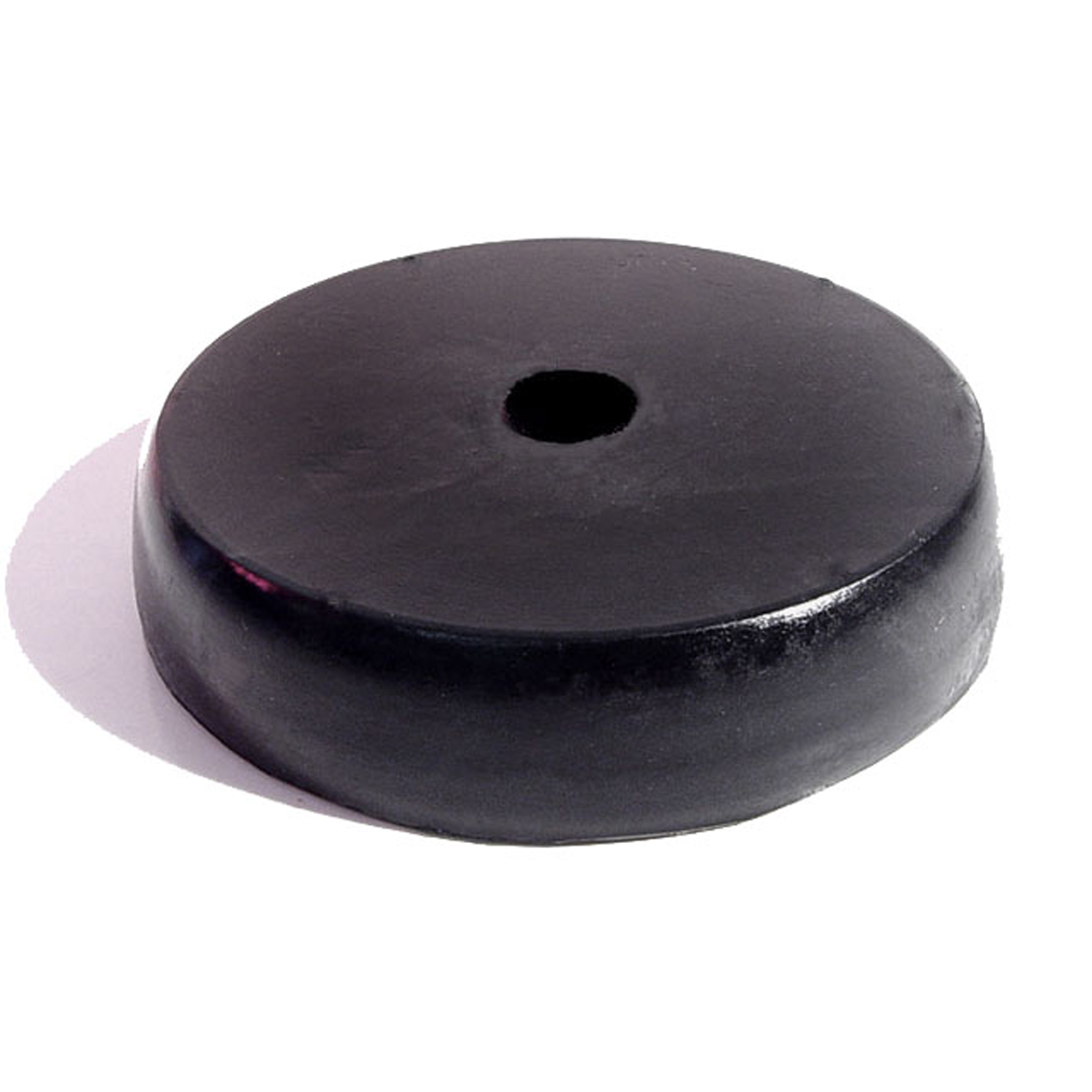 1945 INTERNATIONAL K-2 body Cushion. Cab-to-fender bumper. Solid rubber. 3 in-BC 1body Cushion. Cab-to-fender bumper. Solid rubber. 3 in. OD; 3/8 in. ID; 5/8 in. thick. Each.
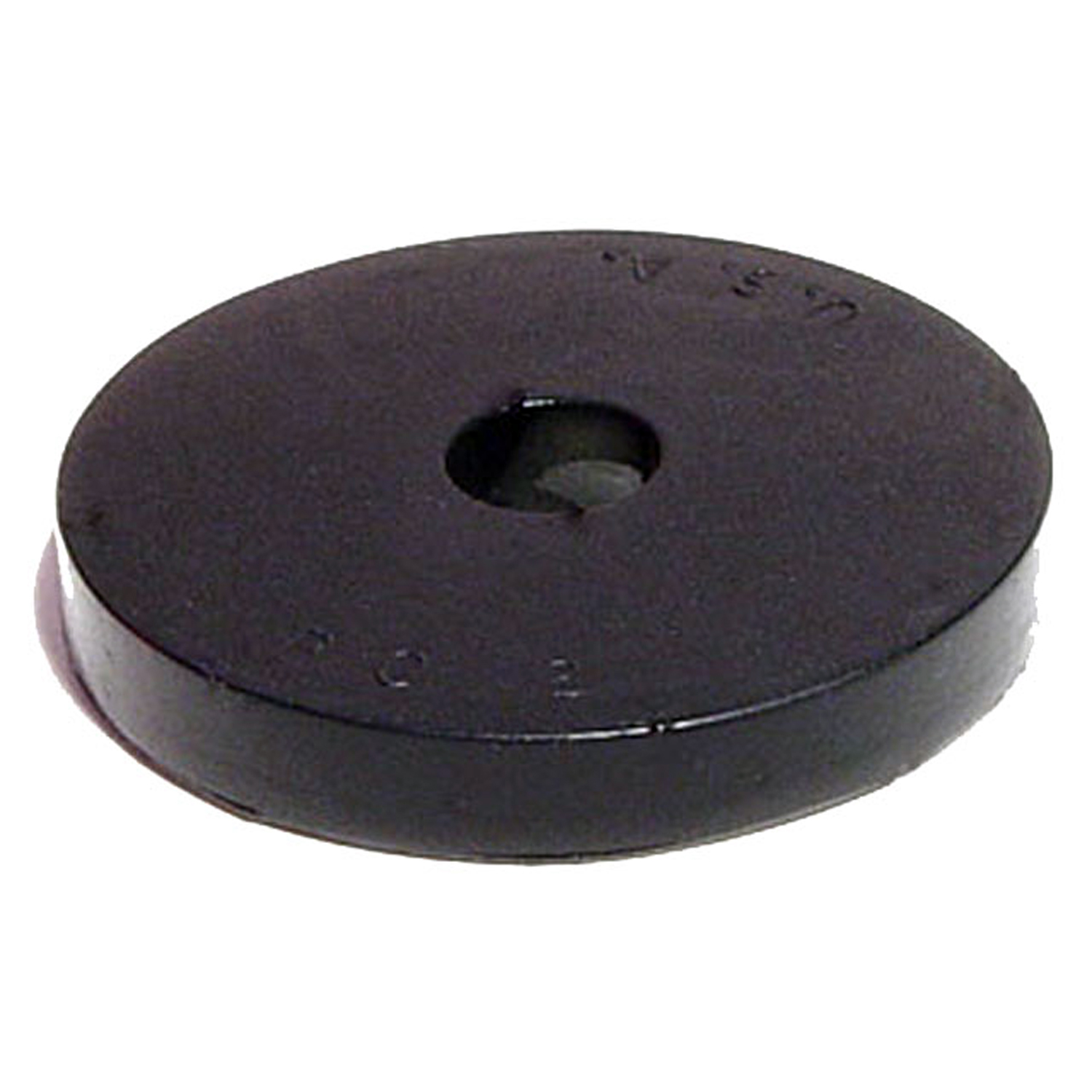 1945 INTERNATIONAL K-2 Rubber Body Cushion. Cab to Fender Running Board Bumper-BC 2Rubber Body Cushion. Cab to Fender Running Board Bumper. 1-3/4" O.D., 3/8" I.D., 1/4" Thick. Each
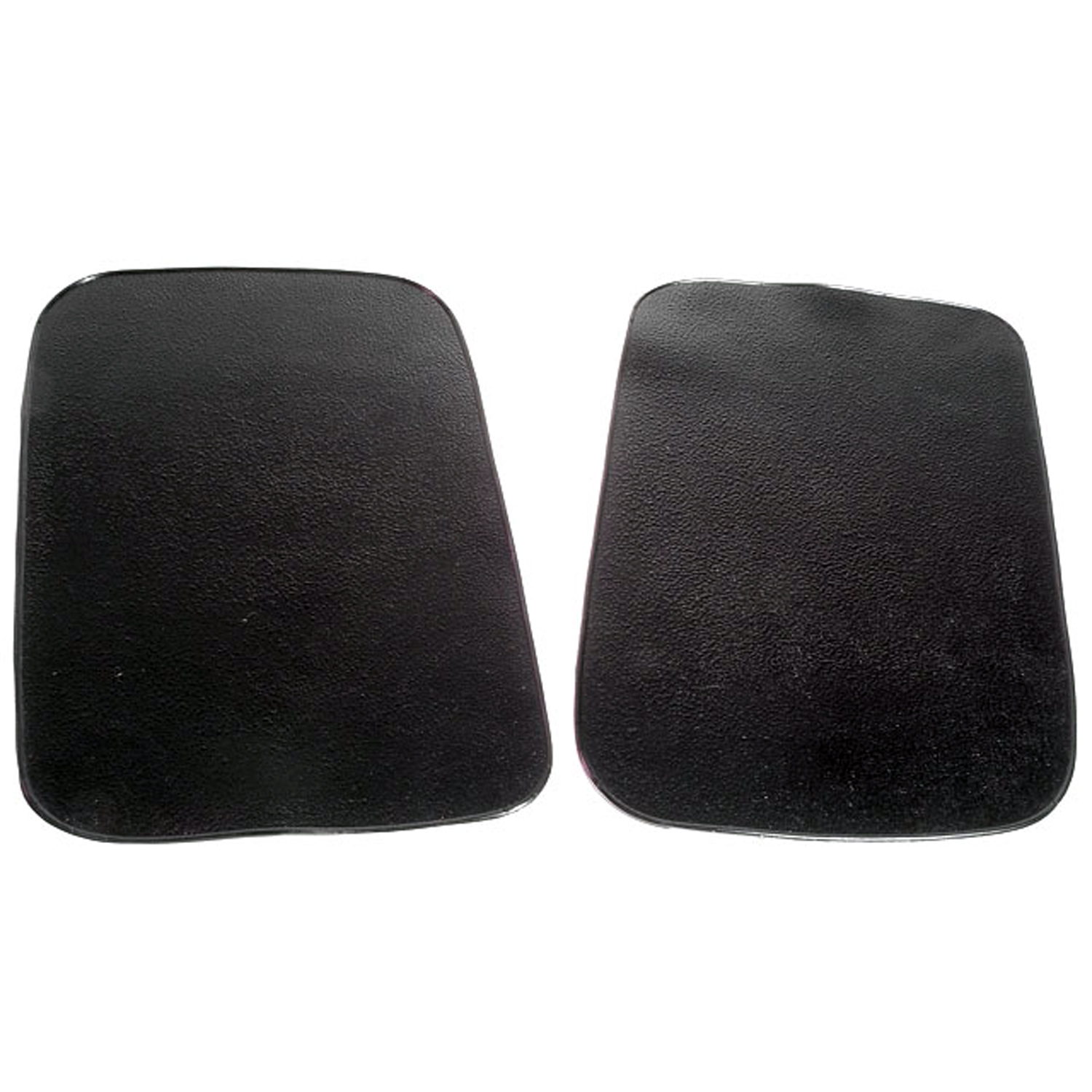 1945 INTERNATIONAL K-2 Gravel Shields. Molded flat without metal backing plates -FS 43Gravel Shields. Molded flat without metal backing plates. Apply with contact cement. 14-1/4" long X 8-1/2" wide at top and 8-1/2" wide at bottom. Pair
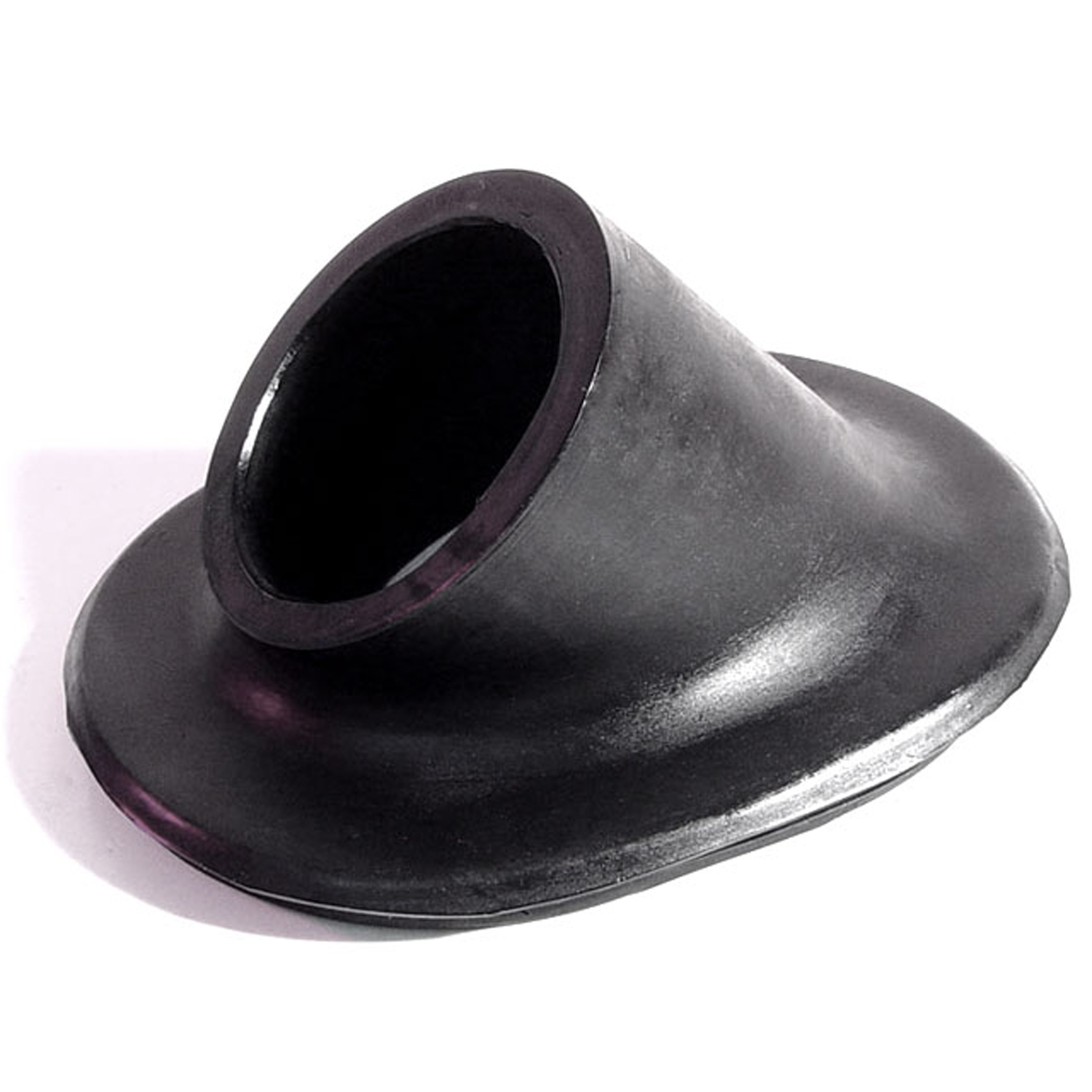 1945 INTERNATIONAL K-2 Gas Filler Grommet. Perfect reproduction. 2" I.D-GF 36Gas Filler Grommet. Perfect reproduction. 2" I.D., 5" oblong length. Each
 1945 INTERNATIONAL K-2 Trim Ring Lens Seals. Rubber. 7-3/4" O.D., 7-1/8" I.D-HR 10Trim Ring Lens Seals. Rubber. 7-3/4" O.D., 7-1/8" I.D. Pair
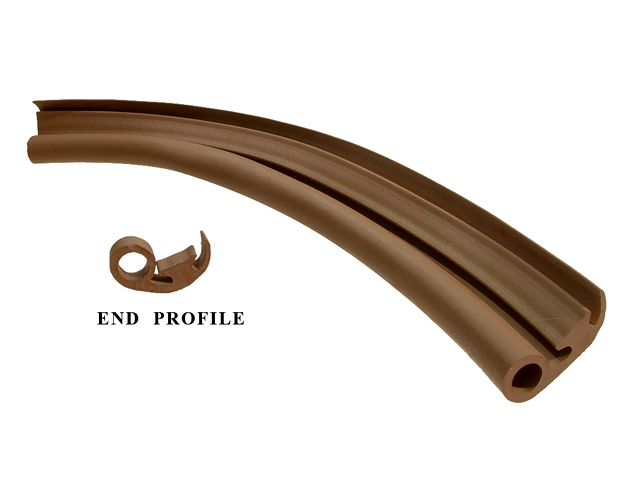 1945 INTERNATIONAL K-2 Door Cab Seal, Brown. Sold by the foot.-LP 103-A/BRDoor Cab Seal, Brown. Sold by the foot.
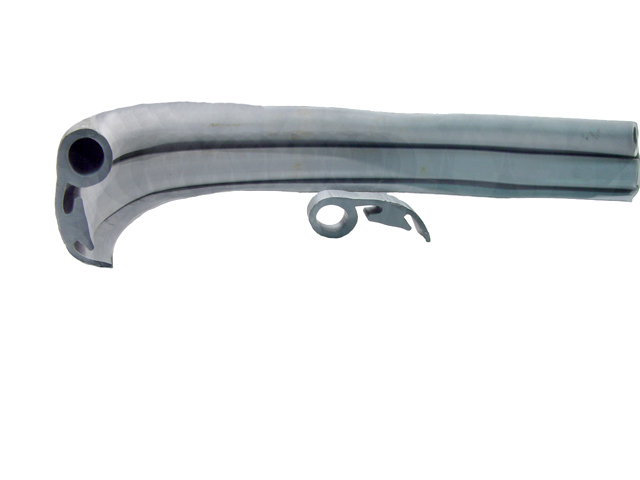 1945 INTERNATIONAL K-2 Door Cab Seal, Gray. Sold by the foot.-LP 103-A/GRDoor Cab Seal, Gray. Sold by the foot.
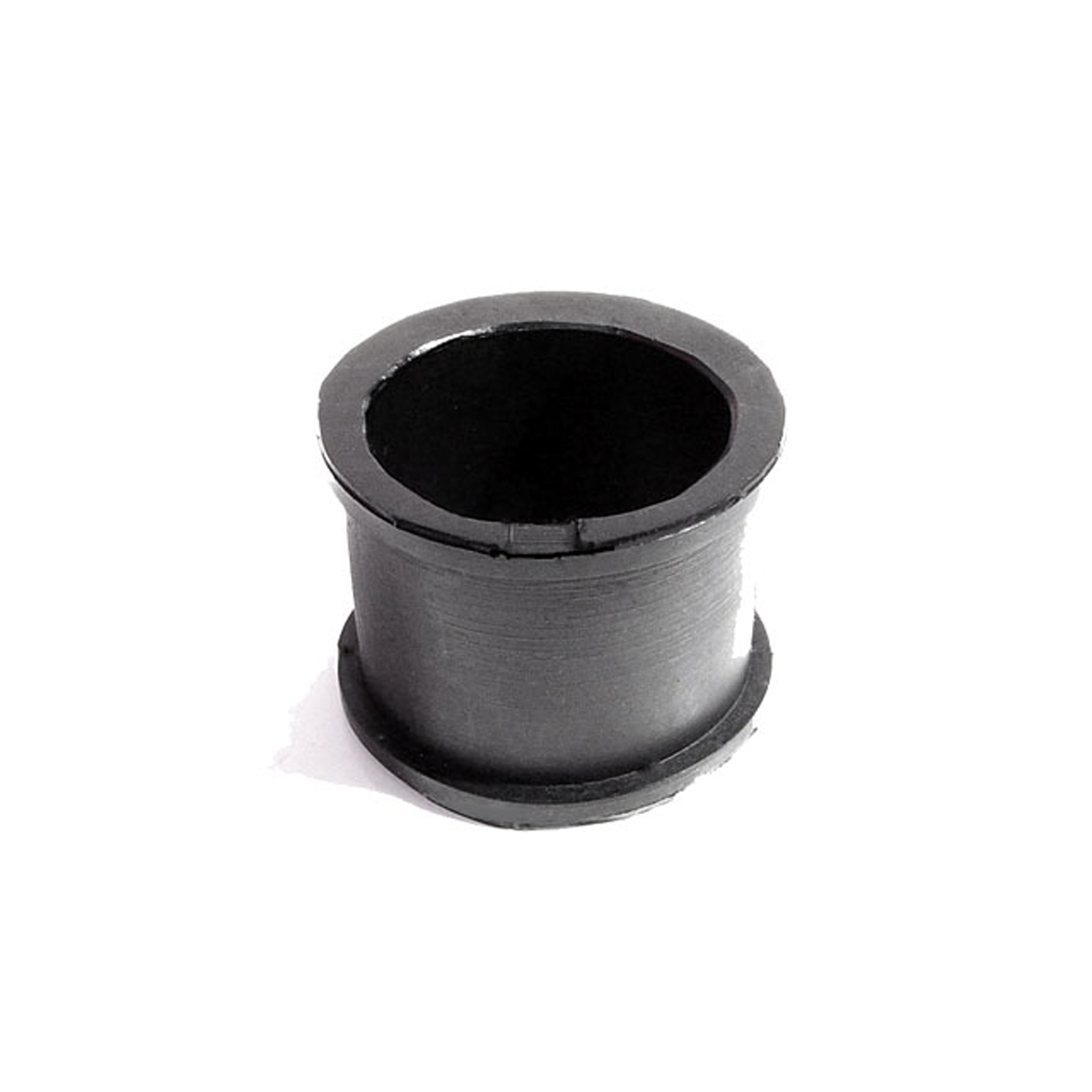 1945 INTERNATIONAL K-2 Steering Column Clamp Cushion. Each-SC 18Steering Column Clamp Cushion. Each
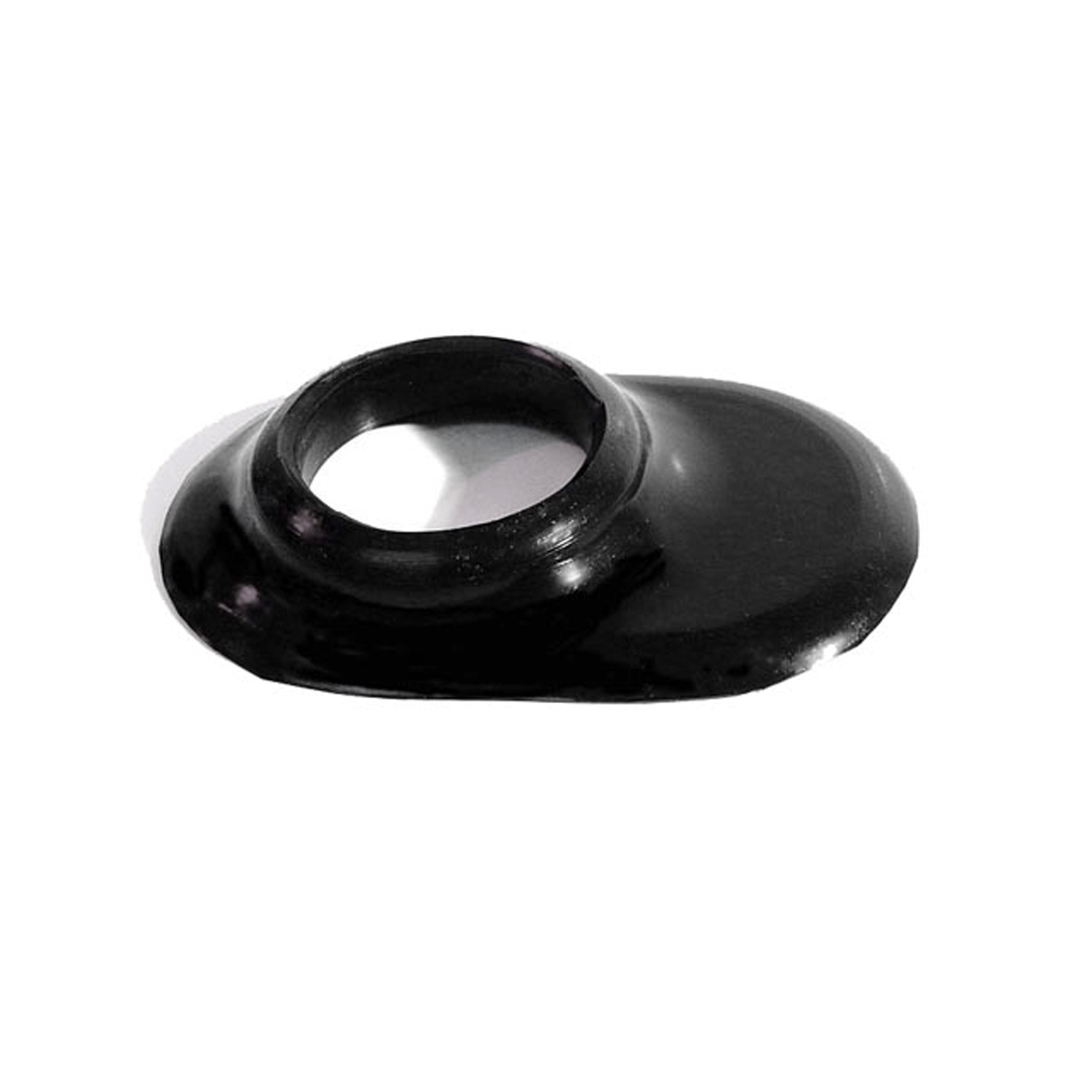 1945 INTERNATIONAL K-2 Steering Column Rubber Trim Grommet. Each-SC 19Steering Column Rubber Trim Grommet. Each
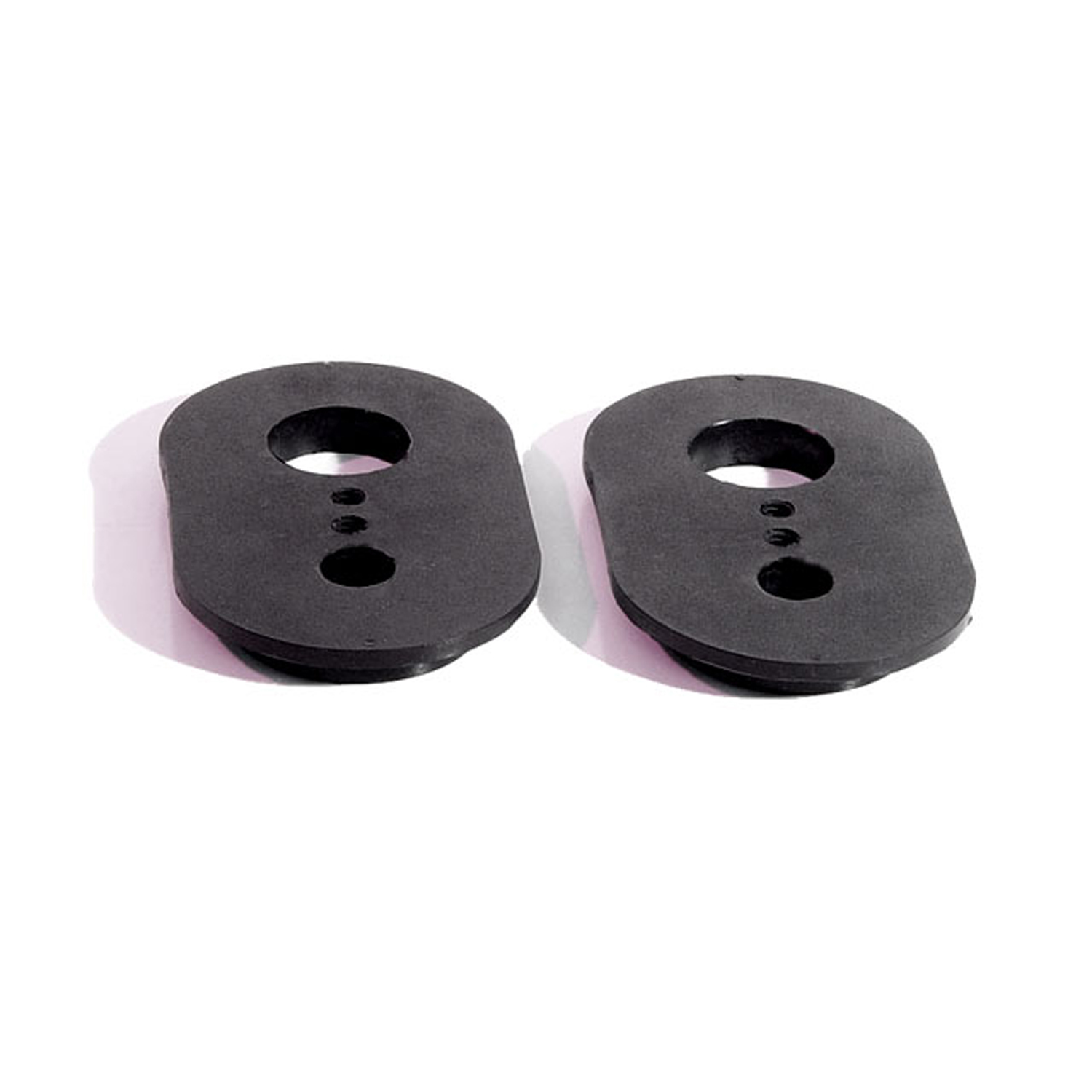 1945 INTERNATIONAL K-2 Firewall Grommet. Each-SM 41Firewall Grommet. Each
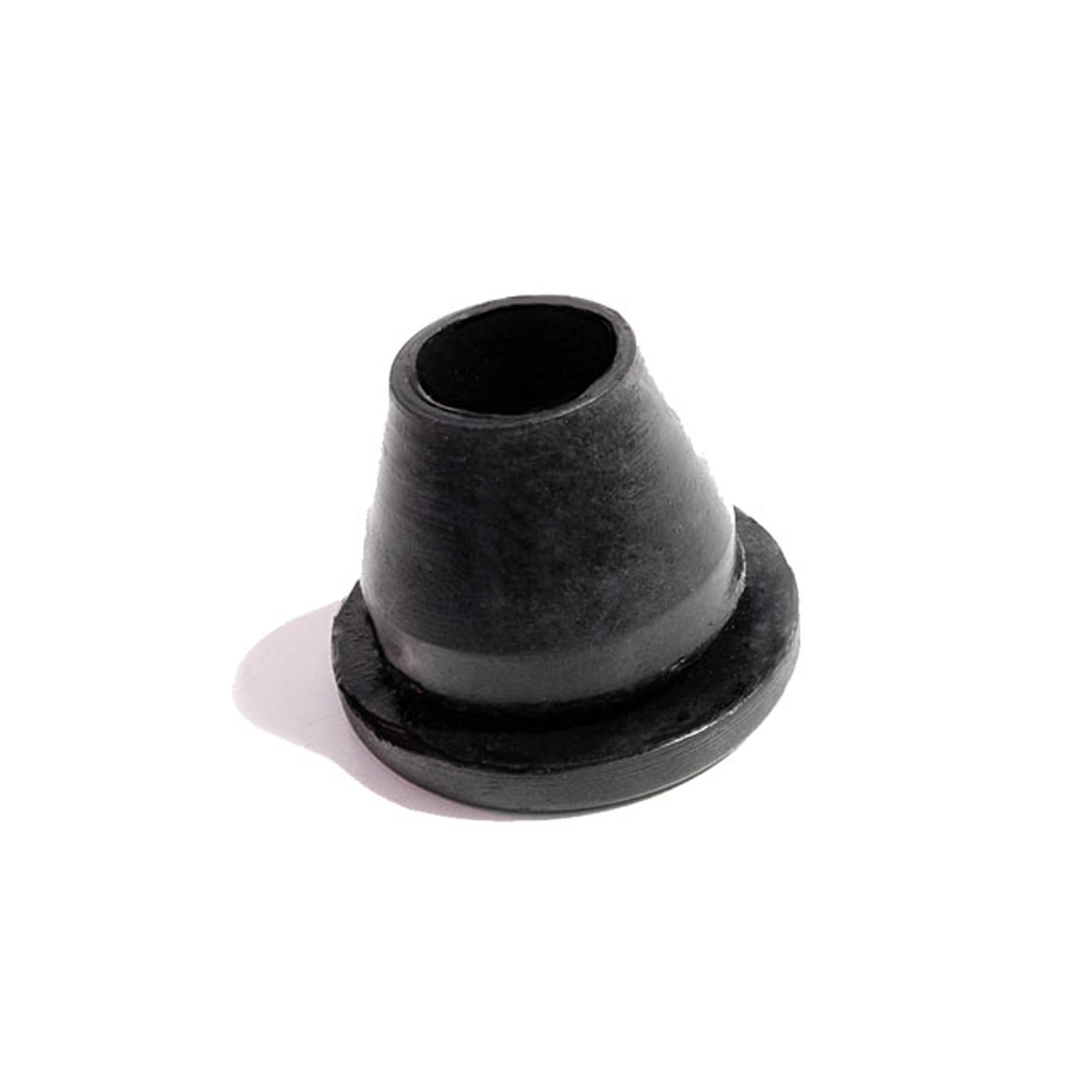 1945 INTERNATIONAL K-2 Headlight Wire Grommet. Each-SM 42Headlight Wire Grommet. Each. Measures 1-7/32" OD X 15/16" H.
Why Choose Metro?
For over 100 years, Metro Moulded Parts has been the pinnacle of quality in classic car restoration parts. Our commitment to precision and authenticity in every component ensures a perfect fit and an OEM-level appearance.
- Expert Craftsmanship & Quality: Each part is a testament to our dedication to reliability and perfection, crafted from original designs and thoroughly tested.
- Advanced Technology: We use cutting-edge techniques to create flawless, long-lasting parts that surpass others in performance.
- SuperSoft Sponge – The Ultimate Door Seal: Not only are our door seals 30% softer than competitors', but they're also guaranteed to never leak. They effectively reduce wind and road noise, enhancing your classic car's comfort and driving experience.
- Proudly American: Our parts are a product of American craftsmanship, made in the USA with a spirit of excellence and heritage.
- Unrivaled Warranty: We back our products with a 30-year industry-leading warranty, a testament to our confidence in their quality.
Join us in preserving the legacy of classic cars with parts that are crafted for perfection, not just made.