
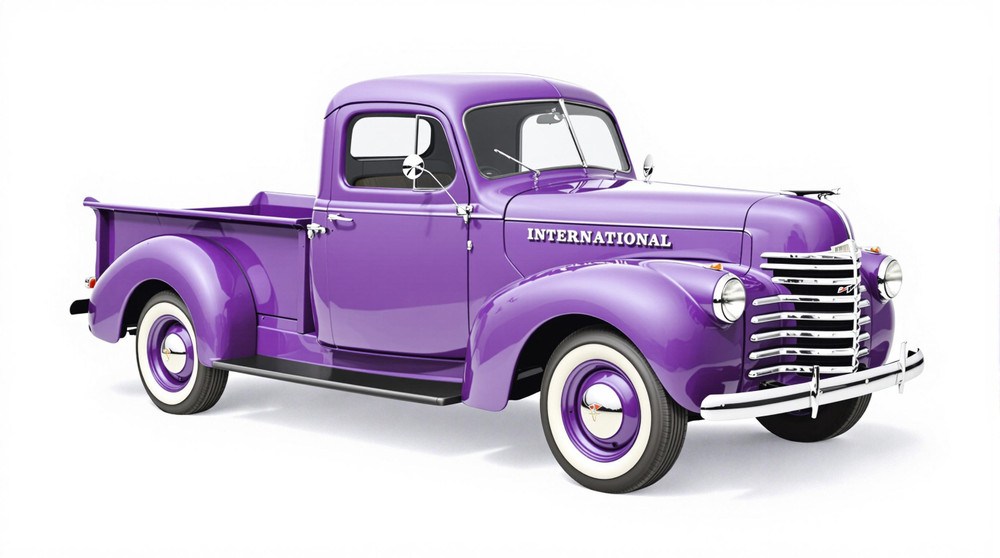
Image of 1947 International K-2, Note: These illustrations use artistic license and may differ from actual historical models.
Performance Metrics
Fundamental Metrics
Emotional Appeal
MMP Rating
| Engine Specifications | |
|---|---|
| Engine: | International Harvester Green Diamond flathead inline-six |
| Displacement: | 214 cubic inches |
| Horsepower: | Estimated 73-93 hp |
| Torque: | 170 lb-ft |
| Compression Ratio: | Estimated 6.5:1 |
| Ignition System: | Battery Ignition |
| Cooling System: | Liquid-cooled |
| Performance Specifications | |
| 0-60 Time: | Not available due to the age and type of vehicle |
| 1/4 Mile Time: | Not available due to the age and type of vehicle |
| Top Speed: | 70 mph |
| Transmission and Drive | |
| Drive Type: | Rear-wheel drive |
| Transmission Type: | 3-speed manual |
| Fuel and Efficiency | |
| Fuel System Type: | Carburetor |
| MPG: | Estimated 10-15 mpg |
| Dimensions and Brakes | |
| Brakes: | Hydraulic drum brakes |
| Wheelbase: | 113 inches |
| Weight: | 3,400 lbs |
Note: Specifications for classic cars are given to the best of our ability, considering the limited and variant data available.
1947 International K-2: A Postwar Workhorse
The 1947 International K-2 was built for a job, not a beauty contest, and that is exactly why its sturdy character still appeals to truck enthusiasts. Produced by International Harvester, the K-2 belonged to the company’s K-series range, a line of trucks that first appeared in 1940 and returned to American roads after the Second World War.
The K-2 occupied the three-quarter-ton class, between the lighter K-1 and heavier models in the range. Its straightforward construction suited farms, small businesses, tradespeople, and families who needed a vehicle capable of hauling more than an ordinary passenger car. The model also captures a particular moment in American life: in 1947, manufacturers were meeting a rush of demand for civilian vehicles after wartime production had focused on military needs.
One detail that makes the K-2 especially interesting is its place in a truck line that bridged prewar design and the postwar boom. The K-series had been introduced before the United States entered the war, but trucks like the 1947 K-2 helped carry International Harvester into a new era of civilian ownership and commercial growth.
K-2 Styling and Cab Details
The K-2 has the purposeful proportions of a late-1940s truck: a tall hood, upright cab, broad fenders, and a short, practical pickup bed. Its rounded front fenders flow around the headlamps, while the bold grille gives the nose a solid, upright appearance. Compared with a modern pickup, it looks narrow and compact, but its tall stance and substantial steel bodywork give it plenty of presence.
Inside, the emphasis is on function. The cab is a simple working space, typically finished with painted metal surfaces, a straightforward instrument panel, and a wide bench seat. Materials and trim were practical rather than luxurious. Depending on the truck’s original configuration and later restoration, seat upholstery may be cloth, vinyl, or a replacement material. The driver gets clear, basic gauges and large, uncomplicated controls rather than convenience features familiar to modern motorists.
There was little electronic technology in the modern sense. The K-2 relied on mechanical systems that could be understood and serviced with ordinary tools. Its period equipment included conventional lighting, a manual transmission, and a basic electrical system. Features and specifications could vary by build, options, and equipment fitted for a particular buyer, so surviving trucks are not all identically equipped.
International offered trucks in a range of colors over the K-series years, but the exact paint available on a particular 1947 K-2 depended on the order and application. Red, green, blue, and dark neutral shades are commonly associated with restored or repainted examples. International red is a popular choice today, although fleet and farm trucks could wear colors chosen to suit their owners.
The K-2 was available as a pickup and in work-oriented configurations such as chassis-cab or platform applications, with commercial bodies supplied to suit the job. The pickup is the version most people picture, and it is also the most recognizable choice among collectors. Work bodies and conversions make surviving trucks more varied, but they can be harder to identify as factory-original.
Why the K-2 Mattered
The 1947 International K-2 was not a revolutionary sports car or a landmark luxury vehicle. Its significance lies in a different kind of progress: it brought dependable hauling capacity to businesses and households at a time when the country was rebuilding its civilian vehicle fleet. International Harvester had deep experience in agriculture and commercial equipment, and that practical heritage shaped the K-2’s no-nonsense character.
Against contemporary pickups, the K-2 offered a useful middle ground. It was more substantial than a light-duty half-ton truck, yet less imposing than a heavy commercial model. That made it appealing to owners who needed extra carrying capacity without stepping up to a much larger truck. Its conventional engineering also meant that repairs and upkeep were within reach of mechanics familiar with basic engines, brakes, and drivetrains.
The K-series helped establish the visual and mechanical language of postwar International trucks: upright styling, durable construction, and a focus on usefulness. Its lasting influence is less about a single breakthrough than about the dependable role trucks like it played in farms, small businesses, and local commerce. Today, it represents the work-truck tradition that helped make pickups an everyday part of American life.
Engine, Speed, and Road Manners
A typical K-2 was powered by International’s 214-cubic-inch inline-six, commonly known as the Green Diamond. Output figures vary among references and configurations, but the engine is generally described as producing roughly 78 to 82 horsepower. It was designed to deliver usable low-speed pulling power rather than quick acceleration. A manual transmission sent power to the rear wheels, with gearing and axle ratios depending on the truck’s specification.
There is no dependable factory 0-to-60 mph figure for the K-2, and modern tests of surviving trucks can differ substantially. As a broad estimate, a stock example might take roughly 35 to 45 seconds to reach 60 mph, if its gearing, condition, load, and road allow it to get there comfortably. Many trucks are happier cruising below that speed. A healthy, lightly loaded K-2 may manage around 55 to 60 mph on a suitable road, but that should not be mistaken for a comfortable or recommended sustained cruising speed.
On smooth pavement, the K-2 feels deliberate and mechanical. The six-cylinder engine has a steady, workmanlike note, while the manual gearbox calls for positive shifts and a little patience. Steering and braking require more effort than in a modern pickup, and the driver sits upright with a clear view over the hood.
Over bumps, the truck’s suspension and load-carrying setup can feel firm when the bed is empty. A moderate load may settle the ride, but it also affects braking and acceleration. On winding roads, the K-2 rewards smooth inputs. Its tall stance, period tires, and truck-style steering are reminders to slow down and avoid abrupt maneuvers, especially on wet or uneven surfaces.
Living With a 1947 International
Today, most K-2s serve as collector vehicles, farm or property trucks, parade entries, and weekend drivers. A well-maintained example can be used on local roads, but it is not a modern daily driver. Limited safety equipment, modest speed, manual controls, and the lack of modern traffic protections make careful route and speed choices important.
Mechanical maintenance is relatively approachable for an owner with basic skills. The engine and drivetrain use conventional components, and many repairs do not require specialized diagnostic equipment. However, “simple” does not mean effortless: decades of wear, hard use, and previous repairs can create problems. Brake condition, steering components, cooling, fuel delivery, electrical connections, and tire age deserve close attention before regular driving.
Parts support is mixed. Routine mechanical items may be available through specialist suppliers, swap meets, or used-parts networks, while trim, sheet metal, and model-specific details can take time to find. Cab rust, improvised repairs, and incomplete projects are common concerns on old working trucks. A pre-purchase inspection by someone familiar with vintage commercial vehicles is money well spent.
K-2 Trivia and Common Criticisms
The 1947 K-2 belongs to the broader K-series family, but it should not be confused with a single, uniform specification. International sold trucks for different jobs, and equipment, bodywork, and drivetrain details could vary. A restored pickup may therefore look quite different from a period work truck that left the factory as a chassis-cab and received a commercial body later.
No widely recognized speed, sales, or endurance record is associated specifically with the 1947 K-2. Its achievement was quieter: trucks of this type earned their reputations through years of hauling, farm work, and local business service. That hard-working history is also why many surviving examples have been modified, rebuilt, or fitted with replacement parts.
Common criticisms are familiar to anyone who drives a prewar or early postwar truck. The K-2 is slow by modern standards, its cab is basic, and its steering and braking take more effort than those of a contemporary vehicle. Parts availability can be uneven, and unrestored examples may need substantial work. For enthusiasts, those drawbacks are part of the experience, but they should be understood before buying one.
1947 International K-2 Values and Rarity
There is no dependable public production total for the 1947 K-2 alone. International built K-series trucks in significant numbers, but surviving records do not provide a clear, widely verified figure for this exact model and model year. A cautious estimate would put 1947 K-2 production somewhere in the several-thousand to low-tens-of-thousands range, rather than suggesting a precise number unsupported by records. Many were used hard, so original, complete examples are much less common than the initial production suggests.
As a broad U.S. market guide in 2026, a project truck may sell for roughly $3,000 to $8,000, depending on completeness and rust. A usable driver could fall around $8,000 to $18,000, while a clean, well-restored pickup may bring approximately $20,000 to $40,000 or more. Exceptional restorations, rare body configurations, and trucks with strong documentation can exceed that range. Condition, originality, and the quality of the work matter more than a shiny paint job alone.
Prices have generally benefited from growing interest in vintage pickups, but values remain highly sensitive to condition and location. A K-2 is usually more affordable than a celebrated classic car or a rare high-performance truck, and it may take longer to find the right buyer. The best examples have the strongest potential to hold value; rough projects are less predictable because restoration costs can quickly exceed the finished truck’s market price.
A Practical Classic With Lasting Character
The 1947 International K-2 combines postwar utility, distinctive late-1940s styling, and straightforward mechanical design. It is not fast, luxurious, or packed with advanced technology. Instead, its appeal comes from the honest feel of a truck built to work, its connection to International Harvester’s agricultural and commercial roots, and the character it brings to a modern road.
For collectors, the K-2 offers a rewarding alternative to more familiar classic pickups. Find a sound example, preserve its working-truck character, and the old International becomes more than a piece of machinery: it is a rolling reminder of the people and businesses that helped get postwar America moving.
1947 International K-2 Catalog of Parts
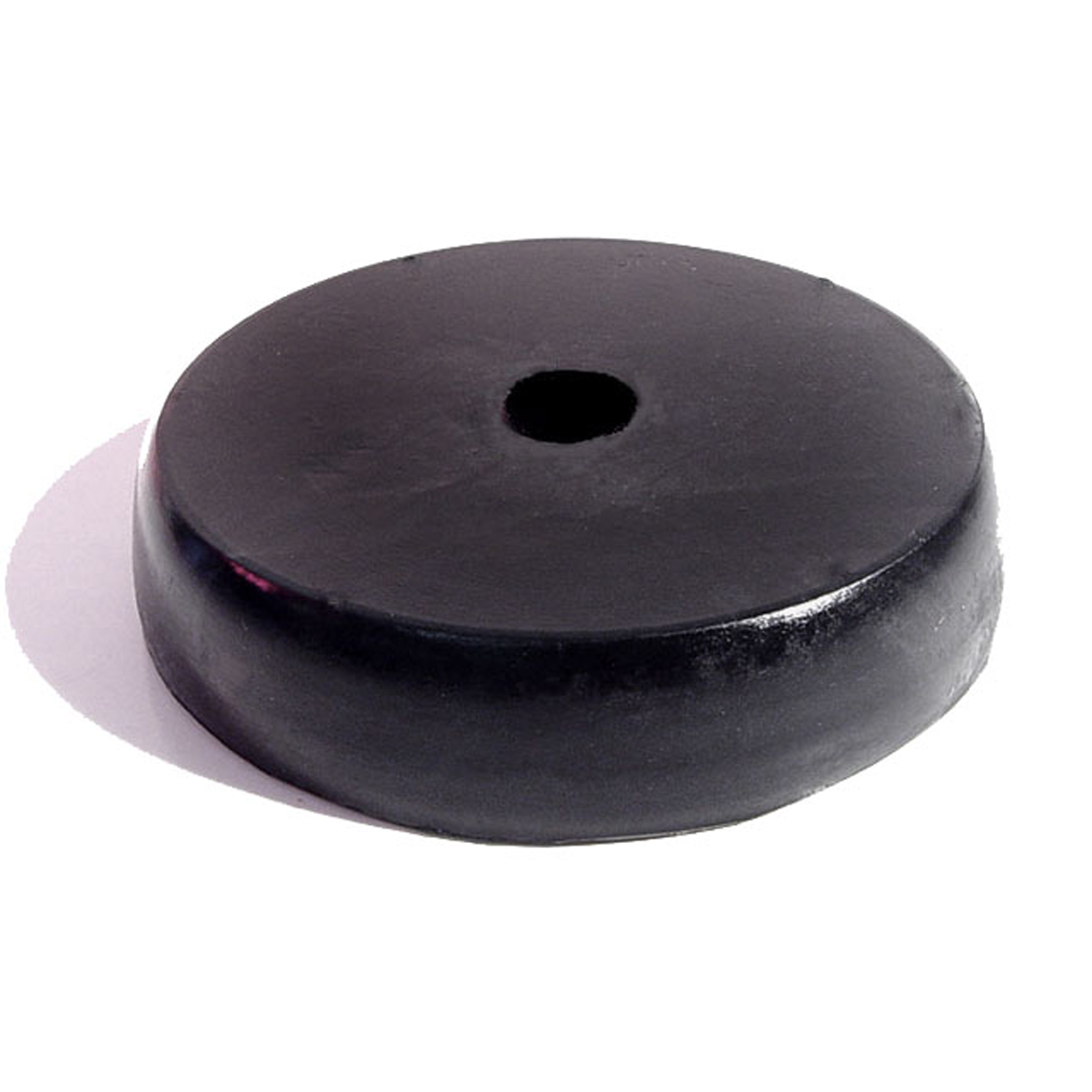 1947 INTERNATIONAL K-2 body Cushion. Cab-to-fender bumper. Solid rubber. 3 in-BC 1body Cushion. Cab-to-fender bumper. Solid rubber. 3 in. OD; 3/8 in. ID; 5/8 in. thick. Each.
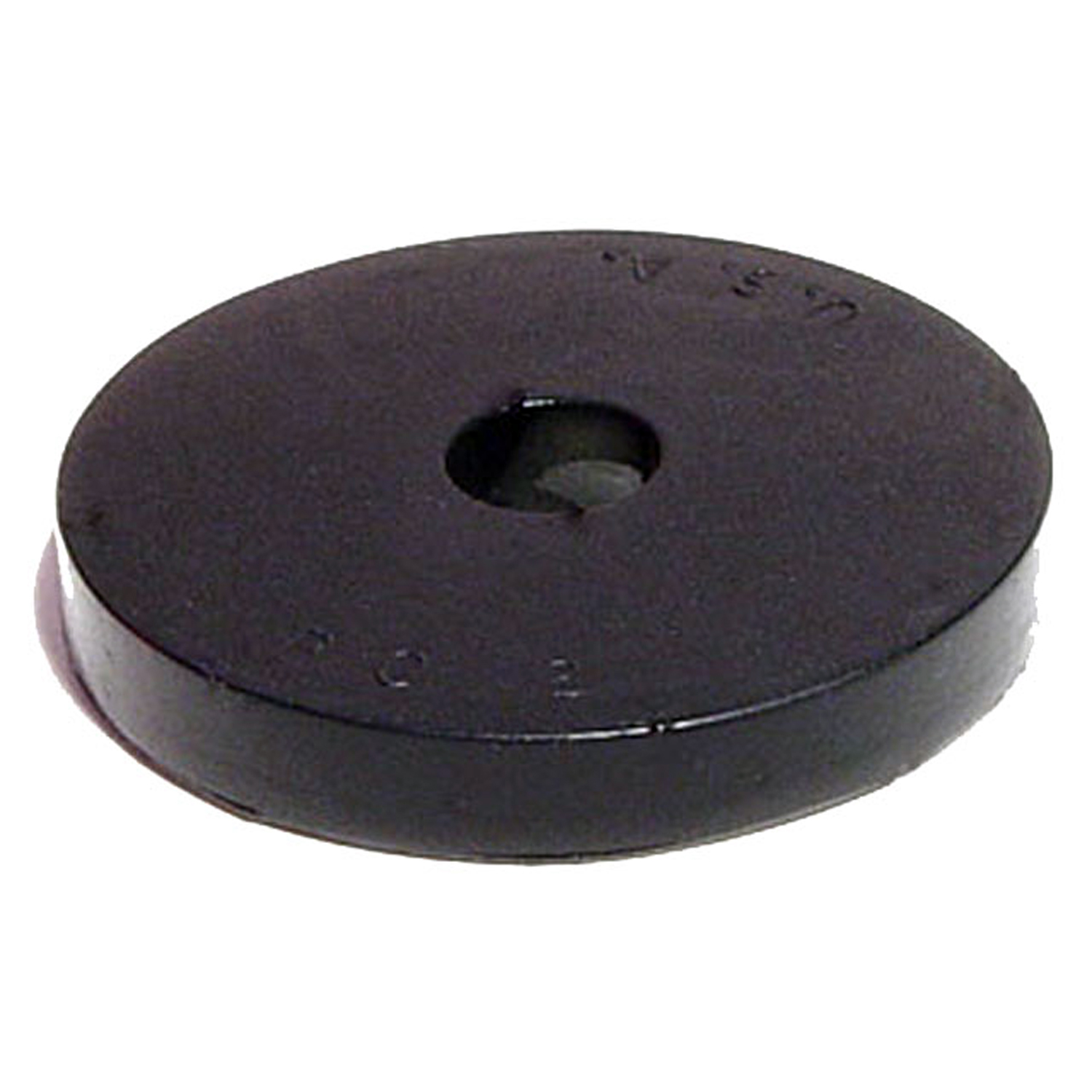 1947 INTERNATIONAL K-2 Rubber Body Cushion. Cab to Fender Running Board Bumper-BC 2Rubber Body Cushion. Cab to Fender Running Board Bumper. 1-3/4" O.D., 3/8" I.D., 1/4" Thick. Each
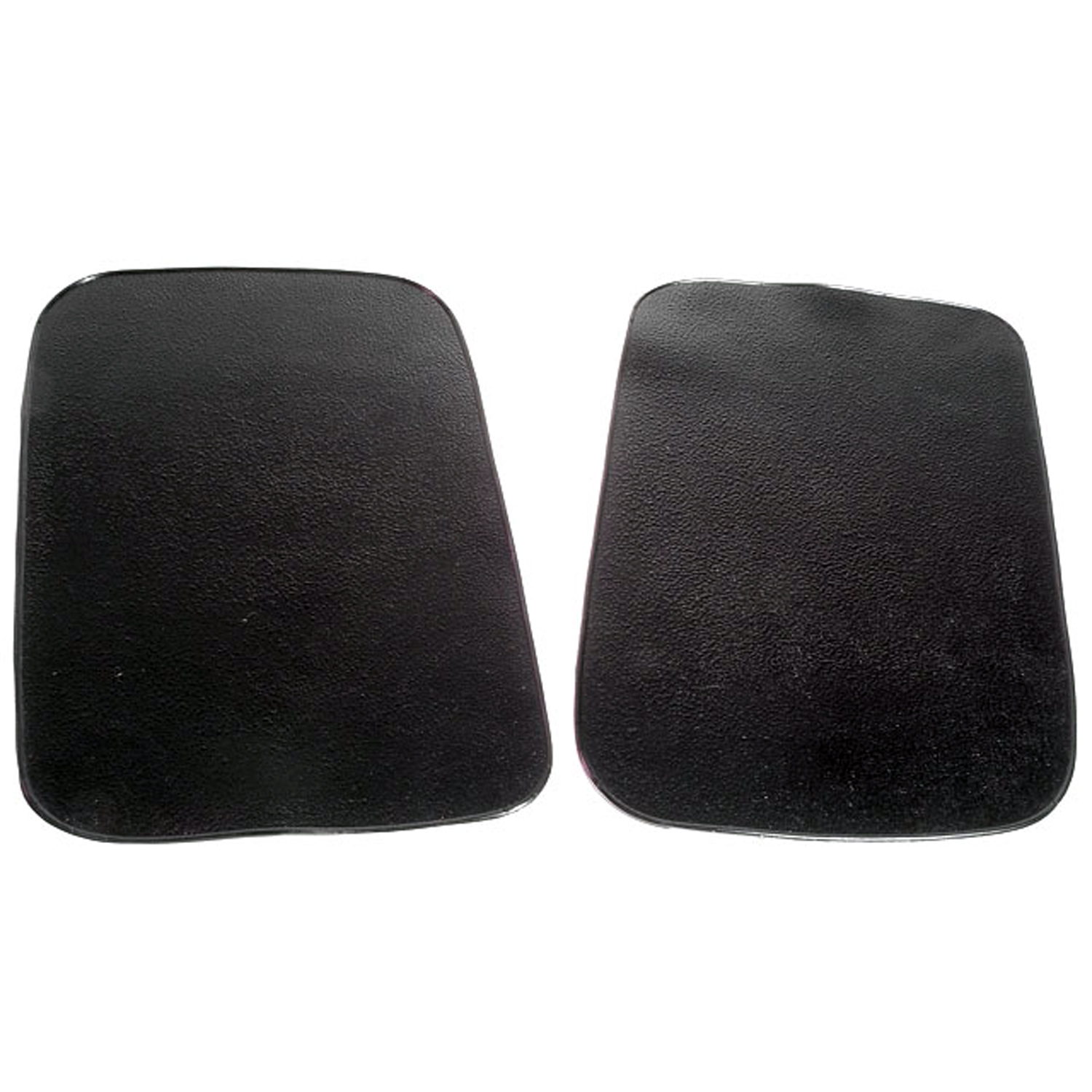 1947 INTERNATIONAL K-2 Gravel Shields. Molded flat without metal backing plates -FS 43Gravel Shields. Molded flat without metal backing plates. Apply with contact cement. 14-1/4" long X 8-1/2" wide at top and 8-1/2" wide at bottom. Pair
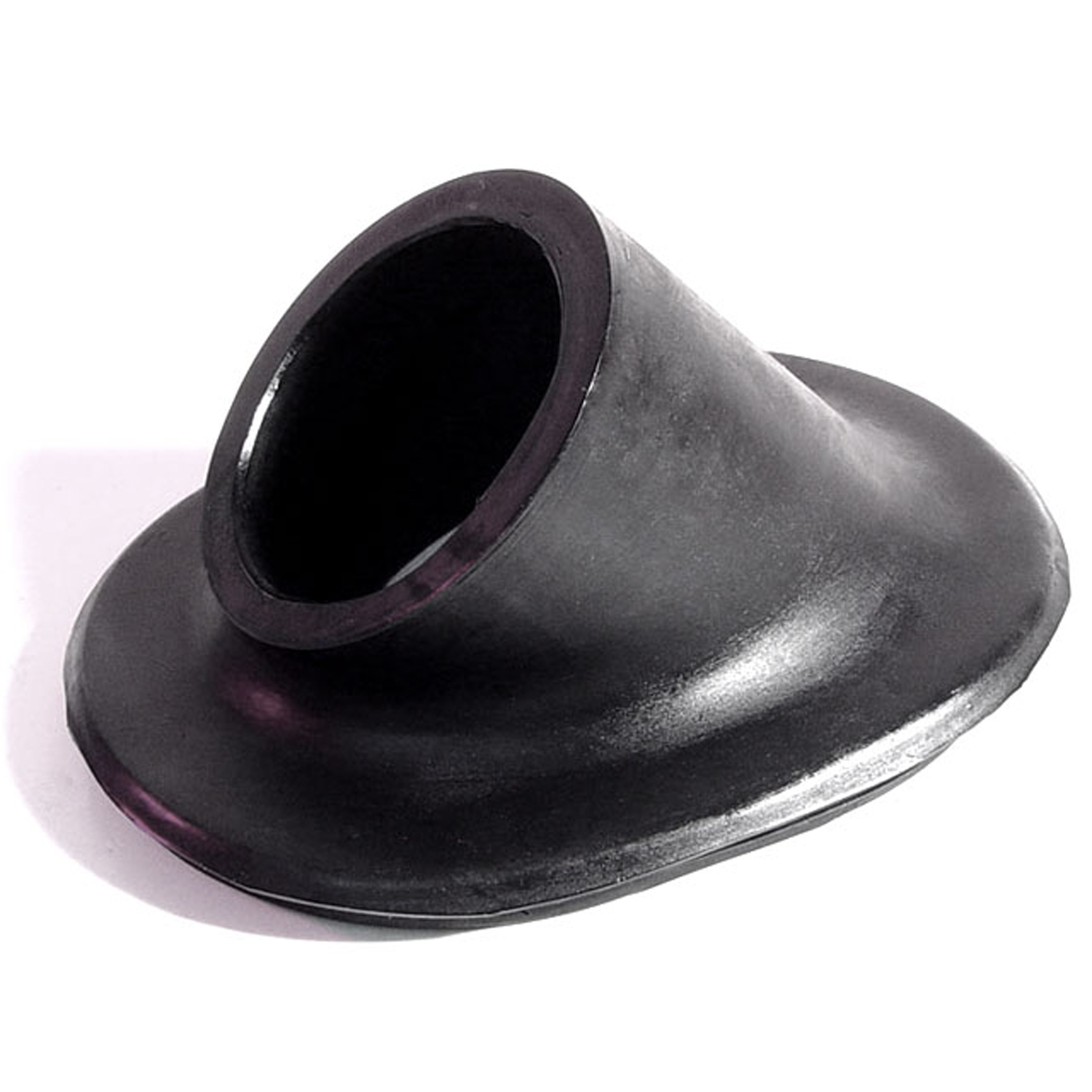 1947 INTERNATIONAL K-2 Gas Filler Grommet. Perfect reproduction. 2" I.D-GF 36Gas Filler Grommet. Perfect reproduction. 2" I.D., 5" oblong length. Each
 1947 INTERNATIONAL K-2 Trim Ring Lens Seals. Rubber. 7-3/4" O.D., 7-1/8" I.D-HR 10Trim Ring Lens Seals. Rubber. 7-3/4" O.D., 7-1/8" I.D. Pair
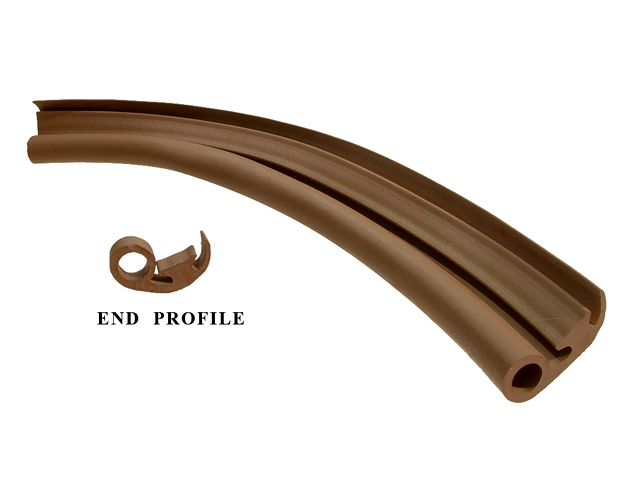 1947 INTERNATIONAL K-2 Door Cab Seal, Brown. Sold by the foot.-LP 103-A/BRDoor Cab Seal, Brown. Sold by the foot.
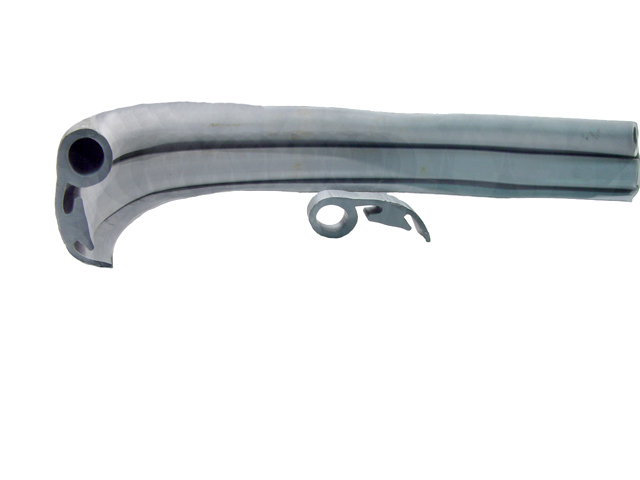 1947 INTERNATIONAL K-2 Door Cab Seal, Gray. Sold by the foot.-LP 103-A/GRDoor Cab Seal, Gray. Sold by the foot.
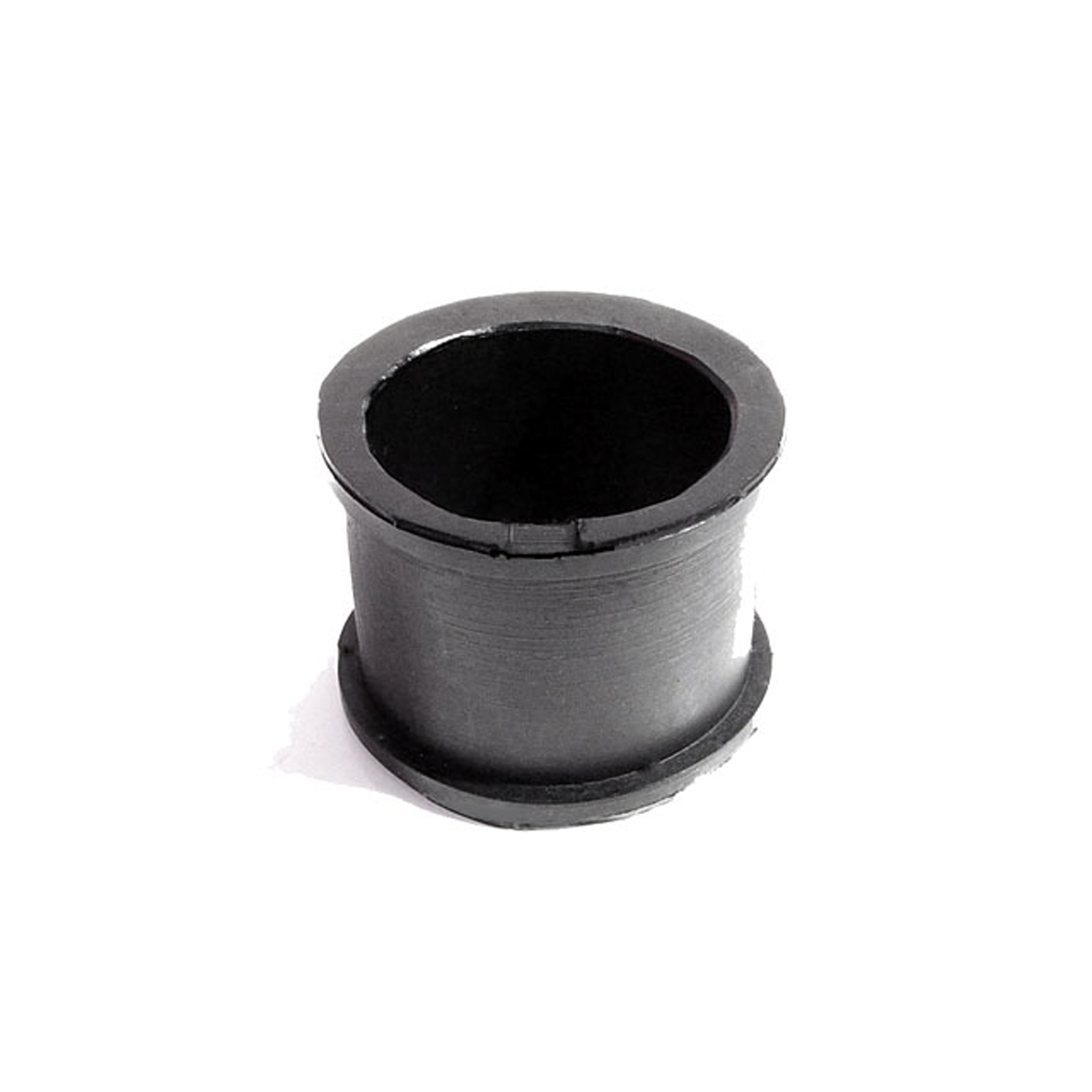 1947 INTERNATIONAL K-2 Steering Column Clamp Cushion. Each-SC 18Steering Column Clamp Cushion. Each
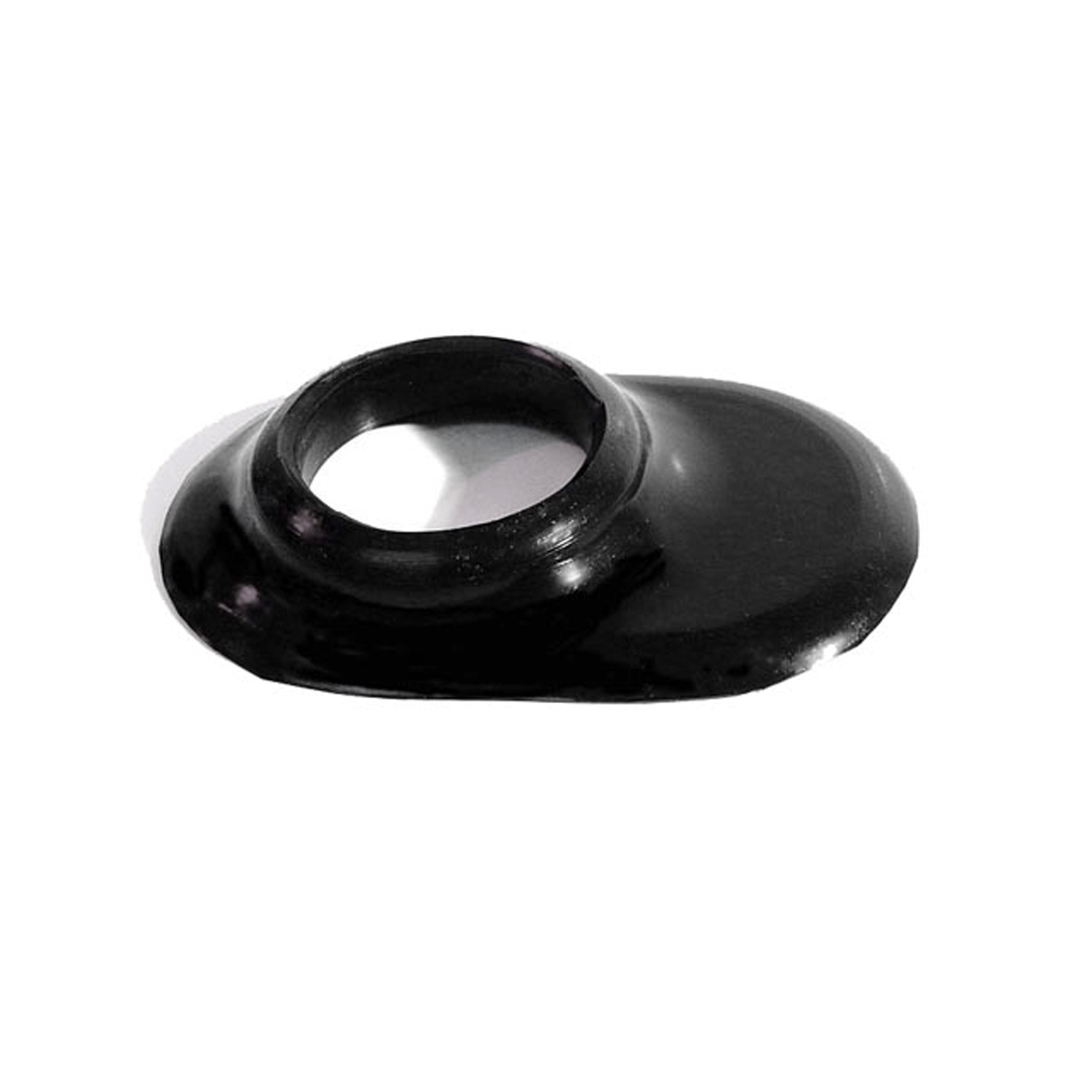 1947 INTERNATIONAL K-2 Steering Column Rubber Trim Grommet. Each-SC 19Steering Column Rubber Trim Grommet. Each
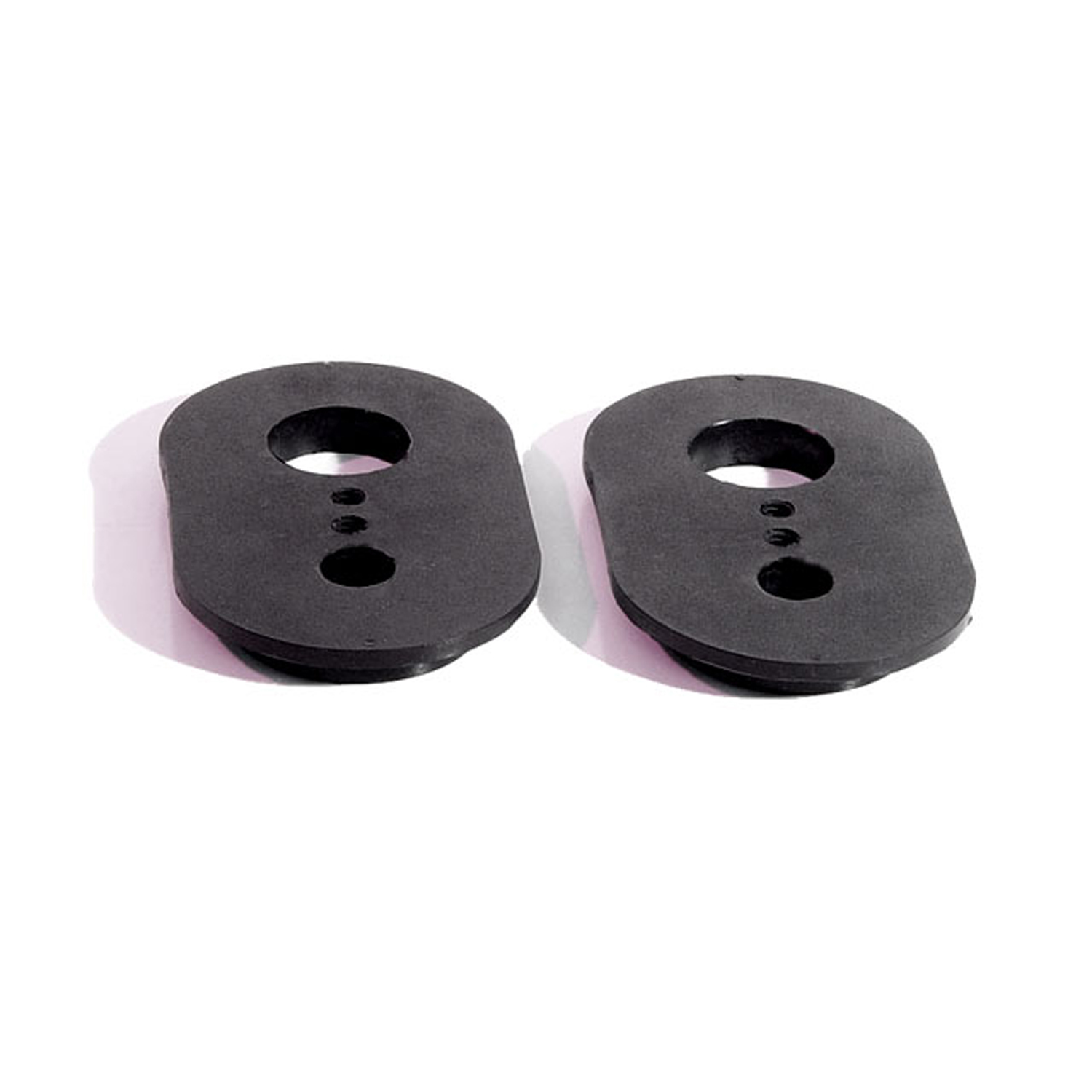 1947 INTERNATIONAL K-2 Firewall Grommet. Each-SM 41Firewall Grommet. Each
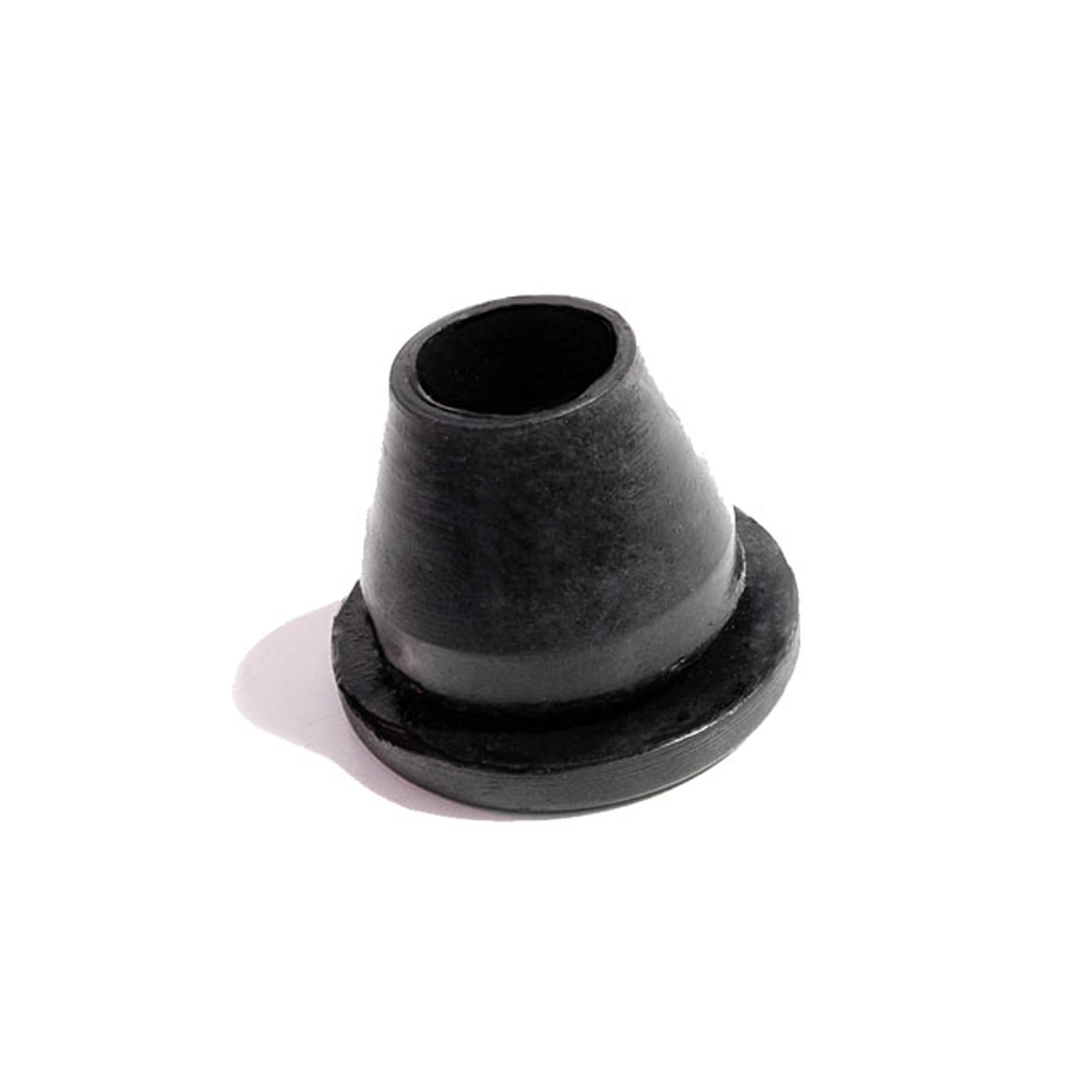 1947 INTERNATIONAL K-2 Headlight Wire Grommet. Each-SM 42Headlight Wire Grommet. Each. Measures 1-7/32" OD X 15/16" H.
Why Choose Metro?
For over 100 years, Metro Moulded Parts has been the pinnacle of quality in classic car restoration parts. Our commitment to precision and authenticity in every component ensures a perfect fit and an OEM-level appearance.
- Expert Craftsmanship & Quality: Each part is a testament to our dedication to reliability and perfection, crafted from original designs and thoroughly tested.
- Advanced Technology: We use cutting-edge techniques to create flawless, long-lasting parts that surpass others in performance.
- SuperSoft Sponge – The Ultimate Door Seal: Not only are our door seals 30% softer than competitors', but they're also guaranteed to never leak. They effectively reduce wind and road noise, enhancing your classic car's comfort and driving experience.
- Proudly American: Our parts are a product of American craftsmanship, made in the USA with a spirit of excellence and heritage.
- Unrivaled Warranty: We back our products with a 30-year industry-leading warranty, a testament to our confidence in their quality.
Join us in preserving the legacy of classic cars with parts that are crafted for perfection, not just made.