

Image of 1939 Jaguar Ss100, Note: These illustrations use artistic license and may differ from actual historical models.
Performance Metrics
Fundamental Metrics
Emotional Appeal
MMP Rating
| Engine Specifications | |
|---|---|
| Engine: | 2.5L and 3.5L Inline 6 |
| Displacement: | 2.5L (2500cc) or 3.5L (3500cc) |
| Horsepower: | 70-125 HP |
| Torque: | Estimated at 120-150 lb-ft |
| Compression Ratio: | 7.2:1 |
| Ignition System: | Coil and distributor |
| Cooling System: | Water-cooled |
| Performance Specifications | |
| 0-60 Time: | 10-12 seconds |
| 1/4 Mile Time: | Estimated at 18-20 seconds |
| Top Speed: | 95-100 mph |
| Transmission and Drive | |
| Drive Type: | Rear-wheel drive |
| Transmission Type: | 4-speed manual |
| Fuel and Efficiency | |
| Fuel System Type: | Twin SU carburetors |
| MPG: | Estimated at 15-20 mpg |
| Dimensions and Brakes | |
| Brakes: | Drum brakes |
| Wheelbase: | 104 inches |
| Weight: | Estimated at 2,600 lbs |
Note: Specifications for classic cars are given to the best of our ability, considering the limited and variant data available.
1939 Jaguar SS100: The Prewar Roadster That Made 100 Miles Per Hour Matter
The 1939 Jaguar SS100 looks ready to leap forward even when it is standing still: a tall, narrow grille, sweeping front wings and a bonnet that seems to stretch all the way to the horizon. Built by SS Cars Ltd. in Coventry, England, it was a fast, hand-finished two-seat sports car from the final years before the Second World War. Its blend of performance and elegant styling helped establish the character of the Jaguar sports cars that followed.
The SS100 was introduced in 1936 under the name SS Jaguar 100. The “100” referred to its intended top speed of 100 mph, a striking figure for a production sports car of the era. In 1939, its final production year, buyers could choose between the 2.5-litre and 3.5-litre versions. The name also carries an interesting piece of company history: SS Cars Ltd. adopted the name Jaguar Cars in 1945, but the SS100 already wore the Jaguar name on its nose years earlier.
Long Bonnet, Roadster Body and Hand-Finished Cabin
The SS100’s proportions are its defining feature. Its long bonnet, upright radiator grille and separate, flowing wings give it a purposeful prewar look, while exposed headlamps, wire wheels and running boards add to its period character. The rear tapers neatly behind the two-seat cockpit. Rather than following the more integrated, streamlined styling that became common after the war, the SS100 makes its mechanical presence part of the design.
The production SS100 was offered as an open two-seat roadster. It was not a model with a range of factory coupe and convertible body styles, though individual cars could vary in equipment and finish. Its cockpit is compact and relatively simple by modern standards, with a wood-trimmed instrument panel, clear period gauges and leather upholstery. The materials and detailing gave the car a suitably special feel, but the cabin was built around driving, not luxury-car convenience.
Paint and trim could be specified in different combinations, and surviving cars appear in a range of period colors. Dark hues such as black, deep blue and green suit the car particularly well, while red and lighter shades offer a more sporting appearance. There was no single color that defined every SS100, and an individual car’s original specification is best confirmed through its records and surviving factory documentation.
Under the bonnet, the SS100 used a pushrod, overhead-valve straight-six developed from a Standard Motor Company engine. Twin SU carburetors helped it breathe, while a four-speed manual gearbox put the power in the driver’s hands. Hydraulic brakes were a significant practical feature for a fast road car of its day. The overall package was conventional in layout, but the combination of a powerful engine, low open body and carefully tuned chassis made it feel distinctly sporting.
Why the SS100 Mattered to Jaguar
The SS100 arrived at a time when British manufacturers were working to make sports cars both faster and more polished. It stood out for bringing genuine high-speed ability together with coachbuilt style and a relatively usable road-going package. It was not a mass-market car, but it helped build the reputation that would later support Jaguar’s postwar sports-car ambitions.
Its influence is best understood as part of a design lineage rather than as a direct engineering blueprint for every later Jaguar. The SS100 established a memorable formula: a dramatic long bonnet, an elegant open cockpit and performance presented with a sense of occasion. That identity would evolve in postwar models, most famously the XK120, but the SS100 remains an important early expression of the Jaguar sports-car idea.
The company behind it was also in transition. SS Cars grew out of the Swallow Sidecar Company, founded by William Lyons and William Walmsley. After the war, the firm became Jaguar Cars. The SS100 therefore belongs to a brief but formative period when the Jaguar name was already appearing on cars, while the manufacturer itself still carried the SS Cars identity.
1939 SS100 Performance and Road Manners
The 3.5-litre SS100 produced about 125 horsepower, and period specifications and later reference sources commonly give it a top speed close to 100 mph. The 2.5-litre version was less powerful and generally slower. Acceleration figures were not always measured or reported in the same way in the 1930s, so modern estimates vary; the 3.5-litre car is often placed around 10 to 12 seconds from 0 to 60 mph, with the 2.5-litre taking longer.
Those numbers need the right context. The SS100 has no modern stability control, power steering or anti-lock brakes, and its road manners reflect the engineering of its era. Its narrow tires, relatively simple suspension and traditional chassis reward a smooth driver. On a winding road, the car feels engaging and mechanical, with steering inputs and throttle changes communicated directly. Over rough surfaces, it can move and bounce more than a modern sports car, so a measured pace is part of the experience.
The straight-six provides much of the car’s charm. Rather than a muted modern exhaust note, the driver hears a distinct mechanical rhythm and the rising sound of the engine as the revs build. The open cockpit makes that soundtrack part of the drive. There is little between the driver and the machine: a manual gearbox, a physical clutch and brakes that require planning and a firm, attentive foot.
Living with an SS100 Today
Today, most SS100s are treated as collector cars, show cars or carefully driven tour and rally participants rather than daily transportation. Their age, rarity and value make routine commuting impractical for many owners. A well-maintained example can still be driven, but long trips require preparation and an understanding of prewar-car limitations.
The basic mechanical layout is accessible to an experienced vintage-car mechanic, and many service tasks are straightforward in principle. That does not make ownership easy for every enthusiast. Parts can be costly or difficult to source, and body, trim and chassis work may call for specialists familiar with SS Jaguars. Carburetors, ignition, brakes and the cooling system need regular attention, while age and previous restoration quality matter as much as the original design when assessing reliability.
For a prospective owner, a detailed inspection is essential. Check the chassis and body structure, confirm the car’s identity and history, and have the engine, gearbox and brakes assessed by someone who knows the model. Matching numbers, originality, restoration quality and documented provenance can all affect value substantially.
SS100 Facts, Rarity and Reputation
The “100” in the name was a bold performance target, not a promise that every car would reach that speed under every condition. The larger 3.5-litre model was the version most closely associated with the 100-mph claim. SS100s also took part in the sporting culture of their day, including rallies and trials, where speed mattered but so did endurance and driver skill.
Production was tiny by modern standards. Commonly cited figures are about 198 examples of the 2.5-litre model and 116 of the 3.5-litre model, for roughly 314 SS100s in total. These are generally quoted across the model’s 1936 to 1939 production run, rather than as a count of 1939 cars alone. The limited numbers help explain why genuine examples are seldom available and why their histories are so carefully documented.
The car’s main criticisms are closely tied to its period character. It can be demanding to drive quickly, offers little protection from weather, and lacks the comfort and convenience expected of a modern sports car. Restoration can also be expensive, especially when a car needs extensive body or chassis work. For enthusiasts, however, those compromises are part of what makes the SS100 feel like a direct link to prewar motoring.
1939 Jaguar SS100 Collector Values
As a broad 2026 estimate in the United States, a sound, correctly identified 2.5-litre SS100 might fall around $400,000 to $700,000, while a strong 3.5-litre example could bring roughly $600,000 to $1 million or more. Exceptional cars with major provenance, high-quality restoration or unusually strong originality can exceed those ranges. These are general estimates, not appraisals: condition, authenticity, specification and market timing can shift the price considerably.
With only about 314 built across both engine sizes, genuine SS100s are rare and infrequently offered for sale. Values for significant prewar sports cars have generally benefited from long-term collector interest, but prices are not guaranteed to rise in a straight line. Auction results can vary widely, and restoration costs may be substantial. Buyers tend to place a premium on well-documented cars that retain important original features or have a respected restoration history.
A Small Production Run with a Lasting Shadow
The 1939 Jaguar SS100 combines a powerful straight-six, graceful roadster styling and the lively, hands-on character of a prewar sports car. It was built in small numbers, yet its impact reaches well beyond its production total. As one of the earliest cars to carry the Jaguar name, it helped define the performance and visual drama the marque would continue to refine.
More than a rare collectible, the SS100 is a vivid reminder of how much personality an open cockpit, a long bonnet and a willing engine can create. Its appeal is not simply that it could approach 100 mph. It is that every mile feels connected to the era when Jaguar’s sports-car identity was taking shape.
1939 Jaguar Ss100 Catalog of Parts
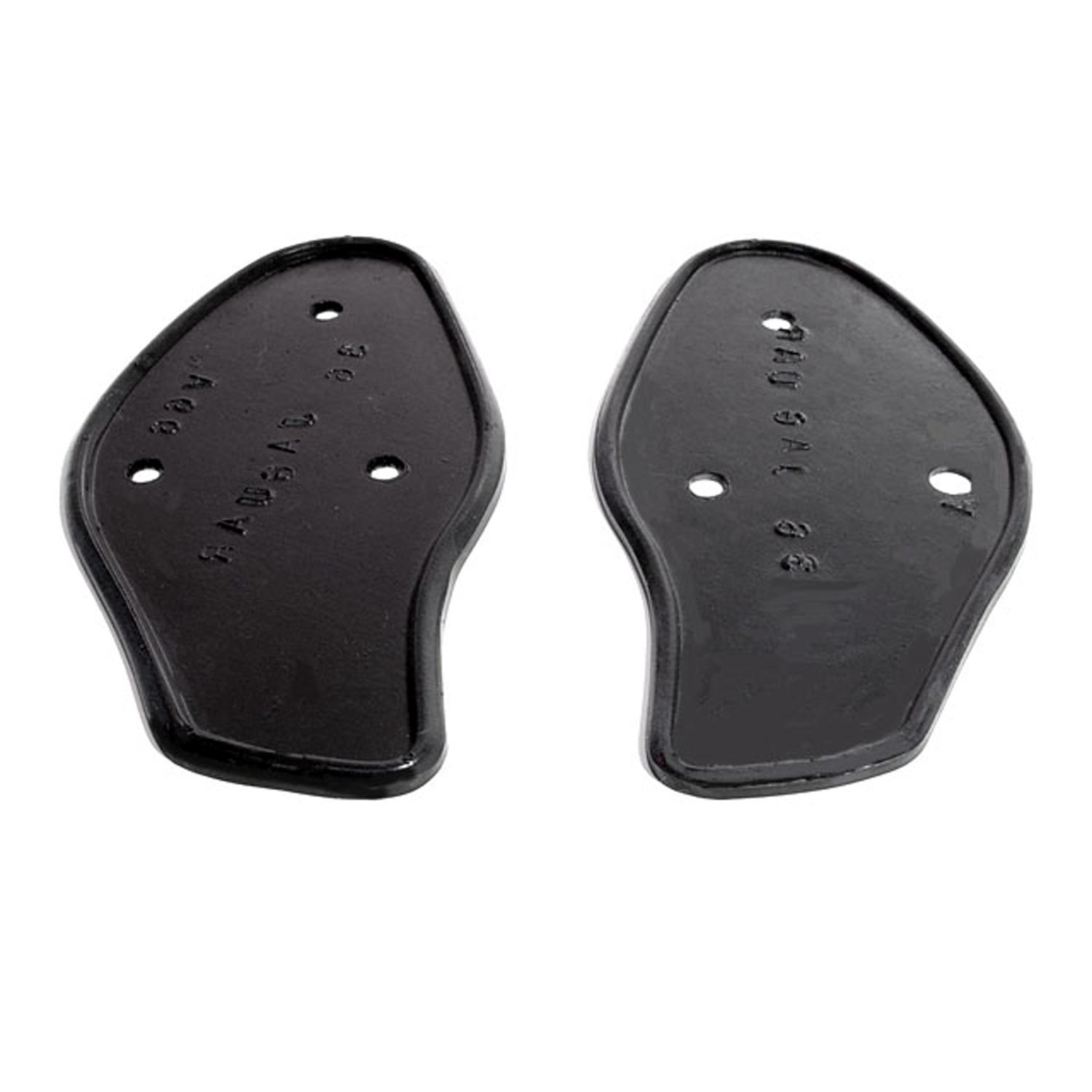 1939 Jaguar SS100 Windshield Post Pads. 3-1/4" wide X 6-1/8" long. Pair R&L-MP 799-AWindshield Post Pads. 3-1/4" wide X 6-1/8" long. Pair R&L
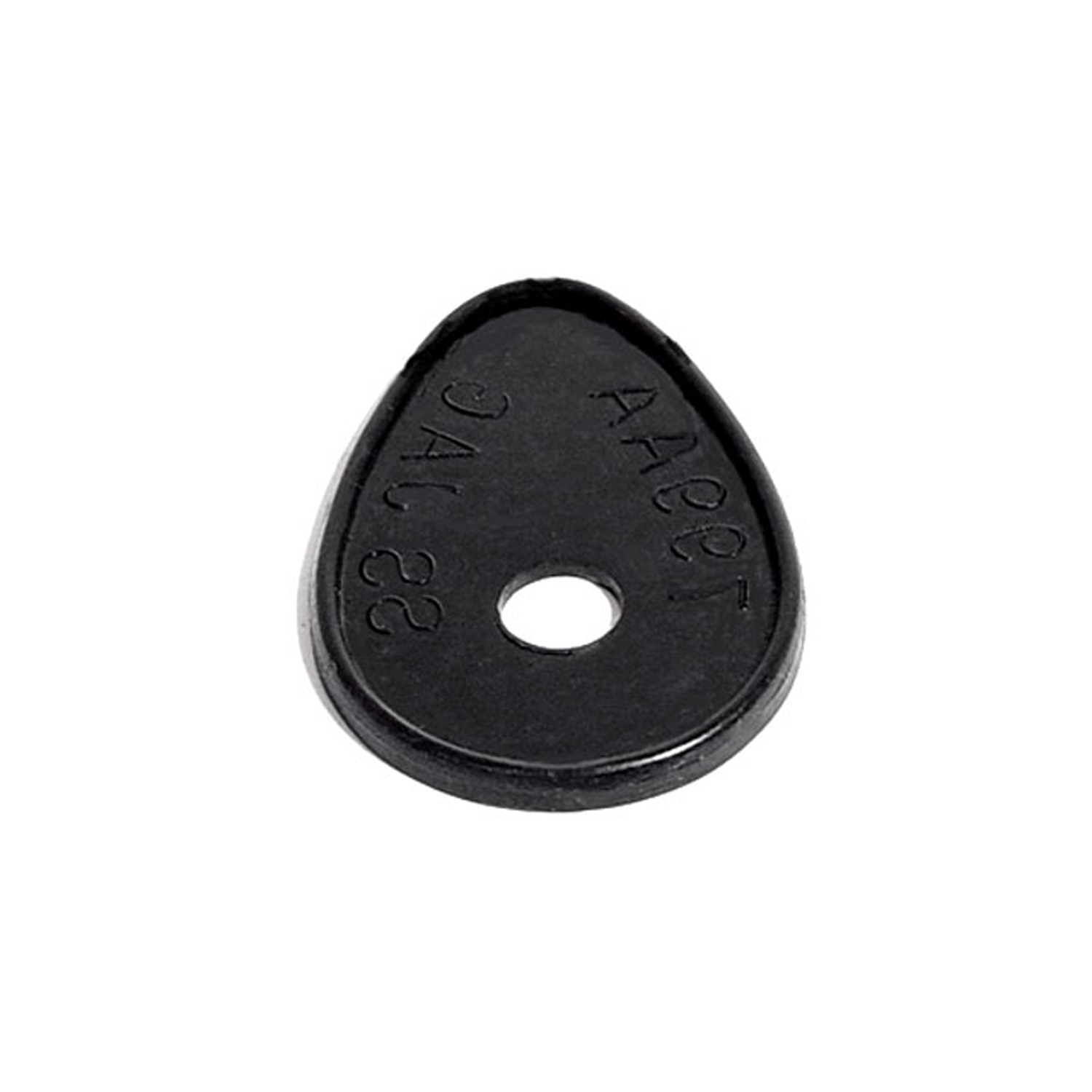 1939 Jaguar SS100 Fender Mirror Pad. 1-3/8" wide X 2-1/8" long. Each-MP 799-AAFender Mirror Pad. 1-3/8" wide X 2-1/8" long. Each
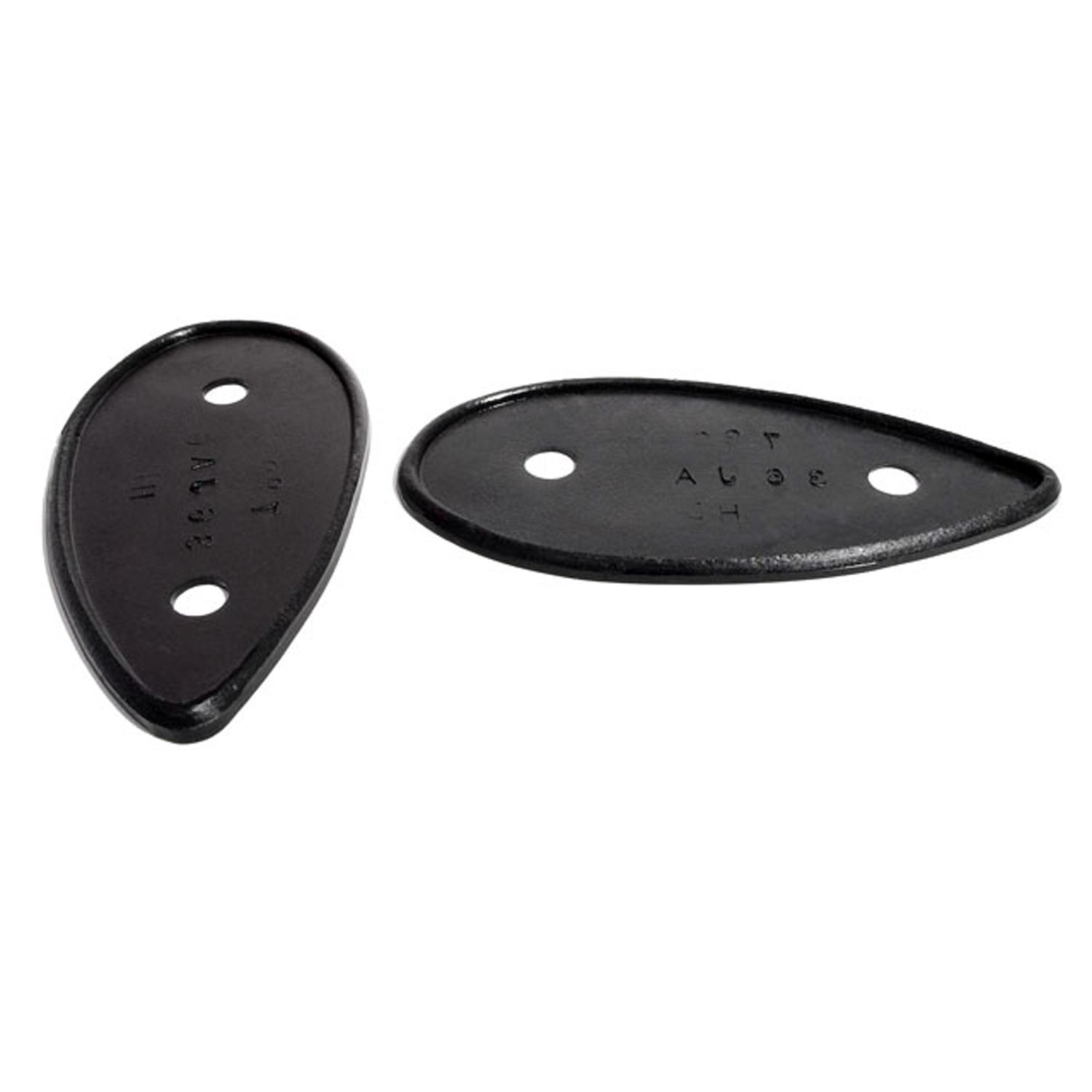 1939 Jaguar SS100 Headlight Pads. 2-5/8" wide X 5-1/8" long. Pair-MP 799-BHeadlight Pads. 2-5/8" wide X 5-1/8" long. Pair
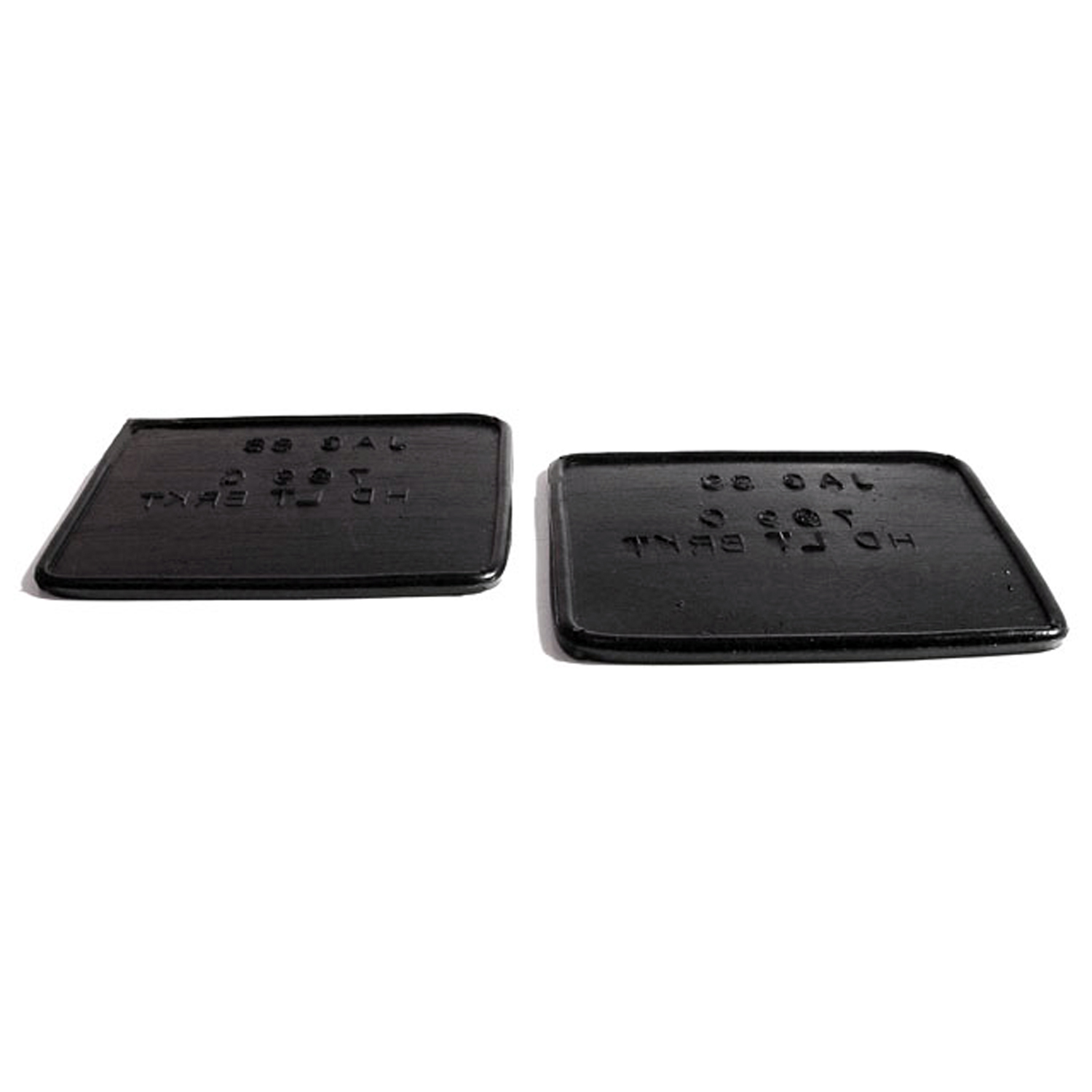 1939 Jaguar SS100 Headlight Pads. 3" wide X 2-5/8" long. Pair-MP 799-QHeadlight Pads. 3" wide X 2-5/8" long. Pair
 1939 Jaguar SS100 Tail-light pads. 3-3/4 in. W x 3-5/8 in. L. Pair.-MP 799-RTail-light pads. 3-3/4 in. W x 3-5/8 in. L. Pair.
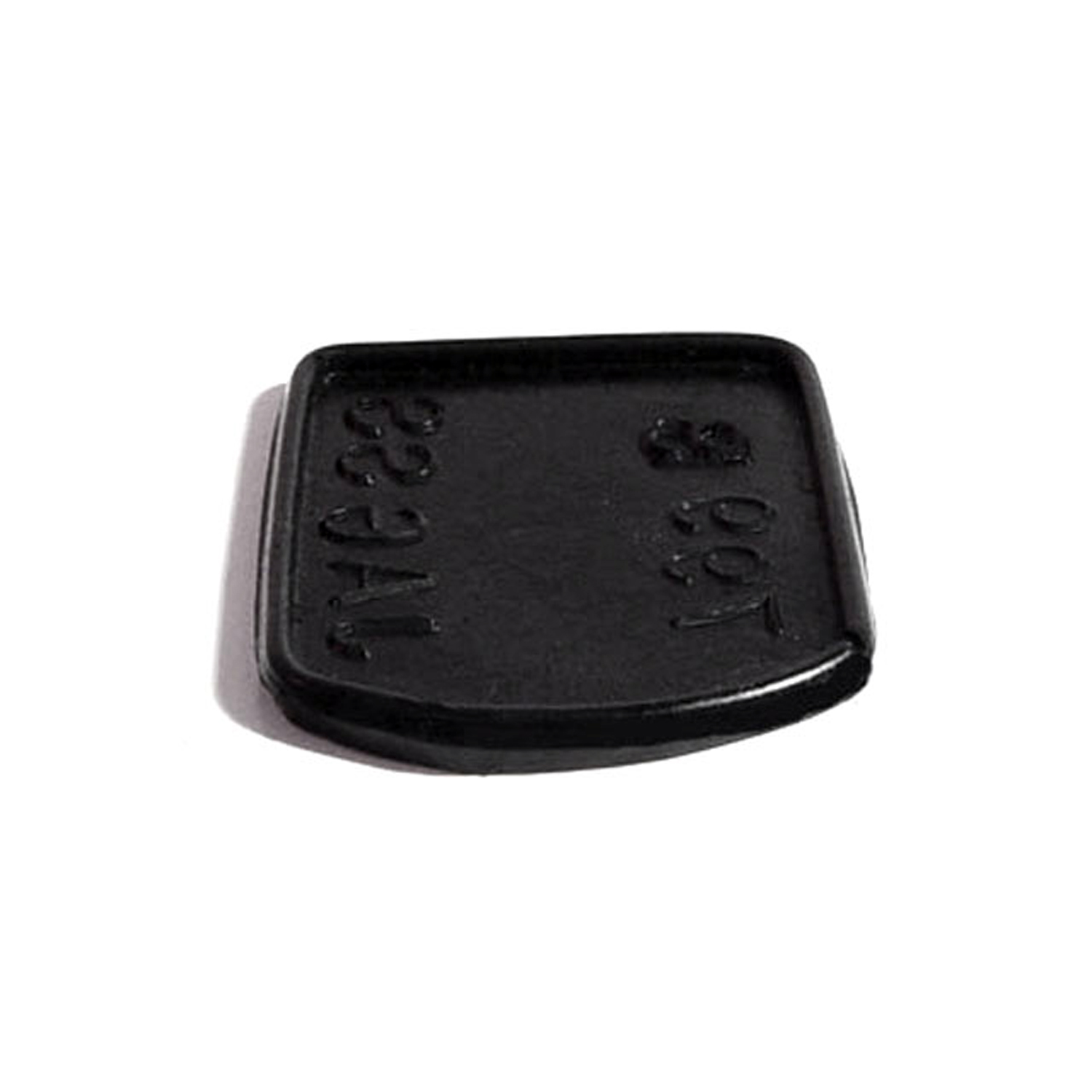 1939 Jaguar SS100 Windshield Wiper Transmission Pad-MP 799-SWindshield Wiper Transmission Pad. 1-1/4" wide X 1-5/8" long. Each
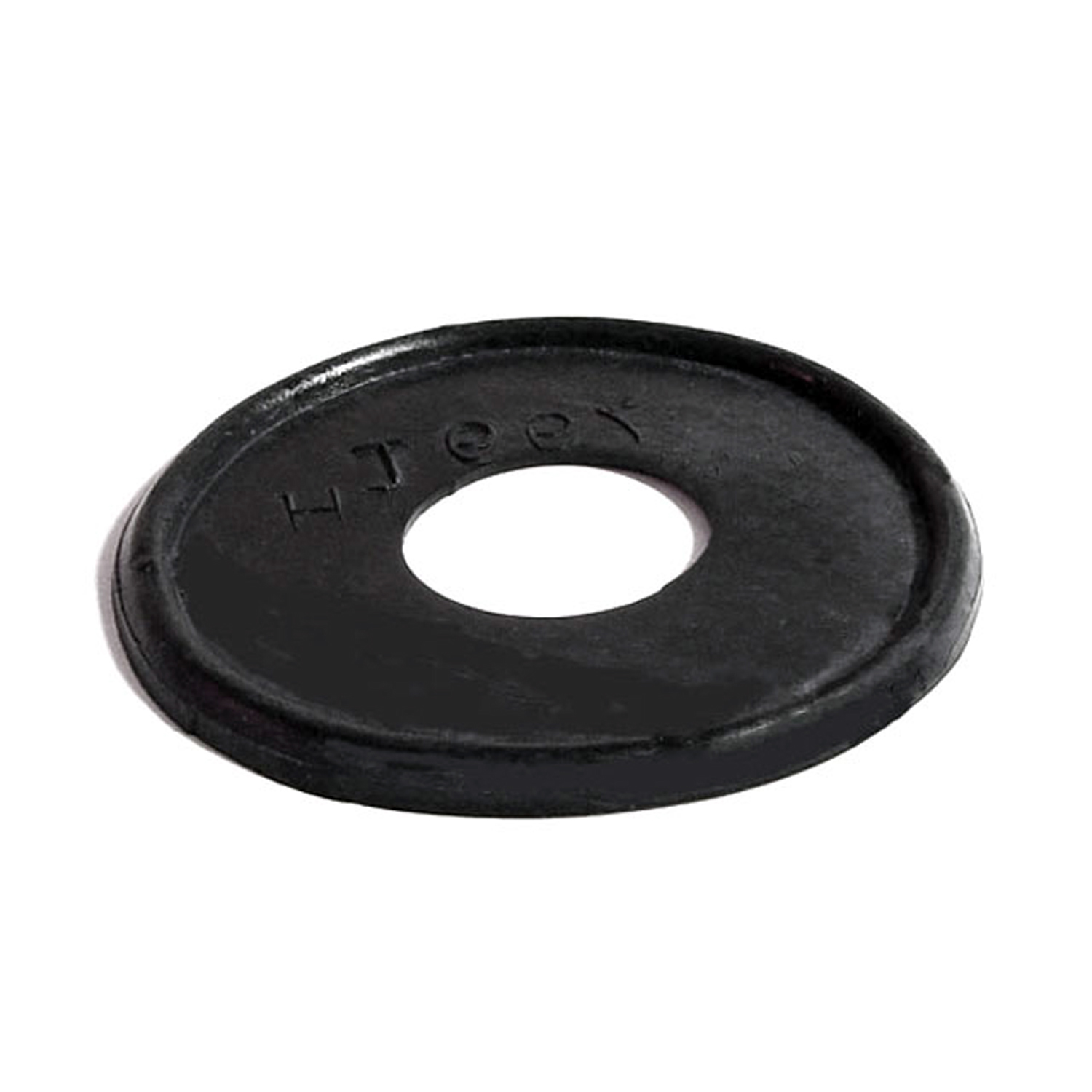 1939 Jaguar SS100 Hood Latch Pad. 2-1/4" O.D. Each-MP 799-THood Latch Pad. 2-1/4" O.D. Each
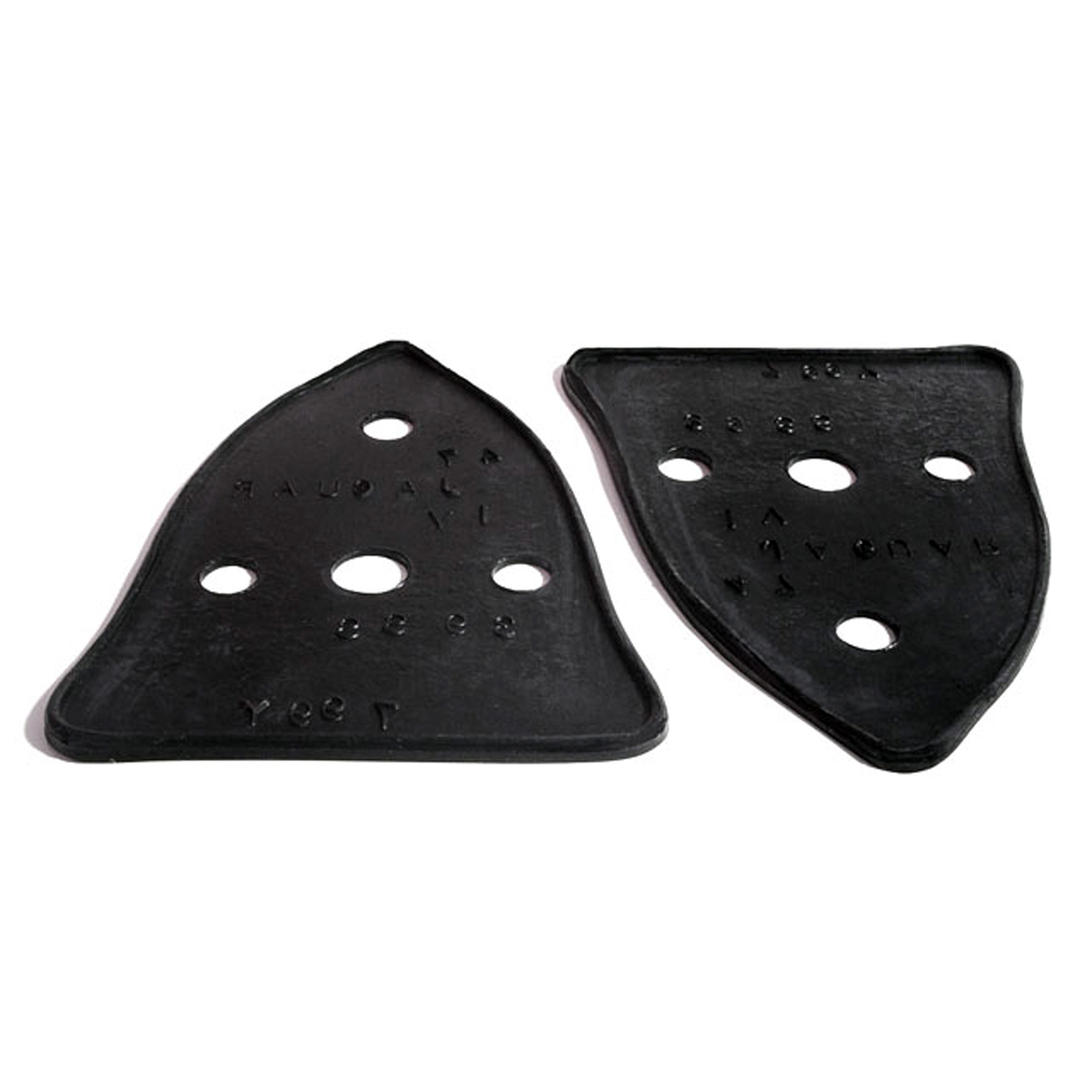 1939 Jaguar SS100 Headlight Pads. 3-7/8" wide X 5-1/8" long. Pair-MP 799-YHeadlight Pads. 3-7/8" wide X 5-1/8" long. Pair
 1939 Jaguar SS100 Spark plug wire boot. Exclusive Metro part-RP 1-KSpark plug wire boot. Exclusive Metro part. Fits on the distributor cap end. Note: looks similar to coil boot, but is physically smaller. Replaces OEM# CO 2609. Each.
Why Choose Metro?
For over 100 years, Metro Moulded Parts has been the pinnacle of quality in classic car restoration parts. Our commitment to precision and authenticity in every component ensures a perfect fit and an OEM-level appearance.
- Expert Craftsmanship & Quality: Each part is a testament to our dedication to reliability and perfection, crafted from original designs and thoroughly tested.
- Advanced Technology: We use cutting-edge techniques to create flawless, long-lasting parts that surpass others in performance.
- SuperSoft Sponge – The Ultimate Door Seal: Not only are our door seals 30% softer than competitors', but they're also guaranteed to never leak. They effectively reduce wind and road noise, enhancing your classic car's comfort and driving experience.
- Proudly American: Our parts are a product of American craftsmanship, made in the USA with a spirit of excellence and heritage.
- Unrivaled Warranty: We back our products with a 30-year industry-leading warranty, a testament to our confidence in their quality.
Join us in preserving the legacy of classic cars with parts that are crafted for perfection, not just made.