

Image of 1947 Jeep Willys, Note: These illustrations use artistic license and may differ from actual historical models.
Performance Metrics
Fundamental Metrics
Emotional Appeal
MMP Rating
| Engine Specifications | |
|---|---|
| Engine: | L-134 "Go Devil" I4 |
| Displacement: | 134.2 cu in (2.2 L) |
| Horsepower: | 60 hp at 4000 rpm |
| Torque: | 105 lb-ft at 2000 rpm |
| Compression Ratio: | 6.48:1 |
| Ignition System: | 6-volt electrical system |
| Cooling System: | Liquid-cooled |
| Performance Specifications | |
| 0-60 Time: | Not available due to the vehicle's age and purpose |
| 1/4 Mile Time: | Not available due to the vehicle's age and purpose |
| Top Speed: | 65 mph |
| Transmission and Drive | |
| Drive Type: | 4WD |
| Transmission Type: | T-90 3-speed manual |
| Fuel and Efficiency | |
| Fuel System Type: | Carter WO-596S one-barrel carburetor |
| MPG: | 15-20 mpg |
| Dimensions and Brakes | |
| Brakes: | Hydraulic drum brakes |
| Wheelbase: | 80 inches |
| Weight: | 2,100 lbs |
Note: Specifications for classic cars are given to the best of our ability, considering the limited and variant data available.
1947 Willys Jeep Truck: A Postwar Workhorse Arrives
The 1947 Willys Jeep Truck brought four-wheel-drive capability out of the battlefield and onto farms, job sites, and rural roads. Built by Willys-Overland Motors in Toledo, Ohio, it was the company’s first civilian Jeep pickup and a practical new member of the growing postwar Jeep family.
Its roots were firmly military. Willys had built the rugged MB Jeep for the U.S. armed forces during World War II, and the new truck carried that compact, go-anywhere philosophy into civilian life. The 1947 model launched as a four-wheel-drive truck, pairing a small footprint with genuine low-range gearing. One notable detail is how early it appeared: the Jeep Truck entered production before many familiar postwar 4x4 pickups had established themselves, helping make four-wheel drive a useful option for ordinary work rather than a strictly military specialty.
Rugged Styling and a No-Nonsense Cabin
The Jeep Truck looks like a tool because it was designed to be one. Its broad, flat hood sits above a simple grille, while rounded front fenders, a compact cab, and a practical cargo bed give it a distinctly utilitarian profile. The upright windshield and nearly vertical cab sides prioritize visibility and usable space over aerodynamic polish. From the front, its familiar Jeep face connects it visually to the wartime MB, though the truck is larger and built for hauling.
Inside, the cabin is sparse and durable. Painted metal, a straightforward dashboard, a simple bench seat, and rubber floor covering define the experience. Materials were chosen to tolerate work clothes, muddy boots, and frequent use, not to imitate a passenger car. The high seating position gives the driver a commanding view, while the plain controls are easy to understand and maintain.
For its day, the truck’s most important technical feature was its part-time four-wheel-drive system with a two-speed transfer case. The driver could select low range for slow, controlled work on difficult terrain. The 134-cubic-inch “Go-Devil” L-head four-cylinder engine was a familiar, proven design, and the conventional three-speed manual transmission kept the mechanical package uncomplicated.
Paint and trim varied by body configuration, market, and fleet order. Period work trucks could be ordered in practical commercial colors, while restorations today commonly appear in red, green, blue, black, or subdued cream and gray tones. Buyers looking for authenticity should check surviving paint beneath trim, inside the cab, and on protected body surfaces, since restored examples do not always wear a documented factory shade.
The best-known configuration is the pickup with a full cab and open cargo bed. Willys also offered related commercial arrangements, including chassis-cab and platform or stake-bed setups, depending on the year and order. The pickup remains the most recognizable version, combining the truck’s useful load space with the compact proportions that made it easy to maneuver.
Why the Willys Truck Mattered
The 1947 Jeep Truck helped establish a new kind of American utility vehicle: smaller and more maneuverable than many conventional trucks, but equipped to work where ordinary rear-wheel-drive pickups struggled. It was not the first four-wheel-drive truck in history, but it helped bring factory 4x4 capability to a broader civilian audience.
Its influence came from the combination of features rather than a single invention. A robust chassis, low-range gearing, compact dimensions, and a simple engine made the truck useful to farmers, utility crews, forestry workers, and rural businesses. The formula anticipated the modern idea of a versatile 4x4 pickup: a vehicle expected to haul a load on Monday and reach a remote worksite on Tuesday.
The Jeep Truck also helped turn the Jeep name into more than a military vehicle identity. Alongside the CJ and the Jeep Station Wagon, it showed how wartime engineering could be adapted for everyday civilian jobs. Its straightforward construction became part of its legacy, influencing expectations for durable, repairable utility vehicles.
Go-Devil Power and Real-World Handling
The 1947 truck’s 134-cubic-inch L-head four-cylinder produced about 60 horsepower and roughly 105 lb-ft of torque, depending on the specification cited. Those numbers sound modest today, but the engine’s low-speed pulling character suited the truck’s intended work. A three-speed manual transmission and low-range transfer case helped it move steadily through mud, loose soil, or steep ground.
There was no official modern-style acceleration figure to rely on for every 1947 configuration. As a practical estimate, a sound, correctly geared truck may take roughly 35 to 45 seconds to reach 60 mph. Top speed is generally around 60 to 65 mph under favorable conditions, though age, tire size, gearing, load, and mechanical condition can make a major difference. These are old-fashioned work-truck figures, not promises of safe modern highway performance.
On rough ground, the solid axles and rugged suspension are assets, but they do not make for a cushioned ride. The truck can buck over sharp bumps, especially when empty, and its narrow stance and vintage tires call for careful cornering. On winding roads, drivers need to plan ahead and avoid sudden inputs. Four-wheel drive helps with traction, but it does not improve braking or cornering grip on its own.
Behind the wheel, the experience is physical and mechanical. The engine produces a steady, purposeful burble rather than a smooth modern hum. The manual gearbox, clutch, and transfer-case controls require deliberate effort, and the ride communicates plenty of information from the road. That directness is part of the truck’s charm, but it also reminds the driver that this is a vintage utility vehicle, not a contemporary daily driver.
Living With a 1947 Jeep Truck
These trucks were built for hauling supplies, farm equipment, tools, and building materials, as well as reaching places that could be difficult for a conventional pickup. Today, owners use them as weekend drivers, farm vehicles, restoration projects, show cars, and occasional parade or club-tour vehicles. Their historic character makes them especially appealing at vintage Jeep gatherings and classic-truck events.
Mechanical simplicity is one of the strongest ownership advantages. The engine and drivetrain are relatively accessible, and many routine repairs can be handled by an owner with basic tools and a workshop manual. Specialist parts suppliers and Jeep clubs can help with replacement components and advice, although some body panels, trim pieces, and model-specific details may take more searching.
Reliability depends heavily on restoration quality and ongoing maintenance. Before buying, inspect the frame and body for corrosion, check the engine for oil pressure and overheating, and test the clutch, transmission, transfer case, and axles. Pay close attention to the brakes, steering, wiring, and tires. A decades-old 4x4 can hide expensive wear beneath a fresh coat of paint, so a thorough inspection is more valuable than a glossy presentation.
Jeep Truck Trivia and Common Criticisms
The 1947 Jeep Truck was part of Willys’ effort to turn the wartime Jeep into a family of civilian vehicles. Its relationship to the military Jeep is clear in its engineering outlook, but the pickup was a purpose-built civilian hauler rather than simply a military vehicle with a cargo bed attached. Its modest size and working proportions also make it stand out beside the larger pickups that would dominate later decades.
There is no widely recognized speed or endurance record associated with the 1947 model. Its achievement was practical: dependable work in places where traction and access mattered more than speed. Nor is there a well-documented celebrity ownership story that defines the truck’s reputation. Its most compelling history belongs to ordinary working owners who used it on farms, roads, and job sites.
Common criticisms are predictable for a truck of this age. The cabin is noisy and cramped by modern standards, the ride can be harsh, and highway driving takes patience. The engine is not powerful, and early trucks lack modern safety equipment, including contemporary crash protection and braking systems. These limitations are important to respect, particularly when sharing today’s faster roads.
1947 Willys Jeep Truck Values and Rarity
Exact production figures for a single early model year can be difficult to pin down across surviving historical sources. A reasonable estimate is that roughly 5,000 to 10,000 Jeep Trucks were built for the 1947 model year, with total production across the model’s 1947–1965 run commonly estimated at around 200,000. Those figures should be treated as broad estimates rather than a precise count of surviving or documented trucks.
In today’s collector market, a project truck may sell for about $5,000 to $12,000, depending on completeness, rust, and mechanical condition. A usable driver or sound older restoration might bring roughly $12,000 to $25,000. A high-quality restoration, especially one with correct details and a strong body and drivetrain, can reach about $25,000 to $40,000 or more. Exceptional examples and rare commercial configurations may command a premium, while poor documentation or extensive corrosion can sharply reduce value.
Values have generally strengthened as interest in early 4x4s and postwar utility vehicles has grown, though prices vary by region and condition. The best examples tend to hold their appeal, while project prices are more sensitive to restoration costs. Because bodywork and sourcing correct early parts can become expensive, buyers should compare the purchase price with the full cost of making the truck safe and roadworthy.
A Compact 4x4 With a Lasting Legacy
The 1947 Willys Jeep Truck combined military-bred toughness with civilian practicality. Its Go-Devil engine, low-range four-wheel drive, simple cabin, and compact pickup body made it a capable tool for postwar work, while its straightforward construction helped keep it serviceable for decades.
It is slow, basic, and uncompromising by modern standards, but those qualities are also central to its appeal. The 1947 Jeep Truck helped define the civilian 4x4 pickup, and every surviving example carries a piece of that transformation from wartime machine to everyday American workhorse.
1947 Jeep Willys Catalog of Parts
 1947 Jeep Willys Shock Absorber Grommet. 1" bottom O.D-BN 11Shock Absorber Grommet. 1" bottom O.D., 3/4" high, with 5/8" I.D. Each
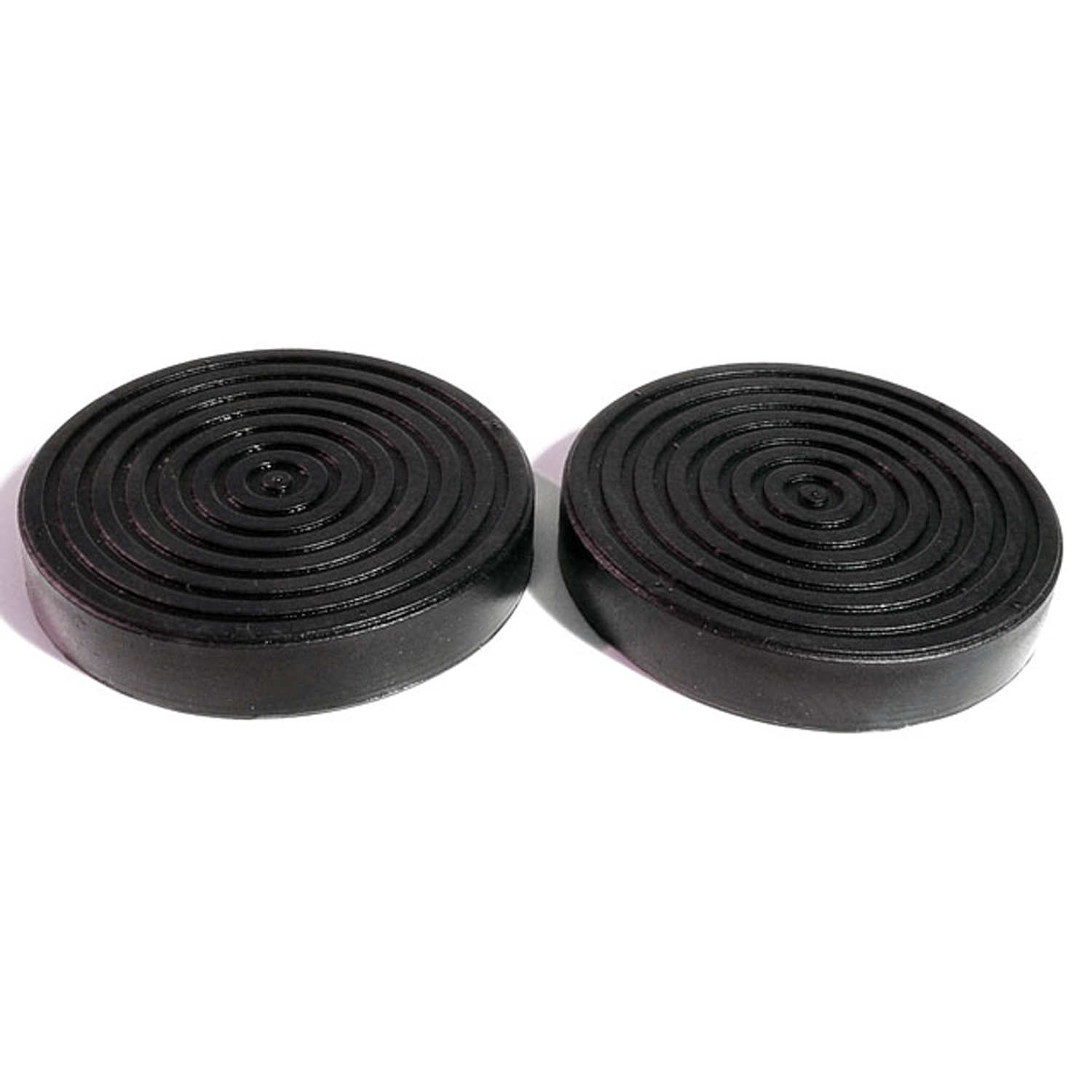 1947 Jeep Willys Clutch and Brake Pedal Pads. 3" Diameter. Pair-CB 61Clutch and Brake Pedal Pads. 3" Diameter. Pair
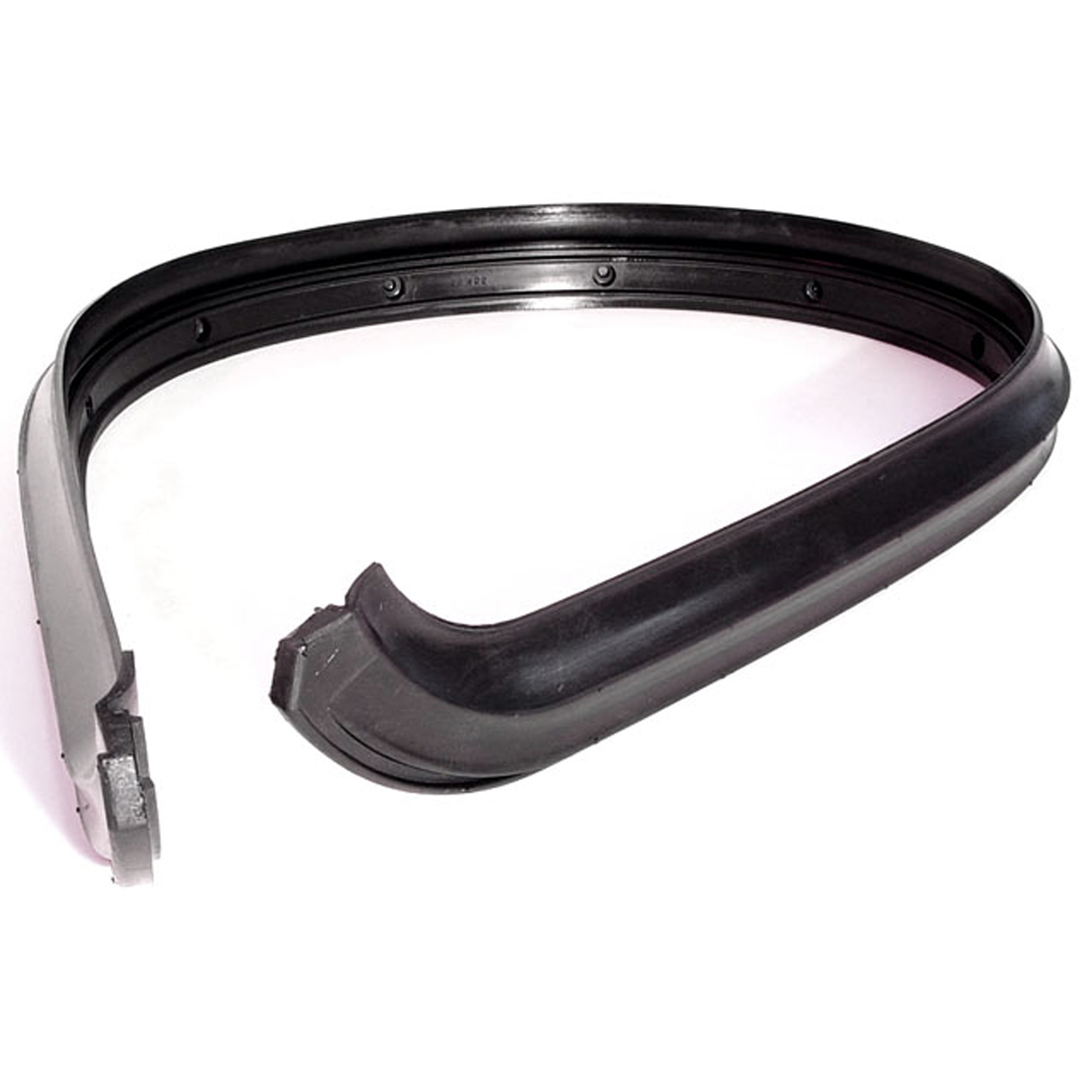 1947 Jeep Willys Windshield to Cowl Seal. 55-1/2" long. Each-CS 102Windshield to Cowl Seal. 55-1/2" long. Each
 1947 Jeep Willys Hood Bumper Block. Made with steel core like original-HF 30Hood Bumper Block. Made with steel core like original. Green in color. 1-1/4" high. Each
 1947 Jeep Willys Dust Boot. For vehicles with power take off. Each-RP 34-JDust Boot. For vehicles with power take off. Each
 1947 Jeep Willys Horn Button Cap, 1-1/4" O.D. Each-RP 600-JHorn Button Cap, 1-1/4" O.D. Each
Why Choose Metro?
For over 100 years, Metro Moulded Parts has been the pinnacle of quality in classic car restoration parts. Our commitment to precision and authenticity in every component ensures a perfect fit and an OEM-level appearance.
- Expert Craftsmanship & Quality: Each part is a testament to our dedication to reliability and perfection, crafted from original designs and thoroughly tested.
- Advanced Technology: We use cutting-edge techniques to create flawless, long-lasting parts that surpass others in performance.
- SuperSoft Sponge – The Ultimate Door Seal: Not only are our door seals 30% softer than competitors', but they're also guaranteed to never leak. They effectively reduce wind and road noise, enhancing your classic car's comfort and driving experience.
- Proudly American: Our parts are a product of American craftsmanship, made in the USA with a spirit of excellence and heritage.
- Unrivaled Warranty: We back our products with a 30-year industry-leading warranty, a testament to our confidence in their quality.
Join us in preserving the legacy of classic cars with parts that are crafted for perfection, not just made.