

Image of 1953 Jeep Willys, Note: These illustrations use artistic license and may differ from actual historical models.
Performance Metrics
Fundamental Metrics
Emotional Appeal
MMP Rating
| Engine Specifications | |
|---|---|
| Engine Options: | 134.2 cu in (2.2 L) Go Devil I4 |
| Displacement Range: | 134.2 cu in (2.2 L) |
| Horsepower Range: | 60-63 hp |
| Torque: | 105 lb-ft |
| Compression Ratio: | 6.48:1 |
| Ignition System: | Battery Ignition |
| Cooling System: | Liquid-cooled |
| Performance Specifications | |
| 0-60 Time: | Not available due to the vehicle's age and purpose |
| 1/4 Mile Time: | Not available due to the vehicle's age and purpose |
| Top Speed: | 60 mph |
| Transmission and Drive | |
| Drive Type: | 4WD |
| Transmission Type: | 3-speed manual |
| Fuel and Efficiency | |
| Fuel System Type: | Carburetor |
| MPG: | 15-20 mpg |
| Dimensions and Brakes | |
| Brakes: | Hydraulic drum brakes |
| Wheelbase: | 80 inches |
| Weight: | 2,337 lbs |
Note: Specifications for classic cars are given to the best of our ability, considering the limited and variant data available.
1953 Jeep Willys Truck: A Compact 4x4 With Real Working Roots
The 1953 Willys Jeep Truck was built for jobs that called for more grit than glamour. Its upright cab, short overhangs, and available four-wheel drive made it a practical choice for farms, worksites, and rough country roads. Willys-Overland Motors of Toledo, Ohio, created the truck as a civilian extension of the Jeep idea: simple, compact utility with the ability to go well beyond paved streets.
The model belonged to a truck line introduced in 1947 and produced through 1965. In 1953, Willys-Overland was being acquired by Kaiser Industries, a major change in the company’s history. The Jeep name was already becoming synonymous with go-anywhere utility, and the pickup helped carry that reputation into civilian life.
A detail that still surprises many enthusiasts is how much genuine off-road hardware could be packed into this modest-looking truck. Four-wheel-drive versions paired a rugged transfer case and low-range gearing with a compact body, giving the Willys working capability that many larger, heavier pickups of the era could not match.
Upright Styling and a Work-Ready Cabin
The 1953 Willys has the unmistakable shape of a postwar utility vehicle: a nearly vertical windshield, flat-sided cab, simple fenders, and a tall hood with round headlamps. Its grille is narrow and upright, while the short front end and relatively compact proportions give the truck a purposeful, almost agricultural appearance. This was functional styling, not decoration. The squared-off body made the vehicle easy to build, repair, and use in tight spaces.
Inside, the cabin was just as straightforward. The dashboard was mostly painted metal, with a basic instrument cluster and large, easy-to-read controls. A simple bench seat, commonly trimmed in durable upholstery such as vinyl, kept the focus on practicality. Buyers could equip trucks with conveniences such as a heater, but the standard experience was notably spartan by passenger-car standards. There was little sound insulation, no elaborate trim, and few features to distract from the work at hand.
Factory paint offerings varied by year, configuration, and market. Period trucks appeared in practical colors such as greens, reds, blues, and light neutral shades. Today, green is a particularly familiar choice on restored examples, while red and cream-colored trucks also make a strong visual impression. Buyers researching a restoration should verify colors against period sales literature or surviving paint information, since modern restorations do not always follow factory specifications.
The best-known body style is the conventional pickup with an open cargo bed. The truck line also appeared in other commercial configurations, including cab-and-chassis and platform or stake-bed arrangements, depending on equipment and market. Two-wheel drive was available, while four-wheel drive is the version most closely associated with the Willys’ rugged reputation. The Jeep Utility Wagon and sedan delivery were related members of the broader Willys family, but they were separate models, not pickup body styles.
Engineering That Put Utility First
The 1953 truck’s engineering was conservative, sturdy, and easy to understand. Its standard powerplant was generally the 134-cubic-inch, side-valve four-cylinder known as the Go-Devil, rated at about 72 horsepower. A three-speed manual transmission sent power to the rear wheels, with four-wheel-drive models adding a transfer case and low range. Exact equipment could vary, so buyers inspecting a specific truck should check its engine, axle, and drivetrain rather than relying on a model-year description alone.
That four-wheel-drive system was a major part of the truck’s appeal. Low range gave the driver more control at walking speeds, useful for climbing, pulling, or easing over uneven ground. The Willys was not the only four-wheel-drive truck of its time, but it brought the concept to a compact civilian pickup with strong links to the Jeep’s established off-road identity.
The model also reflects a wider shift in postwar automotive design. American manufacturers were expanding their civilian truck offerings, and customers increasingly wanted vehicles that could work during the week and serve rural transportation needs on the weekend. The Willys answered that demand with a smaller footprint and a mechanical layout that prioritized access and serviceability over comfort and speed. Its influence is less about a single styling trend than about helping define the compact, versatile 4x4 pickup as a useful civilian vehicle.
Performance, Speed, and the Feel Behind the Wheel
With roughly 72 horsepower from its four-cylinder engine, the 1953 Willys was built to pull and climb, not to sprint. A healthy, correctly equipped truck might reach a top speed in the neighborhood of 60 to 70 mph, though gearing, tire size, engine condition, and drivetrain configuration make a substantial difference. A 0-to-60-mph time was not a meaningful factory selling point; by modern standards, expect acceleration to be slow, often taking well over 20 seconds and potentially much longer in a tired or heavily loaded example.
On a rough track or muddy worksite, the Willys’ low gearing and available four-wheel drive matter more than its modest road speed. Its solid axles and leaf springs can handle demanding terrain, but they deliver a firm, choppy ride over broken pavement. On a winding road, the truck feels tall and deliberate rather than nimble. Its steering and brakes require more effort and planning than those of a modern pickup, and drivers should leave generous room for stopping.
Behind the wheel, the experience is refreshingly mechanical. The engine has a steady, hardworking four-cylinder note, while the gear lever, clutch, steering, and pedals all ask the driver to participate. There is little isolation from the road or machinery. That directness is part of the charm, but it also means the Willys rewards smooth inputs and sensible speeds rather than hurried driving.
Living With a 1953 Willys Pickup
Today, owners commonly use these trucks as weekend drivers, farm vehicles, show entries, trail companions, or rolling restoration projects. A sound example can handle local drives and light utility work, but most are better suited to occasional use than modern daily commuting. Slow acceleration, limited crash protection, old-fashioned braking, and a lack of contemporary comfort features make long highway trips tiring.
Maintenance is one of the Willys’ strongest ownership advantages. The basic engine and drivetrain are relatively straightforward, and many routine repairs can be tackled by an owner with mechanical experience and a good service manual. Parts support remains available through specialist suppliers and the Jeep enthusiast community, although some original body and trim pieces can take patience to locate. As with any old 4x4, check carefully for frame damage, rust, worn steering and suspension parts, and problems in the transfer case or axles. A truck that looks tidy on the outside may still need substantial mechanical work.
Reliability depends far more on condition and upkeep than on the badge. A properly rebuilt engine and well-maintained drivetrain can serve for years, but these are now more than seven decades old. Cooling-system health, oil leaks, electrical connections, brake condition, and lubrication deserve regular attention. The truck’s simple construction makes repair approachable, not unnecessary.
Willys Truck Trivia and Common Complaints
The 1953 model sits at an interesting corporate crossroads: Kaiser’s acquisition of Willys-Overland reshaped the company, while the Jeep name continued to expand beyond its military origins into civilian vehicles. The pickup’s lasting distinction is its practical combination of compact size and available low-range four-wheel drive, rather than a record for speed or production volume.
There is no widely cited, dependable production figure for the 1953 model year alone. The full Jeep Truck line, produced from 1947 to 1965, is commonly estimated at roughly 200,000 vehicles across its run, but that figure should not be treated as a precise count for any individual year or configuration. Four-wheel-drive pickups are especially sought after by enthusiasts, though surviving numbers and market availability vary by region.
The truck’s most common criticisms are easy to understand: it is slow, noisy, cramped by modern standards, and demanding on long drives. Its ride can be harsh, and its old braking and safety equipment require a cautious approach. Those shortcomings are part of the trade-off for its simple construction and useful off-road hardware. It is a vintage work truck, not a modern pickup in classic clothing.
Collector Values and Market Outlook
Prices depend heavily on rust, originality, drivetrain, restoration quality, and whether the truck is two-wheel or four-wheel drive. As a broad current-market guide, a rough project might sell for about $5,000 to $10,000. A usable driver with sound structure and presentable cosmetics may fall around $12,000 to $25,000. A professionally restored or unusually well-preserved example can reach roughly $30,000 to $50,000 or more, particularly when it has desirable four-wheel-drive equipment and strong documentation.
These are estimates rather than fixed values, and individual sales can land outside the ranges. The market for vintage 4x4s has generally strengthened over the long term, with especially nice and original examples attracting attention. Values are not guaranteed to rise, however. Restoration costs can exceed resale value, and buyers tend to pay a premium for sound metal, correct parts, and quality workmanship rather than a shiny finish alone.
How rare is a 1953 Willys? It is uncommon compared with high-production classic pickups, but not so scarce that examples never appear for sale. The larger challenge is finding one that has escaped severe rust or poorly executed repairs. A careful inspection and a clear understanding of the truck’s configuration are essential before making an offer.
Why the 1953 Willys Still Matters
The 1953 Willys Jeep Truck brought the Jeep philosophy into a practical civilian pickup: compact dimensions, simple mechanicals, and available four-wheel drive. It was not fast or luxurious, but it offered useful capability in a durable, serviceable package. That combination helped establish the appeal of the small 4x4 work truck and gave the Jeep name a life beyond its military roots.
For today’s owner, the Willys is a classic to drive thoughtfully, maintain carefully, and enjoy for its honest character. Its best feature is still the one that made it useful in the first place: when the road gets rough and the job gets difficult, this little truck looks ready to get on with it.
1953 Jeep Willys Catalog of Parts
 1953 Jeep Willys Shock Absorber Grommet. 1" bottom O.D-BN 11Shock Absorber Grommet. 1" bottom O.D., 3/4" high, with 5/8" I.D. Each
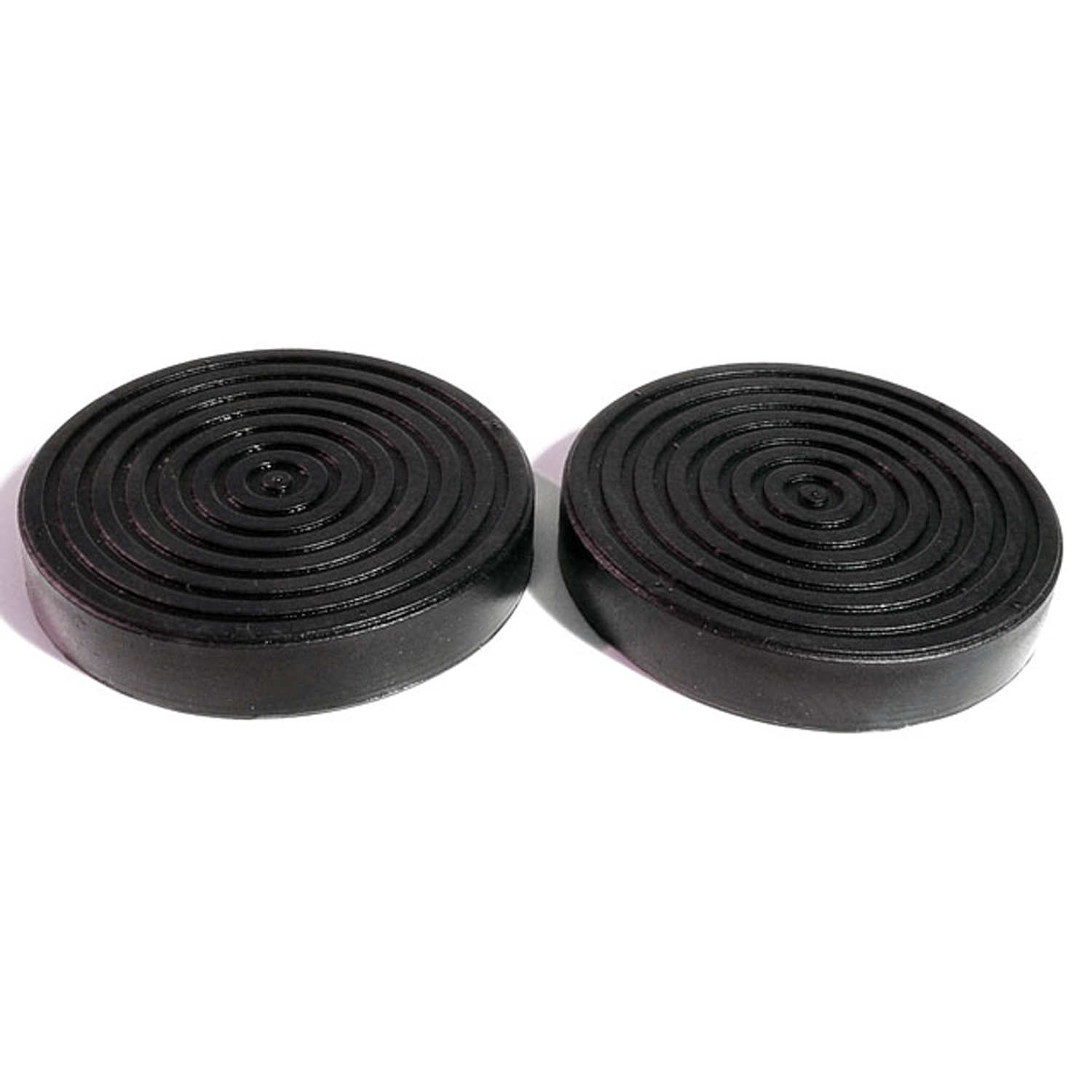 1953 Jeep Willys Clutch and Brake Pedal Pads. 3" Diameter. Pair-CB 61Clutch and Brake Pedal Pads. 3" Diameter. Pair
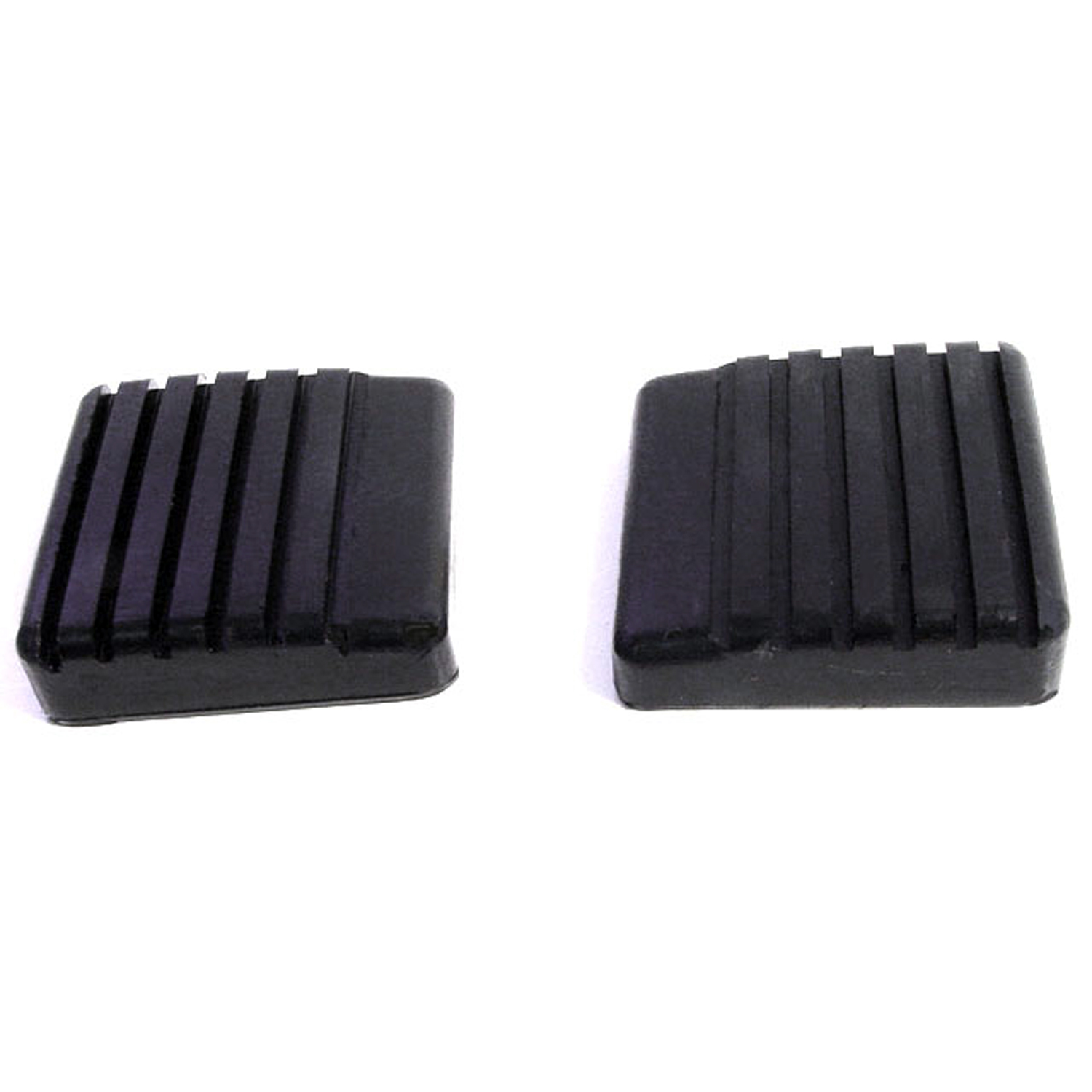 1953 Jeep Willys Clutch and Brake Pedal Pads. Pair-CB 61-BClutch and Brake Pedal Pads. Pair
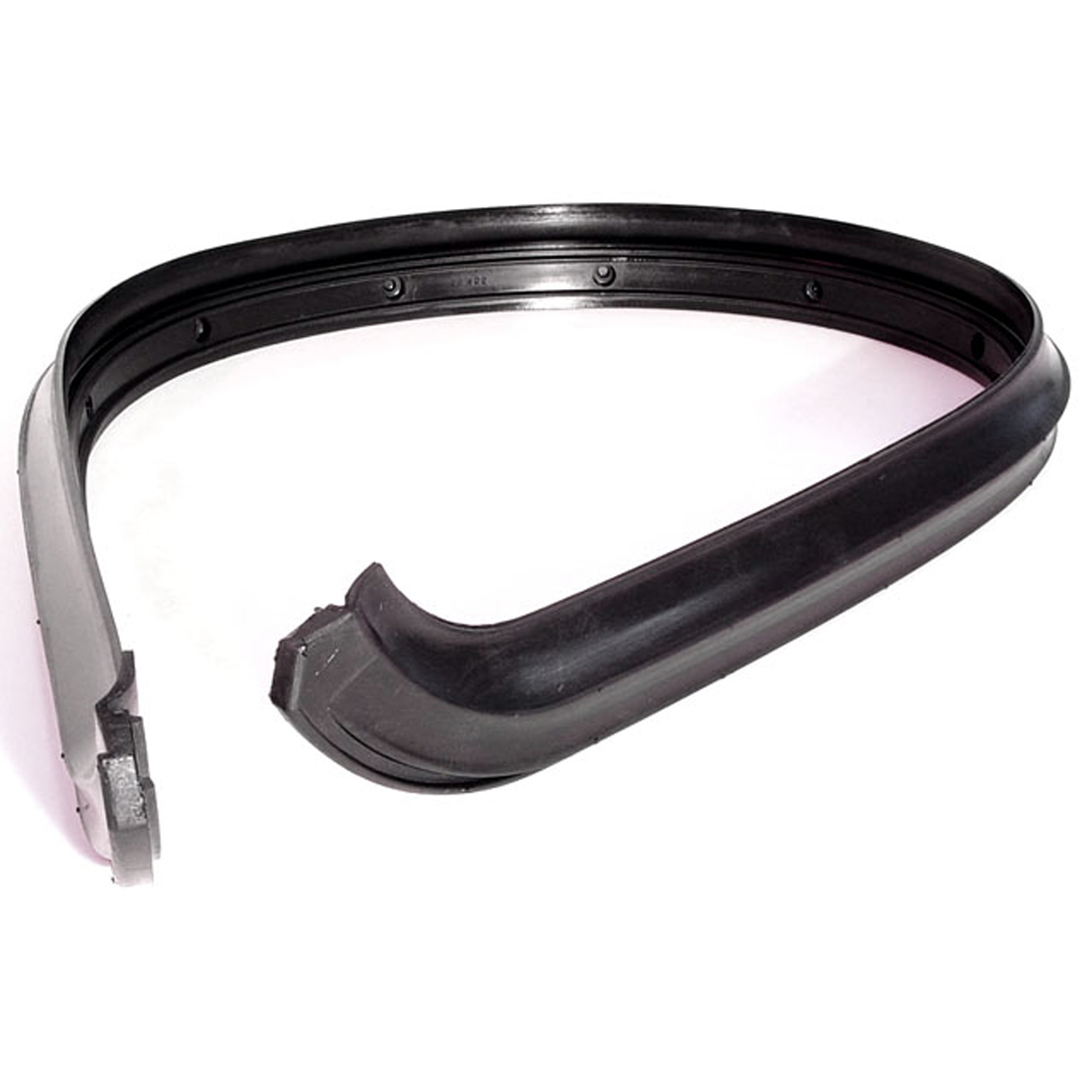 1953 Jeep Willys Windshield to Cowl Seal. 55-1/2" long. Each-CS 102Windshield to Cowl Seal. 55-1/2" long. Each
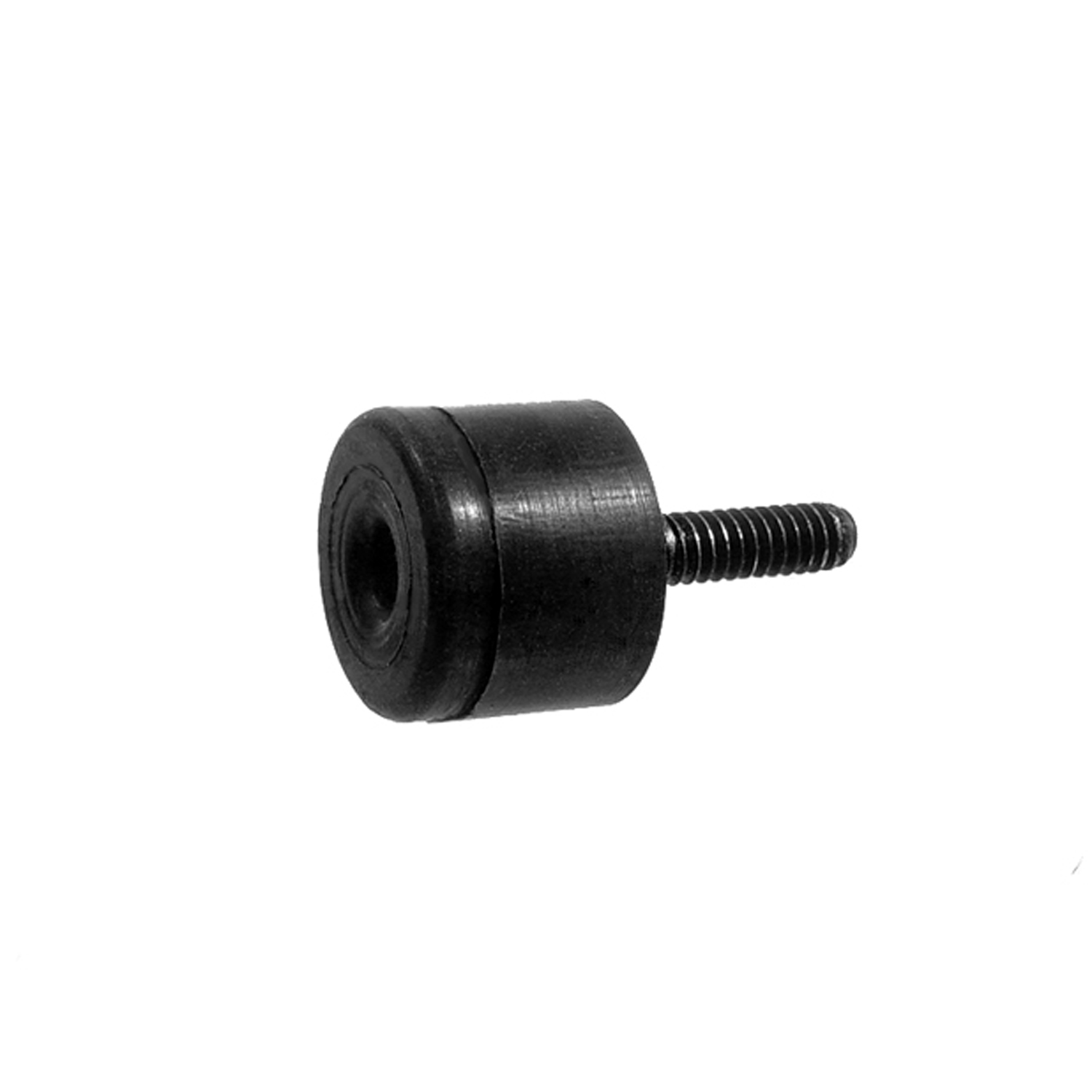 1953 Jeep Willys Accelerator Pedal Pad Link connecting Socket. 3/4" O.D-RP 43-AAccelerator Pedal Pad Link connecting Socket. 3/4" O.D., 1/4" I.D., 3/4" long screw. Each
Why Choose Metro?
For over 100 years, Metro Moulded Parts has been the pinnacle of quality in classic car restoration parts. Our commitment to precision and authenticity in every component ensures a perfect fit and an OEM-level appearance.
- Expert Craftsmanship & Quality: Each part is a testament to our dedication to reliability and perfection, crafted from original designs and thoroughly tested.
- Advanced Technology: We use cutting-edge techniques to create flawless, long-lasting parts that surpass others in performance.
- SuperSoft Sponge – The Ultimate Door Seal: Not only are our door seals 30% softer than competitors', but they're also guaranteed to never leak. They effectively reduce wind and road noise, enhancing your classic car's comfort and driving experience.
- Proudly American: Our parts are a product of American craftsmanship, made in the USA with a spirit of excellence and heritage.
- Unrivaled Warranty: We back our products with a 30-year industry-leading warranty, a testament to our confidence in their quality.
Join us in preserving the legacy of classic cars with parts that are crafted for perfection, not just made.