

Image of 1956 Jeep 475, Note: These illustrations use artistic license and may differ from actual historical models.
Performance Metrics
Fundamental Metrics
Emotional Appeal
MMP Rating
| Engine Specifications | |
|---|---|
| Engine: | F-head Hurricane Inline-4 |
| Displacement: | 134 cu in (2.2 L) |
| Horsepower: | 72 hp |
| Torque: | 114 lb-ft |
| Compression Ratio: | 6.9:1 |
| Ignition System: | Distributor and coil |
| Cooling System: | Liquid-cooled |
| Performance Specifications | |
| 0-60 Time: | Information not available |
| 1/4 Mile Time: | Information not available |
| Top Speed: | 60-65 mph |
| Transmission and Drive | |
| Drive Type: | 4WD |
| Transmission Type: | 3-speed manual |
| Fuel and Efficiency | |
| Fuel System Type: | Carburetor |
| MPG: | 16-20 mpg |
| Dimensions and Brakes | |
| Brakes: | Drum brakes |
| Wheelbase: | 81 in |
| Weight: | 2,337 lbs |
Note: Specifications for classic cars are given to the best of our ability, considering the limited and variant data available.
1956 Jeep 475: The Willys Workhorse
The 1956 Jeep 475 could turn a muddy farm lane into a delivery route and still look ready for a mountain trail. Built by Willys-Overland, it was a compact, four-wheel-drive pickup from the era when Jeep’s military reputation was being put to work in civilian life. The “475” name is generally used for the four-wheel-drive Willys pickup, though buyers and restorers should confirm a particular truck’s model and equipment from its serial-number plate and original documentation.
By 1956, Willys had spent years adapting Jeep engineering for everyday jobs. The company’s pickups were valued by farmers, contractors, utility crews, and rural businesses that needed useful payload capacity alongside off-road traction. A notable twist in the 1956 Jeep story is that it was also the year Willys introduced the forward-control Jeep FC-150. That cab-over truck looked dramatically different, but the conventional 475 pickup remained the more familiar, traditional-looking work truck.
Rugged Styling and Practical Design
The 475 wears its purpose plainly. Its upright grille, round headlamps, flat hood, squared-off fenders, and tall stance give it the unmistakable look of a mid-century Jeep. The body is compact by pickup standards, with a short, practical cab and a separate cargo bed. Narrow proportions and a relatively short wheelbase helped it maneuver on farm tracks and tight work sites, while its high ground clearance suited rougher routes.
Inside, the design is just as direct. A simple dashboard, large steering wheel, basic instruments, and straightforward controls put function ahead of decoration. The cabin used painted metal and durable, work-oriented upholstery rather than the plush trim associated with passenger cars. A bench seat was typical, and the upright driving position offered a clear view over the hood. Modern conveniences were limited, and equipment could vary by truck and order.
Paint choices depended on the year, market, and original order. Period Jeeps could be found in practical solid colors, including light and dark shades, but surviving examples may have been repainted many times. Restorers often favor colors documented for the individual truck rather than assuming that every 1956 475 left the factory in the same small set of shades.
The most recognizable configuration is the conventional two-door pickup with a steel cargo bed and four-wheel drive. Willys trucks could also be adapted for commercial duties, including chassis-cab and specialized work bodies. Those variations are less commonly seen today than the standard pickup.
Jeep Engineering in a Civilian Truck
The 475’s significance lies less in luxury or radical styling than in how it brought Jeep’s go-anywhere approach to civilian work. Four-wheel drive, a sturdy ladder-frame chassis, a low-range transfer case, and solid axles made it useful where an ordinary two-wheel-drive pickup might struggle. In the 1950s, that combination was a compelling tool for people who worked beyond paved roads.
Its mechanical layout was straightforward and serviceable by the standards of the day. The design did not introduce a new category of pickup, but it helped establish the idea that a small truck could be both a practical hauler and a capable off-road vehicle. That compact, utility-first formula remains recognizable in later 4x4 pickups and in the broader Jeep identity.
The 475 also belongs to a key transition in Jeep history. Willys had built its name on the military Jeep, then expanded into civilian vehicles such as the CJ, station wagon, and pickup. Trucks like the 475 helped make Jeep a working brand, not just a maker of recreational or military-style vehicles.
Engine, Speed, and Road Manners
Engine and equipment can differ between individual trucks. Many Willys pickups of this period used a 134-cubic-inch four-cylinder engine, with versions and ratings varying by specification. Some trucks were fitted with a larger six-cylinder engine. A three-speed manual transmission and a two-speed transfer case were common parts of the four-wheel-drive setup. Because old trucks are often modified, the engine and drivetrain in a surviving 475 may not match its factory configuration.
There is no single dependable factory 0-to-60-mph figure for every 1956 Jeep 475. For a four-cylinder truck, a reasonable road-going estimate is roughly 30 seconds or more, depending on gearing, condition, load, and tires. A healthy example might reach about 60 to 65 mph, but that should be treated as an estimate, not a guaranteed factory specification. These trucks were built to pull and climb, not to sprint or cruise comfortably at modern highway speeds.
On rough ground, the 475’s short, sturdy chassis and low-range gearing are assets. It can crawl over uneven terrain at a controlled pace, and four-wheel drive provides welcome traction on mud, snow, or loose surfaces. On pavement, its solid axles and work-truck suspension feel firm, especially when the bed is empty. Steering is slower and less precise than in a modern pickup, and the narrow stance, tall profile, and period tires call for care on winding roads and in crosswinds.
Behind the wheel, the experience is mechanical and involving. The engine makes a purposeful, unhurried sound, while the manual gearbox and transfer-case controls require the driver’s attention. The ride is direct rather than cushioned, and the cabin lets in more engine, tire, and wind noise than a modern vehicle. For enthusiasts, that hands-on character is part of the appeal. For anyone expecting modern acceleration, quietness, or braking, it is a reminder that the 475 is a vintage work truck.
Living With a 1956 Jeep 475
Today, most 475s are used as weekend drivers, farm and property vehicles, parade entries, or show trucks. A well-sorted example can handle local roads and light work, but using one as a daily driver requires patience and a willingness to accept old-fashioned performance and safety equipment. It is also a popular restoration project because its utilitarian design looks at home in original condition or with period-correct accessories.
Basic maintenance is approachable for an owner with mechanical experience. The engine bay is relatively simple, and many routine jobs can be handled with ordinary tools. The challenge is finding the right parts and confirming which components remain original. Before buying, inspect the frame for rust or repairs, check the body mounts and floors, and examine the transfer case, axles, steering, brakes, and cooling system. A truck that has spent decades outdoors may need substantial metalwork even if it appears complete.
Reliability depends heavily on condition and previous repairs. These are not maintenance-free vehicles, and aged wiring, tired brakes, worn steering parts, and leaking seals are common concerns. The good news is that the basic mechanical layout is understandable, and a careful owner can often diagnose problems without specialized electronic equipment. Parts availability varies by component, so research the specific engine, axle, and transmission before beginning a restoration.
Little-Known Facts and Common Complaints
The 475 is a useful reminder that Jeep’s civilian history includes more than the familiar CJ. Willys offered pickups for working customers, and its 1950s range also expanded into unusual designs such as the cab-over FC trucks. The FC’s arrival in 1956 makes that model year especially interesting to Jeep collectors.
There is no widely recognized speed, sales, or endurance record associated specifically with the 1956 475. Its claim to fame is practical capability: a compact four-wheel-drive pickup that could reach places and handle jobs beyond the comfort zone of many ordinary trucks of its day. It was not a mass-market celebrity vehicle, and notable celebrity ownership is not a defining part of its history.
Common criticisms are familiar to anyone who drives a working vehicle from the 1950s. The cabin is basic, the ride can be harsh, highway speed is limited, and steering and braking feel dated. Parts can require searching, particularly when a truck has been altered over the years. Those shortcomings are balanced by its simplicity, distinctive appearance, and genuine off-road utility.
Collector Value and Availability
The 1956 Jeep 475 is uncommon compared with mainstream classic pickups, but its exact rarity is difficult to quantify. Reliable production totals for the 475 designation and individual model year are not readily established, so any precise figure should be treated with caution. As a broad estimate rather than a documented factory count, production may have been in the several-thousand range for a given year. Many trucks have since been scrapped, heavily modified, or left in poor condition.
Collector prices vary widely with rust, originality, mechanical condition, and restoration quality. A rough project might sell for approximately $3,000 to $8,000, while a usable driver could fall around $8,000 to $20,000. A high-quality restoration or particularly well-preserved example may bring roughly $20,000 to $40,000 or more. These are broad U.S. market estimates, and a rare configuration or exceptional provenance can change the price considerably.
Interest in early 4x4s and vintage utility vehicles has helped support values, especially for complete, original trucks. Prices are not guaranteed to rise, however. Restoration costs can exceed a finished truck’s market value, and buyers tend to pay a premium for sound sheet metal, a solid frame, and documented authenticity. The best buys are often well-maintained drivers rather than ambitious projects with missing parts.
Why the 475 Still Matters
The 1956 Jeep 475 brought Jeep’s rugged four-wheel-drive thinking to everyday hauling at a time when many work routes still ended where the pavement did. Its upright styling, simple cabin, low-range gearing, and sturdy construction made it a useful tool first and a collectible classic later. It will not offer modern speed or comfort, but it delivers something more distinctive: the feel of a truck built to get on with the job, wherever that job might lead.
1956 Jeep 475 Catalog of Parts
 1956 Jeep 475 Shock Absorber Grommet. 1" bottom O.D-BN 11Shock Absorber Grommet. 1" bottom O.D., 3/4" high, with 5/8" I.D. Each
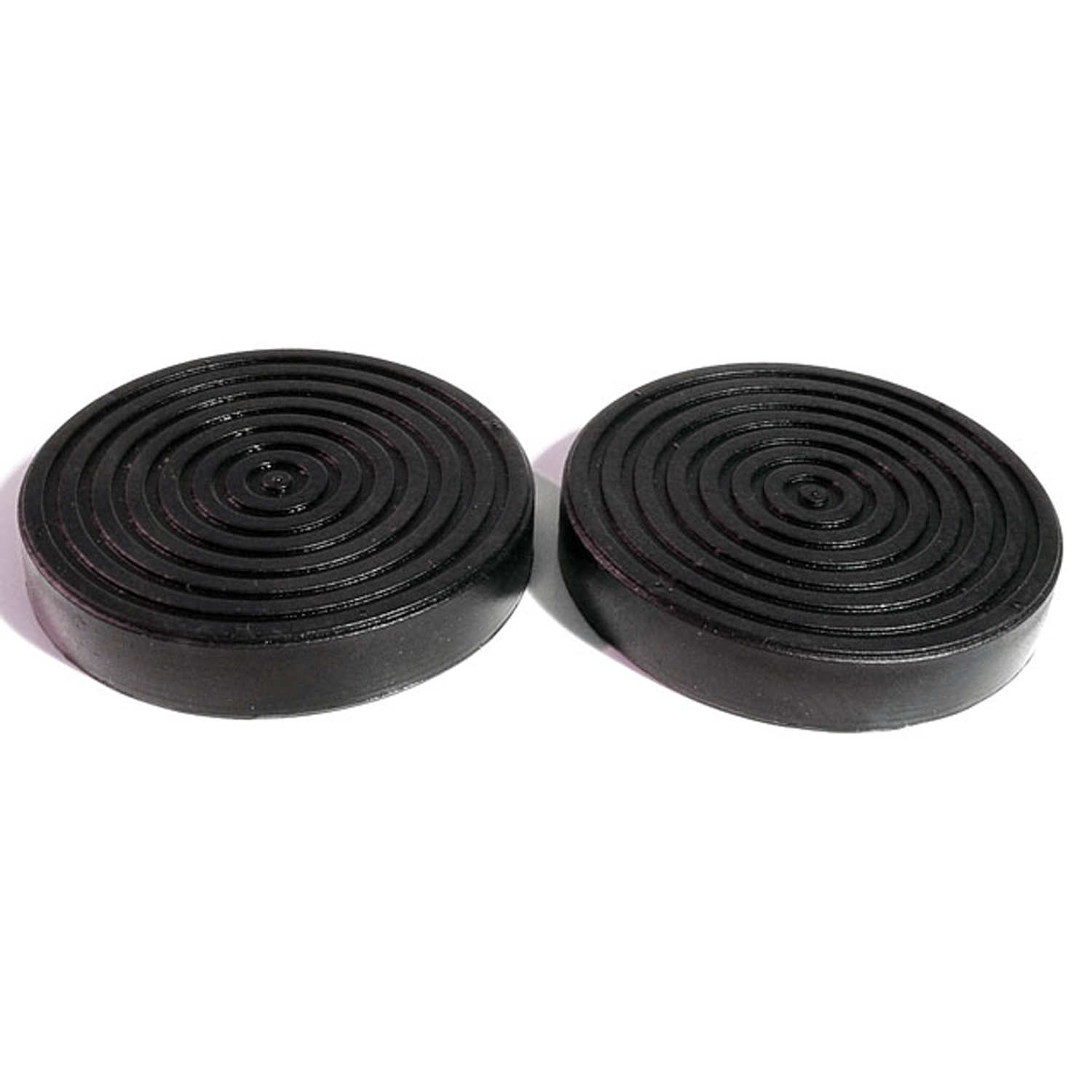 1956 Jeep 475 Clutch and Brake Pedal Pads. 3" Diameter. Pair-CB 61Clutch and Brake Pedal Pads. 3" Diameter. Pair
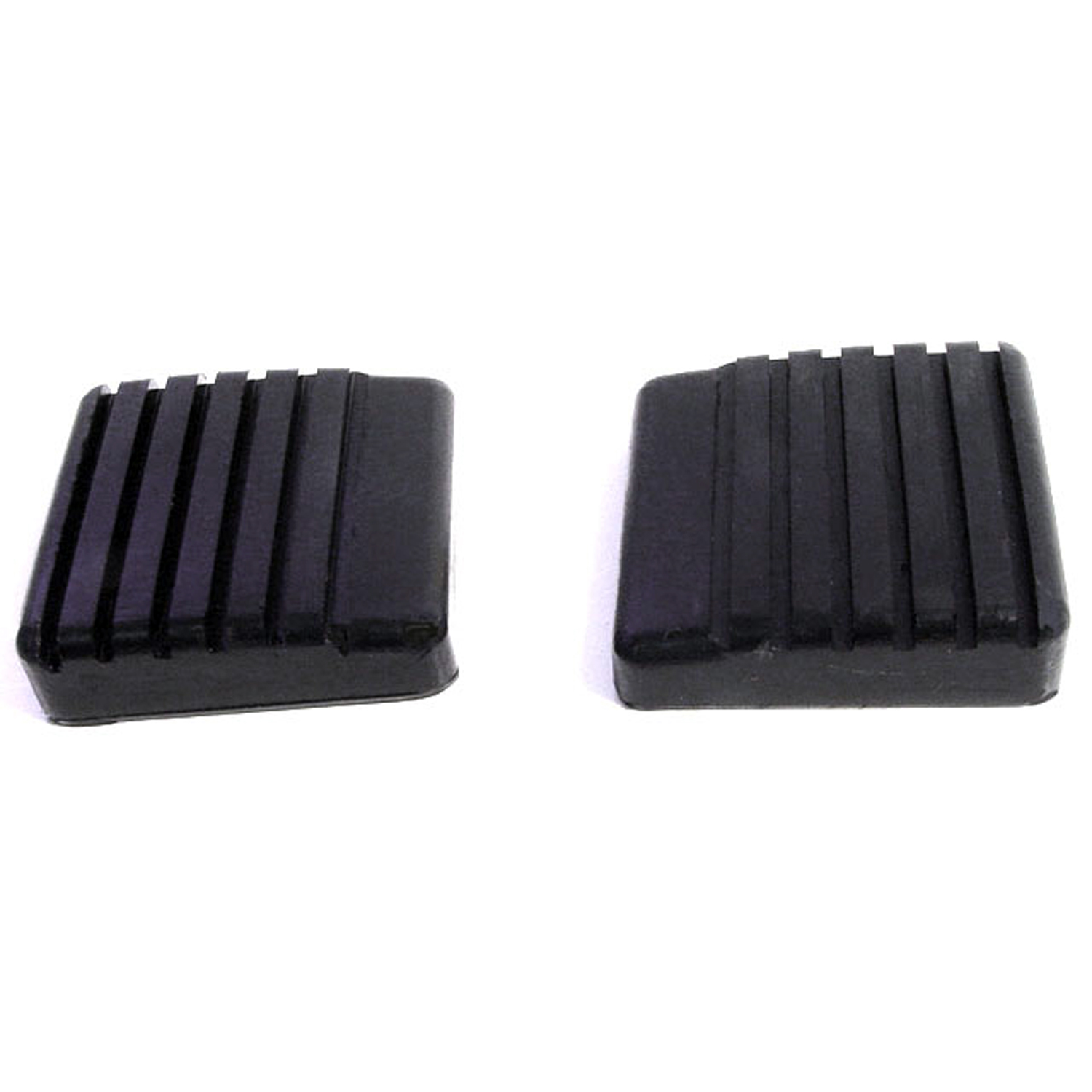 1956 Jeep 475 Clutch and Brake Pedal Pads. Pair-CB 61-BClutch and Brake Pedal Pads. Pair
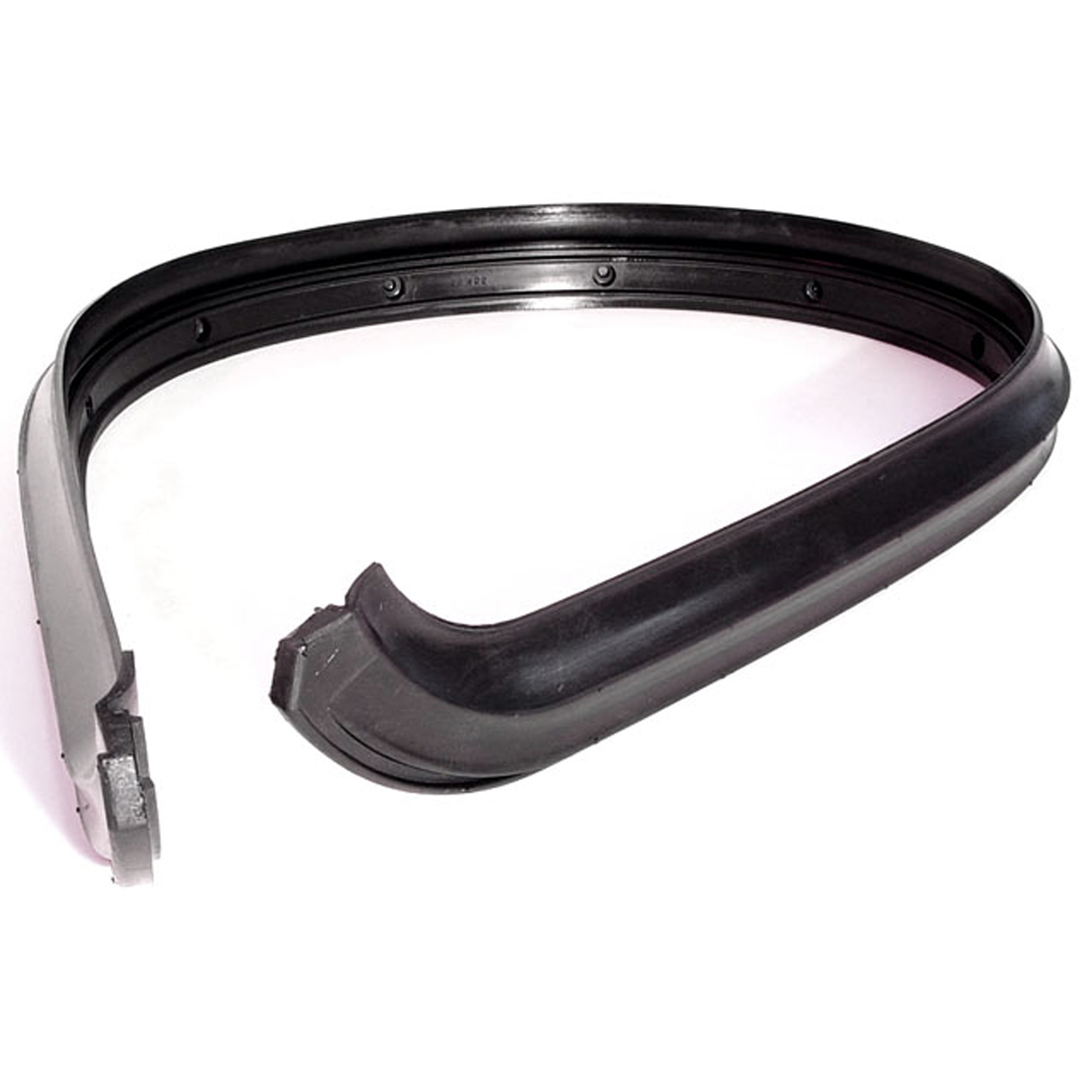 1956 Jeep 475 Windshield to Cowl Seal. 55-1/2" long. Each-CS 102Windshield to Cowl Seal. 55-1/2" long. Each
Why Choose Metro?
For over 100 years, Metro Moulded Parts has been the pinnacle of quality in classic car restoration parts. Our commitment to precision and authenticity in every component ensures a perfect fit and an OEM-level appearance.
- Expert Craftsmanship & Quality: Each part is a testament to our dedication to reliability and perfection, crafted from original designs and thoroughly tested.
- Advanced Technology: We use cutting-edge techniques to create flawless, long-lasting parts that surpass others in performance.
- SuperSoft Sponge – The Ultimate Door Seal: Not only are our door seals 30% softer than competitors', but they're also guaranteed to never leak. They effectively reduce wind and road noise, enhancing your classic car's comfort and driving experience.
- Proudly American: Our parts are a product of American craftsmanship, made in the USA with a spirit of excellence and heritage.
- Unrivaled Warranty: We back our products with a 30-year industry-leading warranty, a testament to our confidence in their quality.
Join us in preserving the legacy of classic cars with parts that are crafted for perfection, not just made.