

Image of 1956 Jeep Willys, Note: These illustrations use artistic license and may differ from actual historical models.
Performance Metrics
Fundamental Metrics
Emotional Appeal
MMP Rating
| Engine Specifications | |
|---|---|
| Engine: | F-head Hurricane Inline-4 |
| Displacement: | 134 cu in (2.2 L) |
| Horsepower: | 72 hp at 4000 rpm |
| Torque: | 114 lb-ft at 2000 rpm |
| Compression Ratio: | 6.9:1 |
| Ignition System: | Distributor and coil |
| Cooling System: | Liquid-cooled |
| Performance Specifications | |
| 0-60 Time: | Estimated 20-30 seconds |
| 1/4 Mile Time: | Not available |
| Top Speed: | 60-65 mph |
| Transmission and Drive | |
| Drive Type: | 4WD |
| Transmission Type: | 3-speed manual |
| Fuel and Efficiency | |
| Fuel System Type: | Carburetor |
| MPG: | Estimated 15-20 mpg |
| Dimensions and Brakes | |
| Brakes: | Drum brakes |
| Wheelbase: | 81 in (2057 mm) |
| Weight: | 2,337 lbs (1,060 kg) |
Note: Specifications for classic cars are given to the best of our ability, considering the limited and variant data available.
1956 Jeep Willys Truck: A Compact 4x4 Built for Work
The 1956 Jeep Willys Truck looks ready to leave the pavement behind, and that was exactly the point. Built by Willys Motors in Toledo, Ohio, it combined a hardworking pickup body with the sturdy engineering and off-road ability that had made the Jeep name famous.
The truck was part of a design introduced in 1947, when Willys-Overland began adapting its postwar Jeep expertise for civilian work. By 1956, the company had become Willys Motors under Kaiser ownership, but the pickup remained a familiar, practical machine. One detail that makes the year especially interesting: Jeep also introduced its forward-control FC-150 and FC-170 trucks in 1956. Those cab-over models were a radical contrast to the conventional Willys pickup, which stayed true to its straightforward, long-hooded layout.
Rugged Styling and a No-Nonsense Cabin
The Willys pickup has an unmistakably purposeful shape. Its upright cab, long hood, exposed front fenders, and simple rectangular cargo bed prioritize usefulness over ornament. The narrow vertical-slot grille and round headlamps give the nose a distinct Jeep identity, while the tall stance and compact proportions make it look more at home on a farm track than in a suburban driveway.
Inside, the same practical approach continues. The cab is steel and functional, with a simple dashboard, basic gauges, and a broad bench seat. Materials were chosen for durability and cost rather than luxury. Depending on the truck’s specification and later repairs, upholstery might be vinyl or cloth. Expect straightforward controls and limited sound insulation, not plush trim or modern conveniences.
Period color choices varied by model, dealer, and market. Work-oriented trucks were often ordered in restrained shades such as white, red, blue, green, or yellow, with plenty of examples later repainted. Original paint and trim details can therefore be valuable clues when assessing a restoration.
Buyers could choose different drivetrains and work configurations, including two-wheel drive, four-wheel drive, pickup, stake, and cab-and-chassis forms. The pickup is the version most people picture today: a closed cab paired with an open cargo bed. The 4x4 pickup is especially sought after because it captures the truck’s off-road character in its most familiar form.
Engineering with a Jeep Foundation
The 1956 truck was built around a body-on-frame chassis, solid axles, leaf springs, and drum brakes. Its simple construction made it well suited to rough roads and demanding work. Four-wheel-drive models used a transfer case to send power to the front axle when extra traction was needed, a major advantage for rural owners dealing with mud, snow, steep grades, and unimproved roads.
Engine choices included the 134-cubic-inch “Hurricane” four-cylinder and the 226-cubic-inch six-cylinder, commonly known as the Super Hurricane. Output varied with configuration and rating method, but period figures are generally around 72 horsepower for the four and about 115 horsepower for the six. A manual transmission was the normal arrangement, keeping the mechanical package relatively simple and serviceable.
The Willys pickup was not the first four-wheel-drive truck, but it helped make factory-built 4x4 capability available in a smaller, more maneuverable civilian pickup. Its combination of compact size, useful hauling ability, and off-road traction helped establish a formula that remains important in the truck market.
Performance on Road and Trail
By modern standards, the 1956 Willys is slow. A well-running example might reach roughly 55 to 65 mph, depending on engine, gearing, tires, load, and condition. Zero to 60 mph is best treated as a broad estimate rather than a factory-certified figure: expect something in the neighborhood of 25 to 30 seconds, and potentially longer for a four-cylinder truck or a heavily loaded 4x4.
The four-cylinder is suited to steady work and low-speed driving, while the six offers more flexibility on hills and paved roads. Neither engine turns the Willys into a fast pickup. The driving experience is about usable torque and traction, not quick acceleration.
On broken ground, the solid axles and leaf springs are durable, but the ride can feel firm and bouncy when the truck is unladen. On winding roads, expect more body movement and slower steering response than in a modern pickup. The high seating position gives a good view of the road, but the cab is narrow and the controls require more effort. The engine’s mechanical rumble, gear noise, and wind around the cab are part of the experience. So is the need to drive attentively: this is an old work truck, not a modern vehicle with power steering, disc brakes, or electronic safety aids.
Working Life and Ownership
In its day, the Willys truck was a working vehicle for farms, small businesses, utility crews, and rural households. Owners used it to carry tools and produce, tow equipment, and reach places where ordinary two-wheel-drive pickups struggled. Today, most examples are enjoyed as restoration projects, weekend drivers, farm trucks, or show vehicles. A carefully maintained truck can still be used, but regular highway commuting may be tiring.
Mechanical simplicity is one of its strongest ownership advantages. The engine, manual gearbox, axles, and suspension are understandable to a capable home mechanic, and many repairs do not require specialized diagnostic equipment. Parts support is available through Jeep and vintage-truck specialists, though locating correct original trim, sheet metal, and configuration-specific pieces can take patience.
Rust is a major inspection priority. Check the cab corners, floor, bed, fenders, frame, and areas around body mounts. Also inspect the four-wheel-drive system for leaks and worn components, and confirm that the truck engages and disengages properly. Worn steering and brakes, tired wiring, and improvised past repairs are common concerns. A truck that looks tidy from a distance may still need significant structural work underneath.
Willys Truck Facts and Common Complaints
The Willys pickup line ran from 1947 through 1965, with total production often estimated at roughly 200,000 trucks across the entire run. Four-wheel drive was added after the original launch, making later 4x4 models especially attractive to collectors and off-road enthusiasts. The 1956 FC-150 and FC-170 are separate forward-control models, not versions of the conventional pickup, though they share the same Jeep utility spirit.
There is no widely recognized speed or endurance record associated with the 1956 Willys pickup. Its reputation was earned through everyday work rather than competition: hauling, climbing, and getting through poor conditions. The civilian truck should also not be confused with military Jeeps used during wartime. Its significance lies in bringing the Jeep approach to civilian hauling and utility work.
Common criticisms are easy to understand. The cabin is cramped by modern standards, the ride can be harsh, the engine is noisy, and performance is modest. Braking and steering also demand more effort than most drivers expect today. Those drawbacks are part of the truck’s character, but they should be considered honestly before buying one for regular use.
Collector Value and Availability
Values depend heavily on condition, originality, drivetrain, and region. As a broad 2026 estimate, a project truck may sell for about $5,000 to $12,000. A usable driver in sound condition might bring roughly $15,000 to $30,000, while a well-restored example can reach about $30,000 to $50,000 or more. Exceptional, highly original, or unusually equipped trucks may exceed that range, but asking prices and completed sale prices are not always the same.
Exact 1956 production figures are not consistently available in commonly cited sources. As a working estimate rather than a confirmed factory total, it is reasonable to place production of all 1956 Willys truck configurations in the range of roughly 10,000 to 15,000. The trucks are not impossible to find, but clean examples, especially original 4x4 pickups, appear less often than project vehicles.
Values have generally benefited from growing interest in early 4x4s and vintage utility vehicles. The best examples have shown the strongest appreciation, while rough trucks remain sensitive to restoration costs. As with most classics, condition and documentation matter more than simply having a desirable model year.
Why the 1956 Willys Still Matters
The 1956 Jeep Willys Truck was not fast, luxurious, or polished. It was compact, adaptable, mechanically straightforward, and capable of reaching places that challenged ordinary pickups. Its rugged construction and practical four-wheel-drive option helped shape expectations for the civilian 4x4 truck, while its honest design continues to appeal to collectors and working-vehicle fans.
More than seven decades later, a Willys pickup still makes its purpose clear the moment its engine starts: it was built to work, built to travel beyond the pavement, and built to keep going when the road runs out.
1956 Jeep Willys Catalog of Parts
 1956 Jeep Willys Shock Absorber Grommet. 1" bottom O.D-BN 11Shock Absorber Grommet. 1" bottom O.D., 3/4" high, with 5/8" I.D. Each
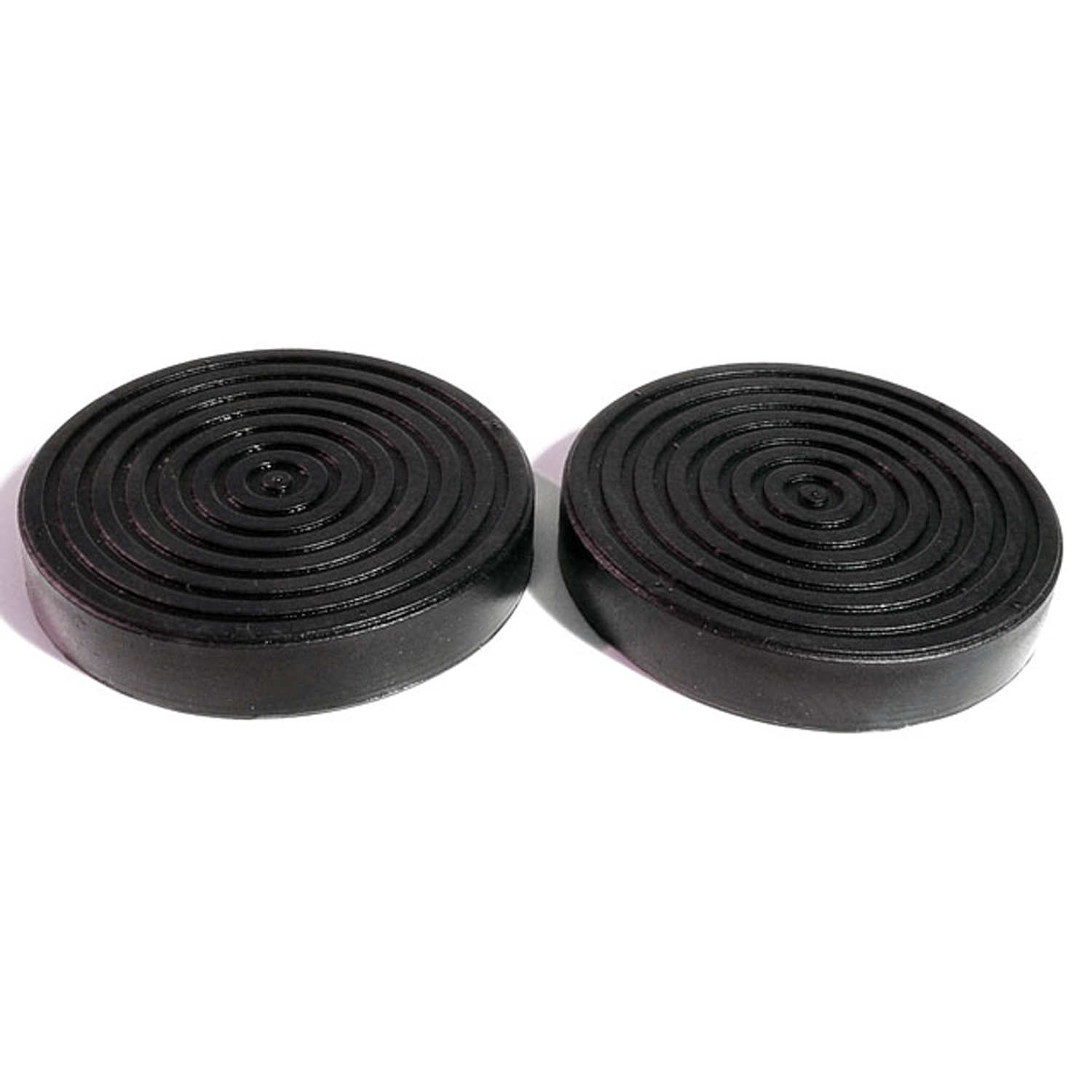 1956 Jeep Willys Clutch and Brake Pedal Pads. 3" Diameter. Pair-CB 61Clutch and Brake Pedal Pads. 3" Diameter. Pair
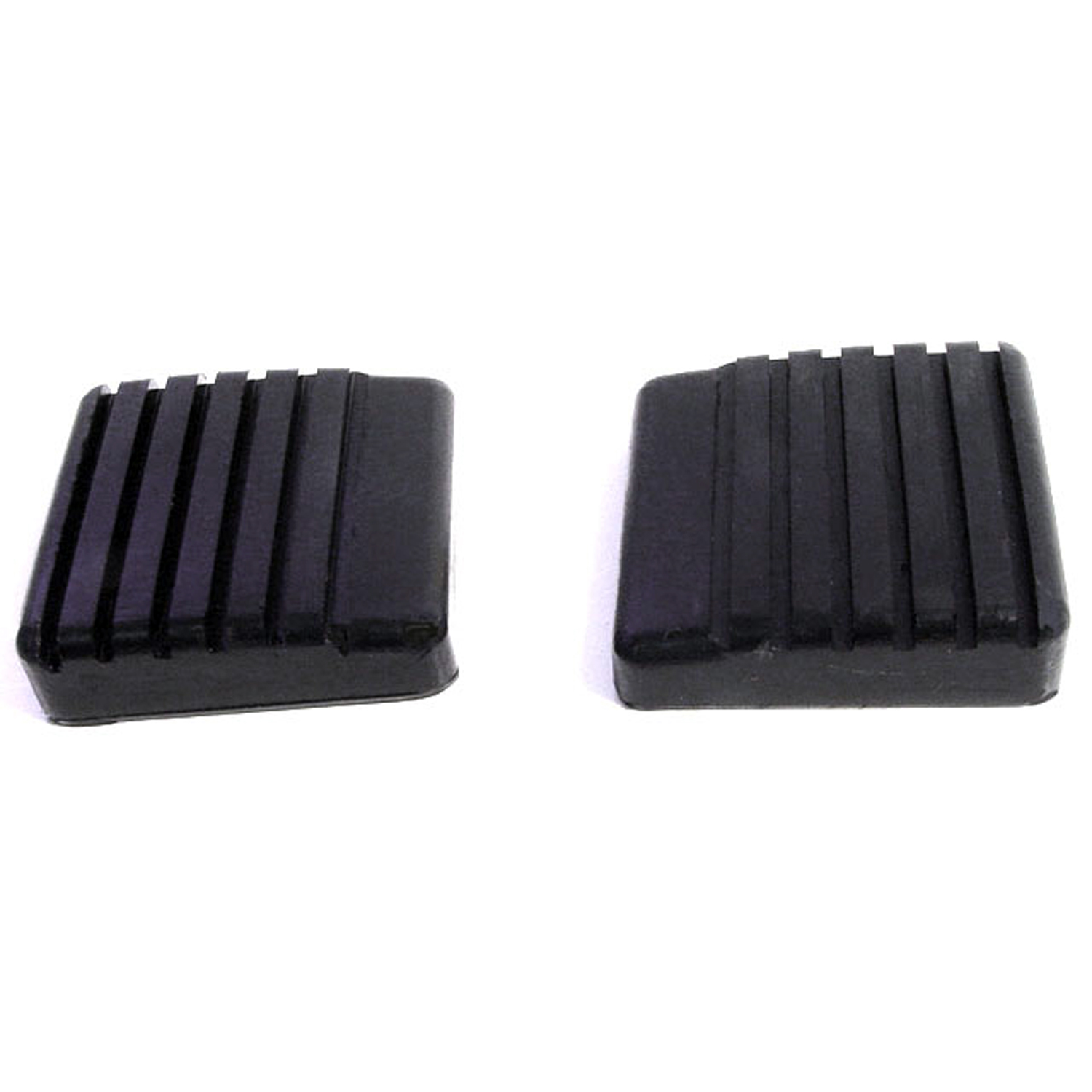 1956 Jeep Willys Clutch and Brake Pedal Pads. Pair-CB 61-BClutch and Brake Pedal Pads. Pair
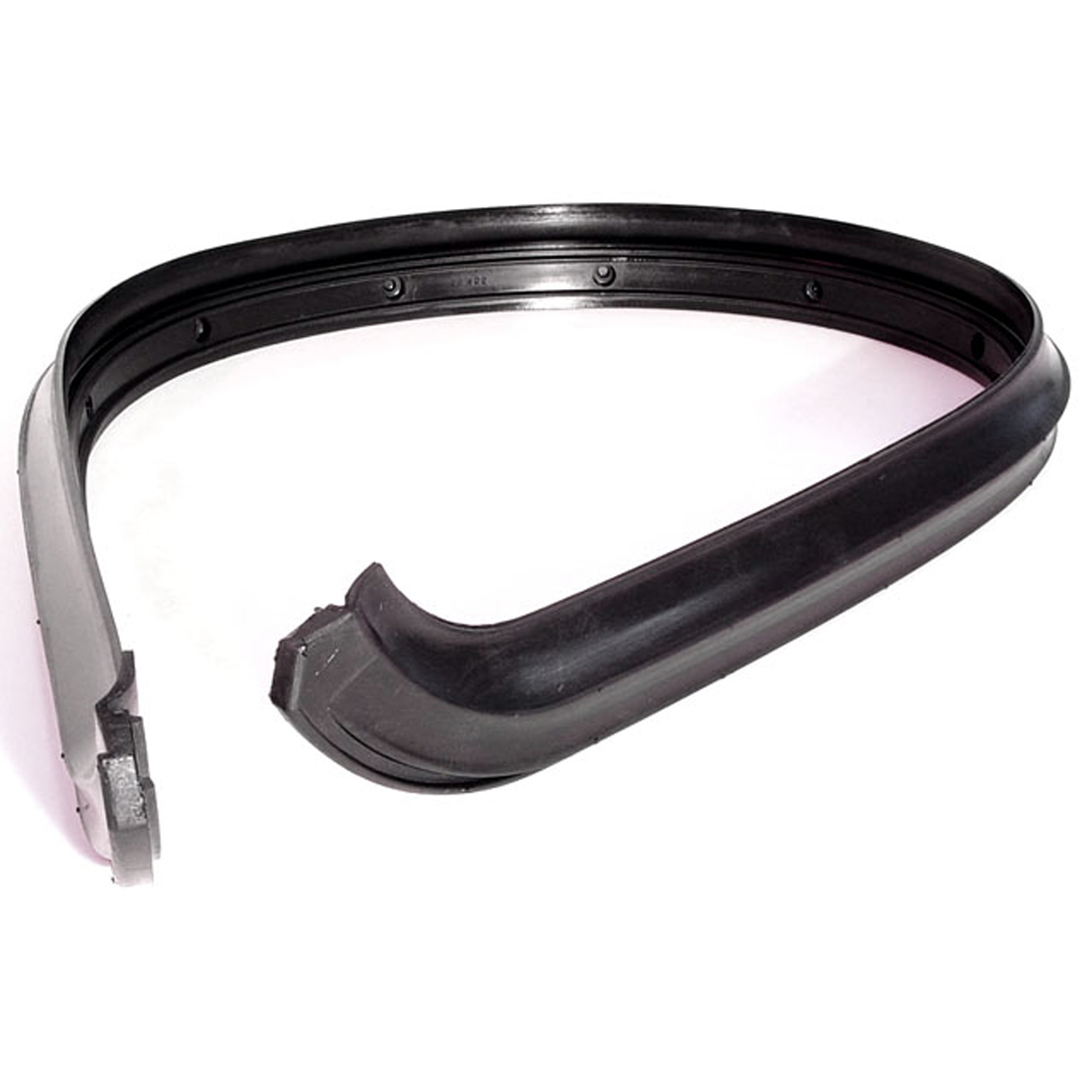 1956 Jeep Willys Windshield to Cowl Seal. 55-1/2" long. Each-CS 102Windshield to Cowl Seal. 55-1/2" long. Each
 1956 Jeep Willys Dust Boot. For vehicles with power take off. Each-RP 34-JDust Boot. For vehicles with power take off. Each
 1956 Jeep Willys Horn Button Cap, 1-1/4" O.D. Each-RP 600-JHorn Button Cap, 1-1/4" O.D. Each
Why Choose Metro?
For over 100 years, Metro Moulded Parts has been the pinnacle of quality in classic car restoration parts. Our commitment to precision and authenticity in every component ensures a perfect fit and an OEM-level appearance.
- Expert Craftsmanship & Quality: Each part is a testament to our dedication to reliability and perfection, crafted from original designs and thoroughly tested.
- Advanced Technology: We use cutting-edge techniques to create flawless, long-lasting parts that surpass others in performance.
- SuperSoft Sponge – The Ultimate Door Seal: Not only are our door seals 30% softer than competitors', but they're also guaranteed to never leak. They effectively reduce wind and road noise, enhancing your classic car's comfort and driving experience.
- Proudly American: Our parts are a product of American craftsmanship, made in the USA with a spirit of excellence and heritage.
- Unrivaled Warranty: We back our products with a 30-year industry-leading warranty, a testament to our confidence in their quality.
Join us in preserving the legacy of classic cars with parts that are crafted for perfection, not just made.