

Image of 1957 Jeep 6-226, Note: These illustrations use artistic license and may differ from actual historical models.
Performance Metrics
Fundamental Metrics
Emotional Appeal
MMP Rating
| Engine Specifications | |
|---|---|
| Engine: | Super Hurricane Inline 6 |
| Displacement: | 226 cu in (3.7 L) |
| Horsepower: | 105 hp |
| Torque: | 190 lb-ft |
| Compression Ratio: | 7.5:1 |
| Ignition System: | Distributor and coil |
| Cooling System: | Liquid-cooled |
| Performance Specifications | |
| 0-60 Time: | Information not available |
| 1/4 Mile Time: | Information not available |
| Top Speed: | 60-70 mph |
| Transmission and Drive | |
| Drive Type: | 4WD |
| Transmission Type: | 3-speed manual |
| Fuel and Efficiency | |
| Fuel System Type: | Carburetor |
| MPG: | 10-15 mpg |
| Dimensions and Brakes | |
| Brakes: | Drum brakes |
| Wheelbase: | 104.5 in |
| Weight: | 3,200 lbs |
Note: Specifications for classic cars are given to the best of our ability, considering the limited and variant data available.
1957 Jeep 6-226: A Workhorse With a Six-Cylinder Heart
The 1957 Jeep 6-226 paired Jeep’s compact, go-anywhere truck chassis with a smooth-running 226-cubic-inch straight-six, giving buyers a useful blend of hauling ability and low-speed pulling power. Built by Willys Motors, the pickup belonged to a postwar generation of civilian Jeeps that carried military-inspired four-wheel-drive know-how onto farms, job sites, and rural roads.
The model’s roots go back to the Willys Jeep Truck introduced in 1947. By 1957, Willys had been part of the Kaiser organization for several years, though the company was still known as Willys Motors. The 6-226 name points to the truck’s six-cylinder engine, often called the “Super Hurricane.” One detail that surprises modern enthusiasts: despite that confident name, it was a flathead, or L-head, engine rather than an overhead-valve design. Its appeal came from sturdy, accessible engineering and useful torque, not high-revving performance.
Jeep Truck Styling and Practical Design
The 1957 Jeep pickup looked purposeful from every angle. Its upright cab, squared-off hood, exposed front fenders, and simple grille gave it a distinctly utilitarian profile. The truck sat high on its chassis, especially in four-wheel-drive form, and its relatively narrow body made it easier to maneuver than many full-size pickups of the period. The design was more about visibility and serviceability than chrome or decoration.
Inside, the cabin was similarly straightforward. A painted-metal dashboard, broad bench seat, simple gauges, and durable floor covering suited a vehicle expected to work for a living. Materials were practical rather than luxurious, with trim and upholstery depending on equipment and market. Buyers could add conveniences such as a heater or radio, but the basic cabin stayed refreshingly uncomplicated. That simplicity is part of the Jeep’s appeal today: there is little between the driver and the machinery.
Factory paint choices varied by model year and specification. Period Jeep trucks were offered in solid work-truck colors, including shades of white, red, green, blue, and neutral tones. White and red are especially recognizable choices on surviving examples, while restored trucks also look at home in period-style greens and blues. For a historically accurate restoration, the body tag, original sales literature, or traces of paint beneath trim are better guides than a modern color chart.
The best-known body style was the conventional pickup, but the Jeep Truck range also included configurations such as stake, platform, and chassis-cab versions, depending on year and equipment. Buyers could choose rear-wheel drive or four-wheel drive. The pickup is the most familiar and collectible form, while chassis-cab and specialized commercial versions are less often seen today.
What the 6-226 Added
The 226-cubic-inch inline-six gave the Jeep Truck more relaxed power than its four-cylinder counterparts. Commonly quoted factory figures for the Super Hurricane are about 115 horsepower and roughly 190 lb-ft of torque, though published specifications can vary with rating methods and exact configuration. The engine’s long-stroke, low-speed character suited a truck carrying tools or pulling a trailer far better than a high-strung passenger-car tune would have.
Most trucks used a manual transmission, with a three-speed commonly associated with the model and additional transmission or drivetrain options depending on specification. Four-wheel-drive versions added a transfer case for low-range work. That gearing, combined with the six’s torque, made the truck useful on muddy lanes, snowy roads, and uneven work sites. It was not a modern off-roader with electronic traction aids, but it offered mechanical simplicity and genuine low-speed capability.
Why the 1957 Jeep Truck Matters
The Jeep Truck helped establish the idea that a civilian pickup could be compact, practical, and available with factory four-wheel drive. It was not the first four-wheel-drive truck, but it brought Jeep’s familiar off-road approach into a versatile pickup format at a time when more buyers were finding reasons to leave paved roads. Farmers, utility companies, contractors, and rural households could use one vehicle for transportation and demanding work.
Its long production life is another part of its legacy. The basic Jeep Truck design remained in production from 1947 through 1965, with revisions along the way rather than a complete redesign every few years. That continuity says a lot about the usefulness of the original layout. The 1957 model sits in the middle of that run, combining the established body with the stronger six-cylinder option.
Performance, Ride, and Road Manners
With around 115 horsepower, the 6-226 was built for steady progress rather than quick acceleration. Exact performance depended on whether the truck was two- or four-wheel drive, its gearing, tire size, load, and mechanical condition. As a broad real-world estimate, a healthy truck might reach roughly 60 to 70 mph, while a 0-to-60-mph run could take around 25 to 30 seconds or longer. These are estimates, not verified factory test figures, and many surviving trucks are geared or restored for work rather than speed.
On the road, the Jeep feels like a traditional truck: upright, mechanical, and deliberate. The six produces a measured rumble and responds best when the driver works through the gears rather than asking for a quick burst of power. The manual steering and brakes demand more effort than modern systems, particularly at low speed or with a heavy load. On bumps, the solid-axle suspension can feel firm and busy when the truck is empty, but a load often settles it down. On winding roads, its tall stance and truck tires call for a calm pace and smooth inputs.
Four-wheel drive is valuable on loose surfaces and steep, slippery tracks, but it is not a license to drive quickly. The truck’s strengths are traction, clearance, and control at low speed. On a dry highway, the 6-226 is happiest cruising at a moderate pace, where the engine and gearing are not being pushed beyond their working comfort zone.
Living With a 1957 Jeep 6-226
These trucks were designed to work, and that remains their most natural role. Today, owners use them as weekend drivers, farm vehicles, vintage work trucks, restoration projects, and show entries. A well-sorted example can make local trips and occasional longer drives, but traffic speeds, braking distances, noise, and lack of modern safety equipment make it a very different experience from a contemporary pickup.
Maintenance is manageable for an owner comfortable with older mechanical vehicles. The engine and basic systems are comparatively accessible, and many repairs can be handled with ordinary tools and sound workshop practices. Parts availability is mixed: routine service items and some mechanical components can be sourced through classic Jeep suppliers, while correct body panels, trim, and model-specific details may take more searching. Rust, neglected cooling systems, worn steering components, and tired brakes deserve close inspection before purchase.
Reliability depends heavily on condition and previous repairs. A maintained 6-226 can be a durable engine, but age-related problems are inevitable. Check for oil leaks, overheating, low oil pressure, cracked or poorly repaired bodywork, and play in the steering and driveline. Four-wheel-drive trucks should also be checked for transfer-case noise and signs that the system has been neglected.
Jeep 6-226 Facts and Common Criticisms
The “Super Hurricane” label is a memorable piece of Jeep history, but it can be misleading to anyone expecting a modern overhead-valve performance engine. The 226 is a flathead inline-six, valued for simple construction and useful torque. Another point of confusion is the truck’s relationship to other Jeep models: the 1957 Jeep Truck is not the same vehicle as the Forward Control, or FC, series, which used a very different cab-over design.
There is no widely cited production breakdown that reliably counts every 1957 Jeep Truck equipped specifically with the 6-226, separated by body style and drivetrain. As a rough, informed estimate rather than a factory-record figure, several thousand may have been built, perhaps in the range of 2,000 to 5,000. The actual number could fall outside that range, and survival is a separate question. Four-wheel-drive pickups with their original six-cylinder engines and complete, correct bodies are increasingly difficult to find.
The common criticisms are familiar to anyone who has driven an older work truck: modest acceleration, a noisy cabin, heavy controls, limited highway comfort, and less precise handling than a modern pickup. Those are real limitations, not flaws to hide. The Jeep’s strengths were durability, simplicity, and the ability to keep moving when the road became rough.
1957 Jeep 6-226 Collector Values
Prices vary widely with rust, originality, drivetrain, and restoration quality. As a broad current-market estimate, a project truck may sell for roughly $3,000 to $8,000. A usable driver commonly falls around $8,000 to $20,000, while a well-restored example can reach approximately $20,000 to $35,000 or more. Exceptionally original, professionally restored, or especially desirable four-wheel-drive trucks may bring higher prices, but condition and documentation matter more than optimistic asking prices.
The model has generally benefited from steady interest in vintage 4x4s and early Jeep vehicles. Values can rise for clean, complete examples, though the market is smaller than for iconic muscle cars or collectible SUVs. A rusty or incomplete truck can remain expensive to restore because body and trim parts are harder to find than common service items. Buyers should budget for mechanical sorting and structural repairs, not just the purchase price.
A Useful Classic With Real Jeep Character
The 1957 Jeep 6-226 is a practical piece of Jeep history: a compact pickup, a durable flathead six, and available four-wheel drive in a package built for demanding work. It will not impress with speed or modern comfort, but it offers honest mechanical character and a direct connection to the era when civilian Jeep trucks were earning their reputations one muddy road at a time. For collectors who value usefulness as much as nostalgia, the 6-226 remains a classic with plenty of grit.
1957 Jeep 6-226 Catalog of Parts
 1957 Jeep 6-226 Shock Absorber Grommet. 1" bottom O.D-BN 11Shock Absorber Grommet. 1" bottom O.D., 3/4" high, with 5/8" I.D. Each
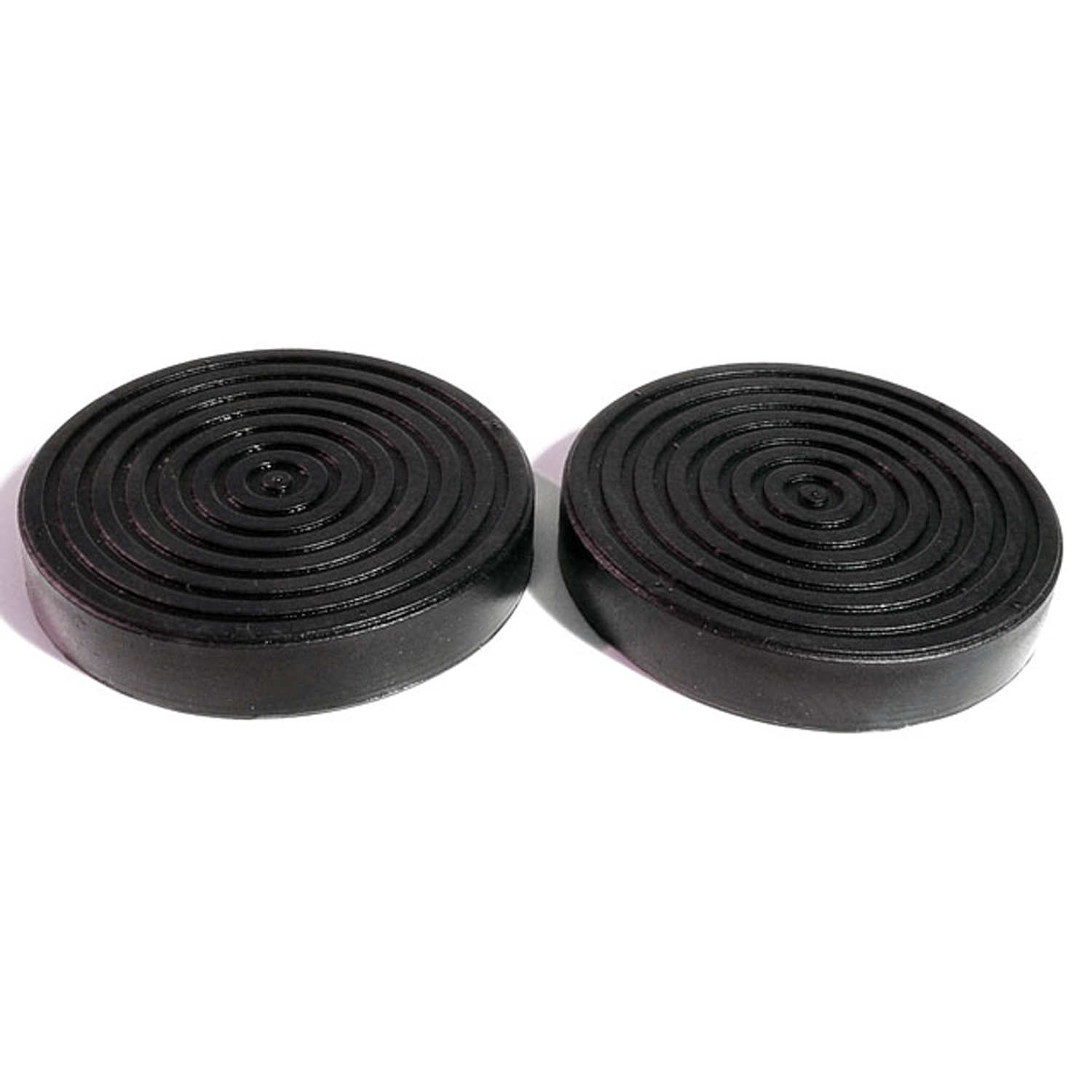 1957 Jeep 6-226 Clutch and Brake Pedal Pads. 3" Diameter. Pair-CB 61Clutch and Brake Pedal Pads. 3" Diameter. Pair
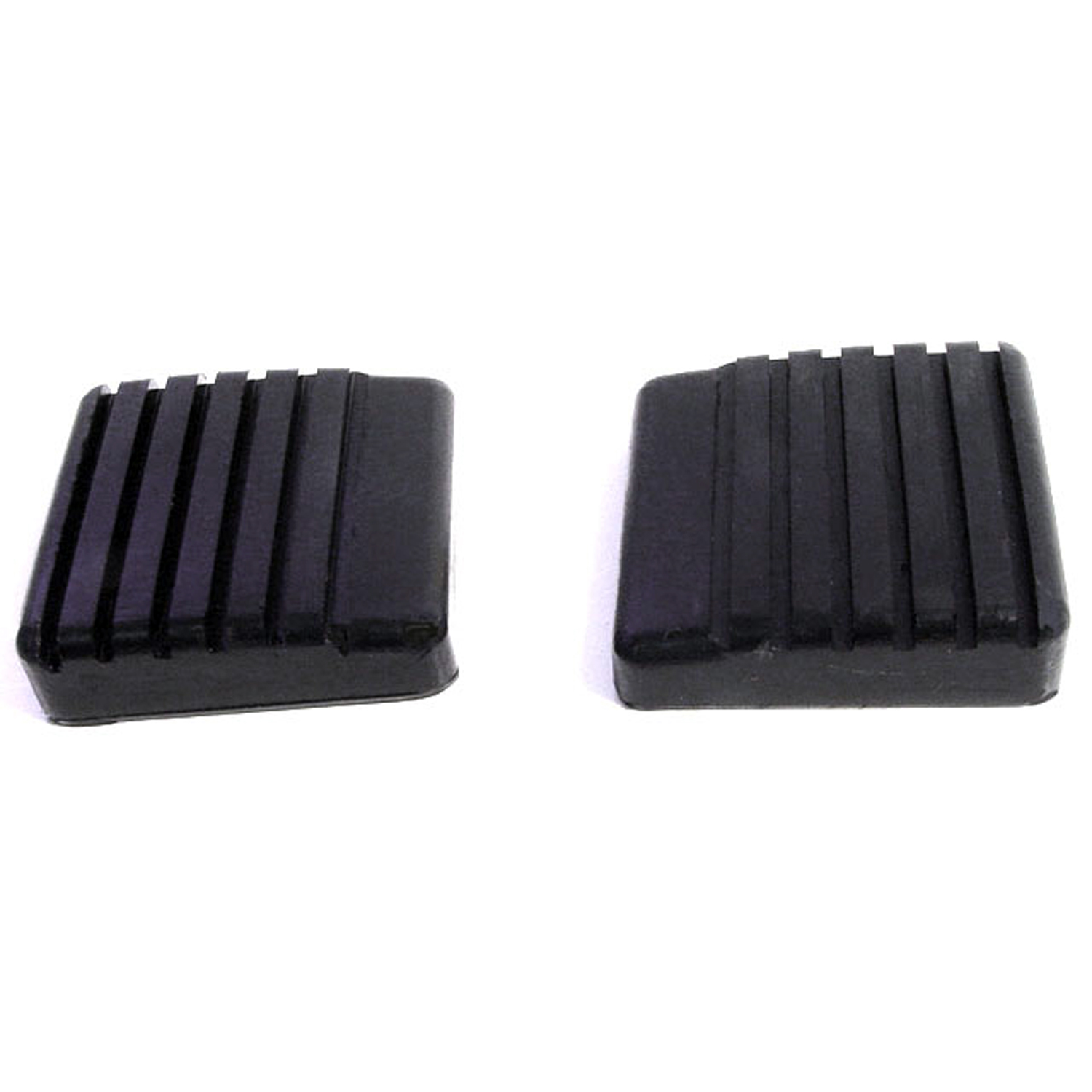 1957 Jeep 6-226 Clutch and Brake Pedal Pads. Pair-CB 61-BClutch and Brake Pedal Pads. Pair
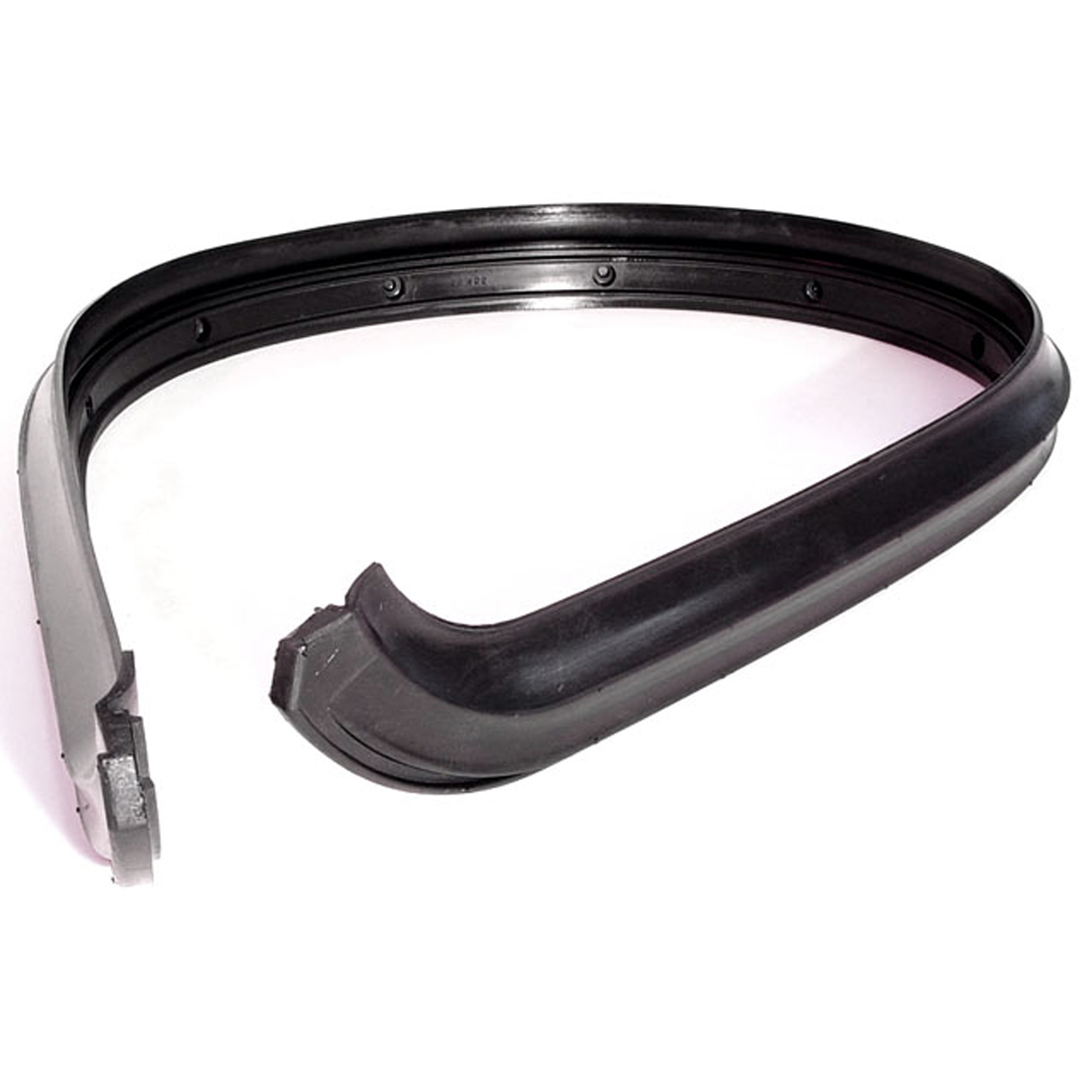 1957 Jeep 6-226 Windshield to Cowl Seal. 55-1/2" long. Each-CS 102Windshield to Cowl Seal. 55-1/2" long. Each
Why Choose Metro?
For over 100 years, Metro Moulded Parts has been the pinnacle of quality in classic car restoration parts. Our commitment to precision and authenticity in every component ensures a perfect fit and an OEM-level appearance.
- Expert Craftsmanship & Quality: Each part is a testament to our dedication to reliability and perfection, crafted from original designs and thoroughly tested.
- Advanced Technology: We use cutting-edge techniques to create flawless, long-lasting parts that surpass others in performance.
- SuperSoft Sponge – The Ultimate Door Seal: Not only are our door seals 30% softer than competitors', but they're also guaranteed to never leak. They effectively reduce wind and road noise, enhancing your classic car's comfort and driving experience.
- Proudly American: Our parts are a product of American craftsmanship, made in the USA with a spirit of excellence and heritage.
- Unrivaled Warranty: We back our products with a 30-year industry-leading warranty, a testament to our confidence in their quality.
Join us in preserving the legacy of classic cars with parts that are crafted for perfection, not just made.