

Image of 1957 Jeep F-134, Note: These illustrations use artistic license and may differ from actual historical models.
Performance Metrics
Fundamental Metrics
Emotional Appeal
MMP Rating
| Engine Specifications | |
|---|---|
| Engine: | F-134 Hurricane Inline 4 |
| Displacement: | 134 cu in (2.2 L) |
| Horsepower: | 72 hp |
| Torque: | 114 lb-ft |
| Compression Ratio: | 6.9:1 |
| Ignition System: | Distributor and coil |
| Cooling System: | Liquid-cooled |
| Performance Specifications | |
| 0-60 Time: | Information not available |
| 1/4 Mile Time: | Information not available |
| Top Speed: | 60-65 mph |
| Transmission and Drive | |
| Drive Type: | 4WD |
| Transmission Type: | 3-speed manual |
| Fuel and Efficiency | |
| Fuel System Type: | Carburetor |
| MPG: | 15-20 mpg |
| Dimensions and Brakes | |
| Brakes: | Drum brakes |
| Wheelbase: | 81 in |
| Weight: | 2,337 lbs |
Note: Specifications for classic cars are given to the best of our ability, considering the limited and variant data available.
1957 Jeep F-134: The Work Truck with a Hurricane Heart
The 1957 Jeep F-134 was built for people who needed a truck to go where the road ended. Its upright cab, sturdy pickup bed, and available four-wheel drive gave it the plainspoken capability that made Jeep a familiar name on farms, work sites, and back roads. Under the hood, the F-134 “Hurricane” four-cylinder offered a more modern overhead-valve design than the flathead engines found in many earlier utility vehicles.
The truck came from Willys Motors, Inc., the Kaiser-owned company that continued the civilian Jeep line after Kaiser acquired Willys-Overland in 1953. The Jeep Truck had been in production since 1947, and by 1957 it was a well-established alternative to conventional pickups. A noteworthy detail: the F-head engine placed its intake valves in the cylinder head while leaving the exhaust valves in the block. That unusual layout helped the compact four-cylinder breathe better than a conventional flathead without requiring a fully overhead-valve design.
Rugged Styling and a No-Nonsense Cabin
The 1957 Jeep Truck looks like a tool because it was designed as one. Its front end wears a narrow, upright grille, round headlamps, separate front fenders, and a tall hood. The cab sits high above the frame, with a broad windshield and a squared-off profile that prioritizes visibility and usable space over streamlined styling. The result is unmistakably Jeep: simple, functional, and easy to recognize.
Inside, the cabin is similarly practical. Expect a painted-metal dashboard, straightforward gauges, a large steering wheel, and a basic bench seat, typically trimmed in durable vinyl or similar utility-grade material. Rubber floor covering was easier to clean than carpeting and better suited to muddy boots. Sound insulation and creature comforts were modest, especially by modern standards. The driver sat upright and had a clear view of the road, the front fenders, and the work immediately ahead.
Factory equipment and paint choices varied by model and market. Buyers could choose from period solid colors, with white, red, green, blue, and subdued work-truck shades among the kinds of finishes seen on Jeep trucks of the era. White or a straightforward dark color remains a popular restoration choice, though original paint and documented factory color are more important to collectors than any single fashionable shade.
The best-known body style is the conventional pickup, usually fitted with a steel cargo bed. The broader Jeep Truck range also included configurations such as stake or platform bodies and cab-and-chassis versions, depending on application and availability. Buyers could choose two-wheel drive or four-wheel drive, with the four-wheel-drive pickup being the most iconic today. Exact combinations of body, drivetrain, and equipment depended on the order and market.
What the F-134 Brought to the Jeep Truck
The F-134, also called the Hurricane, is a 134-cubic-inch inline-four with an overhead intake-valve arrangement. Period specifications commonly list output at about 72 horsepower and roughly 114 lb-ft of torque, though ratings and published figures can vary by source and configuration. It was not a high-revving engine. Its appeal was steady, usable pulling power in a relatively compact package.
On four-wheel-drive models, a transfer case let the driver select a lower gear range for slow, demanding work. That low range was valuable on steep grades, loose ground, and farm tracks where ordinary gearing could not provide enough control. The truck also relied on a conventional manual transmission, solid axles, leaf springs, and drum brakes. These were familiar, serviceable technologies, chosen for durability rather than novelty.
A Practical Pioneer in Four-Wheel-Drive Trucks
The Jeep Truck helped make four-wheel drive a civilian work-truck proposition well before 4x4 pickups became a mainstream lifestyle choice. Its importance was less about introducing a single revolutionary invention and more about combining a useful pickup body with genuine off-road hardware. For farmers, utility crews, forestry workers, and rural businesses, that combination could replace a truck-and-tractor pairing for many jobs.
Compared with many contemporary pickups, the Jeep was compact and unusually capable away from paved roads. Its short, upright body and available low-range gearing suited narrow trails and uneven work sites. The trade-off was comfort: conventional pickups often offered more interior room, while the Jeep’s narrow cab, firm suspension, and modest power made it less pleasant for long highway journeys.
The truck’s influence continued through the idea it represented: a pickup could be a working 4x4, not just a rear-drive road vehicle. Later generations of utility pickups expanded on that formula, but the 1957 Jeep Truck remains an appealing early example of it.
F-134 Performance and Road Manners
Performance depends heavily on axle ratio, drivetrain, tire size, vehicle condition, and load. A healthy F-134 truck is generally best thought of as a 55-to-65-mph vehicle rather than a modern highway cruiser. An unloaded example may approach the upper end of that range, but speed and sustained cruising ability vary considerably. A period-style 0-to-60-mph estimate is roughly 25 to 35 seconds, not a factory guarantee. Many trucks feel slower when carrying a load or climbing a grade.
On rough ground, the solid axles and leaf springs are an asset: they are tough, simple, and able to cope with work. On broken pavement, however, they can deliver a firm, jostling ride. The high seating position and tall body also make the truck feel less settled than a modern pickup on a windy road. Steering requires more effort and attention, and drum brakes need more planning than contemporary disc systems.
Behind the wheel, the F-134 makes a distinctive, busy four-cylinder sound. It works hard under acceleration, with engine noise and mechanical vibration more apparent than in a modern truck. The driving experience is direct and physical: the driver shifts manually, feels the road through the steering wheel, and chooses the appropriate range when conditions demand it. That hands-on character is part of the truck’s charm, but it also means patience is essential.
Living with a 1957 Jeep Truck
These trucks were built for hauling supplies, tending farms, reaching remote properties, and supporting municipal or utility work. Today, many serve as weekend drivers, restoration projects, show vehicles, or occasional work trucks. A well-maintained example can still handle light hauling and local trips, but regular high-speed commuting is not its strongest role.
The F-134 has a reputation for straightforward mechanical construction. A mechanically inclined owner can handle many basic jobs with ordinary tools, and the engine’s simple layout is less intimidating than a modern fuel-injected powertrain. Routine attention should include ignition components, carburetor and fuel-system condition, cooling-system upkeep, valve adjustment where required, and regular checks of the drivetrain and chassis.
Parts availability is mixed in a useful way. Some engine and service parts are shared with other period Jeep models, while transmission and four-wheel-drive components have a healthy enthusiast following. Body panels, trim, and model-specific pieces can be harder to find, and a rusty cab or pickup bed may take more time and money to repair than the mechanicals. Before buying, inspect the frame, cab mounts, floor, fenders, bed, and areas around the windshield for corrosion or old collision repairs.
Jeep F-134 Facts and Common Criticisms
The Hurricane name sounds more dramatic than the engine’s performance, but it reflected Willys’ effort to give its compact utility vehicles improved breathing and useful low-speed power. The F-134’s distinctive valve arrangement is one of the most interesting engineering details in the truck. It is also a reminder that postwar automakers often pursued practical improvements through clever compromises rather than entirely new designs.
There is no widely recognized production speed record, endurance title, or single celebrity association attached to the 1957 F-134 truck. Its historical importance is quieter: it earned a place in everyday working life. Jeep trucks served in rural and industrial settings, where reliability and access mattered more than publicity. They were not designed as racing vehicles, and surviving examples are valued for utility, character, and period authenticity.
Common criticisms are easy to understand. The F-134 is slow by modern traffic standards, the cab is cramped, the ride can be choppy, and the brakes and steering demand more effort than drivers expect. Four-wheel drive also should not be treated as a cure-all: tire condition, gearing, ground clearance, and driver judgment still matter. For owners who accept those limitations, the truck rewards with a simple, highly characterful driving experience.
Collector Values and Production Estimates
Exact 1957 production figures for F-134-equipped trucks are not consistently documented in commonly available references, so a precise model-year total would be misleading. A reasonable broad estimate is that Jeep Truck production across the full 1947-to-1965 run reached roughly 200,000 vehicles, with individual years and configurations varying substantially. The 1957 F-134 pickup is not exceptionally rare as a model, but original, complete four-wheel-drive examples and unusual body configurations are harder to find.
As a general 2026 collector-market estimate in the United States, a project truck may sell for about $3,000 to $8,000, depending on rust, completeness, and drivetrain condition. A running, usable example commonly falls around $10,000 to $20,000. A carefully restored or exceptionally original truck may bring approximately $20,000 to $35,000, with standout examples potentially exceeding that range when buyers compete for them. These are broad estimates, not guaranteed sale prices; location, documentation, originality, and the quality of restoration make a major difference.
Values have generally benefited from growing interest in vintage 4x4s, but the market is selective. Desirable, rust-free trucks with correct components tend to hold value better than rough projects, while restoration costs can easily outrun the finished truck’s market price. Over the long term, the model appears more likely to appreciate gradually than to deliver a quick investment return.
Why the 1957 Jeep F-134 Still Matters
The 1957 Jeep F-134 combines a distinctive Hurricane four-cylinder, rugged mechanical hardware, and the practical shape of an early civilian 4x4 pickup. It is slow, basic, and not especially comfortable, but those traits are part of an honest design made for real work. For collectors and drivers who value mechanical simplicity and genuine off-road heritage, this Jeep is more than an old truck: it is a reminder of how capability became part of the pickup’s identity.
1957 Jeep F-134 Catalog of Parts
 1957 Jeep F-134 Shock Absorber Grommet. 1" bottom O.D-BN 11Shock Absorber Grommet. 1" bottom O.D., 3/4" high, with 5/8" I.D. Each
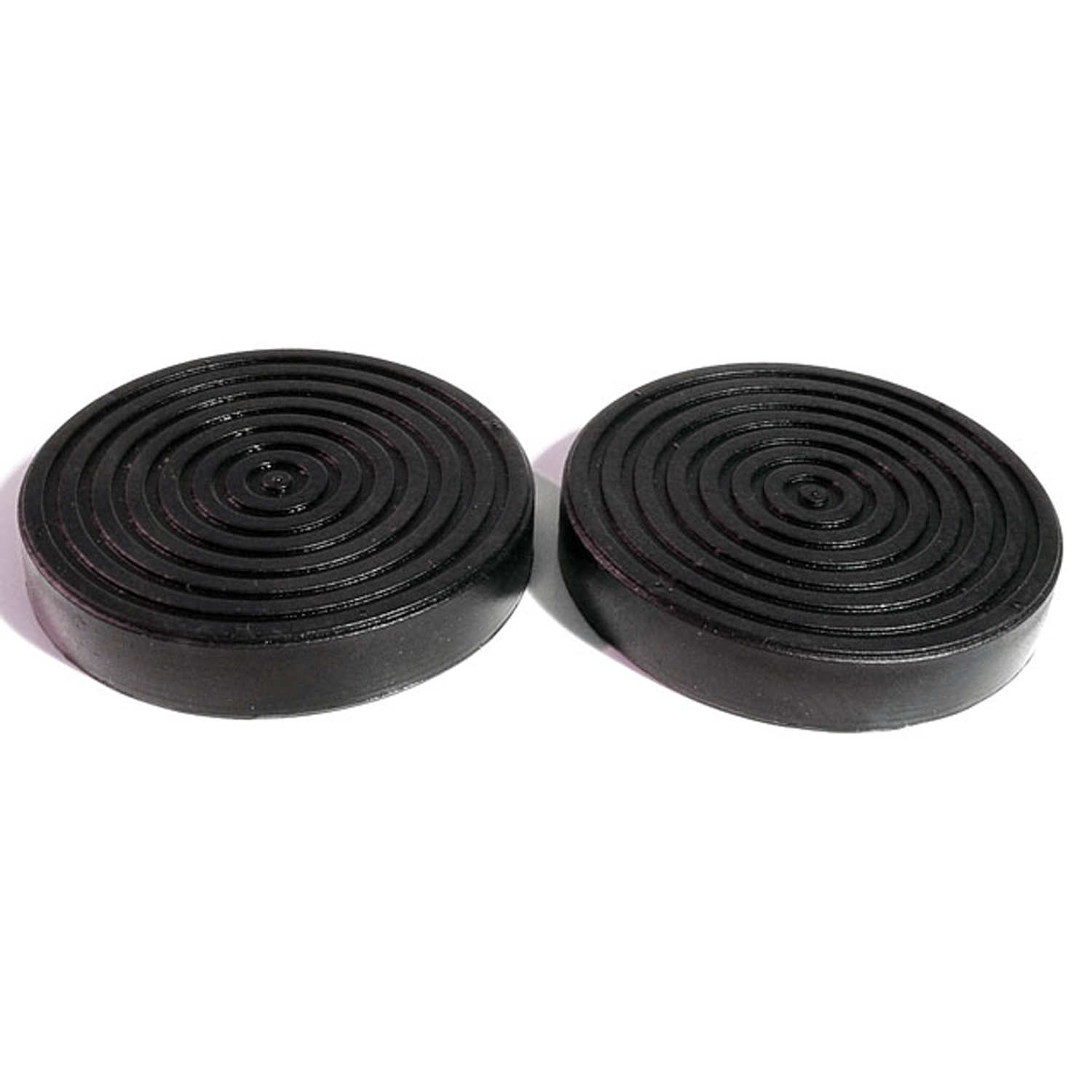 1957 Jeep F-134 Clutch and Brake Pedal Pads. 3" Diameter. Pair-CB 61Clutch and Brake Pedal Pads. 3" Diameter. Pair
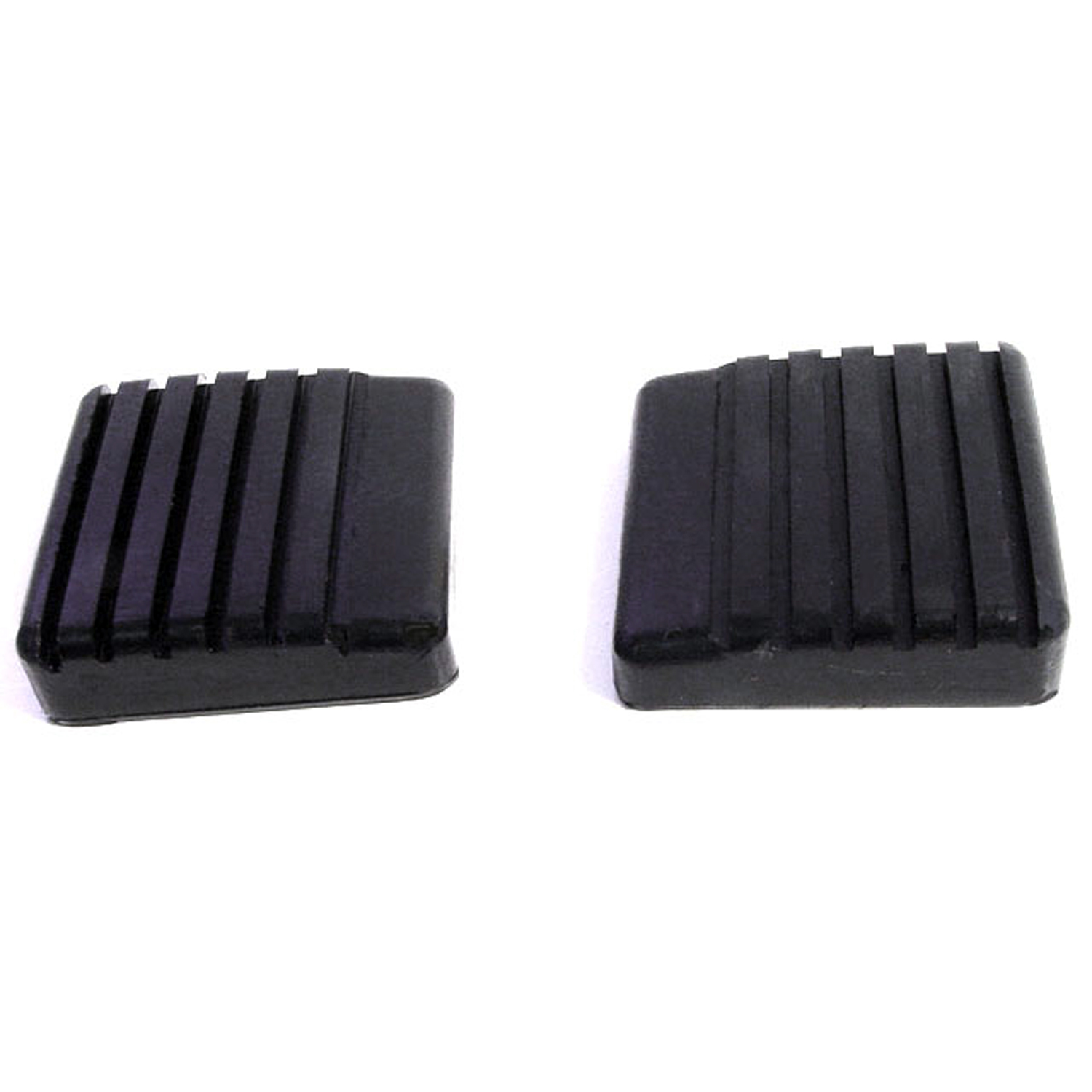 1957 Jeep F-134 Clutch and Brake Pedal Pads. Pair-CB 61-BClutch and Brake Pedal Pads. Pair
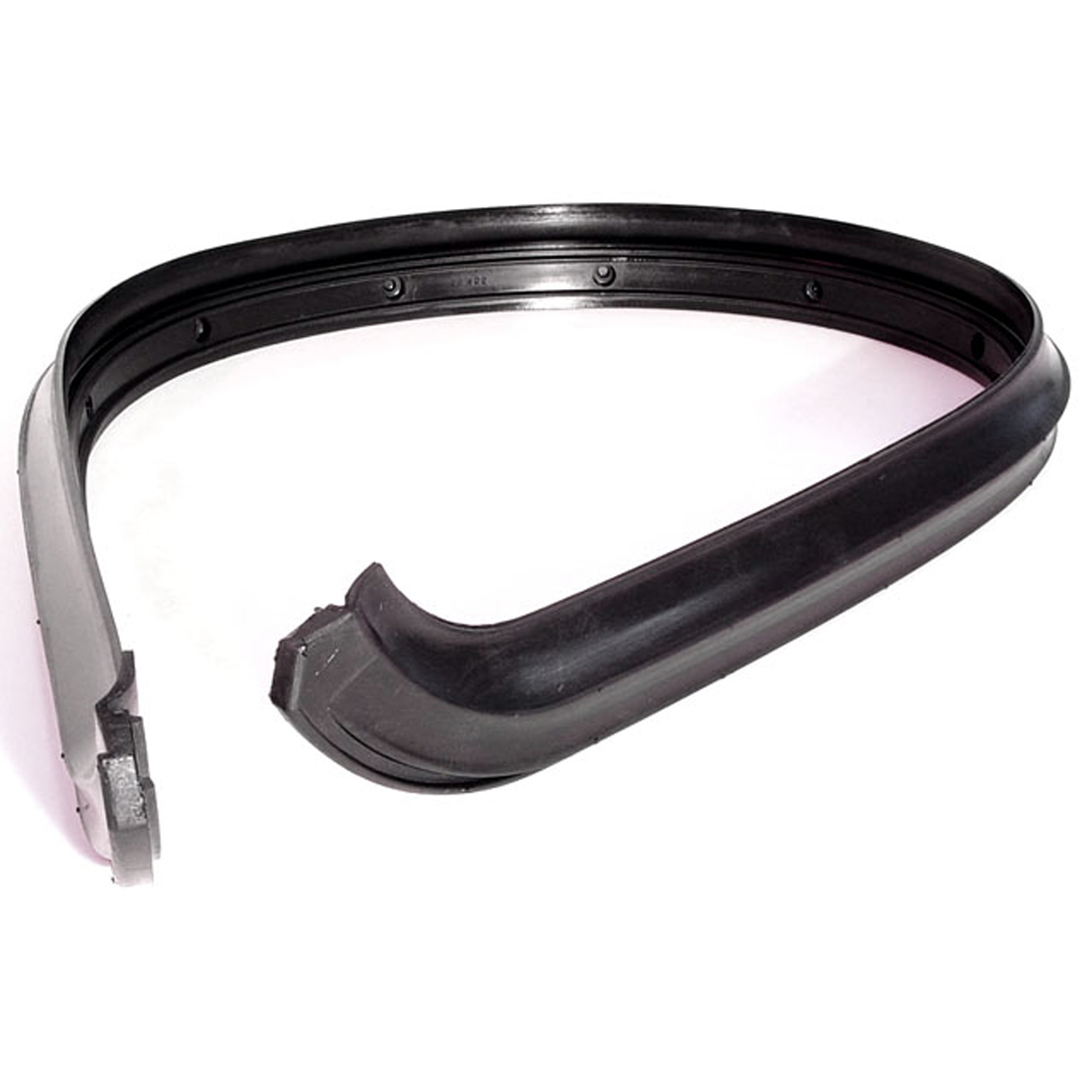 1957 Jeep F-134 Windshield to Cowl Seal. 55-1/2" long. Each-CS 102Windshield to Cowl Seal. 55-1/2" long. Each
Why Choose Metro?
For over 100 years, Metro Moulded Parts has been the pinnacle of quality in classic car restoration parts. Our commitment to precision and authenticity in every component ensures a perfect fit and an OEM-level appearance.
- Expert Craftsmanship & Quality: Each part is a testament to our dedication to reliability and perfection, crafted from original designs and thoroughly tested.
- Advanced Technology: We use cutting-edge techniques to create flawless, long-lasting parts that surpass others in performance.
- SuperSoft Sponge – The Ultimate Door Seal: Not only are our door seals 30% softer than competitors', but they're also guaranteed to never leak. They effectively reduce wind and road noise, enhancing your classic car's comfort and driving experience.
- Proudly American: Our parts are a product of American craftsmanship, made in the USA with a spirit of excellence and heritage.
- Unrivaled Warranty: We back our products with a 30-year industry-leading warranty, a testament to our confidence in their quality.
Join us in preserving the legacy of classic cars with parts that are crafted for perfection, not just made.