

Image of 1957 Jeep Utility Wagon, Note: These illustrations use artistic license and may differ from actual historical models.
Performance Metrics
Fundamental Metrics
Emotional Appeal
MMP Rating
| Engine Specifications | |
|---|---|
| Engine: | 226 CID Super Hurricane I6 |
| Displacement: | 226 cubic inches (3.7 liters) |
| Horsepower: | 115 hp |
| Torque: | 190 lb-ft |
| Compression Ratio: | 7.5:1 |
| Ignition System: | Distributor and coil |
| Cooling System: | Liquid-cooled |
| Performance Specifications | |
| 0-60 Time: | Estimated 20 seconds |
| 1/4 Mile Time: | Not available |
| Top Speed: | 70 mph |
| Transmission and Drive | |
| Drive Type: | 4WD |
| Transmission Type: | 3-speed manual |
| Fuel and Efficiency | |
| Fuel System Type: | Carburetor |
| MPG: | Estimated 10-15 mpg |
| Dimensions and Brakes | |
| Brakes: | Drum brakes |
| Wheelbase: | 104.5 inches |
| Weight: | 3,200 lbs |
Note: Specifications for classic cars are given to the best of our ability, considering the limited and variant data available.
1957 Jeep Utility Wagon: The All-Steel Original
Before the SUV became a family-car staple, the 1957 Jeep Utility Wagon was already hauling people, tools, and supplies over roads that ordinary station wagons preferred to avoid. Built by Willys Motors, Inc., then part of Kaiser Industries, it combined Jeep’s rugged 4x4 know-how with the useful shape of a station wagon. The result was a practical workhorse with a surprisingly important place in automotive history.
The Wagon’s roots go back to 1946, when industrial designer Brooks Stevens helped Willys create one of America’s first mass-produced, all-steel station wagons. Its steel body was durable and easier to maintain than the wood-framed bodies common on earlier wagons. By 1957, buyers could choose a two-wheel-drive family wagon or a four-wheel-drive Utility Wagon, giving the model appeal from suburban streets to farm tracks.
One detail that makes the Wagon especially significant is that its 4x4 layout arrived years before the modern sport utility vehicle became a familiar category. Willys had offered four-wheel drive on the Wagon since 1949, making it an early example of a vehicle built to carry passengers and cargo beyond the pavement.
Steel Body, Practical Shape
The 1957 Wagon looks purposeful rather than polished. Its upright cabin, broad flat panels, short front end, and squared-off rear give it a compact, tough stance. A vertical grille and simple, rounded fenders connect it visually to the Jeep family, while the tall roof and large windows make the body feel more like a traditional station wagon. The body was mounted on a rugged chassis, and the flat sides were straightforward to repair compared with the sculpted bodies of many passenger cars.
Inside, the emphasis was on utility. The cabin featured a simple metal dashboard, broad bench seating, and durable floor coverings. Upholstery and trim varied with equipment and the vehicle’s intended use, but the materials were chosen to withstand daily work rather than deliver luxury-car softness. Rear seating made room for passengers, while the wagon’s squared cargo area could be used for equipment, groceries, or farm supplies. Depending on configuration, rear seats could be removed or repositioned to prioritize cargo space.
Buyers could find Wagons in period colors such as white, red, blue, green, and subdued neutral shades, although exact factory choices depended on the model year and trim. Two-tone finishes and contrasting trim appear on some examples, but original paint records and surviving paint codes are the best way to confirm a particular truck’s factory specification. Today, clean examples in strong red, blue, or green tend to catch the eye, while restrained factory colors often suit the Wagon’s work-ready character.
The defining body style was the two-door wagon, offered in rear-wheel-drive and four-wheel-drive forms. Panel-delivery versions, with a more cargo-focused interior and reduced side-window treatment, also served businesses and tradespeople. For many enthusiasts, the 4x4 passenger Utility Wagon is the most iconic version: it looks like a family wagon but has the hardware to handle muddy lanes and rough access roads.
Early SUV Thinking
The Utility Wagon helped establish a template that would later become central to the SUV market: a steel-bodied vehicle with passenger seating, useful cargo capacity, and genuine off-road capability. In 1957, that combination was still unusual. A conventional station wagon was generally designed for paved roads, while a Jeep was known for work and rough terrain. Willys brought those purposes together in one vehicle.
That versatility set the Wagon apart from its contemporaries. Its upright body and practical interior offered more everyday usefulness than a basic utility vehicle, while available four-wheel drive gave it an advantage over ordinary family wagons. The model did not invent the SUV by itself, but it was an important link in the development of the category. Its ideas carried forward into later Jeep vehicles, including the Wagoneer introduced in the early 1960s.
Engines, Gearing, and Road Pace
The 1957 range included two familiar Willys engines. The standard-style choice was the 134-cubic-inch F-head “Hurricane” inline-four, producing roughly 70 to 75 horsepower depending on specification. Buyers seeking more pulling power could choose the 226-cubic-inch “Super Hurricane” inline-six, rated at about 115 horsepower. A three-speed manual transmission was typical, and four-wheel-drive versions used a transfer case with low range for slow, controlled progress over difficult ground.
These figures belong to a different era of performance. A healthy four-cylinder Wagon is generally estimated to reach roughly 60 to 70 mph, while the six-cylinder version may manage around 70 to 75 mph under favorable conditions. A four-cylinder example can take well over 30 seconds to accelerate from 0 to 60 mph. The six-cylinder is quicker, but period gearing, vehicle condition, axle ratios, and load make any single acceleration figure approximate. These are estimates rather than guaranteed factory test results.
On the road, the Wagon feels sturdy and deliberate. The steering is heavy by modern standards, especially at low speed, and the body-on-frame construction produces a firm, sometimes bouncy ride over broken pavement. On winding roads, its upright shape and relatively modest performance encourage a measured pace rather than quick direction changes. In low range, however, the 4x4 drivetrain provides useful control on steep, loose, or muddy ground.
The engine’s character is part of the experience. The four-cylinder gives a mechanical putter and asks the driver to plan overtakes well ahead. The six-cylinder sounds deeper and feels less strained under load, though neither engine turns the Wagon into a fast highway cruiser. The driver works a straightforward manual gearbox, listens to the engine, and feels the road through the steering wheel and solid chassis. It is a hands-on experience, not a quiet, insulated one.
Living With a 1957 Jeep
Today, owners use Utility Wagons as weekend drivers, farm vehicles, trail companions, restorations, and show cars. Some are kept close to stock, while others receive carefully chosen upgrades such as improved brakes, modern tires, or more comfortable seating. A well-restored example can be used regularly, but many owners preserve the vehicle as a classic and limit its exposure to heavy traffic and salt.
Mechanical simplicity is one of the Wagon’s advantages. The engines and drivetrain are relatively straightforward for an experienced home mechanic, and many routine jobs do not require specialized electronic tools. Parts support is available through vintage Jeep suppliers and enthusiast networks, although availability varies by component. Body panels, trim, and some year-specific pieces can take more effort to source than common service items.
Reliability depends heavily on restoration quality and maintenance. Buyers should inspect the frame, body mounts, floors, and lower body panels for rust, as well as check the engine for oil leaks, cooling problems, and worn internals. On 4x4 models, the transfer case, front axle, hubs, and driveline deserve careful inspection. Original braking and steering systems may feel dated, so their condition matters as much as the engine’s. A neglected Wagon can become a substantial project, but a properly maintained one is mechanically approachable.
Wagon Facts and Common Complaints
The Wagon’s most enduring distinction is its place among the first mass-produced all-steel station wagons. Willys also helped pioneer the four-wheel-drive passenger wagon, years before “SUV” became a familiar marketing term. The model was built for decades, with production continuing into the 1960s, and its practical design helped shape the direction of later Jeep utility vehicles.
There is no widely recognized speed or endurance record associated with the 1957 Utility Wagon, nor is there a well-established celebrity-owner story that defines the model. Its historical importance is more everyday than glamorous: these vehicles served families, tradespeople, farms, and rural communities where a conventional passenger wagon could struggle.
Common criticisms are easy to understand from a modern perspective. The Wagon is slow, noisy, and less comfortable than a contemporary SUV. Steering and braking require more effort, and the ride can be choppy on uneven roads. Those drawbacks are part of the trade-off for its simple construction and useful off-road capability. It is best appreciated as a vintage utility vehicle, not as a modern daily driver in disguise.
Collector Values and Availability
Exact production figures for the 1957 model year are not readily established, so a precise count would be misleading. As a broad historical estimate, total production of the Willys Station Wagon family across its long production run is often placed in the hundreds of thousands, commonly around 300,000. A reasonable but unverified estimate for 1957 alone is somewhere in the low tens of thousands across configurations. Four-wheel-drive Utility Wagons are less common than their two-wheel-drive counterparts, and surviving examples in original or correctly restored condition are scarcer still.
In the current U.S. collector market, a project vehicle might sell for roughly $5,000 to $12,000, depending on completeness and rust. A usable driver commonly falls around $15,000 to $30,000, while a strong restoration can reach approximately $35,000 to $60,000 or more. Exceptional examples, particularly desirable 4x4s with documented restorations, can exceed that range. These are broad estimates, not appraisals, and condition, originality, location, and drivetrain make a major difference.
Values have generally benefited from growing interest in early SUVs and vintage Jeeps. The Wagon is not as widely recognized as a classic as some later Jeep models, which can keep prices below the most famous names, but good 4x4 examples have become increasingly sought after. The strongest prospects are usually solid, complete vehicles with sound frames, correct components, and credible restoration records. A highly modified or rusty example may be harder to sell, even if it runs well.
Why the 1957 Utility Wagon Matters
The 1957 Jeep Utility Wagon brought together an all-steel station-wagon body, practical passenger and cargo space, and the option of genuine four-wheel drive. Its engines were modest, its ride was firm, and its cabin was plainly finished, but the formula was remarkably forward-looking. It helped lay the groundwork for the versatile SUV and crossover shapes now found across the automotive market.
More than a useful old Jeep, the Utility Wagon is a snapshot of a moment when automakers were discovering that a vehicle could serve both the family and the jobsite. Its appeal lies in that honest versatility, and in the fact that its sturdy, unmistakable shape still looks ready to get to work.
1957 Jeep Utility Wagon Catalog of Parts
 1957 Jeep Utility Wagon Shock Absorber Grommet. 1" bottom O.D-BN 11Shock Absorber Grommet. 1" bottom O.D., 3/4" high, with 5/8" I.D. Each
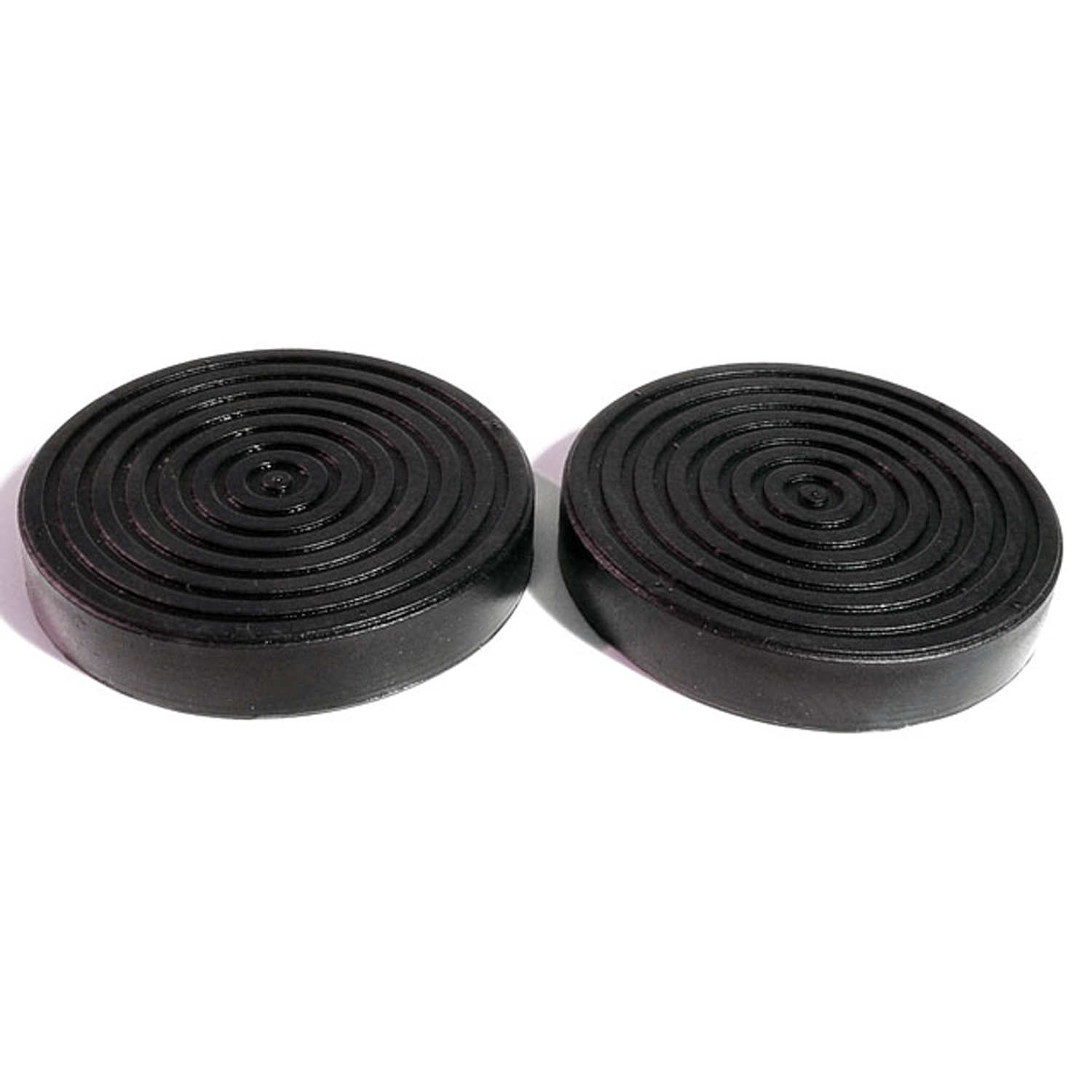 1957 Jeep Utility Wagon Clutch and Brake Pedal Pads. 3" Diameter. Pair-CB 61Clutch and Brake Pedal Pads. 3" Diameter. Pair
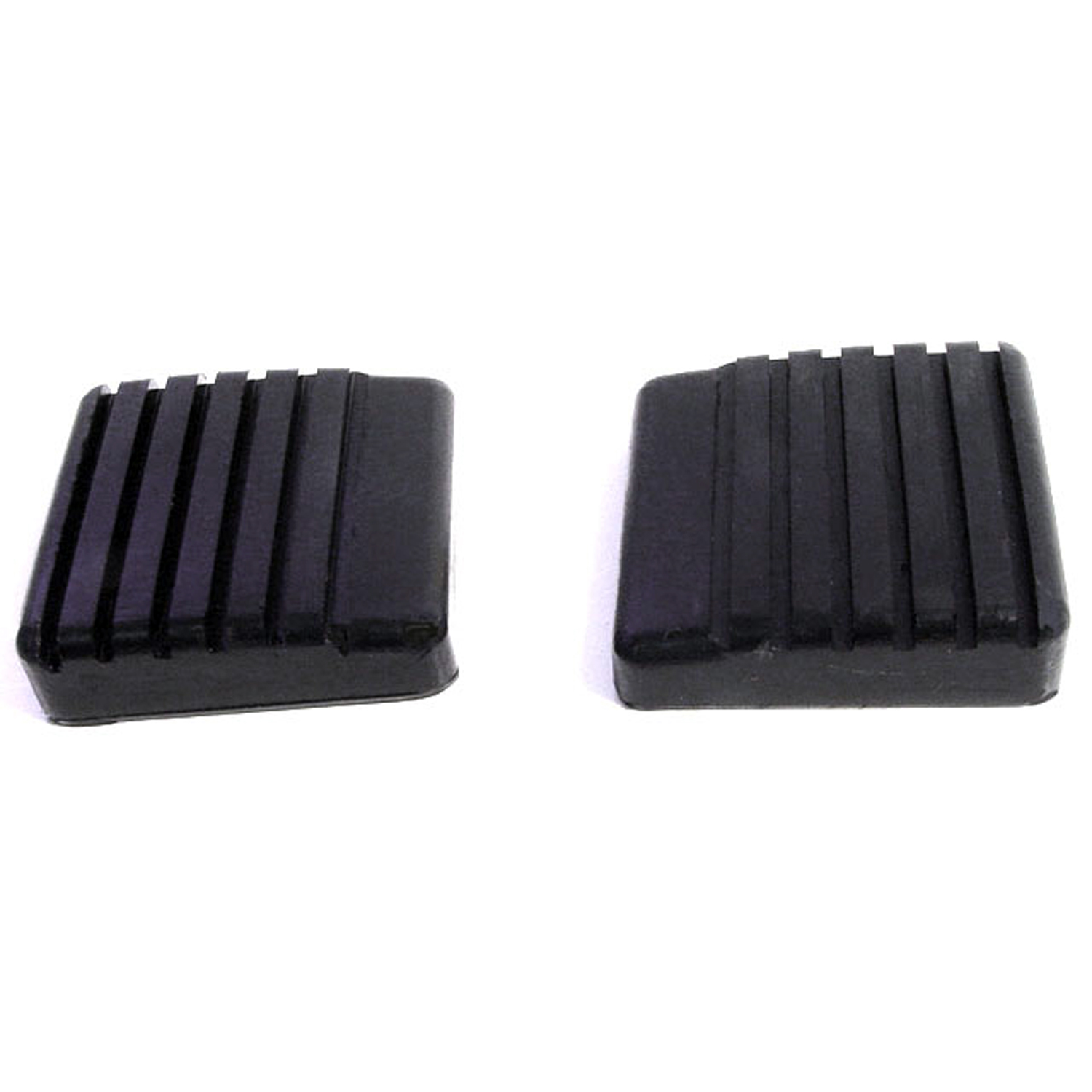 1957 Jeep Utility Wagon Clutch and Brake Pedal Pads. Pair-CB 61-BClutch and Brake Pedal Pads. Pair
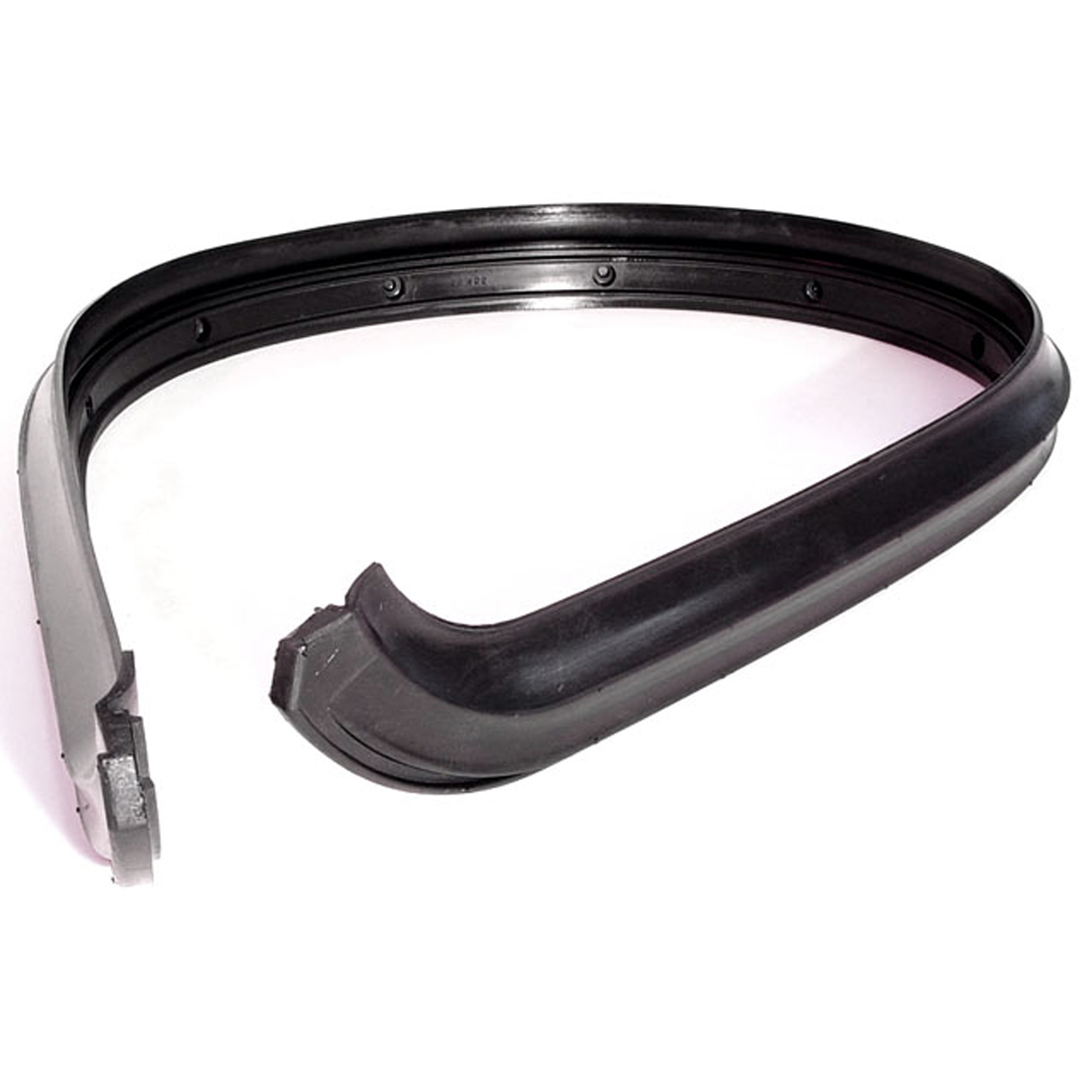 1957 Jeep Utility Wagon Windshield to Cowl Seal. 55-1/2" long. Each-CS 102Windshield to Cowl Seal. 55-1/2" long. Each
Why Choose Metro?
For over 100 years, Metro Moulded Parts has been the pinnacle of quality in classic car restoration parts. Our commitment to precision and authenticity in every component ensures a perfect fit and an OEM-level appearance.
- Expert Craftsmanship & Quality: Each part is a testament to our dedication to reliability and perfection, crafted from original designs and thoroughly tested.
- Advanced Technology: We use cutting-edge techniques to create flawless, long-lasting parts that surpass others in performance.
- SuperSoft Sponge – The Ultimate Door Seal: Not only are our door seals 30% softer than competitors', but they're also guaranteed to never leak. They effectively reduce wind and road noise, enhancing your classic car's comfort and driving experience.
- Proudly American: Our parts are a product of American craftsmanship, made in the USA with a spirit of excellence and heritage.
- Unrivaled Warranty: We back our products with a 30-year industry-leading warranty, a testament to our confidence in their quality.
Join us in preserving the legacy of classic cars with parts that are crafted for perfection, not just made.