

Image of 1957 Jeep Willys, Note: These illustrations use artistic license and may differ from actual historical models.
Performance Metrics
Fundamental Metrics
Emotional Appeal
MMP Rating
| Engine Specifications | |
|---|---|
| Engine: | 4-134 F-Head "Hurricane" Engine |
| Displacement: | 134.2 cu in (2.2 L) |
| Horsepower: | 72 hp |
| Torque: | 114 lb-ft |
| Compression Ratio: | 6.9:1 |
| Ignition System: | 6-volt electrical system |
| Cooling System: | Liquid-cooled |
| Performance Specifications | |
| 0-60 Time: | Not available due to the vehicle's age and purpose |
| 1/4 Mile Time: | Not available due to the vehicle's age and purpose |
| Top Speed: | 60 mph |
| Transmission and Drive | |
| Drive Type: | 4WD |
| Transmission Type: | T-90 3-speed manual |
| Fuel and Efficiency | |
| Fuel System Type: | Carter YF 1-barrel carburetor |
| MPG: | 15-20 mpg |
| Dimensions and Brakes | |
| Brakes: | Hydraulic drum brakes |
| Wheelbase: | 81.0 in |
| Weight: | 2,337 lbs |
Note: Specifications for classic cars are given to the best of our ability, considering the limited and variant data available.
1957 Willys Jeep Truck: A Workhorse with Four-Wheel-Drive Roots
The 1957 Willys Jeep Truck looks ready to leave the pavement behind, and that was precisely the point. Built by Willys-Overland in Toledo, Ohio, it brought Jeep’s rugged four-wheel-drive know-how to farms, businesses, and back roads in a practical pickup format. By 1957, the company was part of Kaiser Industries, but the truck still carried the purposeful engineering and no-nonsense character that had made Willys a familiar name.
The Jeep Truck had been introduced for the 1947 model year and remained in production through 1965, a remarkably long run for a vehicle with such straightforward, work-focused design. One intriguing detail: four-wheel drive was available on the civilian pickup from the beginning of the line, years before 4x4 pickups became a familiar sight in suburban driveways.
Classic Jeep Truck Styling and Cab
The 1957 truck wears its utility openly. Its upright cab, broad flat hood, rounded front fenders, exposed headlamps, and tall, slatted grille give it a face that is unmistakably Jeep. The proportions are compact beside many full-size pickups, yet the high stance and solid axles make it look ready for rough ground. The design favors easy access and practical function over decoration: broad panels, simple bumpers, and little brightwork.
Inside, the cabin is equally straightforward. A wide bench seat, painted metal surfaces, basic gauges, and large, easy-to-reach controls define the experience. Depending on equipment and restoration choices, the seat would typically be finished in durable vinyl or similar utility-grade upholstery, with rubber floor covering helping contain mud and worksite grime. It is not a plush cabin, but its simple construction is part of its appeal. There is little trim to break, and the upright glass gives the driver a clear view of the truck’s corners.
Factory paint choices varied by year and configuration. Work-oriented whites, reds, greens, blues, and neutral tones are commonly associated with Willys trucks, though surviving trucks may also wear later repaint colors. Restorers often favor a period-looking solid color that suits the truck’s practical character. Exact paint identification is best confirmed through factory records, paint codes, or a reliable year-specific reference rather than inferred from color alone.
The pickup is the best-known body style, but the wider Jeep Truck range included configurations such as stake or platform beds, chassis-cab arrangements, and panel delivery bodies. Availability varied by year and market. The familiar pickup with its enclosed cab and open bed remains the most iconic version, particularly in four-wheel-drive form.
Engineering Ahead of the Trail
The Jeep Truck’s defining feature was its available four-wheel-drive system. A transfer case let the driver select drive modes, including a low range for crawling, steep grades, or difficult work. Combined with solid axles and leaf springs, the layout was built to tolerate uneven ground and heavy use. Two-wheel-drive versions were also offered for buyers who needed a work truck but did not require off-road traction.
Engine availability depended on configuration and market, but 1950s Jeep Trucks could be equipped with the 134-cubic-inch Hurricane four-cylinder or a larger six-cylinder engine, including the 226-cubic-inch Super Hurricane in relevant applications. A manual transmission was standard equipment. The four-cylinder emphasized simplicity and useful low-speed pulling power, while the six-cylinder offered more relaxed performance under load.
Comfort and convenience features were modest by modern standards. Steering and braking were manual, and drum brakes were typical. The truck’s mechanical simplicity was an advantage in its day: fewer complex systems meant fewer things to diagnose far from a workshop. Options and equipment could include practical items such as heaters and work-related accessories, with specific availability depending on the truck’s original specification.
Why the 1957 Jeep Truck Matters
The Willys pickup helped establish the idea that a civilian truck could combine a useful cargo bed with genuine four-wheel-drive capability. It was not the first 4x4 pickup, but it made Jeep’s off-road expertise available in a versatile commercial vehicle at a time when most pickups were designed primarily for roads, farms, and job sites. The truck’s approach was direct: provide traction, ground clearance, and a sturdy chassis, then let the owner decide what work needed doing.
Its long production life also speaks to the strength of the basic design. Rather than chasing annual styling changes, Willys kept the truck’s core formula intact. The influence is easy to recognize in later utility pickups that balance cargo capacity with off-road ability. Today’s rugged 4x4 trucks have far more power and comfort, but the basic idea of a practical pickup that can leave the road behind is one the Willys helped popularize.
Performance, Ride, and Road Manners
A 1957 Jeep Truck is built for useful speed, not quick acceleration. Depending on engine, gearing, tires, load, and mechanical condition, a four-cylinder example may reach roughly 60 to 65 mph, while a six-cylinder truck may manage approximately 65 to 75 mph. These are practical estimates, not guarantees of factory-tested performance for every configuration. A rough 0-to-60-mph estimate is around 25 to 35 seconds for a four-cylinder truck and about 20 to 25 seconds for a six-cylinder version. Period gearing and the truck’s weight make either one feel leisurely by modern standards.
On a smooth road, the Jeep feels mechanical and direct. The engine has a steady, purposeful note, while the manual gearbox asks the driver to work deliberately through its ratios. The high seating position and upright windshield offer a commanding view, but wind noise and vibration are part of the deal. At highway speeds, the engine can sound busy, especially in a truck with low gearing or oversized tires.
Leaf springs and solid axles are durable, but they do not provide a modern, cushioned ride. Potholes and washboard roads can make the truck hop or jostle, especially when the bed is empty. On a winding road, it rewards measured inputs rather than fast cornering. Its real strength appears on gravel, muddy tracks, snow, and uneven terrain, where four-wheel drive and low gearing can make difficult conditions feel manageable. A well-maintained truck can be enjoyable on local roads, but it is not an ideal modern daily driver for long, high-speed commutes.
Living with a Willys Pickup
Owners use 1957 Jeep Trucks as weekend classics, farm and property vehicles, show trucks, and occasional drivers. Some are carefully restored; others remain honest working machines. Their compact dimensions make them easier to place on narrow trails and rural roads than many later full-size pickups, while the open bed remains useful for hauling light loads.
Maintenance is relatively approachable for an owner with basic mechanical skills. The engine bay is uncomplicated, the systems are largely mechanical, and many repairs can be handled with ordinary tools and a service manual. Replacement parts and specialist support are available through the Jeep restoration community, though some original trim, body pieces, and configuration-specific parts can take patience to locate. As with any nearly 70-year-old vehicle, condition matters more than reputation: inspect the frame, body mounts, floors, bed, steering, brakes, and four-wheel-drive components. Rust and deferred maintenance can turn an inexpensive project into a costly one.
Willys Truck Trivia and Common Complaints
The Jeep Truck’s long production run, from 1947 to 1965, is one of its most notable distinctions. It remained a familiar sight through major changes in the American auto industry, even as styling and comfort expectations evolved around it. There is no widely recognized speed or sales record associated specifically with the 1957 model, and celebrity ownership stories are not a defining part of its history. Its reputation comes instead from decades of practical service in rural and commercial settings.
Common criticisms are easy to understand. The cabin is noisy, the ride is firm, acceleration is slow, and older trucks require regular attention. Parts availability is generally workable, but it is not as effortless as shopping for components for a more common modern pickup. Buyers should also be alert to modifications: engine swaps, altered axles, non-original beds, and later paint jobs are common in the classic Jeep world.
1957 Jeep Truck Values and Collectability
Values vary widely with condition, originality, engine, and drivetrain. As a broad U.S. market guide, a rough project might sell for about $4,000 to $10,000. A usable driver can fall in the $10,000 to $20,000 range, while a well-restored example may bring roughly $25,000 to $45,000. Exceptional restorations, especially desirable four-wheel-drive pickups with strong documentation, can exceed that range. These are estimates rather than fixed prices; rust, mechanical condition, and the quality of the restoration can shift a sale substantially.
Exact production totals for individual 1957 configurations are not consistently available in commonly cited sources. A reasonable estimate for the model year is several thousand to the low tens of thousands, perhaps around 8,000 to 12,000 trucks across versions, but that should be treated as an informed approximation, not a verified factory figure. Across the full 1947-to-1965 run, commonly quoted estimates put total Jeep Truck production in the neighborhood of 200,000.
Survivors are available, but clean, original examples are less common than modified or heavily restored trucks. Interest has generally strengthened as collectors have taken a fresh look at early 4x4 pickups and work vehicles. Good trucks have tended to appreciate over the long term, though prices can vary with the wider collector market. Originality, documented restoration work, and a sound frame are likely to matter more to future buyers than flashy accessories.
A Working Jeep with Lasting Appeal
The 1957 Willys Jeep Truck combines compact pickup practicality with the early Jeep tradition of dependable four-wheel-drive engineering. Its simple cab, rugged chassis, useful body options, and honest performance make it a distinctive alternative to more polished classic pickups. It is not fast or luxurious, and that is exactly why it remains memorable: this is a truck designed to get to work, get through rough ground, and keep going. After nearly seven decades, that plainspoken character still does the talking.
1957 Jeep Willys Catalog of Parts
 1957 Jeep Willys Shock Absorber Grommet. 1" bottom O.D-BN 11Shock Absorber Grommet. 1" bottom O.D., 3/4" high, with 5/8" I.D. Each
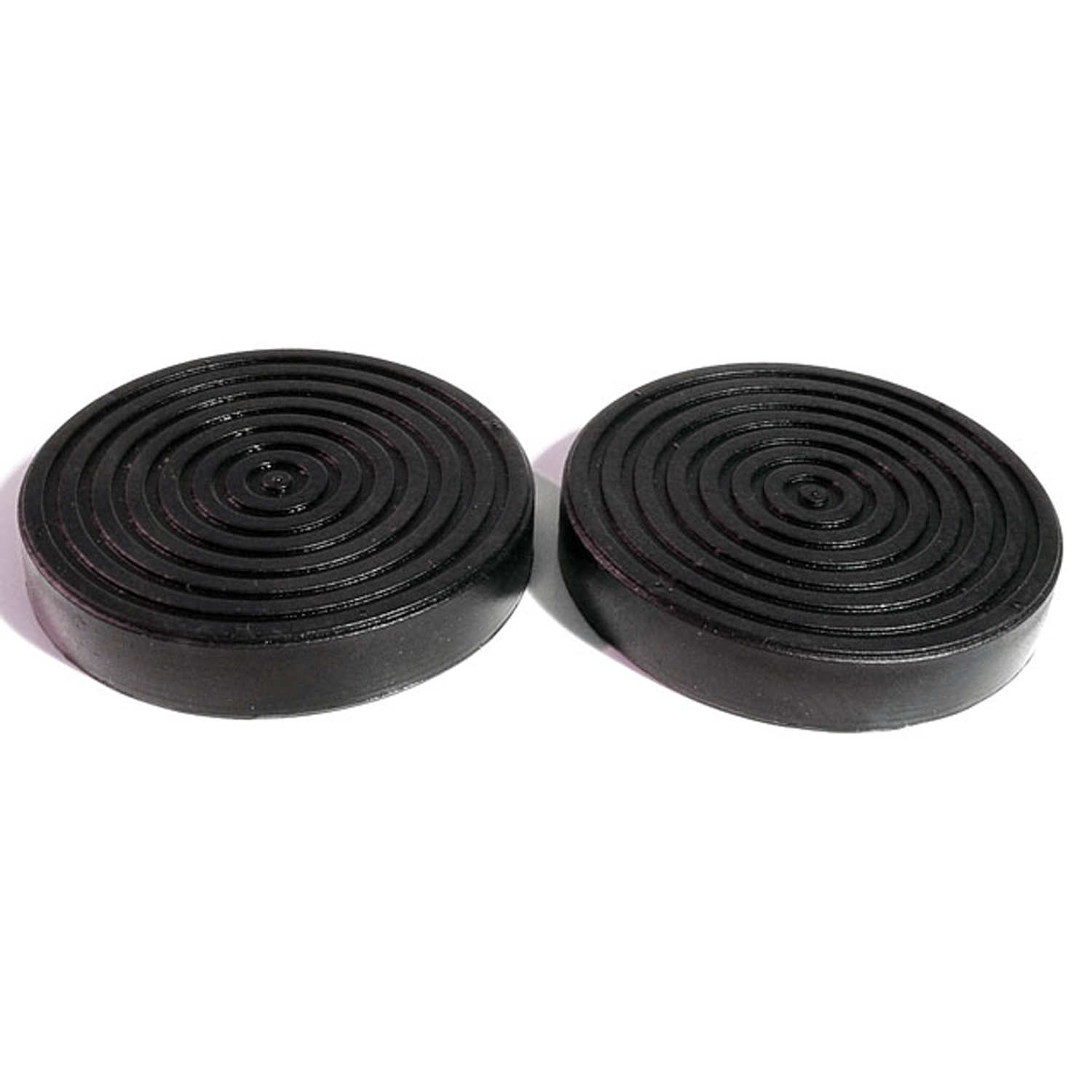 1957 Jeep Willys Clutch and Brake Pedal Pads. 3" Diameter. Pair-CB 61Clutch and Brake Pedal Pads. 3" Diameter. Pair
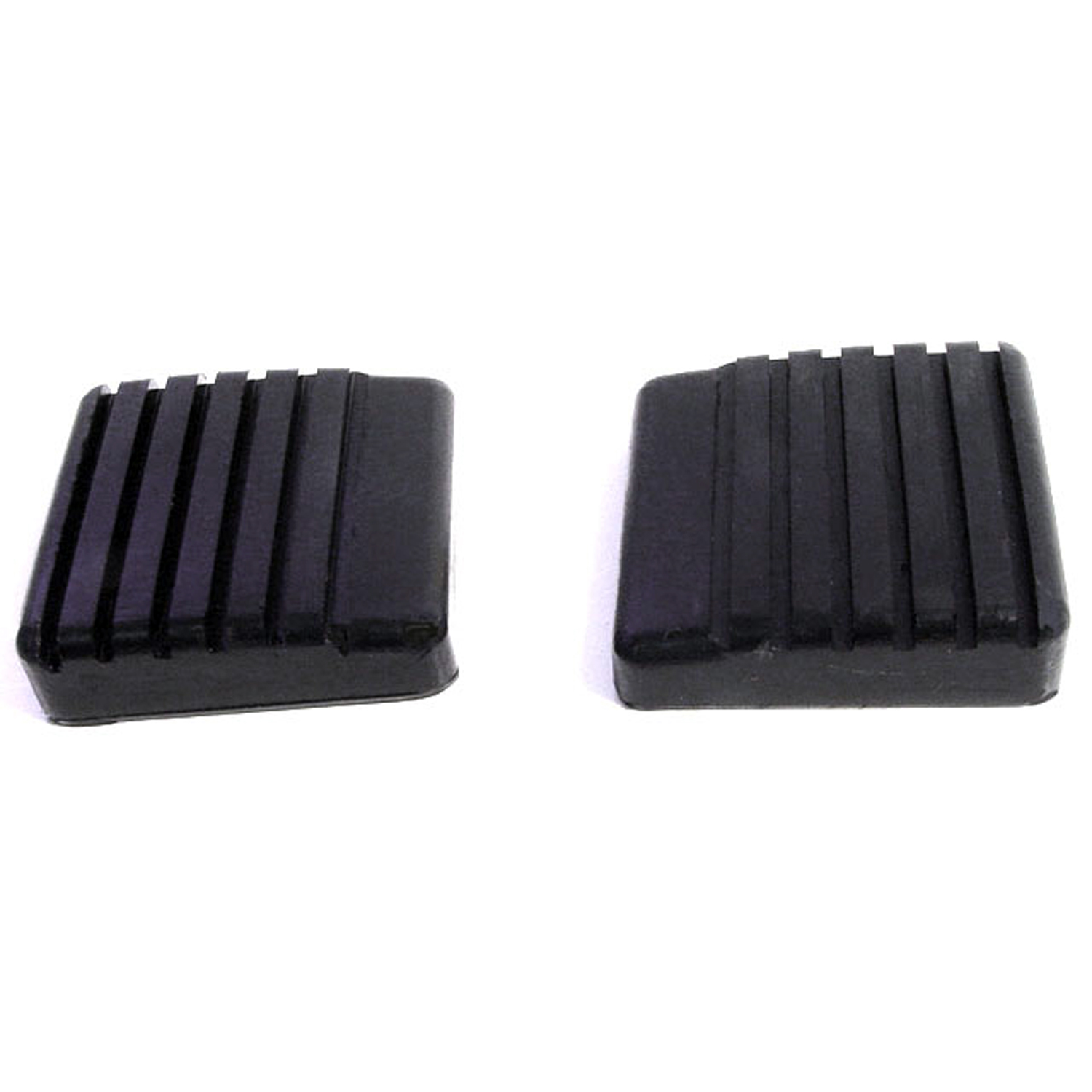 1957 Jeep Willys Clutch and Brake Pedal Pads. Pair-CB 61-BClutch and Brake Pedal Pads. Pair
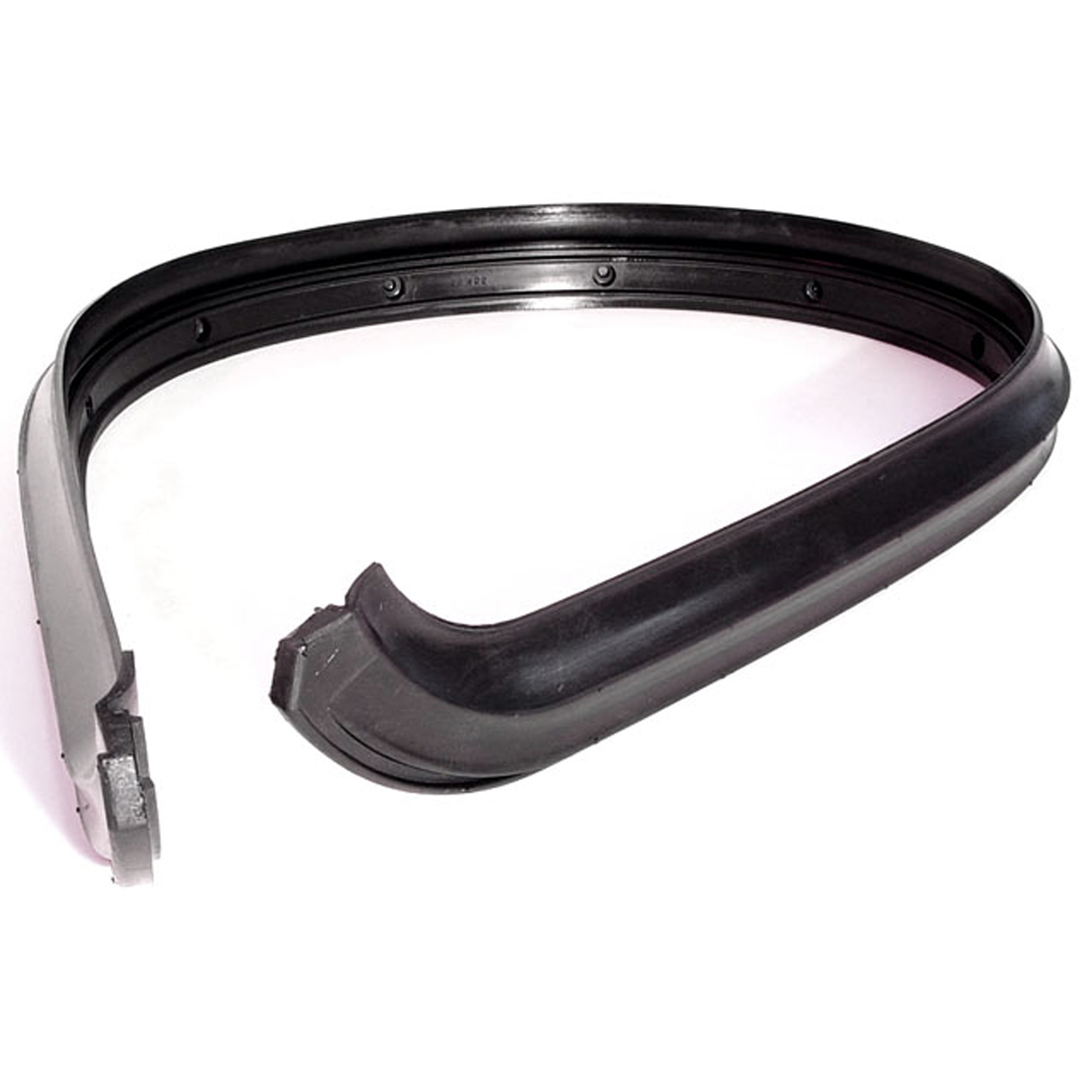 1957 Jeep Willys Windshield to Cowl Seal. 55-1/2" long. Each-CS 102Windshield to Cowl Seal. 55-1/2" long. Each
 1957 Jeep Willys Dust Boot. For vehicles with power take off. Each-RP 34-JDust Boot. For vehicles with power take off. Each
 1957 Jeep Willys Horn Button Cap, 1-1/4" O.D. Each-RP 600-JHorn Button Cap, 1-1/4" O.D. Each
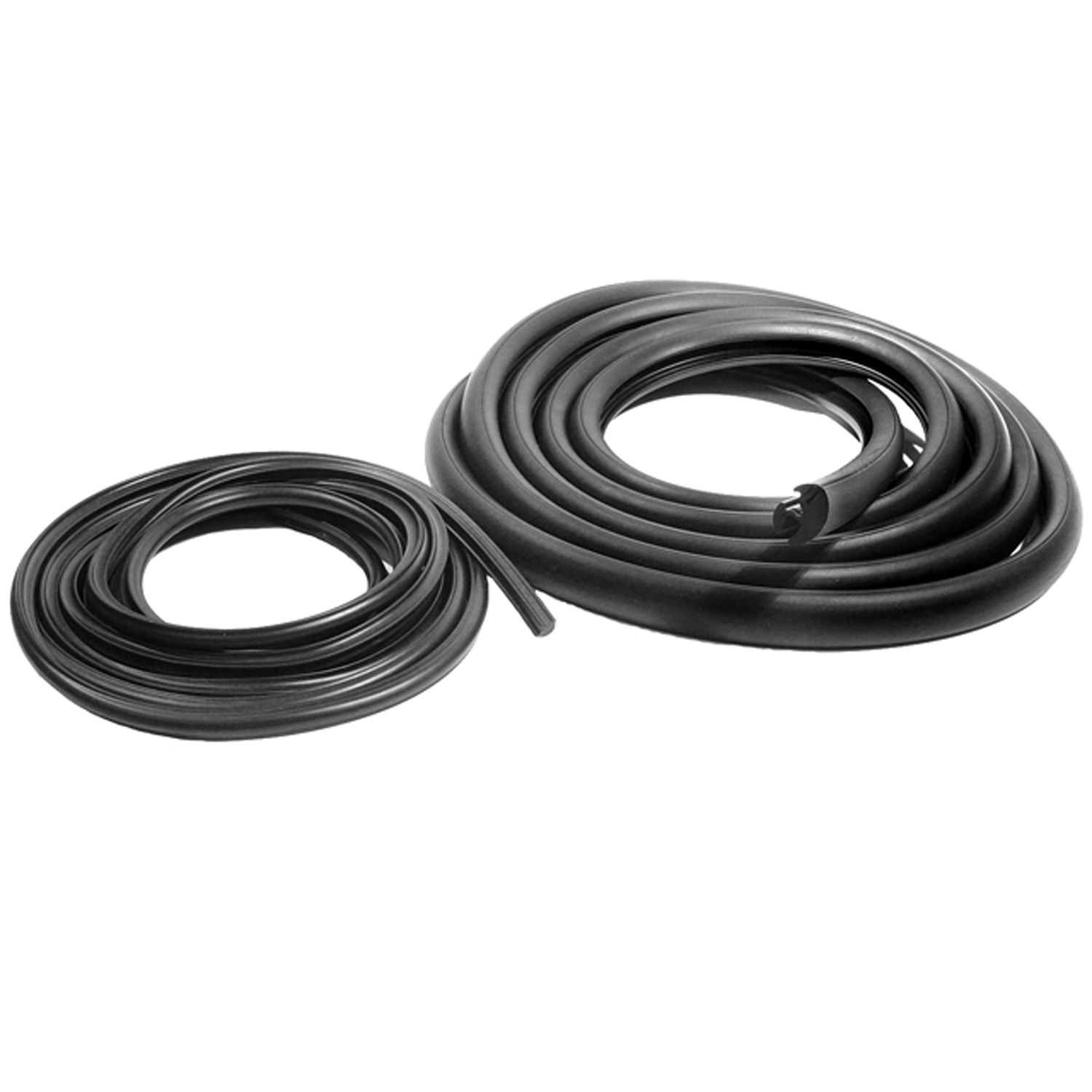 1957 Jeep Willys Vulcanized Windshield Seal with Lock-Strip. 144" Long each-VWS 1105Vulcanized Windshield Seal with Lock-Strip. 144" Long each. Each
Why Choose Metro?
For over 100 years, Metro Moulded Parts has been the pinnacle of quality in classic car restoration parts. Our commitment to precision and authenticity in every component ensures a perfect fit and an OEM-level appearance.
- Expert Craftsmanship & Quality: Each part is a testament to our dedication to reliability and perfection, crafted from original designs and thoroughly tested.
- Advanced Technology: We use cutting-edge techniques to create flawless, long-lasting parts that surpass others in performance.
- SuperSoft Sponge – The Ultimate Door Seal: Not only are our door seals 30% softer than competitors', but they're also guaranteed to never leak. They effectively reduce wind and road noise, enhancing your classic car's comfort and driving experience.
- Proudly American: Our parts are a product of American craftsmanship, made in the USA with a spirit of excellence and heritage.
- Unrivaled Warranty: We back our products with a 30-year industry-leading warranty, a testament to our confidence in their quality.
Join us in preserving the legacy of classic cars with parts that are crafted for perfection, not just made.