

Image of 1958 Jeep F4, Note: These illustrations use artistic license and may differ from actual historical models.
Performance Metrics
Fundamental Metrics
Emotional Appeal
MMP Rating
| Engine Specifications | |
|---|---|
| Engine Options: | Inline-4 |
| Displacement Range: | 134 cu in (2.2 L) |
| Horsepower Range: | Estimated 60-75 hp |
| Torque: | Estimated 105 lb-ft |
| Compression Ratio: | 7.0:1 |
| Ignition System: | Distributor and coil |
| Cooling System: | Liquid-cooled |
| Performance Specifications | |
| 0-60 Time: | Not available |
| 1/4 Mile Time: | Not available |
| Top Speed: | Estimated 60-65 mph |
| Transmission and Drive | |
| Drive Type: | 4WD |
| Transmission Type: | 3-speed manual |
| Fuel and Efficiency | |
| Fuel System Type: | Carburetor |
| MPG: | Estimated 15-20 mpg |
| Dimensions and Brakes | |
| Brakes: | Drum brakes |
| Wheelbase: | 81 in (2057 mm) |
| Weight: | Estimated 3000 lbs |
Note: Specifications for classic cars are given to the best of our ability, considering the limited and variant data available.
1958 Jeep F4: The Forward-Control Workhorse
With its cab perched over the front axle and its short hood nearly erased, the 1958 Jeep FC-150 looked less like a conventional pickup and more like a tool designed to fit where other trucks could not. Built by Willys Motors, it belonged to Jeep’s Forward Control family, a distinctive line of compact, four-wheel-drive trucks made for work in tight spaces.
The name “F4” can be confusing. It is often used informally to describe an FC-150 equipped with Jeep’s four-cylinder F-head engine, rather than being the truck’s full model name. The 1958 FC-150 combined that engine with a forward-control cab, a short wheelbase, and standard four-wheel drive. One especially intriguing detail: the driver sat ahead of the front wheels, a layout that gave the truck an unusually compact footprint for its carrying ability.
Cab-Forward Design and Practical Details
The FC-150’s styling was all business, but it was far from ordinary. Its upright cab sat directly over the front axle, with a short, blunt nose, broad windshield, round headlamps, and a simple grille. The steeply sloped windshield and squared-off cab gave it a distinctive, almost industrial profile. In an era when most pickups had long hoods and conventional cabs, the Jeep looked like it had been built around the job rather than around fashion.
Inside, the cabin was similarly purposeful. Painted metal, a straightforward dashboard, durable upholstery, and large, easy-to-read gauges suited a truck expected to work hard. Comfort and trim were secondary to visibility, usable space, and straightforward controls. The cab-over position also gave the driver a commanding view of the road and the truck’s front corners, although the seating position directly above the front axle could make rough roads feel especially rough.
Technology was rugged rather than luxurious. The FC-150 used a four-wheel-drive system designed for work away from paved roads, with a transfer case that let the driver select a lower gear range for slow, difficult terrain. A three-speed manual transmission was typical. Depending on equipment and configuration, buyers could also specify work-oriented accessories such as a power take-off, winch, or other commercial fittings.
Factory paint choices varied by year and equipment, and surviving trucks have often been repainted. Period Jeep colors included practical solid shades such as red, green, blue, and gray, along with white and other work-friendly finishes. Bright red and classic Jeep green are especially eye-catching today, but many FC-150s originally wore straightforward fleet colors chosen to suit a business or municipality.
The most recognizable version was the closed-cab pickup with an open cargo bed. The FC-150 was also sold in configurations intended for commercial use, including chassis-cab setups that could accept specialized bodies. Its larger FC-170 stablemate offered a longer wheelbase and greater capacity, while the FC-150’s shorter dimensions made it the nimble choice for narrow roads and crowded work sites.
Why the Jeep FC-150 Mattered
The FC-150 was part of a broader postwar trend toward compact, purpose-built commercial vehicles, but Jeep gave the idea a distinctly off-road character. The forward-control layout placed the cab over the engine and front axle, freeing more of the truck’s overall length for its cargo area. That packaging was useful on farms, in towns, and on trails where a long conventional pickup could be awkward.
Its standard four-wheel drive was a major distinction from many light-duty trucks of the period, where four-wheel drive was not universal. The combination of a small footprint, a usable bed, and genuine off-road capability made the FC-150 a practical specialist. It was not a direct template for every later pickup, but its cab-forward approach anticipated the compact work trucks and commercial vehicles that prioritize maximum usable space within a limited overall length.
The FC series also showed Jeep’s willingness to apply its four-wheel-drive expertise beyond the familiar CJ and military-style vehicles. It was not a mass-market sensation, but it broadened the idea of what a Jeep could be: not just a trail vehicle, but a compact working truck for customers who needed traction and maneuverability.
Engine, Speed, and Road Manners
The FC-150’s typical powerplant was Jeep’s 134-cubic-inch (2.2-liter) F-head “Hurricane” four-cylinder, rated at roughly 72 horsepower. The F-head design used overhead intake valves and side exhaust valves, a layout that helped it breathe better than a traditional flathead while remaining compact and workmanlike. Exact specifications can vary by model year and equipment, so a truck’s identification plate and engine details are worth checking.
Performance was modest by modern standards. A well-running FC-150 might reach approximately 55 to 60 mph, though age, gearing, tires, load, and mechanical condition make any single top-speed figure an estimate. A 0-to-60-mph run was a long proposition, likely taking well over 25 seconds and potentially much longer. The truck was built to haul and climb, not to win traffic-light contests.
On a smooth road, the short wheelbase makes the FC-150 feel maneuverable and unusually easy to place. On broken pavement, the solid axles and work-focused suspension transmit bumps directly to the cab. The cab-over seating position adds to that sensation: the driver feels road impacts close-up rather than cushioned by a long hood and more distant front axle.
On windy roads, the compact truck can feel busy, and its steering and brakes should be judged by 1950s standards, not modern expectations. In low range, however, the Jeep’s four-wheel-drive hardware delivers the slow, controlled progress that matters on steep grades, loose ground, and muddy work sites. From behind the wheel, the experience is mechanical and involving: a steady four-cylinder thrum, a manual gear lever that rewards deliberate shifts, and the sense that every control is there for a reason.
Living With a 1958 FC-150
Owners today use FC-150s as show vehicles, weekend drivers, farm trucks, restoration projects, and vintage support vehicles for businesses or events. Some are returned to period work-truck duty, while others receive carefully chosen upgrades such as improved brakes, modern tires, or a more powerful replacement engine. Originality is a major part of the truck’s appeal, so modifications should be documented and reversible when possible.
The mechanical layout is relatively straightforward compared with that of a modern truck. The engine and drivetrain are from an era when many repairs could be handled with basic tools and a workshop manual. Parts availability is mixed: common Jeep mechanical components can be sourced through specialist suppliers and enthusiast networks, but cab panels, trim, glass, and model-specific body pieces may take time to find.
Reliability depends heavily on condition. A sound engine and transmission are only part of the story. Inspect the frame for corrosion or repairs, check the cab and floor for rust, and examine the transfer case, axles, brakes, steering, and electrical system. Because the cab sits over the front axle, a careful road test is important. A well-restored example can be enjoyable and dependable for occasional use, but an unrestored truck may need substantial work before it is safe for regular driving.
FC-150 Facts and Common Complaints
The FC-150 was one member of a family that included the longer FC-170 and several commercial and specialty configurations. The series was produced from 1956 through 1965, but exact production totals vary among references. A commonly cited estimate for FC-150 production across the model’s run is around 16,000 trucks. A precise 1958 production figure is difficult to establish, so it is safer to think of surviving examples as uncommon rather than assign a confident number to that single year.
The FC’s most frequent criticism is also a consequence of its design: ride comfort is limited, and the cab-over layout can make rough roads tiring. Its small engine and low gearing mean slow highway performance, while the compact cab can feel cramped by modern standards. Rust and the scarcity of body-specific parts can complicate restoration. Those drawbacks are part of the trade-off for its short, useful proportions and memorable appearance.
There is no widely recognized FC-150 speed or endurance record that defines the model’s history. Its achievement was more practical: Jeep brought four-wheel drive and cab-forward packaging to customers who needed a compact work truck. That ordinary working life is why examples can turn up with evidence of decades spent on farms, construction sites, and municipal duties.
Collector Value and Availability
Collector values vary widely with condition, originality, configuration, and the quality of any restoration. As a broad U.S. market estimate, a project FC-150 may sell for roughly $5,000 to $15,000. A usable driver or partially restored example might bring about $15,000 to $30,000, while a high-quality restoration or especially attractive, well-documented truck can reach approximately $30,000 to $50,000 or more. These are estimates rather than fixed price guides, and exceptional sales can fall outside the range.
FC-150s are not impossible to find, but they are far less common than familiar civilian Jeeps such as the CJ series. Buyers may encounter more projects than ready-to-drive examples, and finding a truck with sound bodywork can be harder than locating mechanical parts. The FC-150’s roughly 16,000-unit estimated production over its full run helps explain its relative rarity, though that total should not be mistaken for the number still surviving.
Interest in distinctive utility vehicles has generally supported values for well-presented FCs, especially original or carefully restored trucks. Prices remain sensitive to condition, and a costly restoration does not always return every dollar spent. The best long-term prospects are typically complete examples with solid frames, documented history, and hard-to-replace cab and body components.
A Compact Jeep With a Big Personality
The 1958 Jeep FC-150 paired a compact footprint with four-wheel-drive ability and a layout that stood apart from nearly every conventional pickup of its day. Its Hurricane four-cylinder was not fast, its ride was decidedly firm, and its cabin put function ahead of comfort. Yet the truck’s cab-forward design, practical versatility, and unmistakable character made it a genuine original.
For collectors, the FC-150 is more than an unusual old pickup. It is a reminder that a work truck can be both thoughtfully engineered and instantly recognizable. Park one beside a row of ordinary pickups, and the little Jeep still finds a way to take center stage.
1958 Jeep F4 Catalog of Parts
 1958 Jeep F4 Shock Absorber Grommet. 1" bottom O.D-BN 11Shock Absorber Grommet. 1" bottom O.D., 3/4" high, with 5/8" I.D. Each
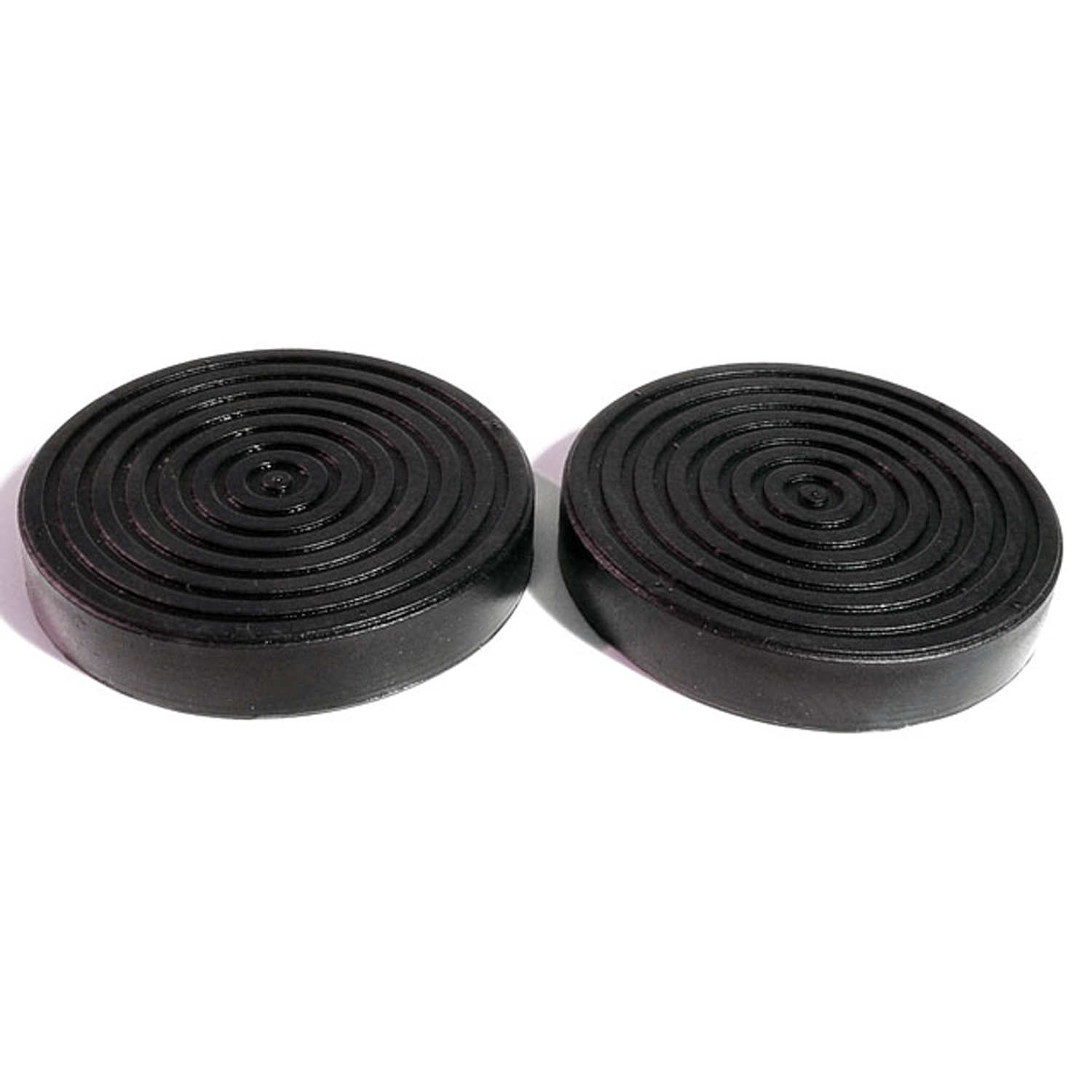 1958 Jeep F4 Clutch and Brake Pedal Pads. 3" Diameter. Pair-CB 61Clutch and Brake Pedal Pads. 3" Diameter. Pair
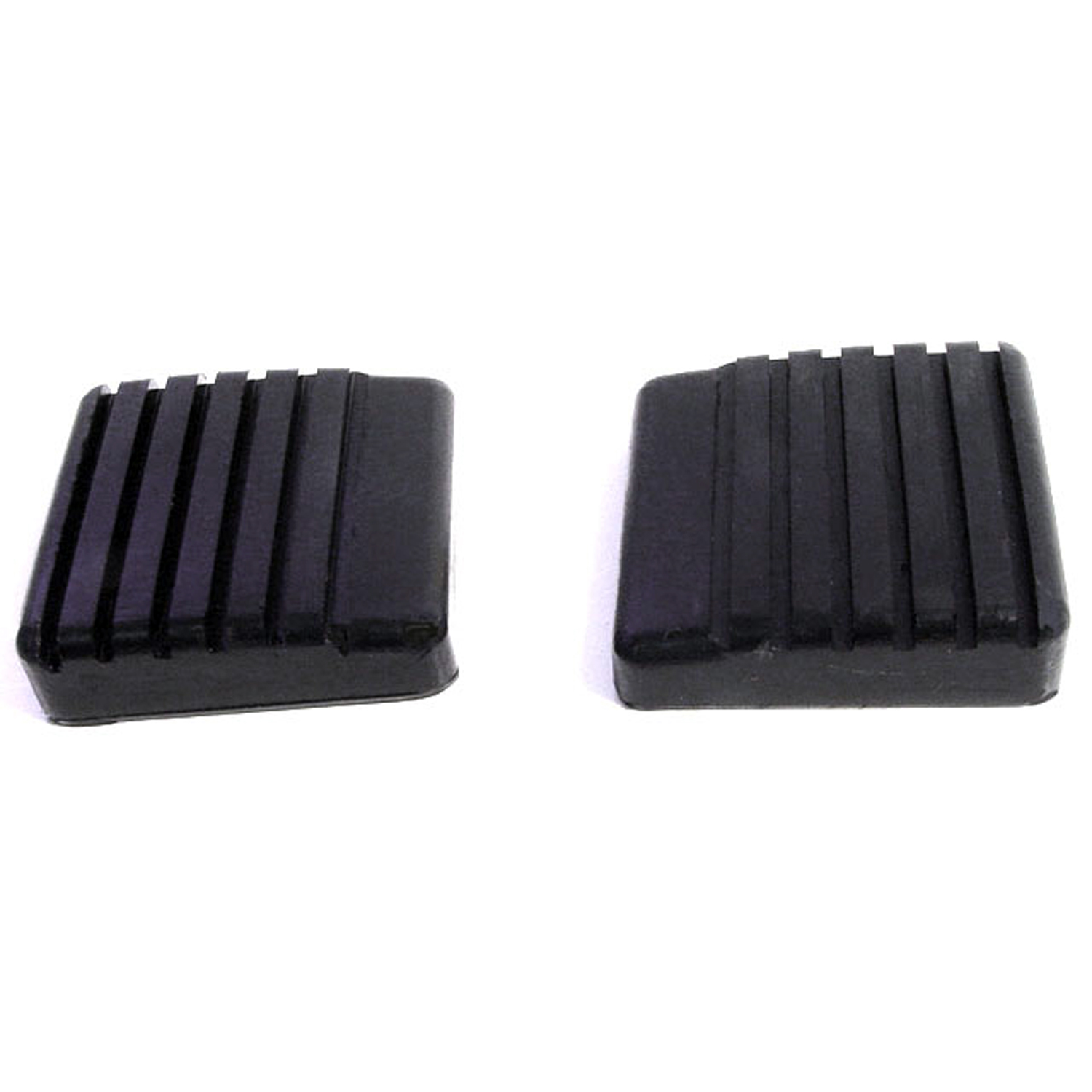 1958 Jeep F4 Clutch and Brake Pedal Pads. Pair-CB 61-BClutch and Brake Pedal Pads. Pair
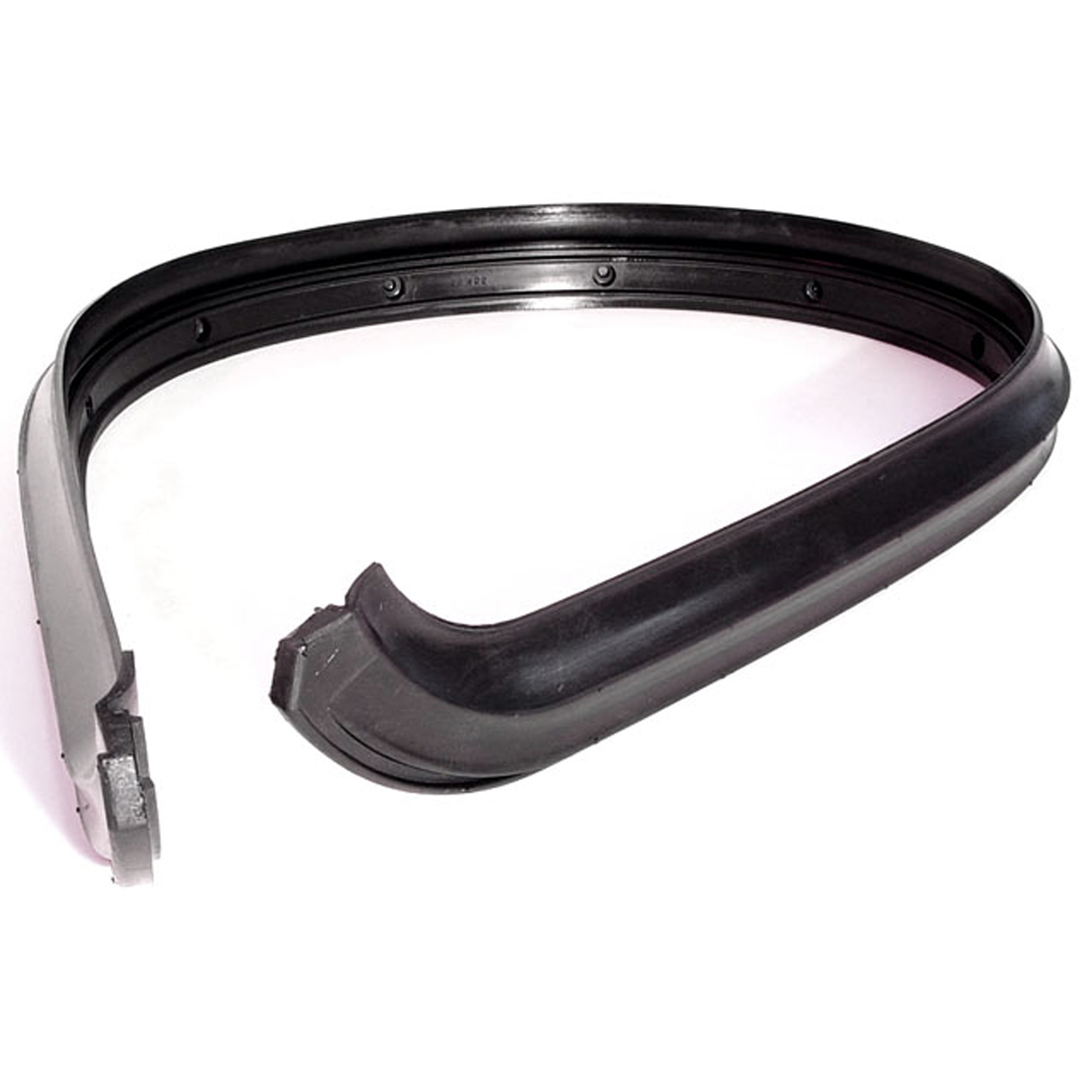 1958 Jeep F4 Windshield to Cowl Seal. 55-1/2" long. Each-CS 102Windshield to Cowl Seal. 55-1/2" long. Each
Why Choose Metro?
For over 100 years, Metro Moulded Parts has been the pinnacle of quality in classic car restoration parts. Our commitment to precision and authenticity in every component ensures a perfect fit and an OEM-level appearance.
- Expert Craftsmanship & Quality: Each part is a testament to our dedication to reliability and perfection, crafted from original designs and thoroughly tested.
- Advanced Technology: We use cutting-edge techniques to create flawless, long-lasting parts that surpass others in performance.
- SuperSoft Sponge – The Ultimate Door Seal: Not only are our door seals 30% softer than competitors', but they're also guaranteed to never leak. They effectively reduce wind and road noise, enhancing your classic car's comfort and driving experience.
- Proudly American: Our parts are a product of American craftsmanship, made in the USA with a spirit of excellence and heritage.
- Unrivaled Warranty: We back our products with a 30-year industry-leading warranty, a testament to our confidence in their quality.
Join us in preserving the legacy of classic cars with parts that are crafted for perfection, not just made.