

Image of 1958 Jeep Fc150, Note: These illustrations use artistic license and may differ from actual historical models.
Performance Metrics
Fundamental Metrics
Emotional Appeal
MMP Rating
| Engine Specifications | |
|---|---|
| Engine: | Inline-4 |
| Displacement: | 134 cu in (2.2 L) |
| Horsepower: | 72 hp |
| Torque: | 114 lb-ft |
| Compression Ratio: | 7.4:1 |
| Ignition System: | Distributor and coil |
| Cooling System: | Liquid-cooled |
| Performance Specifications | |
| 0-60 Time: | Not available due to the vehicle's age and purpose |
| 1/4 Mile Time: | Not available due to the vehicle's age and purpose |
| Top Speed: | 60 mph |
| Transmission and Drive | |
| Drive Type: | 4WD |
| Transmission Type: | 3-speed manual |
| Fuel and Efficiency | |
| Fuel System Type: | Carburetor |
| MPG: | 15-20 mpg |
| Dimensions and Brakes | |
| Brakes: | Drum brakes |
| Wheelbase: | 81 in |
| Weight: | 2,600 lbs |
Note: Specifications for classic cars are given to the best of our ability, considering the limited and variant data available.
The 1958 Jeep FC-150 looks as if someone took a hardworking pickup, moved its cab over the front axle, and dared the rest of the truck world to keep up. The result was a compact, four-wheel-drive workhorse with a startlingly short footprint and a cargo bed that began almost directly behind the driver.
1958 Jeep FC-150 Origins
Jeep introduced its Forward Control trucks in 1956, when the company was still operating as Willys Motors. The FC-150 was part of a family of cab-over-engine trucks created to deliver useful cargo capacity in a vehicle that could maneuver through tight streets, farms, work sites, and trails. Industrial designer Brooks Stevens shaped the FC’s distinctive cab-forward layout.
The smaller FC-150 rode on an 81-inch wheelbase and drew heavily on Jeep’s existing four-wheel-drive components. Its compact dimensions made it especially appealing to businesses and rural owners who needed a truck that could reach places where a conventional pickup felt bulky. The larger FC-170 joined the range with a longer wheelbase and greater capacity.
One of the FC-150’s most intriguing features was its packaging. With the cab positioned over the front wheels and the engine tucked between the seats, the truck could offer a practical pickup bed without needing the long hood of a conventional truck. That clever layout is also what makes the FC-150 instantly recognizable today.
Cab-Forward Styling and Practical Design
The FC-150’s exterior is all purposeful geometry. Its upright cab has a broad windshield, nearly vertical front panel, and simple, rounded corners. The headlights sit prominently at the front, while the grille and bumper give the truck a blunt, almost miniature industrial-truck appearance. From the side, the short nose and cab-over stance make the bed look unusually generous for such a compact vehicle.
Inside, the FC-150 is straightforward and work-focused. The cabin is largely painted metal, with a basic instrument panel, simple switches, and a bench seat typically trimmed in durable vinyl or similar practical material. Comfort and decoration took a back seat to ease of cleaning and long service life. The engine cover between the seats is an unavoidable reminder that this is a cab-over truck, not a conventional pickup.
For the late 1950s, its most notable innovation was not electronic equipment but efficient packaging. The driver sat high and forward, with the engine beneath the cab rather than under a long hood. A four-wheel-drive system, low-range transfer case, and rugged truck construction made it suited to work beyond paved roads. Access to the engine was through the cab’s removable or hinged access panels, a space-saving solution that could make routine service more involved than on a conventional Jeep.
Factory colors varied by year, order, and intended use. Buyers could find classic work-truck shades such as red, blue, green, and white, while commercial fleets often specified their own paint. Bright red and blue examples are especially eye-catching today, but a plain white or fleet-colored FC-150 may be just as authentic to the truck’s working past.
The FC-150 is best known as a pickup, the body style most people picture when they hear “Jeep Forward Control.” Chassis-cab configurations and specialized work setups also suited the platform, with equipment such as winches, power take-offs, and other commercial accessories available depending on the application. The longer FC-170 offered additional configurations and load capacity, but the compact FC-150 pickup remains the iconic version.
Why the Jeep FC-150 Mattered
The FC-150 stood apart from most American pickups of its era by putting the cab over the engine. That arrangement reduced overall length and placed the driver close to the front of the vehicle, leaving more of the truck’s footprint available for cargo. In an urban delivery route, on a narrow farm lane, or at a crowded work site, that compactness could be a genuine advantage.
Its influence was less about creating a direct line of descendants and more about showing how cab-forward packaging could solve a practical problem. The FC was an early, distinctive American example of a four-wheel-drive cab-over pickup. It applied the space-saving idea to a small utility truck rather than a large commercial hauler, giving Jeep a niche product unlike the conventional pickups offered by most competitors.
The layout did involve tradeoffs. A cab positioned over the front axle can transmit more road movement to the occupants, and the engine’s location makes heat, noise, and servicing more noticeable. The forward seating position also offered less protective structure than a modern truck. Still, for buyers who valued maneuverability and usable bed space over refinement, the FC-150 made a compelling case.
FC-150 Performance and Road Manners
Most 1958 FC-150s used Willys’ 134-cubic-inch F-head “Hurricane” four-cylinder engine. It produced about 72 horsepower, paired with a three-speed manual transmission and a two-speed transfer case. Four-wheel drive and low range gave the truck the gearing and traction to tackle slow, demanding work, though exact equipment and mechanical condition vary among surviving examples.
Period performance figures are not consistently documented, and gearing, tires, engine condition, and load make a major difference. As a realistic guide, a healthy FC-150 may reach roughly 60 to 65 mph, while acceleration from 0 to 60 mph is slow, commonly estimated in the 25-to-30-second range or longer. This is a utility truck built to haul and crawl, not to win a drag race or cruise comfortably at modern highway speeds.
On rough ground, the short wheelbase and four-wheel-drive hardware help the FC-150 feel nimble and capable at low speeds. Its compact size can be a real asset on narrow trails and crowded job sites. On broken pavement, however, the stiff truck suspension and cab-over position make bumps easy to feel. The short wheelbase can also make the ride choppy, especially when the bed is empty.
At speed, the upright cab catches wind, and the truck’s high stance and forward weight distribution call for measured steering inputs. The FC-150 is better suited to winding rural roads taken at a sensible pace than to quick cornering. Behind the wheel, expect a firm, mechanical experience: the engine buzzes beneath the cab, the manual transmission asks for deliberate shifts, and the driver is very aware of the road beneath the front wheels. That directness is part of the appeal, but it is not modern pickup comfort.
Living With a Jeep Forward Control
Owners commonly use an FC-150 as a show vehicle, weekend cruiser, farm or property truck, and conversation-starting utility vehicle. A carefully maintained example can handle occasional local driving, but most are better treated as vintage work trucks than as everyday commuters. Limited cruising speed, modest power, basic safety equipment, and the scarcity of certain parts make regular long-distance use less appealing.
The simple mechanical layout is a plus for hands-on owners. The four-cylinder engine, manual gearbox, and conventional truck systems are understandable to an experienced hobby mechanic, and many mechanical components are shared with other period Jeeps. However, “simple” does not always mean “easy.” The engine’s position beneath the cab can complicate access, and original body panels, trim, glass, and model-specific parts may take patience to locate.
Before buying, inspect the cab and frame carefully for rust, especially around structural seams, floor panels, and areas where water can collect. Check the four-wheel-drive system, transfer case, axles, brakes, and steering for wear or leaks. A missing piece of unique cab or body trim can be harder to replace than a routine mechanical part, so completeness matters. As with any old truck, the condition of the individual vehicle is more important than a seller’s restoration claims.
Jeep FC-150 Facts and Criticisms
The FC-150 was part of a broader Jeep Forward Control family that also included the larger FC-170. Military versions and studies based on the FC concept explored roles such as cargo transport, crew transport, ambulance service, and communications support. These efforts underline the versatility of the platform, but they should not be mistaken for large-scale military adoption of the FC-150 itself.
The truck’s most enduring “record” is its unusual packaging: it delivered four-wheel-drive pickup utility in a remarkably short vehicle. It was never a speed-record holder or mass-market sales giant. Total production figures vary across historical accounts, but a reasonable estimate is roughly 15,000 FC-150s over the model’s production life, with the combined FC family often estimated at around 30,000 units. These are approximate figures, not a precise 1958 production count.
Common criticisms are easy to understand. The FC-150 is slow, noisy, and cramped by modern standards. Its cab-over layout makes engine heat and service access concerns, while the forward seating position and minimal safety equipment require a cautious driving style. Yet those same traits help explain why the truck feels so different from an ordinary vintage pickup.
Collector Values and Rarity
FC-150s are uncommon in today’s market, and finding a complete, unmodified example can take time. Project trucks may sell for roughly $5,000 to $15,000, depending on rust, completeness, title status, and mechanical condition. Solid drivers and older restorations often fall around $15,000 to $30,000, while high-quality, well-documented restorations can bring approximately $30,000 to $50,000 or more. These are broad U.S. market estimates, not guaranteed sale prices.
Values have generally strengthened as collectors have taken greater interest in unusual utility vehicles and distinctive Jeep models. The FC-150’s rarity and unmistakable design support that appeal, though its market is narrower than that of a classic CJ or a popular conventional pickup. Exceptional restorations may command a premium, but restoration costs can quickly exceed the value of an average example. For buyers, a complete truck with sound metal is often a better starting point than a cheaper shell with missing parts.
A Small Truck With a Big Presence
The 1958 Jeep FC-150 combined a compact footprint, four-wheel-drive capability, and a cab-over pickup layout in a package unlike most trucks on the road. Its modest power and firm ride are part of its honest working character, while its bold proportions give it instant classic-car-show appeal.
More than a quirky design exercise, the FC-150 was a practical answer to a real problem: how to carry useful cargo in a truck small enough to work in tight spaces. More than six decades later, that clever idea still gives this Jeep a presence far larger than its dimensions.
1958 Jeep Fc150 Catalog of Parts
 1958 Jeep FC150 Shock Absorber Grommet. 1" bottom O.D-BN 11Shock Absorber Grommet. 1" bottom O.D., 3/4" high, with 5/8" I.D. Each
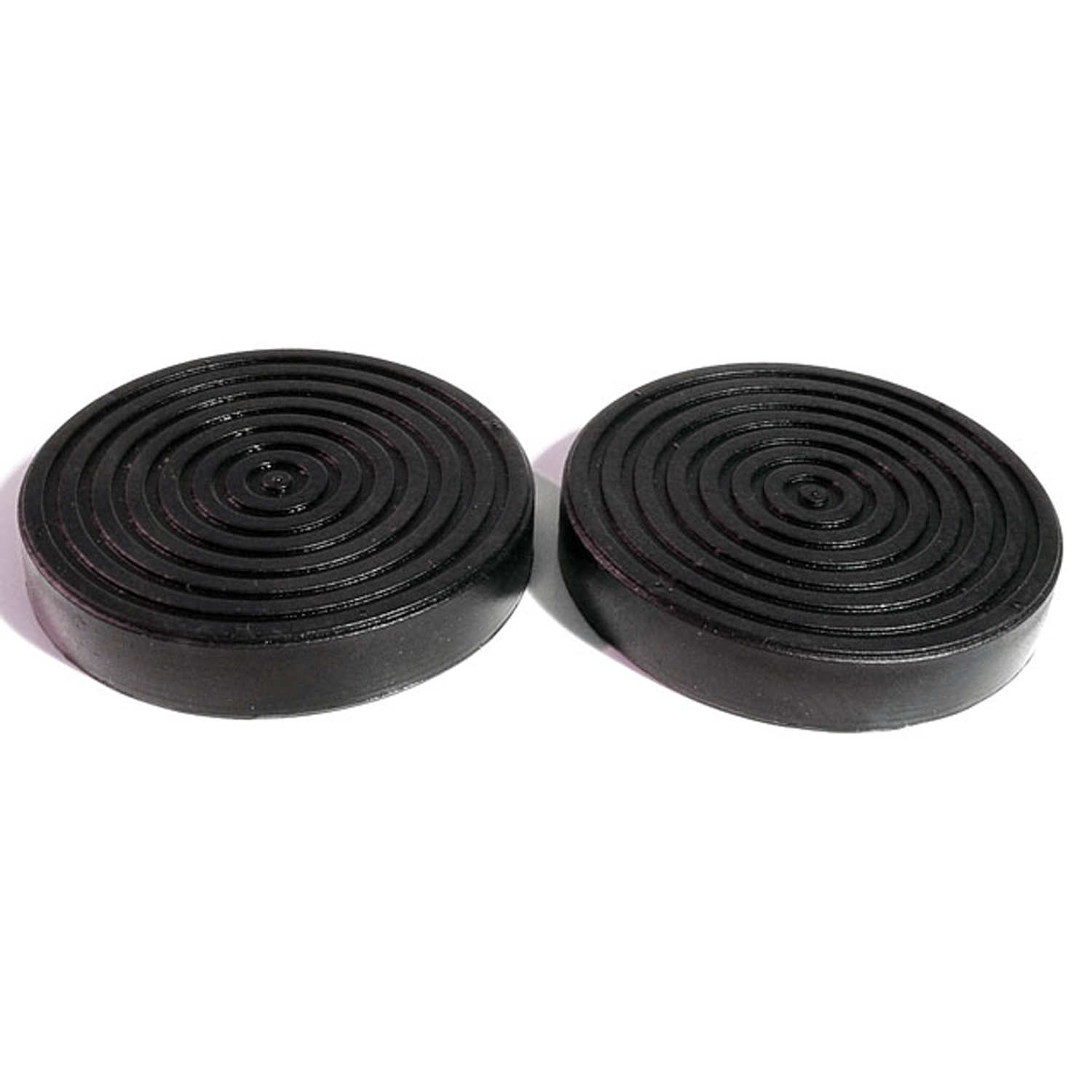 1958 Jeep FC150 Clutch and Brake Pedal Pads. 3" Diameter. Pair-CB 61Clutch and Brake Pedal Pads. 3" Diameter. Pair
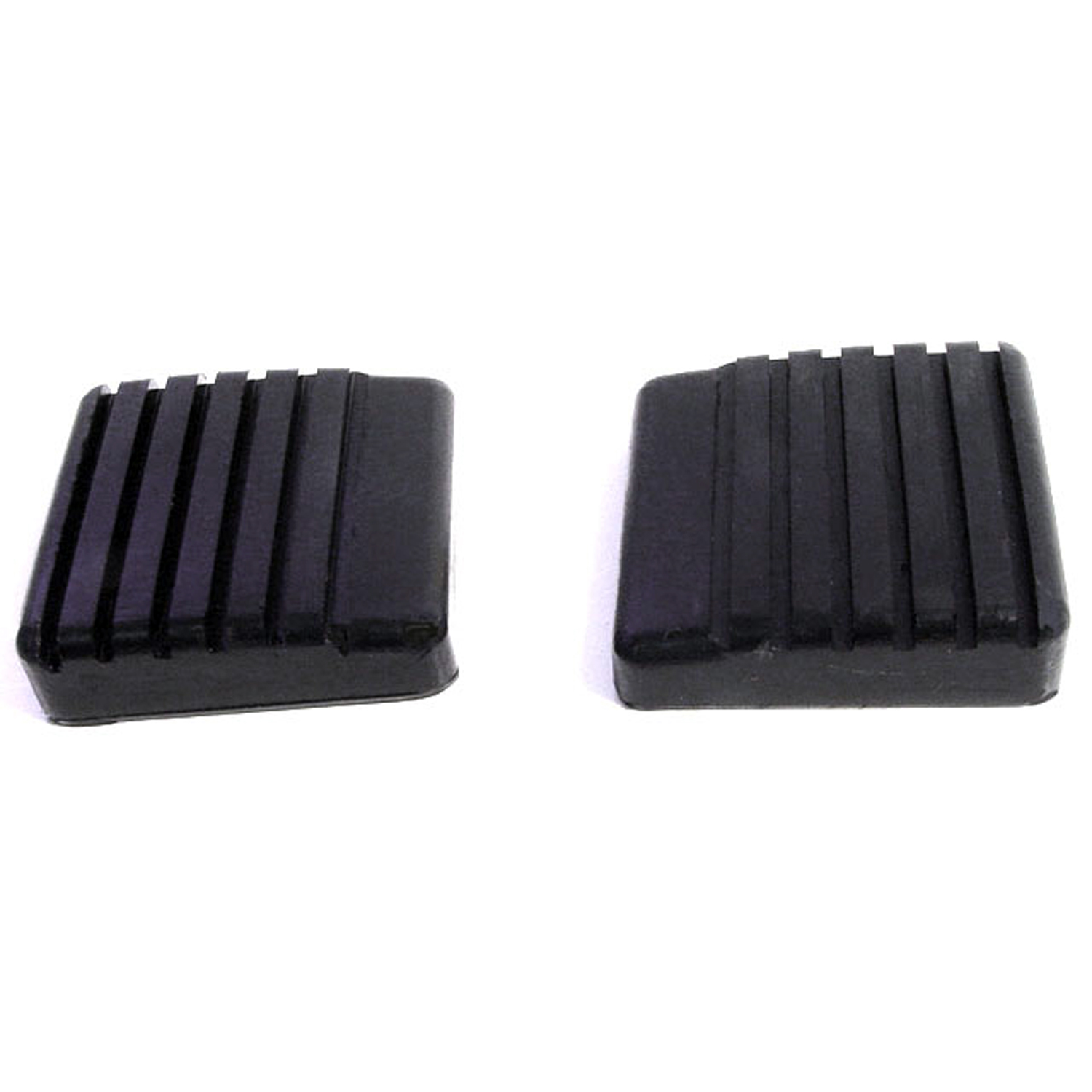 1958 Jeep FC150 Clutch and Brake Pedal Pads. Pair-CB 61-BClutch and Brake Pedal Pads. Pair
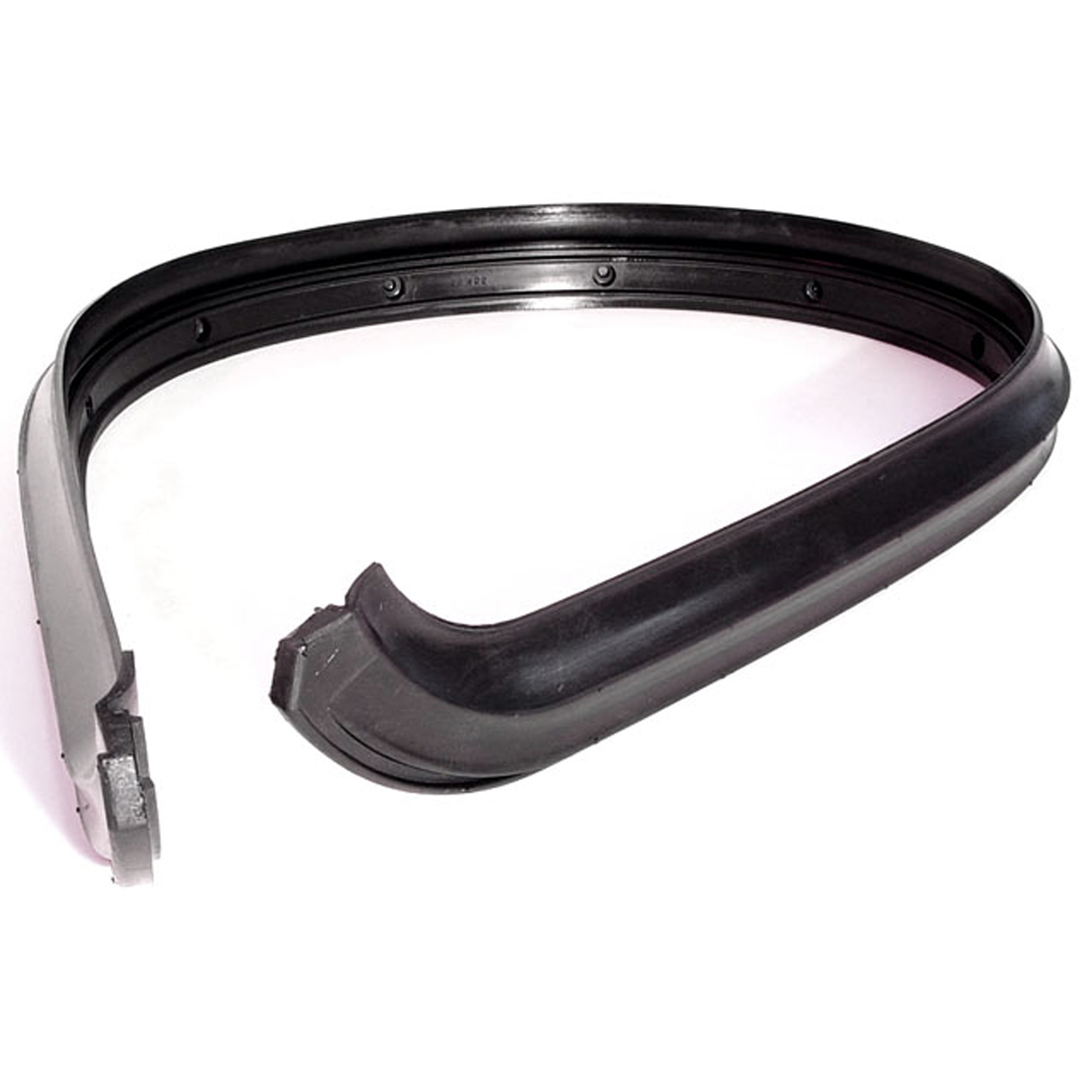 1958 Jeep FC150 Windshield to Cowl Seal. 55-1/2" long. Each-CS 102Windshield to Cowl Seal. 55-1/2" long. Each
Why Choose Metro?
For over 100 years, Metro Moulded Parts has been the pinnacle of quality in classic car restoration parts. Our commitment to precision and authenticity in every component ensures a perfect fit and an OEM-level appearance.
- Expert Craftsmanship & Quality: Each part is a testament to our dedication to reliability and perfection, crafted from original designs and thoroughly tested.
- Advanced Technology: We use cutting-edge techniques to create flawless, long-lasting parts that surpass others in performance.
- SuperSoft Sponge – The Ultimate Door Seal: Not only are our door seals 30% softer than competitors', but they're also guaranteed to never leak. They effectively reduce wind and road noise, enhancing your classic car's comfort and driving experience.
- Proudly American: Our parts are a product of American craftsmanship, made in the USA with a spirit of excellence and heritage.
- Unrivaled Warranty: We back our products with a 30-year industry-leading warranty, a testament to our confidence in their quality.
Join us in preserving the legacy of classic cars with parts that are crafted for perfection, not just made.