

Image of 1958 Jeep Fc170, Note: These illustrations use artistic license and may differ from actual historical models.
Performance Metrics
Fundamental Metrics
Emotional Appeal
MMP Rating
| Engine Specifications | |
|---|---|
| Engine: | Super Hurricane Inline 6 |
| Displacement: | 226 cubic inches |
| Horsepower: | Estimated 105 hp |
| Torque: | 190 lb-ft |
| Compression Ratio: | Estimated 7.5:1 |
| Ignition System: | Distributor and coil |
| Cooling System: | Liquid-cooled |
| Performance Specifications | |
| 0-60 Time: | Not available due to the vehicle's age and purpose |
| 1/4 Mile Time: | Not available due to the vehicle's age and purpose |
| Top Speed: | 60-65 mph |
| Transmission and Drive | |
| Drive Type: | 4WD |
| Transmission Type: | 3-speed manual |
| Fuel and Efficiency | |
| Fuel System Type: | Carburetor |
| MPG: | Estimated 10-12 mpg |
| Dimensions and Brakes | |
| Brakes: | Drum brakes |
| Wheelbase: | 103.5 inches |
| Weight: | 3,000 lbs |
Note: Specifications for classic cars are given to the best of our ability, considering the limited and variant data available.
1958 Jeep FC-170: The Cab-Over Workhorse
The 1958 Jeep FC-170 looks as if its cab has been pushed right over the front wheels, because that is exactly the clever idea behind it. Built by Willys Motors, the FC-170 was a rugged cab-over truck that paired Jeep four-wheel-drive capability with a compact footprint and a surprisingly useful cargo bed.
“FC” stood for Forward Control, a description of the truck’s layout: the driver sat above and ahead of the engine instead of behind a conventional hood. The design arrived as American businesses and municipal fleets wanted vehicles that could carry serious loads without taking up the space of a full-size truck. Willys introduced the FC line in 1956, and the longer-wheelbase FC-170 joined the smaller FC-150 soon afterward. Its unusual shape, practical engineering, and close ties to the Jeep brand have made it one of the most distinctive utility vehicles of the 1950s.
A particularly appealing detail is how much truck Willys managed to fit into such a short overall package. With the cab moved forward, the FC-170 could offer a long working area behind the cab while remaining maneuverable in crowded yards, narrow streets, and job sites.
Forward-Control Design and Features
The FC-170’s exterior is unmistakable. Its upright cab sits directly above the front axle, with a broad, nearly vertical windshield, short doors, and a blunt nose that leaves little room for a conventional hood. Round headlamps flank the simple front grille, while the large windows give the driver a commanding view of the road and the truck’s front corners. The look is functional rather than decorative, but its cab-forward proportions give it a character all its own.
Willys enlisted industrial designer Brooks Stevens to shape the Forward Control trucks. The result was more streamlined than many work vehicles of the period, yet every major feature served a practical purpose. The cab-over layout made better use of the truck’s length, and the FC-170’s longer wheelbase provided more room for cargo and commercial bodies than the FC-150.
Inside, the FC-170 was a working environment, not a luxury cabin. Drivers got a simple painted-metal dashboard, straightforward gauges, a wide bench seat, and durable upholstery, typically vinyl or similar hard-wearing material. The materials were chosen for serviceability and resistance to everyday grime rather than plush comfort. Cab access to the engine required lifting or removing an interior access panel, an arrangement that made sense for the packaging but could make engine heat and noise more noticeable.
Technology was sturdy and purpose-built. The FC-170 was available with four-wheel drive, and some versions were offered with two-wheel drive for buyers whose work did not require traction on rough ground. A 226-cubic-inch “Super Hurricane” L-head inline-six was the principal engine in the FC-170, paired with a manual transmission. A three-speed gearbox was commonly specified, with a four-speed option available. Exact equipment could vary by year, drivetrain, and commercial configuration.
Paint choices varied with model year, destination, and fleet orders. Period solid colors suited the truck’s utilitarian role, while commercial buyers could order vehicles in company or municipal colors. Work-truck finishes such as red, green, blue, and neutral tones are commonly seen on surviving examples, though a particular truck’s original color is best confirmed from its records or paint layers. The most iconic look remains a simple, single-color cab and body with practical black trim.
Truck Bodies and Work Options
The FC-170 was more than a pickup. Buyers could choose a conventional pickup body, a platform or stake-bed setup, or a chassis cab intended for conversion into a specialized work vehicle. Depending on the supplier and order, FC trucks could be adapted for jobs such as hauling, dumping, towing, and municipal service. A dual-rear-wheel version offered extra carrying capacity for demanding commercial use.
The pickup is the version most familiar to collectors today, with its compact cab and useful bed making the FC-170’s proportions easy to appreciate. But the chassis-cab and fleet variants show the full point of the Forward Control concept: Willys sold a working platform that businesses could tailor to the job.
Why the FC-170 Mattered
The FC-170 was not the first cab-over truck, but it brought the idea to a distinctly Jeep-like package. Its combination of a forward-mounted cab, compact dimensions, commercial usefulness, and available four-wheel drive made it different from the conventional pickups and delivery trucks many buyers knew. The design allowed a relatively short truck to carry a useful load, while the Jeep drivetrain gave it an advantage on muddy sites, uneven roads, and other terrain where a two-wheel-drive work truck could struggle.
That mix of packaging and capability helped broaden the idea of what a Jeep could be. The FC-170 was not simply a civilian adaptation of a military vehicle, nor was it just a conventional pickup wearing Jeep badges. It was a purpose-designed commercial truck that carried Jeep’s off-road reputation into a new type of vehicle. Its cab-over layout also makes it an early, memorable example of the space-saving thinking that became common in delivery and vocational trucks.
Engine, Speed, and Road Manners
The 226-cubic-inch Super Hurricane six-cylinder gave the FC-170 the low-speed pulling power expected of a work truck. It was not built for quick acceleration or high-speed cruising. Reliable factory performance figures for every 1958 configuration are difficult to pin down, and gearing, drivetrain, tires, body style, and cargo load all affected performance. As a broad real-world estimate, a lightly loaded example might reach roughly 60 to 65 mph, while a 0-to-60-mph run could take around 25 to 30 seconds or more.
Those numbers are best understood as estimates, not guaranteed factory test results. In period use, the FC-170’s strengths were traction, carrying ability, and maneuverability, not highway speed. A comfortable cruising pace is more likely to be in the 45-to-55-mph range, especially in a well-used truck or one carrying a load.
Behind the wheel, the cab-forward position gives the driver a commanding view, but it also makes the truck feel different from a conventional pickup. The engine sits close beneath the cab, so its mechanical sounds and heat are part of the experience. Expect a purposeful six-cylinder rumble, gear whine, and the direct feedback of an older manual drivetrain rather than the isolation of a modern truck.
The ride is firm, particularly when the truck is empty, as the suspension was designed to handle work rather than pamper occupants. Broken pavement and sharp bumps can come through clearly. On winding roads, the upright cab and work-truck chassis reward a measured pace; the FC-170 is more satisfying when driven smoothly than when hurried. Four-wheel drive can be a major advantage on loose or slippery surfaces, but it does not change the truck’s basic heavy-duty, utility-focused handling.
Living With a 1958 FC-170
Today, FC-170s are most often used as collector vehicles, show trucks, occasional drivers, or the centerpiece of a restoration. Some remain in light work, especially in rural settings, but modern traffic can be demanding for a truck with modest acceleration, limited creature comforts, and period braking and steering characteristics. A carefully restored example can make a memorable local driver, though it is not an effortless daily commuter by modern standards.
Routine mechanical work is generally approachable for an owner familiar with older vehicles. The inline-six and manual transmission are conventional, and many basic service tasks do not require specialized equipment. The bigger challenges are often parts availability and condition. Engine and drivetrain components may be easier to source than correct body panels, cab glass, trim, and model-specific hardware. Rust in the cab, frame, floor, and bed deserves close inspection, as does the condition of the four-wheel-drive system on equipped trucks.
Restoration can be more involved than the FC-170’s simple appearance suggests. Its unusual cab and body parts are not interchangeable with those of a typical Jeep pickup, and replacement sheet metal may be difficult to find. A complete, solid truck is usually a better starting point than an inexpensive project missing specialized components.
FC-170 Facts and Common Criticisms
The FC-170’s work-focused design led to a wide variety of commercial configurations, and the dual-rear-wheel version is among the most striking. A close look at surviving trucks can reveal how differently the same basic cab and chassis were adapted for farms, businesses, and public-service fleets.
There is no widely recognized FC-170 land-speed record or major competition achievement. Its historical significance lies in practical design and commercial versatility, not racing. Nor is there a dependable single production figure for every body and drivetrain combination. A reasonable estimate is that roughly 15,000 to 20,000 FC-170s were built across the model’s production run, though published totals can vary according to how variants and model years are counted.
Common criticisms are part of the ownership conversation: the cab can be noisy and warm, the ride can be stiff, and performance is modest by modern standards. The short-nose layout also means routine engine access is less straightforward than it is on a conventional pickup. For enthusiasts, those quirks are balanced by exceptional visibility, a memorable driving position, and a shape that is almost impossible to mistake for anything else.
Collector Values and Availability
FC-170s are uncommon compared with mainstream classic pickups, but they do appear on the market through specialist dealers, online listings, auctions, and Jeep gatherings. Condition, completeness, drivetrain, body configuration, and the quality of any restoration have a major effect on price. Because the market is relatively small, sale prices can vary considerably.
As a broad U.S. collector-market estimate, a rough project may sell for about $8,000 to $15,000. A usable or partly restored truck often falls around $15,000 to $30,000, while a well-presented, correctly restored example may bring approximately $30,000 to $50,000 or more. Rare commercial bodies, dual-rear-wheel trucks, or exceptionally documented examples can exceed those ranges, while trucks with major rust or missing parts may sell for less.
Interest in unusual 1950s utility vehicles has generally helped the FC-170’s collector appeal, but its thin market means values do not rise in a smooth or predictable way. The best examples are likely to hold attention, particularly when their history and configuration are well documented. Buyers should compare recent sales carefully and budget for specialist bodywork, since restoration costs can quickly outstrip the purchase price.
A Jeep Built for a Different Kind of Job
The 1958 Jeep FC-170 combined a compact cab-over layout, hardworking six-cylinder power, and available four-wheel drive in a package that looked unlike almost anything else on the road. It was practical enough for real commercial work, distinctive enough to become a collector favorite, and unconventional enough to remain fascinating decades later. The FC-170 is a reminder that Jeep’s history is not only about trail-ready 4x4s. Sometimes its most memorable creation was the truck that put the driver right over the front wheels.
1958 Jeep Fc170 Catalog of Parts
 1958 Jeep FC170 Shock Absorber Grommet. 1" bottom O.D-BN 11Shock Absorber Grommet. 1" bottom O.D., 3/4" high, with 5/8" I.D. Each
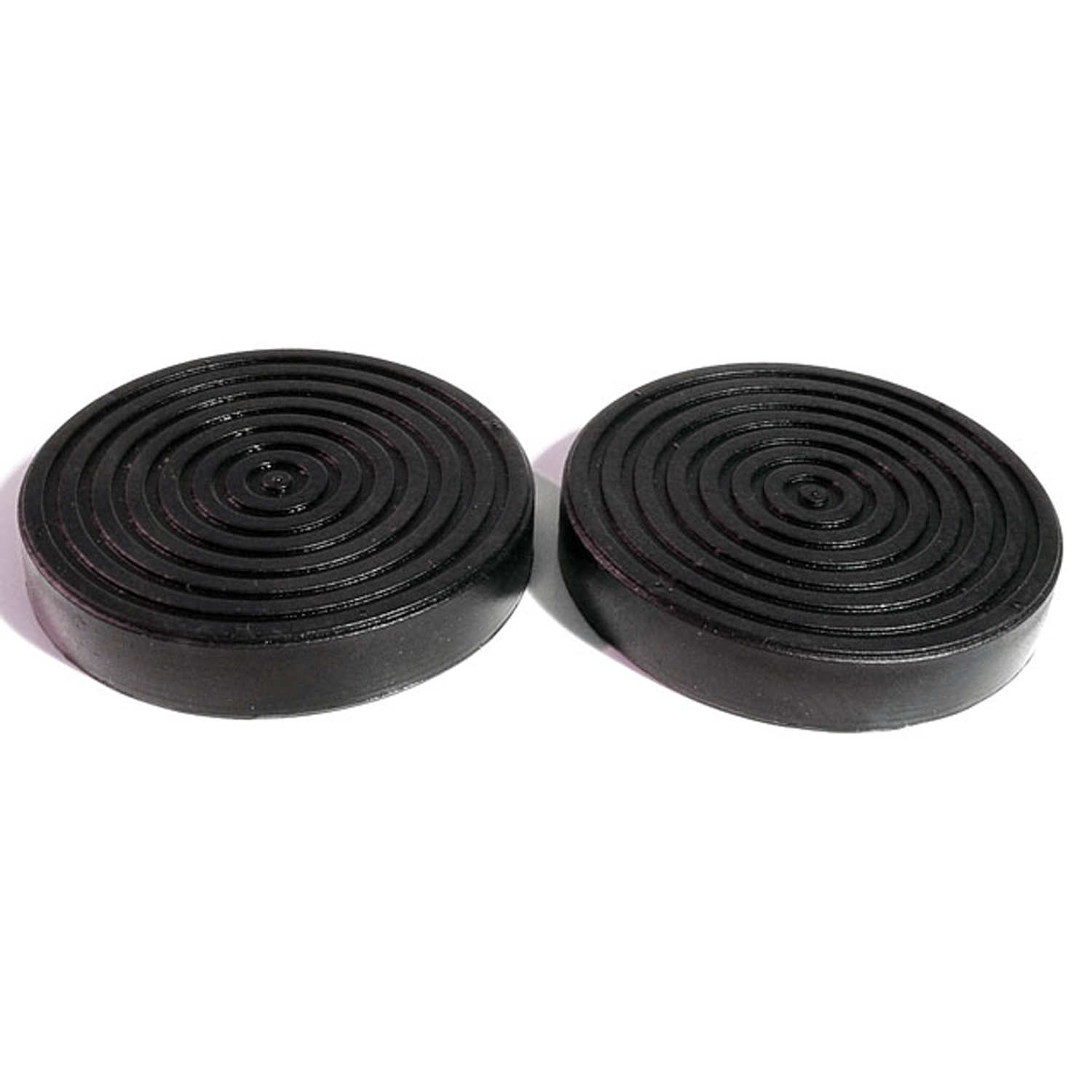 1958 Jeep FC170 Clutch and Brake Pedal Pads. 3" Diameter. Pair-CB 61Clutch and Brake Pedal Pads. 3" Diameter. Pair
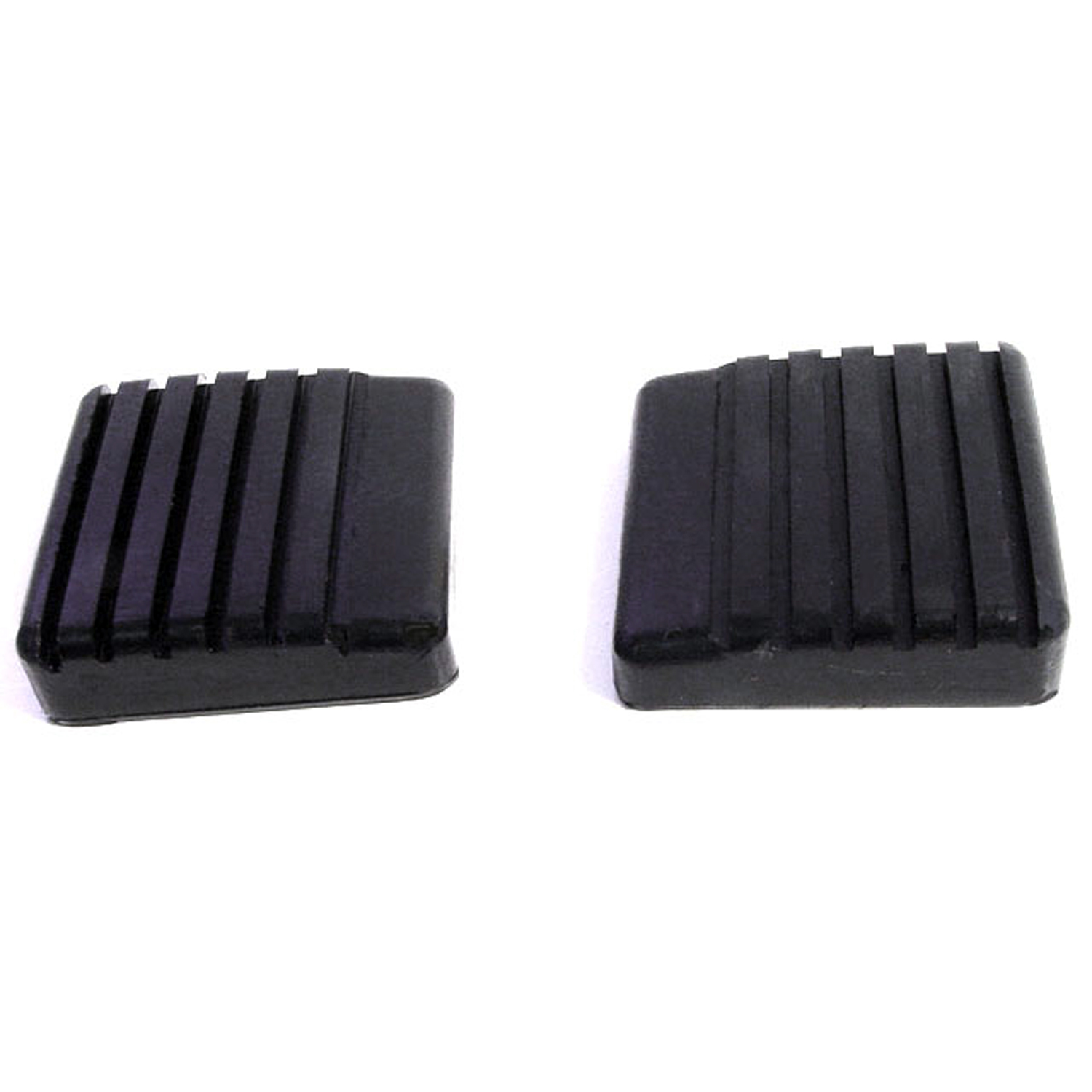 1958 Jeep FC170 Clutch and Brake Pedal Pads. Pair-CB 61-BClutch and Brake Pedal Pads. Pair
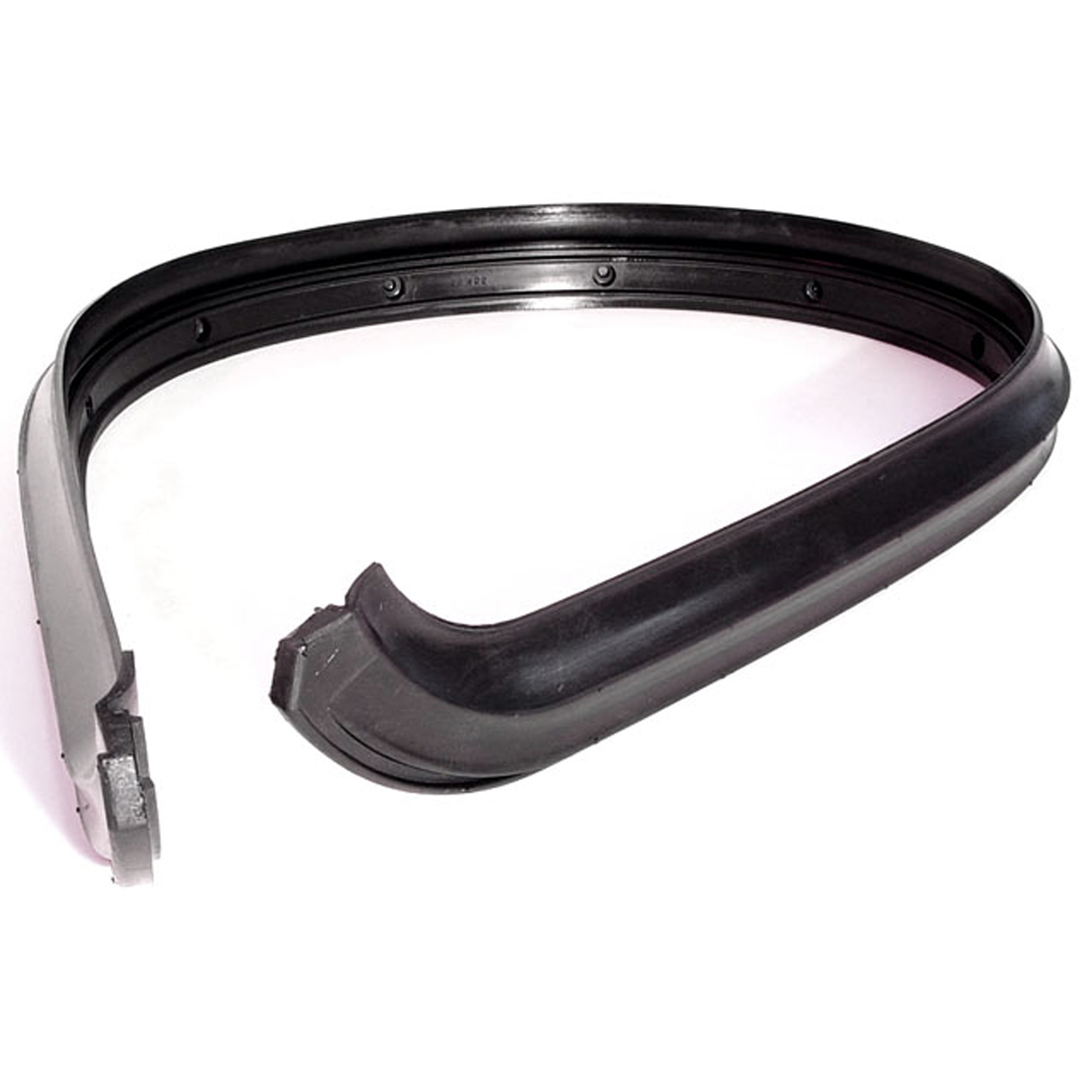 1958 Jeep FC170 Windshield to Cowl Seal. 55-1/2" long. Each-CS 102Windshield to Cowl Seal. 55-1/2" long. Each
Why Choose Metro?
For over 100 years, Metro Moulded Parts has been the pinnacle of quality in classic car restoration parts. Our commitment to precision and authenticity in every component ensures a perfect fit and an OEM-level appearance.
- Expert Craftsmanship & Quality: Each part is a testament to our dedication to reliability and perfection, crafted from original designs and thoroughly tested.
- Advanced Technology: We use cutting-edge techniques to create flawless, long-lasting parts that surpass others in performance.
- SuperSoft Sponge – The Ultimate Door Seal: Not only are our door seals 30% softer than competitors', but they're also guaranteed to never leak. They effectively reduce wind and road noise, enhancing your classic car's comfort and driving experience.
- Proudly American: Our parts are a product of American craftsmanship, made in the USA with a spirit of excellence and heritage.
- Unrivaled Warranty: We back our products with a 30-year industry-leading warranty, a testament to our confidence in their quality.
Join us in preserving the legacy of classic cars with parts that are crafted for perfection, not just made.