

Image of 1958 Jeep Utility Wagon, Note: These illustrations use artistic license and may differ from actual historical models.
Performance Metrics
Fundamental Metrics
Emotional Appeal
MMP Rating
| Engine Specifications | |
|---|---|
| Engine: | Super Hurricane 6-226, 6-cylinder |
| Displacement: | 226 cubic inches |
| Horsepower: | Estimated 105-115 hp |
| Torque: | 190 lb-ft |
| Compression Ratio: | 7.5:1 |
| Ignition System: | Distributor and coil |
| Cooling System: | Liquid-cooled |
| Performance Specifications | |
| 0-60 Time: | Information not available |
| 1/4 Mile Time: | Information not available |
| Top Speed: | 60-70 mph |
| Transmission and Drive | |
| Drive Type: | 4WD |
| Transmission Type: | 3-speed manual |
| Fuel and Efficiency | |
| Fuel System Type: | Carburetor |
| MPG: | Estimated 10-15 mpg |
| Dimensions and Brakes | |
| Brakes: | Drum brakes |
| Wheelbase: | 104.5 inches |
| Weight: | 3,200 lbs |
Note: Specifications for classic cars are given to the best of our ability, considering the limited and variant data available.
1958 Jeep Utility Wagon: The Rugged SUV Before the SUV
The 1958 Jeep Utility Wagon could carry a family, haul farm supplies, and crawl along a muddy track, all in the same day. Built by Willys Motors, it was part of a vehicle family that helped shape the modern sport-utility vehicle long before “SUV” became a household term.
The Utility Wagon grew out of the Willys Jeep Station Wagon introduced in 1946. Willys had built its reputation on the military Jeep, and the wagon brought that practical, go-anywhere thinking to civilian buyers. By 1958, Willys Motors was under Kaiser ownership, though the familiar Willys and Jeep identities remained central to the vehicle’s appeal.
One standout fact: the original Willys wagon is widely regarded as the first mass-produced station wagon with an all-steel body. That construction made it more durable and easier to maintain than the wood-bodied wagons that had come before. The 1958 version kept that useful formula, adding a particularly capable four-wheel-drive option.
Steel Body, Jeep Character
The Utility Wagon’s styling was purposeful rather than polished. Its tall, squared-off body sat above a sturdy chassis, with a broad hood, upright windshield, flat sides, and pronounced front fenders. The familiar Jeep grille gave it a clear link to the military models, while its long roof and large windows made the cabin feel more like a station wagon than a work truck. The rear door used a practical split arrangement, with an upper window section and a lower tailgate that could open for loading.
Inside, the wagon was simple and hard-wearing. The dashboard was mostly painted metal, the controls were straightforward, and upholstery was selected for durability rather than luxury. Depending on equipment and condition, buyers might find vinyl or cloth seating, rubber floor coverings, and room for additional passengers in rear seating configurations. Compared with a modern SUV, the cabin was spartan. Compared with a farm truck of the era, it offered welcome weather protection and a more comfortable place to spend a long day.
Factory paint choices varied by year, trim, and market. Period Jeeps were commonly seen in solid colors such as white, red, green, blue, and beige, though many survivors have been repainted. A restored example’s color may therefore reflect its owner’s taste as much as its original specification.
The most iconic body style was the two-door station wagon. The broader Utility Wagon family also included commercial panel-delivery versions during its production run, though exact offerings depended on model year and market. Buyers could choose two-wheel drive for road use or four-wheel drive for rough terrain. Seating, trim, and other equipment varied, so it is worth checking a vehicle’s build details rather than assuming every 1958 wagon left the factory identically equipped.
Useful Technology for Its Era
The wagon’s most important innovation was its all-steel body, but its mechanical layout mattered just as much. The four-wheel-drive version paired a manual transmission with a transfer case, allowing the driver to send power to both axles when conditions demanded it. Low-range gearing helped on steep grades, muddy ground, and slow, difficult trails.
Depending on configuration, 1958 wagons were available with the 134-cubic-inch four-cylinder Hurricane engine or the larger 226-cubic-inch “Super Hurricane” inline-six. The four-cylinder emphasized economy and simplicity; the six offered more pulling power. Exact output figures vary by specification, but period figures are commonly quoted at roughly 70 to 75 horsepower for the four and around 115 horsepower for the six. These were practical engines, not high-revving performance units.
Why the Utility Wagon Mattered
The 1958 Jeep Utility Wagon helped bridge the gap between a passenger car and a dedicated work vehicle. Its enclosed body gave families protection from weather, while its available four-wheel drive opened routes that ordinary station wagons could not comfortably manage. That combination made it useful to farmers, tradespeople, rural families, utility crews, and outdoor enthusiasts.
It also demonstrated an idea that later became central to the SUV: build a vehicle with passenger space, cargo capacity, and genuine off-road ability. The Utility Wagon was not the only vehicle to explore that territory, but its rugged construction and Jeep engineering gave the concept a distinctive and enduring identity. Later generations of sport-utility vehicles became more refined, yet the basic recipe remained recognizable.
Compared with many contemporaries, the Jeep traded comfort and speed for traction and utility. Its boxy shape was not especially aerodynamic, and the ride was more truck-like than car-like. But owners got a vehicle that could work through bad weather and poor roads, rather than merely looking adventurous in a driveway.
Performance and Road Manners
There is no single reliable performance figure for every 1958 Utility Wagon. Engine, drivetrain, gearing, tire size, vehicle condition, and load all make a difference, and period acceleration testing was not as standardized as it is today. As a general guide, a healthy six-cylinder example might reach 60 mph in roughly 25 to 30 seconds, while a four-cylinder wagon could take longer. These are modern estimates, not guaranteed factory test results.
Top speed was similarly modest. Depending on engine and gearing, an example might manage approximately 65 to 75 mph, but sustained high-speed driving was not its strong suit. The wagon feels most at home at moderate speeds, where its engine can work steadily and the driver has time to anticipate the road.
On broken surfaces, the Utility Wagon’s solid-axle, leaf-spring setup feels tough but firm. It can bounce and jostle over potholes, washboard roads, and sharp bumps, especially when lightly loaded. On winding pavement, its tall body and utility-focused suspension encourage a measured pace. Four-wheel drive provides valuable traction on loose or slippery ground, but it does not make the wagon a modern off-road vehicle: ground clearance, old tires, brakes, and decades of wear all matter.
Behind the wheel, the experience is mechanical and direct. The engine makes a steady, workmanlike sound, and the manual gearbox asks the driver to be involved rather than simply point and go. Steering and braking feel heavier and less precise than in a modern vehicle. That is part of the appeal for many enthusiasts, but it takes adjustment for anyone accustomed to power steering, disc brakes, and contemporary crash protection.
Living With a 1958 Jeep
Today, Utility Wagons are used as weekend drivers, vintage utility vehicles, show cars, and restoration projects. Some owners take them on gentle trails or use them around rural property. They can be driven on public roads, but their age and limited safety equipment make them less suited to modern high-speed commuting than a newer vehicle.
The simple mechanical layout is a major ownership advantage. An experienced home mechanic can inspect and service many components using ordinary tools, and the vehicle’s straightforward systems are easier to understand than those of a modern SUV. Parts support is generally good through specialist Jeep suppliers and the classic four-wheel-drive community, though particular trim pieces, correct interior materials, and model-specific body parts can take time to find.
Reliability depends heavily on maintenance and restoration quality. Check the frame, floor pans, body mounts, rocker panels, and lower body sections for rust. Inspect the transfer case, axles, clutch, steering, and brakes carefully, especially on a four-wheel-drive example that has seen hard use. A clean-looking paint job can conceal corrosion, so a thorough inspection matters more than a shiny finish.
Jeep Utility Wagon Facts and Criticisms
The wagon’s most significant claim to fame is its place in the history of the all-steel station wagon and the early development of the SUV. It was not a speed-record holder or a competition car. Its achievement was practical: it brought enclosed passenger comfort and real four-wheel-drive utility together in one vehicle.
There is no widely recognized celebrity-owned 1958 edition or special factory performance version that defines the model. Its historical presence is more everyday than glamorous. Jeeps of this type served rural communities and working fleets, where dependable transport over rough roads mattered more than prestige.
Common criticisms are easy to understand. The wagon is slow by modern standards, noisy at highway speeds, and comparatively rough-riding. Its brakes, visibility, steering effort, and crash protection also fall well short of current expectations. Rust can be a serious issue, and neglected four-wheel-drive hardware may need expensive attention. In return, owners get a sturdy, repairable machine with a character that modern crossovers rarely attempt to reproduce.
Collector Value and Rarity
Exact 1958 production totals are not consistently available in commonly consulted model histories. As a working estimate, roughly 8,000 to 15,000 Utility Wagons may have been produced for the model year across configurations. That range is an informed estimate, not a confirmed factory total. The surviving population is smaller, and usable four-wheel-drive examples are generally more sought after than comparable two-wheel-drive wagons.
Availability is limited but not impossibly rare. Projects and incomplete vehicles appear through classic Jeep specialists, online listings, and regional car sales. A buyer should expect to search for the right combination of body condition, drivetrain, and documentation. Originality can add interest, but a solid, well-executed restoration is often more important than perfect factory-correct trim.
As a broad current-market guide, a rough project might sell for about $5,000 to $12,000. A running driver in usable condition could fall around $12,000 to $25,000, while a strong restoration may bring roughly $25,000 to $45,000. Exceptional examples, especially well-restored four-wheel-drive wagons with desirable originality, can exceed that range. These are general estimates; rust, mechanical condition, location, and the quality of the work can move the price substantially.
Values have generally strengthened as interest in early SUVs and vintage 4x4s has grown, though the market remains condition-sensitive. A poor restoration or major rust repair can erase much of a vehicle’s apparent value. The best long-term prospects belong to sound, well-documented examples rather than simply the most heavily modified ones.
A Practical Pioneer With Lasting Appeal
The 1958 Jeep Utility Wagon combined an all-steel body, useful passenger space, simple mechanicals, and available four-wheel drive in a package built for real work. It was slower and rougher than a modern SUV, but its mix of road-going practicality and off-road capability helped define a vehicle category that would grow enormously in the decades ahead.
For collectors, it offers more than vintage Jeep looks. It is a tangible piece of the story of how the station wagon evolved into the sport-utility vehicle. The Utility Wagon may never have been built for glamour or speed, but it helped make the road beyond the pavement part of everyday motoring.
1958 Jeep Utility Wagon Catalog of Parts
 1958 Jeep Utility Wagon Shock Absorber Grommet. 1" bottom O.D-BN 11Shock Absorber Grommet. 1" bottom O.D., 3/4" high, with 5/8" I.D. Each
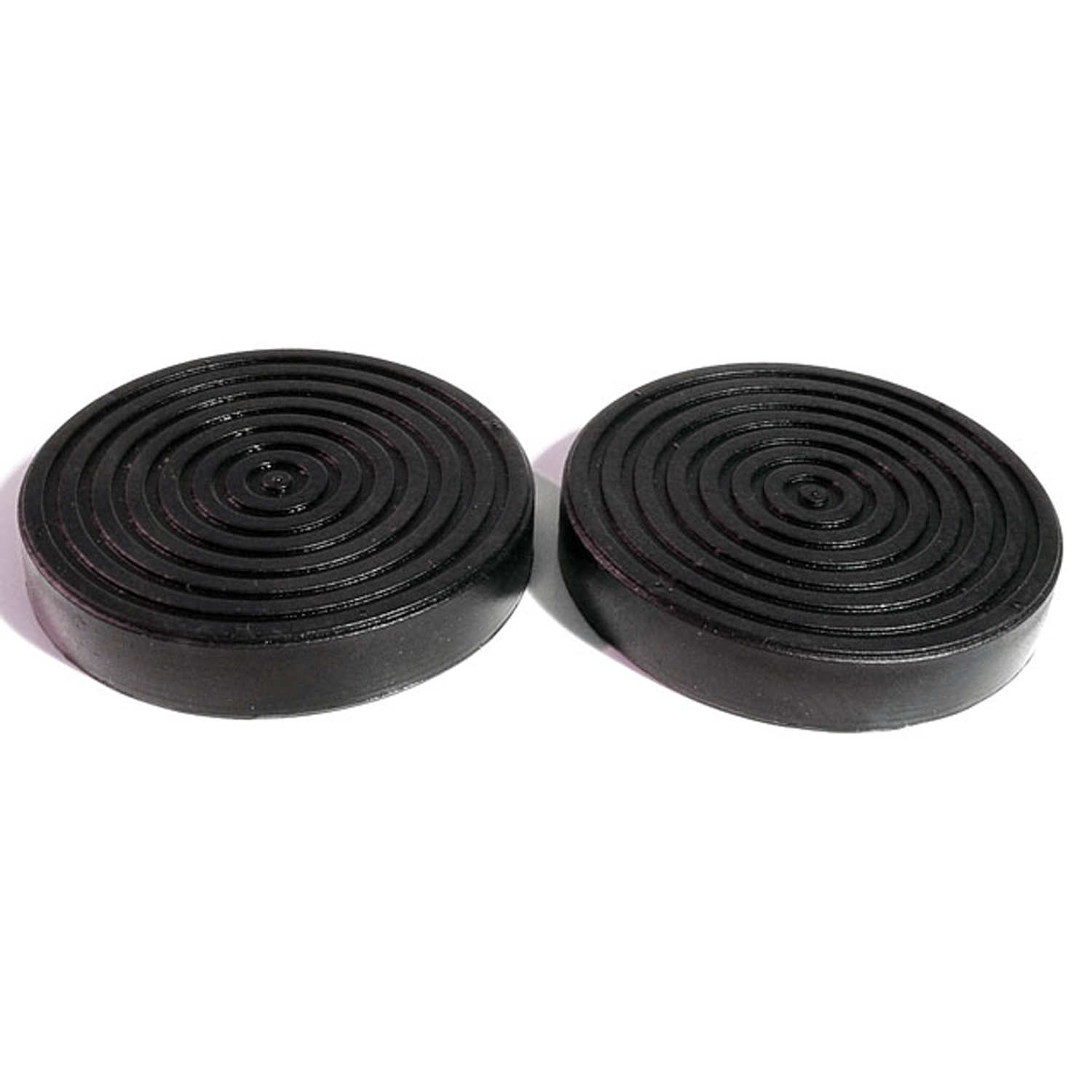 1958 Jeep Utility Wagon Clutch and Brake Pedal Pads. 3" Diameter. Pair-CB 61Clutch and Brake Pedal Pads. 3" Diameter. Pair
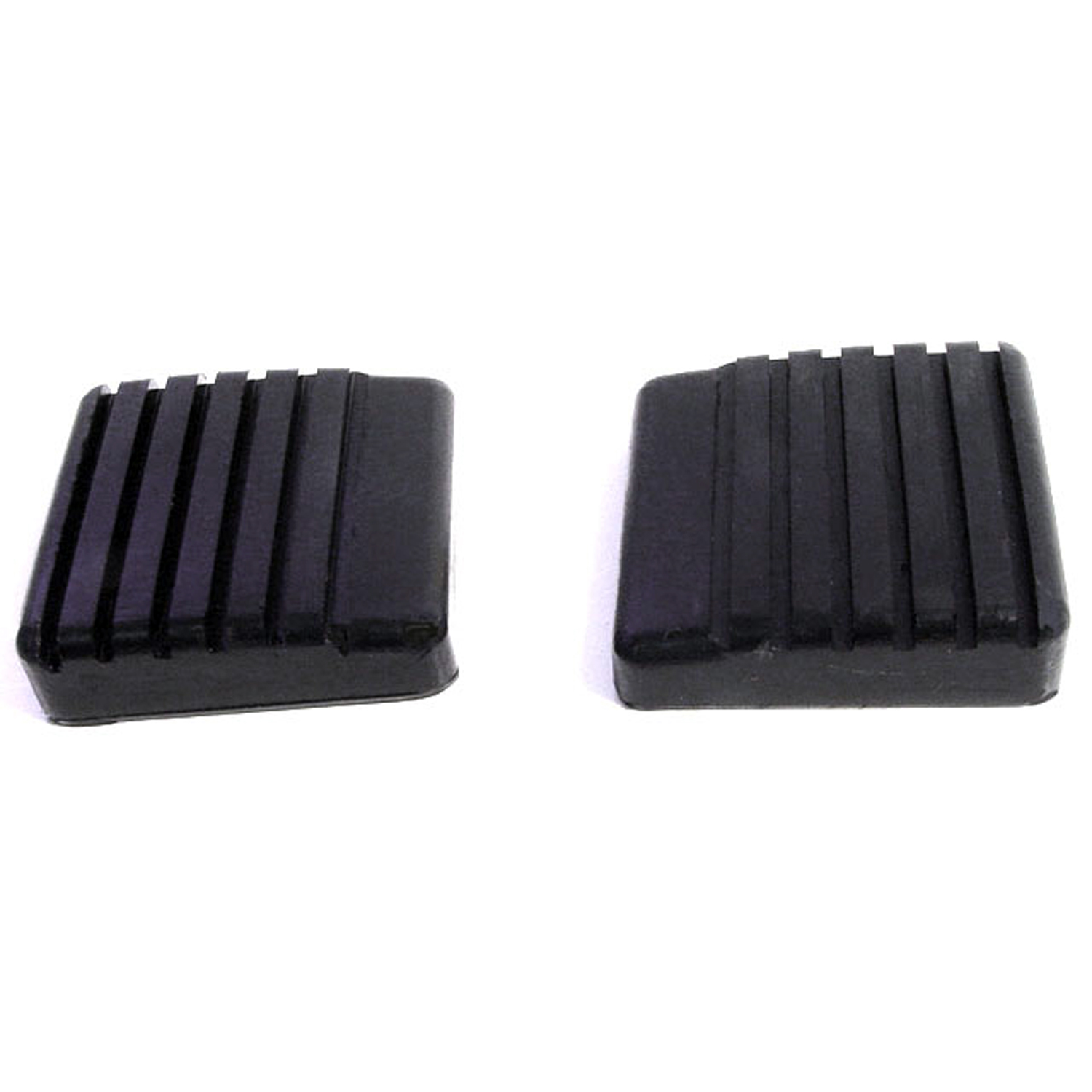 1958 Jeep Utility Wagon Clutch and Brake Pedal Pads. Pair-CB 61-BClutch and Brake Pedal Pads. Pair
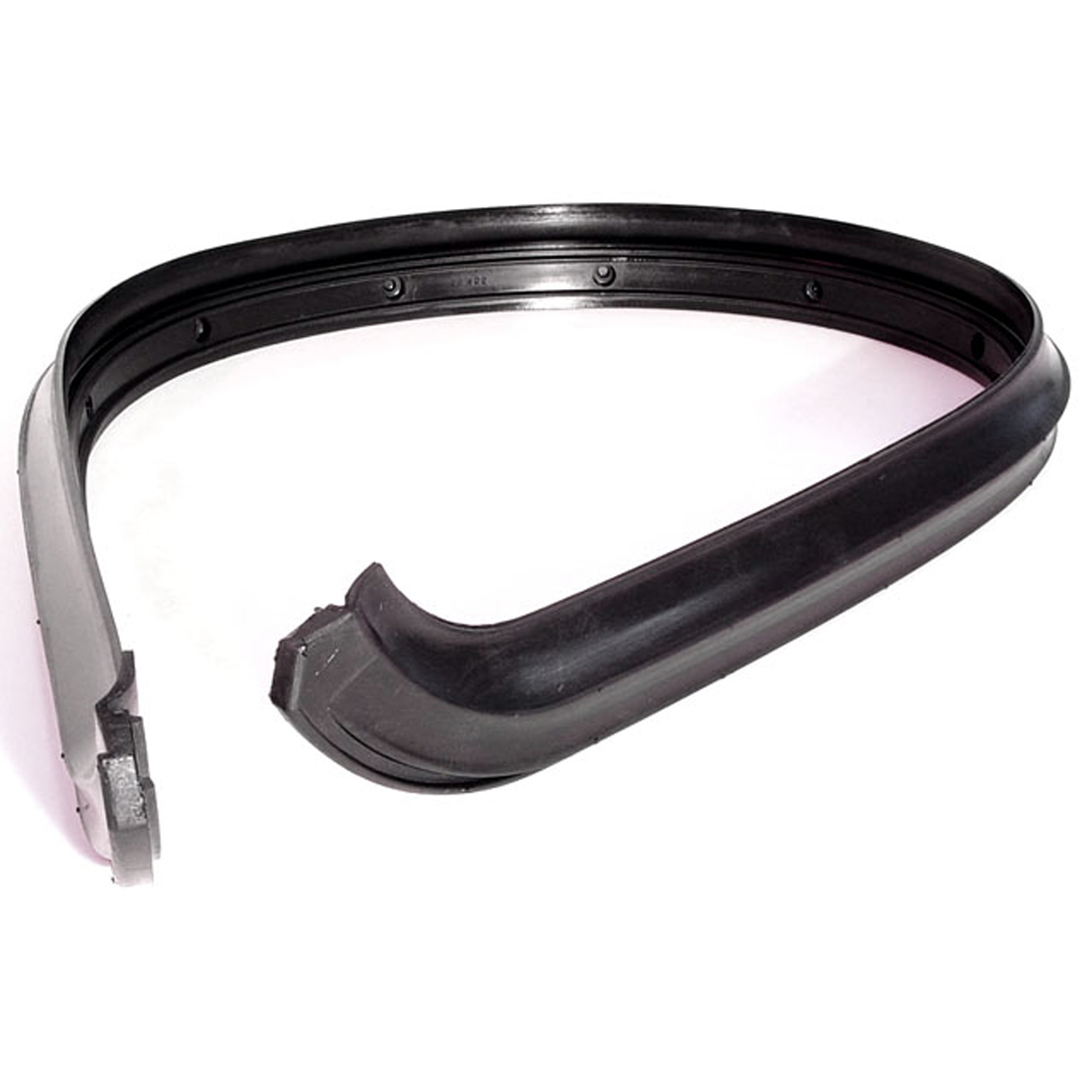 1958 Jeep Utility Wagon Windshield to Cowl Seal. 55-1/2" long. Each-CS 102Windshield to Cowl Seal. 55-1/2" long. Each
Why Choose Metro?
For over 100 years, Metro Moulded Parts has been the pinnacle of quality in classic car restoration parts. Our commitment to precision and authenticity in every component ensures a perfect fit and an OEM-level appearance.
- Expert Craftsmanship & Quality: Each part is a testament to our dedication to reliability and perfection, crafted from original designs and thoroughly tested.
- Advanced Technology: We use cutting-edge techniques to create flawless, long-lasting parts that surpass others in performance.
- SuperSoft Sponge – The Ultimate Door Seal: Not only are our door seals 30% softer than competitors', but they're also guaranteed to never leak. They effectively reduce wind and road noise, enhancing your classic car's comfort and driving experience.
- Proudly American: Our parts are a product of American craftsmanship, made in the USA with a spirit of excellence and heritage.
- Unrivaled Warranty: We back our products with a 30-year industry-leading warranty, a testament to our confidence in their quality.
Join us in preserving the legacy of classic cars with parts that are crafted for perfection, not just made.