

Image of 1959 Jeep Cj3, Note: These illustrations use artistic license and may differ from actual historical models.
Performance Metrics
Fundamental Metrics
Emotional Appeal
MMP Rating
| Engine Specifications | |
|---|---|
| Engine: | F-134 Hurricane Inline 4 |
| Displacement: | 134 cu in (2.2 L) |
| Horsepower: | 72 hp |
| Torque: | 114 lb-ft |
| Compression Ratio: | 6.48:1 |
| Ignition System: | Battery and Coil |
| Cooling System: | Liquid-cooled |
| Performance Specifications | |
| 0-60 Time: | Not available due to the vehicle's age and intended off-road use |
| 1/4 Mile Time: | Not available due to the vehicle's age and intended off-road use |
| Top Speed: | 60 mph |
| Transmission and Drive | |
| Drive Type: | 4WD |
| Transmission Type: | T-90 3-speed manual |
| Fuel and Efficiency | |
| Fuel System Type: | Carter YF 1-barrel carburetor |
| MPG: | 16-20 mpg |
| Dimensions and Brakes | |
| Brakes: | Drum brakes |
| Wheelbase: | 80.0 in (2,032 mm) |
| Weight: | 2,200 lbs |
Note: Specifications for classic cars are given to the best of our ability, considering the limited and variant data available.
1959 Jeep CJ-3B: The High-Hood Jeep That Went Anywhere
The 1959 Jeep CJ-3B looks like a small farm truck with its sleeves rolled up, but its raised hood hides a major engineering change. Built by Kaiser Jeep Corporation, this compact four-wheel-drive utility vehicle paired the familiar, open Jeep shape with a taller engine that delivered more power than the earlier flat-fender models. It was not designed for comfort or speed. It was built to work, climb and keep going when the road ran out.
Strictly speaking, the 1959 model is the Jeep CJ-3B, rather than simply the CJ-3. The “CJ” stood for Civilian Jeep, and the CJ-3B was part of the family that brought the wartime Jeep concept into farms, businesses and everyday civilian life. Its high hood, short wheelbase and go-anywhere hardware made it one of the most distinctive early Jeep models.
From Willys Roots to Kaiser Jeep
The CJ-3B grew out of the Willys MB and the postwar CJ-2A and CJ-3A. Willys-Overland introduced the CJ-3B in 1953, and by 1959 the company had become part of Kaiser Jeep Corporation. The model remained in production in the United States until 1968, while versions continued to be built under license in other countries.
One telling detail explains why the CJ-3B looks different from its flat-fender predecessors: its hood is taller to clear the F-head “Hurricane” engine. The change was functional, not a styling flourish. That tall nose became the CJ-3B’s signature and earned it the nickname “high-hood Jeep.”
High Hood, Simple Cabin
The CJ-3B’s exterior is all utility. Its upright grille, round headlights, separate front fenders and flat sides make the body easy to recognize and relatively straightforward to repair. At roughly 80 inches of wheelbase, it is compact enough for tight trails and work sites. The open body also makes the Jeep feel more like a piece of equipment than a conventional passenger car.
Inside, the focus is on function. The cabin typically has painted metal surfaces, simple gauges, a large steering wheel and basic seats with durable upholstery. There is little sound insulation, trim or storage compared with a modern vehicle. Depending on the individual Jeep and its options, buyers could add items such as a heater, a canvas top and side curtains. Metal hardtops and enclosed-cab conversions were also available through various sources, though many surviving examples have been modified over the decades.
Factory colors varied by model year and market. Period examples can be found in shades such as red, green, blue, yellow and white, as well as more subdued work-truck colors. Today, bright red and green restorations are especially eye-catching, but original paint and documentation matter more to collectors than any single color.
The Hurricane Engine and 4x4 Hardware
Under the high hood sits a 134-cubic-inch, or 2.2-liter, F-head four-cylinder engine. Its intake valves are in the cylinder head while its exhaust valves remain in the block, a layout that helped the engine breathe better than the earlier flathead design. Period specifications commonly list output at about 75 horsepower, with torque in the neighborhood of 114 lb-ft, though figures can vary with the source and rating method.
A three-speed manual transmission sends power through a two-speed transfer case to the front and rear axles. The combination is simple and suited to low-speed work, with a low range for steep climbs, loose ground and careful maneuvering. Buyers could equip their Jeeps with useful work accessories such as a power takeoff, winch or overdrive, depending on the application and supplier.
For its time, the CJ-3B’s most important technology was not electronic or luxurious. It was the practical combination of four-wheel drive, low gearing, a compact chassis and a relatively serviceable engine. Those features made it useful on farms, ranches, construction sites and trails where a conventional two-wheel-drive pickup could struggle.
A Small Jeep With a Big Influence
The CJ-3B helped extend the civilian Jeep idea beyond its wartime origins. It was a compact, adaptable tool that could serve as a runabout, tractor helper, light-duty work vehicle or recreational 4x4. Its short wheelbase and narrow body suited uneven tracks and tight spaces, while its open layout made it easy to adapt for local needs.
Compared with many contemporary passenger vehicles, the CJ-3B was primitive. Compared with other small utility vehicles, its combination of low-range four-wheel drive and rugged simplicity was a major advantage. The high hood also showed how the Jeep design could evolve to accept a more capable engine without abandoning the basic shape and proportions owners recognized.
The model’s influence was international as well. CJ-3B variants were assembled or produced under license in countries including India and Spain. That long reach helped establish the compact Jeep as a practical platform that could be adapted to different markets, uses and road conditions.
Performance and Trail Manners
A 1959 CJ-3B is not quick by modern standards. Depending on condition, gearing, tires and load, a healthy example may reach roughly 60 to 65 mph. A 0-to-60-mph run can take around 30 seconds or more, and many owners sensibly treat sustained highway speeds as optional rather than routine. These are approximate real-world figures, not guarantees for every surviving Jeep.
On a rough trail, the CJ-3B feels right at home. Its short wheelbase helps it turn tightly, and low-range gearing gives the driver precise control at slow speeds. The ride is firm, and the solid axles transmit bumps directly through the chassis. On winding roads, it feels nimble at low speeds but requires attention: the steering is not as precise as a modern vehicle’s, and the tall, narrow body can lean noticeably in corners.
Driving one is a hands-on experience. The engine produces a steady four-cylinder rumble, the manual gearbox needs deliberate shifts and the driver feels the surface through the steering wheel and seat. There is little between the occupants and the weather when the top is down. That directness is part of the appeal, but it also explains why a CJ-3B can feel tiring on a long, fast drive.
Living With a 1959 CJ-3B
Owners use CJ-3Bs as trail vehicles, farm and property runabouts, show cars, restoration projects and occasional weekend drivers. Some still perform light work, though many are now too valuable or too carefully restored for daily chores. Their compact size makes them easy to store, and their open design suits fair-weather cruising.
Mechanical simplicity is a major ownership benefit. The engine, transmission and transfer case are understandable to a home mechanic with basic tools and a service manual. Parts support remains strong through specialist Jeep suppliers, although correct original components and trim can take more searching. Rust deserves close inspection, especially in the frame, body supports, floor panels and hat channels beneath the body. Steering, brakes, wiring and drivetrain wear also need careful evaluation on any old 4x4.
Reliability depends heavily on maintenance and restoration quality. A well-kept CJ-3B can be dependable for local use, but age-related issues are unavoidable. Its brakes, lighting, restraints and crash protection are far behind modern standards, so it is best driven with conservative speeds and a clear understanding of its limitations.
High-Hood Trivia and Common Complaints
The most memorable CJ-3B fact is also the simplest: the tall hood exists to make room for the F-head engine. It is a practical engineering solution that became the model’s visual calling card. The CJ-3B also helped carry the civilian Jeep formula into international production, where locally built versions served work and transport needs for years.
The CJ-3B is not known for a single dramatic speed record or a famous celebrity connection. Its distinction is more workmanlike: it was produced in the United States for 15 model years and continued in various forms overseas. Enthusiasts often praise its mechanical straightforwardness and trail capability. Common criticisms include its slow acceleration, sparse cabin, firm ride, limited weather protection and lack of modern safety features. Those drawbacks are real, but they are also part of what makes the Jeep feel so elemental.
Collector Value and Availability
Production estimates commonly place total U.S. CJ-3B output at about 155,000 vehicles across the 1953-to-1968 production run. That is a figure for the model as a whole, not a confirmed count for the 1959 model year. Individual examples remain available, but condition, originality, rust and documentation create a wide spread in quality and price.
As a broad U.S. market estimate, a project or heavily worn example may sell for roughly $5,000 to $10,000. A usable driver in solid condition often falls around $12,000 to $25,000, while a well-restored or highly original Jeep can bring approximately $25,000 to $40,000 or more. Exceptional restorations, rare equipment or strong provenance can push prices higher. These ranges are estimates, and local market conditions can change the result substantially.
Values for desirable, sound examples have generally strengthened as interest in early 4x4s and vintage utility vehicles has grown. The best candidates for long-term collector appeal tend to be unmodified, structurally sound and supported by clear restoration records. A shiny repaint cannot compensate for a compromised frame or poorly executed mechanical work.
Why the 1959 Jeep CJ-3B Still Matters
The 1959 Jeep CJ-3B combined a useful Hurricane engine, simple four-wheel-drive hardware and an unmistakable high-hood profile in a compact, adaptable package. It was slow, basic and far from refined, but it could do jobs that stopped many ordinary vehicles. More than six decades later, that blend of mechanical honesty and practical capability still makes the CJ-3B a compelling classic.
It is not a truck for hiding from the road. It is a little machine that invites you to take the rough way through, listen to the engine work and remember why the original Jeep idea became an automotive legend.
1959 Jeep Cj3 Catalog of Parts
 1959 Jeep CJ3 Shock Absorber Grommet. 1" bottom O.D-BN 11Shock Absorber Grommet. 1" bottom O.D., 3/4" high, with 5/8" I.D. Each
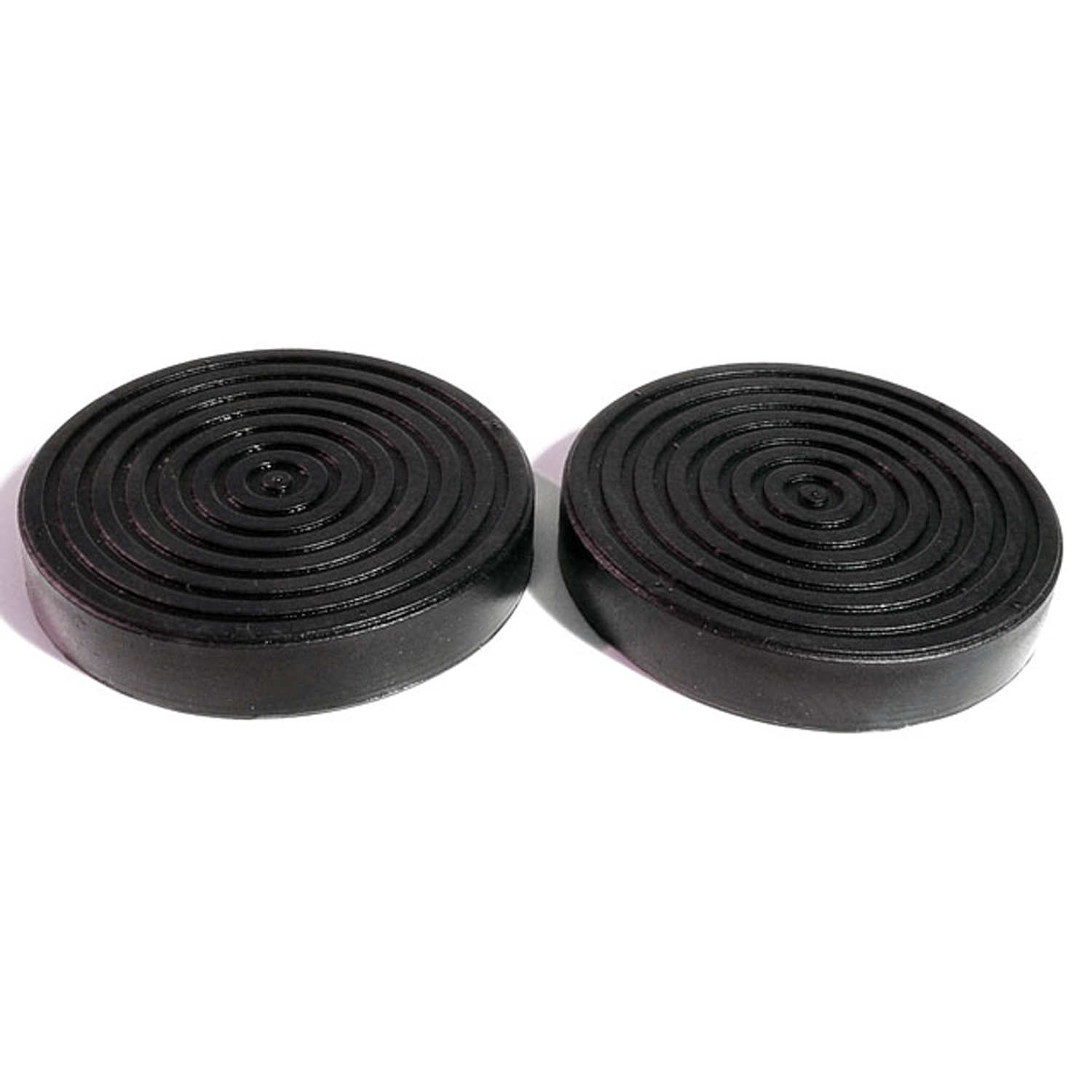 1959 Jeep CJ3 Clutch and Brake Pedal Pads. 3" Diameter. Pair-CB 61Clutch and Brake Pedal Pads. 3" Diameter. Pair
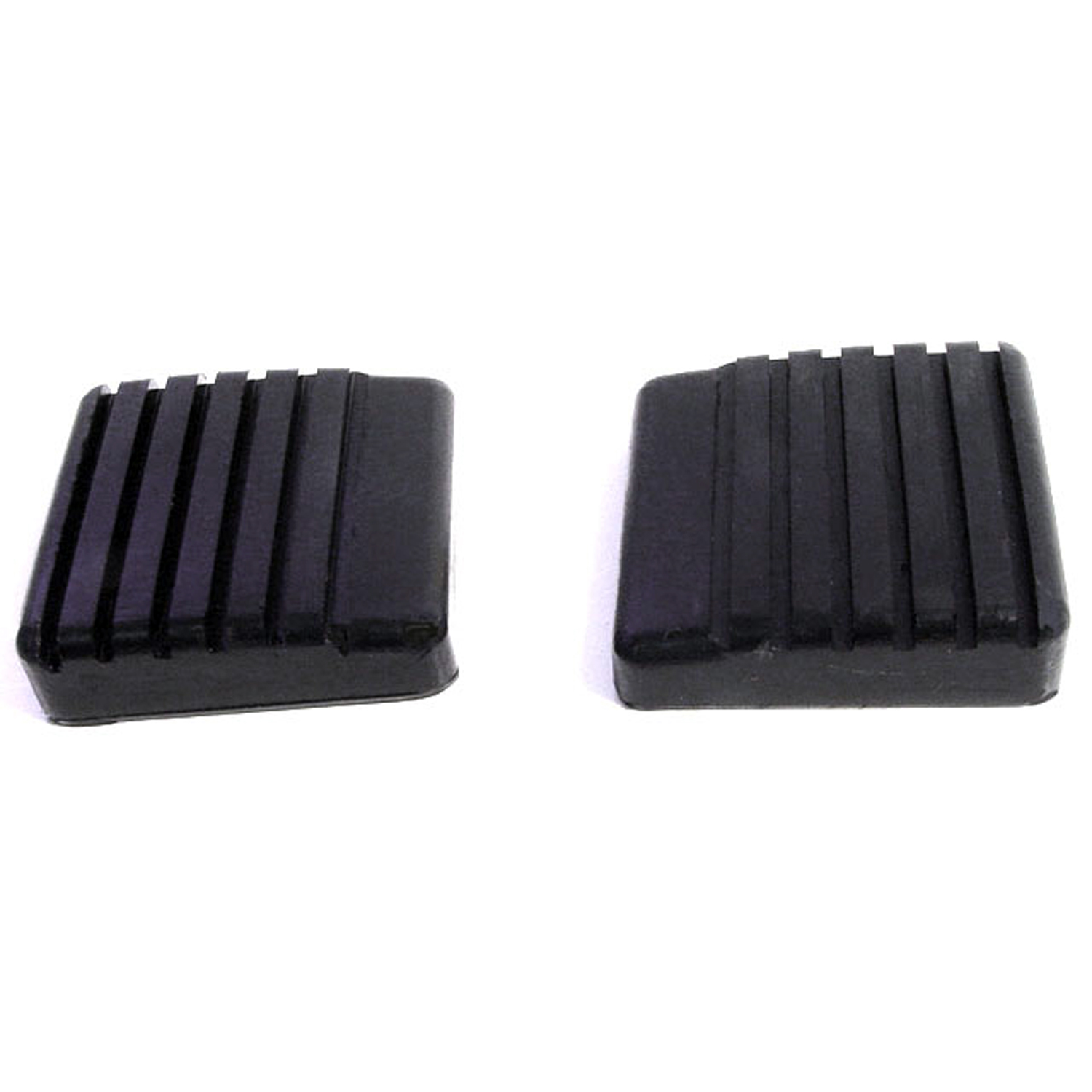 1959 Jeep CJ3 Clutch and Brake Pedal Pads. Pair-CB 61-BClutch and Brake Pedal Pads. Pair
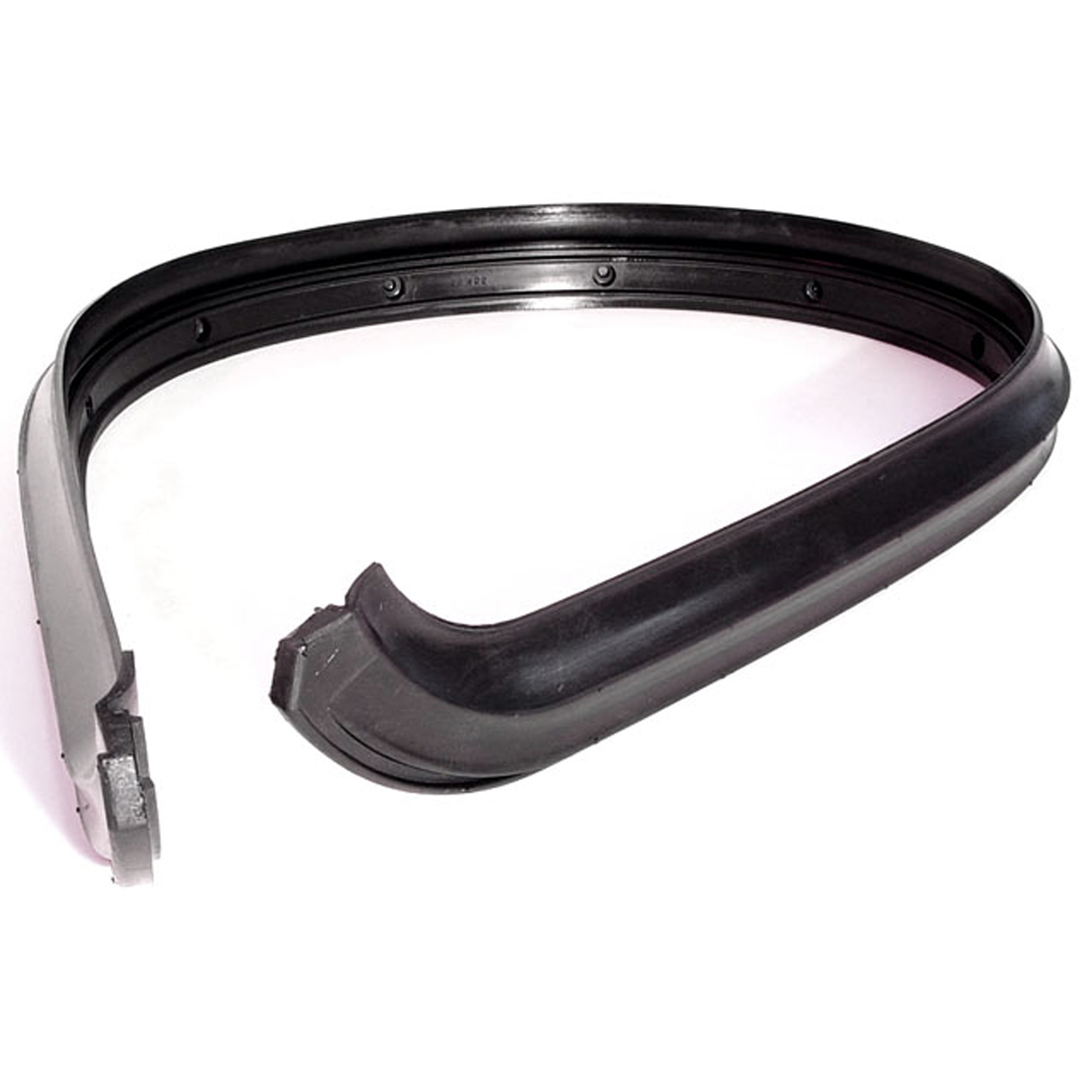 1959 Jeep CJ3 Windshield to Cowl Seal. 55-1/2" long. Each-CS 102Windshield to Cowl Seal. 55-1/2" long. Each
Why Choose Metro?
For over 100 years, Metro Moulded Parts has been the pinnacle of quality in classic car restoration parts. Our commitment to precision and authenticity in every component ensures a perfect fit and an OEM-level appearance.
- Expert Craftsmanship & Quality: Each part is a testament to our dedication to reliability and perfection, crafted from original designs and thoroughly tested.
- Advanced Technology: We use cutting-edge techniques to create flawless, long-lasting parts that surpass others in performance.
- SuperSoft Sponge – The Ultimate Door Seal: Not only are our door seals 30% softer than competitors', but they're also guaranteed to never leak. They effectively reduce wind and road noise, enhancing your classic car's comfort and driving experience.
- Proudly American: Our parts are a product of American craftsmanship, made in the USA with a spirit of excellence and heritage.
- Unrivaled Warranty: We back our products with a 30-year industry-leading warranty, a testament to our confidence in their quality.
Join us in preserving the legacy of classic cars with parts that are crafted for perfection, not just made.