

Image of 1960 Jeep Fc170, Note: These illustrations use artistic license and may differ from actual historical models.
Performance Metrics
Fundamental Metrics
Emotional Appeal
MMP Rating
| Engine Specifications | |
|---|---|
| Engine: | Inline-6 |
| Displacement: | 226 cu in (3.7 L) |
| Horsepower: | Estimated 105 hp |
| Torque: | 190 lb-ft |
| Compression Ratio: | Estimated 7.5:1 |
| Ignition System: | Distributor and coil |
| Cooling System: | Liquid-cooled |
| Performance Specifications | |
| 0-60 Time: | Not available due to the vehicle's age and purpose |
| 1/4 Mile Time: | Not available due to the vehicle's age and purpose |
| Top Speed: | 60-65 mph |
| Transmission and Drive | |
| Drive Type: | 4WD |
| Transmission Type: | 3-speed manual |
| Fuel and Efficiency | |
| Fuel System Type: | Carburetor |
| MPG: | Estimated 10-12 mpg |
| Dimensions and Brakes | |
| Brakes: | Drum brakes |
| Wheelbase: | 103.5 in |
| Weight: | Estimated 3,000 lbs |
Note: Specifications for classic cars are given to the best of our ability, considering the limited and variant data available.
1960 Jeep FC-170: The Cab-Forward Workhorse
The 1960 Jeep FC-170 looks like someone moved a pickup truck’s cab directly over its front wheels, and that unusual silhouette was the whole point. Built by Willys Motors, later part of Kaiser Jeep, the FC-170 was a stout four-wheel-drive work truck designed to offer a long, useful bed without taking up the space of a conventional pickup.
FC stood for “Forward Control,” a design approach that put the driver above the engine and pushed the cab to the very front of the chassis. The FC-170 was the larger, one-ton-rated member of Jeep’s Forward Control family, which launched in 1956. Its distinctive layout made it a practical choice for farms, utilities, construction crews, fire departments, and other operators who needed maneuverability and cargo capacity more than passenger-car comfort.
One detail that makes the FC-170 especially memorable is how much truck Jeep managed to fit into a compact footprint. With its cab-forward packaging, it could carry a substantial load while remaining shorter overall than a conventional pickup with a similar working capacity. That clever tradeoff gave it a look unlike almost anything else on American roads.
Cab-Forward Design and Practical Engineering
The FC-170’s styling is all business, but it has plenty of character. Its upright cab sits far forward, with a broad windshield, flat side glass, short front overhang, and a simple grille framed by round headlights. The front bumper and tall stance give it a purposeful, almost industrial appearance. Seen from the side, the truck’s long wheelbase and cargo bed contrast sharply with the cab’s compact shape.
The interior was built for work rather than luxury. Expect straightforward painted metal, durable vinyl or cloth upholstery depending on specification, a simple dashboard, and large, practical controls. The driving position is unusually forward, with the engine beneath or immediately behind the cab area. It offers an excellent view of the road directly ahead, though the closeness of the windshield and front bodywork can take some getting used to.
Technology was rugged rather than sophisticated. The FC-170 paired a traditional manual transmission with a selectable four-wheel-drive system and a low-range transfer case, giving it the traction needed for muddy work sites and rough roads. Its simple mechanical layout made it understandable to working mechanics and, in many cases, to owners who did their own repairs.
Factory paint and trim combinations varied by year, equipment, and fleet order. Buyers could find work-oriented solid colors, while commercial customers often specified paint to match a company or municipal fleet. Restored trucks today are commonly seen in red, green, blue, yellow, white, and period two-tone combinations. There is no single color that defines every FC-170, though bright utility colors look especially at home on its industrial body.
The familiar pickup configuration is the most recognizable FC-170, but the platform was offered in several useful forms. Buyers could order a pickup, a chassis cab for a custom body, or specialized commercial versions such as stake-bed and service-truck configurations. Depending on the order and the body builder, FC chassis could also be adapted for equipment such as dump bodies, fire-service gear, or other vocational uses. Dual rear-wheel versions were available for demanding payload applications. The pickup remains the most iconic version among collectors, while the unusual specialty bodies can be especially eye-catching.
A Different Kind of Jeep
The FC-170 was part of a broader postwar effort to make four-wheel drive useful beyond military service and recreational trail driving. Jeep already had a strong reputation for compact 4x4s, but the FC series applied that capability to commercial hauling. Its cab-forward layout borrowed from a wider trend in truck design, where placing the cab over the front axle helped maximize cargo space within a limited overall length.
What set the FC-170 apart from many contemporary pickups was the combination of a compact footprint, a one-ton working role, and four-wheel-drive capability. Conventional trucks generally placed the engine in front of the cab, lengthening the vehicle. The FC-170’s layout created more room for the bed or body relative to the truck’s total length, which mattered in tight yards, narrow streets, and crowded work sites.
It was not a mass-market styling trendsetter, and its unusual proportions were never going to appeal to every buyer. But the FC series remains an important example of Jeep’s willingness to rethink basic vehicle packaging. Its influence is less about a direct line to modern pickups and more about demonstrating how a specialized layout could solve real-world commercial problems.
226 Power and Work-Ready Four-Wheel Drive
A 1960 FC-170 was typically powered by Jeep’s 226-cubic-inch “Super Hurricane” inline-six. This long-running L-head engine was rated at approximately 115 horsepower in period specifications. It was designed for dependable low-speed pulling rather than high-revving performance. A manual gearbox was standard, with transmission and axle details depending on configuration; heavier-duty and lower-geared equipment suited the truck’s commercial role.
Jeep did not position the FC-170 as a fast highway truck, and period acceleration figures are not consistently documented. A reasonable expectation for a stock example is a top speed in the neighborhood of 55 to 65 mph, depending on gearing, tires, load, and mechanical condition. Reaching 60 mph could take well over 20 seconds, and a heavily loaded or low-geared truck may struggle to get there at all. These are practical estimates, not guaranteed factory test figures.
On pavement, the FC-170 feels tall, deliberate, and truck-like. The steering is not especially quick, and the cab-forward seating position makes the driver more aware of bumps and road joints. On winding roads, its short front overhang is useful, but its high center of gravity and work-truck suspension call for measured inputs. It is not a vehicle to hustle through corners.
On rough ground, the truck’s strengths become clear. Four-wheel drive and low range help it crawl through mud, snow, gravel, and uneven work sites, while its commercial chassis is intended to carry substantial loads. The ride can be firm when the truck is empty, as is common with trucks designed to work under load. In the cab, the Super Hurricane’s steady mechanical rumble, manual gear changes, and close connection to the front wheels make driving feel direct and distinctly old-school.
Living With an FC-170
Today, the FC-170 is most often used as a collector vehicle, show truck, occasional driver, or restored farm and business vehicle. Some owners keep them working, especially when a truck has been fitted with a practical modern body or carefully updated mechanical components. Its size and visibility can make it easier to maneuver in tight spaces than a larger conventional truck, but its age and modest road speed make it less suitable for routine modern highway commuting.
Mechanical repairs are generally approachable for an experienced home mechanic. The engine and drivetrain use traditional components, and the truck’s straightforward construction is a major part of its appeal. The tougher challenge is often locating correct replacement parts, sound body panels, trim, glass, and specialty equipment. Rust deserves close inspection around the cab, floor, cowl, frame, bed, and body mounts. A thorough inspection of the four-wheel-drive system, steering, brakes, and axle condition is just as important.
Reliability depends heavily on maintenance and restoration quality. A well-kept 226 six can be a durable working engine, but decades of sitting, poor repairs, overheating, and neglected fluids can turn a simple truck into a major project. Owners should also remember that original brakes, steering, tires, and gearing were designed for a different era. A careful mechanical refresh is essential before regular road use.
FC-170 Facts and Common Criticisms
The FC-170’s best-known piece of trivia is its packaging: the cab sits over the front portion of the chassis, creating the unmistakable flat-nosed profile and freeing space for a useful bed. The same basic FC concept was available in multiple commercial forms, so surviving trucks can look dramatically different depending on their original job. A pickup, a stake-bed truck, and a fire-service conversion may share the same basic identity while telling very different stories.
There is no widely recognized FC-170 speed, sales, or endurance record, and celebrity ownership is not a defining part of its history. Its importance is more grounded: these trucks served local businesses, farms, public agencies, and fleets that needed a compact, capable 4x4. Their working lives are part of what makes surviving examples interesting today.
Common criticisms are easy to understand. The cab is cramped by modern standards, the ride can be stiff, highway speed is limited, and the forward driving position can feel exposed. The distinctive design also places the driver close to the front of the vehicle, a layout that feels very different from a modern pickup. For enthusiasts, however, these quirks are part of the FC-170’s personality rather than reasons to overlook it.
Collector Values and Availability
FC-170 values vary widely with condition, originality, body style, and completeness. As a general U.S. market estimate, a rough project truck may sell for about $5,000 to $12,000. A usable but imperfect example might fall in the $12,000 to $25,000 range, while a well-restored pickup or particularly appealing commercial version can bring roughly $25,000 to $45,000 or more. Exceptional restorations and rare, well-documented specialty bodies can exceed that range, while rusty or incomplete trucks may sell for less.
Exact production totals for each model year are not always easy to pin down in commonly available records. A reasonable estimate is that roughly 15,000 to 18,000 FC-170s were built across the model’s production run, though totals vary by source and counting method. That makes the FC-170 uncommon compared with mainstream pickups, but not so rare that examples never appear. They surface through classic-truck dealers, online auctions, marque clubs, and specialist Jeep networks, often with significant differences in condition and originality.
Interest in distinctive utility vehicles has helped support values for the FC-170, particularly for complete, correctly restored pickups and unusual commercial variants. Prices are not guaranteed to rise, and restoration costs can easily exceed the value of a project truck. Still, the FC-170 has a strong identity, a dedicated enthusiast following, and a design that is unlikely to be mistaken for anything else. Those qualities should continue to make good examples desirable.
Why the 1960 Jeep FC-170 Still Stands Out
The 1960 Jeep FC-170 combined four-wheel-drive ability, commercial toughness, and an unconventional cab-forward layout in a compact working truck. Its Super Hurricane six was built for steady service, its body could be adapted to many jobs, and its distinctive proportions made it one of the most recognizable trucks of its era.
It is not quick, quiet, or especially comfortable by modern standards. What it offers instead is honest mechanical character and a design shaped around a practical idea: carry more capability in less space. More than six decades later, the FC-170 remains a memorable reminder that a working truck can be both useful and unmistakably original.
1960 Jeep Fc170 Catalog of Parts
 1960 Jeep FC170 Shock Absorber Grommet. 1" bottom O.D-BN 11Shock Absorber Grommet. 1" bottom O.D., 3/4" high, with 5/8" I.D. Each
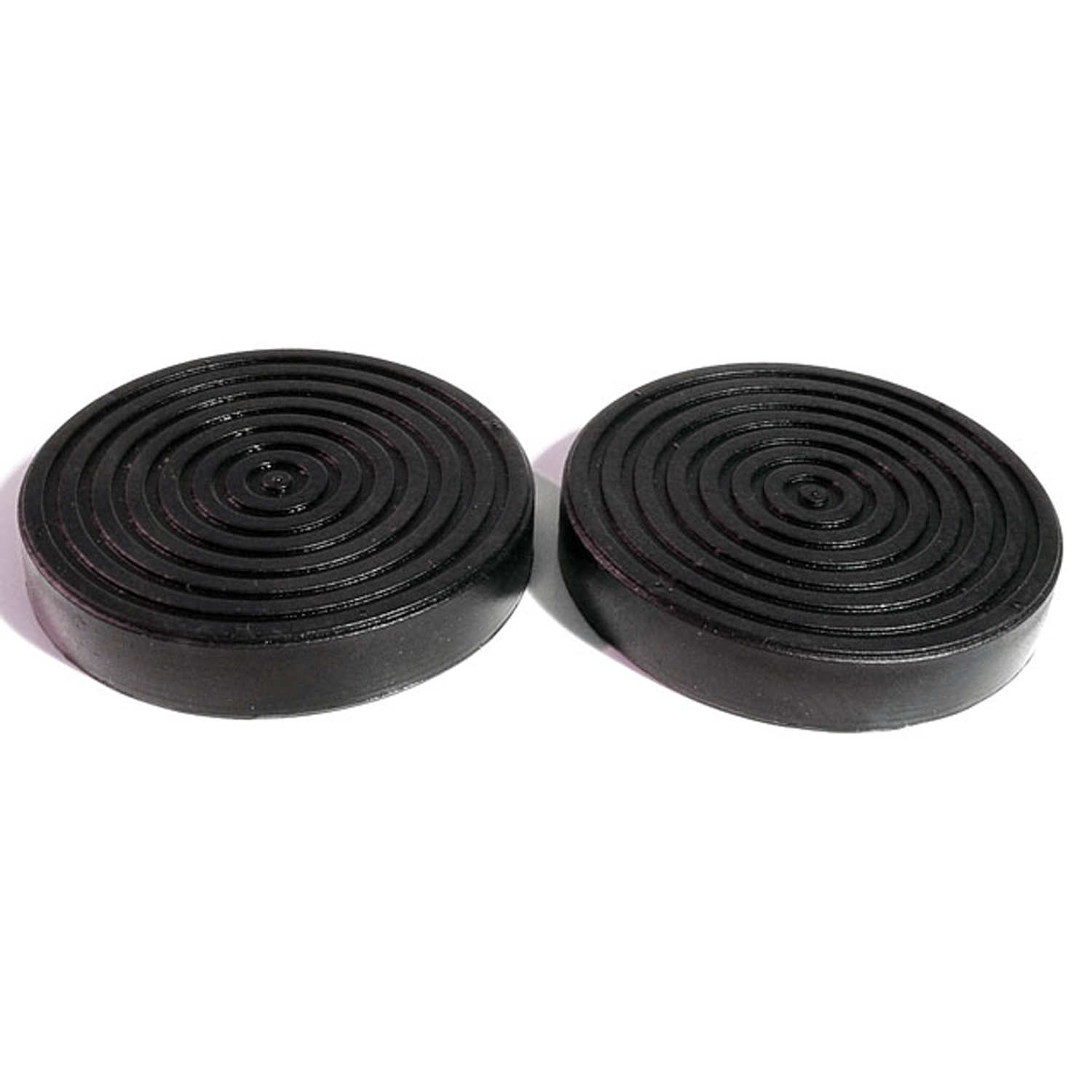 1960 Jeep FC170 Clutch and Brake Pedal Pads. 3" Diameter. Pair-CB 61Clutch and Brake Pedal Pads. 3" Diameter. Pair
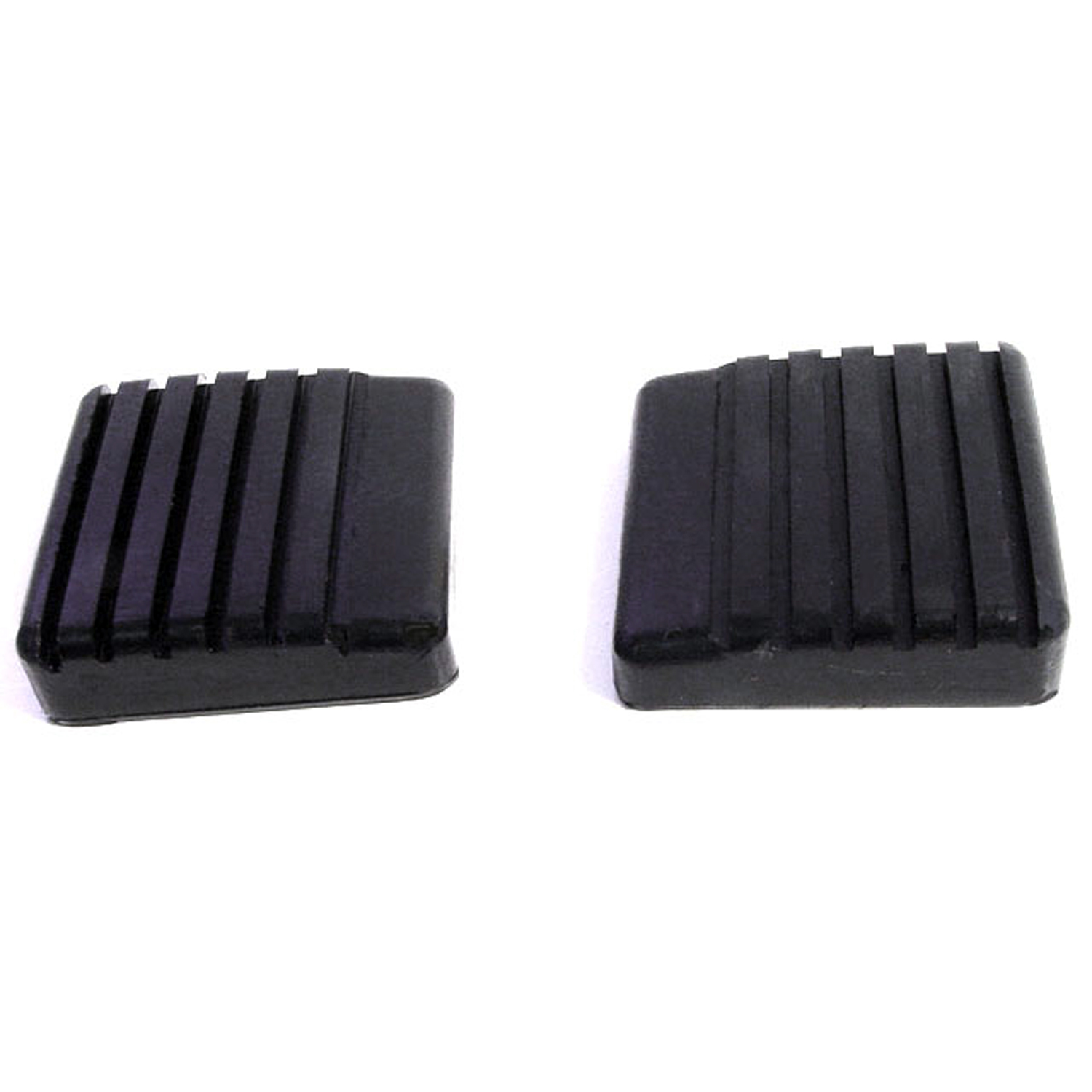 1960 Jeep FC170 Clutch and Brake Pedal Pads. Pair-CB 61-BClutch and Brake Pedal Pads. Pair
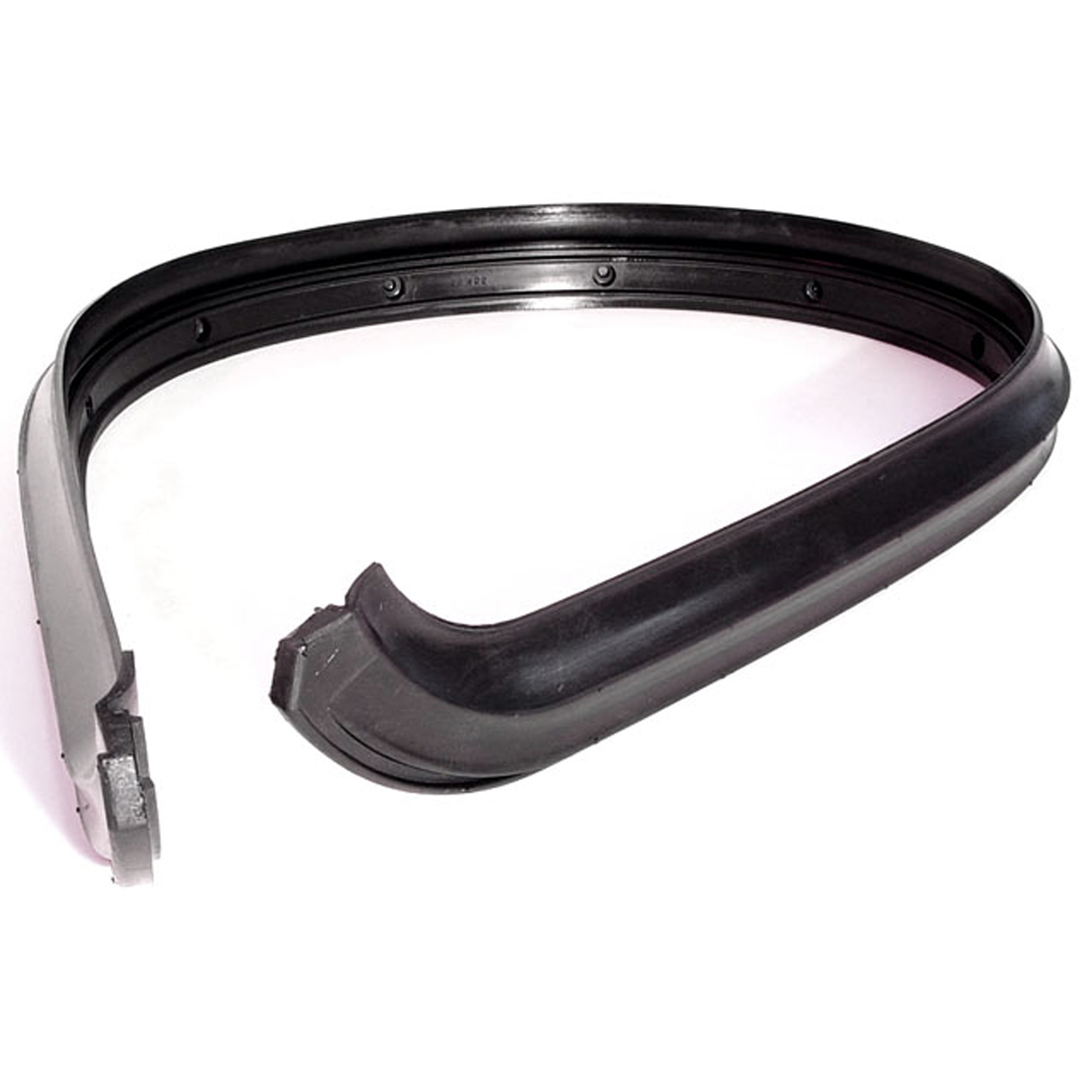 1960 Jeep FC170 Windshield to Cowl Seal. 55-1/2" long. Each-CS 102Windshield to Cowl Seal. 55-1/2" long. Each
Why Choose Metro?
For over 100 years, Metro Moulded Parts has been the pinnacle of quality in classic car restoration parts. Our commitment to precision and authenticity in every component ensures a perfect fit and an OEM-level appearance.
- Expert Craftsmanship & Quality: Each part is a testament to our dedication to reliability and perfection, crafted from original designs and thoroughly tested.
- Advanced Technology: We use cutting-edge techniques to create flawless, long-lasting parts that surpass others in performance.
- SuperSoft Sponge – The Ultimate Door Seal: Not only are our door seals 30% softer than competitors', but they're also guaranteed to never leak. They effectively reduce wind and road noise, enhancing your classic car's comfort and driving experience.
- Proudly American: Our parts are a product of American craftsmanship, made in the USA with a spirit of excellence and heritage.
- Unrivaled Warranty: We back our products with a 30-year industry-leading warranty, a testament to our confidence in their quality.
Join us in preserving the legacy of classic cars with parts that are crafted for perfection, not just made.