

Image of 1963 Jeep Cj5, Note: These illustrations use artistic license and may differ from actual historical models.
Performance Metrics
Fundamental Metrics
Emotional Appeal
MMP Rating
| Engine Specifications | |
|---|---|
| Engine: | F-134 Hurricane Inline 4 |
| Displacement: | 134 cu in (2.2 L) |
| Horsepower: | 72-75 HP |
| Torque: | 114 lb-ft |
| Compression Ratio: | 6.9:1 |
| Ignition System: | Distributor and coil |
| Cooling System: | Liquid-cooled |
| Performance Specifications | |
| 0-60 Time: | Estimated 20-25 seconds |
| 1/4 Mile Time: | Not available |
| Top Speed: | 60-65 mph |
| Transmission and Drive | |
| Drive Type: | 4WD |
| Transmission Type: | T-90 3-speed manual |
| Fuel and Efficiency | |
| Fuel System Type: | Carburetor |
| MPG: | Estimated 15-20 MPG |
| Dimensions and Brakes | |
| Brakes: | Drum brakes |
| Wheelbase: | 81.0 in |
| Weight: | 2,200 lbs |
Note: Specifications for classic cars are given to the best of our ability, considering the limited and variant data available.
1963 Jeep CJ-5: The Compact 4x4 That Made Weekends Wilder
The 1963 Jeep CJ-5 was happiest where the pavement ended. Short, open-sided and built around a tough four-wheel-drive chassis, it brought military-style utility to farms, job sites and weekend trails. It was made by Kaiser Jeep Corporation, the successor to Willys-Overland, and belonged to a line of civilian Jeeps whose roots stretched back to the Second World War.
The CJ-5 had entered production in 1954, drawing heavily on the military M38A1, including its rounded front fenders and more modern body shape. By 1963, it had become a familiar sight as both a practical work vehicle and a recreational 4x4. One intriguing piece of its story is how long it stayed in production: the CJ-5 remained part of the Jeep lineup until 1983, making it one of the longest-running CJ models.
Classic Jeep Styling and Open-Air Design
The CJ-5’s proportions were distinctive: an 81-inch wheelbase, short overhangs, upright windshield and a broad, nearly flat hood. Its rounded front fenders gave it a softer profile than the earlier CJ-2A and CJ-3B, while the seven-slot grille and exposed, rugged stance made its Jeep identity unmistakable. The compact body was not just a styling choice. It helped the CJ-5 squeeze through narrow trails and maneuver around farmyards and work sites.
The cabin was simple and intentionally easy to clean. Drivers faced painted metal surfaces, straightforward gauges and durable vinyl seating rather than plush trim or carpeting. A fold-down windshield added to the open-air character, and a removable canvas top and doors could offer some protection from the elements. Depending on equipment and market, buyers could also find accessories such as a heater, rear seat, hardtop or practical work gear.
There was one main body format: a short-wheelbase, two-door utility vehicle with an open cabin. Buyers could configure it with a soft top or, where offered, a hardtop, along with different seating and accessory packages. The longer-wheelbase CJ-6 was also available for shoppers who wanted more room, but the compact CJ-5 became the more recognizable and widely sought-after version.
Factory paint choices varied by year, market and ordering details. Period Jeeps could be found in colors such as red, white, green, blue, yellow and beige. Bright red and clean white examples are especially eye-catching today, while earthy greens and tans suit the CJ-5’s working-vehicle roots.
Simple Technology, Serious Trail Hardware
In 1963, the CJ-5’s standard engine was the 134-cubic-inch (2.2-liter) F-head four-cylinder, commonly called the Hurricane. Period specifications are reported somewhat differently, but output is generally given in the neighborhood of 72 to 75 horsepower, with roughly 114 lb-ft of torque. Power went through a three-speed manual transmission and a two-speed transfer case, giving the driver high and low ranges for road use and slower, more controlled off-road travel.
That mechanical layout was the CJ-5’s most important technology. Low-range gearing, a compact wheelbase and a robust 4WD system made it useful on rough ground long before electronic traction aids or sophisticated driver-assistance systems existed. Its engineering was refreshingly direct: the driver selected the appropriate gearing and managed the terrain, while the vehicle supplied mechanical traction and ground clearance.
Why the CJ-5 Mattered
The CJ-5 helped define the recreational 4x4. It was not the first civilian four-wheel-drive vehicle, but it showed how a compact, capable utility vehicle could serve both as a tool and as a source of adventure. Unlike larger trucks, it could travel narrow trails and fit into tight spaces. Unlike many passenger cars, it could tackle mud, snow and uneven ground with its low gearing and four-wheel drive.
Its direct, functional design also became part of the Jeep formula. The upright body, short overhangs, removable top and emphasis on capability over comfort influenced generations of off-road vehicles. The CJ-5 remained relevant through changes in ownership and automotive fashion, a testament to how well its basic idea worked.
Performance on Road and Trail
The 134-cubic-inch four-cylinder was built for useful low-speed work, not quick acceleration. A healthy CJ-5 of this era may reach roughly 60 to 65 mph, depending on gearing, tires, condition and load. A 0-to-60-mph run is a long affair, commonly estimated at around 25 to 30 seconds. These are practical estimates rather than guaranteed factory test figures, and today’s examples can vary widely.
On a trail, the CJ-5 feels agile. Its short wheelbase makes it easy to place between rocks and around tight turns, while low range allows careful progress over obstacles. On broken ground, the ride is firm and bouncy by modern standards, and the short wheelbase can pitch over dips and bumps. On winding paved roads, the steering is direct but not especially precise, and the narrow, upright vehicle can feel sensitive to crosswinds. It rewards smooth inputs and sensible speeds rather than hurried driving.
From behind the wheel, the experience is unmistakably mechanical. The four-cylinder engine has a steady, hardworking note, the manual transmission asks for deliberate shifts, and the open cabin lets in the sounds of tires, wind and the road. There is little between the driver and the vehicle’s movements. For enthusiasts, that feedback is a major part of the appeal. For anyone expecting modern-car refinement, it takes some adjustment.
Owning and Maintaining a 1963 CJ-5
Owners use CJ-5s as trail rigs, farm vehicles, weekend cruisers and show-quality restorations. Some are still pressed into light work, though their age and lack of modern safety equipment make them less suited to daily commuting in fast traffic. A well-sorted example can be enjoyable on local roads, but long highway trips are demanding compared with modern SUVs.
Mechanical simplicity is a real advantage. The engine, manual transmission and traditional 4WD components are understandable to a capable home mechanic, and many service jobs do not require specialized diagnostic equipment. Parts support remains strong for common CJ components, though original trim, body details and correct year-specific pieces can take more searching.
Rust is a key inspection point. Check the frame, floorboards, body supports and rear body area carefully, and look for poorly repaired collision damage or worn steering and suspension parts. The condition of the transfer case, axles and four-wheel-drive engagement matters too. A Jeep that has spent years on muddy trails or in salted winter conditions may need substantial structural work, even if it looks tidy in photographs.
Jeep CJ-5 Facts Worth Knowing
The CJ-5 was closely related in appearance and concept to the military M38A1, but the civilian model was adapted for everyday use. Its removable top and doors were practical features as well as part of its appeal, making it easy to shift between workday utility and open-air recreation.
Special equipment and trim packages could make an individual Jeep stand out. The Tuxedo Park package, offered in the CJ era, added more decorative touches than the basic utility model, though availability and exact equipment varied by year. Buyers could also order practical accessories such as winches and other work-oriented equipment. There is no widely recognized 1963 CJ-5 speed or sales record, and no single celebrity story defines the model’s reputation. Its most notable achievement is its long production life and enduring popularity.
Common criticisms are easy to understand: the ride is rough, the cabin is noisy, highway performance is modest and the basic equipment offers little protection by current standards. The same straightforward construction that makes the CJ-5 charming can also mean weather leaks, vibration and frequent maintenance on a heavily used example.
1963 CJ-5 Collector Values and Rarity
The CJ-5 was produced in substantial numbers, but a precise 1963 model-year total is difficult to establish from commonly available production summaries. A reasonable estimate is roughly 15,000 to 25,000 examples for the year, though that should be treated as an informed range rather than an exact factory figure. Many Jeeps were used hard, modified or scrapped, so surviving examples vary considerably in originality and condition.
As a broad 2026 collector-market estimate in the United States, a project CJ-5 may sell for about $3,000 to $8,000. A usable driver in solid condition often falls around $10,000 to $20,000, while a well-restored or unusually original example can bring roughly $25,000 to $40,000 or more. Exceptional restorations, rare equipment and documented history can push prices higher. Rust, non-original modifications and incomplete paperwork can pull them down.
Values for sound, original CJ-5s have generally held up well and have tended to appreciate gradually as interest in classic off-road vehicles grows. The best buys are not necessarily the most polished ones: a structurally solid, mechanically complete Jeep is usually a stronger starting point than a shiny example hiding frame or body repairs. Market prices also vary by region, season and the quality of the restoration.
A Small Jeep with a Lasting Legacy
The 1963 Jeep CJ-5 combined a compact footprint, simple mechanicals and genuine four-wheel-drive ability in a package that could work during the week and explore on the weekend. It was slow, noisy and basic, but those traits were part of a clear design philosophy: build a vehicle that could go places ordinary cars could not.
More than six decades later, the CJ-5 still captures the appeal of classic Jeeping. Its best feature was never luxury or speed. It was the confidence to point its short hood down a rough trail and keep going.
1963 Jeep Cj5 Catalog of Parts
 1963 Jeep CJ5 Shock Absorber Grommet. 1" bottom O.D-BN 11Shock Absorber Grommet. 1" bottom O.D., 3/4" high, with 5/8" I.D. Each
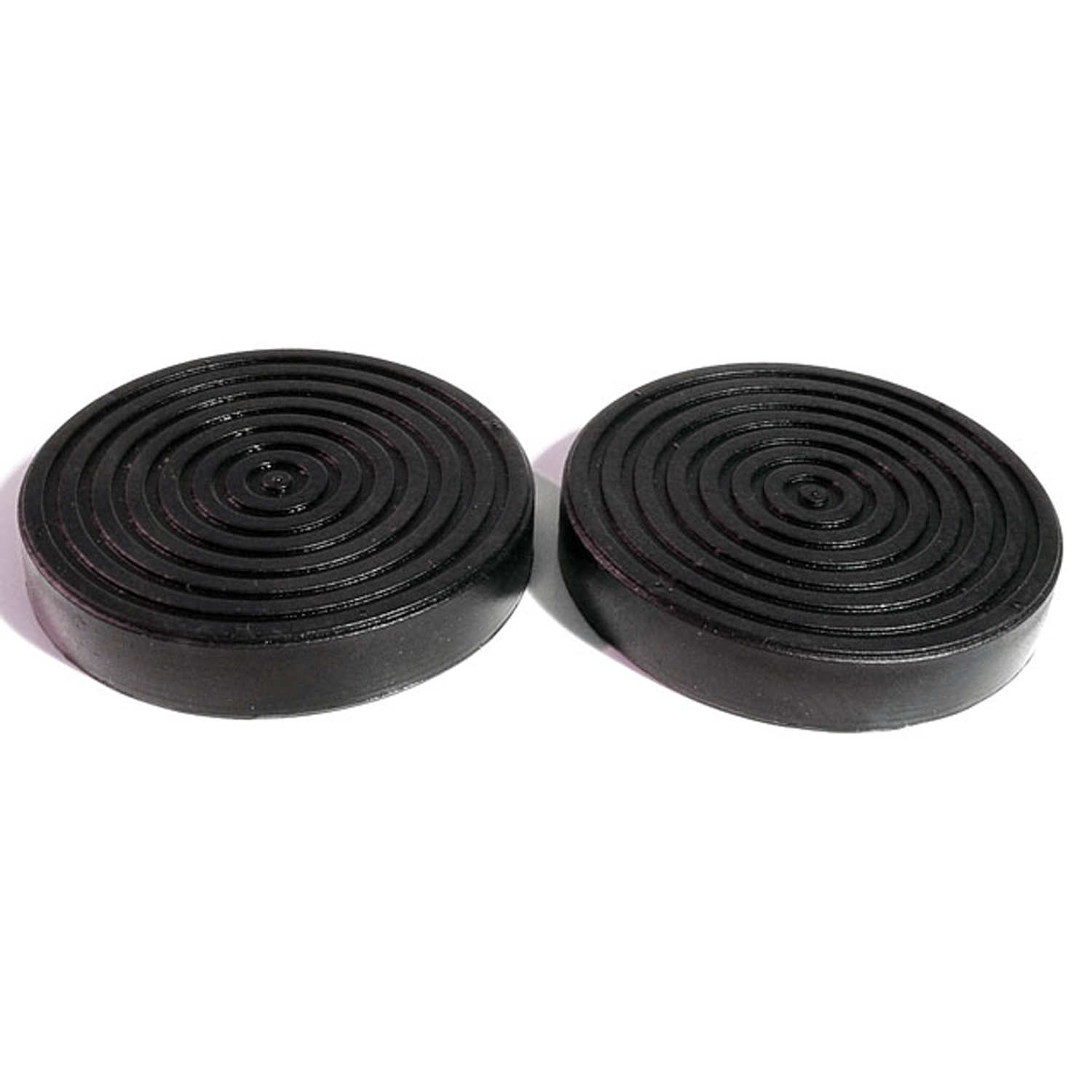 1963 Jeep CJ5 Clutch and Brake Pedal Pads. 3" Diameter. Pair-CB 61Clutch and Brake Pedal Pads. 3" Diameter. Pair
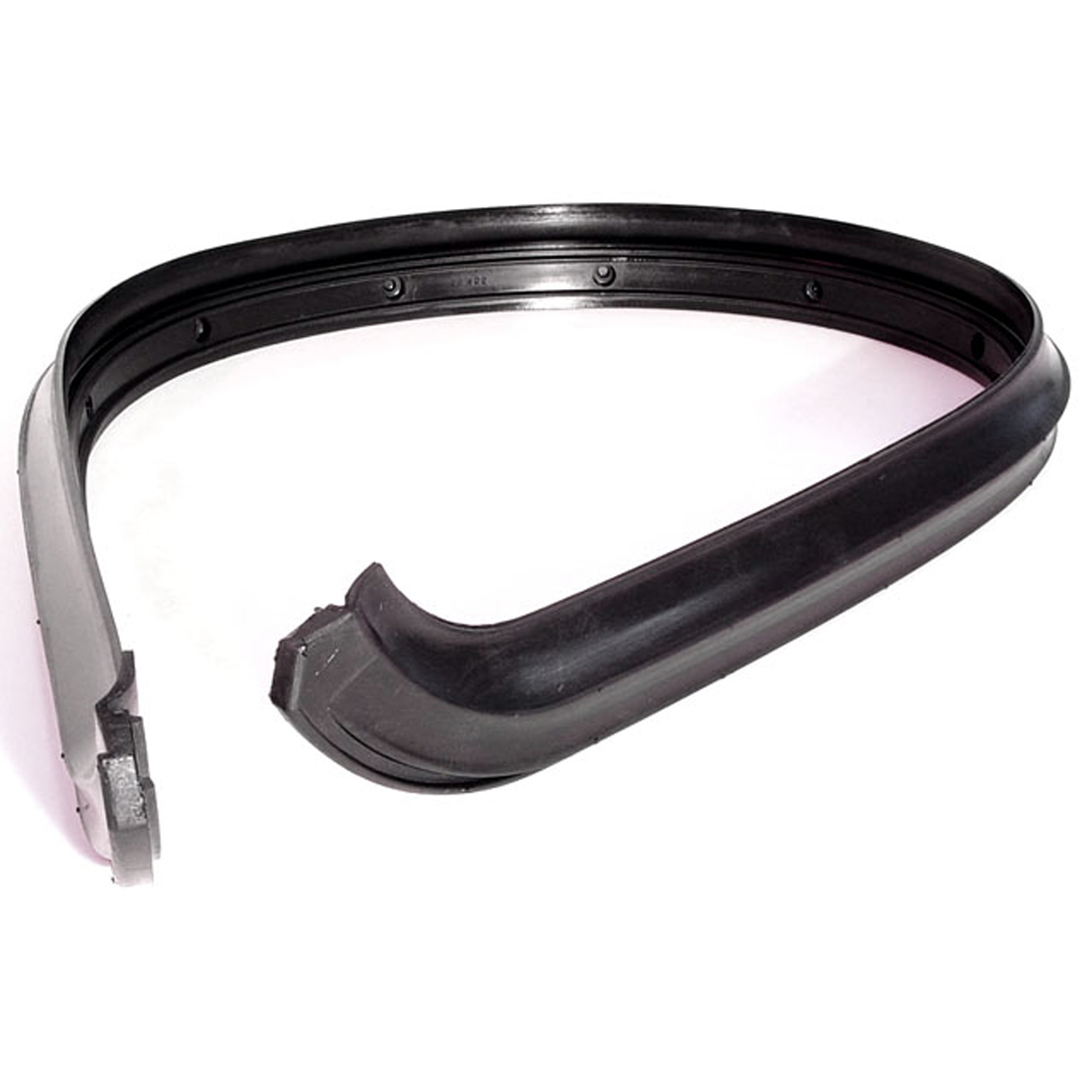 1963 Jeep CJ5 Windshield to Cowl Seal. 55-1/2" long. Each-CS 102Windshield to Cowl Seal. 55-1/2" long. Each
 1963 Jeep CJ5 Dust Boot. For vehicles with power take off. Each-RP 34-JDust Boot. For vehicles with power take off. Each
 1963 Jeep CJ5 Horn Button Cap, 1-1/4" O.D. Each-RP 600-JHorn Button Cap, 1-1/4" O.D. Each
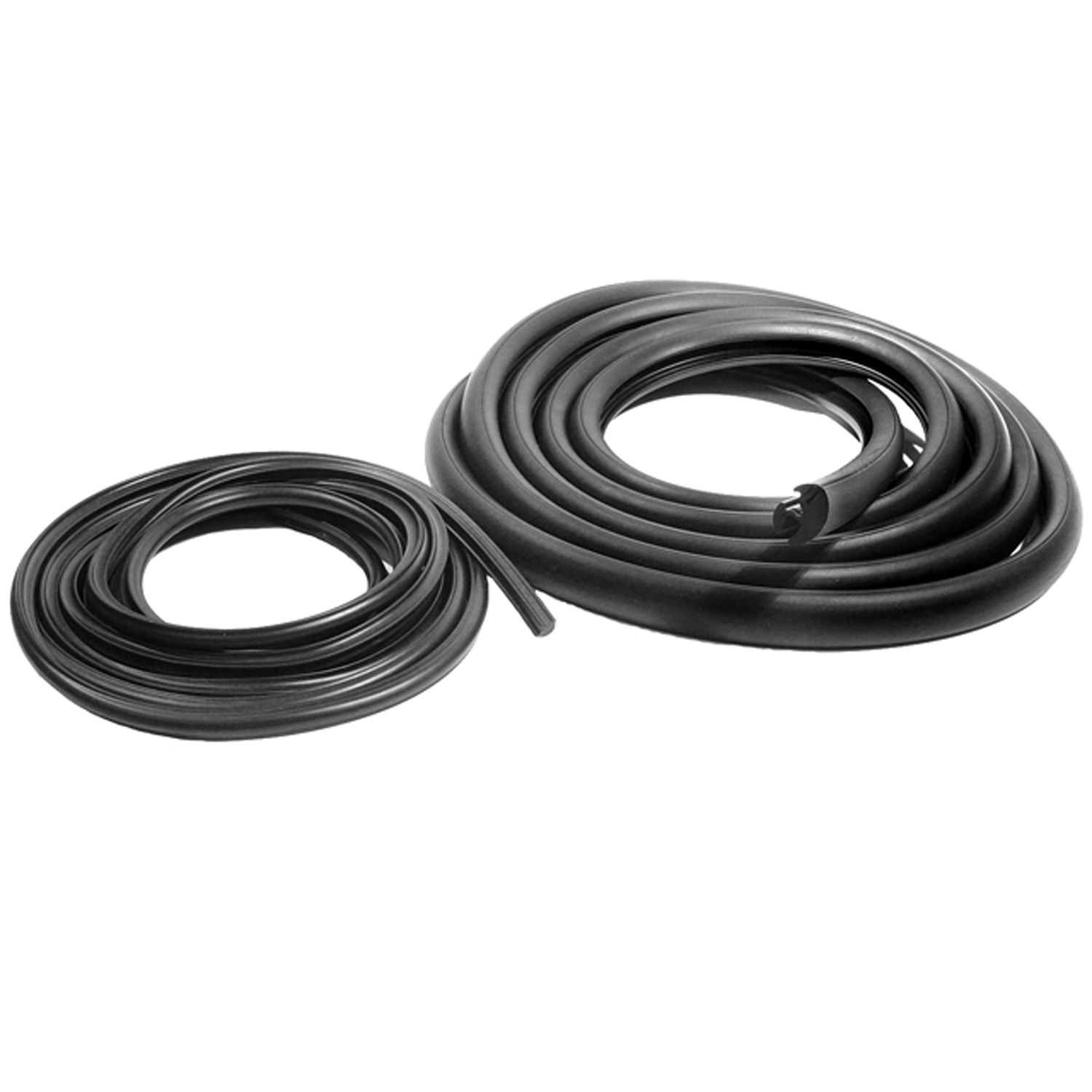 1963 Jeep CJ5 Vulcanized Windshield Seal with Lock-Strip. 144" Long each-VWS 1105Vulcanized Windshield Seal with Lock-Strip. 144" Long each. Each
Why Choose Metro?
For over 100 years, Metro Moulded Parts has been the pinnacle of quality in classic car restoration parts. Our commitment to precision and authenticity in every component ensures a perfect fit and an OEM-level appearance.
- Expert Craftsmanship & Quality: Each part is a testament to our dedication to reliability and perfection, crafted from original designs and thoroughly tested.
- Advanced Technology: We use cutting-edge techniques to create flawless, long-lasting parts that surpass others in performance.
- SuperSoft Sponge – The Ultimate Door Seal: Not only are our door seals 30% softer than competitors', but they're also guaranteed to never leak. They effectively reduce wind and road noise, enhancing your classic car's comfort and driving experience.
- Proudly American: Our parts are a product of American craftsmanship, made in the USA with a spirit of excellence and heritage.
- Unrivaled Warranty: We back our products with a 30-year industry-leading warranty, a testament to our confidence in their quality.
Join us in preserving the legacy of classic cars with parts that are crafted for perfection, not just made.