

Image of 1967 Jeep Wagoneer, Note: These illustrations use artistic license and may differ from actual historical models.
Performance Metrics
Fundamental Metrics
Emotional Appeal
MMP Rating
| Engine Specifications | |
|---|---|
| Engine Options: | 230 Tornado Inline-6, 327 Vigilante V8 |
| Displacement Range: | 230 cu in (3.8 L) for Inline-6, 327 cu in (5.4 L) for V8 |
| Horsepower Range: | 140 hp @ 4000 rpm for Inline-6, 250 hp @ 4700 rpm for V8 |
| Torque: | 210 lb-ft @ 1750 rpm for Inline-6, 340 lb-ft @ 2600 rpm for V8 |
| Compression Ratio: | 8.5:1 for Inline-6, 8.7:1 for V8 |
| Ignition System: | Conventional |
| Cooling System: | Liquid-cooled |
| Performance Specifications | |
| 0-60 Time: | 15 seconds |
| 1/4 Mile Time: | 20 seconds |
| Top Speed: | 100 mph |
| Transmission and Drive | |
| Drive Type: | 4WD |
| Transmission Type: | 3-speed manual, 3-speed automatic |
| Fuel and Efficiency | |
| Fuel System Type: | Carburetor |
| MPG: | 10-12 mpg |
| Dimensions and Brakes | |
| Brakes: | Drum brakes |
| Wheelbase: | 110 in |
| Weight: | 4200 lbs |
Note: Specifications for classic cars are given to the best of our ability, considering the limited and variant data available.
1967 Jeep Wagoneer: The SUV Before SUVs
The 1967 Jeep Wagoneer could carry the family to town, haul gear to a hunting camp, and keep moving after the pavement ran out, all without looking like a military vehicle. That mix of comfort, utility, and four-wheel-drive capability helped make the Wagoneer an early blueprint for the modern sport-utility vehicle.
Designed by industrial designer Brooks Stevens, the Wagoneer debuted for the 1963 model year under Willys Motors, the company behind the civilian Jeep. By 1967, Willys had become Kaiser Jeep, but the Wagoneer’s original formula remained: a full-size, body-on-frame station wagon with a practical cabin and available four-wheel drive. Its unusually long production life is another measure of its success. The original Wagoneer design stayed in production, with updates, until 1991.
One detail that set the model apart from many early 4x4s was its availability with an automatic transmission. Buyers could choose a family-friendly wagon that did not require them to operate a manual gearbox every time they ventured off-road. The 1967 model was not merely a basic work truck with windows added. It was built to serve as comfortable everyday transportation, too.
Wagoneer Styling and Cabin Design
The Wagoneer’s shape is square, upright, and unmistakably functional. A tall greenhouse gives passengers good outward visibility, while the broad hood, straight body sides, and nearly vertical tailgate make the wagon look ready for work. Its front end wears a simple grille and round headlights, with restrained chrome and bright trim depending on specification. The overall effect is purposeful rather than flashy, and that clean, honest styling has aged especially well.
Inside, the 1967 Wagoneer offered a more carlike environment than the rough-and-ready 4x4s many buyers knew. Trim and upholstery depended on the model and options, but interiors could include vinyl or cloth-and-vinyl seating, a padded dashboard, carpeting, and useful storage. Higher-spec versions and option packages added a more finished feel. The cabin was designed for passengers and cargo alike, with a broad rear compartment and a folding rear seat on applicable configurations.
Options could make the Wagoneer considerably more comfortable. Depending on equipment and market, buyers could order items such as an automatic transmission, power steering, power brakes, a radio, air conditioning, and upgraded interior trim. Those features matter today because surviving examples vary widely: one Wagoneer may be a straightforward utility wagon, while another feels like a well-equipped family cruiser.
Factory paint choices changed across model years and trim combinations. Period Wagoneers appeared in colors ranging from white and red to blue, green, yellow, and turquoise shades. Bright colors suit the truck’s cheerful, outdoorsy character, while white and darker tones give it a more understated look. Original paint codes and trim details are worth checking when judging a restoration.
1967 Body Styles and Options
The familiar four-door station wagon is the most recognizable 1967 Wagoneer. Its extra doors made it a practical choice for families, ranchers, and anyone who regularly carried passengers. Two-door wagons were also part of the broader Wagoneer lineup, offering a simpler, more utility-minded look. Availability and equipment could differ by configuration, so buyers researching a specific vehicle should confirm its body style against factory records where possible.
Wagoneers were sold in both two-wheel-drive and four-wheel-drive forms, though the four-wheel-drive version is the one most closely associated with the name today. The 4x4 models used a transfer case to send power to both axles when needed. For buyers who wanted extra traction without giving up the convenience of an automatic, the Wagoneer offered a notably modern combination for its era.
Engineering That Helped Define the SUV
The Wagoneer’s significance lies in how it brought together features that had often been separated. Traditional four-wheel-drive vehicles prioritized ruggedness and could be noisy, stiff, and demanding to drive. Large station wagons offered comfort and passenger space, but typically lacked serious off-road ability. The Wagoneer bridged those categories with a substantial frame, useful cargo capacity, available four-wheel drive, and a cabin designed for ordinary road use.
Its engineering was advanced in several ways for the early 1960s. The Wagoneer was among the first four-wheel-drive vehicles offered with an automatic transmission, and early versions were also notable for offering independent front suspension. By 1967, the exact equipment and suspension specification depended on configuration, but the model’s larger achievement was already clear: it made four-wheel drive more accessible to drivers who wanted a versatile family vehicle rather than a specialized off-road machine.
The Wagoneer did not invent the SUV category by itself, but it helped establish the full-size, comfortable 4x4 wagon as a desirable type of vehicle. Later competitors and generations of SUVs would pursue the same blend of passenger comfort, cargo room, and all-terrain ability. Its influence is visible in the expectation that a utility vehicle should work as a daily driver as well as an outdoor companion.
1967 Wagoneer Engine and Performance
For 1967, the Wagoneer lineup included AMC-sourced engines. The standard engine was generally the 232-cubic-inch inline-six, rated at roughly 145 horsepower, while an optional 327-cubic-inch Vigilante V8 delivered about 250 horsepower. Published figures can vary with factory rating methods and equipment, but the V8 was the choice for buyers who wanted stronger acceleration or planned to carry heavier loads.
A three-speed manual transmission was available, with an automatic offered as an option. Four-wheel-drive examples added a transfer case for selecting the appropriate drive mode. As with many period vehicles, axle gearing and transmission choice have a major effect on how a particular Wagoneer performs today. Restored trucks may also have been modified, so the original specification is not always the one currently under the hood.
Factory performance testing was not as consistently reported as it is for modern vehicles. As a practical estimate, a six-cylinder Wagoneer may take roughly 17 to 20 seconds to reach 60 mph, with a top speed in the neighborhood of 80 to 90 mph. A healthy V8 model could be quicker, perhaps reaching 60 mph in around 13 to 16 seconds and approaching 90 to 100 mph under favorable conditions. These are approximate period-vehicle estimates, not guaranteed factory figures. Neither engine was intended to make the Wagoneer a sports car.
What It Feels Like on the Road
The inline-six provides a steady, workmanlike soundtrack, while the V8 adds a deeper rumble and more relaxed passing power. The Wagoneer’s size and upright driving position give the driver a commanding view of the road. Steering and braking feel distinctly vintage, and the automatic transmission makes ordinary traffic less tiring than it would be in a manual-only 4x4.
On broken pavement, the suspension and tall tires are built more for durability and clearance than for crisp handling. Expect body movement over bumps and noticeable lean through corners. On winding roads, a Wagoneer rewards smooth inputs rather than quick steering corrections. Strong crosswinds can also make its tall body feel less settled than a modern SUV.
On gravel, snow, muddy access roads, or uneven tracks, the four-wheel-drive version feels much more at home. Its ground clearance and low-speed capability are useful, but old tires, worn suspension parts, and decades-old brakes can sharply affect safety and performance. A well-maintained example can be a relaxed classic touring vehicle; a neglected one can feel heavy, loose, and demanding.
Living With a 1967 Jeep Wagoneer
Today, owners use Wagoneers as weekend cruisers, vintage camping rigs, show vehicles, and occasional daily drivers. A sound example can handle local errands and scenic trips, but it is not a modern commuter in terms of fuel economy, braking, noise, or crash protection. Expect fuel consumption to be modest by today’s standards, especially with the V8 and four-wheel drive engaged regularly.
Many basic mechanical jobs are approachable for an experienced home mechanic. The engines and chassis use familiar, serviceable hardware, and there is a strong Jeep enthusiast community. Parts availability is generally better for common service items than for certain trim pieces, body panels, and model-specific interior details. Before buying, inspect the frame, floor pans, rocker panels, wheel arches, tailgate, and body mounts closely. Rust repair can cost far more than routine mechanical work.
Reliability depends heavily on maintenance and restoration quality. Cooling-system neglect, worn steering components, tired brakes, electrical faults, and transmission problems are common concerns in old vehicles. A pre-purchase inspection by a mechanic familiar with classic Jeeps is money well spent, especially if the truck has been modified or its service history is incomplete.
Wagoneer Facts and Common Criticisms
The Wagoneer’s long run is one of its most impressive claims to fame. Introduced for 1963, the original model family continued through 1991 under changing corporate ownership and with extensive updates. Kaiser Jeep was acquired by American Motors in 1970, but the Wagoneer’s basic identity proved durable enough to outlast the company that launched it.
The 1967 Wagoneer is sometimes described as an early luxury SUV, but that label needs context. It could be ordered with comfort features uncommon in many 4x4s, yet it remained a rugged, utilitarian vehicle by modern standards. Its major criticisms are familiar to owners of classic trucks: thirsty engines, slow acceleration, dated handling, a relatively noisy cabin, and a persistent risk of rust. The automatic transmission was a convenience, but it did not make the Wagoneer feel like a modern crossover.
There is no single verified production total commonly cited for every 1967 body style and drivetrain combination. A reasonable working estimate is that roughly 10,000 to 15,000 Wagoneers were built for the 1967 model year, though the exact figure should be treated as an estimate rather than a factory-certified count. They are not impossible to find, but clean, original examples are much less common than tired or modified ones.
1967 Jeep Wagoneer Values and Collectibility
Values depend on rust, originality, drivetrain, documentation, and restoration quality. As a broad current-market estimate, a project vehicle may sell for about $5,000 to $12,000. A usable driver in solid condition might fall around $15,000 to $30,000, while a well-restored example can reach roughly $35,000 to $60,000. Exceptional, carefully documented trucks may sell for more, while major rust or incomplete projects can fall below these ranges.
Interest in classic SUVs has supported Wagoneer values, particularly for original four-wheel-drive examples with attractive colors and period-correct equipment. The market is not uniform: condition and quality of workmanship matter more than simply having a V8 or a rare option. Long-term, the 1967 Wagoneer appears to be appreciating as collectors recognize its place in SUV history, although individual prices still rise and fall with broader classic-car demand.
Why the 1967 Wagoneer Still Matters
The 1967 Jeep Wagoneer combined full-size wagon practicality with genuine four-wheel-drive capability at a time when those qualities rarely came together in one vehicle. Its upright styling, useful interior, available V8, and automatic-transmission option made it a versatile alternative to both the basic 4x4 and the conventional family wagon.
It is not fast, economical, or effortless by modern standards. Its appeal is more substantial than that: the Wagoneer helped establish the idea that a four-wheel-drive vehicle could be comfortable enough for everyday life. More than half a century later, that simple but influential idea still defines the SUV.
1967 Jeep Wagoneer Catalog of Parts
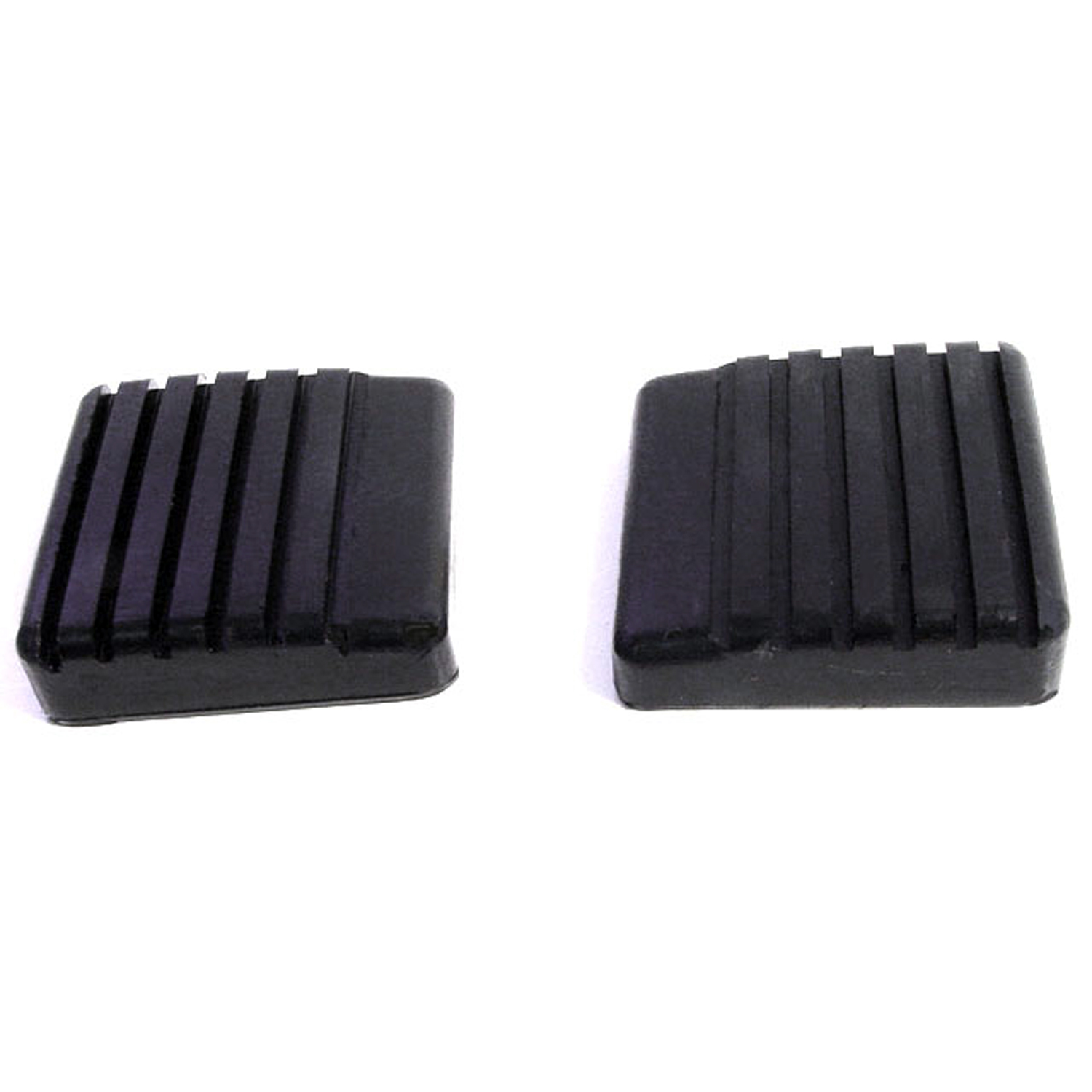 1967 Jeep Wagoneer Clutch and Brake Pedal Pads. Pair-CB 61-BClutch and Brake Pedal Pads. Pair
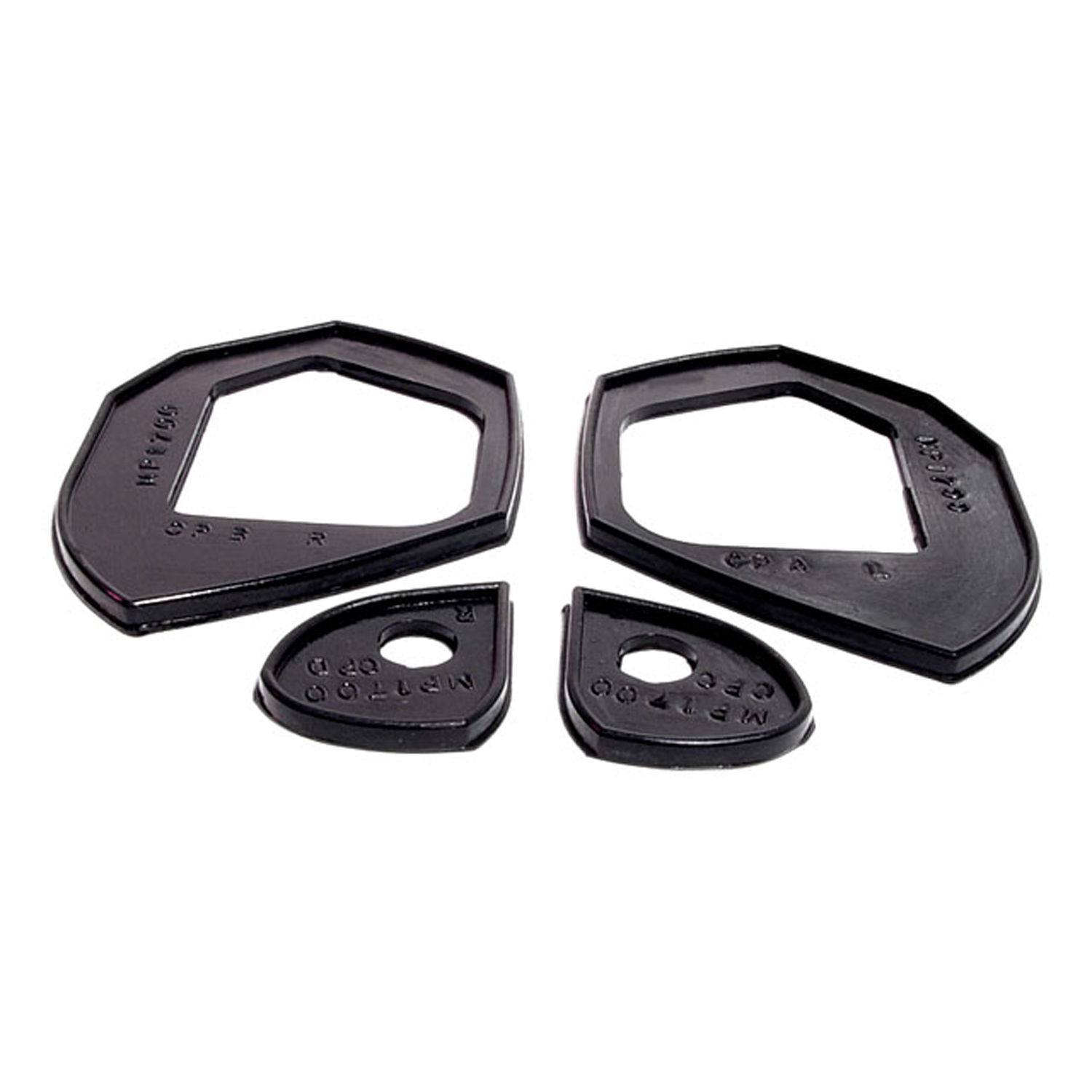 1967 Jeep Wagoneer Door handle mounting pads. 4-piece set. R&L.-MP 1700Door handle mounting pads. 4-piece set. R&L.
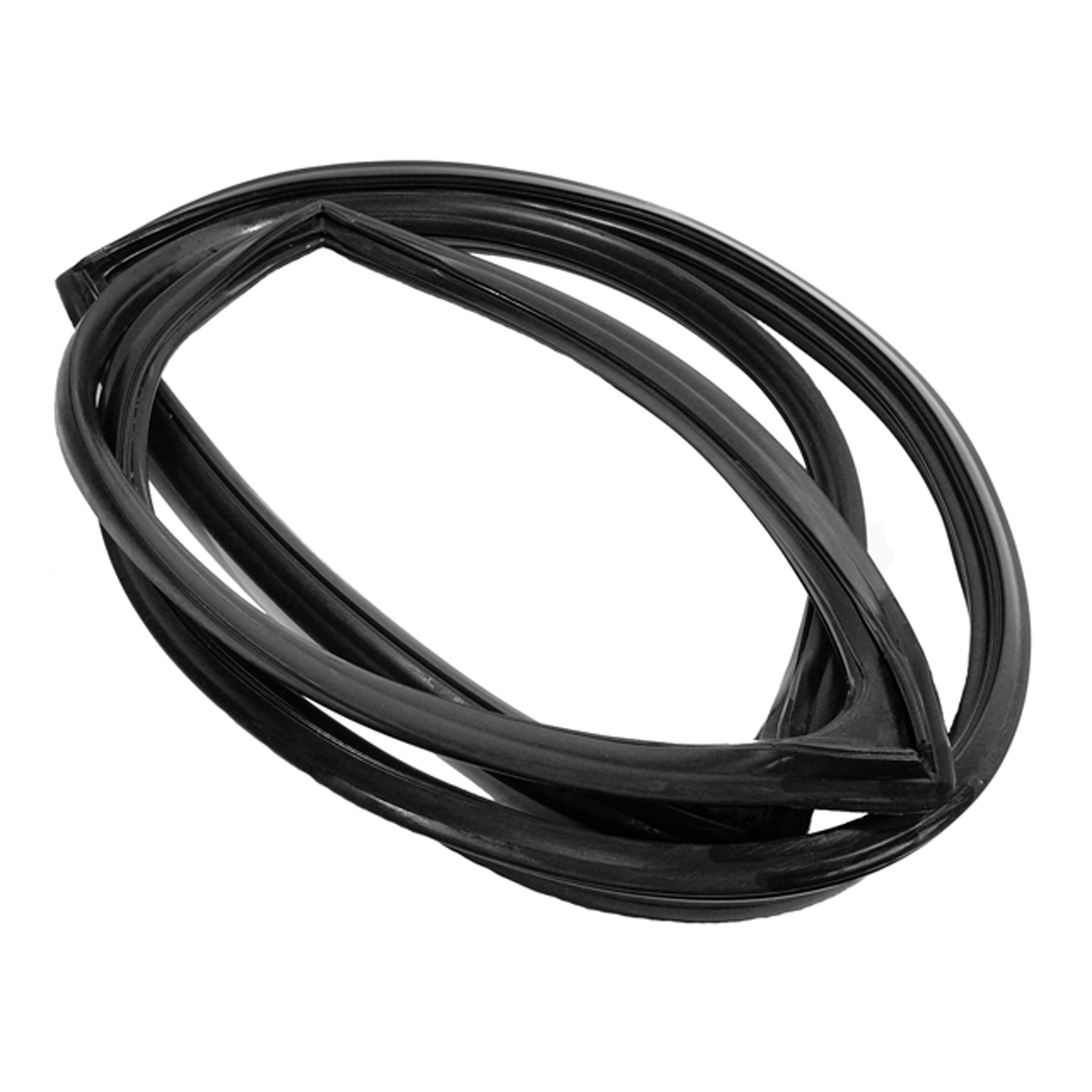 1967 Jeep Wagoneer Vulcanized Windshield Seal. 164-1/4" Long. Each-VWS 0643Vulcanized Windshield Seal. 164-1/4" Long. Each
Why Choose Metro?
For over 100 years, Metro Moulded Parts has been the pinnacle of quality in classic car restoration parts. Our commitment to precision and authenticity in every component ensures a perfect fit and an OEM-level appearance.
- Expert Craftsmanship & Quality: Each part is a testament to our dedication to reliability and perfection, crafted from original designs and thoroughly tested.
- Advanced Technology: We use cutting-edge techniques to create flawless, long-lasting parts that surpass others in performance.
- SuperSoft Sponge – The Ultimate Door Seal: Not only are our door seals 30% softer than competitors', but they're also guaranteed to never leak. They effectively reduce wind and road noise, enhancing your classic car's comfort and driving experience.
- Proudly American: Our parts are a product of American craftsmanship, made in the USA with a spirit of excellence and heritage.
- Unrivaled Warranty: We back our products with a 30-year industry-leading warranty, a testament to our confidence in their quality.
Join us in preserving the legacy of classic cars with parts that are crafted for perfection, not just made.