

Image of 1969 Jeep J-3700, Note: These illustrations use artistic license and may differ from actual historical models.
Performance Metrics
Fundamental Metrics
Emotional Appeal
MMP Rating
| Engine Specifications | |
|---|---|
| Engine: | AMC 232, AMC 258, AMC 304, AMC 360, AMC 401 |
| Displacement: | 232-401 cu in (3.8-6.6 L) |
| Horsepower: | 100-215 hp |
| Torque: | 185-320 lb-ft |
| Compression Ratio: | 8.0:1 - 8.5:1 |
| Ignition System: | Conventional, breaker point |
| Cooling System: | Liquid-cooled |
| Performance Specifications | |
| 0-60 Time: | Estimated 10-15 seconds |
| 1/4 Mile Time: | Estimated 17-22 seconds |
| Top Speed: | 80-90 mph |
| Transmission and Drive | |
| Drive Type: | 4WD |
| Transmission Type: | 3-speed manual, 4-speed manual, 3-speed automatic |
| Fuel and Efficiency | |
| Fuel System Type: | Carburetor |
| MPG: | Estimated 10-15 mpg |
| Dimensions and Brakes | |
| Brakes: | Front disc, rear drum |
| Wheelbase: | 119 inches |
| Weight: | 3,500-4,500 lbs |
Note: Specifications for classic cars are given to the best of our ability, considering the limited and variant data available.
1969 Jeep J-3700: A Full-Size 4x4 Built for Work
The 1969 Jeep J-3700 was a full-size pickup with a practical streak and genuine off-road hardware, built for owners who needed a truck to earn its keep long after the pavement ended. It came from Kaiser Jeep Corporation, the company behind Jeep’s growing range of civilian four-wheel-drive vehicles. The J-3700 belonged to the J-series pickup family, a line that evolved from the Jeep Gladiator introduced in 1962.
Its timing makes it an interesting chapter in Jeep history. Kaiser Jeep still owned the brand in 1969, but American Motors Corporation (AMC) acquired Kaiser’s Jeep operations in 1970. The truck therefore sits just before a major corporate change, while its design and engineering reflect Jeep’s push to make four-wheel-drive pickups more comfortable and versatile without abandoning their work-truck roots. One especially notable detail: the J-series’ Gladiator name was eventually retired, but Jeep revived it decades later for its modern midsize pickup.
J-3700 Design and Cabin
The J-3700 had the unmistakable proportions of a traditional American pickup: a long, flat hood, upright cab, broad front fenders and a tall stance. Its period-correct grille and simple rectangular bodywork looked purposeful rather than decorative. The high ground clearance, chunky tires and exposed utility of the chassis made its four-wheel-drive capability easy to read at a glance. It was a substantial truck, with a 132-inch wheelbase commonly associated with the J-3700 designation.
Inside, the emphasis was on durability. A wide bench seat, vinyl upholstery, painted metal surfaces and a rubber floor were typical of the era’s working pickups. The cabin was straightforward, with large, legible controls and plenty of room for a driver wearing work clothes or boots. Depending on equipment, buyers could add conveniences such as a heater, radio, power steering, power brakes or an automatic transmission. Exact equipment varied by truck, so surviving examples can differ considerably.
Factory paint choices changed with the year and market, but period Jeep trucks appeared in colors such as white, red, blue, green, yellow and earth tones. White and red trucks are among the colors often seen today, though original paint codes and trim should be checked against the truck’s documentation. A well-preserved original color can add appeal to a restoration, particularly when the cab, bed and interior still match.
The J-series was offered in different wheelbase and payload configurations, with bed and chassis options depending on the model. Conventional pickup beds were the most recognizable setup, while chassis-cab and other utility configurations served commercial buyers. The J-3700’s long wheelbase made it a natural fit for a full-size bed and heavier-duty work. Options varied over the range, so not every body or bed style was available on every exact configuration.
Engineering That Set It Apart
The J-3700’s strongest distinction was its combination of full-size truck utility and genuine four-wheel-drive engineering. Many pickups of the period were primarily road-going work vehicles, while Jeep had built its reputation around traction and access to difficult terrain. A J-3700 could be ordered in two-wheel drive or four-wheel drive, and four-wheel-drive examples used a separate transfer case to send power to the front axle. That hardware made the truck useful on muddy job sites, snowy roads and rough ranch tracks.
Engine choices depended on configuration and production details. Six-cylinder power was available, while V8-equipped trucks offered stronger pulling performance. A 350-cubic-inch AMC V8 was among the possibilities for the period, but buyers should verify the engine in any particular truck rather than assuming it is original. Transmission and axle combinations also varied. Compared with more comfort-focused pickups, the Jeep’s appeal was less about novel luxury technology and more about putting rugged four-wheel-drive capability into a practical, full-size package.
The J-3700 did not create the modern pickup, but it helped establish a durable formula: a useful cab and bed paired with serious off-road equipment. That blend remains central to the appeal of trucks such as today’s Jeep Gladiator and other 4x4 pickups.
Performance and Road Manners
There is no single reliable performance figure for every 1969 J-3700. Engine, transmission, axle ratio, tire size, condition and load all make a substantial difference, and period factory performance data is not as comprehensive as it is for passenger cars. As a broad estimate, a healthy V8 truck might reach 60 mph in roughly 14 to 18 seconds. A six-cylinder version would generally be slower, especially with a heavy load or low gearing. Depending on its setup, an unloaded truck might manage a top speed in the neighborhood of 80 to 95 mph, though it was happiest cruising at more modest speeds.
On the road, expect a truck-like experience. The long wheelbase helps it feel settled on open roads, but the solid-axle suspension and work-oriented tires transmit bumps and broken pavement into the cabin. On winding roads, the J-3700 feels tall and substantial rather than nimble. Steering can be heavy on trucks without power assistance, and old tires or worn suspension components can make the handling feel less precise than a modern pickup.
A V8 gives the truck a deep, relaxed exhaust note and useful low-speed pulling power. The six-cylinder has a simpler, more measured character. Either way, the driver is involved: the steering, brakes and transmission ask for more attention than those of a contemporary vehicle. In return, the J-3700 offers a direct, mechanical feel that is part of its classic-truck charm.
Living With a J-3700
Owners use surviving J-3700s as weekend drivers, farm and ranch trucks, restoration projects, vintage 4x4s and show vehicles. A sound example can still handle light hauling and occasional utility work, but many owners preserve them rather than subjecting valuable original trucks to daily abuse. Modern traffic, fuel costs, braking distances and limited crash protection are practical reasons to think carefully before making one a regular commuter.
Routine maintenance is generally approachable for someone comfortable working on older vehicles. The mechanical layout is comparatively straightforward, and many service jobs do not require specialized electronic diagnostic tools. Parts availability is mixed: common service items and some drivetrain components can be sourced through vintage Jeep and specialist suppliers, while model-specific trim, body pieces and certain original components may take more searching. Rust in the cab, floors, bed and frame, along with tired steering or worn axles, can turn an inexpensive project into an expensive one.
As with any nearly six-decade-old truck, condition matters more than reputation. Check the frame, suspension mounting points, cab corners, floorboards, bed seams and windshield area for corrosion. On four-wheel-drive examples, inspect the transfer case, front axle and hubs, and confirm that four-wheel drive engages correctly. A thorough inspection before purchase is usually worth far more than chasing a truck with a low asking price.
J-3700 Facts and Common Criticisms
The J-3700 is part of the lineage that began with the Jeep Gladiator pickup, introduced for the 1963 model year. The Gladiator name disappeared from the J-series during the 1970s, but Jeep brought it back for its 2020 midsize pickup. That revival gives the old J-truck an unusual connection to a modern model, even though the two generations are very different vehicles.
No widely recognized speed or endurance record belongs specifically to the 1969 J-3700. Its historical achievement is more practical: it helped make a capable four-wheel-drive pickup a credible alternative to a conventional work truck. The model is not commonly associated with a single celebrity owner or a major public event, and claims of rare celebrity connections should be supported with documentation.
Common criticisms are familiar to anyone who has driven a vintage work truck: modest acceleration, substantial fuel consumption, old-fashioned braking and steering, a noisy cabin and a firm ride. Rust and the difficulty of finding correct trim can also frustrate restorers. These drawbacks are part of the period design, not evidence that the truck was poorly suited to its original purpose.
Collector Values and Rarity
There is no dependable, widely published production total for the 1969 J-3700 alone. Jeep’s published figures generally do not break production down neatly by this exact model and equipment combination. As a rough estimate rather than a factory count, production may have been in the low thousands, perhaps around 1,000 to 3,000 trucks for the model year. The estimate should be treated cautiously: surviving records and production totals for the wider J-series are not a precise substitute for a J-3700 count.
J-3700s are uncommon in today’s classic-truck market, particularly in original, rust-free condition. They are less frequently encountered than many popular Ford, Chevrolet and Dodge pickups of the same era, but they are not so scarce that a determined buyer will never find one. Availability tends to be regional, and trucks with correct four-wheel-drive components, solid bodies and documented history attract the most interest.
As a broad U.S. market guide, a rough project may sell for about $3,000 to $7,000, while a running driver in usable condition may bring roughly $8,000 to $15,000. A well-restored or particularly original example can reach around $18,000 to $30,000 or more, depending on engine, drivetrain, body condition and quality of work. These are estimates, not guaranteed sale prices, and exceptional examples or unusually rusty trucks can fall well outside the range.
Values have generally strengthened as interest in vintage 4x4s has grown, though J-3700 prices remain more condition-sensitive than those of the most celebrated classic pickups. The best examples are likely to hold attention, while rough projects can be costly to restore relative to their finished value. Buyers should prioritize sound metal, correct parts and a clear history over ambitious claims of rarity.
Why the 1969 Jeep J-3700 Still Matters
The 1969 Jeep J-3700 brought together a spacious full-size pickup body, straightforward mechanicals and the four-wheel-drive expertise that defined the Jeep name. It was built to work, not to chase performance records, and its rugged character still comes through in the tall stance, simple cabin and purposeful drivetrain.
For collectors, it offers a distinctive alternative to more familiar American pickups and a direct link between the original Gladiator era and Jeep’s modern truck identity. A good J-3700 is more than an old workhorse: it is a reminder that capability, practicality and character have been part of Jeep’s pickup story for generations.
1969 Jeep J-3700 Catalog of Parts
 1969 Jeep J-3700 Shock Absorber Grommet. 1" bottom O.D-BN 11Shock Absorber Grommet. 1" bottom O.D., 3/4" high, with 5/8" I.D. Each
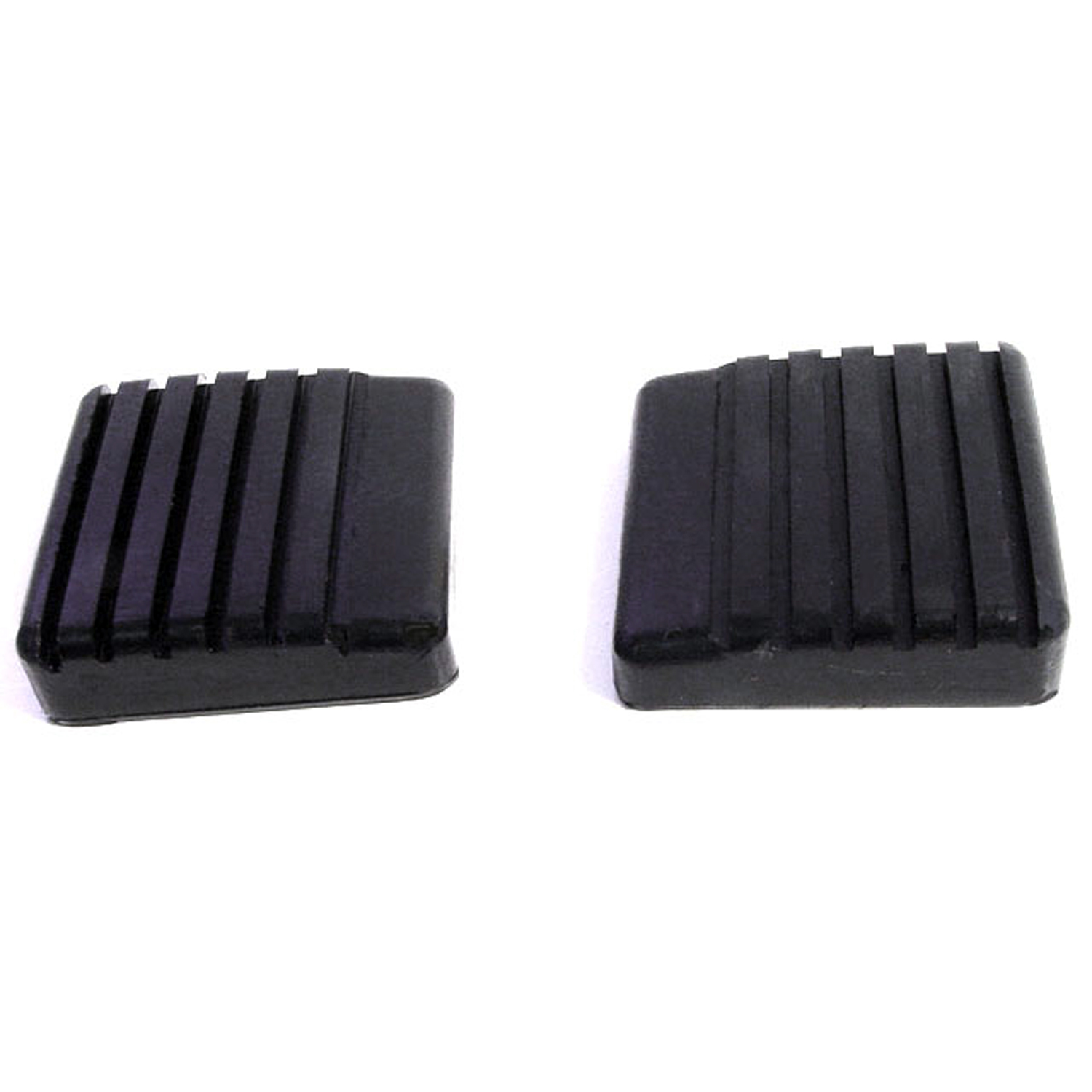 1969 Jeep J-3700 Clutch and Brake Pedal Pads. Pair-CB 61-BClutch and Brake Pedal Pads. Pair
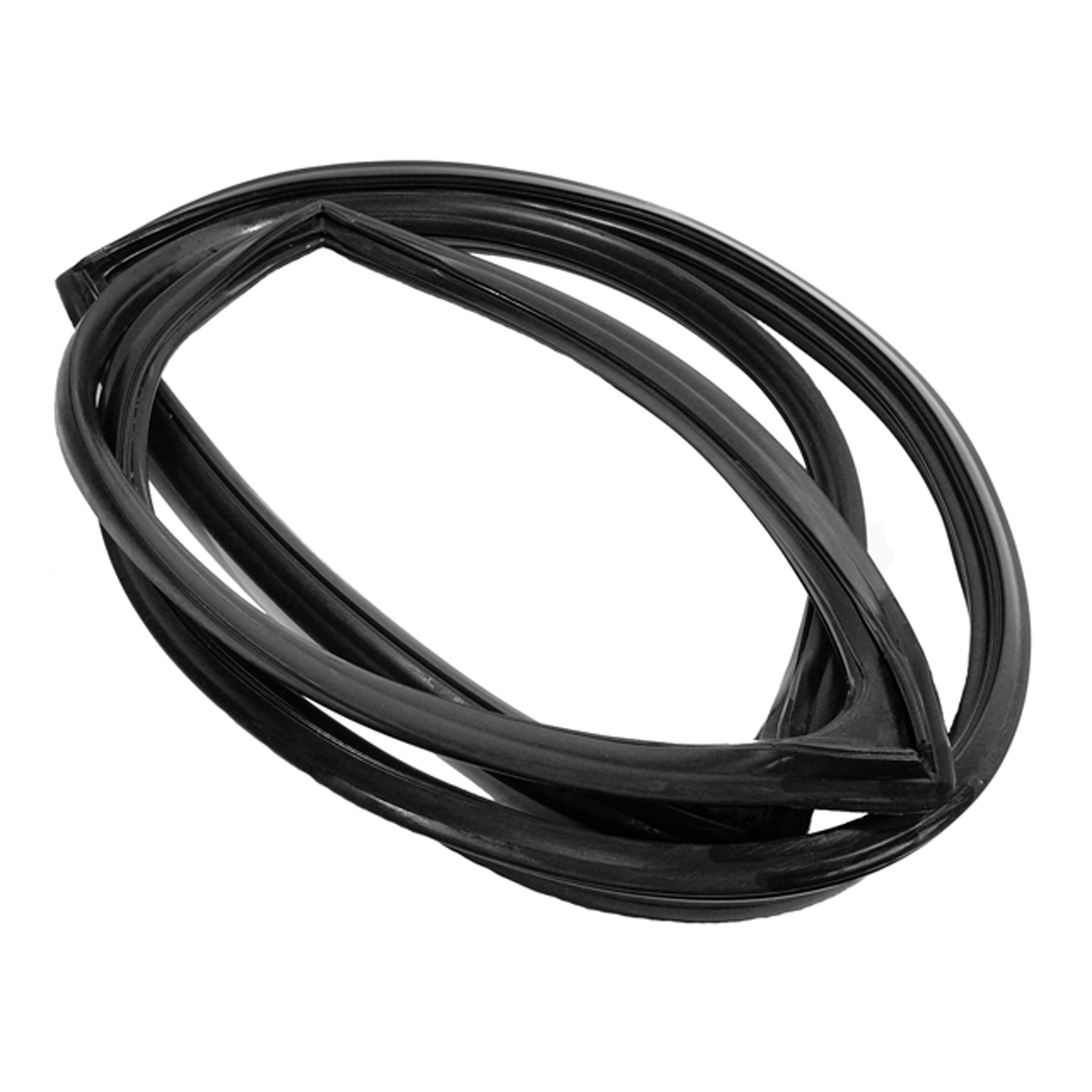 1969 Jeep J-3700 Vulcanized Windshield Seal. 164-1/4" Long. Each-VWS 0643Vulcanized Windshield Seal. 164-1/4" Long. Each
Why Choose Metro?
For over 100 years, Metro Moulded Parts has been the pinnacle of quality in classic car restoration parts. Our commitment to precision and authenticity in every component ensures a perfect fit and an OEM-level appearance.
- Expert Craftsmanship & Quality: Each part is a testament to our dedication to reliability and perfection, crafted from original designs and thoroughly tested.
- Advanced Technology: We use cutting-edge techniques to create flawless, long-lasting parts that surpass others in performance.
- SuperSoft Sponge – The Ultimate Door Seal: Not only are our door seals 30% softer than competitors', but they're also guaranteed to never leak. They effectively reduce wind and road noise, enhancing your classic car's comfort and driving experience.
- Proudly American: Our parts are a product of American craftsmanship, made in the USA with a spirit of excellence and heritage.
- Unrivaled Warranty: We back our products with a 30-year industry-leading warranty, a testament to our confidence in their quality.
Join us in preserving the legacy of classic cars with parts that are crafted for perfection, not just made.