

Image of 1969 Jeep J-3800, Note: These illustrations use artistic license and may differ from actual historical models.
Performance Metrics
Fundamental Metrics
Emotional Appeal
MMP Rating
| Engine Specifications | |
|---|---|
| Engine Options: | AMC 232, AMC 258, AMC 304, AMC 360, AMC 401 |
| Displacement Range: | 232-401 cu in (3.8-6.6 L) |
| Horsepower Range: | 100-255 hp |
| Torque: | 185-345 lb-ft |
| Compression Ratio: | 8.0:1 - 8.5:1 |
| Ignition System: | Conventional, breaker point |
| Cooling System: | Liquid-cooled |
| Performance Specifications | |
| 0-60 Time: | Estimated 10-15 seconds |
| 1/4 Mile Time: | Estimated 17-20 seconds |
| Top Speed: | 80-90 mph |
| Transmission and Drive | |
| Drive Type: | 4WD |
| Transmission Type: | 3-speed manual, 4-speed manual, 3-speed automatic |
| Fuel and Efficiency | |
| Fuel System Type: | Carburetor |
| MPG: | Estimated 10-15 mpg |
| Dimensions and Brakes | |
| Brakes: | Front disc, rear drum |
| Wheelbase: | 119 in (3,023 mm) |
| Weight: | 3,500-4,500 lbs |
Note: Specifications for classic cars are given to the best of our ability, considering the limited and variant data available.
1969 Jeep J-3800: The Heavy-Duty Gladiator
The 1969 Jeep J-3800 was built for work that could overwhelm an ordinary pickup, combining a stout one-ton platform with the rugged character of Jeep’s four-wheel-drive trucks. Made by Kaiser Jeep Corporation, it belonged to the J-Series Gladiator family, a line introduced in 1962 and closely related to the Wagoneer. The J-3800 is less familiar today than a Ford F-Series or Chevrolet C/K, but its unusual blend of truck-grade capacity and Jeep engineering makes it a distinctive slice of American pickup history.
One detail that helps explain the J-3800’s appeal is its place near the top of the Gladiator range. The model designation identified a heavier-duty truck than the more commonly encountered J-3000, and the J-3800 could be ordered as a pickup or in chassis-and-cab form for commercial bodies. Exact equipment depended on the original order, so two surviving trucks can look quite different even when they share the same badge.
Gladiator Styling and Cab Details
The J-3800 wore the square-shouldered lines typical of late-1960s pickups, but Jeep gave the Gladiator its own unmistakable face. A broad grille sat between prominent headlamps, while the hood and front fenders formed a clean, level profile. The design was practical rather than decorative: big panels, upright glass and a commanding cab made the truck look ready for a jobsite, farm or forest road.
Depending on configuration, the J-3800 could have a conventional pickup bed or a cab-and-chassis setup ready for a service body, stake bed, utility box or other commercial equipment. Gladiator pickups were offered with Townside and Thriftside bed designs. The Townside had the more familiar flat-sided appearance, while the Thriftside used sculpted rear fenders that gave the bed a more distinctive profile. Availability and combinations varied by model year and order.
Inside, the cabin was straightforward and durable. A wide bench seat, simple door trim and a metal dashboard reflected the truck’s work-first purpose. Materials were generally utilitarian, with vinyl upholstery and hard-wearing surfaces that were easier to clean than luxury-car trim. The driver faced clear, conventional gauges and easy-to-reach controls, although the cab’s noise insulation and comfort were modest by modern standards. Depending on equipment, buyers could add items such as upgraded trim, a radio, heater and power steering.
Factory paint choices changed over time and could vary with trim and commercial orders. Period trucks were offered in a range of work-truck and brighter colors, with white, red, blue and green among the hues seen on surviving examples. White is a common sight on restored trucks, while vivid period colors can make a particularly striking show vehicle. A vehicle’s current color does not necessarily confirm its original factory finish, so collectors often check paint layers and build records where available.
Engineering for Work and Rough Roads
The J-3800’s main innovation was not a single flashy gadget. Its appeal came from the way Jeep combined a heavy-duty chassis, available four-wheel drive and a broad range of body configurations in one truck line. The Gladiator shared its basic architecture with the Wagoneer, helping Jeep apply passenger-vehicle design and manufacturing ideas to a working pickup. Four-wheel drive was a major selling point for buyers who needed traction beyond paved roads, while the one-ton positioning made the J-3800 suitable for demanding commercial use.
Most examples used a conventional body-on-frame layout with solid axles and leaf springs, a durable arrangement suited to hauling and rough service. Depending on configuration, buyers could choose two-wheel drive or four-wheel drive, as well as different transmission and axle combinations. Engine availability included Jeep’s six-cylinder choices and the 327-cubic-inch Vigilante V8; exact offerings depended on the truck’s specification and market. Manual transmissions were common, with other transmission options available on some configurations.
That combination made the J-3800 less refined than a modern pickup, but also relatively straightforward in concept. There were no electronic driving aids or complicated onboard systems to diagnose. Its key technologies were mechanical: a rugged frame, heavy-duty running gear and, on four-wheel-drive versions, a transfer case that sent power to both axles.
Why the J-3800 Stood Apart
By 1969, the American pickup market was expanding rapidly, with Chevrolet, Ford, Dodge and International all competing for buyers. Jeep’s strength was its established reputation for off-road capability. The J-3800 took that identity into the one-ton class, giving businesses and rural owners a truck that could be tailored for serious work and ordered with four-wheel drive.
The Gladiator family also helped establish a design direction that continued through later Jeep pickups. Its shared roots with the Wagoneer showed that a truck could use a common platform with a more passenger-oriented vehicle, even if the J-3800 itself remained a utilitarian machine. The broader idea of combining useful payload capacity with genuine off-road ability would become a defining feature of many later four-wheel-drive pickups.
The J-3800 did not outsell the major domestic truck lines, and it did not create a new category on its own. Its significance is more specific: it represents Jeep’s effort to serve commercial and heavy-duty buyers without giving up the brand’s four-wheel-drive identity. That purpose-built character is a large part of its appeal to collectors today.
J-3800 Performance and Road Manners
There is no single performance figure that describes every 1969 J-3800. Engine, transmission, axle ratio, tire size, body style and load all made a difference, and period factory acceleration figures are not consistently available for every configuration. As a broad road-going estimate, a healthy V8-powered truck might reach 60 mph in roughly 16 to 22 seconds. Six-cylinder trucks could take longer, particularly when loaded. Depending on gearing and condition, an unloaded truck’s practical top speed might fall around 70 to 85 mph, but these figures should be treated as estimates rather than factory ratings.
On the road, the J-3800 feels like the heavy-duty truck it is. The steering is slower and less precise than that of a modern pickup, and a stiff, empty suspension can send sharp bumps through the cab. Add cargo and the ride generally settles down, though the truck remains more comfortable at a measured pace than at highway speed. On a winding road, its size, weight and work-oriented tires encourage smooth inputs rather than quick cornering.
Four-wheel-drive versions come into their own on dirt, snow and muddy tracks, where low-speed traction matters more than acceleration. The driver feels closely connected to the machinery: the engine’s steady mechanical note, the movement of the gear lever and the weight of the steering all make the truck’s operation an active experience. It is not quiet or effortless by current standards, but that directness is part of the charm.
Living With a 1969 Jeep Truck
Today, J-3800s are most often used as weekend drivers, farm trucks, vintage workhorses and show vehicles. Some are restored to factory-style pickup form, while others retain service bodies or period commercial equipment. A well-sorted example can still handle light hauling and local driving, but many owners preserve them rather than subjecting a scarce old truck to constant heavy work.
Maintenance is approachable for an owner comfortable with older vehicles. The mechanical layout is comparatively simple, and common service work does not require modern diagnostic equipment. Parts support is helped by the wider Jeep community and by components shared with other Jeep trucks or period vehicles. However, some model-specific trim, body panels and heavy-duty pieces can be difficult to find, and a complete restoration may require patience and specialist help.
Rust is a major concern. Inspect the frame, cab floors, rocker panels, bed, wheel openings and body mounts, paying close attention to old repairs and hidden corrosion. Also check the transfer case and axles on four-wheel-drive trucks, and verify that the engine, transmission and gearing suit the vehicle’s intended use. A neglected J-3800 can quickly become an expensive project, while a carefully maintained truck is generally easier to keep on the road than its age and size might suggest.
J-3800 Facts and Common Criticisms
The J-3800 was not a celebrity-driven special edition or a record-setting speed truck. Its notable story is its working role: it could be ordered in configurations aimed at farms, businesses and municipal fleets, including chassis-and-cab forms that went far beyond the standard pickup bed. That variety is one reason surviving examples can differ so much from one another.
There is no dependable, widely published production total for the 1969 J-3800 alone. As a rough estimate, several thousand may have been built, perhaps around 1,000 to 3,000, but that is a collector-oriented guess rather than a confirmed factory figure. The precise number is difficult to establish because model-specific production records are limited and trucks were sold in multiple configurations.
Common criticisms are familiar to anyone who has driven a vintage one-ton truck: the ride can be firm, the cabin is noisy, fuel economy is poor by modern standards, and highway performance is modest. Parts availability is another challenge, particularly for uncommon body and trim pieces. Those drawbacks are balanced by a sturdy mechanical character and the ability to go places where a two-wheel-drive work truck may struggle.
Collector Value and Market Outlook
Values depend heavily on rust, originality, mechanical condition, drivetrain and body style. As a broad 2026 guide, a rough project may sell for about $2,000 to $7,000. A running driver in usable condition might bring roughly $8,000 to $20,000, while a well-restored or unusually original example could reach $25,000 to $45,000 or more. Exceptional restorations, rare commercial configurations and documented trucks can exceed those ranges, while severe corrosion can pull a vehicle well below them.
The J-3800 is uncommon compared with mainstream pickups, but it is not possible to call every example exceptionally rare without knowing its exact configuration and history. Good trucks appear on the market periodically, although finding one that is both solid and complete can take time. Values for desirable vintage 4x4s have generally strengthened over the long term, and the J-3800 has benefited from growing interest in classic Jeep trucks. Prices can still vary sharply with condition, restoration quality and local demand.
For buyers, the best value is usually a structurally sound truck with a documented history, even if its paint and interior are not perfect. A shiny restoration with hidden rust or poorly sourced parts can be a riskier purchase than an honest, mechanically healthy driver.
A Working Jeep With Lasting Character
The 1969 Jeep J-3800 combined one-ton capability, configurable commercial bodies and the option of four-wheel drive in a distinctly Jeep package. Its plain cabin and work-focused ride may not suit everyone, but its mechanical simplicity and rugged purpose are exactly what make it memorable. More than half a century later, the J-3800 stands as a reminder that a pickup can be both a practical tool and a compelling piece of automotive history.
1969 Jeep J-3800 Catalog of Parts
 1969 Jeep J-3800 Shock Absorber Grommet. 1" bottom O.D-BN 11Shock Absorber Grommet. 1" bottom O.D., 3/4" high, with 5/8" I.D. Each
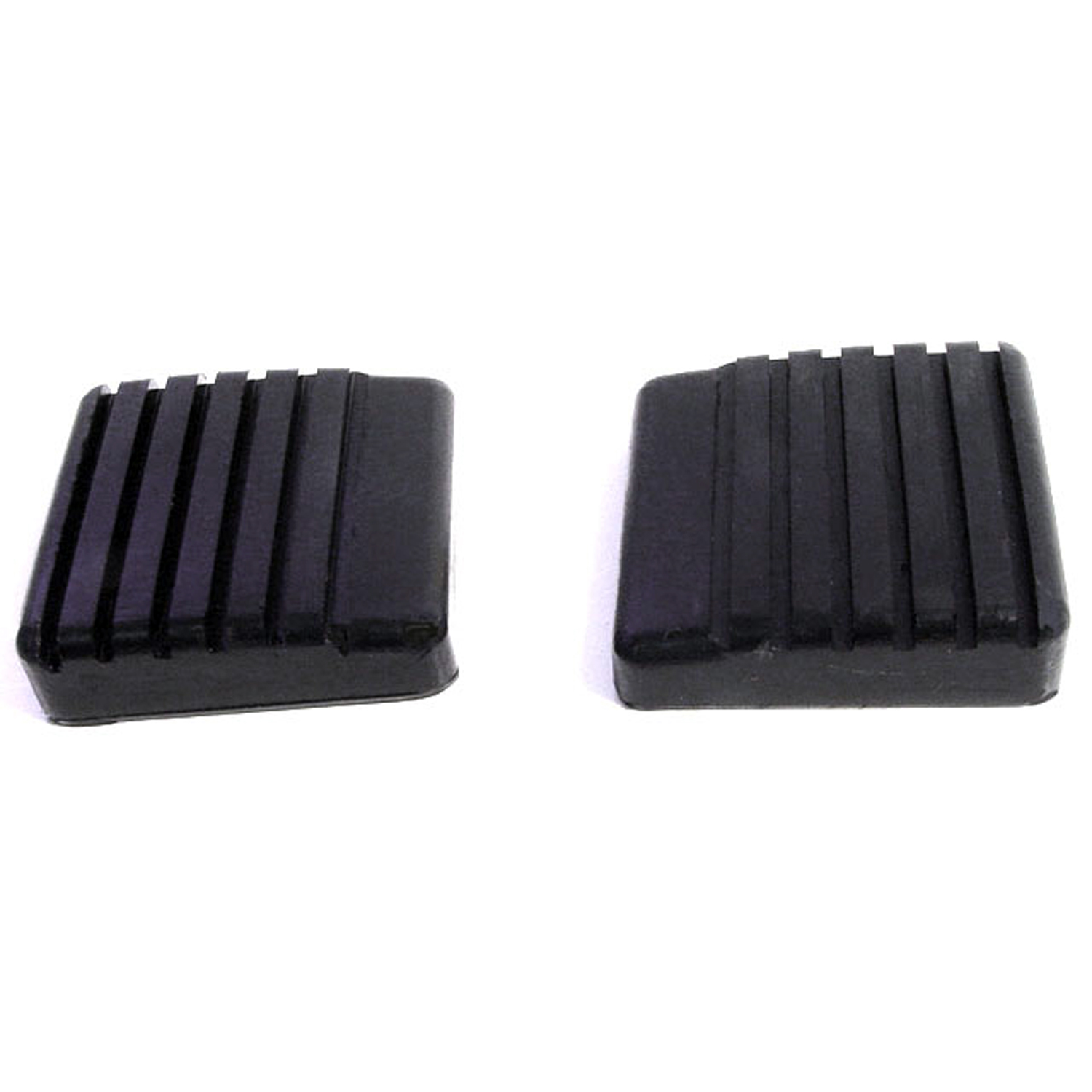 1969 Jeep J-3800 Clutch and Brake Pedal Pads. Pair-CB 61-BClutch and Brake Pedal Pads. Pair
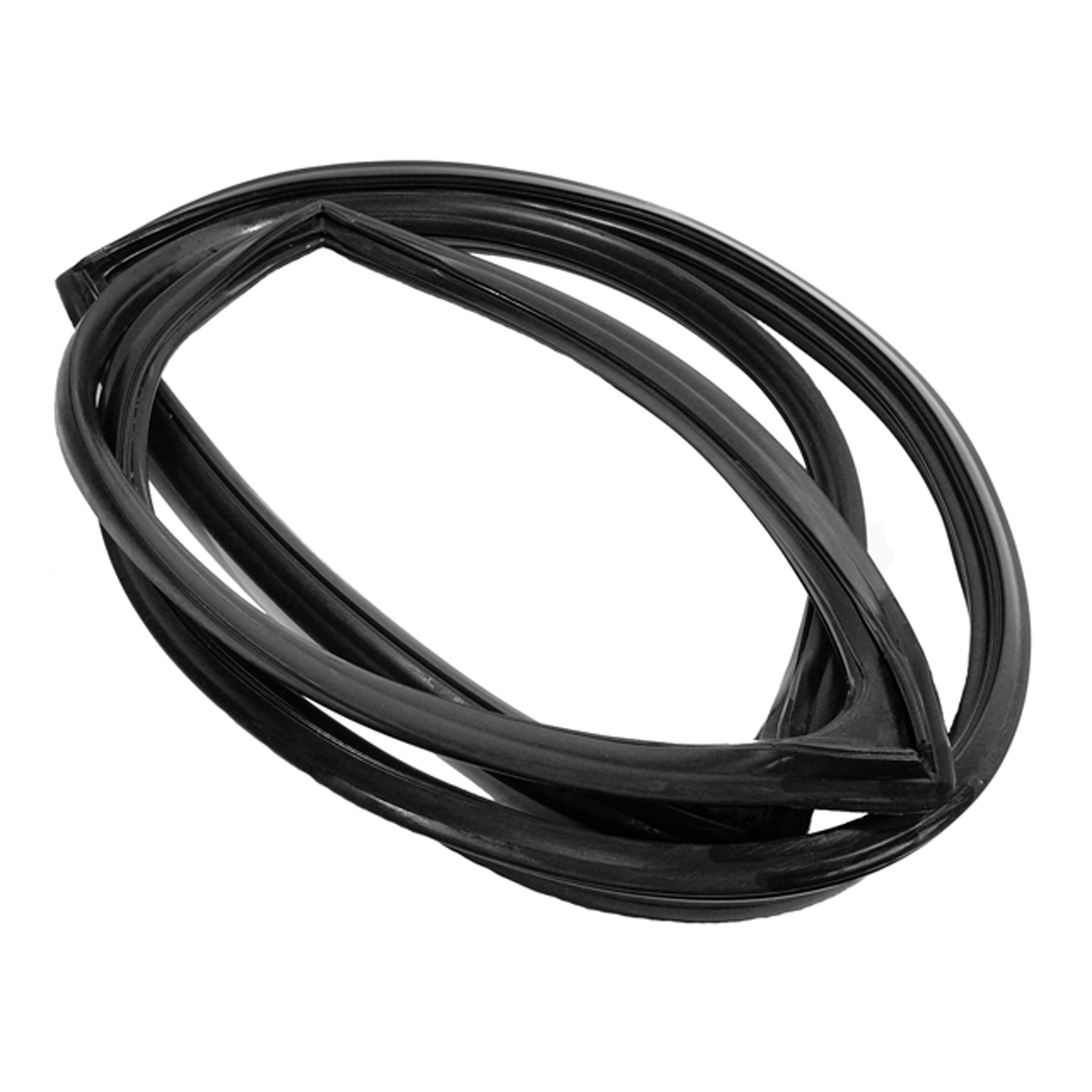 1969 Jeep J-3800 Vulcanized Windshield Seal. 164-1/4" Long. Each-VWS 0643Vulcanized Windshield Seal. 164-1/4" Long. Each
Why Choose Metro?
For over 100 years, Metro Moulded Parts has been the pinnacle of quality in classic car restoration parts. Our commitment to precision and authenticity in every component ensures a perfect fit and an OEM-level appearance.
- Expert Craftsmanship & Quality: Each part is a testament to our dedication to reliability and perfection, crafted from original designs and thoroughly tested.
- Advanced Technology: We use cutting-edge techniques to create flawless, long-lasting parts that surpass others in performance.
- SuperSoft Sponge – The Ultimate Door Seal: Not only are our door seals 30% softer than competitors', but they're also guaranteed to never leak. They effectively reduce wind and road noise, enhancing your classic car's comfort and driving experience.
- Proudly American: Our parts are a product of American craftsmanship, made in the USA with a spirit of excellence and heritage.
- Unrivaled Warranty: We back our products with a 30-year industry-leading warranty, a testament to our confidence in their quality.
Join us in preserving the legacy of classic cars with parts that are crafted for perfection, not just made.