

Image of 1970 Jeep Cj5, Note: These illustrations use artistic license and may differ from actual historical models.
Performance Metrics
Fundamental Metrics
Emotional Appeal
MMP Rating
| Engine Specifications | |
|---|---|
| Engine: | 134 cu in (2.2 L) F-head I4, 225 cu in (3.7 L) Dauntless V6 |
| Displacement: | 134-225 cu in |
| Horsepower: | 75-160 hp |
| Torque: | 114-235 lb-ft |
| Compression Ratio: | 7.5:1 - 8.4:1 |
| Ignition System: | Conventional, breaker point |
| Cooling System: | Liquid-cooled |
| Performance Specifications | |
| 0-60 Time: | Estimated 15-20 seconds |
| 1/4 Mile Time: | Estimated 20-25 seconds |
| Top Speed: | 60-70 mph |
| Transmission and Drive | |
| Drive Type: | 4WD |
| Transmission Type: | 3-speed manual, 4-speed manual |
| Fuel and Efficiency | |
| Fuel System Type: | Carburetor |
| MPG: | Estimated 10-15 mpg |
| Dimensions and Brakes | |
| Brakes: | Drum brakes |
| Wheelbase: | 81.0 in |
| Weight: | 2,200-2,600 lbs |
Note: Specifications for classic cars are given to the best of our ability, considering the limited and variant data available.
1970 Jeep CJ-5: The Little 4x4 with a Big Reputation
The 1970 Jeep CJ-5 was happiest where the pavement ended, the trail narrowed, and the scenery got better. Compact, open-sided, and built around a rugged four-wheel-drive chassis, it carried Jeep’s military-inspired character into a new decade while remaining a practical civilian vehicle.
Built by Kaiser Jeep in Toledo, Ohio, the CJ-5 belonged to a lineage that began with postwar civilian Jeeps. The model had been introduced for 1955, drawing heavily on the military M38A1, and by 1970 it had become one of America’s most recognizable compact off-roaders. That year also marked a corporate turning point: American Motors Corporation acquired Kaiser Jeep in 1970, setting the stage for the next chapter of the Jeep brand.
One especially interesting detail is that the CJ-5’s compact proportions were not a styling gimmick. Its short wheelbase and tight turning circle were practical advantages on narrow trails, steep approaches, and rough ranch roads. A CJ-5 could go places that larger four-wheel-drive vehicles struggled to reach.
Classic Jeep Styling and a Purpose-Built Cabin
The CJ-5’s exterior is almost a blueprint for the classic Jeep: an upright seven-slot grille, round headlamps, separate front fenders, a flat hood, and a short, squared-off body. Its exposed hinges and simple bumpers make the construction look direct and functional. The front windshield folds down, while removable doors and a removable top let owners open the cabin to the elements.
There was no elaborate trim trying to disguise the CJ-5’s working-vehicle roots. The interior was simple and durable, typically featuring painted metal surfaces, straightforward round gauges, basic controls, and vinyl upholstery. Materials were chosen for practicality rather than luxury. Depending on equipment and condition, a vehicle might have a heater, a passenger seat, or other comfort options, but the overall experience remained deliberately basic.
Color choices varied by year and equipment, with period examples appearing in shades such as red, green, blue, white, and yellow. Bright colors suit the CJ-5 especially well, and strong factory-style paint can make an otherwise modest Jeep stand out at a show or trail meet. Paint names and availability could differ across production and trim packages, so original color documentation is useful when restoring one.
The 1970 CJ-5 was a two-door open utility vehicle, not a range of separate body styles. Buyers could choose different top and equipment arrangements, including soft-top configurations and, where available, hardtop options. The open-top setup remains the most iconic: it captures the Jeep’s lightweight, go-anywhere personality. The Renegade package added a sportier appearance and equipment, making it one of the more sought-after versions from this period.
Engines, Four-Wheel Drive, and Period Technology
Engine choices gave the 1970 CJ-5 a characterful split personality. The basic powerplant was the 134-cubic-inch “Hurricane” F-head four-cylinder, a rugged design descended from earlier Jeep engines. Buyers could also choose the 225-cubic-inch Dauntless V6, a Buick-derived engine that brought a substantial increase in power and torque. The V6 was rated at about 155 horsepower using the gross rating standards of the era, while published figures for the four-cylinder vary by source and rating method.
A three-speed manual transmission was common, paired with a two-speed transfer case for shifting between two-wheel drive and four-wheel drive. Axle and drivetrain details can vary with engine and equipment, but the basic formula was simple: low gearing, a solid-axle chassis, and the traction needed for loose ground. Four-wheel drum brakes and relatively basic steering reflect the period, rather than modern SUV expectations.
By 1970, these were not cutting-edge electronics or luxury-car innovations. The CJ-5’s technical appeal was mechanical simplicity. Its transfer case and drivetrain gave drivers useful control over traction, while the compact chassis and low-range gearing made slow, deliberate progress possible on challenging terrain. That straightforward design is a major reason the model remains approachable for hands-on owners today.
Why the CJ-5 Mattered
The CJ-5 helped define the compact recreational 4x4. It took the practical, military-influenced Jeep idea and made it a durable civilian vehicle for farmers, hunters, campers, contractors, and outdoor enthusiasts. Its short body and trail-ready proportions set it apart from larger, heavier four-wheel-drive vehicles that prioritized cargo space or road comfort.
Its influence is easy to see in later off-roaders. The recipe of an upright body, short overhangs, low-range gearing, removable top, and strong aftermarket support became a lasting part of the Jeep identity. The CJ-5 was not designed to be a plush family cruiser, but it showed that a compact 4x4 could be both a useful tool and a source of recreation.
The model also helped sustain Jeep’s identity through a period of corporate change. Kaiser Jeep’s 1970 sale to AMC did not erase the CJ-5’s established character. Instead, the enduring demand for vehicles like it gave the new owner a strong foundation to build on.
Performance and Trail Manners
Performance depends heavily on which engine is fitted. A CJ-5 with the 134-cubic-inch four-cylinder is geared for work and low-speed crawling, not quick highway passing. As a broad estimate, a four-cylinder example may need roughly 20 seconds or more to reach 60 mph, with a top speed around 65 to 70 mph under favorable conditions. The 225 V6 is noticeably stronger: estimates for 0-to-60 mph are generally in the 13-to-16-second range, with top speed often quoted around 80 to 85 mph.
Those figures are approximate, not modern standardized test results. Tire size, axle gearing, engine condition, transmission, altitude, and the accuracy of a vintage speedometer can all change the numbers. Neither engine turns the CJ-5 into a fast vehicle by today’s standards, and sustained high-speed driving is not where it feels most at home.
On a rough trail, the CJ-5’s short wheelbase and compact dimensions are real assets. It can maneuver around obstacles and fit through tight passages, while low-range gearing helps the driver maintain control at walking pace. The trade-off is a short, lively ride: potholes and washboard surfaces can make the body bounce, and the vehicle can feel unsettled on uneven roads.
Windy roads and crosswinds demand attention. The upright body, short wheelbase, and period steering and suspension give the CJ-5 a more active feel than a modern SUV. Drivers need to keep both hands engaged and plan ahead, especially at speed. The V6 adds welcome flexibility, but it does not change the fundamental character of the chassis.
Behind the wheel, the experience is wonderfully direct. The engine is audible, the manual gearbox asks for deliberate shifts, and the driver feels the road through the steering wheel and seat. With the top down, wind, engine noise, and trail sounds become part of the trip. It is less about effortless cruising and more about being involved in every mile.
Living with a 1970 CJ-5
Owners use CJ-5s in many ways: as weekend trail rigs, farm and ranch vehicles, parade cars, show vehicles, and occasional drivers. Some are carefully restored; others are modified with modern tires, updated seats, stronger lighting, or drivetrain upgrades. For regular highway commuting, however, its noise, limited weather protection, modest safety equipment, and busy ride can become tiring.
Maintenance is generally straightforward for an owner comfortable with basic mechanical work. The engine bay and mechanical systems are relatively accessible, and the vehicle’s simple design avoids many of the electronic complications found in newer vehicles. Routine attention should go to the brakes, steering components, cooling system, fuel system, wheel bearings, and drivetrain fluids.
Rust and previous repairs deserve close inspection. Check the frame, body supports, floor, hat channels, and areas around the windshield and body mounts. Also look for worn steering parts, leaking seals, poorly executed wiring, and mismatched drivetrain components. A CJ-5 that has spent decades on trails may have hidden damage even if its paint looks presentable.
Parts support is one of the ownership advantages. Many maintenance and restoration parts are available through Jeep specialists and the broader classic 4x4 market. The average owner can tackle a surprising amount of repair work, but a full restoration, serious rust repair, or axle and engine rebuild still calls for suitable tools and experience.
Renegades, Myths, and Jeep Trivia
The Renegade package is a notable 1970-era option for shoppers who want a more distinctive CJ-5. Renegade models are associated with special exterior details, wheels, and equipment, though exact features can vary by year and vehicle. Because packages and parts are often added or changed over time, a Jeep’s original documentation and identifying details matter more than decals alone.
The CJ-5’s military resemblance is real, but a 1970 model was a civilian Jeep, not a military vehicle. Its design heritage reaches back to military Jeeps and the M38A1, while the CJ-5 itself was developed for civilian use. That blend of military ancestry and civilian practicality is a big part of its appeal.
There is no widely recognized production or speed record associated with the 1970 CJ-5. Its achievement was more practical: it helped make compact four-wheel-drive capability familiar to generations of civilian drivers. A common criticism is its limited comfort and road manners, especially at higher speeds. That is fair, but it is also a reminder that the CJ-5 was built around toughness and maneuverability, not refinement.
1970 Jeep CJ-5 Values and Collector Appeal
As a rough market estimate, a running but tired 1970 CJ-5 may sell for about $8,000 to $15,000, while a solid, well-maintained example could fall in the $15,000 to $30,000 range. A high-quality restoration or a particularly desirable, well-documented Renegade can reach roughly $30,000 to $50,000 or more. These are broad estimates: originality, rust, engine choice, restoration quality, and local demand can move the price substantially.
Values have generally strengthened over the long term as interest in classic 4x4s has grown, though individual sale prices vary and the market is not immune to wider economic changes. Original, rust-free examples and credible restorations tend to attract the strongest interest. Modified vehicles can be excellent drivers, but extensive changes may narrow the pool of collectors looking for an authentic example.
Exact production figures for the 1970 model year are not consistently presented across reference sources. A reasonable working estimate is roughly 25,000 to 30,000 CJ-5s for the year, but that should not be treated as a verified factory total. The model was produced in meaningful numbers, so ordinary CJ-5s are not exceptionally rare; the condition, originality, and specific package are usually more important than scarcity alone.
A Small Jeep with Lasting Impact
The 1970 Jeep CJ-5 combines a recognizable military-inspired shape, simple mechanicals, genuine off-road ability, and an open-air driving experience few vehicles can match. Its compact dimensions made it unusually capable on narrow trails, while the optional Dauntless V6 gave it welcome extra muscle. The ride can be rough, the cabin is basic, and highway speed takes concentration, but those compromises are part of its honest character.
For collectors and enthusiasts, the CJ-5 is more than an old utility vehicle. It is a defining chapter in the story of the civilian 4x4, and a reminder that adventure does not need a large vehicle or a complicated machine. The 1970 CJ-5 may be small, but its place in Jeep history is anything but.
1970 Jeep Cj5 Catalog of Parts
 1970 Jeep CJ5 Shock Absorber Grommet. 1" bottom O.D-BN 11Shock Absorber Grommet. 1" bottom O.D., 3/4" high, with 5/8" I.D. Each
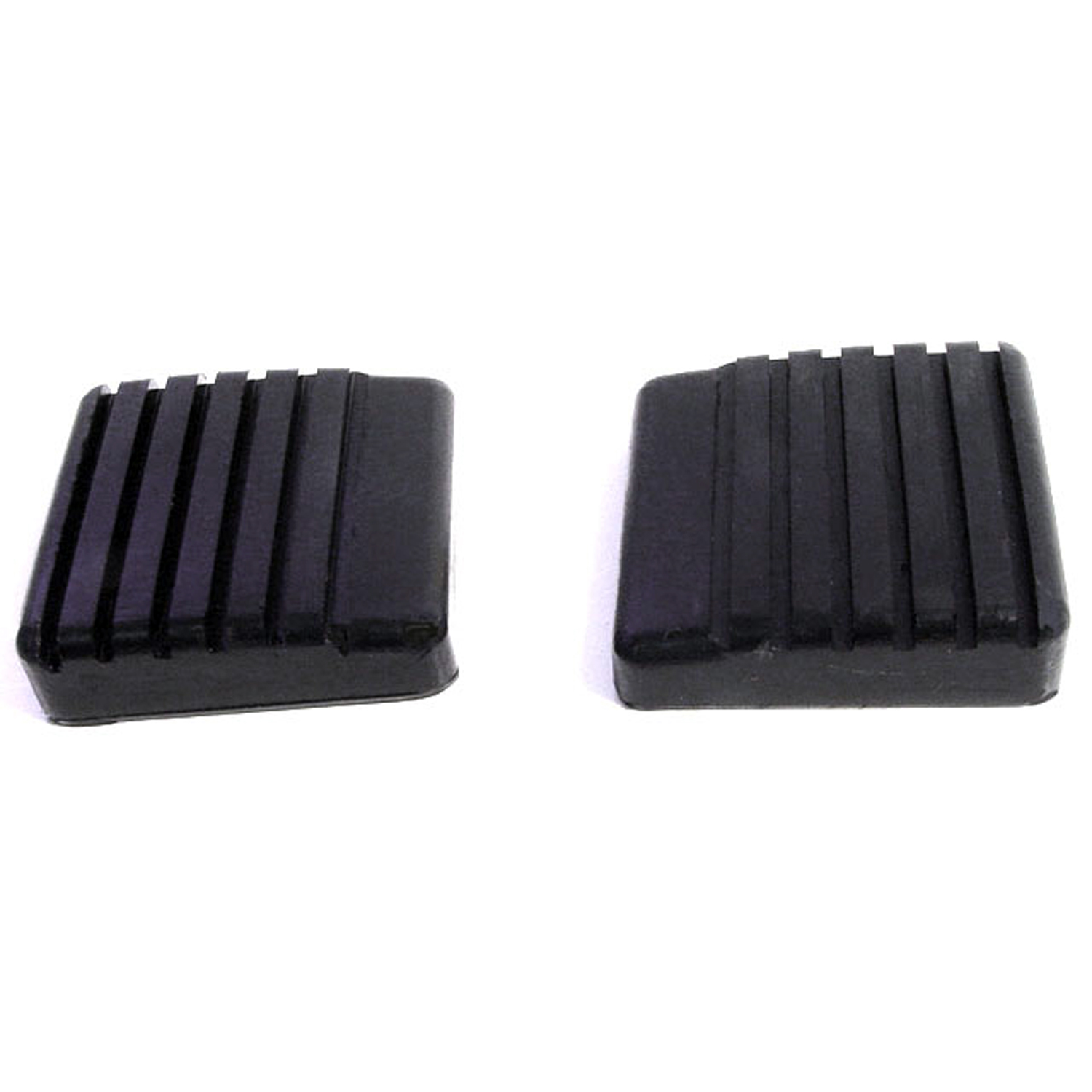 1970 Jeep CJ5 Clutch and Brake Pedal Pads. Pair-CB 61-BClutch and Brake Pedal Pads. Pair
 1970 Jeep CJ5 Dust Boot. For vehicles with power take off. Each-RP 34-JDust Boot. For vehicles with power take off. Each
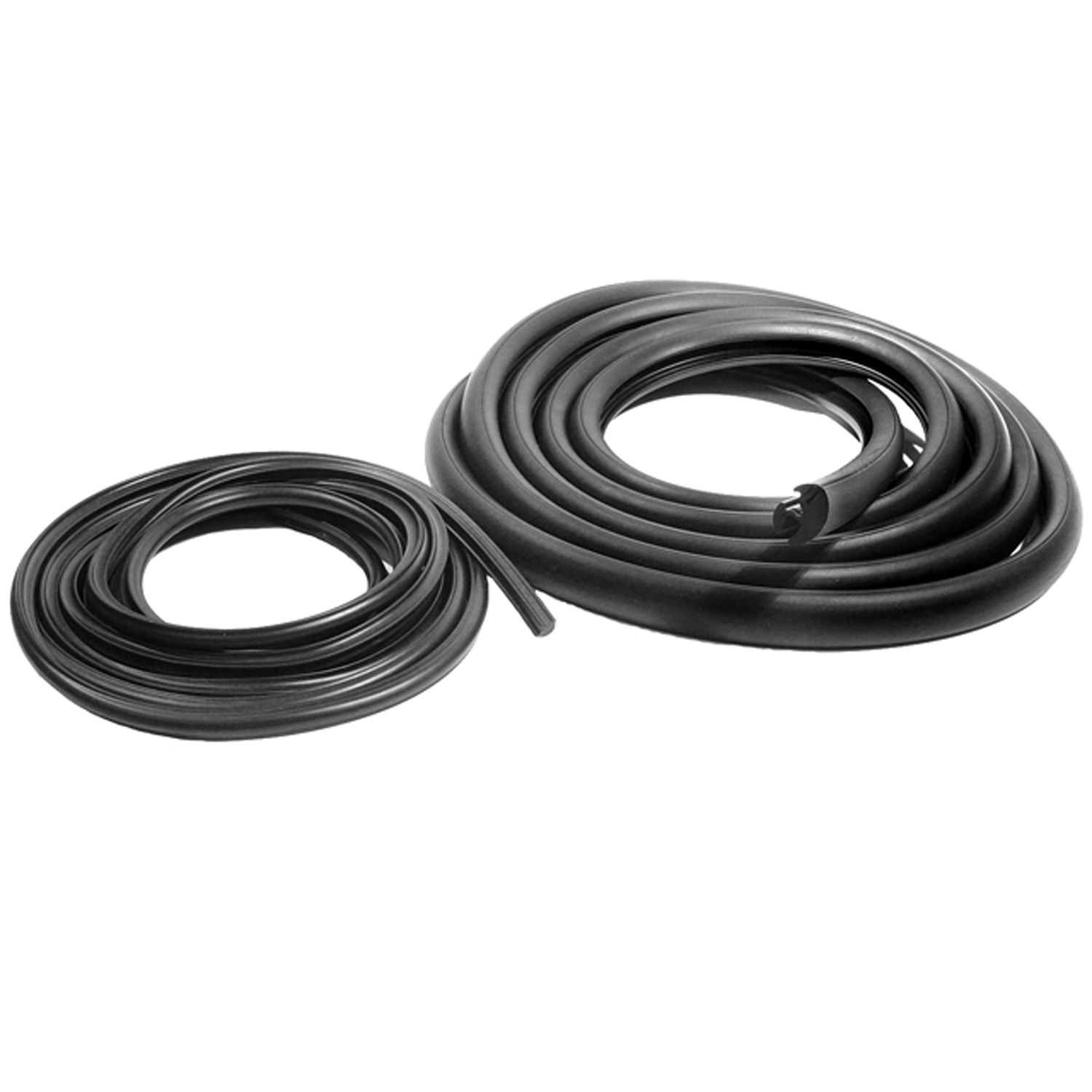 1970 Jeep CJ5 Vulcanized Windshield Seal with Lock-Strip. 144" Long each-VWS 1105Vulcanized Windshield Seal with Lock-Strip. 144" Long each. Each
Why Choose Metro?
For over 100 years, Metro Moulded Parts has been the pinnacle of quality in classic car restoration parts. Our commitment to precision and authenticity in every component ensures a perfect fit and an OEM-level appearance.
- Expert Craftsmanship & Quality: Each part is a testament to our dedication to reliability and perfection, crafted from original designs and thoroughly tested.
- Advanced Technology: We use cutting-edge techniques to create flawless, long-lasting parts that surpass others in performance.
- SuperSoft Sponge – The Ultimate Door Seal: Not only are our door seals 30% softer than competitors', but they're also guaranteed to never leak. They effectively reduce wind and road noise, enhancing your classic car's comfort and driving experience.
- Proudly American: Our parts are a product of American craftsmanship, made in the USA with a spirit of excellence and heritage.
- Unrivaled Warranty: We back our products with a 30-year industry-leading warranty, a testament to our confidence in their quality.
Join us in preserving the legacy of classic cars with parts that are crafted for perfection, not just made.