

Image of 1970 Jeep J-2600, Note: These illustrations use artistic license and may differ from actual historical models.
Performance Metrics
Fundamental Metrics
Emotional Appeal
MMP Rating
| Engine Specifications | |
|---|---|
| Engine Options: | AMC 232, AMC 258, AMC 304, AMC 360, AMC 401 |
| Displacement Range: | 232-401 cu in |
| Horsepower Range: | 100-255 hp |
| Torque: | 185-345 lb-ft |
| Compression Ratio: | 8.0:1 - 8.5:1 |
| Ignition System: | Conventional, breaker point |
| Cooling System: | Liquid-cooled |
| Performance Specifications | |
| 0-60 Time: | Estimated 10-15 seconds |
| 1/4 Mile Time: | Estimated 17-20 seconds |
| Top Speed: | 80-100 mph |
| Transmission and Drive | |
| Drive Type: | 4WD |
| Transmission Type: | 3-speed manual, 4-speed manual, 3-speed automatic |
| Fuel and Efficiency | |
| Fuel System Type: | Carburetor |
| MPG: | Estimated 10-15 mpg |
| Dimensions and Brakes | |
| Brakes: | Front disc and rear drum brakes |
| Wheelbase: | 119 inches |
| Weight: | 3,500-4,500 lbs |
Note: Specifications for classic cars are given to the best of our ability, considering the limited and variant data available.
1970 Jeep J-2600: A Workhorse with Jeep DNA
The 1970 Jeep J-2600 looks ready to haul a load, climb a muddy track, or simply turn heads at a weekend car meet. It belongs to Jeep’s Gladiator-era pickup family, a line introduced in 1962 for the 1963 model year by Willys Motors. By 1970, the company was known as Kaiser Jeep, following Kaiser’s acquisition of Willys-Overland. The J-2600 combined the practical shape of a traditional pickup with the rugged engineering and recognizably upright styling of a Jeep.
One intriguing part of its story is that the Gladiator was developed alongside the Jeep Wagoneer, sharing much of its underlying architecture. That made it more than a pickup wearing a familiar grille: it was part of a broader effort to make Jeep vehicles comfortable and capable enough for everyday use as well as demanding work.
Jeep Pickup Styling and Features
The J-2600 wears a squared-off, purposeful shape, with a tall hood, upright windshield, broad fenders, and a simple front end centered on round headlights and a slatted grille. Its proportions feel unmistakably vintage, but they were designed for utility: the high stance gave it useful ground clearance, while the open cargo bed made it a practical partner for farms, building sites, and outdoor trips.
Inside, the cabin is straightforward rather than plush. A broad bench seat, large steering wheel, clear analog gauges, and durable trim put function first. Depending on the truck’s original equipment, buyers could find vinyl upholstery, carpet, and convenience options such as power steering or power brakes. Many working trucks had a rubber floor covering that was easy to clean after a muddy day. Materials and finish were sturdy, but this was a pickup, not a luxury cruiser.
Powertrain and equipment varied by configuration. The 232-cubic-inch inline-six was a practical choice, while the 327-cubic-inch Vigilante V8 offered stronger pulling power. Transmission, axle, and four-wheel-drive equipment also depended on the truck’s original specification. Since model badges and equipment combinations can be confusing across the period, a VIN, data plate, or factory build record is the best way to confirm the details of an individual J-2600.
Paint choices varied by year and order, with period Jeep colors generally spanning work-truck neutrals and more vivid shades. White, red, green, and blue are among the colors commonly seen on surviving trucks, though today’s paint may not be original. The classic body style is the two-door pickup cab with an open bed. Bed and trim details, including step-side or wider-sided styles depending on configuration, give surviving examples much of their visual personality. Four-wheel drive, a V8, and a well-kept factory-style bed are especially appealing combinations to many enthusiasts.
Why the J-2600 Matters
The J-2600’s significance comes from its place in Jeep’s transition from a maker best known for utilitarian 4x4s into a manufacturer offering a wider range of family and work vehicles. The Gladiator line brought pickup usefulness to the same general platform family as the Wagoneer, while retaining Jeep’s emphasis on traction and rough-road ability.
It also stood apart from many pickups of its day by offering four-wheel drive and Jeep-specific engineering in a full-size package. Buyers could choose a truck for ordinary hauling or equip it for more demanding work. The J-2600 did not create the modern pickup by itself, but it helped establish the idea that a truck could be both a serious work tool and a comfortable vehicle for regular use. The Gladiator name later returned on Jeep’s modern pickup, a clear sign that the original truck family left a lasting mark.
J-2600 Performance and Handling
There is no single reliable performance figure for every 1970 J-2600. Engine, transmission, axle gearing, tire size, vehicle condition, and four-wheel-drive equipment all affect how one performs. As a broad period-truck estimate, a healthy example might reach roughly 75 to 85 mph, while a 0-to-60-mph run could take somewhere around 16 to 22 seconds. Treat those as approximate ranges, not factory guarantees; a six-cylinder truck with work gearing will feel very different from a V8 with highway-oriented gearing.
On the road, the J-2600 feels substantial. Its body-on-frame construction and truck suspension are built to carry weight, so an unloaded truck can ride firmly over potholes and sharp bumps. Add cargo and the suspension settles into its working rhythm. On winding roads, the tall body and solid, hardworking feel encourage a measured pace rather than sports-car cornering. Four-wheel drive is useful on loose, snowy, or muddy surfaces, but it does not make the truck immune to weight transfer or slippery conditions.
From behind the wheel, the experience is refreshingly mechanical. The steering, pedals, and transmission ask for more deliberate input than a modern pickup, and the engine’s sound depends on which powerplant is fitted. The inline-six has a steady, workmanlike note; the Vigilante V8 brings a deeper growl. There is no mistaking the J-2600 for a quiet modern commuter, and that direct, hands-on character is a large part of its appeal.
Living with a 1970 Jeep Pickup
Today, J-2600s serve as weekend drivers, vintage work trucks, show vehicles, and restoration projects. Some owners still use them for light hauling or off-road outings, but many examples are now too valuable or too old to be treated as disposable work equipment. Their practical shape also makes them natural candidates for tasteful restorations that preserve the original look while improving brakes, lighting, or other safety-related components.
Basic repairs are manageable for an owner with mechanical experience. The truck’s conventional construction is a plus: there is no modern engine computer or complex network of electronic modules to diagnose. However, age brings its own challenges. Rust in the cab, floors, bed, and frame; worn steering components; tired brakes; and leaks from old seals are common inspection points. Parts support is good for some mechanical items, but trim, body panels, and model-specific pieces can take time to locate. Confirming exactly what drivetrain and axle a truck has is important before ordering parts.
J-2600 Facts and Common Criticisms
The J-2600 belongs to Jeep’s Gladiator-era trucks, whose name is now familiar again thanks to the modern Jeep Gladiator. The older trucks were offered in configurations suited to different jobs, including four-wheel-drive models and equipment for buyers who needed more than a basic pickup. Period options and specifications varied, so an individual truck’s factory paperwork can reveal details that its badge alone cannot.
There is no widely recognized J-2600 speed, sales, or endurance record, and the model is not especially associated with a single celebrity owner or major historical event. Its appeal is quieter: it represents an important chapter in Jeep’s move into full-size pickups. Common criticisms are equally practical. These trucks can be thirsty, slow by modern standards, and less comfortable over rough pavement than newer pickups. Rust and hard-working past lives can also make a seemingly affordable example expensive to put right.
Collector Value and Rarity
Exact production totals for the 1970 J-2600 are not readily established in commonly available model records. As a careful estimate rather than a verified factory figure, a particular J-2600 configuration may have been built in the low thousands, perhaps around 1,000 to 3,000 trucks. That estimate should be treated cautiously: production figures for the broader J-series do not necessarily identify individual engine, body, and drivetrain combinations.
Availability is limited compared with more familiar Chevrolet and Ford pickups of the same era, but J-series trucks do appear on the classic market. In the current collector market, a project or rough driver might fall around $5,000 to $10,000. A solid, usable example could bring roughly $10,000 to $20,000, while a high-quality restoration or especially desirable four-wheel-drive V8 truck may reach $20,000 to $30,000 or more. These are broad estimates; location, rust, originality, drivetrain, and documentation make a substantial difference.
Interest in classic 4x4s has generally helped support values, but the J-2600 remains a specialist purchase rather than a guaranteed investment. Good, original trucks are becoming harder to find, which may support prices over time. On the other hand, restoration costs can quickly outrun the value of an average example. Buy the condition and history, not just the badge.
The Lasting Appeal of the J-2600
The 1970 Jeep J-2600 brings together the essentials that make an old Jeep pickup special: honest utility, distinctive styling, available four-wheel drive, and a driving experience that feels refreshingly direct. It is not fast or polished by modern standards, and it demands attention as an aging vehicle. In return, it offers a tangible connection to the era when Jeep was shaping a broader identity beyond the original military-inspired 4x4.
For collectors and enthusiasts, the J-2600 is more than a vintage work truck. It is a rugged piece of Jeep history, built to earn its keep and distinctive enough to be remembered long after the job is done.
1970 Jeep J-2600 Catalog of Parts
 1970 Jeep J-2600 Shock Absorber Grommet. 1" bottom O.D-BN 11Shock Absorber Grommet. 1" bottom O.D., 3/4" high, with 5/8" I.D. Each
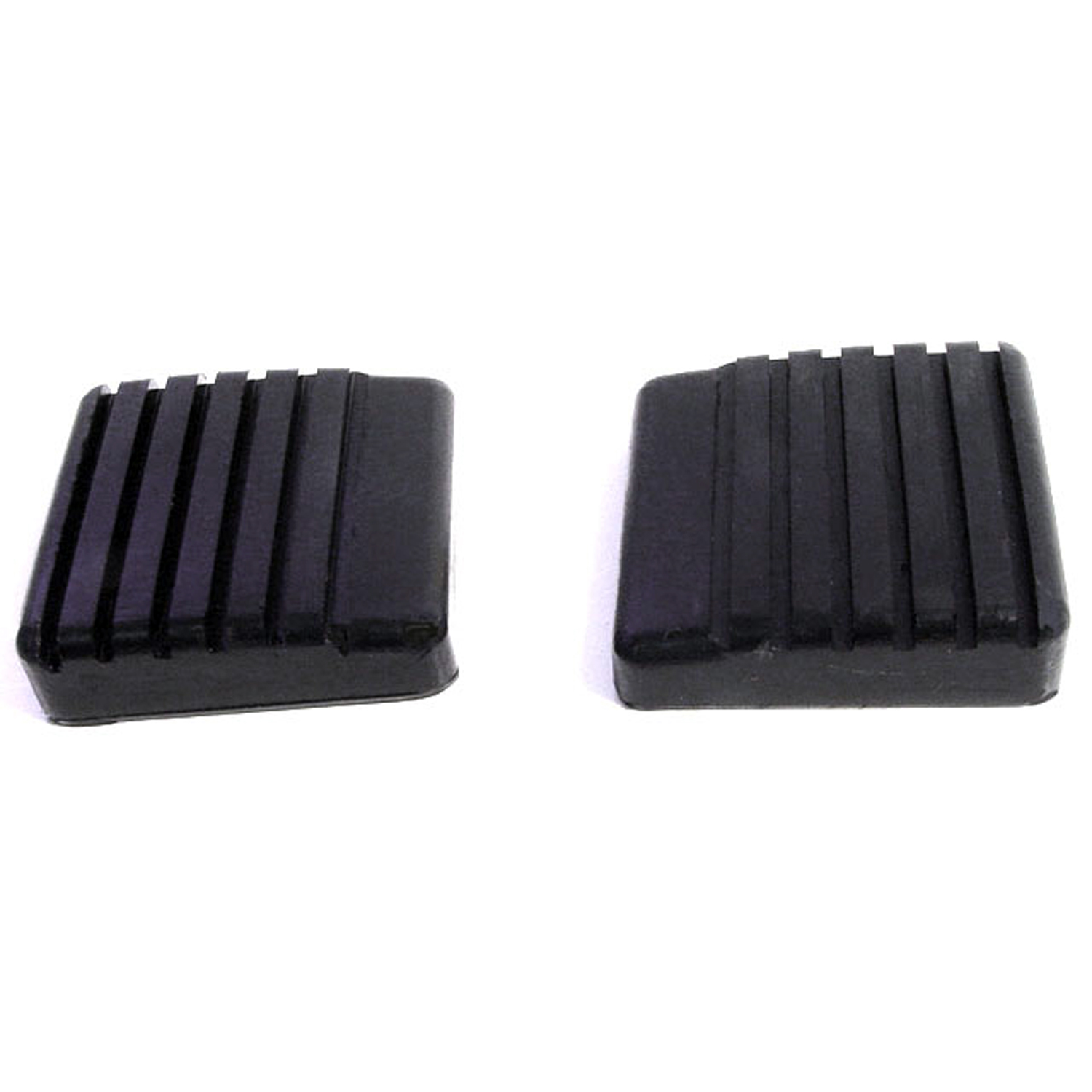 1970 Jeep J-2600 Clutch and Brake Pedal Pads. Pair-CB 61-BClutch and Brake Pedal Pads. Pair
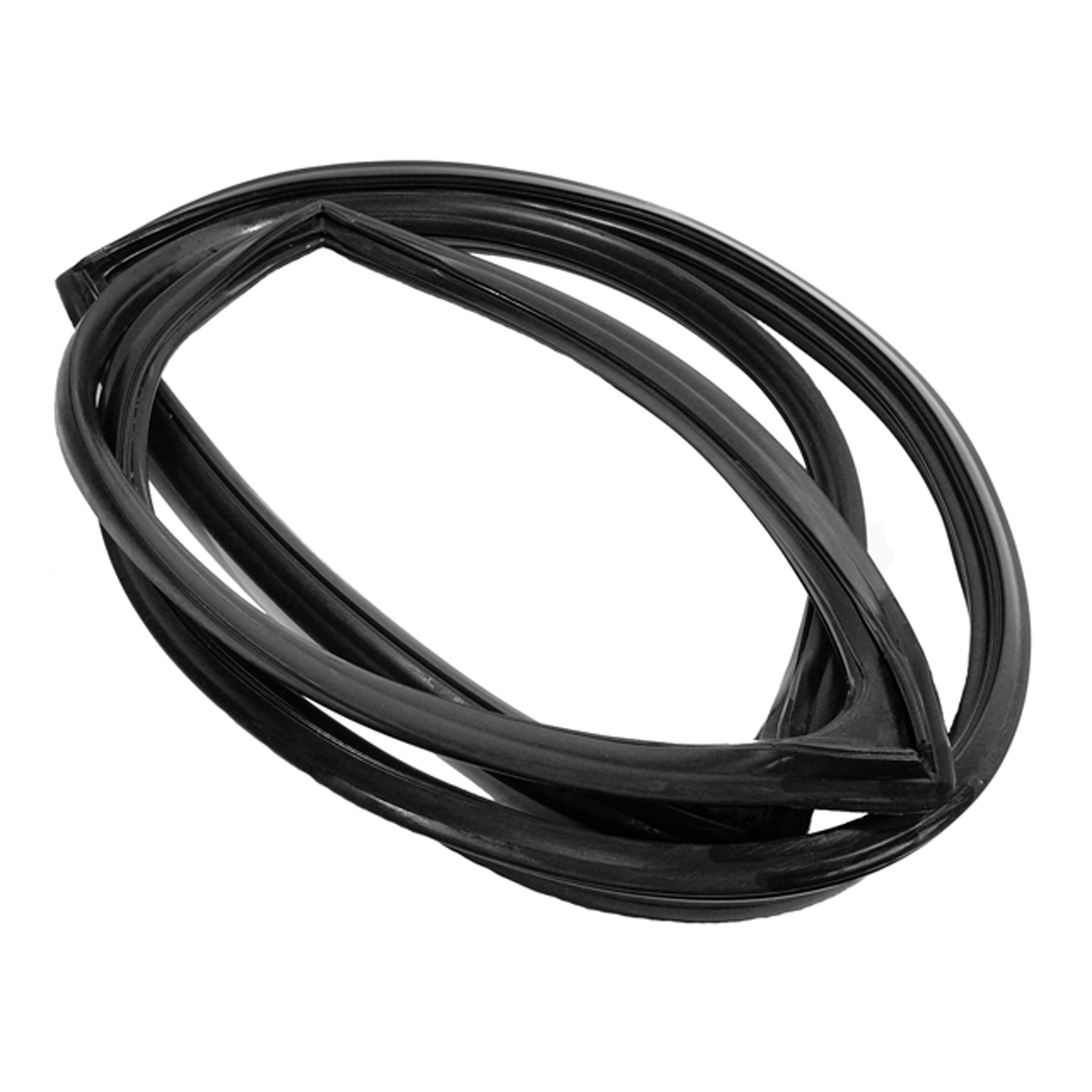 1970 Jeep J-2600 Vulcanized Windshield Seal. 164-1/4" Long. Each-VWS 0643Vulcanized Windshield Seal. 164-1/4" Long. Each
Why Choose Metro?
For over 100 years, Metro Moulded Parts has been the pinnacle of quality in classic car restoration parts. Our commitment to precision and authenticity in every component ensures a perfect fit and an OEM-level appearance.
- Expert Craftsmanship & Quality: Each part is a testament to our dedication to reliability and perfection, crafted from original designs and thoroughly tested.
- Advanced Technology: We use cutting-edge techniques to create flawless, long-lasting parts that surpass others in performance.
- SuperSoft Sponge – The Ultimate Door Seal: Not only are our door seals 30% softer than competitors', but they're also guaranteed to never leak. They effectively reduce wind and road noise, enhancing your classic car's comfort and driving experience.
- Proudly American: Our parts are a product of American craftsmanship, made in the USA with a spirit of excellence and heritage.
- Unrivaled Warranty: We back our products with a 30-year industry-leading warranty, a testament to our confidence in their quality.
Join us in preserving the legacy of classic cars with parts that are crafted for perfection, not just made.