

Image of 1970 Jeep J-3600, Note: These illustrations use artistic license and may differ from actual historical models.
Performance Metrics
Fundamental Metrics
Emotional Appeal
MMP Rating
| Engine Specifications | |
|---|---|
| Engine Options: | AMC 232, AMC 258, AMC 304, AMC 360, AMC 401 |
| Displacement Range: | 232-401 cu in (3.8-6.6 L) |
| Horsepower Range: | 100-215 hp (approximately) |
| Torque: | 185-320 lb-ft (approximately) |
| Compression Ratio: | 8.0:1 - 8.5:1 (approximately) |
| Ignition System: | Conventional, distributor |
| Cooling System: | Liquid-cooled |
| Performance Specifications | |
| 0-60 Time: | Not available |
| 1/4 Mile Time: | Not available |
| Top Speed: | Not available |
| Transmission and Drive | |
| Drive Type: | 4WD |
| Transmission Type: | 3-speed manual, 4-speed manual, 3-speed automatic |
| Fuel and Efficiency | |
| Fuel System Type: | Carburetor |
| MPG: | Not available |
| Dimensions and Brakes | |
| Brakes: | Front disc and rear drum brakes |
| Wheelbase: | 120 in (approximately) |
| Weight: | 4500 lbs (approximately) |
Note: Specifications for classic cars are given to the best of our ability, considering the limited and variant data available.
1970 Jeep J-3600: The Workhorse With a Wild Side
The 1970 Jeep J-3600 was built for the kind of work that could leave an ordinary pickup stuck at the edge of the job site. Rugged, straightforward, and available with four-wheel drive, it belonged to Jeep’s Gladiator family of full-size trucks, produced by Kaiser Jeep in the final years before American Motors Corporation took control of the company.
Jeep introduced the Gladiator line for the 1963 model year, bringing four-wheel-drive expertise to a conventional pickup with a separate cab and cargo bed. The J-3600 carried that idea into the 1970s: a useful truck with a solid-axle chassis, work-ready options, and styling that looked more at home on a ranch road than in a shopping-center parking lot. One notable detail is its place at a corporate crossroads. The 1970 model year came as AMC was taking over Kaiser Jeep, making the J-3600 part of the transition between two important chapters in Jeep history.
Gladiator Styling and Practical Design
The J-3600 had the sturdy proportions of a traditional American pickup. Its upright cab, broad hood, square-edged fenders, and simple front end gave it a purposeful look rather than a sleek one. Depending on the specific truck and equipment, the front could feature a bold grille, round headlamps, and Jeep badging. The long, level hood and high stance also left plenty of room for a substantial engine and a robust front axle.
Bed and body configurations varied. Buyers could choose a conventional pickup bed, including styles such as the stepside Thriftside or the wider-fendered Townside, as well as chassis-cab arrangements intended for utility bodies and other commercial conversions. The pickup was the most recognizable configuration, but the J-3600’s appeal was its adaptability: it could be ordered as a working truck and then fitted to suit a farm, business, or recreational purpose.
The cabin was functional rather than luxurious. Painted metal, durable vinyl, straightforward gauges, and simple switchgear reflected the truck’s working brief. Options could add comfort and convenience, but the basic interior was designed to be easy to clean and easy to understand. Today, surviving examples may have different seats, trim, radios, and accessories, so details depend heavily on the original specification and subsequent restoration.
Factory paint choices changed across the Jeep range and could vary by year and configuration. Buyers could select practical solid colors as well as brighter choices, while white was a common contrast for roofs or other trim on some trucks. There is no single color that defines every J-3600, though period colors paired with the truck’s simple body lines make especially appealing restorations.
Engines, Axles, and Period Technology
Engine and drivetrain availability depended on the truck’s exact configuration. The range included an inline-six and optional V8 power, with equipment changing as Jeep’s ownership and engine plans evolved. A 1970 J-3600 may be encountered with a 232-cubic-inch inline-six or a 350-cubic-inch Buick-derived V8, among other period-correct variations. Because engines are frequently swapped in old pickups, buyers should verify the installed engine against the truck’s documentation and identification numbers rather than relying on the badge alone.
Four-wheel-drive versions used a conventional transfer-case system rather than a modern automatic all-wheel-drive setup. The driver selected the appropriate range for the conditions, making the hardware familiar to anyone who has operated a traditional 4x4. Solid axles and rugged components favored durability and clearance over carlike ride comfort. Depending on how a truck was ordered, it could also have a manual transmission, different axle ratios, and equipment aimed at towing or hauling.
By modern standards, the J-3600’s technology was straightforward. It did not have electronic traction control, anti-lock brakes, or computerized engine management. Its innovation was practical: a full-size pickup that could combine a useful payload and working chassis with four-wheel drive. That uncomplicated approach made the truck serviceable in places where sophisticated systems and specialized diagnostic equipment were unavailable.
Why the J-3600 Mattered
The J-3600 was part of Jeep’s effort to make its off-road identity useful beyond the trail. Earlier Jeep vehicles had established a reputation for compact, capable 4x4s. The Gladiator expanded that reputation into the full-size pickup market, where buyers needed room for tools, supplies, and equipment as well as the ability to travel over rough ground.
It stood apart from many contemporaries through its combination of pickup practicality and Jeep four-wheel-drive heritage. The truck was not as polished as a modern luxury pickup, but it offered a straightforward alternative to drivers who valued capability and mechanical simplicity. Its lasting influence is visible in the idea that a pickup can be both a work vehicle and an off-road tool, a formula that remains central to the truck market today.
Performance on Road and Trail
There is no single performance figure that applies to every 1970 J-3600. Engine choice, transmission, axle ratio, tire size, cargo, and condition all have a major effect. Factory acceleration and top-speed figures for individual configurations are not consistently documented, so any precise number should be treated with caution. As a broad modern estimate, a healthy V8 truck might reach 60 mph in roughly 13 to 18 seconds, while an inline-six version could take longer. Top speed is generally best thought of as somewhere around 75 to 90 mph, depending on gearing and condition. These are estimates, not guaranteed factory specifications, and the truck was designed for useful torque more than high-speed travel.
On pavement, the J-3600 feels like a substantial, old-school pickup. Its solid axles and truck suspension can transmit sharp bumps into the cab, especially when the bed is empty. Steering is slower and less precise than in a modern vehicle, and a tall body can lean noticeably through corners. On winding roads, a driver benefits from planning ahead and maintaining a relaxed pace rather than trying to hustle the truck like a car.
On dirt, snow, and uneven tracks, the J-3600’s strengths come through. Low-range gearing and four-wheel drive help it crawl across difficult surfaces, while its ground clearance and durable chassis suit work away from paved roads. The engine’s character depends on what is under the hood: the inline-six tends to deliver steady, modest power, while the V8 adds a deeper exhaust note and stronger pulling feel. Either way, the experience is mechanical and direct, with more engine sound, road texture, and driver input than most modern pickups.
Living With a Classic Jeep Pickup
J-3600s were commonly used for farm and ranch work, construction, towing, utility service, and recreational four-wheeling. Today, owners use them as weekend drivers, restoration projects, show vehicles, and functional vintage trucks. A well-sorted example can still handle occasional hauling, but many owners preserve their trucks rather than subjecting increasingly scarce original parts to daily work.
Maintenance is approachable for a mechanically confident owner. The truck’s carbureted engine, conventional drivetrain, and relatively simple electrical system do not require modern scan tools. Routine service is familiar: inspect the brakes and steering, keep the cooling system in good condition, lubricate chassis points, and check the transfer case, transmission, and axles for leaks. Parts availability is mixed. Common service items and some engine components are obtainable, while model-specific trim, body pieces, and certain drivetrain parts can take more effort to source.
Rust and neglected repairs deserve close attention. Check the cab corners, floorboards, rocker areas, bed, frame, and mounting points, along with the condition of the brakes and steering. A truck that has spent years working in wet or salty conditions may need substantial metalwork. Mechanical repairs are often simpler than body restoration, but a thorough pre-purchase inspection can save considerable time and money.
J-3600 Facts and Common Misconceptions
The J-3600 is part of the broader Gladiator and J-Series lineage, not a completely separate Jeep design. Model names and specifications can be confusing because Jeep used multiple series designations and offered different wheelbases, payload ratings, and drivetrains. The badge alone does not establish every detail of a truck’s original equipment, so factory paperwork, identification tags, and period parts references are valuable when assessing one.
There is no widely recognized speed, sales, or endurance record associated specifically with the 1970 J-3600, and reliable production totals for that exact model are difficult to establish. Nor is it known for a defining celebrity connection or a single headline-making historical event. Its significance is quieter: it represents a period when Jeep was extending its four-wheel-drive reputation into practical commercial vehicles.
Common criticisms are part of the ownership story. The ride can be firm, the steering vague by current standards, and fuel economy poor, particularly with a V8 and four-wheel drive. Cab comfort and safety equipment also fall short of modern expectations. These are not hidden flaws so much as reminders that the J-3600 was engineered for work and durability in a different era.
Collector Value and Availability
Values vary widely with rust, originality, engine, drivetrain, body style, and restoration quality. As a general U.S. market estimate, a project or rough driver may sell for about $3,000 to $8,000. A usable, reasonably complete truck often falls in the $8,000 to $18,000 range, while a clean, well-restored, or unusually original example can bring roughly $20,000 to $35,000 or more. Exceptional trucks may exceed that range, but condition and documentation matter more than optimistic asking prices.
The J-3600 is not as commonly encountered as mainstream pickups from the period, but it is not impossible to find. Exact production numbers for the model are not readily established, so a precise total would be speculative. A reasonable collector’s view is that it is uncommon rather than truly one-of-a-kind rare. Four-wheel-drive examples, intact trucks with original equipment, and properly documented restorations tend to draw the most interest.
Prices for classic Jeep pickups have generally benefited from growing interest in vintage 4x4s, but condition still drives the market. A clean truck is more likely to hold or increase its value than a heavily corroded project, which can be expensive to restore. Buyers should consider the cost of bodywork, missing parts, and drivetrain repairs before treating a low purchase price as a bargain.
A Rugged Chapter in Jeep History
The 1970 Jeep J-3600 combined full-size pickup utility with the tough, mechanical character that made Jeep famous. It offered practical body and drivetrain choices, a capable four-wheel-drive setup, and a design built to earn its keep. The ride is old-fashioned, the performance varies by specification, and restoration can demand patience, but those traits are part of its appeal.
For collectors and drivers who want a classic truck with genuine working roots, the J-3600 is more than a vintage badge. It is a reminder that Jeep’s off-road story was built not only on trail icons, but also on dependable trucks made to take the long way to the job.
1970 Jeep J-3600 Catalog of Parts
 1970 Jeep J-3600 Shock Absorber Grommet. 1" bottom O.D-BN 11Shock Absorber Grommet. 1" bottom O.D., 3/4" high, with 5/8" I.D. Each
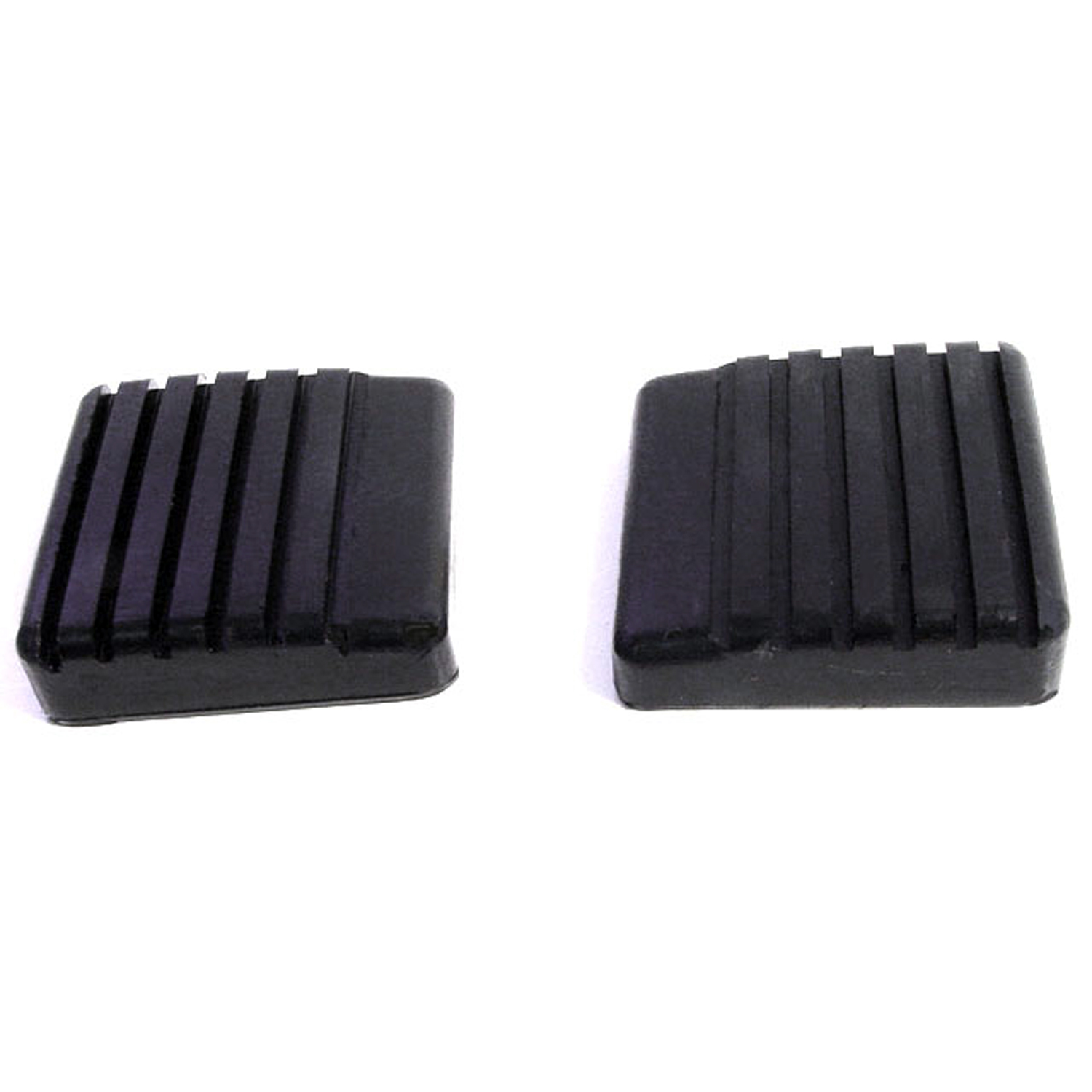 1970 Jeep J-3600 Clutch and Brake Pedal Pads. Pair-CB 61-BClutch and Brake Pedal Pads. Pair
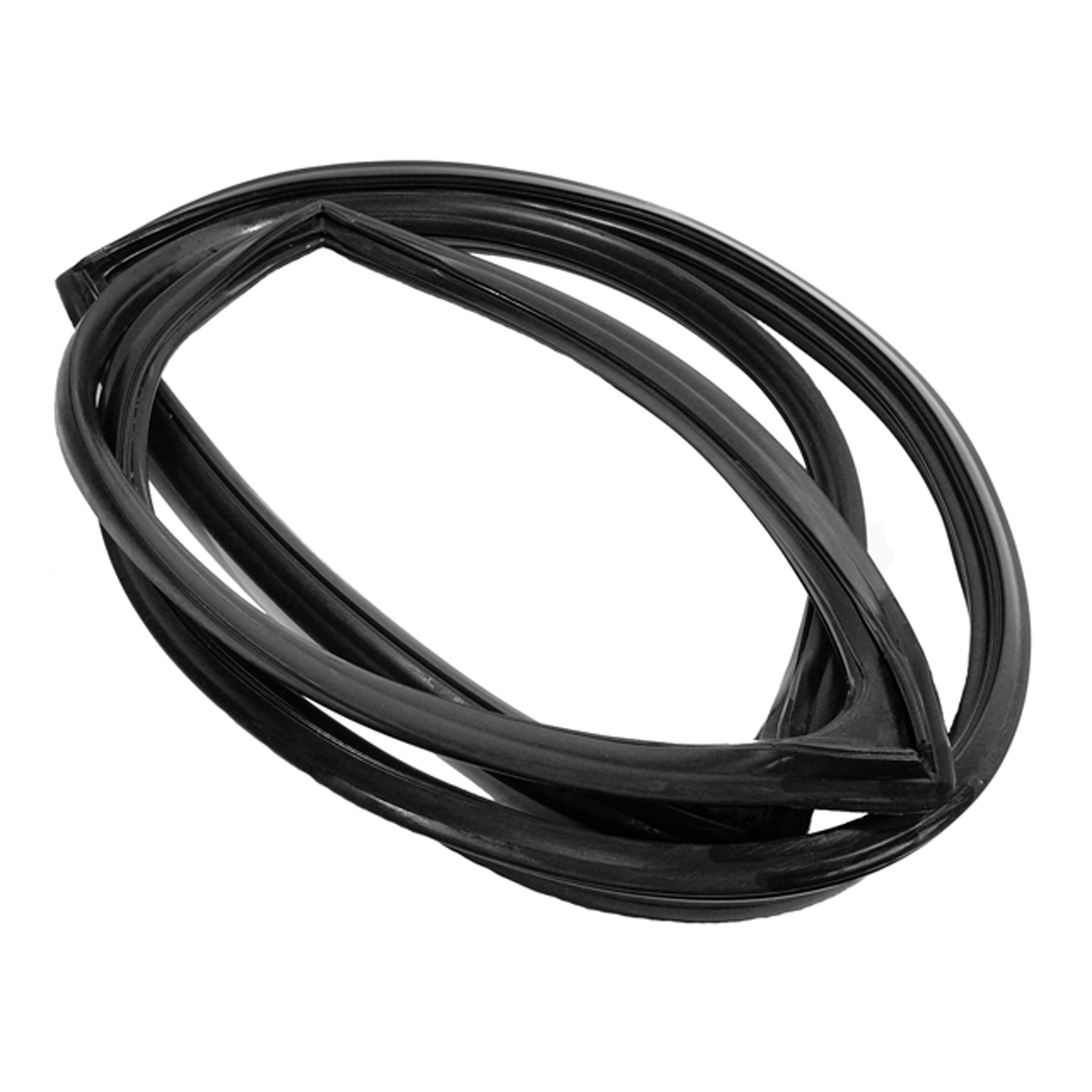 1970 Jeep J-3600 Vulcanized Windshield Seal. 164-1/4" Long. Each-VWS 0643Vulcanized Windshield Seal. 164-1/4" Long. Each
Why Choose Metro?
For over 100 years, Metro Moulded Parts has been the pinnacle of quality in classic car restoration parts. Our commitment to precision and authenticity in every component ensures a perfect fit and an OEM-level appearance.
- Expert Craftsmanship & Quality: Each part is a testament to our dedication to reliability and perfection, crafted from original designs and thoroughly tested.
- Advanced Technology: We use cutting-edge techniques to create flawless, long-lasting parts that surpass others in performance.
- SuperSoft Sponge – The Ultimate Door Seal: Not only are our door seals 30% softer than competitors', but they're also guaranteed to never leak. They effectively reduce wind and road noise, enhancing your classic car's comfort and driving experience.
- Proudly American: Our parts are a product of American craftsmanship, made in the USA with a spirit of excellence and heritage.
- Unrivaled Warranty: We back our products with a 30-year industry-leading warranty, a testament to our confidence in their quality.
Join us in preserving the legacy of classic cars with parts that are crafted for perfection, not just made.