

Image of 1973 Jeep J-2500, Note: These illustrations use artistic license and may differ from actual historical models.
Performance Metrics
Fundamental Metrics
Emotional Appeal
MMP Rating
| Engine Specifications | |
|---|---|
| Engine Options: | AMC 258 6-cylinder, AMC 360 V8 |
| Displacement Range: | 258-360 cu in (4.2-5.9 L) |
| Horsepower Range: | 150-195 hp |
| Torque: | 240-295 lb-ft |
| Compression Ratio: | 8.0:1 - 8.5:1 |
| Ignition System: | Conventional, breaker point |
| Cooling System: | Liquid-cooled |
| Performance Specifications | |
| 0-60 Time: | Estimated 10-15 seconds |
| 1/4 Mile Time: | Estimated 17-20 seconds |
| Top Speed: | 80-90 mph |
| Transmission and Drive | |
| Drive Type: | 4WD |
| Transmission Type: | 3-speed manual, 4-speed manual, 3-speed automatic |
| Fuel and Efficiency | |
| Fuel System Type: | Carburetor |
| MPG: | Estimated 10-15 mpg |
| Dimensions and Brakes | |
| Brakes: | Front disc, rear drum |
| Wheelbase: | 119 inches |
| Weight: | 4,500 lbs |
Note: Specifications for classic cars are given to the best of our ability, considering the limited and variant data available.
1973 Jeep J-2500: A Full-Size 4x4 Built for Real Work
The 1973 Jeep J-2500 brought a rare combination to the pickup market: full-size truck strength, serious four-wheel-drive capability, and the straightforward character of a vehicle designed to earn its keep. Built by Kaiser Jeep’s successor, American Motors Corporation (AMC), it belonged to Jeep’s J-Series line, a family of pickups that helped establish the brand as a maker of useful, go-anywhere trucks as well as off-road vehicles.
The J-Series began in 1963 as the Jeep Gladiator. By 1973, Jeep had dropped the Gladiator name from its pickups and used model designations such as J-2500 instead. The truck shared its basic platform and many components with the Wagoneer and Cherokee, but wore a practical pickup body. One notable piece of 1973 history is the availability of Quadra-Trac, Jeep’s innovative full-time four-wheel-drive system. It let drivers use four-wheel drive on dry pavement without stopping to engage it, a major convenience at a time when many 4x4s required more driver involvement.
Boxy Jeep Styling and Work-Truck Choices
The J-2500 looks every bit the classic American 4x4 pickup. Its tall, upright front end, round headlights, squared-off hood, and broad grille give it a purposeful face, while the high stance and substantial fenders signal useful ground clearance rather than street-truck fashion. The cab is compact compared with the long hood and bed, creating the familiar proportions of a traditional full-size pickup.
Inside, the cabin is functional and unfussy. Durable vinyl upholstery and hard-wearing trim were common choices, with cloth or upgraded materials available depending on equipment and trim. The broad bench seat, simple instrument panel, and large controls prioritize visibility and ease of use. This is not a luxury interior by modern standards, but its straightforward layout is part of the appeal: the driver gets clear, practical instruments without an excess of decorative trim.
Available equipment could include power steering, power brakes, air conditioning, an automatic transmission, and upgraded interior trim. Four-wheel-drive hardware varied by truck. Some J-2500s used a conventional part-time system, while Quadra-Trac offered full-time four-wheel drive with a chain-driven transfer case and a center differential. Its locking function could be used when conditions called for more equal power distribution between the axles.
Jeep offered the J-Series in different bed and equipment configurations, including the more traditional smooth-sided Townside and the stepside-style Thriftside. Bed length and availability depended on the particular model and setup. A regular-cab pickup with a practical bed was the classic J-2500 configuration. Period paint choices varied by model year and trim, but buyers could choose from a broad palette that included shades of white, red, blue, green, gold, and earth tones. White and other work-friendly colors suited fleet use, while brighter colors gave privately owned trucks more personality.
Why the J-2500 Mattered
The J-2500 was part of Jeep’s effort to bring genuine four-wheel-drive ability to a full-size pickup without turning it into a specialized off-road toy. It could haul, tow, and travel on rough roads, yet was still usable as a general-purpose truck. Its relationship to the Wagoneer also reflected an important Jeep strength: sharing proven chassis and drivetrain components across trucks and utility vehicles.
Quadra-Trac was the standout innovation. Full-time four-wheel drive made traction easier to manage on changing surfaces, including wet pavement, snow, and gravel. It did not make the J-2500 the first capable 4x4 pickup, nor did it eliminate the need for sound tires and careful driving. But it helped make four-wheel drive feel more accessible in everyday use. That idea would become increasingly important as four-wheel-drive pickups and sport-utility vehicles moved from niche work vehicles toward mainstream transportation.
Against contemporary pickups, the Jeep’s identity was distinctive. It paired a traditional truck body with Jeep’s established off-road reputation and the option of an unusually sophisticated four-wheel-drive system. The design remained conventional, but the combination of rugged utility and easier-to-use 4x4 technology gave the J-Series a character that still attracts vintage-truck fans.
Engines, Road Manners, and 4x4 Feel
Engine availability depended on the specific truck and equipment. J-Series pickups could be ordered with AMC inline-six power or V8 engines, including 360-cubic-inch and, in some configurations, 401-cubic-inch V8s. Transmissions included manual and automatic choices. The six-cylinder engines suited steady work and lighter use, while the V8s provided the stronger low-speed pull many buyers wanted for hauling and towing.
There is no single dependable 0-to-60 mph or top-speed figure for every 1973 J-2500. Engine, transmission, axle gearing, tires, four-wheel-drive equipment, and vehicle condition all make a substantial difference. As a broad period-truck estimate, a V8-powered example might take roughly 13 to 18 seconds to reach 60 mph, while a six-cylinder truck could be slower. Top speed is best thought of as approximately 80 to 90 mph for many configurations, though these figures are estimates rather than a universal factory specification. The J-2500 was engineered to work, not to set highway-speed records.
On the road, expect a heavy, old-school truck feel. The steering is slower and less precise than that of a modern pickup, and the solid-axle suspension can transmit sharp bumps through the cabin. On broken tracks, however, the truck’s high ground clearance and rugged running gear come into their own. On winding roads, its height, weight, and truck tires reward a measured pace. In a V8 version, the engine produces a deep, unhurried rumble, while the driver feels connected to the machinery through a relatively simple cabin and direct controls.
Living With a J-2500
Today, the J-2500 is most often used as a weekend driver, vintage 4x4, show vehicle, farm or property truck, or restoration project. A well-sorted example can still handle light hauling and back-road travel, but it is not an economical daily commuter by modern standards. Fuel consumption is one of the predictable trade-offs, especially with a V8 and four-wheel drive.
Mechanical repairs are often approachable for an experienced home mechanic. The engines and drivetrains are from a period when many components could be serviced with ordinary tools, and the shared parts heritage with other Jeep models can help with some repairs. However, finding exact trim pieces, body panels, and model-specific details may take more effort than sourcing routine mechanical parts.
Rust deserves close attention. Inspect the frame, cab corners, floor pans, bed, wheel arches, and areas around the windshield and doors. Check the four-wheel-drive system, axle joints, steering, brakes, and cooling system as carefully as the engine. A truck that looks tidy on the outside may still hide expensive corrosion or worn driveline components underneath.
J-2500 Trivia and Common Complaints
The J-2500’s name identified its place in Jeep’s full-size pickup range, but it should not be treated as a precise payload rating for every truck. Actual carrying capacity depended on equipment and configuration. The J-Series also lived through several corporate eras: the original Gladiator was introduced under Kaiser Jeep, while AMC owned Jeep by the time this 1973 truck was built. That corporate history makes the J-2500 a snapshot of a changing period for the brand.
Quadra-Trac is the feature most likely to surprise people who think of 1970s four-wheel drive as strictly part-time. Its full-time operation was an advanced and memorable option, although it added mechanical complexity compared with a basic part-time system. The J-2500 is not known for a major speed, sales, or endurance record, and it did not become a celebrity-truck icon. Its appeal is more grounded: it was a capable work vehicle with a distinctive Jeep approach to traction.
Common criticisms include thirsty engines, dated road manners, and the challenge of finding certain body and interior parts. The truck’s size and weight also make it less nimble than smaller 4x4s. Those drawbacks are part of the honest ownership picture, but they help explain why a solid, complete example is valued today.
Collector Values and Availability
There is no widely published production total for the 1973 J-2500 alone. As a cautious estimate rather than a factory figure, several thousand may have been built, perhaps in the broad range of 5,000 to 10,000. That estimate should be treated as speculative: surviving examples are more important to buyers than an uncertain original count, and many trucks have been modified, used hard, or lost to rust.
In the current collector market, a rough project might sell for about $3,000 to $7,000, while a usable driver could fall around $8,000 to $18,000. Clean, well-maintained examples may reach roughly $18,000 to $30,000, and exceptional restorations or especially desirable 4x4 configurations can ask for more. These are broad estimates, not guaranteed sale prices. Rust, originality, engine and drivetrain condition, documentation, and local demand can shift the value substantially.
Prices for classic 4x4s have generally gained attention over the long term, but the J-2500 remains more affordable than many better-known Jeep models. Good examples are not easy to find, and well-restored trucks may appreciate as interest in vintage pickups continues. Projects with serious corrosion or missing parts are less likely to benefit from that trend because restoration costs can quickly exceed the value of the finished truck.
A Jeep Pickup With Lasting Character
The 1973 Jeep J-2500 combines classic full-size pickup proportions, practical work-truck construction, and Jeep’s distinctive four-wheel-drive heritage. Its styling is honest and purposeful, its cabin is simple to service, and its available Quadra-Trac system gave it a forward-looking advantage for everyday traction. It asks more of its owner than a modern truck, particularly in fuel and maintenance, but rewards that effort with a driving experience that feels mechanical, sturdy, and unmistakably of its era.
For collectors, the J-2500 is not just another old pickup. It is a piece of Jeep history from the moment the brand was turning innovative 4x4 ideas into useful, full-size trucks.
1973 Jeep J-2500 Catalog of Parts
 1973 Jeep J-2500 Shock Absorber Grommet. 1" bottom O.D-BN 11Shock Absorber Grommet. 1" bottom O.D., 3/4" high, with 5/8" I.D. Each
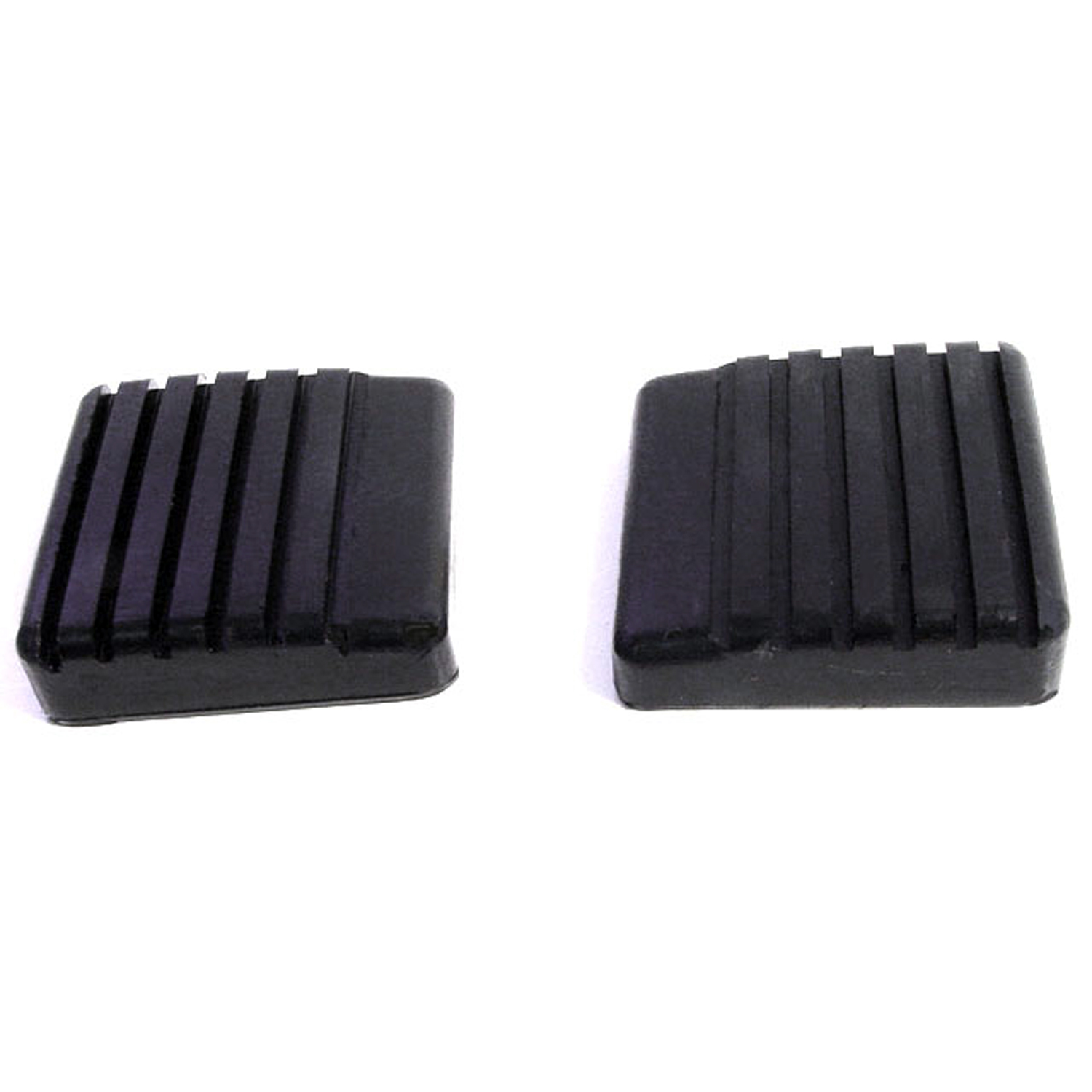 1973 Jeep J-2500 Clutch and Brake Pedal Pads. Pair-CB 61-BClutch and Brake Pedal Pads. Pair
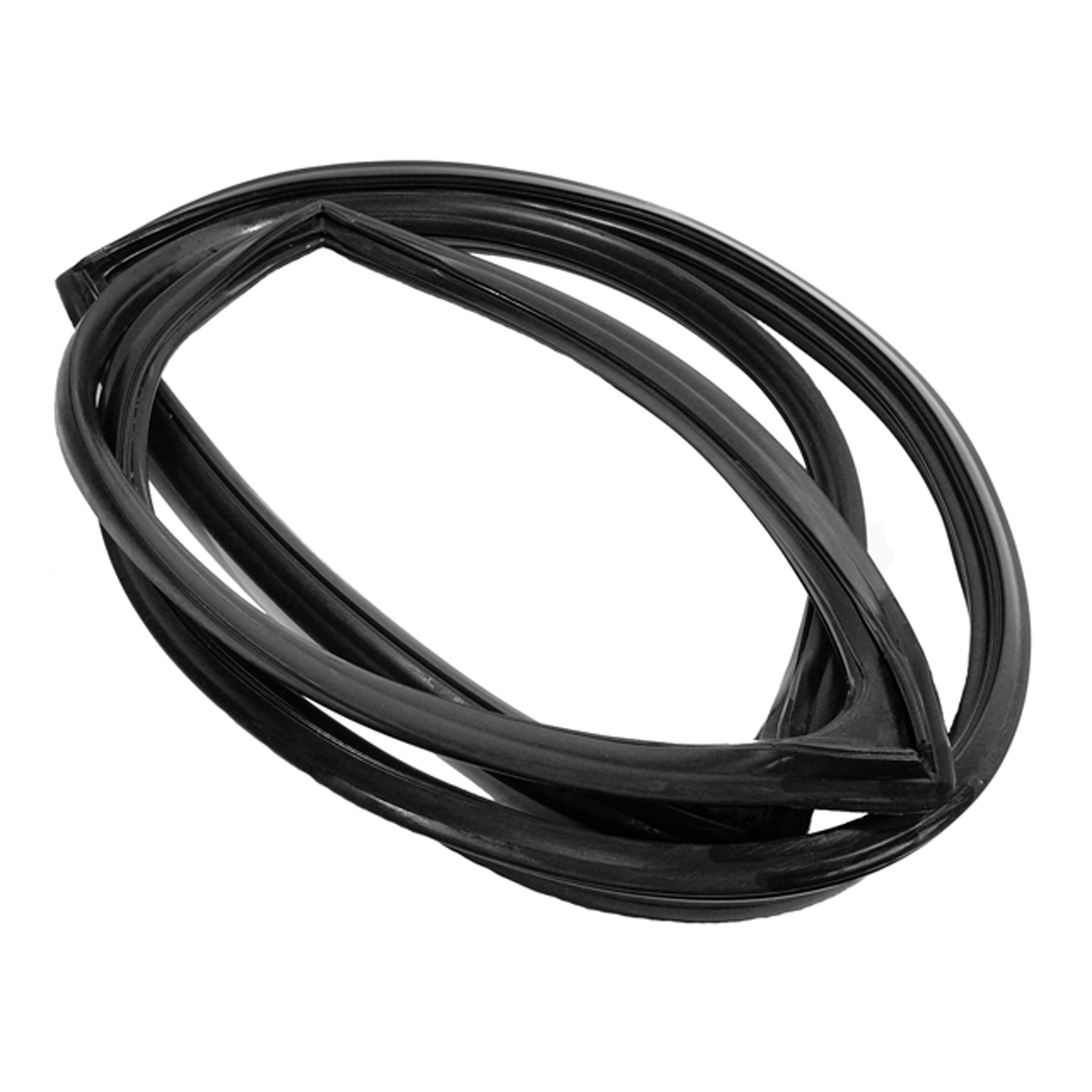 1973 Jeep J-2500 Vulcanized Windshield Seal. 164-1/4" Long. Each-VWS 0643Vulcanized Windshield Seal. 164-1/4" Long. Each
Why Choose Metro?
For over 100 years, Metro Moulded Parts has been the pinnacle of quality in classic car restoration parts. Our commitment to precision and authenticity in every component ensures a perfect fit and an OEM-level appearance.
- Expert Craftsmanship & Quality: Each part is a testament to our dedication to reliability and perfection, crafted from original designs and thoroughly tested.
- Advanced Technology: We use cutting-edge techniques to create flawless, long-lasting parts that surpass others in performance.
- SuperSoft Sponge – The Ultimate Door Seal: Not only are our door seals 30% softer than competitors', but they're also guaranteed to never leak. They effectively reduce wind and road noise, enhancing your classic car's comfort and driving experience.
- Proudly American: Our parts are a product of American craftsmanship, made in the USA with a spirit of excellence and heritage.
- Unrivaled Warranty: We back our products with a 30-year industry-leading warranty, a testament to our confidence in their quality.
Join us in preserving the legacy of classic cars with parts that are crafted for perfection, not just made.